



















When your LED lights flicker or fail early, chances are the driver is to blame. But choosing the right driver can fix it all.
A constant current 0–10V LED driver delivers a steady current to LEDs while using a 0–10V analog signal to control brightness. It ensures consistent output and smooth dimming.
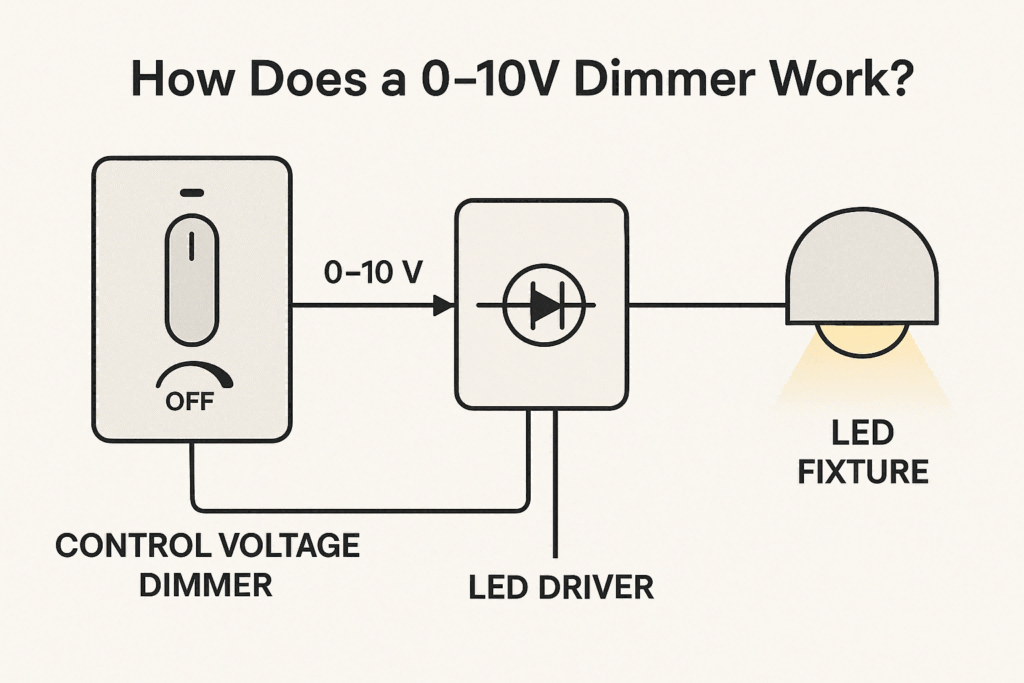
If you’re an LED lighting professional, you’ve probably heard of 0–10V dimming. But do you really know what’s happening inside the driver? Let’s go deeper.
What Is a Constant Current 0–10V LED Driver?
Some people think any LED driver can do dimming. But if you pick the wrong type, your LEDs might flicker, overheat, or fail early.
A constant current 0–10V driver delivers a fixed current to the LED while responding to a 0–10V analog dimming signal that adjusts light brightness.
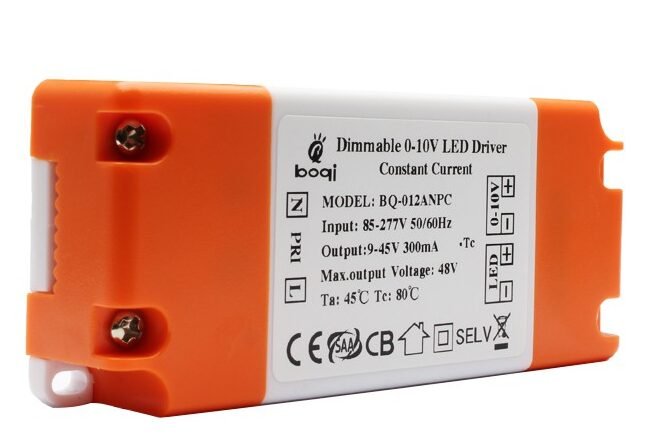
How It Works
A constant current driver limits the current, not the voltage. It’s designed for LEDs that need a steady current, like 350mA, 700mA, or 1050mA.
The “0–10V” part means it reads a 0–10V signal from a dimmer or control system. At 10V, the driver gives full brightness. At 0V, it dims the LED to its lowest level—or even turns it off, depending on the design.
This combination makes it ideal for LED luminaires that need both consistent performance and smooth dimming.
Constant Current vs Constant Voltage
| Type | Output Focus | Use Case | Dimmer Compatibility |
|---|---|---|---|
| Constant Current | Steady current | COB LEDs, linear modules | Needs current-based dimmer |
| Constant Voltage | Steady voltage | LED strips, signage | Works with PWM dimmers |
Key Components and Internal Structure?
Choosing a driver based on output specs is easy. Understanding what’s inside helps you choose the best quality one.
Inside a constant current 0–10V driver are key parts like the power input stage, current regulation circuit, and 0–10V dimming control circuit, all working together.
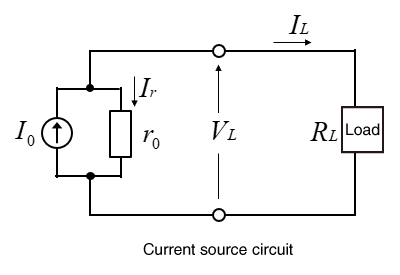
Main Building Blocks
1. Input Stage
This part handles AC to DC conversion. It includes:
- Rectifier: Converts AC to DC
- EMI Filter: Reduces interference
- พีเอฟซีเซอร์กิต: Improves power efficiency and PF ≥ 0.9
2. Current Regulation Circuit
This section sets and stabilizes the output current using:
- Buck/Boost Converter: Adjusts voltage to maintain constant current
- Current Sense Resistor: Monitors real-time current
- Feedback Loop: Keeps current at the target level
3. 0–10V Dimming Circuit
It reads the control signal and adjusts output accordingly:
- Voltage Detection Circuit: Measures 0–10V input
- Control IC or Op-Amp: Converts voltage to PWM/dimming logic
- MOSFET Switching: Adjusts duty cycle or current output
| Component | Function |
|---|---|
| Rectifier + EMI | Converts input power and filters noise |
| Buck/Boost Stage | Maintains regulated output current |
| 0–10V Dimming Block | Translates analog signal into dimming action |
This design ensures smooth dimming and stable LED operation.
The Role of 0–10V Dimming in LED Control?
Without dimming control, you lose flexibility in lighting. But with 0–10V, things get more precise.
The 0–10V signal controls LED brightness by sending a voltage level to the driver, which then adjusts current output to the LEDs accordingly.

Analog Dimming Simplified
0–10V dimming is a type of analog dimming. It’s widely used because it’s simple and reliable.
- 10V = 100% brightness
- 0V = minimum brightness or off
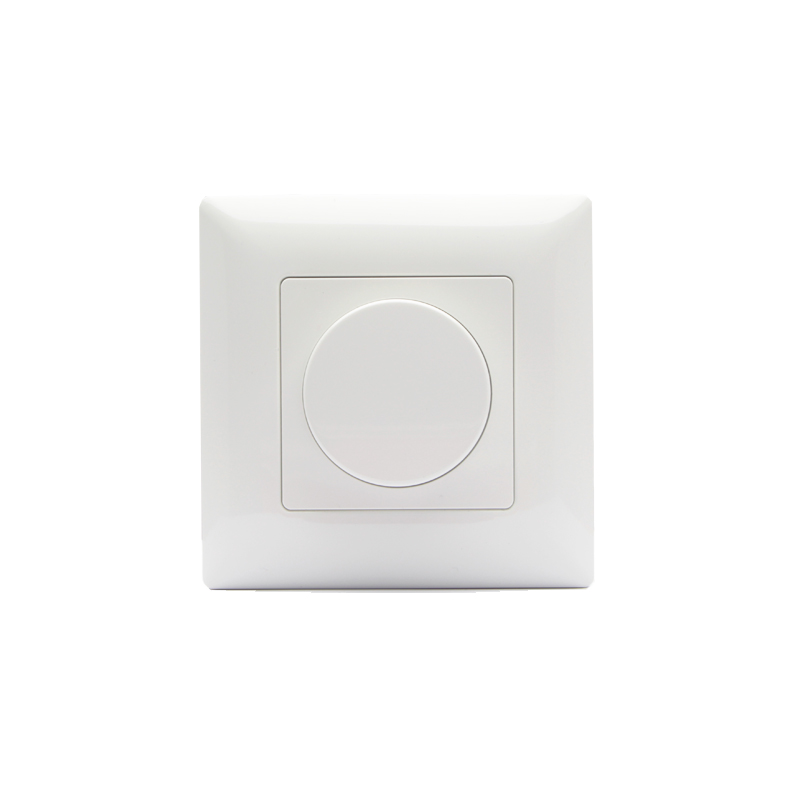
Most commercial dimmers, sensors, or automation systems can output a 0–10V signal.
The driver reads this signal using its internal voltage detection circuit. Then, it reduces the output current proportionally, which dims the LED light.
| แรงดันไฟฟ้าขาเข้า | LED Brightness (%) |
|---|---|
| 10V | 100% |
| 5V | 50% |
| 1V | ~10% |
| 0V | 0% or Off |
This is why many building lighting systems, especially in North America, use 0–10V drivers.
How the Driver Regulates Current for LED Stability?
An unstable driver shortens LED lifespan. That’s why current regulation matters.
The driver keeps current steady through feedback control, protecting LEDs from voltage changes, heat, and component drift.
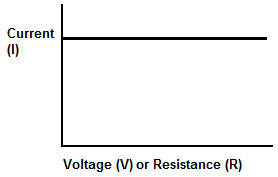
Why Current Regulation Is Critical
LEDs are current-sensitive. A small increase in current can cause:
- Excessive heat
- Color shifting
- Shortened lifespan
Feedback Mechanism
Most constant current drivers use a closed-loop system:
- Sense resistor tracks real-time current
- Feedback circuit compares it to a reference
- Control IC adjusts the power stage to correct it
Temperature Compensation
Some high-quality drivers include:
- NTC thermistors
- Over-temperature shutdown
- Dimming based on thermal feedback
| Problem | Cause | How Driver Helps |
|---|---|---|
| Flickering | Unstable current | Fast-responding feedback loop |
| Overheating | Excess current | Precise current control |
| Uneven brightness | Current drift across LEDs | Balanced output per string |
This is how boqi ensures long-lasting and reliable lighting.
Typical Wiring Diagram of a 0–10V Constant Current Driver?
If wiring isn’t clear, even the best driver won’t work right.
A standard wiring diagram includes AC input, DC output to the LED load, and a separate 0–10V control line.
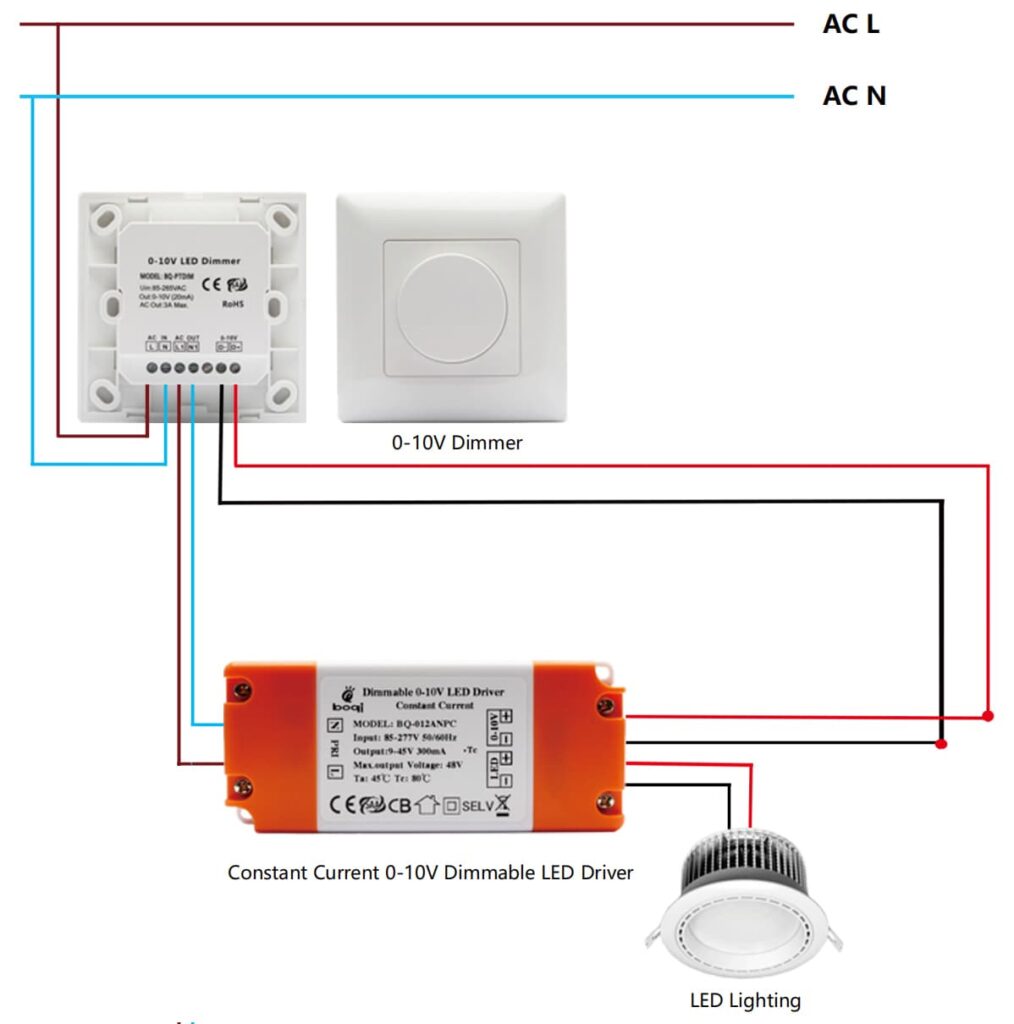
Wiring Breakdown
Main Lines:
- L/N (AC Input): Connect to mains (usually 100–277V AC)
- +/- (DC Output): Connect to LED module (constant current)
- DIM+/DIM-: Connect to 0–10V dimmer/controller
Key Tips:
- Use shielded wires for dimming input to reduce noise
- Avoid running dimming wires next to AC lines
- Make sure the dimmer ground and driver ground are connected
| Connection Type | Color Convention | Purpose |
|---|---|---|
| AC Input L/N | Brown/Blue | Power input |
| DC Output +/- | Red/Black | Power to LEDs |
| Dimming Input +/- | Purple/Grey | 0–10V analog signal |
This wiring setup is compatible with most building standards and dimming controllers.
Application Scenarios: Where to Use This Type of Driver?
You can’t use the same driver everywhere. Picking the right one for each case saves time and money.
0–10V constant current drivers are ideal for commercial and office lighting, where smooth dimming, energy savings, and lighting control are important.

Where It Works Best
Commercial Lighting
- Panel lights
- Troffers
- Downlights
Office Buildings
- Linear LED fixtures
- Suspended ceiling lights
Industrial
- High bays with dimming
- Task lighting with sensors
Outdoor Use (if IP rated)
- Streetlights with smart controls
- Parking area lighting
These applications need:
- Smooth dimming
- Reliable current regulation
- Compatibility with building control systems
That’s exactly where boqi drivers perform best.
Advantages of Using a 0–10V Constant Current Driver?
If you’re comparing driver options, it’s easy to get lost in the specs. But this type stands out in a few clear ways.
A 0–10V constant current driver offers smooth dimming, high energy efficiency, and wide control system compatibility.
Why It Matters
Energy Efficiency
- Reduced power at lower dimming levels
- Power Factor > 0.9, THD < 20%
Compatibility
- Works with building automation
- No digital protocol required
Easy Troubleshooting
- Voltage-based signal is easy to measure
- No software or address setting needed
| ลักษณะเฉพาะ | Benefit |
|---|---|
| Analog signal | Simple, stable, predictable |
| Constant current | Longer LED life, consistent output |
| Industry standard | Works with most dimmers/controllers |
When you want hassle-free dimming with dependable current control, 0–10V constant current drivers are the answer.
Common Compatibility Issues and How to Solve Them?
Even with a good driver, dimming problems can still happen. You need to know why.
Common issues include flickering, low-end cutoff, or dimming range problems. Most can be solved by matching the driver, dimmer, and LED specs.
What Can Go Wrong?
| Issue | Cause | Solution from BOQI |
|---|---|---|
| LED won’t turn off | Dimmer doesn’t reach 0V | Use driver with OFF below 0.7V |
| Flickering | Poor signal line layout | Use shielded cable, clean ground |
| Uneven dimming | LED not compatible with current curve | Use custom dimming curve driver |
BOQI offers technical support to test your full setup—including the dimmer, driver, and load—to ensure smooth performance.
Customization Options Available from BOQI?
Every lighting project is unique. That’s why customization matters.
boqi can tailor constant current 0–10V drivers by adjusting output current, mechanical size, dimming curve, labels, and more.
What We Offer
กระแสไฟขาออก
From 150mA to 1500mA, adjustable in steps or fixed
Housing Design
- Slim line
- Ultra thin
- Square casing
Control Features
- 0–10V + PWM combo
- Push-dim integration
- Dim-to-off or minimum level dimming
Branding & Packaging
- Private label
- Custom printing
- Unique packaging for retail
You send us your LED load specs and installation environment. We recommend the best-fit driver or design a new one from scratch.
Why boqi Is Your Reliable Dimming Partner?
You don’t just need a driver. You need a partner who understands lighting.
boqi provides high-quality constant current 0–10V LED drivers with flexible customization, strong technical support, and fast delivery.
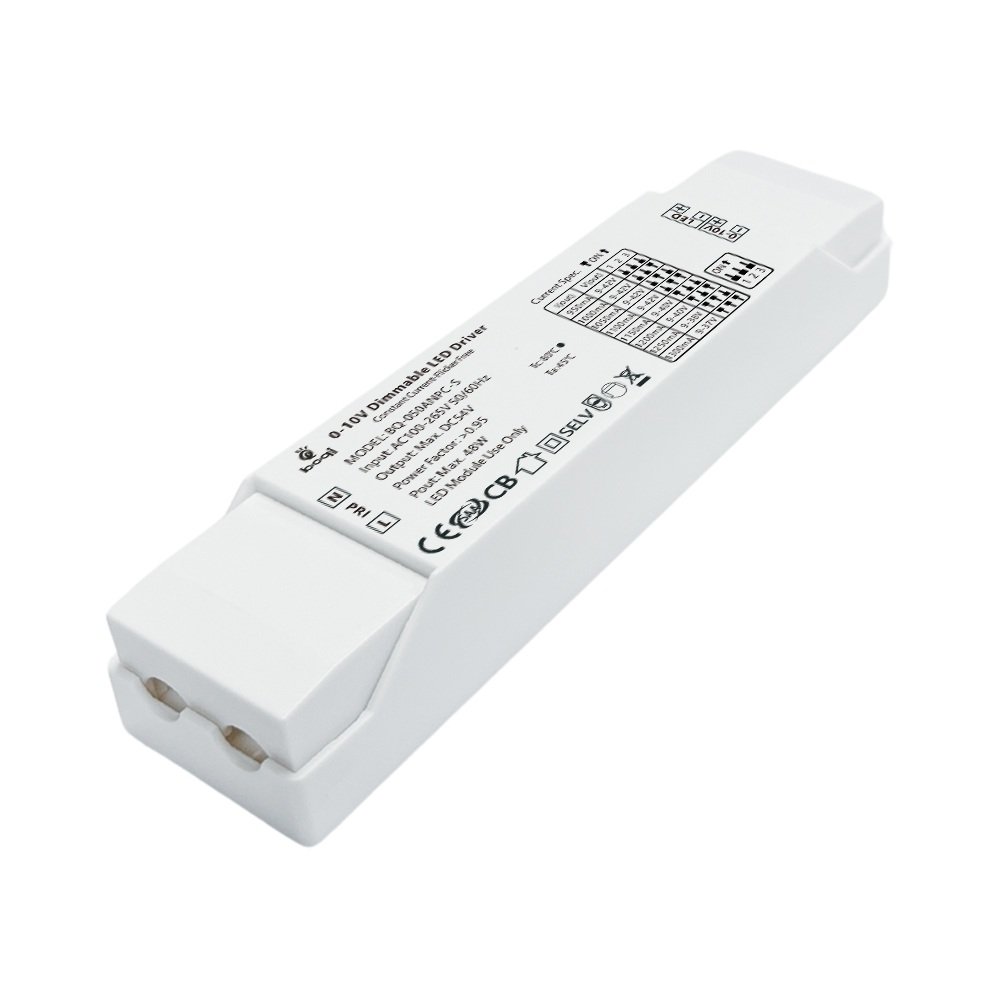
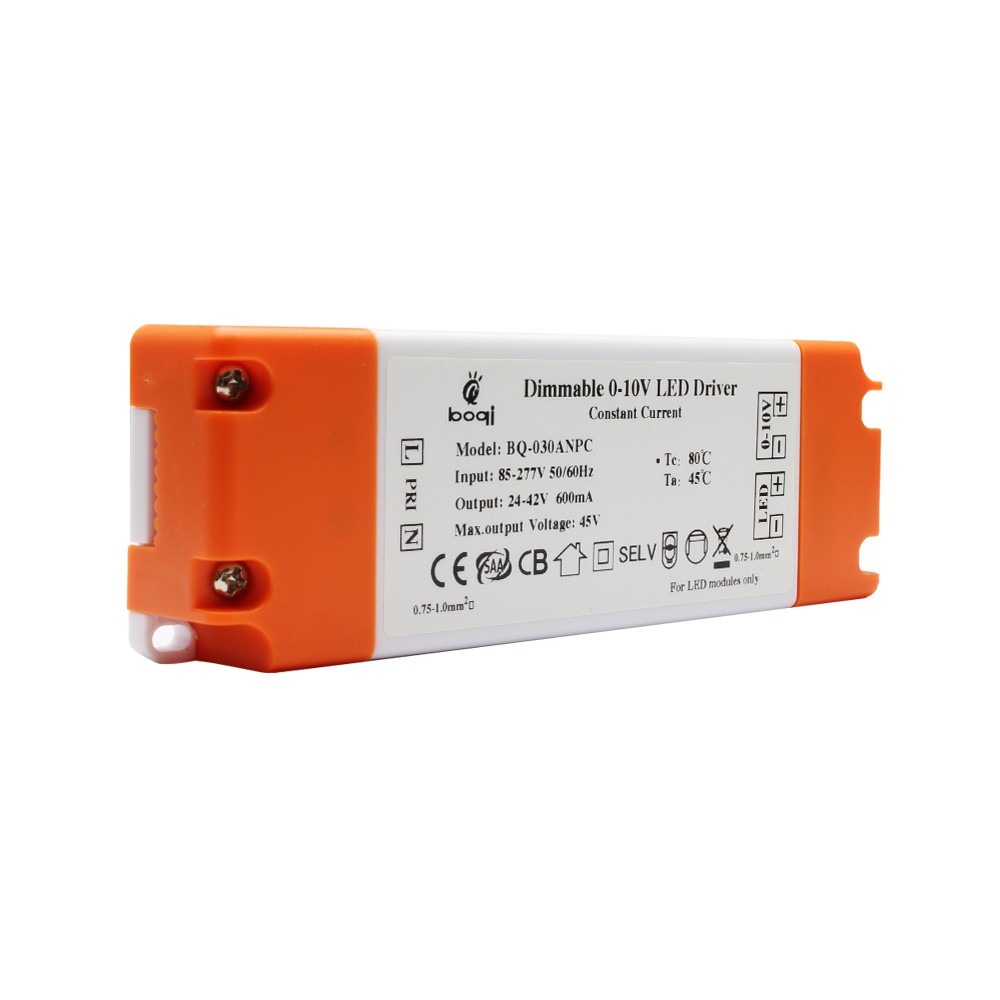
We know your challenges—tight timelines, compatibility headaches, and sourcing uncertainty. That’s why we test every unit, help with wiring diagrams, and even support your product launch with sample drivers and technical documents.
Our mission is simple: help you win in the LED business, just like we did.
Conclusion
A 0–10V constant current driver brings steady performance and smooth dimming—boqi makes sure it works exactly the way you need.