



















Sometimes dimmers work perfectly in China but fail after reaching the UK. The most common reason? Lamp compatibility issues.
To confirm TRIAC dimmer compatibility with LED, halogen, and incandescent lamps, check supported lamp types, load ranges, dimming curve type, and real-world test results on the dimmer and the LED driver.

Even when a dimmer claims to be “universal,” not all loads are created equal. Let’s break it down so you won’t be caught off guard.
Why Lamp Compatibility Matters for UK TRIAC Dimmers?
A dimmer can work in one country and fail in another due to different grid standards and load behavior.
Lamp compatibility ensures the dimmer works without flicker, buzzing, or damage, especially with sensitive LED electronics.
Why This Is Critical
TRIAC dimmers work by cutting part of the AC waveform to reduce light output. Halogen and incandescent bulbs handle this well because of their resistive nature. LEDs, however, have drivers inside, and not all drivers are good at handling chopped waveforms. If the dimmer and LED driver are not matched correctly, you get flickering, drop-out, or buzzing.
How Grid Differences Affect Compatibility
In the UK, the mains voltage is 230V at 50Hz. Chinese dimmers made for 220V may still work, but poor tolerance or non-certified components could create problems. Even a 10V difference can affect holding current and dimmer behavior. This makes it essential to confirm compatibility with UK mains and local lamp types.
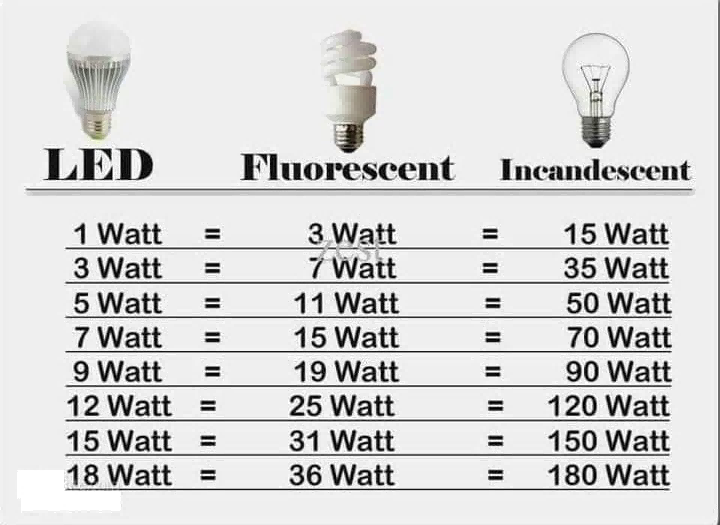
Key Differences Between LED, Halogen, and Incandescent Loads?
Each lamp type responds differently to dimming signals, and that shapes what kind of dimmer you need.
LED loads are electronic and low power, while halogen and incandescent loads are resistive and high-power.
Comparing Load Behaviors
| Lamp Type | Load Type | Response to TRIAC Dimming | Issues with Compatibility |
|---|---|---|---|
| Incandescent | Resistive | Very compatible | Needs high minimum load |
| Halogen | Resistive | Very compatible | High starting inrush |
| LED (with driver) | Electronic | Sensitive to waveform cut | Flicker, drop-out, buzzing |
In-Depth Explanation
Incandescent
Incandescent lamps have a purely resistive load. When you reduce voltage using TRIAC dimming, the filament gets less current and glows dimmer. These loads are very forgiving and rarely flicker. But they require a certain amount of load—typically 40W or more—to function properly with leading-edge dimmers.
Halogen
Halogen bulbs are similar to incandescent but usually run hotter and may have a higher inrush current at startup. Compatibility is generally good, but some dimmers may overheat due to that initial current surge.
LED
LED lamps are powered by drivers—small electronic circuits that convert AC into low-voltage DC. These drivers need to maintain a minimum “holding current” from the dimmer. If the dimmer can’t deliver it, the lamp flickers, buzzes, or shuts off. Low-wattage LED bulbs may also fall below the minimum load threshold, especially if multiple lamps aren’t used in the circuit.
How TRIAC Dimming Works with Different Lamp Technologies?
Understanding how TRIAC dimming works will help explain why some lamps behave poorly.
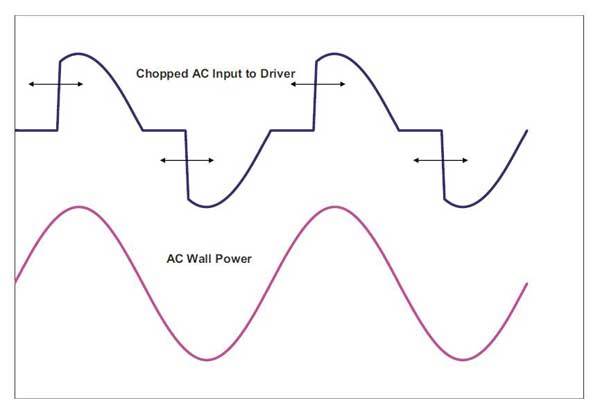
TRIAC dimming chops the AC waveform to lower the effective voltage, but this works best with resistive loads like incandescent and halogen lamps.
Breaking Down TRIAC Function
What is a TRIAC?
A TRIAC is a semiconductor switch that turns on when triggered and stays on until the current drops below a threshold. It turns on partway through each half-cycle of AC, thereby reducing the power delivered to the load.
Leading Edge vs Trailing Edge
| Dimming Type | Activation Method | Best For | Known Problems |
|---|---|---|---|
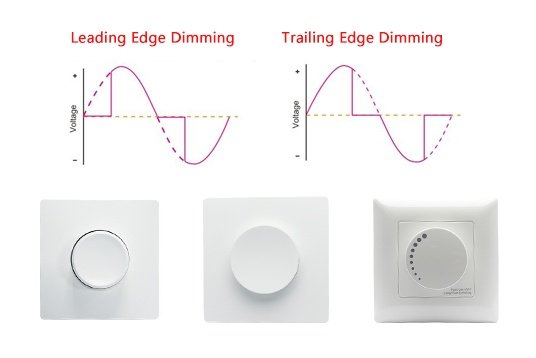
| Leading Edge | Cuts beginning of wave | Incandescent, halogen | Not ideal for LEDs |
| Trailing Edge | Cuts end of wave | LEDs, electronic loads | More expensive to implement |
TRIAC dimmers usually use leading-edge control. This can cause problems with LED drivers that require smoother voltage transitions, which trailing-edge dimmers offer. For LEDs, trailing-edge is almost always better.
Typical Compatibility Profiles of Leading-Edge vs. Trailing-Edge Dimmers?
Not all TRIAC dimmers are the same—knowing the dimming curve matters.
Leading-edge dimmers suit resistive loads. Trailing-edge dimmers handle low-wattage and electronic loads like LEDs much better.
Compatibility Profiles
| Dimming Type | Load Types Supported | Minimum Load | LED Flicker Resistance |
|---|---|---|---|
| Leading-Edge | Incandescent, Halogen | Typically 40W+ | Low |
| Trailing-Edge | LED, Electronic Low Voltage (ELV) | As low as 3–10W | High |
Many Chinese suppliers may label their dimmers as “TRIAC” but don’t clearly indicate the edge type. That’s a red flag—ask them directly.
What to Look for in the Supplier’s Datasheet and Product Label?
The datasheet often hides the real truth—if you know what to look for.
Confirm dimmer compatibility by checking load type, edge control type, voltage tolerance, and minimum-maximum load range.
Key Parameters to Check
Load Type Icons or Text
- Must mention: “LED dimmable,” “incandescent,” “halogen”
Edge Type
- Look for “Leading Edge,” “Trailing Edge,” or “Both”
Minimum/Maximum Load
- Check for separate ranges per lamp type
Certifications
- UKCA, CE, BS EN compliance
If a product label only says “LED compatible” without mentioning trailing edge or listing LED wattage, test it yourself or skip it.
How to Identify True LED-Dimmable Compatibility Claims?
Many dimmers claim LED compatibility. Not all of them deliver.
Check for low minimum wattage, trailing-edge control, driver pairing tests, and third-party certification to confirm true LED compatibility.
Red Flags
- “Universal dimmer” with no spec detail
- No edge type stated
- Minimum load above 20W
- No LED driver reference list
How to Validate
- Ask the supplier for a compatibility list (many have tested with Philips, Osram, etc.)
- Confirm the dimmer can work with as low as 3–5W per LED load
- Look for flicker-free logos or IEC/EN standard references
Checking Halogen and Incandescent Load Support in Chinese Dimmer Specs?
These legacy lamp types are still used in UK homes, especially in older installations.
Make sure the dimmer supports 100W+ loads, has no startup delay, and tolerates halogen inrush current.
What to Ask the Supplier
- Is there a maximum resistive load?
- Any issue with halogen startup current?
- Can it handle multiple GU10 halogen lamps?
Typical Spec Values
| Load Type | Minimum Load | Maximum Load | Startup Surge Support |
|---|---|---|---|
| Incandescent | 40W | 300W–500W | Not usually a problem |
| Halogen | 50W | 300W | May require surge support |
If you mix LED and halogen in one circuit, be very careful—many dimmers can’t handle both at once.
Electrical Testing Methods to Verify Real-World Lamp Compatibility?
Specs are good, but testing proves everything.
Use a dimming test bench with adjustable loads to test performance across the dimmer’s range, especially at low and high ends.
Test Setup Checklist
- Test with at least 3–5 lamp brands
- Try low-wattage single-lamp setup (3W–10W)
- Test dimming curve from 0% to 100%
- Listen for buzzing
- Look for flicker and smooth transition
Record voltage, current, and lamp behavior at different dimmer settings. If there’s instability or dropout below 20%, it’s not suitable for LEDs.
Common Issues: Flicker, Buzzing, Drop-Out, and Limited Dimming Range?
These are the real-world problems that make customers return products.
Most dimmer issues come from mismatched dimmer-driver pairs and poor-quality TRIAC components.
Common Problems Table
| Issue | Cause | Solution |
|---|---|---|
| Flickering | Holding current too low | Use LED driver with higher PF |
| Buzzing | Electromagnetic interference | Use trailing-edge dimmer |
| Drop-out | Load below minimum wattage | Use multiple LED bulbs |
| Limited dimming | Driver not designed for TRIAC | Use TRIAC-compatible driver |
If you see any of these in early testing, avoid importing that model. It will lead to customer complaints.
Questions to Ask Your Chinese Manufacturer Before Placing an Order?
Getting answers early can save you from bad stock and returns.
Ask about edge type, load testing reports, UK certification, and LED driver pairing test results.
Must-Ask Questions
- Is this dimmer leading-edge or trailing-edge?
- What is the tested minimum LED load?
- Which brands of LED bulbs has it been tested with?
- Do you have a test video or report?
- Is this product certified for the UK market?
Avoid any supplier that hesitates to answer or only gives vague responses like “works with most LEDs.”
Pre-Import Compatibility Checklist for UK TRIAC Dimmers?
Don’t confirm your PO before going through this list.
Use this checklist to ensure the dimmer works across all lamp types and avoids quality problems.
Quick Checklist
- Edge type clearly marked (leading/trailing)
- LED load: 3W minimum, tested
- Incandescent/halogen: 300W+ support
- Flicker-free operation confirmed
- Tested with at least 3 LED brands
- Dimming range 5%–100%
- UKCA / CE / RoHS certified
- Datasheet includes lamp compatibility table
- No buzzing, drop-out, or flicker in tests
Заключение
Always confirm dimmer compatibility through clear specs, real testing, and communication—don’t rely on vague claims or labels.
British Standard AC Triac Rotary Panel Dimmer by boqi

Discover seamless lighting control with the BQ-TTDIM-UK — boqi’s premium British Standard AC Triac Rotary Panel Dimmer. Engineered for precise dimming and dependable performance, this rotary panel dimmer is the ideal choice for modern lighting systems.
Key Features:
- 1 Channel Output – Supports dimming and switching for single-color dimmable LED lamps, incandescent, and halogen lights.
- Flexible Dimming Control – Rotary knob dimming with on/off push support and memory function.
- Smart Protection – Built-in overheat and overload protection for safe operation.
- Min Brightness Setting – Adjustable via dedicated key for tailored lighting levels.
- Compact Design – British Standard size, sleek appearance, and lightweight at just 0.066kg.
Specifications:
- Input Voltage: AC 200–240V
- Output Power: 5–200W
- Dimming Range: 0–100%
- IP Rating: IP20 (Indoor use)
- Operating Temp: -30°C to +55°C
- Сертификаты: CE, ЭМС, LVD, RoHS
- Warranty: 5 Years
This dimmer is not suitable for inductive transformers, fans, or motor speed control.
At boqi, we combine over a decade of expertise with certified quality and fast service. Our products are trusted worldwide for delivering energy-efficient, flicker-free, and customizable lighting control solutions.
Partner with boqi for scalable, compliant, and high-performance LED dimming systems — where innovation meets reliability.
👉 Contact us today to get a quote or start your project!