














Às vezes, os dimmers funcionam perfeitamente na China, mas falham ao chegar ao Reino Unido. O motivo mais comum? Problemas de compatibilidade com lâmpadas.
Para confirmar a compatibilidade do dimmer TRIAC com lâmpadas LED, halógenas e incandescentes, verifique os tipos de lâmpadas suportados, as faixas de carga, o tipo de curva de dimerização e os resultados de testes reais no dimmer e no driver de LED.

Mesmo quando um dimmer afirma ser “universal”, nem todas as cargas são iguais. Vamos detalhar isso para que você não seja pego de surpresa.
Por que a compatibilidade com lâmpadas é importante para dimmers TRIAC no Reino Unido?
Um dimmer pode funcionar em um país e falhar em outro devido a diferentes padrões de rede elétrica e comportamento de carga.
A compatibilidade com lâmpadas garante que o dimmer funcione sem cintilação, zumbido ou danos, especialmente com eletrônicos sensíveis de LED.
Por que isso é crítico
Os dimmers TRIAC funcionam cortando parte da forma de onda CA para reduzir a saída de luz. Lâmpadas halógenas e incandescentes lidam bem com isso devido à sua natureza resistiva. LEDs, no entanto, possuem drivers internos, e nem todos os drivers são bons em lidar com formas de onda cortadas. Se o dimmer e o driver de LED não forem combinados corretamente, você terá cintilação, queda de luz ou zumbido.
Como as diferenças na rede elétrica afetam a compatibilidade
No Reino Unido, a tensão da rede é 230V a 50Hz. Dimmers chineses feitos para 220V podem funcionar, mas tolerância ruim ou componentes não certificados podem criar problemas. Mesmo uma diferença de 10V pode afetar a corrente de manutenção e o comportamento do dimmer. Isso torna essencial confirmar a compatibilidade com a rede do Reino Unido e os tipos de lâmpadas locais.
Principais diferenças entre cargas de LED, halógenas e incandescentes?
Cada tipo de lâmpada responde de forma diferente aos sinais de dimerização, e isso determina o tipo de dimmer que você precisa.
Cargas de LED são eletrônicas e de baixa potência, enquanto cargas halógenas e incandescentes são resistivas e de alta potência.
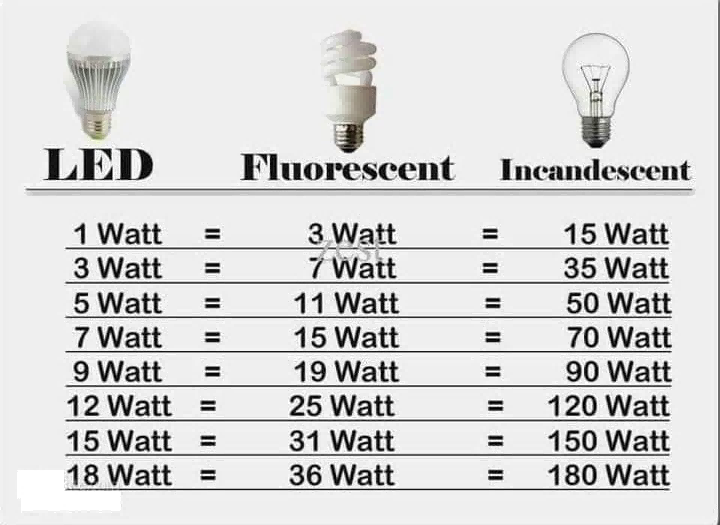
Comparando comportamentos de carga
| Tipo de lâmpada | Tipo de carga | Resposta à dimerização TRIAC | Problemas de compatibilidade |
|---|---|---|---|
| Incandescente | Resistiva | Muito compatível | Exige carga mínima alta |
| Halógena | Resistiva | Muito compatível | Alta corrente de partida |
| LED (com driver) | Eletrônico | Sensível ao corte de forma de onda | Cintilação, queda de luz, zumbido |
Explicação detalhada
Incandescente
Lâmpadas incandescentes têm uma carga puramente resistiva. Quando você reduz a tensão usando dimerização TRIAC, o filamento recebe menos corrente e brilha mais fracamente. Essas cargas são muito tolerantes e raramente cintilam. Mas elas exigem uma certa quantidade de carga—tipicamente 40W ou mais—para funcionar corretamente com dimmers de corte de fase dianteiro.
Halógena
Lâmpadas halógenas são semelhantes às incandescentes, mas geralmente operam mais quentes e podem ter uma corrente de partida mais alta na inicialização. A compatibilidade é geralmente boa, mas alguns dimmers podem superaquecer devido a esse surto de corrente inicial.
LED
Lâmpadas LED são alimentadas por drivers—pequenos circuitos eletrônicos que convertem CA em CC de baixa tensão. Esses drivers precisam manter uma “corrente de retenção” mínima do dimmer. Se o dimmer não conseguir fornecê-la, a lâmpada cintila, zumbe ou desliga. Lâmpadas LED de baixa potência também podem ficar abaixo do limiar mínimo de carga, especialmente se várias lâmpadas não forem usadas no circuito.
Como a dimerização TRIAC funciona com diferentes tecnologias de lâmpadas?
Entender como a dimerização TRIAC funciona ajudará a explicar por que algumas lâmpadas se comportam mal.
A dimerização TRIAC corta a forma de onda CA para reduzir a tensão efetiva, mas isso funciona melhor com cargas resistivas como lâmpadas incandescentes e halógenas.
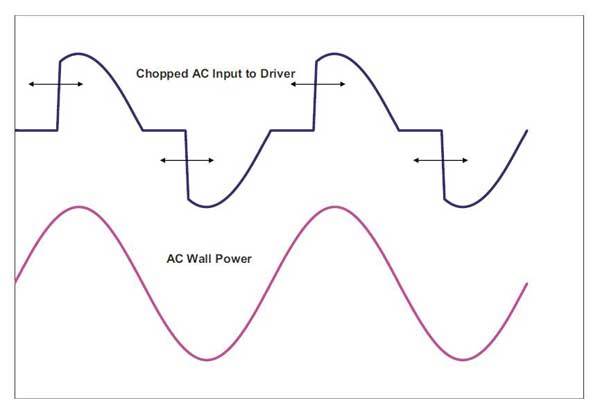
Detalhando a função do TRIAC
O que é um TRIAC?
Um TRIAC é um interruptor semicondutor que liga quando acionado e permanece ligado até que a corrente caia abaixo de um limiar. Ele liga no meio de cada semiciclo da CA, reduzindo assim a potência entregue à carga.
Borda de Subida vs Borda de Descida
| Tipo de Dimming | Método de Ativação | Melhor Para | Problemas Conhecidos |
|---|---|---|---|
| Borda de Avanço (Leading Edge) | Corta o início da onda | Incandescente, halógena | Não ideal para LEDs |
| Borda de Atraso (Trailing Edge) | Corta o final da onda | LEDs, cargas eletrônicas | Mais caro de implementar |
Dimmers TRIAC geralmente usam controle de corte de fase dianteiro. Isso pode causar problemas com drivers LED que exigem transições de tensão mais suaves, que os dimmers de corte de fase traseiro oferecem. Para LEDs, o corte de fase traseiro é quase sempre melhor.
Perfis típicos de compatibilidade de dimmers de borda de subida (leading-edge) vs. borda de descida (trailing-edge)?
Nem todos os dimmers TRIAC são iguais—conhecer a curva de dimerização é importante.
Dimmers de corte de fase dianteiro são adequados para cargas resistivas. Dimmers de corte de fase traseiro lidam muito melhor com cargas de baixa potência e eletrônicas como LEDs.
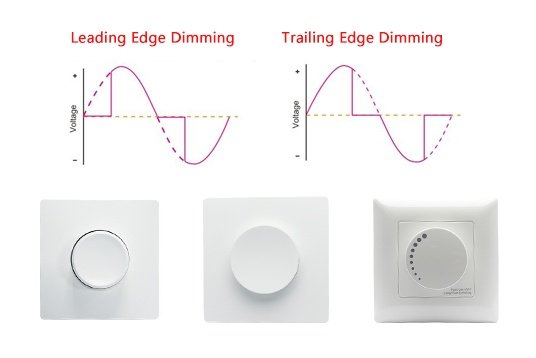
Perfis de compatibilidade
| Tipo de Dimming | Tipos de Carga Suportados | Carga Mínima | Resistência à Cintilação de LED |
|---|---|---|---|
| Corte de Fase Dianteiro | Incandescente, Halógena | Tipicamente 40W+ | Baixo |
| Corte de Fase Traseiro | LED, Baixa Tensão Eletrônica (ELV) | A partir de 3–10W | Alta |
Muitos fornecedores chineses podem rotular seus dimmers como “TRIAC”, mas não indicam claramente o tipo de corte de fase. Isso é um sinal de alerta—pergunte diretamente a eles.
O que procurar na folha de dados e no rótulo do produto do fornecedor?
O datasheet frequentemente esconde a verdade real—se você souber o que procurar.
Confirme a compatibilidade do dimmer verificando o tipo de carga, o tipo de controle de corte de fase, a tolerância de tensão e a faixa de carga mínima-máxima.
Parâmetros Principais a Verificar
Ícones ou Texto do Tipo de Carga
- Deve mencionar: “LED dimerizável”, “incandescente”, “halógena”
Tipo de Corte de Fase
- Procure por “Corte de Fase Dianteiro”, “Corte de Fase Traseiro” ou “Ambos”
Carga Mínima/Máxima
- Verifique se há faixas separadas por tipo de lâmpada
Certificações
- Conformidade UKCA, CE, BS EN
Se o rótulo de um produto apenas diz “compatível com LED” sem mencionar corte de fase traseiro ou listar a potência LED, teste você mesmo ou ignore-o.
Como identificar alegações verdadeiras de compatibilidade com dimerização de LED?
Muitos dimmers afirmam compatibilidade com LED. Nem todos entregam.
Verifique baixa potência mínima, controle de corte de fase traseiro, testes de pareamento de driver e certificação de terceiros para confirmar verdadeira compatibilidade com LED.
Sinais de alerta
- “Dimmer universal” sem detalhes de especificação
- Nenhum tipo de corte de fase declarado
- Carga mínima acima de 20W
- Nenhuma lista de referência de drivers LED
Como validar
- Peça ao fornecedor uma lista de compatibilidade (muitos testaram com Philips, Osram, etc.)
- Confirme que o dimmer pode funcionar com apenas 3–5W por carga LED
- Procure por logotipos flicker-free ou referências às normas IEC/EN
Verificação do suporte a cargas halógenas e incandescentes nas especificações de dimmers chineses?
Esses tipos de lâmpadas legadas ainda são usados em casas do Reino Unido, especialmente em instalações mais antigas.
Certifique-se de que o dimmer suporta cargas de 100W+, não tem atraso na partida e tolera a corrente de inrush de halogéneo.
O que perguntar ao fornecedor
- Existe uma carga resistiva máxima?
- Algum problema com a corrente de partida de halogéneo?
- Consegue suportar múltiplas lâmpadas GU10 de halogéneo?
Valores típicos de especificação
| Tipo de carga | Carga Mínima | Carga Máxima | Suporte a Pico de Partida |
|---|---|---|---|
| Incandescente | 40W | 300W–500W | Normalmente não é um problema |
| Halógena | 50W | 300W | Pode exigir suporte a picos |
Se misturar LED e halogéneo num só circuito, tenha muito cuidado—muitos dimmers não conseguem suportar ambos ao mesmo tempo.
Métodos de teste elétrico para verificar a compatibilidade real com lâmpadas?
As especificações são boas, mas os testes provam tudo.
Use uma bancada de teste de dimming com cargas ajustáveis para testar o desempenho em toda a gama do dimmer, especialmente nos extremos baixo e alto.
Lista de verificação da configuração de teste
- Teste com pelo menos 3–5 marcas de lâmpadas
- Experimente uma configuração de lâmpada única de baixa potência (3W–10W)
- Teste a curva de dimming de 0% a 100%
- Ouça se há zumbido
- Procure flicker e transição suave
Registe tensão, corrente e comportamento da lâmpada em diferentes configurações do dimmer. Se houver instabilidade ou dropout abaixo de 20%, não é adequado para LEDs.
Problemas comuns: cintilação, zumbido, queda de luz e faixa de dimerização limitada?
Estes são os problemas do mundo real que fazem os clientes devolver produtos.
A maioria dos problemas de dimmers vem de pares dimmer-driver incompatíveis e componentes TRIAC de má qualidade.
Tabela de problemas comuns
| Problema | Causa | Solução |
|---|---|---|
| Cintilação | Corrente de manutenção muito baixa | Use driver LED com PF mais alto |
| Zumbido | Interferência eletromagnética | Use dimmer de borda descendente |
| Queda de sinal | Carga abaixo da potência mínima | Use múltiplas lâmpadas LED |
| Dimming limitado | Driver não concebido para TRIAC | Use driver compatível com TRIAC |
Se vir algum destes em testes iniciais, evite importar esse modelo. Vai levar a reclamações de clientes.
Perguntas para fazer ao seu fabricante chinês antes de fazer um pedido?
Obter respostas cedo pode poupá-lo de stock mau e devoluções.
Pergunte sobre o tipo de edge, relatórios de teste de carga, certificação UK, e resultados de testes de emparelhamento com driver LED.
Perguntas obrigatórias
- Este dimmer é leading-edge ou trailing-edge?
- Qual é a carga LED mínima testada?
- Com que marcas de lâmpadas LED foi testado?
- Tem um vídeo ou relatório de teste?
- Este produto está certificado para o mercado do Reino Unido?
Evite qualquer fornecedor que hesite em responder ou que só dê respostas vagas como “funciona com a maioria dos LEDs.”
Lista de verificação de compatibilidade pré-importação para dimmers TRIAC do Reino Unido?
Não confirme a sua PO antes de passar por esta lista.
Use esta checklist para garantir que o dimmer funciona com todos os tipos de lâmpadas e evita problemas de qualidade.
Lista rápida
- Tipo de edge claramente marcado (leading/trailing)
- Carga LED: 3W mínimo, testado
- Incandescente/halogéneo: suporte de 300W+
- Funcionamento flicker-free confirmado
- Testado com pelo menos 3 marcas de LED
- Gama de dimming 5%–100%
- Certificado UKCA / CE / RoHS
- A ficha técnica inclui tabela de compatibilidade de lâmpadas
- Sem zumbido, dropout ou flicker nos testes
Conclusão
Confirme sempre a compatibilidade do dimmer através de especificações claras, testes reais e comunicação—não confie em alegações vagas ou rótulos.
Dimmer rotativo de painel TRIAC AC padrão britânico da boqi

Descubra um controle de iluminação perfeito com o BQ-TTDIM-UK — boqi’s premium Dimmer Rotativo de Painel TRIAC AC Padrão Britânico. Projetado para dimming preciso e desempenho confiável, este dimmer de painel rotativo é a escolha ideal para sistemas de iluminação modernos.
Principais recursos:
- Saída de 1 Canal – Suporta dimming e comutação para lâmpadas LED dimerizáveis de cor única, incandescentes e halógenas.
- Controle de Dimming Flexível – Dimming por botão rotativo com suporte a pressionar para ligar/desligar e função de memória.
- Proteção Inteligente – Proteção integrada contra superaquecimento e sobrecarga para operação segura.
- Configuração de Brilho Mínimo – Ajustável via tecla dedicada para níveis de iluminação personalizados.
- Design Compacto – Tamanho Padrão Britânico, aparência elegante e leve com apenas 0,066kg.
Especificações:
- Tensão de Entrada: AC 200–240V
- Potência de Saída: 5–200W
- Faixa de Dimming: 0–100%
- Classificação IP: IP20 (Uso interno)
- Temperatura de Operação: -30°C a +55°C
- Certificações: CE, EMC, LVD, RoHS
- Garantia: 5 Anos
Este dimmer não é adequado para transformadores indutivos, ventiladores ou controle de velocidade de motores.
Em boqi, combinamos mais de uma década de experiência com qualidade certificada e serviço rápido. Nossos produtos são confiáveis em todo o mundo por oferecer energeticamente eficiente, sem cintilação, e personalizável soluções de controle de iluminação.
Faça parceria com a boqi para sistemas de dimming LED escaláveis, em conformidade e de alto desempenho — onde a inovação encontra a confiabilidade.
👉 Entre em contato conosco hoje para obter um orçamento ou iniciar seu projeto!