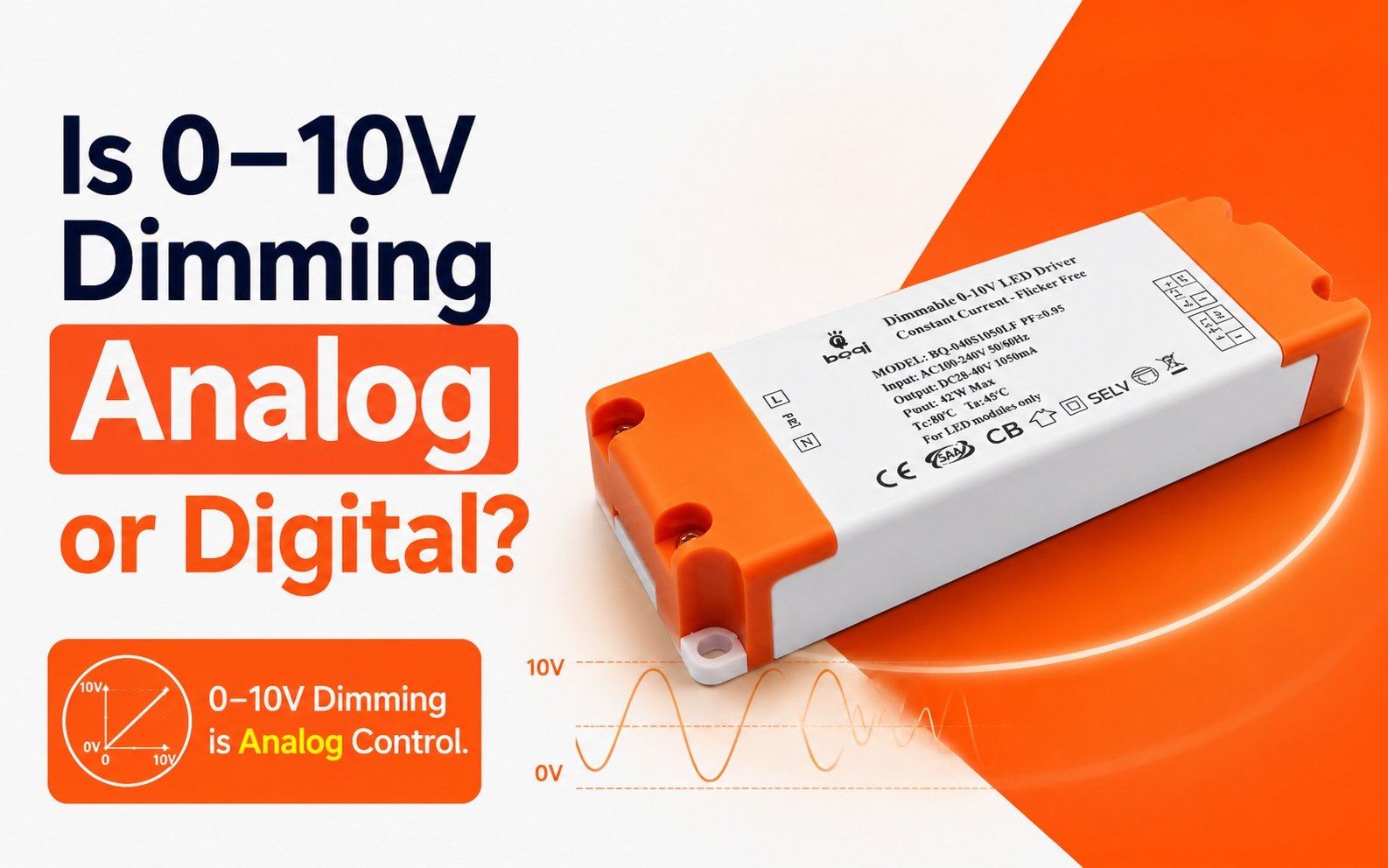















Mỗi tuần, đội ngũ kinh doanh của chúng tôi phải giải đáp cùng một câu hỏi cấp bách từ các nhà phân phối chiếu sáng và kỹ sư dự án: một dimmer 0–10V thực sự có thể điều khiển được bao nhiêu LED driver?
A single 0–10V dimmer can typically control 20 to 50 LED drivers in common commercial setups, but the exact maximum depends on the dimmer’s sink current capacity in mA divided by each LED driver’s control current draw, with manufacturer-tested limits always taking final priority.
Câu trả lời không phải là một con số cố định in trên nhãn. Đó là một phép tính tải điện trên mạch điều khiển. Dưới đây, tôi sẽ trình bày phép toán thực tế, những rủi ro tiềm ẩn của việc quá tải, và các quy tắc lựa chọn mà đội ngũ kỹ thuật của chúng tôi áp dụng cho mọi dự án.
Làm thế nào để tôi tính toán số lượng tối đa các bộ điều khiển đèn LED mà một bộ điều chỉnh độ sáng 0–10V có thể xử lý?
Tại xưởng sản xuất của chúng tôi ở Thâm Quyến, chúng tôi kiểm tra từng dimmer 0–10V với hàng chục tổ hợp driver trước khi xuất xưởng — và phép toán luôn bắt đầu theo cùng một cách.
To calculate the maximum number of LED drivers, divide the dimmer’s maximum control current (sink or source) by the control current required by each individual LED driver. For example, a 50 mA dimmer paired with 0.5 mA drivers supports up to 100 drivers theoretically.

Công Thức Cốt Lõi
Công thức rất đơn giản:
Maximum drivers = Dimmer’s maximum control current mA ÷ Control current per LED driver
Mỗi LED driver 0–10V tiêu thụ một lượng nhỏ dòng điện trên cặp dây điều khiển. Theo IEC 60929 Phụ lục E, các LED driver riêng lẻ 1 bị giới hạn tối đa 2,0 mA trên mạch điều khiển. Trên thực tế, hầu hết các driver hiện đại tiêu thụ từ 0,1 mA đến 2,0 mA. Khoảng dao động đó rất quan trọng khi bạn nhân nó lên trên toàn bộ một hệ thống lắp đặt.
Một số driver chỉ tiêu thụ 10 µA. Những driver khác tiêu thụ đủ 2,0 mA. Sự chênh lệch lớn này là một lý do khiến số lượng driver có thể điều khiển được thay đổi rất lớn giữa các dự án. Bạn phải kiểm tra bảng dữ liệu của từng model driver — không chỉ giả định một giá trị duy nhất.
Ví Dụ Tính Toán
Dưới đây là bảng cho thấy các tổ hợp dimmer và driver khác nhau ảnh hưởng như thế nào đến số lượng tối đa theo lý thuyết:
| Dòng Sink của Dimmer | Dòng Điều Khiển của Driver | Số Driver Tối Đa Theo Lý Thuyết | Số Tối Đa Thực Tế Khuyến Nghị |
|---|---|---|---|
| 30 mA | 0,5 mA | 60 | 30 |
| 50 mA | 0,5 mA | 100 | 50 |
| 50 mA | 2,0 mA | 25 | 20 |
| 100 mA | 0,5 mA | 200 | 30–50 |
| 100 mA | 1,0 mA | 100 | 50 |
Hãy chú ý đến hàng có dimmer 100 mA và các driver 0,5 mA. Phép tính cho ra 200 driver. Nhưng thực tiễn tốt nhất trong ngành từ các nhà sản xuất thiết bị điều khiển chiếu sáng thương mại hàng đầu khuyến nghị giới hạn ở mức 30 đến 50 driver. Tại sao? Bởi vì mỗi driver bổ sung sẽ thêm một điểm đấu dây vật lý, làm tăng tổng chiều dài vòng dây, và làm tăng nguy cơ suy giảm tín hiệu trên các đoạn chạy dài.
Tại Sao Giới Hạn Lý Thuyết và Giới Hạn Khuyến Nghị Lại Khác Nhau
Manufacturing tolerances mean one driver rated at 0.5 mA might actually draw 0.6 mA. Multiply that 20% overshoot by 100 drivers, and your total current jumps from 50 mA to 60 mA — exceeding the dimmer’s rating. Our engineers always apply a 20–30% safety margin in their calculations. This accounts for driver-to-driver variation, different firmware versions, and future system expansion.
One critical detail that trips up many buyers: the wattage rating of the dimmer’s AC power circuit has nothing to do with how many drivers it can control on the 0–10V line. A dimmer rated for 1,000W on its AC side might still only sink 50 mA on its control circuit. The control current mA is the number that matters — not the watts.
Điều đó nói lên rằng, trong các thiết kế dimmer cũng mang tải AC — chẳng hạn như một số thiết bị gắn tường nhất định với đầu ra 0–10V tích hợp — định mức công suất watt ở điện áp đường dây có thể đóng vai trò điểm nghẽn vật lý trước khi đạt đến giới hạn tín hiệu 0–10V. Luôn kiểm tra cả hai thông số kỹ thuật.
Điều gì xảy ra nếu tôi kết nối quá nhiều LED Driver với một bộ điều chỉnh độ sáng 0–10V?
I learned this lesson early when a distributor in Europe reported flickering across an entire commercial floor — they had exceeded the dimmer’s control current without realizing it.
Connecting too many LED drivers overloads the dimmer’s control circuit, causing flickering, inconsistent brightness across fixtures, a limited dimming range, unstable low-end performance, and in severe cases, complete loss of dimming control — even though the LED power circuit itself may still function normally.

Triệu Chứng và Nguyên Nhân Gốc Rễ
When total control current exceeds the dimmer’s capacity, the 0–10V signal cannot maintain the correct voltage level. The dimmer runs out of electrical headroom. Here is what you might observe on site:
| Triệu chứng | Nguyên Nhân Gốc Rễ | Mức Độ Nghiêm Trọng |
|---|---|---|
| Flickering at low brightness | Control signal unstable under excess load | Trung bình |
| Fixtures dim unevenly | Voltage drop across long daisy chain wiring runs | Trung bình |
| Cannot reach full brightness | Dimmer unable to maintain 10V under high current draw | Cao |
| Cannot dim below 30% | Control voltage floor rises due to overload | Cao |
| Some fixtures unresponsive | Signal attenuation at end of long control cable | Cao |
| Complete dimming failure | Dimmer control circuit shuts down or clips | Critical |
Vấn Đề Dòng Khởi Động AC
There is a failure mode that has nothing to do with the 0–10V signal itself. When you send a “dim-to-on” command, all connected LED drivers power up simultaneously. The combined AC inrush current 2 during that transition can trip circuit breakers — even if the 0–10V signal capacity is perfectly fine. In large installations, this often requires staggered power-up sequences or soft-start circuitry in the drivers. I have seen this catch experienced electricians off guard on projects with 40 or more fixtures.
Vấn Đề Nhiễu Tích Lũy
In high-density installations, every additional driver and every additional meter of control cable adds to the cumulative EMI noise 3 floor. This electromagnetic interference can cause random brightness fluctuations that look like flickering but are actually noise-induced signal errors. The solution is often shielded twisted-pair cabling on the 0–10V control line, but that adds cost and complexity.
When we design our dimmers for high-driver-count applications, we focus heavily on noise immunity in the control circuit — because this is where inexpensive dimmers fail first.
Dimmer Thụ Động vs. Chủ Động Dưới Tải
Passive potentiometer-based dimmers are especially vulnerable to overloading. They are load-dependent, meaning the dimming curve shifts noticeably when drivers are added or removed from the circuit. If a contractor installs 30 drivers instead of the original 20, the dimming behavior changes for every fixture. Active electronic dimmers handle this far better because they regulate the control voltage regardless of load variation. This distinction matters for any project where the fixture count might change during the building’s lifetime.
Làm thế nào để tôi chọn đúng Dimmer 0–10V cho các dự án chiếu sáng quy mô lớn?
Choosing a dimmer for 10 drivers is simple. Choosing one for 50 or more drivers across a large commercial building demands careful attention to five specific electrical parameters.
Đối với các dự án quy mô lớn, hãy chọn bộ điều chỉnh độ sáng 0–10V bằng cách xác minh dòng điện sink tối đa của nó, xác nhận khả năng tương thích giữa nguồn và sink với driver LED của bạn, kiểm tra giới hạn driver đã được nhà sản xuất kiểm nghiệm, tính toán khoảng cách dây điều khiển, và đảm bảo bộ điều chỉnh độ sáng hỗ trợ vận hành mạch Class 2 đáng tin cậy.

Danh Sách Kiểm Tra Năm Thông Số
Before specifying any dimmer for a multi-driver installation, I verify these five parameters. I recommend every procurement manager do the same:
- Dimmer sink or source current capability. Determine whether the dimmer sinks current from the drivers or sources current to them. This sinking vs sourcing distinction is critical. Some LED drivers provide a 10V reference voltage and need the dimmer to sink current. Others expect the dimmer to source current. Two products both labeled “0–10V” are not guaranteed to work together if their source/sink configurations conflict. Incorrect matching can result in lights that never reach full brightness, cannot dim to the required minimum, or behave erratically.
- Maximum control current capacity. This is the single most important number. It sets the hard ceiling for how many drivers you can connect. Always use the datasheet value — not a sales estimate.
- Control current per LED driver. Check every driver model’s datasheet individually. The driver input impedance and current draw can vary significantly between manufacturers and even between product lines from the same brand.
- Total wiring distance. Long control cables introduce voltage drop. Many modern electrical codes require purple and gray wires for 0–10V circuits to distinguish low-voltage control lines 4 from power wiring. Wire runs exceeding 300 feet can cause fixtures at the end of the chain to dim inconsistently due to signal degradation.
- Manufacturer compatibility testing. Always verify whether the dimmer has been tested with the specific driver model you plan to use. A spec-sheet match is not the same as a field-verified match.
So Sánh Các Loại Dimmer cho Dự Án Lớn
Not all dimmers perform equally at scale. Here is how different dimmer types compare for multi-driver installations:
| Tính năng | Bộ điều chỉnh độ sáng biến trở thụ động | Bộ điều chỉnh độ sáng điện tử chủ động | Cầu chuyển đổi không dây sang 0–10V |
|---|---|---|---|
| Dòng điện hút điển hình | 10–30 mA | 50–100+ mA | 10–30 mA |
| Giới hạn thực tế của driver | 10–20 | 25–100+ | 10–15 mỗi nút |
| Độ nhạy tải | Cao (đường cong dịch chuyển) | Thấp (đầu ra được điều chỉnh) | Trung bình |
| Khả năng chống nhiễu | Thấp | Cao | Trung bình |
| Trường hợp sử dụng tốt nhất | Phòng nhỏ, cải tạo | Không gian thương mại lớn | Nhà thông minh, khu vực nhỏ |
| Khoảng giá | Thấp | Trung bình–Cao | Trung bình |
Các cầu thông minh không dây sang 0–10V thường có khả năng hút dòng thấp hơn so với bộ điều chỉnh độ sáng có dây, thường giới hạn số lượng driver ở mức 10–15 đơn vị mỗi nút. Điều này gây bất ngờ cho nhiều kỹ sư dự án, những người cho rằng tất cả các bộ điều khiển 0–10V đều có khả năng tương tự nhau.
Tại Sao Hệ Thống Dimmer-Driver Tương Thích Giúp Giảm Rủi Ro
Đối với hệ thống điều khiển chiếu sáng thương mại quy mô lớn, tôi luôn khuyến nghị sử dụng kết hợp bộ điều chỉnh độ sáng và driver đã được kiểm nghiệm thay vì trộn lẫn sản phẩm từ nhiều nhà cung cấp. Trong các công trình thực tế, sự khác biệt tinh tế về đường cong điều chỉnh độ sáng, mức độ sáng tối thiểu, tốc độ phản hồi và hành vi ở tải thấp có thể tạo ra những vấn đề chỉ xuất hiện sau khi tất cả đèn đã được lắp đặt và đấu dây.
Một hệ thống tương thích — ví dụ như driver LED Boqi kết hợp với bộ điều chỉnh độ sáng 0–10V do chúng tôi tự thiết kế — giảm thiểu rủi ro về các bất ngờ tương thích không mong muốn trong quá trình chạy thử nghiệm thu. Lợi ích không chỉ là sự tiện lợi. Đó là giảm thiểu rủi ro trong một dự án mà việc làm lại tốn kém tiền bạc thực, thời gian thực và uy tín thực với khách hàng cuối. Khi chúng tôi cung cấp cả bộ điều chỉnh độ sáng và driver, chúng tôi có thể xác minh toàn bộ dải điều chỉnh độ sáng trước khi xuất hàng.
Tôi có thể tùy chỉnh Dimmer 0–10V để điều khiển nhiều LED Driver hơn cho dự án của mình không?
Câu hỏi phổ biến nhất trên WhatsApp từ các chủ thương hiệu thường như sau: “Chúng tôi cần một bộ điều chỉnh độ sáng để xử lý 80 driver trong một nhà kho — các bạn có thể sửa đổi mẫu tiêu chuẩn của mình không?”
Có, một bộ điều chỉnh độ sáng 0–10V có thể được tùy chỉnh thông qua phát triển OEM hoặc ODM để tăng khả năng dòng điện sink, điều chỉnh kiến trúc điều khiển và hỗ trợ số lượng driver LED cao hơn — với điều kiện thiết kế vẫn nằm trong giới hạn điện an toàn và trải qua kiểm tra tương thích phù hợp.

Những Gì Có Thể Tùy Chỉnh
Khi một bộ điều chỉnh độ sáng tiêu chuẩn có sẵn không thể đáp ứng số lượng driver của dự án, tùy chỉnh là một hướng đi thiết thực. Trên dây chuyền sản xuất của chúng tôi, các sửa đổi phổ biến nhất mà chúng tôi xử lý bao gồm:
- Tăng khả năng hút dòng. Bằng cách nâng cấp các linh kiện mạch điều khiển, chúng tôi có thể nâng dòng điện hút tối đa của bộ điều chỉnh độ sáng từ 50 mA tiêu chuẩn lên 100 mA hoặc cao hơn. Điều này trực tiếp tăng số lượng driver mà một bộ điều chỉnh độ sáng có thể hỗ trợ.
- Khớp cấu hình nguồn/hút dòng. Nếu driver LED hiện có của người mua sử dụng cấu hình nguồn/hút dòng không tiêu chuẩn, chúng tôi điều chỉnh kiến trúc điều khiển của bộ điều chỉnh độ sáng để phù hợp. Điều này loại bỏ các vấn đề tương thích giữa hút dòng và cấp dòng, vốn gây ra lỗi điều chỉnh độ sáng tại hiện trường.
- Tăng cường lọc nhiễu. Đối với các công trình có đường dây nối chuỗi dài hoặc mảng driver dày đặc, chúng tôi bổ sung bộ lọc EMI cải tiến cho mạch điều khiển. Điều này ngăn chặn sự suy giảm tín hiệu làm giảm hiệu suất điều chỉnh độ sáng ở đầu xa của tuyến cáp.
- Đường cong điều chỉnh độ sáng tùy chỉnh. Một số ứng dụng thương mại cần đáp ứng độ sáng cụ thể — đường cong logarit cho ngành khách sạn hoặc đường cong tuyến tính cho chiếu sáng nhà kho. Chúng tôi lập trình biểu đồ điều chỉnh độ sáng trong quá trình sản xuất.
- Vỏ và thương hiệu tùy chỉnh. Đối với các chủ thương hiệu bán lại dưới nhãn riêng của họ, chúng tôi cung cấp logo và thiết kế vỏ có thể tùy chỉnh để phù hợp với dòng sản phẩm của họ.
Tại Sao Kiểm Tra Tương Thích Lại Tốt Hơn So Khớp Bảng Thông Số
Tùy chỉnh mà không kiểm nghiệm là phỏng đoán. Khi chúng tôi phát triển bộ điều chỉnh độ sáng 0–10V tùy chỉnh cho khách hàng, chúng tôi chạy các bài kiểm tra tương thích với đúng các mẫu driver LED mà khách hàng dự định triển khai. Việc kiểm tra này bao gồm toàn bộ dải điều chỉnh độ sáng — từ 100% độ sáng xuống mức tối thiểu — trong điều kiện tải thực tế với chiều dài cáp thực tế.
Nhãn “0–10V” một mình không đảm bảo hiệu suất giống hệt nhau. Trong các dự án thực tế, tồn tại sự khác biệt về dòng điện tiêu thụ điều khiển 5, mức độ sáng tối thiểu, hình dạng đường cong điều chỉnh độ sáng, tốc độ phản hồi và khả năng chống nhiễu. Nhiều sản phẩm trên thị trường được quảng cáo là “tương thích 0–10V,” nhưng các chuyên gia chiếu sáng có kinh nghiệm biết rằng một mạch Class 2 đo hoàn hảo trên bàn thử vẫn có thể hoạt động không thể đoán trước khi 60 driver được kết nối qua 200 mét cáp trong một tòa nhà thực tế.
Đối với khách hàng xây dựng một hệ thống chiếu sáng hoàn chỉnh, cách tiếp cận đáng tin cậy nhất là: driver LED tương thích cộng với bộ điều chỉnh độ sáng 0–10V đã được kiểm nghiệm cộng với hệ thống dây điều khiển được thiết kế phù hợp. Driver LED Boqi của chúng tôi kết hợp với bộ điều chỉnh độ sáng 0–10V do chúng tôi tự thiết kế cung cấp một giải pháp tích hợp hơn, đơn giản hóa việc khớp hệ thống. Điều này giảm thời gian khắc phục sự cố và cải thiện tính nhất quán trong quá trình lắp đặt hàng loạt — đúng những gì mà các nhà quản lý mua hàng và nhà phân phối cần.
Khi Nào Nên Cân Nhắc Bộ Lặp Tín Hiệu
Nếu dự án của bạn yêu cầu nhiều driver hơn mức mà bất kỳ bộ điều chỉnh độ sáng đơn lẻ nào có thể xử lý hợp lý — ngay cả khi đã tùy chỉnh — thì một bộ lặp tín hiệu 6 là bước tiếp theo. Bộ lặp nhận tín hiệu 0–10V từ bộ điều chỉnh độ sáng chính và tái tạo nó cho một nhóm driver bổ sung. Điều này đặt lại ngân sách dòng điện cho mỗi phân đoạn hạ nguồn. Đây là giải pháp phổ biến trong các cơ sở rất lớn như trung tâm phân phối, cấu trúc bãi đỗ xe và tòa nhà văn phòng nhiều tầng, nơi hàng trăm driver được điều khiển từ một hệ thống trung tâm. Chúng tôi có thể cung cấp bộ lặp như một phần của gói OEM hoàn chỉnh cùng với bộ điều chỉnh độ sáng và driver.
Sự kết luận
Quá tải một bộ điều chỉnh độ sáng 0–10V gây ra nhấp nháy và dự án thất bại. Tính toán dòng điện điều khiển mA, xác minh khả năng tương thích hút dòng so với cấp dòng, và chọn kết hợp bộ điều chỉnh độ sáng và driver đã được kiểm nghiệm để có hiệu suất đáng tin cậy, có thể mở rộng.
Quan tâm đến việc tìm nguồn các sản phẩm được đề cập trong bài viết này? Xem chi tiết và yêu cầu báo giá tại đây:
Chú thích
IEC 60929 là tiêu chuẩn quốc tế định nghĩa giới hạn dòng điện điều khiển cho driver LED 0-10V. ↩︎
IEEE cung cấp nghiên cứu kỹ thuật về các hiện tượng điện như dòng điện khởi động trong điện tử công suất. ↩︎
FCC quy định nhiễu điện từ để đảm bảo các thiết bị điện tử không làm gián đoạn tín hiệu liên lạc. ↩︎
UL thiết lập các tiêu chuẩn an toàn cho mạch điện áp thấp Class 2 được sử dụng trong hệ thống chiếu sáng thương mại. ↩︎
NEMA cung cấp các tiêu chuẩn ngành cho thiết bị điện và khả năng tương thích điều khiển chiếu sáng ở Bắc Mỹ. ↩︎
Wikipedia cung cấp tổng quan kỹ thuật về giao thức điều khiển chiếu sáng 0-10V và các ứng dụng của nó. ↩︎