














ทุกสัปดาห์ ทีมขายของเราต้องตอบคำถามเร่งด่วนเดิมๆ จากผู้จัดจำหน่ายโคมไฟและวิศวกรโครงการ: ไดร์เวอร์ LED จำนวนเท่าไรที่ดิ้มเมอร์ 0–10V หนึ่งตัวสามารถรองรับได้จริง?
ไดมเมอร์ 0–10V ตัวเดียวโดยทั่วไปสามารถควบคุม LED Driver ได้ 20 ถึง 50 ตัวในระบบพาณิชย์ทั่วไป แต่จำนวนสูงสุดที่แน่นอนขึ้นอยู่กับความสามารถในการรับกระแส (sink current) ของไดมเมอร์ในหน่วย mA หารด้วยกระแสควบคุมที่ LED Driver แต่ละตัวดึงไป โดยค่าจำกัดที่ผ่านการทดสอบจากผู้ผลิตจะมีความสำคัญสูงสุดเสมอ.
คำตอบไม่ใช่ตัวเลขคงที่ที่พิมพ์อยู่บนฉลาก แต่เป็นการคำนวณโหลดทางไฟฟ้าบนวงจรควบคุม ด้านล่างนี้ ผมจะอธิบายการคำนวณจริง ความเสี่ยงที่ซ่อนอยู่ของการโหลดเกิน และกฎการเลือกใช้ที่ทีมวิศวกรรมของเรานำไปใช้กับทุกโครงการ.
ฉันจะคำนวณจำนวนสูงสุดของไดรเวอร์ LED ที่ดิ้มเมอร์ 0–10V สามารถรองรับได้อย่างไร?
ที่สายการผลิตของเราในเซินเจิ้น เราทดสอบดิ้มเมอร์ 0–10V ทุกตัวกับชุดไดร์เวอร์หลายสิบแบบก่อนจัดส่ง — และการคำนวณก็เริ่มต้นเหมือนกันเสมอ.
ในการคำนวณจำนวน LED Driver สูงสุด ให้หารกระแสควบคุมสูงสุดของไดมเมอร์ (sink หรือ source) ด้วยกระแสควบคุมที่ LED Driver แต่ละตัวต้องการ ตัวอย่างเช่น ไดมเมอร์ 50 mA จับคู่กับ Driver 0.5 mA รองรับได้ถึง 100 ตัวในทางทฤษฎี.

สูตรหลัก
สูตรมีความตรงไปตรงมา:
จำนวน Driver สูงสุด = กระแสควบคุมสูงสุดของไดมเมอร์ (mA) ÷ กระแสควบคุมต่อ LED Driver
ไดร์เวอร์ LED 0–10V แต่ละตัวดึงกระแสเล็กน้อยบนคู่สายควบคุม ภายใต้ IEC 60929 Annex E, ไดร์เวอร์ LED แต่ละตัว 1 ถูกจำกัดไว้ที่สูงสุด 2.0 mA บนวงจรควบคุม ในทางปฏิบัติ ไดร์เวอร์สมัยใหม่ส่วนใหญ่ดึงกระแสระหว่าง 0.1 mA ถึง 2.0 mA ช่วงนี้มีความสำคัญมากเมื่อคุณคูณกับจำนวนติดตั้งทั้งหมด.
ไดร์เวอร์บางตัวดึงกระแสเพียง 10 µA ขณะที่บางตัวดึงเต็ม 2.0 mA การกระจายที่กว้างนี้เป็นเหตุผลหนึ่งที่จำนวนไดร์เวอร์ที่ควบคุมได้แตกต่างกันอย่างมากระหว่างโครงการ คุณต้องตรวจสอบ datasheet ของไดร์เวอร์ทุกรุ่น — ไม่ใช่แค่สมมติค่าเดียว.
ตัวอย่างการคำนวณ
นี่คือตารางแสดงว่าดิ้มเมอร์และไดร์เวอร์ชุดต่างๆ ส่งผลต่อค่าสูงสุดทางทฤษฎีอย่างไร:
| กระแส Sink ของดิ้มเมอร์ | กระแสควบคุมของไดร์เวอร์ | จำนวนไดร์เวอร์สูงสุดทางทฤษฎี | จำนวนสูงสุดที่แนะนำในทางปฏิบัติ |
|---|---|---|---|
| 30 mA | 5 mA | 60 | 30 |
| 50 mA | 5 mA | 100 | 50 |
| 50 mA | 0 mA | 25 | 20 |
| 100 mA | 5 mA | 200 | 30–50 |
| 100 mA | 0 mA | 100 | 50 |
สังเกตแถวที่มีดิ้มเมอร์ 100 mA และไดร์เวอร์ 0.5 mA การคำนวณทางคณิตศาสตร์บอกว่า 200 ตัว แต่แนวปฏิบัติที่ดีที่สุดในอุตสาหกรรมจากผู้ผลิตระบบควบคุมแสงสว่างเชิงพาณิชย์ชั้นนำแนะนำให้จำกัดที่ 30 ถึง 50 ตัว ทำไม? เพราะไดร์เวอร์เพิ่มเติมแต่ละตัวเพิ่มจุดเชื่อมต่อสายทางกายภาพ เพิ่มความยาวลูปทั้งหมด และเพิ่มความเสี่ยงต่อการลดทอนสัญญาณในระยะทางไกล.
ทำไมค่าจำกัดทางทฤษฎีและค่าที่แนะนำจึงแตกต่างกัน
ค่าความคลาดเคลื่อนจากการผลิตหมายความว่า Driver ที่ระบุ 0.5 mA อาจดึงจริง 0.6 mA เมื่อคูณส่วนเกิน 20% นั้นกับ Driver 100 ตัว กระแสรวมจะกระโดดจาก 50 mA เป็น 60 mA — เกินพิกัดของไดมเมอร์ วิศวกรของเราใช้ส่วนเผื่อความปลอดภัย 20–30% ในการคำนวณเสมอ ซึ่งครอบคลุมความแปรผันระหว่าง Driver, เฟิร์มแวร์เวอร์ชันต่างๆ และการขยายระบบในอนาคต.
รายละเอียดสำคัญที่ทำให้ผู้ซื้อหลายรายสับสน: พิกัดวัตต์ของวงจรไฟฟ้า AC ของไดมเมอร์ไม่เกี่ยวข้องกับจำนวน Driver ที่สามารถควบคุมได้บนสาย 0–10V ไดมเมอร์ที่ rated 1,000W ทางฝั่ง AC อาจรับกระแส (sink) ได้เพียง 50 mA บนวงจรควบคุม กระแสควบคุมในหน่วย mA คือตัวเลขที่สำคัญ — ไม่ใช่วัตต์.
อย่างไรก็ตาม ในดีไซน์ดิ้มเมอร์ที่รับโหลด AC ด้วย — เช่น ยูนิตติดผนังบางรุ่นที่มีเอาต์พุต 0–10V ในตัว — พิกัดวัตต์แรงดันสายอาจกลายเป็นคอขวดทางกายภาพก่อนที่จะถึงขีดจำกัดสัญญาณ 0–10V ควรตรวจสอบทั้งสองสเปกเสมอ.
จะเกิดอะไรขึ้นหากฉันเชื่อมต่อ LED Driver มากเกินไปกับ 0–10V Dimmer ตัวเดียว?
ผมเรียนรู้บทเรียนนี้ตั้งแต่เนิ่นๆ เมื่อตัวแทนจำหน่ายในยุโรปรายงานว่าเกิดการกะพริบทั่วทั้งชั้นพาณิชย์ — พวกเขาเกินกระแสควบคุมของไดมเมอร์โดยไม่รู้ตัว.
การเชื่อมต่อ LED Driver มากเกินไปจะทำให้วงจรควบคุมของไดมเมอร์โอเวอร์โหลด ส่งผลให้เกิดการกะพริบ ความสว่างไม่สม่ำเสมอระหว่างโคม ช่วงการหรี่แสงจำกัด ประสิทธิภาพช่วง low-end ไม่เสถียร และในกรณีรุนแรงอาจสูญเสียการควบคุมการหรี่แสงทั้งหมด — แม้ว่าวงจรไฟฟ้า LED เองอาจยังทำงานปกติ.

อาการและสาเหตุราก
เมื่อกระแสควบคุมรวมเกินความสามารถของไดมเมอร์ สัญญาณ 0–10V ไม่สามารถรักษาระดับแรงดันที่ถูกต้องได้ ไดมเมอร์หมด headroom ทางไฟฟ้า นี่คือสิ่งที่คุณอาจสังเกตเห็นหน้างาน:
| อาการ | สาเหตุราก | ความรุนแรง |
|---|---|---|
| การกะพริบที่ความสว่างต่ำ | สัญญาณควบคุมไม่เสถียรภายใต้ภาระเกิน | ปานกลาง |
| โคมหรี่แสงไม่สม่ำเสมอ | แรงดันตกคร่อมสายเดินไฟแบบ daisy chain ที่ยาว | ปานกลาง |
| ไม่สามารถไปถึงความสว่างสูงสุด | ไดมเมอร์ไม่สามารถรักษา 10V ภายใต้การดึงกระแสสูง | สูง |
| ไม่สามารถหรี่แสงต่ำกว่า 30% | ระดับแรงดันควบคุมขั้นต่ำสูงขึ้นเนื่องจากโอเวอร์โหลด | สูง |
| โคมบางตัวไม่ตอบสนอง | สัญญาณอ่อนลงที่ปลายสายควบคุมยาว | สูง |
| การหรี่แสงล้มเหลวโดยสมบูรณ์ | วงจรควบคุมของไดมเมอร์ปิดตัวลงหรือ clip | วิกฤต |
ปัญหา AC Inrush
มีโหมดความล้มเหลวที่ไม่เกี่ยวข้องกับสัญญาณ 0–10V เลย เมื่อคุณส่งคำสั่ง “dim-to-on” LED Driver ที่เชื่อมต่อทั้งหมดจะจ่ายไฟพร้อมกัน กระแส กระแสไหลเข้าของ AC 2 รวมในช่วงการเปลี่ยนผ่านนั้นอาจทำให้เบรกเกอร์ตัด — แม้ว่าความสามารถของสัญญาณ 0–10V จะสมบูรณ์แบบก็ตาม ในการติดตั้งขนาดใหญ่ มักต้องใช้ลำดับการจ่ายไฟแบบเหลื่อมเวลาหรือวงจร soft-start ใน Driver ผมเคยเห็นสิ่งนี้ทำให้ช่างไฟฟ้าที่มีประสบการณ์ประหลาดใจในโครงการที่มีโคม 40 ตัวขึ้นไป.
ปัญหาสัญญาณรบกวนสะสม
ในการติดตั้งความหนาแน่นสูง ทุก Driver ที่เพิ่มขึ้นและทุกเมตรของสายควบคุมที่เพิ่มขึ้นจะเพิ่ม สัญญาณรบกวน EMI สะสม 3 ในพื้น สัญญาณรบกวนแม่เหล็กไฟฟ้านี้อาจทำให้เกิดความผันผวนของความสว่างแบบสุ่มที่ดูเหมือนการกะพริบ แต่จริงๆ แล้วเป็นข้อผิดพลาดของสัญญาณที่เกิดจากสัญญาณรบกวน วิธีแก้ไขมักใช้สายคู่ตีเกลียวแบบมีชีลด์บนสายควบคุม 0–10V แต่ก็เพิ่มต้นทุนและความซับซ้อน.
เมื่อเราออกแบบไดมเมอร์สำหรับการใช้งานที่มี Driver จำนวนมาก เราให้ความสำคัญอย่างมากกับความต้านทานสัญญาณรบกวนในวงจรควบคุม — เพราะนี่คือจุดที่ไดมเมอร์ราคาถูกมักล้มเหลวก่อน.
ดิ้มเมอร์แบบ Passive กับ Active ภายใต้โหลด
ไดมเมอร์แบบพาสซีฟที่ใช้โพเทนชิออมิเตอร์มีความเสี่ยงต่อการโอเวอร์โหลดเป็นพิเศษ พวกมันขึ้นอยู่กับโหลด หมายความว่าเส้นโค้งการหรี่แสงจะเปลี่ยนอย่างเห็นได้ชัดเมื่อเพิ่มหรือถอด Driver ออกจากวงจร หากผู้รับเหมาติดตั้ง Driver 30 ตัวแทนที่จะเป็น 20 ตัวตามเดิม พฤติกรรมการหรี่แสงจะเปลี่ยนไปสำหรับทุกโคม ไดมเมอร์อิเล็กทรอนิกส์แบบแอคทีฟจัดการเรื่องนี้ได้ดีกว่ามากเพราะควบคุมแรงดันควบคุมโดยไม่คำนึงถึงความแปรผันของโหลด ความแตกต่างนี้สำคัญสำหรับโครงการใดๆ ที่จำนวนโคมอาจเปลี่ยนแปลงในช่วงอายุการใช้งานของอาคาร.
ฉันจะเลือกใช้ดิ้มเมอร์ 0–10V ที่เหมาะสมสำหรับโครงการไฟส่องสว่างขนาดใหญ่ได้อย่างไร?
การเลือกไดมเมอร์สำหรับ Driver 10 ตัวเป็นเรื่องง่าย การเลือกสำหรับ 50 ตัวขึ้นไปทั่วอาคารพาณิชย์ขนาดใหญ่ต้องให้ความสนใจอย่างรอบคอบกับพารามิเตอร์ทางไฟฟ้า 5 ประการ.
สำหรับโครงการขนาดใหญ่ ให้เลือกดิ้มเมอร์ 0–10V โดยตรวจสอบกระแสซิงก์สูงสุด ยืนยันความเข้ากันได้ระหว่างซอร์สกับซิงก์กับ LED ไดรเวอร์ของคุณ ตรวจสอบขีดจำกัดไดรเวอร์ที่ผ่านการทดสอบจากผู้ผลิต วางแผนระยะสายไฟควบคุม และตรวจสอบให้แน่ใจว่าดิ้มเมอร์รองรับการทำงานของวงจร Class 2 อย่างเชื่อถือได้.

เช็คลิสต์ห้าพารามิเตอร์
ก่อนระบุไดมเมอร์ใดๆ สำหรับการติดตั้งที่มี Driver หลายตัว ผมตรวจสอบพารามิเตอร์ 5 ประการนี้ ผมแนะนำให้ผู้จัดการจัดซื้อทุกคนทำเช่นเดียวกัน:
- ความสามารถในการ sink หรือ source กระแสของไดมเมอร์. พิจารณาว่าไดมเมอร์ sink กระแสจาก Driver หรือ source กระแสให้พวกมัน ความแตกต่าง ระหว่าง sinking กับ sourcing นี้สำคัญมาก LED Driver บางรุ่นจ่ายแรงดันอ้างอิง 10V และต้องการให้ไดมเมอร์ sink กระแส รุ่นอื่นคาดหวังให้ไดมเมอร์ source กระแส ผลิตภัณฑ์สองตัวที่ติดป้าย “0–10V” ทั้งคู่ไม่ได้รับประกันว่าจะทำงานร่วมกันได้หากการตั้งค่า source/sink ขัดแย้งกัน การจับคู่ที่ไม่ถูกต้องอาจส่งผลให้ไฟไม่เคยสว่างเต็มที่ ไม่สามารถหรี่แสงถึงค่าต่ำสุดที่ต้องการ หรือทำงานผิดปกติ.
- ความสามารถกระแสควบคุมสูงสุด. นี่คือตัวเลขที่สำคัญที่สุดเพียงหนึ่งเดียว มันกำหนดเพดานสูงสุดสำหรับจำนวน Driver ที่คุณสามารถเชื่อมต่อได้ ใช้ค่าจาก datasheet เสมอ — ไม่ใช่การประมาณการจากฝ่ายขาย.
- กระแสควบคุมต่อ LED Driver. ตรวจสอบ datasheet ของ Driver แต่ละรุ่นแยกกัน อิมพีแดนซ์อินพุตและกระแสที่ดึงของ Driver อาจแตกต่างกันอย่างมีนัยสำคัญระหว่างผู้ผลิต และแม้แต่ระหว่างสายผลิตภัณฑ์จากแบรนด์เดียวกัน.
- ระยะสายไฟรวม. สายควบคุมที่มีความยาวมากจะทำให้เกิดแรงดันตกคร่อม มาตรฐานทางไฟฟ้าสมัยใหม่หลายฉบับกำหนดให้ใช้สายสีม่วงและสีเทาสำหรับวงจร 0–10V เพื่อแยกแยะ สายควบคุมแรงดันต่ำ 4 ออกจากสายไฟหลัก การเดินสายที่ยาวเกิน 300 ฟุตอาจทำให้โคมไฟที่ปลายสายหรี่ไม่สม่ำเสมอเนื่องจากสัญญาณเสื่อมคุณภาพ.
- การทดสอบความเข้ากันได้กับผู้ผลิต. ควรตรวจสอบเสมอว่าตัวหรี่ไฟได้รับการทดสอบกับรุ่นไดรเวอร์เฉพาะที่คุณวางแผนจะใช้หรือไม่ การตรงกันตามสเปกชีตไม่เหมือนกับการตรงกันที่ผ่านการทดสอบภาคสนาม.
การเปรียบเทียบประเภทดิ้มเมอร์สำหรับโครงการขนาดใหญ่
ตัวหรี่ไฟไม่ได้มีประสิทธิภาพเท่ากันทั้งหมดเมื่อใช้งานในระดับขนาดใหญ่ นี่คือการเปรียบเทียบตัวหรี่ไฟประเภทต่างๆ สำหรับการติดตั้งไดรเวอร์หลายตัว:
| ลักษณะเฉพาะ | ตัวหรี่ไฟแบบโพเทนชิโอมิเตอร์แบบพาสซีฟ | ไดร์มเมอร์อิเล็กทรอนิกส์แบบแอคทีฟ | บริดจ์ไร้สายเป็น 0–10V |
|---|---|---|---|
| กระแสซิงก์ทั่วไป | 10–30 มิลลิแอมป์ | 50–100+ มิลลิแอมป์ | 10–30 มิลลิแอมป์ |
| ขีดจำกัดไดรเวอร์ในทางปฏิบัติ | 10–20 | 25–100+ | 10–15 ต่อโหนด |
| ความไวต่อโหลด | สูง (เส้นโค้งเลื่อน) | ต่ำ (เอาต์พุตควบคุม) | ปานกลาง |
| ความต้านทานสัญญาณรบกวน | ต่ำ | สูง | ปานกลาง |
| การใช้งานที่เหมาะสมที่สุด | ห้องขนาดเล็ก, การปรับปรุงระบบเดิม | พื้นที่พาณิชย์ขนาดใหญ่ | สมาร์ทโฮม, โซนขนาดเล็ก |
| ช่วงราคา | ต่ำ | ปานกลาง–สูง | ปานกลาง |
บริดจ์อัจฉริยะไร้สายเป็น 0–10V มักมีความสามารถในการซิงก์กระแสต่ำกว่าไดร์มเมอร์แบบมีสาย ทำให้จำนวนไดรเวอร์จำกัดอยู่ที่ 10–15 ตัวต่อโหนด ซึ่งสร้างความประหลาดใจให้กับวิศวกรโครงการหลายท่านที่เข้าใจว่าตัวควบคุม 0–10V ทุกรุ่นมีความสามารถใกล้เคียงกัน.
ทำไมระบบดิ้มเมอร์-ไดร์เวอร์ที่จับคู่กันจึงลดความเสี่ยง
สำหรับระบบควบคุมแสงสว่างเชิงพาณิชย์ขนาดใหญ่ ผมแนะนำเสมอให้ใช้ชุดไดร์มเมอร์-ไดรเวอร์ที่ผ่านการทดสอบแล้ว แทนการผสมผลิตภัณฑ์จากซัพพลายเออร์หลายราย ในการติดตั้งจริง ความแตกต่างเล็กน้อยของเส้นโค้งการหรี่แสง ระดับหรี่แสงต่ำสุด ความเร็วตอบสนอง และพฤติกรรมที่โหลดต่ำ อาจสร้างปัญหาที่ปรากฏขึ้นหลังติดตั้งและเดินสายโคมไฟทั้งหมดแล้วเท่านั้น.
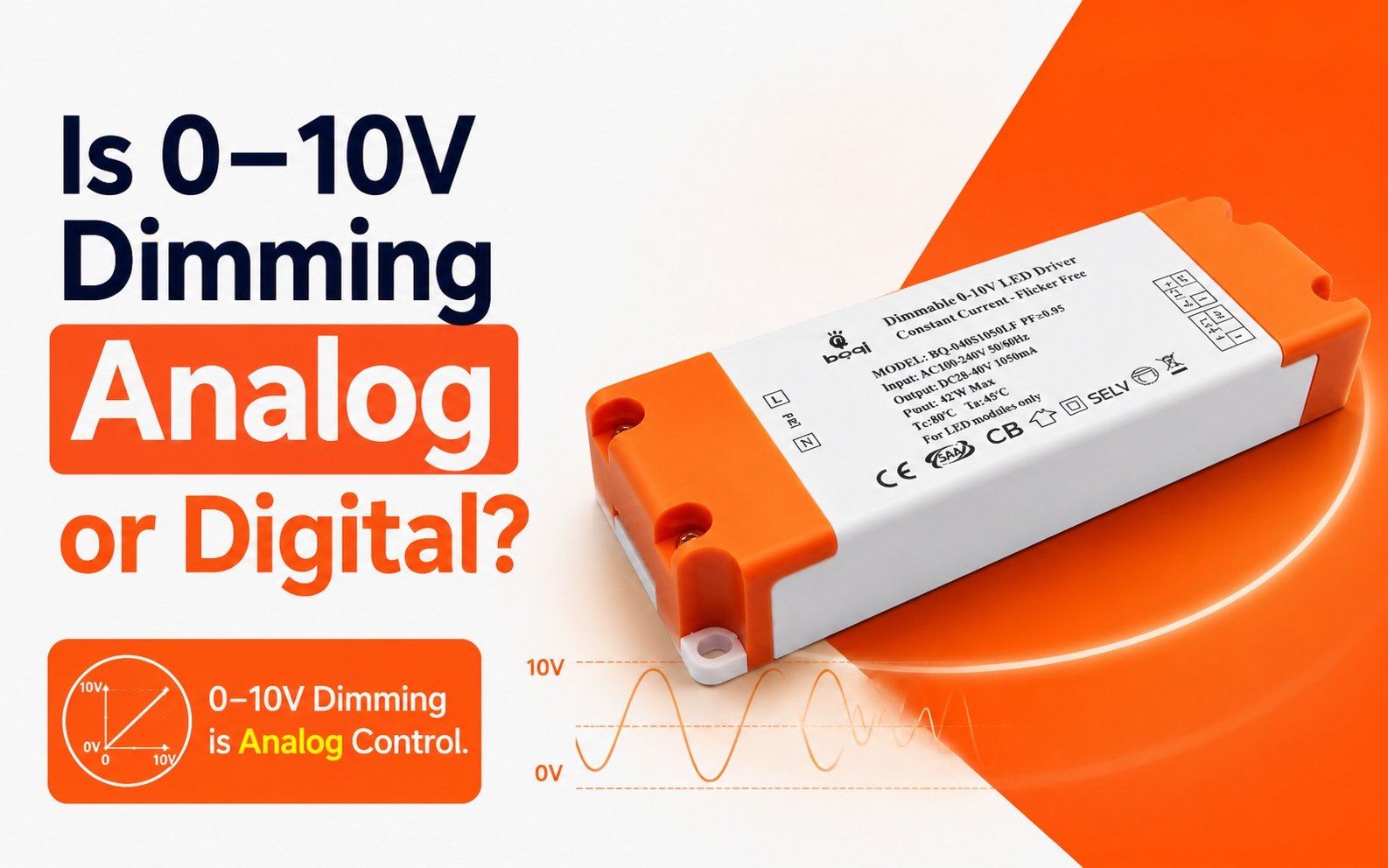
ระบบที่จับคู่กันแล้ว — ตัวอย่างเช่น ไดรเวอร์ LED ของ Boqi ที่จับคู่กับไดร์มเมอร์ 0–10V ที่เราออกแบบเอง — ช่วยลดความเสี่ยงจากปัญหาความเข้ากันได้ที่ไม่คาดคิดระหว่างการทดสอบระบบ ข้อได้เปรียบไม่ใช่แค่ความสะดวก แต่เป็นการลดความเสี่ยงในโครงการที่การแก้ไขงานซ้ำต้องเสียค่าใช้จ่ายจริง เวลาจริง และความน่าเชื่อถือจริงกับลูกค้าปลายทาง เมื่อเราจัดหาทั้งไดร์มเมอร์และไดรเวอร์ เราสามารถตรวจสอบช่วงการหรี่แสงทั้งหมดก่อนจัดส่งได้.
ฉันสามารถปรับแต่งดิ้มเมอร์ 0–10V เพื่อควบคุมไดรเวอร์ LED เพิ่มเติมสำหรับโครงการของฉันได้หรือไม่?
คำถามที่พบบ่อยที่สุดทาง WhatsApp จากเจ้าของแบรนด์มักเป็นทำนองนี้: “เราต้องการไดร์มเมอร์หนึ่งตัวเพื่อรองรับไดรเวอร์ 80 ตัวทั่วคลังสินค้า — คุณปรับรุ่นมาตรฐานได้ไหม?”
ใช่ แล้ว ไดร์มเมอร์ 0–10V สามารถปรับแต่งได้ผ่านการพัฒนาแบบ OEM หรือ ODM เพื่อเพิ่มความสามารถในการรับกระแส (sink current) ปรับสถาปัตยกรรมการควบคุม และรองรับจำนวน LED driver ได้มากขึ้น — โดยมีเงื่อนไขว่าการออกแบบต้องอยู่ในขีดจำกัดทางไฟฟ้าที่ปลอดภัยและผ่านการทดสอบความเข้ากันได้อย่างเหมาะสม.

สิ่งที่สามารถปรับแต่งได้
เมื่อไดร์มเมอร์มาตรฐานแบบสำเร็จรูปไม่สามารถรองรับจำนวนไดรเวอร์ของโครงการได้ การปรับแต่งคือแนวทางปฏิบัติที่เหมาะสม ในสายการผลิตของเรา การปรับแต่งที่เราดำเนินการบ่อยที่สุดได้แก่:
- เพิ่มความสามารถในการซิงก์กระแส. ด้วยการอัปเกรดชิ้นส่วนวงจรควบคุม เราสามารถเพิ่มกระแสซิงก์สูงสุดของไดร์มเมอร์จากมาตรฐาน 50 mA เป็น 100 mA หรือสูงกว่า ซึ่งเพิ่มจำนวนไดรเวอร์ที่ไดร์มเมอร์หนึ่งตัวรองรับได้โดยตรง.
- การจับคู่รูปแบบซอร์ส/ซิงก์. หากไดรเวอร์ LED ที่มีอยู่ของผู้ซื้อใช้รูปแบบซอร์ส/ซิงก์ที่ไม่ได้มาตรฐาน เราจะปรับสถาปัตยกรรมควบคุมของไดร์มเมอร์ให้สอดคล้อง ซึ่งขจัดปัญหาความเข้ากันได้ระหว่างซิงก์กับซอร์สที่otherwise ทำให้การหรี่แสงล้มเหลวในภาคสนาม.
- การกรองสัญญาณรบกวนที่เพิ่มขึ้น. สำหรับการติดตั้งที่มีการเดินสายแบบเดซี่เชนยาวหรือมีไดรเวอร์หนาแน่น เราจะเพิ่มการกรอง EMI ที่ปรับปรุงแล้วให้กับวงจรควบคุม ซึ่งป้องกันการลดทอนสัญญาณที่ทำให้ประสิทธิภาพการหรี่แสงลดลงที่ปลายสาย.
- เส้นโค้งการหรี่แสงแบบกำหนดเอง. การใช้งานเชิงพาณิชย์บางประเภทต้องการการตอบสนองความสว่างเฉพาะ — เส้นโค้งลอการิทึมสำหรับโรงแรมหรือเส้นโค้งเชิงเส้นสำหรับแสงสว่างในคลังสินค้า เราตั้งโปรแกรมโปรไฟล์การหรี่แสงระหว่างการผลิต.
- ตัวเครื่องและแบรนดิ้งแบบกำหนดเอง. สำหรับเจ้าของแบรนด์ที่จำหน่ายภายใต้ฉลากของตนเอง เราให้บริการโลโก้และดีไซน์ตัวเครื่องที่ปรับแต่งได้เพื่อให้สอดคล้องกับไลน์ผลิตภัณฑ์ของพวกเขา.
ทำไมการทดสอบความเข้ากันได้จึงดีกว่าการจับคู่จากสเปกชีต
การปรับแต่งโดยไม่ทดสอบคือการเดา เมื่อเราพัฒนาไดร์มเมอร์ 0–10V แบบกำหนดเองให้ลูกค้า เราจะทดสอบความเข้ากันได้กับรุ่นไดรเวอร์ LED ที่ลูกค้าวางแผนจะใช้งานจริง การทดสอบนี้ครอบคลุมช่วงการหรี่แสงทั้งหมด — ตั้งแต่ความสว่าง 100% ลงไปจนถึงระดับต่ำสุด — ภายใต้สภาวะโหลดจริงที่มีความยาวสายเคเบิลจริง.
ฉลาก “0–10V” เพียงอย่างเดียวไม่ได้รับประกันประสิทธิภาพที่เหมือนกัน ในโครงการจริงมีความแตกต่างในด้าน กระแสควบคุมที่ดึง 5, ระดับหรี่แสงต่ำสุด รูปร่างเส้นโค้งการหรี่แสง ความเร็วตอบสนอง และความต้านทานสัญญาณรบกวน ผลิตภัณฑ์หลายรุ่นในตลาดโฆษณาว่า “รองรับ 0–10V” แต่ผู้เชี่ยวชาญด้านแสงสว่างที่มีประสบการณ์รู้ดีว่า วงจร Class 2 ที่วัดได้สมบูรณ์แบบบนโต๊ะทดสอบยังอาจทำงานไม่แน่นอนเมื่อเชื่อมต่อไดรเวอร์ 60 ตัวผ่านสายเคเบิล 200 เมตรในอาคารจริง.
สำหรับลูกค้าที่สร้างระบบแสงสว่างครบวงจร วิธีที่เชื่อถือได้มากที่สุดคือ: ไดรเวอร์ LED ที่เข้ากันได้ บวกไดร์มเมอร์ 0–10V ที่ผ่านการทดสอบ บวกการเดินสายควบคุมที่ออกแบบอย่างเหมาะสม ไดรเวอร์ LED ของ Boqi ที่รวมกับไดร์มเมอร์ 0–10V ที่เราออกแบบเองให้โซลูชันที่เป็นบูรณาการมากขึ้นซึ่งช่วยลดความซับซ้อนในการจับคู่ระบบ ลดเวลาการแก้ปัญหา และปรับปรุงความสม่ำเสมอระหว่างการติดตั้งจำนวนมาก — ซึ่งเป็นสิ่งที่ผู้จัดการจัดซื้อและผู้จัดจำหน่ายต้องการอย่างแท้จริง.
เมื่อใดควรพิจารณาใช้ Signal Repeater
หากโครงการของคุณต้องการไดรเวอร์มากกว่าที่ไดร์มเมอร์ตัวเดียวจะรองรับได้อย่างสมเหตุสมผล — แม้จะปรับแต่งแล้ว — ตัวทวนสัญญาณ 6 คือขั้นตอนถัดไป ตัวทวนสัญญาณรับสัญญาณ 0–10V จากไดร์มเมอร์หลักและสร้างสัญญาณใหม่สำหรับกลุ่มไดรเวอร์เพิ่มเติม ซึ่งรีเซ็ตงบประมาณกระแสสำหรับแต่ละส่วนปลายน้ำ เป็นโซลูชันทั่วไปในสถานที่ขนาดใหญ่มาก เช่น ศูนย์กระจายสินค้า โครงสร้างที่จอดรถ และอาคารสำนักงานหลายชั้นที่มีไดรเวอร์หลายร้อยตัวควบคุมจากระบบส่วนกลาง เราสามารถจัดหาตัวทวนสัญญาณเป็นส่วนหนึ่งของแพ็กเกจ OEM ครบชุดพร้อมกับไดร์มเมอร์และไดรเวอร์.
บทสรุป
การโอเวอร์โหลดไดร์มเมอร์ 0–10V ทำให้เกิดการกะพริบและโครงการล้มเหลว คำนวณกระแสควบคุมเป็น mA ตรวจสอบความเข้ากันได้ระหว่างซิงก์กับซอร์ส และเลือกชุดไดร์มเมอร์-ไดรเวอร์ที่ผ่านการทดสอบเพื่อประสิทธิภาพที่เชื่อถือได้และขยายได้.
สนใจจัดหาผลิตภัณฑ์ที่กล่าวถึงในบทความนี้? ดูรายละเอียดและขอใบเสนอราคาที่นี่:
เชิงอรรถ
IEC 60929 เป็นมาตรฐานสากลที่กำหนดขีดจำกัดกระแสควบคุมสำหรับไดรเวอร์ LED 0-10V. ↩︎
IEEE ให้งานวิจัยทางเทคนิคเกี่ยวกับปรากฏการณ์ทางไฟฟ้า เช่น กระแสอินรัชในอิเล็กทรอนิกส์กำลัง. ↩︎
FCC ควบคุมการรบกวนทางแม่เหล็กไฟฟ้าเพื่อให้แน่ใจว่าอุปกรณ์อิเล็กทรอนิกส์ไม่รบกวนสัญญาณการสื่อสาร. ↩︎
UL กำหนดมาตรฐานความปลอดภัยสำหรับวงจรแรงดันต่ำ Class 2 ที่ใช้ในระบบไฟส่องสว่างเชิงพาณิชย์. ↩︎
NEMA จัดหามาตรฐานอุตสาหกรรมสำหรับอุปกรณ์ไฟฟ้าและความเข้ากันได้ของระบบควบคุมไฟส่องสว่างในอเมริกาเหนือ. ↩︎
Wikipedia นำเสนอภาพรวมทางเทคนิคของโปรโตคอลควบคุมไฟส่องสว่าง 0-10V และการใช้งาน. ↩︎