













ทุกสัปดาห์ ผู้ซื้อส่งอีเมลถึงห้องปฏิบัติการเซินเจิ้นของเราเกี่ยวกับ ตัวหรี่แสงแบบ leading edge 1 ที่ทำให้ LED เกิดการกะพริบ สินค้าถูกส่งคืนเป็นกอง กำหนดส่งงานล่าช้า และอัตรากำไรหดตัว วิธีแก้เริ่มต้นจากการทำความเข้าใจเทคโนโลยี.
Leading edge dimmer คือไดม์เมอร์แบบ AC phase-cut ที่ลดความสว่างของแสงโดยการตัดช่วงเริ่มต้นของแต่ละครึ่งรอบของแรงดันไฟฟ้ากระแสสลับ (AC) ออกไป สร้างขึ้นบนเทคโนโลยี TRIAC หรือ thyristor ออกแบบมาหลักสำหรับโหลดแบบหลอดไส้และฮาโลเจน และเหมาะกับ LED driver ที่ระบุรองรับเท่านั้น.
คำนิยามนั้นครอบคลุมพื้นฐาน แต่คำถามทางวิศวกรรมที่แท้จริงอยู่ใต้พื้นผิว การตัดรูปคลื่นเกิดขึ้นจริงอย่างไร? แตกต่างจากการควบคุมแบบ trailing edge อย่างไร? และโหลดประเภทใดที่เชื่อมต่อได้อย่างปลอดภัย? ผมจะอธิบายแต่ละคำถามด้านล่าง โดยใช้สิ่งที่เราเห็นบนแท่นทดสอบของเราเองทุกวัน.
ตัวหรี่ไฟแบบ leading edge ทำงานอย่างไรจริงๆ?
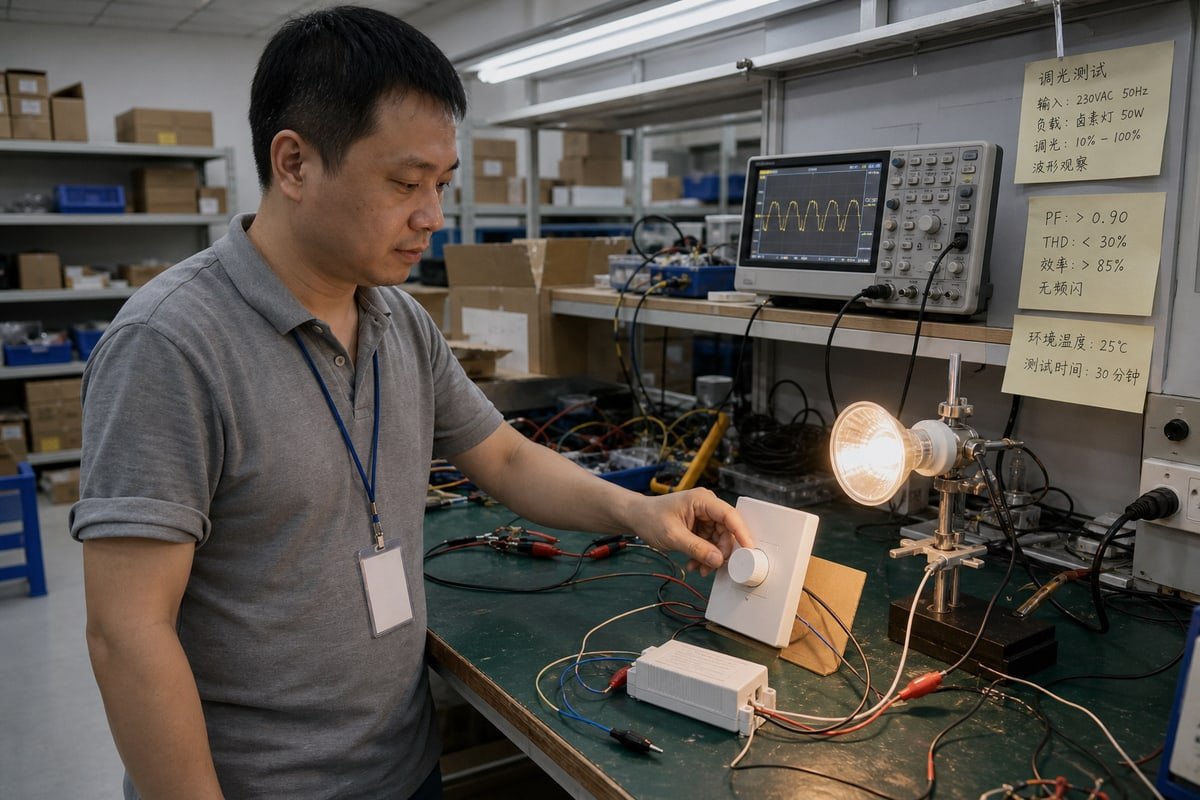
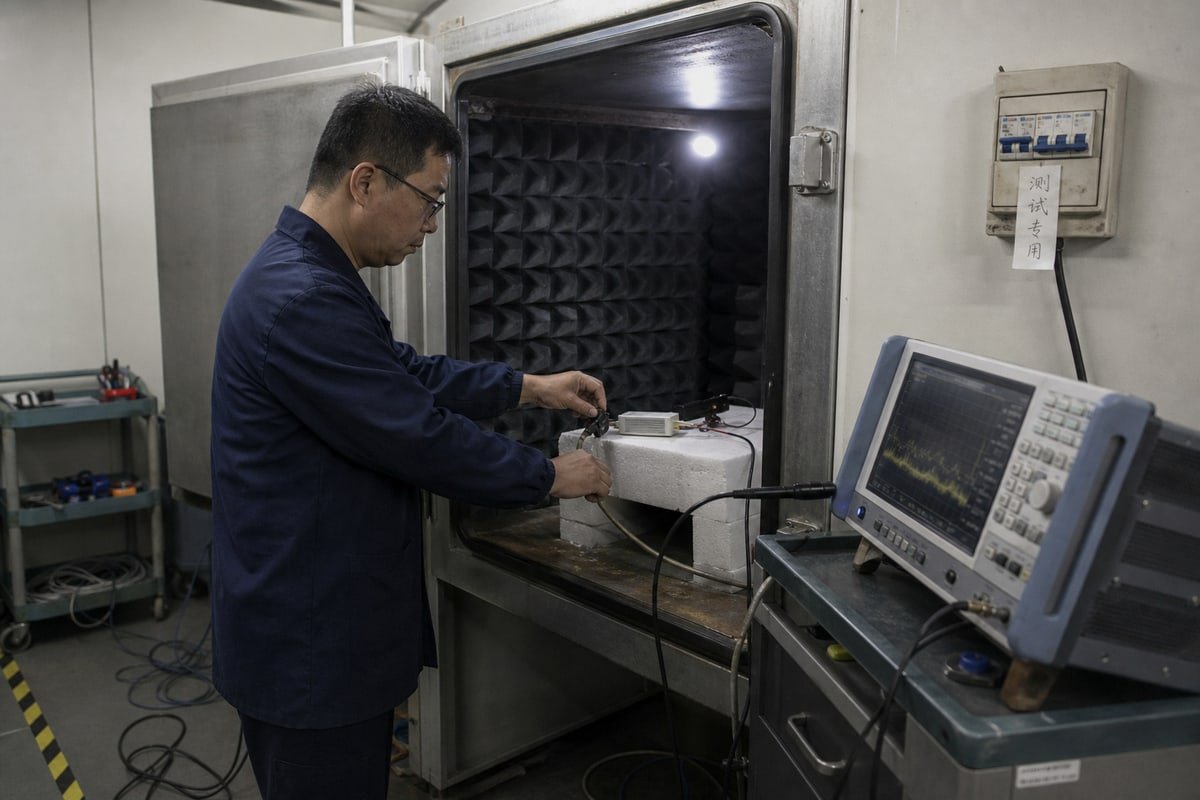
บนแท่นทดสอบของเรา เราทดสอบตัวอย่างตัวหรี่แสงทุกรุ่นกับโหลดหลากหลายก่อนจัดส่ง นิสัยนี้สอนให้เรารู้ว่าภายในแต่ละครึ่งรอบเกิดอะไรขึ้นบ้าง.
ตัวหรี่แสงแบบ leading edge หน่วงจุดจุดนำกระแสของ TRIAC หลังจากแต่ละจุดตัดศูนย์ของคลื่นไซน์ AC โดยจะบล็อกส่วนหน้าของแต่ละครึ่งรอบ จากนั้นนำกระแสในช่วงที่เหลือ ซึ่งลดกำลังเฉลี่ยที่ไปถึงหลอดไฟและทำให้แสงหรี่ลง.
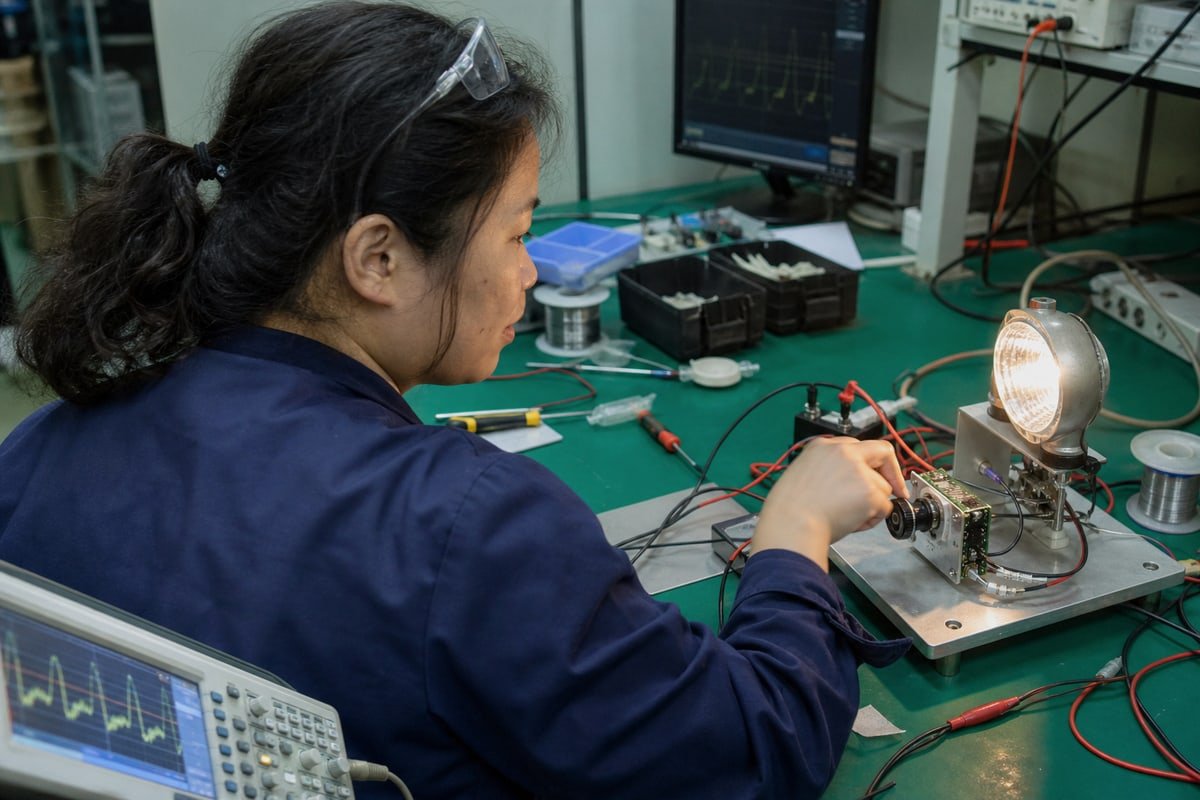
นี่คือเหตุผลที่วิธีนี้เรียกว่า forward phase control ตัวหรี่แสงจะตัดขอบหน้าของรูปคลื่น ทำให้พลังงานไปถึงหลอดไฟน้อยลงต่อรอบ ดวงตาของคุณรับรู้ว่าเป็นความสว่างที่ลดลง ขออธิบายลำดับเป็นขั้นตอน.
ลำดับการจุดนำกระแส ทีละขั้นตอน
- คลื่นไซน์ AC ตัดผ่านศูนย์โวลต์.
- วงจรควบคุมของตัวหรี่แสงรอตามเวลาหน่วงที่ตั้งไว้ การหมุนปุ่มจะเปลี่ยนเวลาหน่วงนี้ ซึ่งเรียกว่ามุมจุดนำกระแส.
- พัลส์เกตกระตุ้น TRIAC หรือในบางดีไซน์ใช้ซิลิคอนคอนโทรลเรกติไฟเออร์ (SCR).
- TRIAC นำกระแสในช่วงที่เหลือของครึ่งรอบและส่งกำลังไปยังโหลด.
- กระแสลดลงต่ำกว่าเกณฑ์การรักษาสภาพนำของ TRIAC ที่จุดตัดศูนย์ถัดไป อุปกรณ์จะปิดตัวเอง และวงจรทำซ้ำมากกว่าร้อยครั้งต่อวินาที.
ผลกระทบของการเปิดนำกระแสที่ฉับพลันต่อโหลดปลายทาง
การเปิดนำกระแสกลางรอบที่ฉับพลันนั้นไม่นุ่มนวล แรงดันกระโดดแทบจะทันที ซึ่งสร้างสไปก์ dV/dt สูง ในการทดสอบ EMI ของเรา เราพบว่าสไปก์เหล่านี้ก่อให้เกิด สัญญาณรบกวนทางไฟฟ้า 2, และในภาคสนามอาจทำให้เบรกเกอร์ AFCI สมัยใหม่ตัดวงจรโดยไม่พึงประสงค์ ยังมีปัญหาการเสื่อมสภาพอีกอย่างที่ควรรู้ เมื่อตัวหรี่แสงรุ่นเก่าจุดนำกระแสไม่สมมาตรระหว่างครึ่งรอบ จะทำให้เกิด DC offset ในสายไฟ ซึ่งอาจทำให้หม้อแปลงในอุปกรณ์ใกล้เคียงอิ่มตัวและร้อนเกินไป เหล่านี้คือพฤติกรรมซ่อนเร้นที่คำนิยามง่ายๆ ไม่เคยกล่าวถึง และมันสำคัญเมื่อคุณระบุคุณสมบัติ การหรี่แสงแบบ TRIAC ในปริมาณมาก.
ความแตกต่างระหว่างตัวหรี่แสงแบบ leading edge และ trailing edge คืออะไร?
แรงกดดันด้านราคาเทียบกับความนุ่มนวลของการหรี่แสงคือการแลกเปลี่ยนที่ผมพูดคุยกับตัวแทนจำหน่ายเกือบทุกรายที่สั่งซื้อจากเรา กลุ่มเทคโนโลยี phase-cut สองแบบอยู่คนละฝั่งของประเด็นนี้.
Leading edge dimmers ตัดช่วงเริ่มต้นของแต่ละครึ่งรอบไฟฟ้ากระแสสลับโดยใช้การสลับแบบ TRIAC หรือ thyristor ในขณะที่ trailing edge dimmers ตัดช่วงท้ายโดยใช้อิเล็กทรอนิกส์ที่ใช้ MOSFET เป็นฐาน รุ่น trailing edge มักจะปรับความสว่างของ LED driver ที่เข้ากันได้อย่างนุ่มนวลและเงียบกว่า ส่วน leading edge เหมาะกับโหลดแบบ resistive และ magnetic inductive.
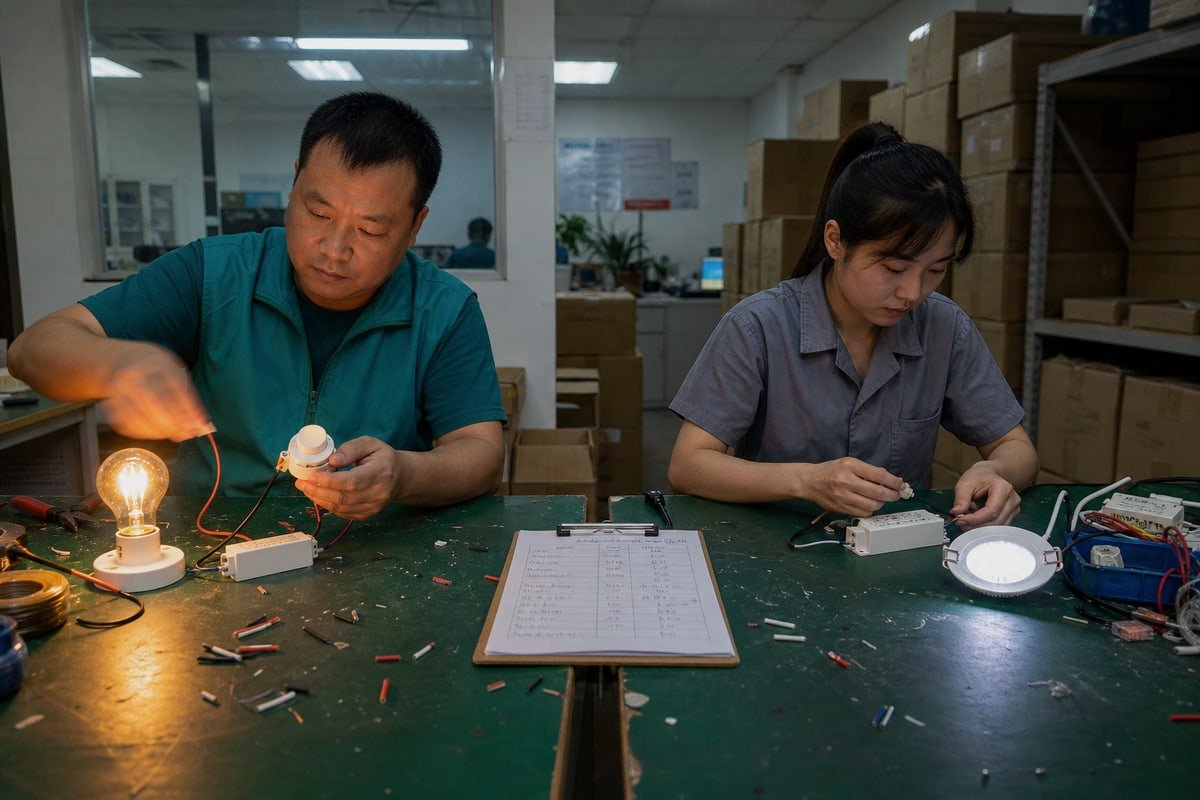
นี่คือมุมมองแบบเทียบเคียงที่ผมแชร์กับทีมจัดซื้อก่อนที่พวกเขาจะเลือกมาตรฐานสำหรับโครงการ:
| ลักษณะเฉพาะ | ขอบนำ | ขอบตาม |
|---|---|---|
| รูปคลื่น | ตัดจุดเริ่มต้นของแต่ละครึ่งรอบ | ตัดจุดสิ้นสุดของแต่ละครึ่งรอบ |
| เทคโนโลยีทั่วไป | TRIAC/ไทริสเตอร์ | มักเป็น MOSFET/การสวิตช์อิเล็กทรอนิกส์ |
| การใช้งานในอดีต | หลอดไส้/ฮาโลเจน | โหลดอิเล็กทรอนิกส์แรงดันต่ำและโหลดสมัยใหม่หลายประเภท |
| ความเข้ากันได้กับ LED | ขึ้นอยู่กับไดรเวอร์ | มักได้เปรียบสำหรับไดรเวอร์ LED ที่เข้ากันได้ |
| ประสิทธิภาพ LED ที่ระดับหรี่ต่ำ | อาจท้าทาย | มักนุ่มนวลกว่า แต่ขึ้นอยู่กับไดรเวอร์ |
| ข้อกังวลหลัก | โหลดขั้นต่ำ กระแสคงสภาพนำ กระแสพุ่งเข้า | ความเข้ากันได้ของไดรเวอร์และพฤติกรรมอิเล็กทรอนิกส์ |
แบบ trailing edge ดีกว่าโดยอัตโนมัติหรือไม่?
คู่มือหลายฉบับบอกว่าใช่ และผู้ซื้อมักยกข้อโต้แย้งนี้กับผมตลอด คำตอบของผมคือไม่ ไม่ได้โดยอัตโนมัติ ตัวหรี่แสงแบบ trailing edge ค่อยๆ ลดแรงดันอย่างนุ่มนวลที่ปลายแต่ละครึ่งรอบ ซึ่งลดการกะพริบและเสียงหึ่งที่รบกวนการติดตั้ง LED ที่ไม่เข้ากัน แต่แบบ leading edge ยังคงเป็นตัวเลือกที่ถูกต้องสำหรับโหลดที่ออกแบบมาเพื่อรองรับ รวมถึงหลอดไส้และฮาโลเจน และหม้อแปลงแม่เหล็ก ซึ่งเป็นโหลดเหนี่ยวนำที่ทนต่อการเปิดนำกระแสที่ฉับพลันได้ดี.
กฎที่สำคัญจริงๆ
ทั้งสองแนวทางคือ การหรี่ไฟแบบตัดเฟส (phase-cut dimming). ไม่มีฉลากใดรับประกันประสิทธิภาพของ LED ได้ด้วยตัวเอง สิ่งที่กำหนดผลลัพธ์คือว่าสเตจอินพุตของไดรเวอร์ LED ถูกออกแบบมาสำหรับรูปคลื่นที่ถูกตัดเฉพาะนั้นหรือไม่ เมื่อเราพัฒนาคู่ไดรเวอร์และดิมเมอร์ให้กับลูกค้า OEM เราจับคู่它们เป็นระบบ ไม่ใช่เป็นสองชิ้นส่วนอิสระ แนวคิดนั้นป้องกันปัญหาส่วนใหญ่ในภาคสนามก่อนที่จะเกิดขึ้น.
โหลดไฟประเภทใดที่เข้ากันได้กับตัวหรี่ไฟแบบ leading edge?
ผู้จัดการฝ่ายจัดซื้อในสิงคโปร์เคยส่งข้อความหาฉันทาง WhatsApp พร้อมรูปดาวน์ไลต์ที่เรืองแสงในสถานะ "ปิด" โคมไฟของเธอเป็นแบบหรี่แสงได้ แต่การจับคู่ยังคงล้มเหลว.
Leading edge dimmers เหมาะกับโหลดแบบ resistive เช่น หลอดไส้และหลอดฮาโลเจน รวมถึงหม้อแปลงแรงดันต่ำแบบแม่เหล็ก LED จะทำงานได้ก็ต่อเมื่อไดรเวอร์ LED ได้รับการจัดอันดับเฉพาะสำหรับการหรี่แสงแบบ TRIAC phase-cut ไดรเวอร์ที่ไม่ได้รับการจัดอันดับอาจเกิดการกะพริบ มีเสียงฮัม หรี่แสงได้ไม่ดี หรือยังคงสว่างบางส่วนเมื่อปิดสวิตช์.
กรณี WhatsApp นั้นจับภาพปัญหาความเข้ากันได้ทั้งหมด หลอดไฟของเธอถูกระบุว่าหรี่แสงได้ ค่าพิกัด กำลังไฟฟ้า 3 ครอบคลุมโคมไฟทั้งหมด ระบบยังคงทำงานผิดปกติ นี่คือภาพทีละโหลดก่อน:
| ประเภทโหลด | ความเข้ากันได้ | หมายเหตุ |
|---|---|---|
| หลอดไส้ | ดีเยี่ยม | โหลดความต้านทานที่คาดเดาได้; การจับคู่แบบคลาสสิก |
| หลอดฮาโลเจน | ดีเยี่ยม | ยังเป็นความต้านทาน; การหรี่แสงเต็มช่วงที่ราบรื่น |
| หม้อแปลง LV แบบแม่เหล็ก | ดี | โหลดเหนี่ยวนำที่ leading edge จัดการได้ดี |
| ไดรเวอร์ LED ที่รองรับ TRIAC | มีเงื่อนไข | ต้องได้รับการจัดอันดับอย่างชัดเจนสำหรับการหรี่แสงแบบ leading-edge |
| LED "หรี่แสงได้" ทั่วไป | มีความเสี่ยง | สเตจอินพุตของไดรเวอร์อาจไม่ทนต่อรูปคลื่นที่ถูกตัด |
| LED/CFL ที่ไม่รองรับการหรี่แสง | เข้ากันไม่ได้ | คาดว่าจะล้มเหลวหรือเสียหาย |
ภายในไดรเวอร์ LED สมัยใหม่
ไส้หลอดไส้เป็นโหลดความต้านทานอย่างง่าย ไดรเวอร์ LED ไม่ใช่ มันอาจประกอบด้วยเรกติไฟเออร์ ตัวเก็บประจุขนาดใหญ่ ตัวแปลงสวิตชิ่ง ฟิลเตอร์ EMI และวงจรควบคุม ดิมเมอร์ TRIAC แบบ leading edge โต้ตอบกับ ความจุอินพุต 4 และกับข้อกำหนดกระแสโฮลดิ้งของ TRIAC เมื่อการจับคู่ผิด เราจะเห็นการกะพริบที่ระดับการหรี่ต่ำ การทริกเกอร์ผิดหรือการดรอปเอาต์ของ TRIAC เสียงฮัมที่ได้ยิน ช่วงการหรี่ที่ใช้งานได้แคบ LED ที่ยังสว่างบางส่วนเมื่อ "ปิด" และพฤติกรรมที่แตกต่างเมื่อไดรเวอร์หลายตัวใช้ดิมเมอร์ตัวเดียว ฮาร์มอนิก distortion จากการตัดเฟสยังสามารถรบกวนไดรเวอร์แบบ dim-to-warm ทำให้เกิดการเปลี่ยนสีที่ไม่สม่ำเสมอ.
กับดักโหลดขั้นต่ำ
ดิมเมอร์แบบ leading edge แบบดั้งเดิมมักมีข้อกำหนดโหลดขั้นต่ำประมาณ 25W–60W โหลด LED ขนาดเล็กดึงกระแสน้อยกว่าที่ดิมเมอร์คาดหวังจากโหลดไส้มาก ดังนั้นการรวมกันจึงไม่เสถียรแม้จะอยู่ในค่าพิกัดกำลังไฟ กฎ B2B ของฉัน: ตรวจสอบว่าไดรเวอร์ LED ไม่ใช่แค่หลอดไฟ ได้รับการจัดอันดับสำหรับการหรี่แบบ leading-edge และตรวจสอบข้อกำหนดโหลดขั้นต่ำ โหลดสูงสุด และกระแส inrush.
ทำไมฉันจึงควรเลือกไดม์เมอร์แบบ leading edge สำหรับคำสั่งซื้อจำนวนมากครั้งถัดไปของฉัน?
ปีของโครงการ OEM สอนฉันว่าการตัดสินใจจัดหาดิมเมอร์ล้มเหลวที่สเปกชีต ไม่ใช่ที่โรงงาน คำสั่งซื้อปริมาณมากขยายทุกรายละเอียดความเข้ากันได้ที่ถูกมองข้าม.
เลือกใช้ leading edge dimmer สำหรับคำสั่งซื้อจำนวนมากเมื่อฐานการติดตั้งที่มีอยู่ใช้หลอดไส้ ฮาโลเจน หรือไดรเวอร์ LED ที่รองรับ TRIAC เมื่องบประมาณจำกัด หรือเมื่อต้องการเปลี่ยนวอลล์ดิimmerรุ่นเก่า ตรวจสอบโหลดขั้นต่ำ โหลดสูงสุด กระแสไฟกระชาก และประสิทธิภาพการปิดสนิท (true-OFF) ก่อนตัดสินใจสั่งซื้อในปริมาณมาก.

มีเหตุผลทางการค้าที่แข็งแกร่งในการกำหนดมาตรฐาน leading edge สำหรับบางโครงการ ดิมเมอร์เหล่านี้โดยทั่วไปมีราคาถูกกว่าและหาง่ายกว่าแบบ trailing edge พวกมันยังคงเป็นมาตรฐานดั้งเดิมในอาคารเก่าหลายล้านแห่ง ดังนั้นความต้องการ retrofit และเปลี่ยนทดแทนจึงคงที่ในตลาดที่เราจัดส่ง ตั้งแต่สิงคโปร์และออสเตรเลียไปจนถึงเยอรมนีและสหราชอาณาจักร สำหรับผู้จัดจำหน่ายที่ให้บริการโครงการฮอสพิทาลิตี้ที่ใช้ฮาโลเจนหนักหรือเจ้าของอาคารที่เปลี่ยนดิมเมอร์ติดผนังแบบเดียวกัน leading edge มักเป็นตัวเลือกที่ปฏิบัติได้จริง.
รายการตรวจสอบก่อนสั่งซื้อ
ก่อนที่ลูกค้าของเราจะยืนยันคำสั่งซื้อปริมาณมาก เราจะพาพวกเขาผ่านรายการนี้:
| รายการตรวจสอบ | เหตุใดจึงสำคัญ |
|---|---|
| ค่าพิกัดการหรี่ของไดรเวอร์ | ไดรเวอร์ ไม่ใช่หลอดไฟ ต้องได้รับการจัดอันดับสำหรับการควบคุมแบบ leading-edge/TRIAC |
| โหลดขั้นต่ำ | โหลด LED ขนาดเล็กต่ำกว่าประมาณ 25W–60W สามารถทำให้ TRIAC ไม่เสถียร |
| โหลดสูงสุดและกระแส inrush | ไดรเวอร์ LED สร้างสไปก์ inrush ที่ทำให้ดิมเมอร์ขนาดเล็กเกินไปรับภาระเกิน |
| ช่วงการหรี่แสง | ยืนยันประสิทธิภาพปลายต่ำที่ใช้งานได้ ไม่ใช่แค่ปลายสูง |
| พฤติกรรม True-OFF | เส้นทางรั่วไหลสามารถทำให้ LED เรืองแสงที่สถานะ "ปิด" |
| พฤติกรรมหลายไดรเวอร์ | ไดรเวอร์หลายตัวบนดิมเมอร์ตัวเดียวทำงานแตกต่างจากตัวเดียว |
วิธีลดความเสี่ยงก่อนจัดส่ง
กระบวนการของเราตรงไปตรงมา เราขอรุ่นโคมไฟหรือไดรเวอร์ที่แน่นอน จากนั้นทดสอบตัวอย่างคู่ผ่านการหรี่เต็มช่วง การตรวจสอบการกะพริบปลายต่ำ และการทดสอบ true-OFF ก่อนการผลิตจำนวนมาก สำหรับลูกค้าแบรนด์ส่วนตัวที่มีกำหนดเวลากระชั้นชิด การตรวจสอบหนึ่งสัปดาห์นี้ป้องกันการเรียกร้องการรับประกันหลายเดือน เรายังร่วมพัฒนาชุดดิมเมอร์และไดรเวอร์ที่จับคู่ภายใต้โลโก้ของลูกค้า ซึ่งขจัดความเสี่ยงด้านความเข้ากันได้ทั้งหมด.
บทสรุป
ดิมเมอร์แบบ leading edge ยังคงมีคุณค่าเมื่อจับคู่กับโหลดที่ถูกต้อง ตรวจสอบความเข้ากันได้ของไดรเวอร์ โหลดขั้นต่ำ และกระแส inrush แล้วคำสั่งซื้อปริมาณมากของคุณจะทำงานได้อย่างน่าเชื่อถือ.
เชิงอรรถ
ภาพรวมที่เชื่อถือได้ของเทคโนโลยีการปรับแสงและประวัติของระบบควบคุมแสงแบบ phase-cut. ↩︎
แหล่งข้อมูลจากหน่วยงานรัฐบาลที่อธิบายเกี่ยวกับการรบกวนทางแม่เหล็กไฟฟ้าและผลกระทบของสัญญาณรบกวนทางไฟฟ้าต่อวงจร. ↩︎
หน้า Dimmer ของ Wikipedia ให้คำอธิบายทางเทคนิคโดยละเอียดเกี่ยวกับพิกัดกำลังไฟและวัตต์สำหรับระบบปรับแสงแบบ phase-cut. ↩︎
รายการสารานุกรมทางวิทยาศาสตร์ที่อธิบายว่าความจุไฟฟ้าส่งผลต่อพฤติกรรมของวงจรอิเล็กทรอนิกส์และการจ่ายพลังงานอย่างไร. ↩︎