














كل أسبوع، يرسل المشترون رسائل إلى مختبرنا في شنتشن حول خافت إضاءة متقدم الحافة 1 يسبب وميضًا في مصابيح LED. تتراكم المرتجعات، وتتأخر المواعيد النهائية، وتتقلص الهوامش. الحل يبدأ بفهم التقنية.
مُخفِت الحافة الأمامية هو مُخفِت قطع طور للتيار المتردد (AC) يقلل من ناتج الضوء عن طريق إيقاف تشغيل بداية كل نصف دورة من جهد التيار المتردد. مبني على تقنية TRIAC أو الثايرستور، وقد صُمم بشكل أساسي للأحمال المتوهجة والهالوجين، ولا يناسب إلا مشغلات LED المصنفة لهذا الغرض.
هذا التعريف يغطي الأساسيات. لكن الأسئلة الهندسية الحقيقية تكمن تحته. كيف يحدث قطع شكل الموجة فعليًا؟ كيف يختلف عن التحكم بحافة التتابع؟ وما الأحمال التي يمكنك توصيلها بأمان؟ سأستعرض كل سؤال أدناه، باستخدام ما نراه على منصات الاختبار لدينا يوميًا.
كيف يعمل مُخفِت الإضاءة ذو الحافة الأمامية فعليًا؟
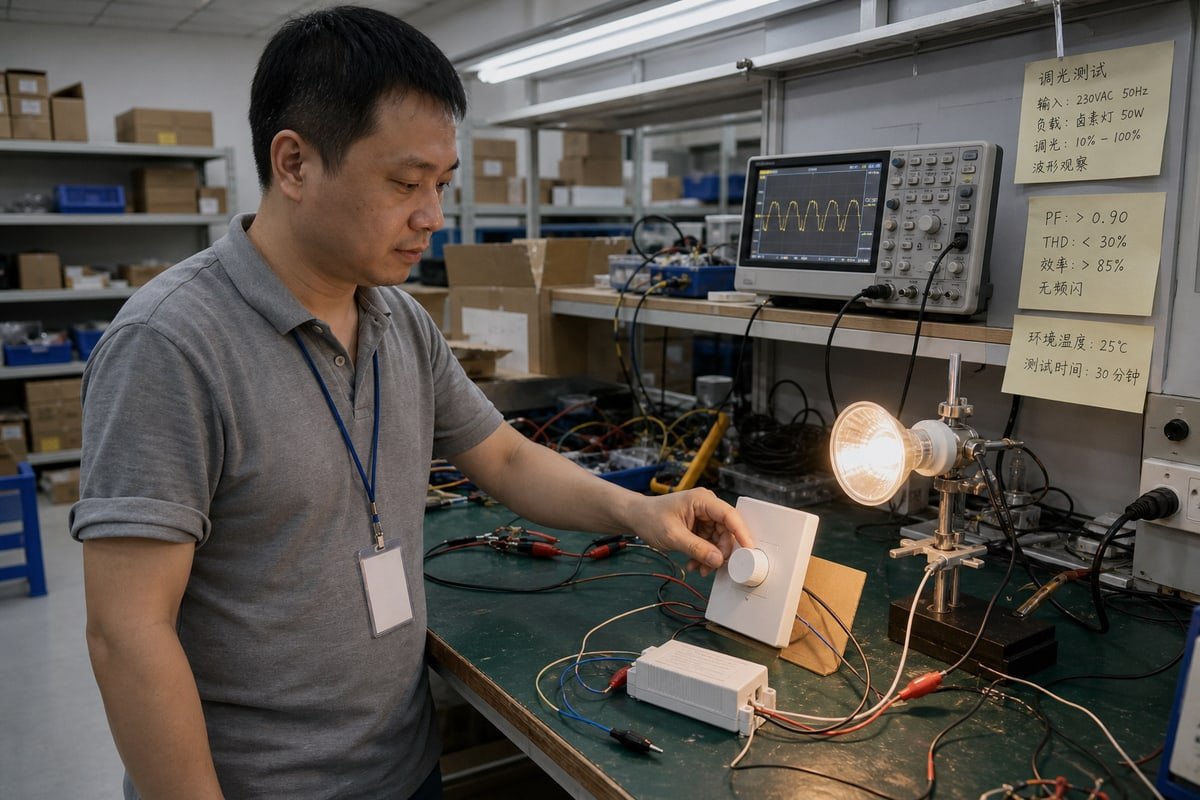
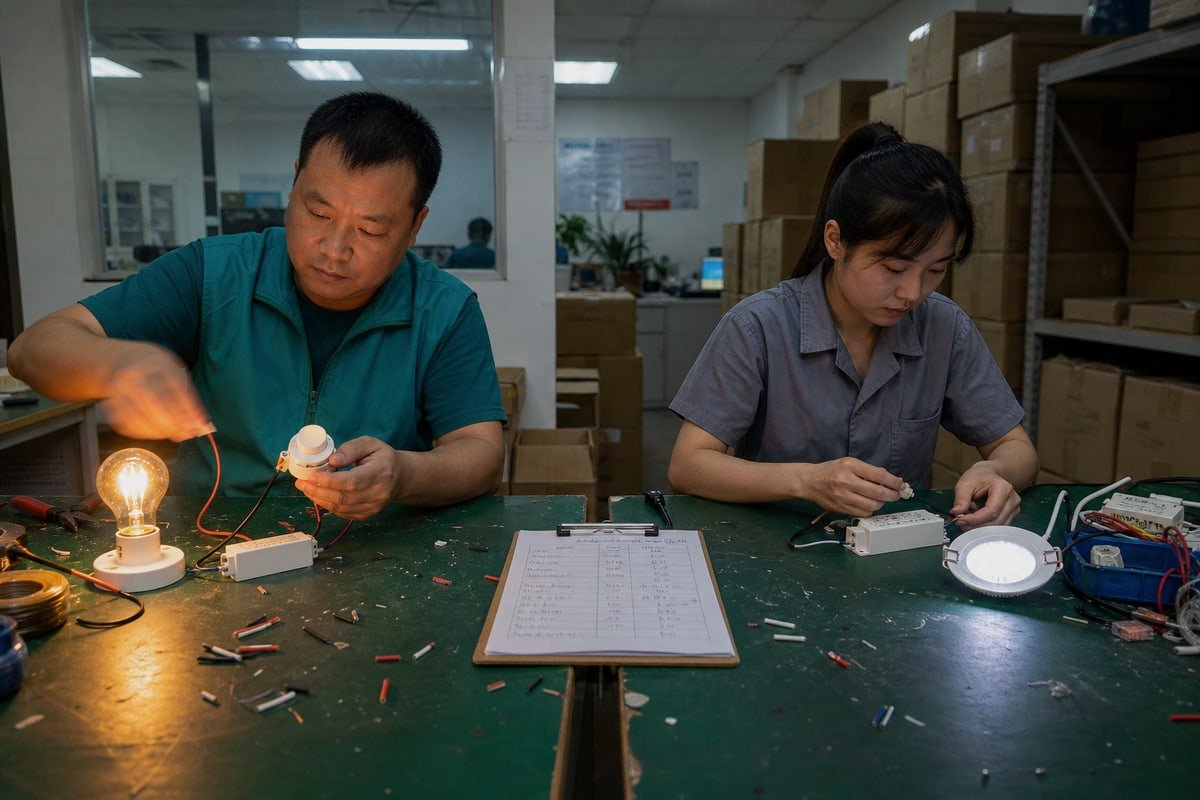
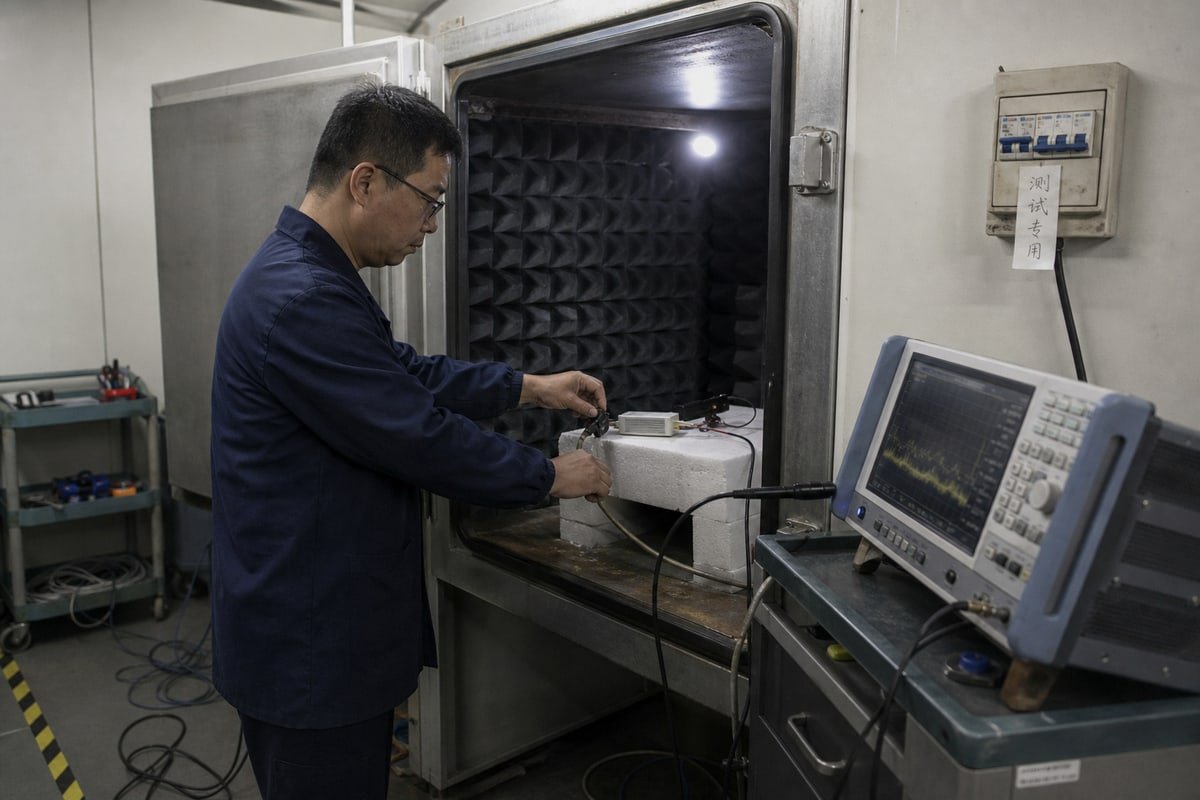
على منصة الاختبار لدينا، نشغّل كل عينة خافت عبر نطاق كامل من الأحمال قبل شحنها. هذه العادة علمتنا بالضبط ما يحدث داخل كل نصف دورة.
يؤخر خافت الحافة الأمامية نقطة تشغيل الـ TRIAC بعد كل عبور صفري لموجة التيار المتردد الجيبية. يقطع الجزء الأمامي من كل نصف دورة، ثم يوصل الباقي، مما يخفض متوسط الطاقة الواصلة إلى المصباح ويخفت الضوء.
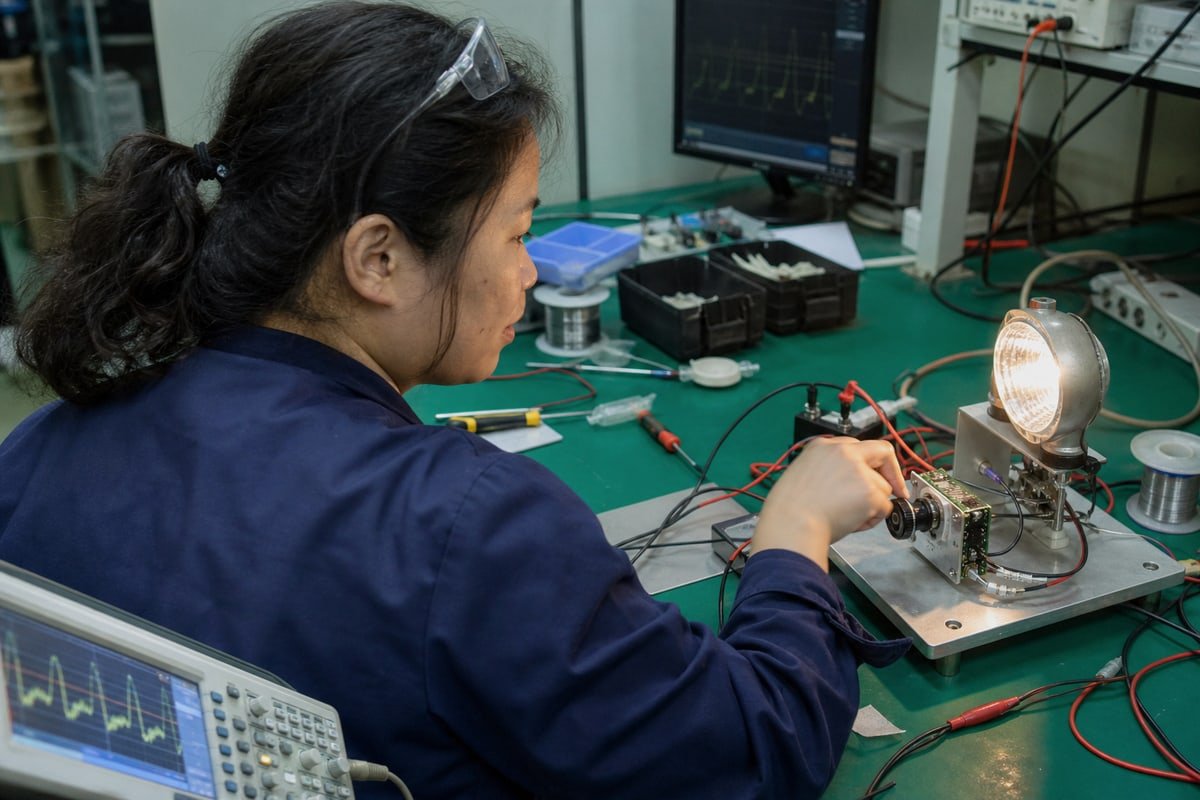
لهذا تُسمى الطريقة أيضًا التحكم بالطور الأمامي. يقتطع الخافت الحافة الأمامية من شكل الموجة، لذا تصل طاقة أقل إلى المصباح لكل دورة. عينك تقرأ ذلك على أنه سطوع أقل. دعني أفصل التسلسل.
تسلسل التشغيل، خطوة بخطوة
- تعبر موجة التيار المتردد الجيبية الصفر فولت.
- تنتظر دائرة التحكم في الخافت تأخيرًا محددًا. تدوير المقبض يغير هذا التأخير، المعروف بزاوية التشغيل.
- نبضة بوابة تشغّل الـ TRIAC، أو في بعض التصاميم مقومًا متحكمًا بالسيليكون (SCR).
- يوصل الـ TRIAC بقية نصف الدورة ويوصل الطاقة إلى الحمل.
- ينخفض التيار تحت عتبة الإمساك للـ TRIAC عند العبور الصفري التالي. يطفأ الجهاز تلقائيًا، وتتكرر الدورة مئة مرة أو أكثر في الثانية.
ما يفعله التشغيل الحاد في المراحل اللاحقة
هذا التشغيل المفاجئ في منتصف الدورة ليس لطيفًا. يقفز الجهد بشكل شبه فوري، مما يخلق قمة dV/dt عالية. في اختبارات التوافق الكهرومغناطيسي لدينا، نرى هذه القمم تولّد ضوضاء كهربائية 2, ، وفي الميدان يمكن أن تسبب تعثرًا مزعجًا في قواطع AFCI الحديثة. هناك مشكلة تقادم أخرى تستحق المعرفة. عندما يشغّل خافت أقدم بشكل غير متماثل بين نصفي الدورة، يُدخل إزاحة تيار مستمر في الخط، مما قد يشبع ويسخّن المحولات في المعدات المجاورة. هذه هي السلوكيات الخفية التي لا يذكرها تعريف بسيط أبدًا، وهي مهمة عند تحديد المواصفات تعتيم TRIAC على نطاق واسع.
ما الفرق بين خافتات الحافة الأمامية وخافتات الحافة الخلفية؟
الضغط على السعر مقابل نعومة التعتيم هو مقايضة أناقشها مع كل موزع تقريبًا يطلب منا. عائلتا القطع الطوري تقفان على جانبين متقابلين منها.
تقوم المخفتات ذات الحافة الأمامية بقص بداية كل نصف دورة من التيار المتردد باستخدام تبديل TRIAC أو الثايرستور، بينما تقوم المخفتات ذات الحافة الخلفية بقص النهاية باستخدام إلكترونيات قائمة على MOSFET. عادةً ما تعمل نماذج الحافة الخلفية على تخفيت مشغلات LED المتوافقة بشكل أكثر سلاسة وهدوءًا؛ بينما تناسب الحافة الأمامية الأحمال المقاومة والحثية المغناطيسية.
هذه هي المقارنة الجانبية التي أشاركها مع فرق المشتريات قبل اختيار معيار لمشروع:
| ميزة | الحافة الأمامية | الحافة الخلفية |
|---|---|---|
| شكل الموجة | يقطع بداية كل نصف دورة | يقطع نهاية كل نصف دورة |
| التقنية الشائعة | TRIAC/ثايرستور | غالبًا MOSFET/تبديل إلكتروني |
| التطبيق التاريخي | المصابيح المتوهجة/الهالوجين | الجهد المنخفض الإلكتروني والعديد من الأحمال الحديثة |
| توافق LED | يعتمد على المشغل | غالبًا مفيد لمشغلات LED المتوافقة |
| أداء LED عند الطرف المنخفض | قد يكون صعبًا | غالبًا أكثر نعومة، لكن يعتمد على المشغل |
| الاهتمام الرئيسي | الحمل الأدنى، تيار الإمساك، تيار الاندفاع | توافق المشغل والسلوك الإلكتروني |
هل الحافة الخلفية أفضل ببساطة؟
تقول العديد من الأدلة نعم، والمشترون يثيرون هذا الاعتراض معي باستمرار. إجابتي هي لا، ليس تلقائيًا. يخفض خافت الحافة الخلفية الجهد بلطف في نهاية كل نصف دورة، مما يقلل الوميض والأزيز الذي يصيب تركيبات LED غير المتوافقة. لكن الحافة الأمامية تبقى الخيار الصحيح للأحمال التي صُممت من أجلها، بما في ذلك المصابيح المتوهجة والهالوجين والمحولات المغناطيسية، وهي أحمال حثّية تتحمل التشغيل المفاجئ جيدًا.
القاعدة التي تهم فعلاً
كلا النهجين قطع الطور. لا يضمن أي من الملصقين أداء LED بمفرده. ما يحدد النتيجة هو ما إذا كانت مرحلة الإدخال لمشغل LED مصممة لتلك الموجة المقطوعة المحددة. عندما نطور أزواج مشغلات وأجهزة تعتيم لعملاء OEM، نطابقها كنظام وليس كجزأين مستقلين. هذه العقلية تمنع معظم شكاوى الميدان قبل حدوثها.
ما هي أحمال الإضاءة المتوافقة مع خافتة الحافة الأمامية؟
مدير مشتريات في سنغافورة راسلني مرة عبر واتساب بصور لأضواء سفلية متوهجة وهي "مطفأة". كانت تركيباتها قابلة للتعتيم، ومع ذلك فشل الاقتران.
تتوافق أدوات التعتيم ذات الحافة الأمامية مع الأحمال المقاومة مثل المصابيح المتوهجة والهالوجين، بالإضافة إلى المحولات المغناطيسية منخفضة الجهد. تعمل مصابيح LED فقط عندما يكون مشغل LED مصنفًا خصيصًا لتعتيم قطع الطور TRIAC؛ أما المشغلات غير المصنفة فقد تتعرض للوميض أو الطنين أو تعتيم ضعيف أو تبقى مضاءة جزئيًا عند إيقاف التشغيل.
تلك الحالة عبر واتساب تلخص مشكلة التوافق بأكملها. كانت مصابيحها مصنفة كقابلة للتعتيم. تصنيف القوة الكهربائية 3 غطى التركيبات. ومع ذلك، كان النظام يعمل بشكل غير سليم. إليك الصورة حملاً بحمل أولاً:
| نوع الحمل | التوافق | ملاحظات |
|---|---|---|
| المصابيح المتوهجة | ممتاز | حمل مقاوم يمكن التنبؤ به؛ التطابق الكلاسيكي |
| مصابيح الهالوجين | ممتاز | مقاومة أيضًا؛ تعتيم سلس على المدى الكامل |
| محولات الجهد المنخفض المغناطيسية | جيد | أحمال حثية يتعامل معها القطع الأمامي جيدًا |
| مشغلات LED المصنفة لـ TRIAC | مشروطة | يجب أن تكون مصنفة صراحةً لتعتيم القطع الأمامي |
| مصابيح LED "قابلة للتعتيم" العامة | محفوفة بالمخاطر | قد لا تتحمل مرحلة إدخال المشغل الموجة المقطوعة |
| مصابيح LED/CFL غير القابلة للتعتيم | غير متوافقة | توقع فشلًا أو تلفًا |
داخل مشغل LED حديث
خيط المصباح المتوهج هو حمل مقاوم بسيط. مشغل LED ليس كذلك. قد يحتوي على مقوم، ومكثف ضخم، ومحول تبديل، ومرشح EMI، ودوائر تحكم. يتفاعل معتّم TRIAC ذو القطع الأمامي مع تلك السعة الداخلية للإدخال 4 ومع متطلب تيار الإمساك الخاص بـ TRIAC. عندما يكون التطابق خاطئًا، نرى وميضًا عند مستويات التعتيم المنخفضة، أو إطلاقًا خاطئًا أو انقطاعًا في TRIAC، أو طنينًا مسموعًا، أو نطاق تعتيم قابل للاستخدام ضيقًا، أو مصابيح LED تبقى مضاءة جزئيًا عند "الإطفاء"، وسلوكًا مختلفًا عندما تشارك عدة مشغلات معتّمًا واحدًا. يمكن أن يؤدي التشوه التوافقي الناتج عن قطع الطور إلى إرباك مشغلات التعتيم إلى الدفء، مما يسبب تحولات لونية غير متناسقة.
فخ الحمل الأدنى
غالبًا ما تحمل معتّمات القطع الأمامي التقليدية متطلب حمل أدنى يبلغ تقريبًا 25 واط–60 واط. حمل LED صغير يسحب تيارًا أقل بكثير من الحمل المتوهج الذي توقعه المعتّم، لذا يصبح المزيج غير مستقر حتى ضمن تصنيف القوة الكهربائية. قاعدتي في B2B: تحقق مما إذا كان مشغل LED، وليس مجرد المصباح، مصنفًا لتعتيم القطع الأمامي، وتحقق من متطلبات الحمل الأدنى والحمل الأقصى وتيار الاندفاع.
لماذا سأختار دايمر الحافة الأمامية لطلبي بالجملة القادم؟
سنوات من مشاريع OEM علمتني أن قرارات توريد المعتّمات تفشل عند ورقة المواصفات، وليس في أرض المصنع. الطلبات الكبيرة تضخم كل تفصيلة توافق تم تجاهلها.
اختر دايمر الحافة الأمامية للطلبات بالجملة عندما تعمل قاعدتك المركبة على مصابيح متوهجة أو هالوجين أو محركات LED مصنفة TRIAC، أو عندما تكون الميزانيات محدودة، أو عند استبدال دايمرات الحائط القديمة. تحقق من الحد الأدنى للحمل، والحد الأقصى للحمل، وتيار الاندفاع، وأداء الإيقاف الفعلي قبل الالتزام بالكميات.

هناك أسباب تجارية قوية لتوحيد المعيار على القطع الأمامي لمشاريع معينة. هذه المعتّمات عمومًا أكثر تكلفة مناسبة وأكثر توفرًا من بدائل القطع الخلفي. تظل المعيار القديم في ملايين المباني الأقدم، لذا يبقى الطلب على التعديل والاستبدال ثابتًا عبر الأسواق التي نشحن إليها، من سنغافورة وأستراليا إلى ألمانيا والمملكة المتحدة. للموزعين الذين يخدمون مشاريع الضيافة المثقلة بالهالوجين أو الملاك الذين يستبدلون معتّمات الجدران بمثلها، غالبًا ما يكون القطع الأمامي الخيار العملي.
قائمة التحقق قبل الطلب
قبل أن يؤكد أي عميل من عملائنا طلبًا كبيرًا، نمر معهم عبر هذه القائمة:
| عنصر الفحص | لماذا هذا مهم؟ |
|---|---|
| تصنيف تعتيم المشغل | المشغل، وليس المصباح، يجب أن يكون مصنفًا للتحكم بالقطع الأمامي/TRIAC |
| الحد الأدنى للحمل | أحمال LED الصغيرة أقل من حوالي 25 واط–60 واط يمكن أن تزعزع استقرار TRIAC |
| الحمل الأقصى وتيار الاندفاع | مشغلات LED تولد قمم اندفاع تجهد المعتّمات الأصغر حجمًا |
| نطاق التعتيم | تأكد من الأداء القابل للاستخدام عند الطرف المنخفض، وليس فقط الطرف الأعلى |
| سلوك الإطفاء الحقيقي | مسارات التسرب يمكن أن تترك مصابيح LED متوهجة عند "الإطفاء" |
| سلوك المشغلات المتعددة | عدة مشغلات على معتّم واحد تتصرف بشكل مختلف عن مشغل واحد |
كيف نخفف المخاطر قبل الشحن
عمليتنا مباشرة. نطلب نموذج التركيبة أو المشغل الدقيق، ثم نشغّل عينات مقترنة عبر اختبارات التعتيم الكامل، وفحوصات الوميض عند الطرف المنخفض، واختبارات الإطفاء الحقيقي قبل الإنتاج الضخم. لعملاء العلامات الخاصة ذوي المواعيد النهائية الضيقة، هذا الأسبوع الواحد من التحقق يمنع شهورًا من مطالبات الضمان. كما نطور بشكل مشترك مجموعات معتّم ومشغل متطابقة تحت شعار العميل، مما يزيل مخاطر التوافق تمامًا.
الخلاصة
معتّم القطع الأمامي لا يزال يستحق مكانه عند مطابقته للحمل الصحيح. تحقق من توافق المشغل والحمل الأدنى وتيار الاندفاع، وستعمل طلباتك بالجملة بشكل موثوق.
الحواشي السفلية
نظرة عامة موثوقة على تقنيات التعتيم وتاريخ أدوات التحكم في الإضاءة بقص الطور. ↩︎
مصدر فيدرالي يشرح التداخل الكهرومغناطيسي وتأثير الضوضاء الكهربائية على الدوائر. ↩︎
صفحة ويكيبيديا الخاصة بالدايمر تقدم شرحًا تقنيًا مفصلاً عن تصنيفات الطاقة والقدرة لأنظمة التعتيم بقص الطور. ↩︎
مدخل موسوعي علمي يشرح كيف تؤثر السعة على سلوك الدوائر الإلكترونية وتوصيل الطاقة. ↩︎