















التحكم متعدد المناطق مع [مشغلات CV DALI](https://boqiled.com/?p=17832) يبدو بسيطًا—حتى يتعطل التشغيل في الموقع. في خط الإنتاج لدينا في شنتشن، نتعقب معظم المشاريع الفاشلة ونجدها تعود إلى خطأ تخطيط واحد يمكن تجنبه.
يتيح التحكم متعدد المناطق مع محركات CV DALI لكل منطقة إضاءة LED استقبال أوامر سطوع أو ألوان مستقلة من خلال عناوين ومجموعات ومشاهد DALI. تتعامل محركات DT6 مع التعتيم أحادي القناة، بينما تنسّق محركات DT8 قنوات الأبيض القابل للضبط أو RGBW تحت عنوان واحد، مما يبسّط التشغيل في المنشآت الكبيرة.
هذه الإجابة القصيرة تخفي عدة فخاخ. في هذا المقال، سأشرح كيف يعمل النظام، وما يجب فحصه قبل التوريد، ومن أين تأتي التوفيرات الحقيقية في التكلفة، وكيفية تخصيص المشغلات دون متاعب الامتثال.
كيف تُمكّن مشغلات CV DALI من التحكم السلس متعدد المناطق في مشاريع الإضاءة واسعة النطاق؟
طلب موزع في ألمانيا ذات مرة مشغلات RGBW رباعية القنوات لدينا متوقعًا أربع مناطق غرف مستقلة. علّمنا هذا الفهم الخاطئ أن نشرح البنية قبل تقديم عرض سعر لأي مشروع.
تتيح مشغلات CV DALI التحكم متعدد المناطق من خلال الجمع بين طاقة LED ذات الجهد الثابت والعنونة الرقمية على ناقل سلكي ثنائي. يحمل كل مشغل عنوان DALI الخاص به، وينضم إلى ما يصل إلى 16 مجموعة، ويستجيب لأوامر المشاهد، بحيث تخفت كل منطقة بشكل مستقل دون دوائر تخفيت منفصلة.

المفهوم الأساسي هو الفصل. DALI هي شبكة تحكم رقمية 1 معرّفة بموجب IEC 62386. يبقى جانب الحمل الجهد الثابت 2—عادةً 12V أو 24V أو 36V أو 48V DC—يغذي شريط LED أو الوحدات الموصلة على التوازي. يأتي التحكم في الإضاءة القابلة للعنونة بالكامل من الناقل، وليس من أسلاك الطاقة. يدعم خط DALI واحد ما يصل إلى 64 عنوانًا فرديًا، يمكنك تنظيمها في 16 مجموعة لتعتيم متزامن واستدعاء مشاهد عبر مناطق ومجموعات الإضاءة.
DT6 مقابل DT8: أي نوع جهاز يناسب مناطقك؟
| ميزة | مشغل DT6 | مشغل DT8 |
|---|---|---|
| القنوات | تعتيم أحادي القناة | متعدد القنوات: DT8 أبيض قابل للتعديل، RGB، RGBW |
| استهلاك العناوين | عنوان واحد لكل قناة | عنوان واحد لوحدة اللون بأكملها |
| أفضل استخدام | مناطق مستقلة أحادية اللون | تحكم منسق في اللون أو CCT |
| جهد التشغيل | بسيط، منطقة واحدة لكل عنوان | عناوين أقل، قنوات منسقة |
المشغل متعدد القنوات ليس نظامًا متعدد المناطق
إليك أكبر سوء فهم أراه. مشغلات LED متعددة القنوات، مثل وحدة DT8 رباعية القنوات RGBW، لديها أربعة مخارج فعلية. لكن هذه القنوات مصممة للعمل معًا كمنطقة واحدة متحكم في لونها. إذا كان مشروعك يحتاج المنطقة A للاستقبال، والمنطقة B للممر، والمنطقة C لأرفف العرض، والمنطقة D لإضاءة السقف، فأنت بحاجة إلى مشغلات قابلة للعنونة بشكل مستقل—وليس وحدة RGBW واحدة.
تسلسل التصميم الصحيح هو: مناطق الإضاءة → متطلبات التحكم → استراتيجية عنونة DALI → اختيار DT6 أو DT8 → قنوات المشغل → حساب الطاقة. كثير من الفرق تفعل العكس. يختارون المشغل أولًا، ثم يفرضون المناطق حول مخارجه. تذكر أيضًا: DT8 يوفر العناوين، وليس المشغلات. وحدة إضاءة واحدة قابلة لتعديل اللون الأبيض تعمل تحت عنوان DT8 واحد، لكن أربع غرف منفصلة لا تزال بحاجة إلى مشغلات أو عناوين منفصلة.
ما الذي يجب أن أتحقق منه قبل توريد محركات CV DALI لتركيبات تجارية متعددة المناطق؟
في العام الماضي، أرسل مدير مشتريات في سنغافورة إلينا مواصفة من سطر واحد: مشغل DALI CV، 24V، أربع مناطق. رد مهندسونا باثني عشر سؤالًا قبل أن نقدم أي عرض سعر.
قبل الشراء، تحقق من توافق IEC 62386 وشهادة DALI-2، وأكد الاستقلالية الحقيقية للقنوات، وطابق جهد الخرج مع حمل LED لديك، وافحص جودة تعتيم PWM والأداء عند المستوى المنخفض، وراجع متطلبات طاقة الناقل، واطلب سجلات ضبط الجودة الموثقة بالإضافة إلى شهادات CE وCB وSELV.

هذه الأسئلة الاثنا عشر موجودة لأن ورقة المواصفات نادرًا ما تحكي القصة كاملة. إليك قائمة التحقق التي نرشد المشترين خلالها قبل بدء الإنتاج.
جدول التحقق قبل التوريد
| نقطة تفتيش | ما الذي يجب التحقق منه | لماذا هذا مهم؟ |
|---|---|---|
| الامتثال لمعيار IEC 62386 | تقارير اختبار DALI-2 حقيقية، وليست مجرد ادعاءات “متوافق مع DALI” | يضمن قابلية التشغيل البيني مع المستشعرات والمفاتيح ووحدات التحكم |
| جهد الخرج | 12V أو 24V أو 36V أو 48V مطابقة لشرائطك؛ 24V DC بجهد ثابت هو الأكثر شيوعًا | الجهد الخاطئ يدمر LEDs أو يغذيها بشكل غير كافٍ |
| استقلالية القنوات | قنوات مستقلة حقيقية مقابل مخارج متوازية بسيطة | المخارج المتوازية لا يمكنها تشكيل مناطق منفصلة |
| جودة التعتيم | تردد تعتيم تعديل عرض النبضة، منحنيات التعتيم اللوغاريتمية، عمق الطرف المنخفض—بعض التصاميم تصل إلى حوالي 0.1% | يمنع الوميض المرئي في أماكن الضيافة والمساحات المعمارية |
| طاقة الناقل | ما إذا كان النظام يحتاج إلى مصدر طاقة خارجي لناقل DALI واستهلاك التيار لكل محرك على الناقل | الناقل المحمّل بشكل زائد يسبب فقدان الأوامر ومناطق ميتة |
| الشهادات | علامات CE وCB وSELV مطبوعة على الهيكل | مطلوبة للوصول إلى الأسواق في الاتحاد الأوروبي وآسيا والمحيط الهادئ |
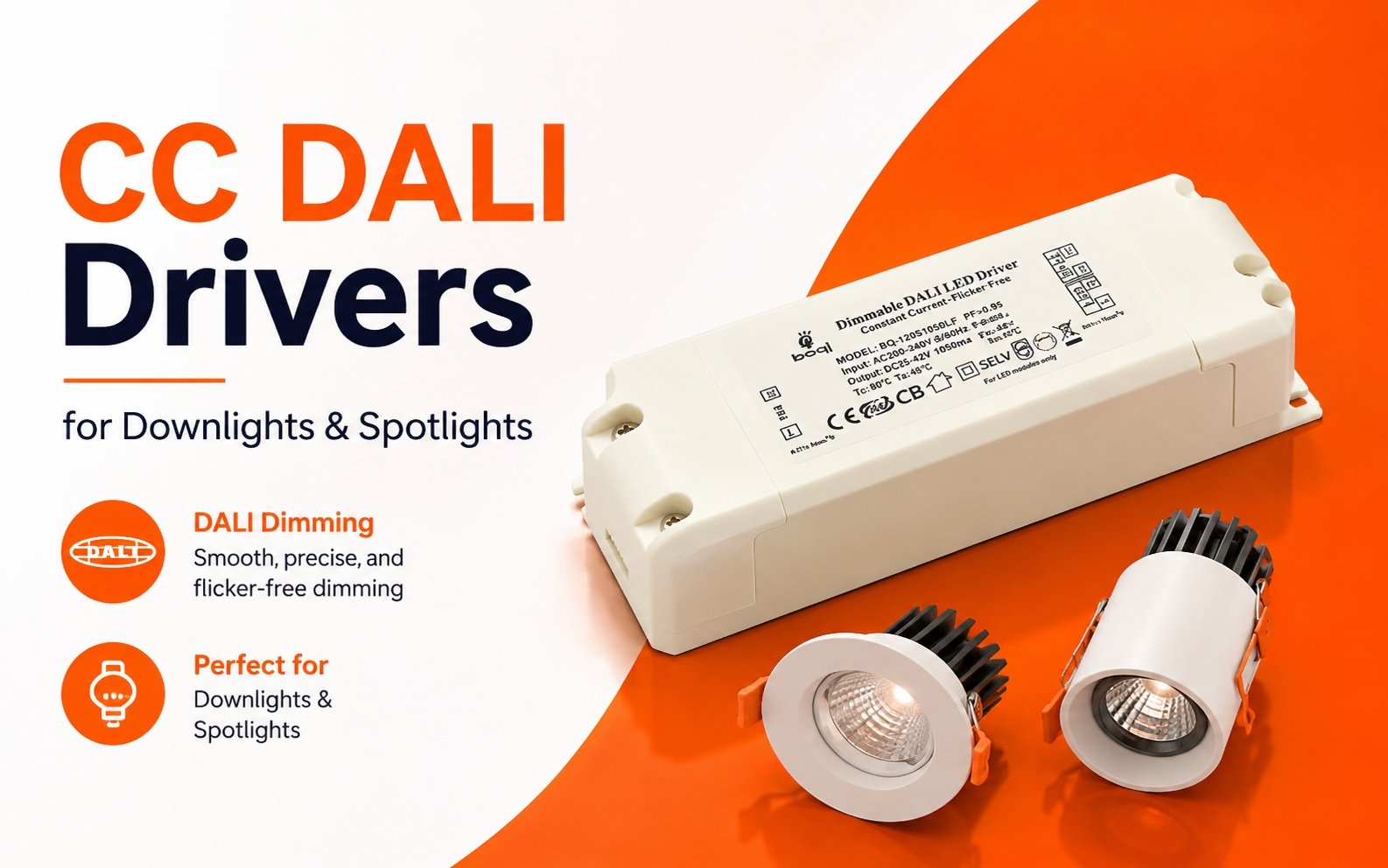
تستحق نقطتان من هذه النقاط اهتمامًا إضافيًا. أولًا، استقلالية القنوات. بعض المنتجات “متعددة المخارج” تقوم ببساطة بتقسيم قناة تعتيم واحدة عبر عدة أطراف. تبدو وكأنها محركات LED متعددة القنوات على الورق، لكن كل المخرجات تعتم معًا. اسأل المورد مباشرة: هل يمكن لكل قناة استقبال أمر DALI الخاص بها؟ ثانيًا، سلوك التعتيم. منحنيات التعتيم اللوغاريتمية تتوافق مع كيفية إدراك العين البشرية للسطوع، لذا يصبح عدم تطابق المنحنى بين المحركات من دفعات مختلفة مرئيًا فورًا في بهو فندق. نوصي أيضًا بالسؤال عما إذا كان المحرك يدعم TouchDIM أو مدخلات احتياطية 0/1-10V, ، لأن مشاريع التحديث غالبًا ما تحتاج إلى هذه المرونة. أخيرًا، تحقق من الملصقات الفعلية. على وحداتنا الخاصة، يُطبع مخطط الأسلاك وتصنيفات المدخلات/المخرجات وأيقونات الشهادات مباشرة على الجسم الألومنيوم، مما يوفر وقتًا حقيقيًا للمركّبين في الموقع.
هل يمكن لأنظمة CV DALI متعددة المناطق أن تساعدني في خفض تكاليف التمديدات الكهربائية وتبسيط لوجستيات المشروع؟
كل عرض سعر نعده يوازن نفس المقايضة: تكلفة أجهزة DALI أعلى لكل محرك من 0-10V، ومع ذلك غالبًا ما تكون التكلفة الإجمالية للتركيب أقل. إليك السبب.
نعم. يستبدل ناقل DALI ثنائي الأسلاك الواحد التمديدات الكهربائية المنفصلة لكل منطقة، وتلغي التجميعات البرمجية الحاجة إلى إعادة التمديد بعد تغييرات التخطيط، كما أن توحيد المشغلات من مورد واحد يقلل من تعقيد الشحن. ومعًا، تخفض هذه العوامل تكاليف الكابلات والعمالة والخدمات اللوجستية في المشاريع التجارية متعددة المناطق.

ابدأ بالمقارنة الصادقة، لأن المشترين يسألونني عنها باستمرار:
| العامل | محركات DALI CV | 0-10 فولت / 1-10 فولت | وحدات تحكم RF / PWM فقط |
|---|---|---|---|
| العنونة بالمناطق | عناوين فردية، مجموعات، مشاهد | غالبًا على مستوى المنطقة، زوج تحكم واحد لكل منطقة | يعتمد على النظام البيئي للعلامة التجارية |
| التغذية الراجعة والحالة | مدعوم في أنظمة DALI-2 | لا يوجد | عادةً لا يوجد |
| الأسلاك الكهربائية | ناقل مشترك واحد بسلكين | تشغيل تحكم منفصل لكل منطقة | لاسلكي، لكن خاص |
| إعادة تقسيم المناطق لاحقًا | تجميع برمجي، بدون إعادة توصيل | يتطلب إعادة توصيل فعلي | عبر التطبيق، مرتبط بالعلامة التجارية |
| الأنسب لـ | مشاريع متعددة المناطق كثيفة التكامل | التعتيم الأساسي، ترقيات الأنظمة القديمة | أنظمة صغيرة أو أحادية العلامة التجارية |
من أين تأتي التوفيرات الفعلية
مع التحكم التناظري، تحتاج كل منطقة إلى تشغيل تحكم خاص بها يعود إلى خافت للضوء. مع بروتوكول DALI-2 3, ، ناقل واحد بسلكين يتسلسل عبر جميع العناوين الـ 64. في طابق تجزئة به اثنتا عشرة منطقة، هذا الفرق وحده يزيل كمية كبيرة من النحاس والعمالة. ثم تأتي المرونة: عندما يغيّر المستأجر تخطيط الطابق، تعيد المجموعات البرمجية تكوين مناطق الإضاءة دون لمس أي كابل. لمسارات الشرائط الطويلة جدًا، يعمل النهج اللامركزي بشكل جيد—خافتات DALI المدمجة من DC إلى DC الموضوعة بالقرب من الشرائط، مغذاة بمصدر طاقة مركزي عالي السعة—مما يقلل من انخفاض الجهد عبر التركيبات الكبيرة.
الآن الاعتراض الذي أسمعه من المشترين الأصغر: DALI مبالغ فيه لمتجر بمنطقتين، وطقم RF بسيط يُركّب بشكل أسرع. لهذا الحجم، أوافق. لكن بمجرد أن يتجاوز المشروع عدة مناطق، أو يحتاج إلى استدعاء المشاهد، أو قد يتصل بنظام المبنى لاحقًا، ينقلب منحنى التكلفة نحو DALI. وتوجد مسارات هجينة: جسور DALI إلى اللاسلكي يمكنها توسيع العمود الفقري السلكي إلى مناطق شبكية Matter أو يتم التحكم بها عبر التطبيق. على جانب اللوجستيات، عملاؤنا المصدرون في سنغافورة وفيتنام وأوروبا يدمجون المحركات والخافتات والملحقات في شحنة واحدة مع تقرير جودة واحد، مما يقصر الجداول الزمنية الضيقة للمشاريع.
كيف أضمن الجودة والامتثال عند تخصيص محركات CV DALI لتطبيقات متعددة المناطق؟
قبل أن تغادر أي دفعة مخصصة منشأتنا في شنتشن، تقضي وقتًا في غرفة الحرق الحراري تعمل بكامل الحمل. جاءت هذه العادة من درس مبكر مؤلم واحد مع طلب OEM متعجل.
اضمن الجودة من خلال تحديد متطلبات المنطقة قبل التخصيص، وطلب بيانات اختبار DALI-2 وفقًا لـ IEC 62386، والتحقق من العينات على نظام التحكم الفعلي لديك، وتأكيد شهادات CE وCB وSELV، والاتفاق مع المورد على اختبارات التقادم وفحوصات منحنى التعتيم والتفتيش قبل الشحن.

التخصيص يسوء عندما يتم قفل المواصفات الكهربائية قبل تصميم التحكم. لذا نمرر كل مشروع OEM/ODM عبر نفس التسلسل، وأوصي المشترين بطلب شيء مماثل من أي مورد.
مسار التخصيص ومراقبة الجودة المكون من سبع خطوات
- اقفل خريطة المناطق أولًا. اتبع التسلسل: المناطق → متطلبات التحكم → استراتيجية العنونة → DT6 أو DT8 → القنوات → حساب الطاقة. لا تعكسه أبدًا.
- حدد المواصفات الكهربائية. جهد الخرج، عدد القنوات، الواط لكل منطقة، وهامش الحمل حتى لا يعمل أي محرك عند حده الأقصى.
- اطلب دليل البروتوكول. اطلب بيانات اختبار DALI-2 وفقًا لـ IEC 62386، وليس سطر “يدعم DALI” الغامض على ورقة البيانات.
- تحقق من العينات الذهبية على نظامك الفعلي. وصّل العينة بوحدات التحكم والمستشعرات ولوحات الحائط الفعلية التي يستخدمها مشروعك. اختبر المشاهد والمجموعات وأوقات التلاشي ومنحنى التعتيم اللوغاريتمي عند المستويات المنخفضة، حيث يختبئ الوميض.
- اتفق على بوابات ضبط الجودة كتابيًا. فحص المكونات الواردة، الاختبار الكهربائي أثناء الخط، الحرق الحراري بنسبة 100% بكامل الحمل، وفحص ما قبل الشحن من طرف ثالث أو العميل.
- أكد الملصقات والشهادات. يجب طباعة أيقونات CE وCB وSELV بالإضافة إلى مخططات الأسلاك على الهيكل نفسه، إلى جانب شعارك المخصص إذا كان المشروع بعلامة خاصة.
- خطط للتشخيص. تقوم محركات DALI-2 CV المتقدمة بالإبلاغ عن بيانات لكل منطقة مثل استهلاك الطاقة 4 وحالة فشل المصباح، مما يدعم الصيانة التنبؤية وتكامل نظام إدارة المباني لاحقًا.
التصميم الحراري مهم أيضًا. تستخدم هياكلنا المصنوعة من الألومنيوم النحيف أخاديد مشتتة حرارية مضلعة على السطح العلوي لأن المحرك الذي يعمل ببرودة في فراغ سقفي ضيق يعتم باستمرار لسنوات. عندما نطور وحدة مخصصة مع عميل، يكون الهامش الحراري أحد أول التفاوتات التي نتفق عليها — قبل التصنيع، وليس بعد الشكاوى.
الخلاصة
التحكم متعدد المناطق مع محركات CV DALI يكافئ التخطيط: حدد المناطق أولاً، وتحقق من توافق DALI-2، وأكد استقلالية القنوات، وشارك مع مورد يختبر قبل الشحن. افعل ذلك بشكل صحيح، وتبقى عملية التشغيل سلسة.
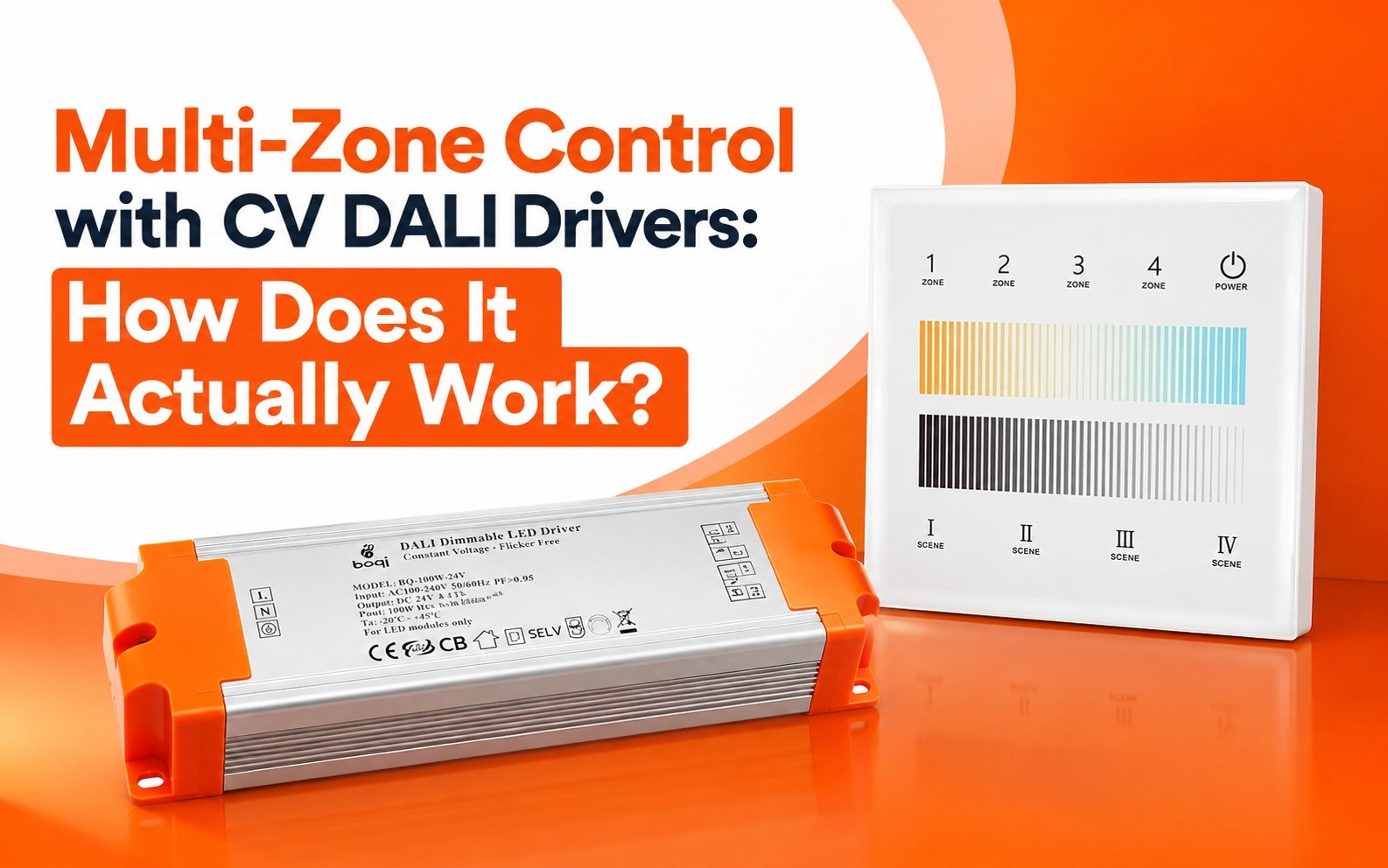
مهتم بتوريد المنتجات المذكورة في هذه المقالة؟ اطلع على التفاصيل واطلب عرض سعر هنا:
الحواشي السفلية
الموقع الرسمي لـ IEC، الذي يطور المعايير الدولية لجميع التقنيات الكهربائية والإلكترونية. ↩︎
مرجع فني لمحركات LED، يغطي أوضاع إمداد الطاقة بالجهد الثابت والتيار الثابت. ↩︎
DALI Alliance هي المنظمة الصناعية العالمية التي تحدد بروتوكول DALI-2 للتحكم في الإضاءة. ↩︎
يوفر نظرة عامة على استهلاك الطاقة الكهربائية، وهو مقياس تشخيصي توفره وحدات التحكم المتقدمة في الإضاءة DALI-2. ↩︎