













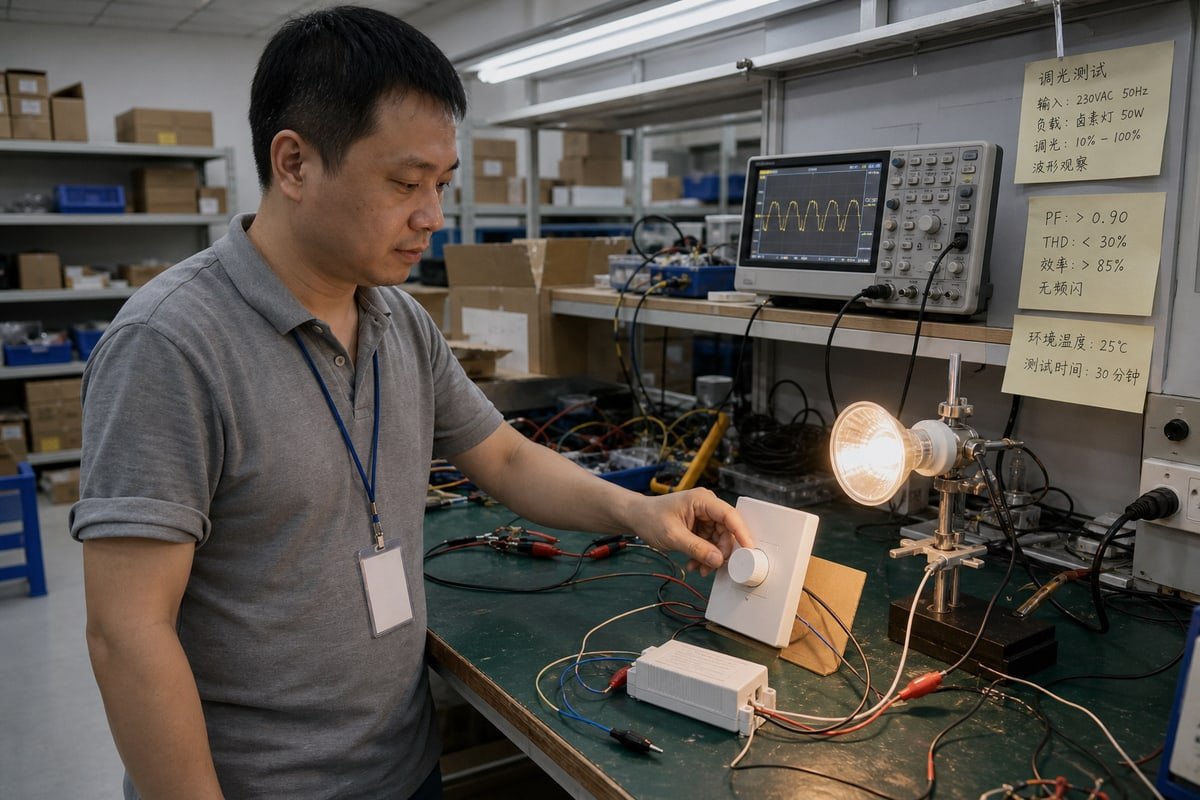
Каждую неделю покупатели пишут нашей шэньчжэньской лаборатории о диммере с передним фронтом 1 вызывающем мерцание светодиодов. Возвраты накапливаются, сроки срываются, а маржа сжимается. Решение начинается с понимания технологии.
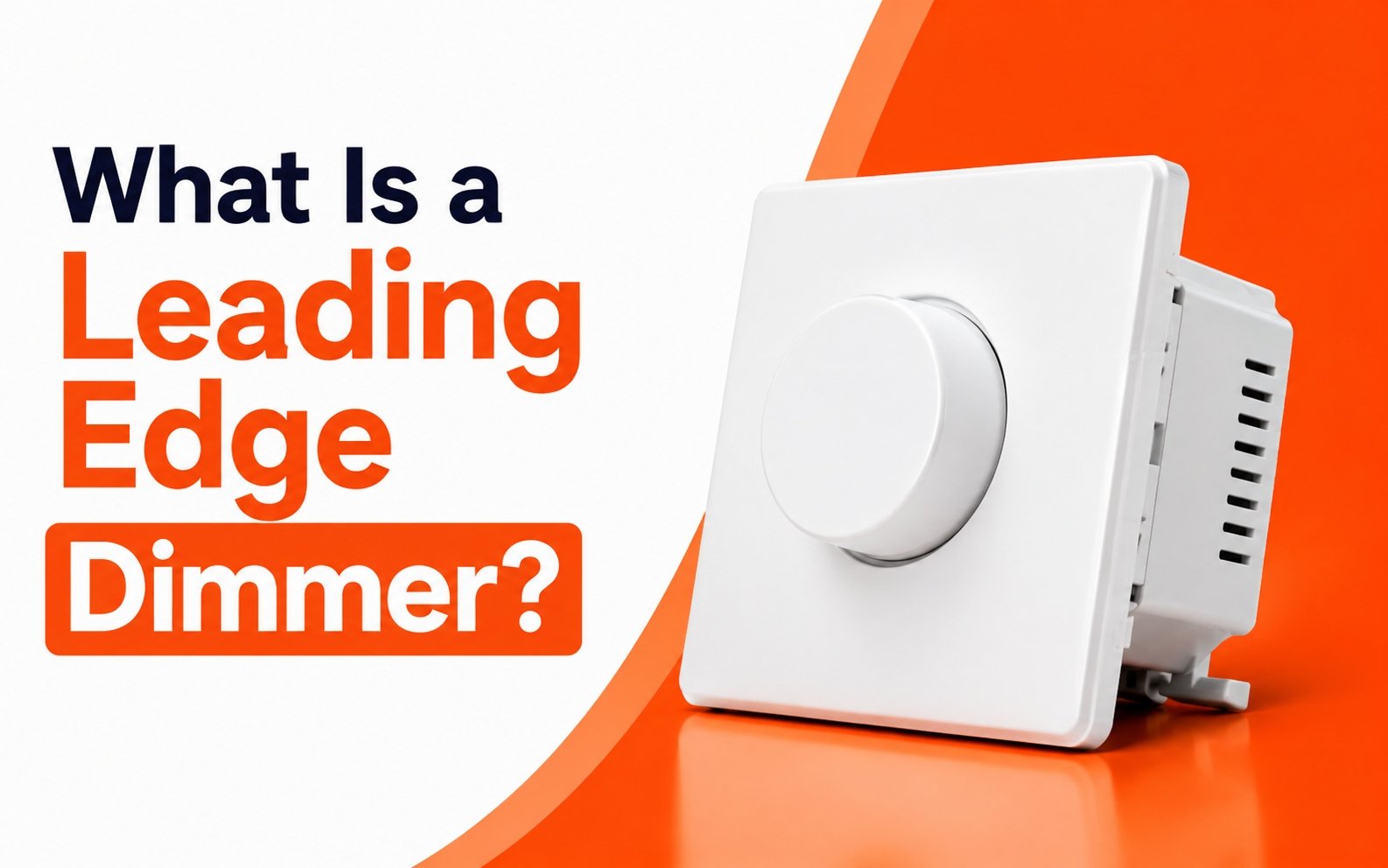
Ведущий фронт-диммер — это фазовый диммер переменного тока, который снижает световой поток, отключая начало каждого полупериода напряжения переменного тока. Основанный на технологии TRIAC или тиристоров, он был разработан в основном для ламп накаливания и галогенных нагрузок и подходит только для LED-драйверов, рассчитанных на его использование.
Это определение охватывает основы. Но настоящие инженерные вопросы лежат глубже. Как именно происходит отсечка формы волны? Чем это отличается от управления по заднему фронту? И какие нагрузки можно безопасно подключать? Я разберу каждый вопрос ниже, используя то, что мы видим на наших собственных испытательных стендах каждый день.
Как на самом деле работает диммер с передним фронтом?
На нашем испытательном стенде мы проверяем каждый образец диммера на полном диапазоне нагрузок перед отгрузкой. Эта привычка научила нас тому, что именно происходит внутри каждого полупериода.
Диммер с передним фронтом задерживает момент включения TRIAC после каждого перехода через ноль синусоиды переменного тока. Он блокирует начало каждого полупериода, а затем проводит оставшуюся часть, что снижает среднюю мощность, поступающую на лампу, и затемняет свет.
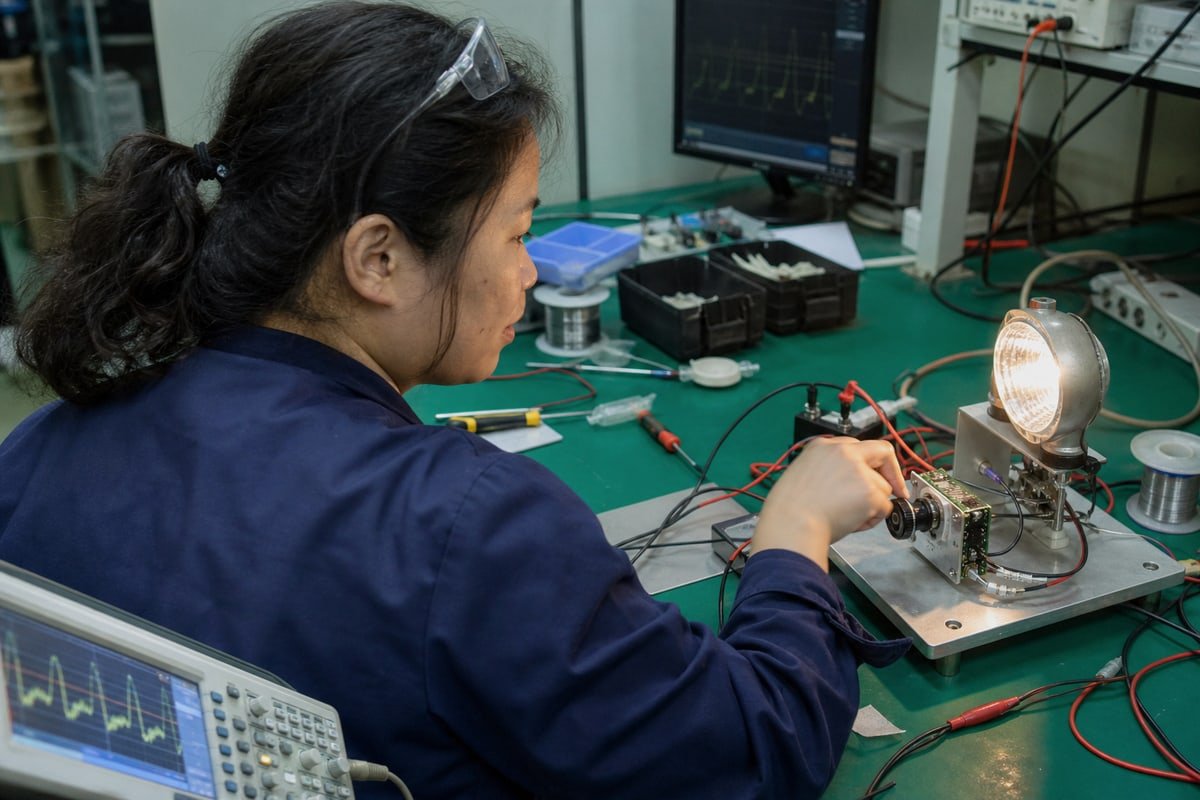
Именно поэтому этот метод также называется фазовым управлением по переднему фронту. Диммер срезает передний край формы волны, поэтому за цикл до лампы доходит меньше энергии. Ваш глаз воспринимает это как меньшую яркость. Разберем последовательность.
Последовательность включения, шаг за шагом
- Синусоида переменного тока пересекает ноль вольт.
- Схема управления диммера ожидает заданную задержку. Поворот ручки изменяет эту задержку, известную как угол включения.
- Импульс затвора запускает TRIAC, или в некоторых конструкциях — кремниевый управляемый выпрямитель (SCR).
- TRIAC проводит оставшуюся часть полупериода и подает мощность на нагрузку.
- При следующем переходе через ноль ток падает ниже порога удержания TRIAC. Устройство выключается само, и цикл повторяется сто или более раз в секунду.
Что резкое включение делает на выходе
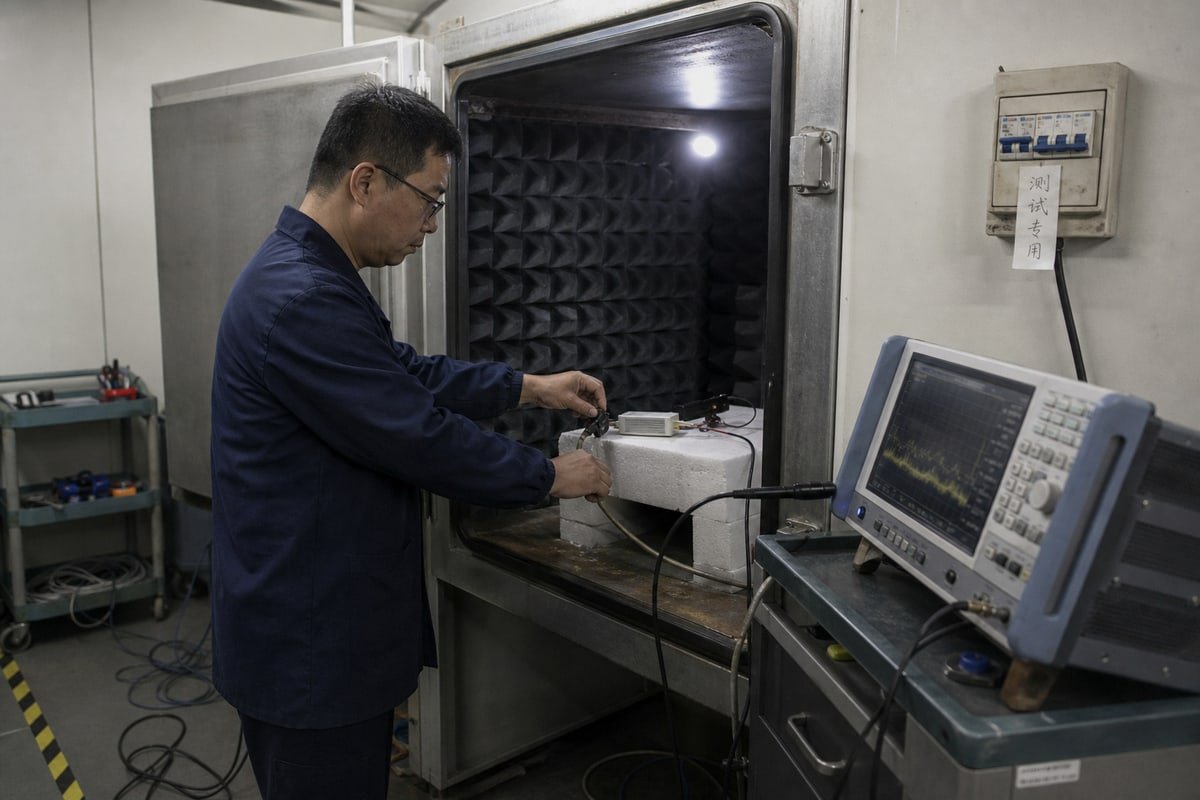
Это внезапное включение в середине цикла не является плавным. Напряжение скачет почти мгновенно, что создает высокий всплеск dV/dt. В наших испытаниях ЭМС мы видим, что эти всплески генерируют электрические помехи 2, а в полевых условиях они могут вызывать ложные срабатывания в современных автоматических выключателях AFCI. Есть еще одна проблема старения, о которой стоит знать. Когда старый диммер срабатывает асимметрично между полупериодами, он вносит постоянное смещение в линию, что может насыщать и перегревать трансформаторы в соседнем оборудовании. Это скрытые особенности, о которых простое определение никогда не упоминает, и они имеют значение, когда вы указываете TRIAC-диммирование в масштабе.
В чем разница между диммерами с передним и задним фронтом?
Давление цены против плавности диммирования — это компромисс, который я обсуждаю почти с каждым дистрибьютором, заказывающим у нас. Два семейства фазовой отсечки находятся по разные стороны этого вопроса.
Ведущие фронтальные диммеры срезают начало каждого полупериода переменного тока с помощью TRIAC или тиристорного переключения, тогда как диммеры с задним фронтом срезают конец, используя электронику на MOSFET. Модели с задним фронтом обычно более плавно и тихо диммируют совместимые LED-драйверы; ведущий фронт подходит для резистивных и магнитных индуктивных нагрузок.
Вот сравнительная таблица, которую я показываю закупочным командам перед выбором стандарта для проекта:
| Особенность | Передний фронт | Задний фронт |
|---|---|---|
| Форма волны | Срезает начало каждого полупериода | Срезает конец каждого полупериода |
| Распространенная технология | TRIAC/тиристор | Часто MOSFET/электронная коммутация |
| Историческое применение | Лампы накаливания/галогенные | Электронные низковольтные и многие современные нагрузки |
| Совместимость с LED | Зависит от драйвера | Часто предпочтительно для совместимых LED-драйверов |
| Низкая яркость LED | Может быть сложной | Часто более плавная, но зависит от драйвера |
| Ключевая проблема | Минимальная нагрузка, ток удержания, бросок тока | Совместимость драйвера и электронное поведение |
Является ли задний фронт просто лучше?
Многие руководства говорят «да», и покупатели постоянно высказывают мне это возражение. Мой ответ — нет, не автоматически. Диммер с задним фронтом плавно снижает напряжение в конце каждого полупериода, что уменьшает мерцание и гудение, преследующие несогласованные LED-установки. Но передний фронт остается правильным выбором для нагрузок, для которых он был разработан, включая лампы накаливания и галогенные лампы, а также магнитные трансформаторы, которые являются индуктивными нагрузками и хорошо переносят резкое включение.
Правило, которое действительно имеет значение
Оба подхода фазово-срезанное затемнение. Ни один из этих ярлыков сам по себе не гарантирует работу светодиода. Результат определяет то, была ли входная ступень драйвера LED спроектирована под конкретную усечённую форму сигнала. Когда мы разрабатываем пары «драйвер-диммер» для OEM-клиентов, мы подбираем их как единую систему, а не как два независимых компонента. Такой подход предотвращает большинство полевых рекламаций ещё до их возникновения.
Какие типы осветительных нагрузок совместимы с диммером переднего фронта?
Однажды менеджер по закупкам из Сингапура написал мне в WhatsApp с фотографиями светящихся в режиме "выключено" downlight-светильников. Её светильники были диммируемыми, но сочетание всё равно не работало.
Ведущие диммеры подходят для резистивных нагрузок, таких как лампы накаливания и галогенные лампы, а также для магнитных низковольтных трансформаторов. Светодиоды работают только в том случае, если драйвер LED специально рассчитан на фазовое диммирование TRIAC; нерассчитанные драйверы могут мерцать, гудеть, плохо регулировать яркость или оставаться частично включенными при выключении.
Этот случай в WhatsApp отражает всю проблему совместимости. Её лампы были маркированы как диммируемые. Номинальная мощность диммера 3 покрывала светильники. Система всё равно работала некорректно. Вот сначала картина по каждой нагрузке:
| Тип нагрузки | Совместимость | Примечания |
|---|---|---|
| Лампы накаливания | Отлично | Предсказуемая резистивная нагрузка; классическое сочетание |
| Галогенные лампы | Отлично | Также резистивные; плавное диммирование во всём диапазоне |
| Магнитные низковольтные трансформаторы | Хорошо | Индуктивные нагрузки, с которыми хорошо справляется передний фронт |
| Драйверы LED с поддержкой TRIAC | Условно совместимы | Должны быть явно рассчитаны на диммирование с передним фронтом |
| Обычные "диммируемые" светодиоды | Рискованно | Входная ступень драйвера может не выдерживать усечённую форму сигнала |
| Недиммируемые светодиоды/КЛЛ | Несовместимы | Ожидайте отказ или повреждение |
Внутри современного LED-драйвера
Нить накаливания — это простая резистивная нагрузка. Драйвер LED — нет. Он может содержать выпрямитель, накопительный конденсатор, импульсный преобразователь, помехоподавляющий фильтр и схему управления. Диммер TRIAC с передним фронтом взаимодействует с этой входной ёмкостью 4 и с требованием тока удержания TRIAC. При неправильном сочетании мы наблюдаем мерцание на низких уровнях диммирования, сбои запуска или срыв TRIAC, слышимое гудение, узкий рабочий диапазон диммирования, светодиоды, которые остаются частично включёнными в режиме "выключено", а также разное поведение при подключении нескольких драйверов к одному диммеру. Гармонические искажения при фазовом управлении могут даже сбивать работу драйверов с функцией dim-to-warm, вызывая непоследовательные изменения цветовой температуры.
Ловушка минимальной нагрузки
Традиционные диммеры с передним фронтом часто имеют требование к минимальной нагрузке примерно 25–60 Вт. Небольшая светодиодная нагрузка потребляет значительно меньший ток, чем лампы накаливания, на которые был рассчитан диммер, поэтому сочетание становится нестабильным даже в пределах номинальной мощности. Моё правило для B2B: проверяйте, рассчитан ли драйвер LED, а не только лампа, на диммирование с передним фронтом, и уточняйте требования к минимальной и максимальной нагрузке, а также к пусковому току.
Почему мне стоит выбрать диммер с передним фронтом для моего следующего оптового заказа?
Многолетний опыт OEM-проектов научил меня, что ошибки при выборе диммеров возникают на этапе спецификаций, а не на производстве. Оптовые заказы многократно усиливают каждую упущенную деталь совместимости.
Выбирайте диммер переднего фронта для оптовых заказов, если ваша установленная база работает на лампах накаливания, галогенных лампах или LED-драйверах, рассчитанных на TRIAC, когда бюджет ограничен или когда требуется замена устаревших настенных диммеров. Проверьте минимальную нагрузку, максимальную нагрузку, пусковой ток и работу с полным отключением перед принятием решения о массовой закупке.

Существуют веские коммерческие причины стандартизировать передний фронт для определённых проектов. Такие диммеры, как правило, доступнее по цене и шире распространены, чем альтернативы с задним фронтом. Они остаются стандартом в миллионах старых зданий, поэтому спрос на модернизацию и замену остаётся стабильным на всех рынках, куда мы поставляем продукцию, — от Сингапура и Австралии до Германии и Великобритании. Для дистрибьюторов, обслуживающих гостиничные проекты с галогенными лампами, или владельцев недвижимости, заменяющих настенные диммеры на аналогичные, передний фронт часто является прагматичным выбором.
Контрольный список перед оформлением заказа
Прежде чем любой наш клиент подтверждает оптовый заказ, мы проводим его по этому списку:
| Пункт проверки | Почему это важно |
|---|---|
| Номинал драйвера по диммированию | Драйвер, а не лампа, должен быть рассчитан на управление с передним фронтом/TRIAC |
| Минимальная нагрузка | Небольшие светодиодные нагрузки ниже примерно 25–60 Вт могут дестабилизировать TRIAC |
| Максимальная нагрузка и пусковой ток | Драйверы LED создают пусковые скачки тока, которые перегружают диммеры заниженного номинала |
| Диапазон диммирования | Подтвердите рабочие характеристики на нижнем пределе, а не только на верхнем |
| Поведение в режиме полного отключения | Токи утечки могут оставлять светодиоды светящимися в режиме "выключено" |
| Поведение с несколькими драйверами | Несколько драйверов на одном диммере ведут себя иначе, чем один |
Как мы снижаем риски перед отгрузкой
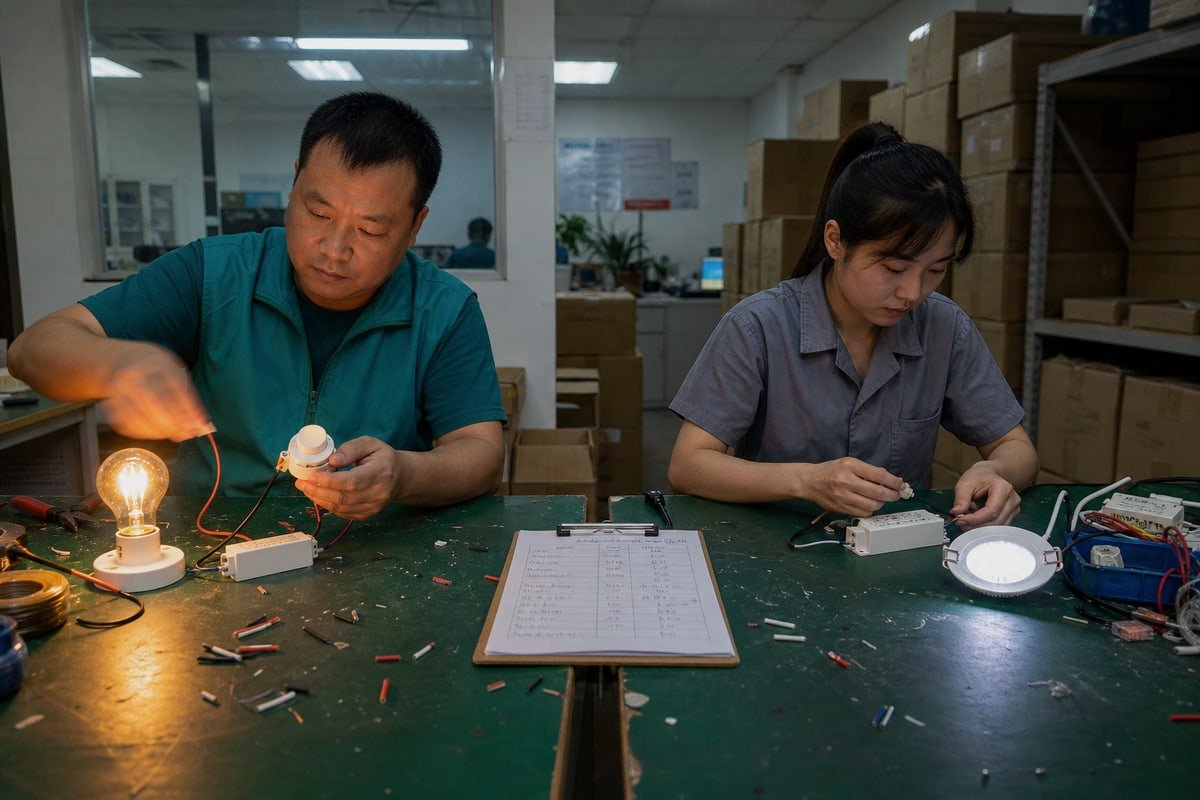
Наш процесс прост. Мы запрашиваем точную модель светильника или драйвера, затем тестируем парные образцы на полный диапазон диммирования, проверку мерцания на нижнем пределе и тесты полного отключения перед массовым производством. Для клиентов под частной маркой с жёсткими сроками эта одна неделя валидации предотвращает месяцы гарантийных претензий. Мы также совместно разрабатываем согласованные комплекты «диммер-драйвер» под логотипом клиента, что полностью исключает риск несовместимости.
Заключение
Диммер с передним фронтом по-прежнему оправдывает своё место при правильном подборе нагрузки. Проверьте совместимость драйвера, минимальную нагрузку и пусковой ток — и ваши оптовые заказы будут работать надёжно.
Сноски
Авторитетный обзор технологий диммирования и истории фазового управления освещением. ↩︎
Федеральный ресурс, объясняющий электромагнитные помехи и влияние электрических шумов на схемы. ↩︎
Страница Wikipedia о диммерах содержит подробное техническое объяснение номиналов мощности и ватт для систем фазового диммирования. ↩︎
Научная энциклопедия, объясняющая, как емкость влияет на поведение электронных схем и подачу питания. ↩︎