














Muitas pessoas instalam luzes LED e esperam um dimming suave. Então o flicker aparece. As luzes zumbem ou se recusam a dimerizar corretamente. O problema real é frequentemente a tecnologia de dimming TRIAC mal compreendida.
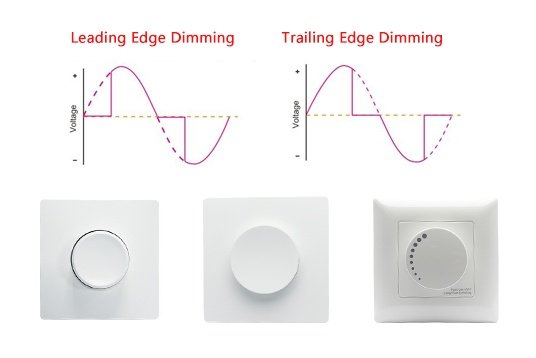
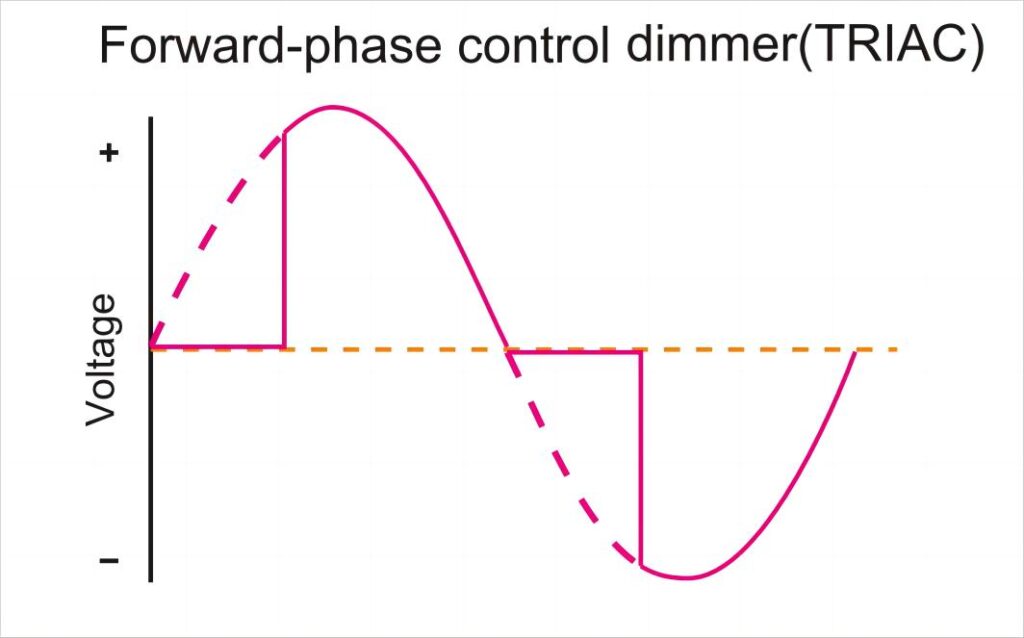
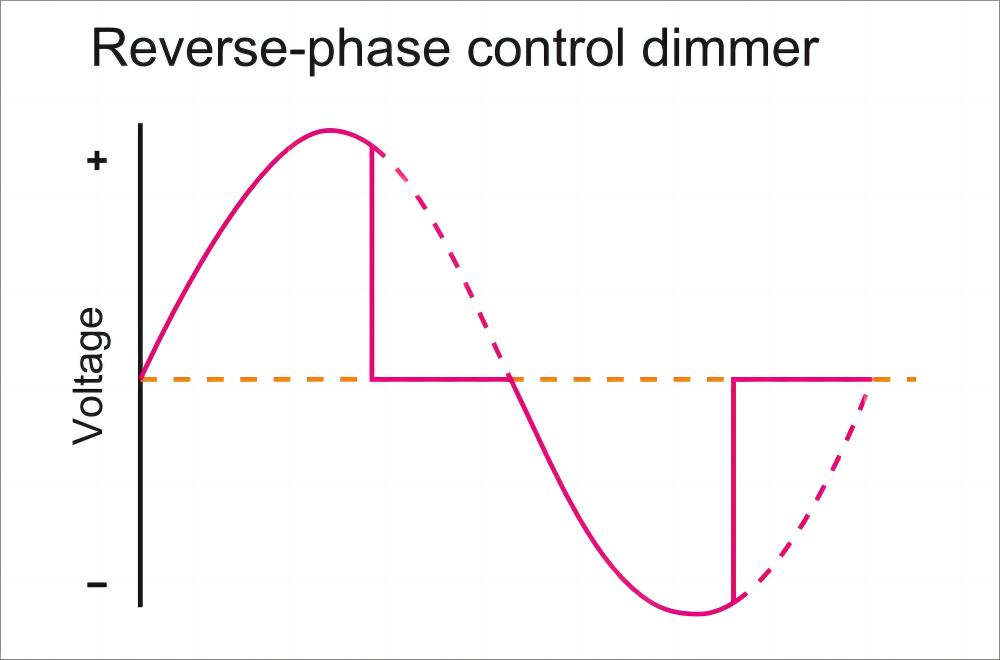
O dimming TRIAC funciona cortando parte da forma de onda CA usando controle de corte de fase. A fase direta remove o início de cada ciclo, enquanto a fase reversa remove o final. Isso reduz a energia entregue ao driver de LED e diminui a saída de luz.
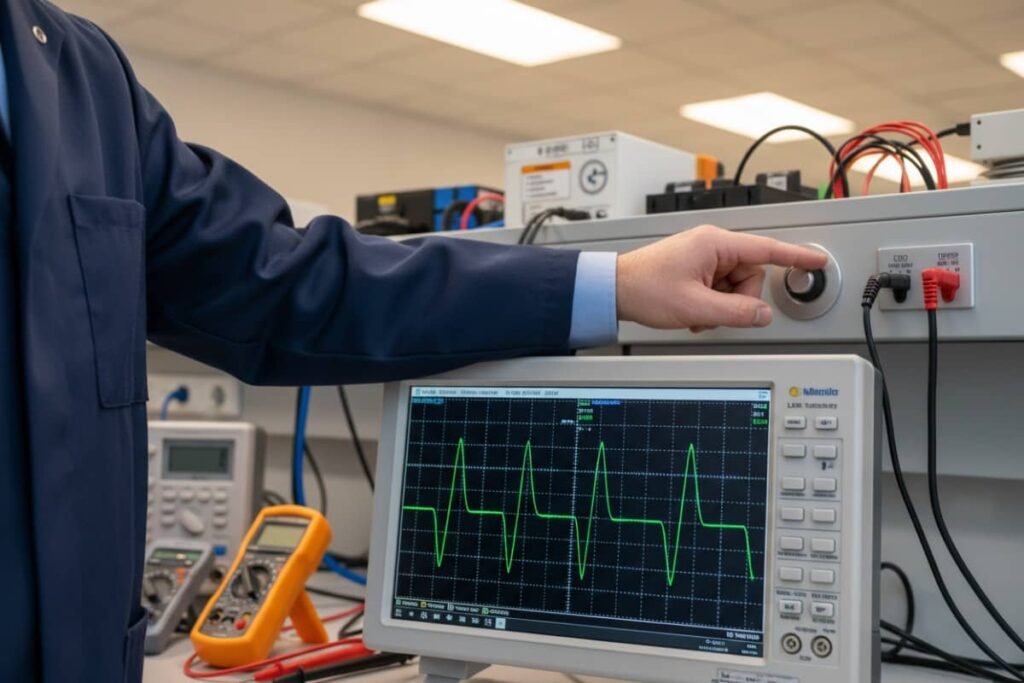
O dimming TRIAC existe há décadas. Começou com iluminação incandescente. Hoje muitos sistemas de LED ainda dependem dele porque a base instalada de dimmers de parede é enorme. Frequentemente ajudo clientes a entender como essa tecnologia antiga interage com drivers de LED modernos.
Entender a diferença entre dimming de fase direta e fase reversa ajuda a evitar flicker, zumbido e problemas de compatibilidade. Neste guia explicarei como o dimming TRIAC funciona e como projetar um sistema de dimming de LED estável.
O Que É Dimming TRIAC em Iluminação LED?
Muitos engenheiros assumem que a dimerização TRIAC está obsoleta. Mas muitos projetos de iluminação ainda a utilizam. Problemas aparecem quando os drivers de LED não funcionam corretamente com esses dimmers.
A dimerização TRIAC é um método de dimerização por corte de fase que reduz a energia CA cortando parte da forma de onda usando um interruptor semicondutor TRIAC. Os drivers de LED então convertem a energia de entrada reduzida em corrente de LED mais baixa, o que diminui o brilho.
Entendendo o Princípio Central
TRIAC significa Triodo para Corrente Alternada. É um interruptor eletrônico que controla a tensão CA.
Quando o dimmer atrasa o momento em que o TRIAC liga, ele remove parte da forma de onda CA. Esse processo é chamado de corte de fase.
O driver de LED recebe menos energia por ciclo. Então a corrente de saída cai e o LED fica mais escuro.
Componentes-Chave em um Sistema de Dimming TRIAC
| Componente | Função |
|---|---|
| Dimmer TRIAC | Corta a forma de onda CA para controlar a potência |
| Alimentação da rede CA | Fornece corrente alternada |
| Controlador LED | Converte CA em corrente contínua regulada |
| Carga de LED | Produz luz |
Por Que o Dimming TRIAC É Diferente para LEDs
Lâmpadas incandescentes comportam-se como resistores. Quando a tensão cai, o brilho diminui suavemente.
Sistemas de LED são diferentes. Eles exigem um circuito de driver que regula a corrente.
Portanto, o dimmer não controla diretamente o LED. Em vez disso, ele altera a forma de onda de entrada para o driver. O driver deve interpretar essa forma de onda corretamente.
Minha Experiência em Projetos Reais
Em muitos projetos, reviso especificações de drivers. Sempre procuro por listas de compatibilidade de dimmers testados.
Se um fornecedor apenas escreve “dimerizável TRIAC” mas não fornece dimmers testados, o produto geralmente tem compatibilidade limitada. Já vi muitas instalações sofrerem com cintilação por causa disso.
Fabricantes profissionais de drivers de LED normalmente fornecem:
- Listas de modelos de dimmers testados
- Curvas de dimerização
- Informações de carga mínima
Esses detalhes mostram que o driver foi projetado para dimerização TRIAC estável.
Como Funciona a Tecnologia de Dimming TRIAC com Corte de Fase?
Muitas pessoas pensam que dimerizar simplesmente reduz a tensão. Mas a dimerização TRIAC funciona de forma diferente. Ela modifica a forma de onda CA em vez de reduzir a tensão continuamente.
A dimerização TRIAC de corte de fase controla o brilho atrasando o ângulo de condução da forma de onda CA. O dimmer liga o TRIAC em um ângulo de fase específico, permitindo que apenas parte de cada ciclo CA alcance o driver de LED.
Operação Passo a Passo
O processo é simples, mas preciso.
- A tensão CA inicia um novo semiciclo.
- O dimmer aguarda um tempo de atraso.
- O TRIAC liga.
- A tensão restante passa para a carga.
O atraso determina o brilho.
| Ângulo de Fase | Potência Entregue | Brilho |
|---|---|---|
| 0° | 100% | Brilho total |
| 60° | ~75% | Brilho médio |
| 120° | ~40% | Apague |
| 150° | ~20% | Muito dim |
Ângulo de Condução Explicado
O ângulo de condução é a porção do ciclo CA permitida a passar.
Um ângulo de condução menor significa menos energia chegando ao driver de LED.
Por Que os Drivers Devem Lidar com Formas de Onda Distorcidas
A dimerização de corte de fase produz uma forma de onda que não é suave. Ela contém bordas abruptas e ruído harmônico.
Drivers de LED devem incluir circuitos especiais:
- Filtragem de entrada
- Armazenamento de energia
- Detecção de dimerização
Sem esses recursos, o driver pode interpretar mal a forma de onda.
Desafio Real de Projeto
No projeto de drivers, a parte mais difícil é estabilidade de dimerização em nível baixo.
Em ângulos de condução muito baixos, o driver recebe muito pouca energia. Projetos de drivers ruins irão:
- Cintilação
- Cair
- Pular níveis de brilho
Bons drivers mantêm saída estável mesmo quando o ângulo de condução é pequeno.
O Que É Dimming de Fase Direta (Borda de Subida)?
A dimerização de fase direta é o método de dimerização mais antigo. Foi projetado para iluminação incandescente há muitas décadas.
A dimerização de fase direta corta o início de cada ciclo da forma de onda CA. O TRIAC liga após um atraso, permitindo que apenas a porção posterior da forma de onda alcance a carga.
Como Funciona o Dimming de Borda de Subida
No início de cada semiciclo, o TRIAC permanece desligado.
Em seguida, o dimmer o aciona em um ângulo de fase específico.
Uma vez acionado, ele permanece ligado até a corrente CA cruzar o zero.
Características da Forma de Onda
| Característica | Descrição |
|---|---|
| Porção cortada | Início da forma de onda |
| Dispositivo de comutação | TRIAC |
| Tipo de carga | Principalmente cargas resistivas |
| Nível de ruído | Maior |
Por Que Era Popular
Dimmers de borda de descida são simples e baratos.
Eles funcionavam perfeitamente com lâmpadas incandescentes porque a carga é resistiva.
O filamento suaviza a corrente naturalmente.
Desafios com Drivers de LED
Os drivers de LED são dispositivos eletrônicos. Eles se comportam mais como cargas capacitivas.
Dimmers de borda de descida frequentemente causam:
- Picos de corrente
- Ruído de zumbido
- Cintilação
Minha Observação de Instalações em Campo
Muitas casas ainda usam dimmers de parede TRIAC antigos instalados há anos.
Quando os proprietários substituem as lâmpadas por LEDs, os problemas aparecem imediatamente.
O dimmer em si ainda funciona. Mas o driver de LED não foi projetado para funcionar com essa forma de onda.
É por isso que o teste de compatibilidade é tão importante.
O Que É Dimming de Fase Reversa (Borda de Descida)?
O dimming de fase reversa foi desenvolvido para melhorar a compatibilidade com cargas eletrônicas, como drivers de LED.
O dimming de fase reversa corta o final de cada forma de onda CA em vez do início. O dimmer liga imediatamente e desliga antes do fim do ciclo.
Princípio de Operação
Dimmers de borda de subida usam diferentes interruptores eletrônicos, como MOSFETs ou IGBTs.
O dispositivo liga no início do ciclo e desliga mais tarde.
Características da Forma de Onda
| Característica | Descrição |
|---|---|
| Porção cortada | Fim da forma de onda |
| Dispositivo de comutação | MOSFET ou IGBT |
| Nível de ruído | Menor |
| Compatibilidade com LED | Melhor |
Por Que os LEDs Preferem Dimming de Borda de Descida
O dimming de borda de subida produz uma transição de corrente mais suave.
Isso reduz:
- Interferência eletromagnética
- Ruído acústico
- Picos de corrente
Benefícios de Projeto
O dimming de fase reversa melhora:
- Estabilidade em baixo brilho
- Eficiência do driver
- Desempenho de cintilação
Exemplo Prático
Em muitos projetos de iluminação modernos, recomendo dimmers de borda de subida sempre que possível.
Eles custam um pouco mais. Mas reduzem muito os problemas de compatibilidade.
Dimming de Fase Direta vs Fase Reversa: Principais Diferenças?
Muitos compradores confundem esses dois métodos de dimming. Mas seu comportamento elétrico é muito diferente.
O dimming de fase direta corta o início da forma de onda e usa interruptores TRIAC. O dimming de fase reversa corta o final e usa interruptores MOSFET ou IGBT, oferecendo melhor compatibilidade com drivers de LED.

Tabela de Comparação
| Característica | Fase Direta | Fase Reversa |
|---|---|---|
| Corte de forma de onda | Início | Fim |
| Dispositivo | TRIAC | MOSFET / IGBT |
| Ruído | Maior | Menor |
| Compatibilidade com LED | Médio | Melhor |
| Custo | Menor | Maior |
Diferenças de Desempenho
Dimmers de fase direta frequentemente geram picos de tensão abruptos.
Dimmers de borda descendente produzem transições mais suaves.
Essa diferença afeta significativamente a estabilidade do driver.
Realidade do Mercado
Apesar das vantagens técnicas, os dimmers de fase direta permanecem dominantes porque:
- São baratos
- São amplamente instalados
- Funcionam com fiação legada
O Que os Compradores Devem Verificar
Ao avaliar drivers de LED, sempre pergunto aos fornecedores:
- Quais dimmers foram testados?
- Qual é a faixa de dimerização?
- Existe uma curva de dimerização?
Se o fornecedor não conseguir responder a essas perguntas com clareza, o risco de compatibilidade é alto.
Por Que o Dimming TRIAC Ainda É Usado em Iluminação LED Moderna?
Muitas pessoas perguntam por que ainda usamos dimerização TRIAC se existem sistemas digitais mais novos.
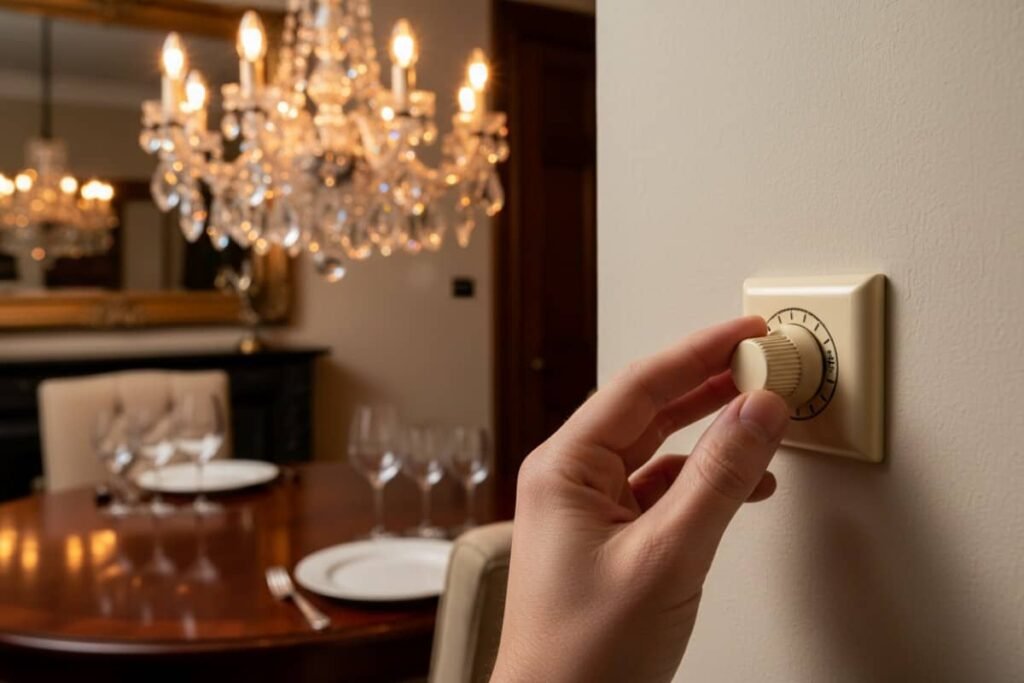
A dimerização TRIAC continua popular porque milhões de edifícios já usam dimmers de parede TRIAC, tornando-a a solução de dimerização retrofit mais compatível para iluminação LED.
Base Instalada Enorme
Residências, hotéis e escritórios já possuem dimmers TRIAC instalados.
Substituí-los exigiria atualizações elétricas caras.
Fiação Simples
A dimerização TRIAC funciona com fiação CA padrão.
Nenhum fio de controle adicional é necessário.
Baixo Custo do Sistema
| Sistema de Dimerização | Custo Típico | Fiação |
|---|---|---|
| TRIAC | Baixo | CA Padrão |
| 0-10V | Médio | Fio de controle extra |
| DALI | Alta | Barramento digital |
| Wireless inteligente | Médio-Alto | Wireless + controlador |
Vantagem de Retrofit
Para retrofits de LED, a dimerização TRIAC é frequentemente a solução mais fácil.
Você simplesmente substitui a lâmpada ou o driver.
Situação Real da Indústria
Na minha experiência, muitos projetos comerciais ainda exigem compatibilidade com TRIAC porque os proprietários dos edifícios querem manter os dimmers existentes.
Portanto, os fabricantes de drivers de LED devem continuar oferecendo suporte a essa tecnologia.
Como os Dimmers TRIAC Controlam a Saída do Driver de LED?
Muitas pessoas pensam que o dimmer controla diretamente o brilho do LED. Mas o driver de LED é quem realiza a regulação.
Os dimmers TRIAC alteram a forma de onda de entrada CA. O driver de LED detecta o sinal de corte de fase e ajusta sua corrente de saída de acordo para controlar o brilho do LED.

Estágio de Entrada do Driver
O driver recebe tensão CA cortada.
O circuito de entrada inclui:
- Retificador de ponte
- Filtro EMI
- Capacitor de bulk
Detecção de Dimming
O driver mede o ângulo de condução da forma de onda.
Essa informação informa ao circuito de controle o nível de dimerização.
Ajuste de Saída
O driver altera a corrente do LED usando PWM ou controle analógico.
| Ângulo de Fase de Entrada | Resposta do Driver |
|---|---|
| Condução ampla | Corrente alta |
| Condução média | Corrente reduzida |
| Condução pequena | Corrente baixa |
Por Que o Design do Driver Importa
Drivers baratos frequentemente carecem de circuitos de detecção precisos.
Eles não conseguem interpretar os sinais de dimerização adequadamente.
Isso causa:
- Cintilação
- Faixa de dimerização limitada
- Dimerização em etapas
Drivers de alta qualidade utilizam algoritmos de controle avançados para estabilizar a saída.
Os Dimmers TRIAC Podem Funcionar com Luzes LED?
Muitos proprietários fazem essa pergunta ao substituir lâmpadas incandescentes.
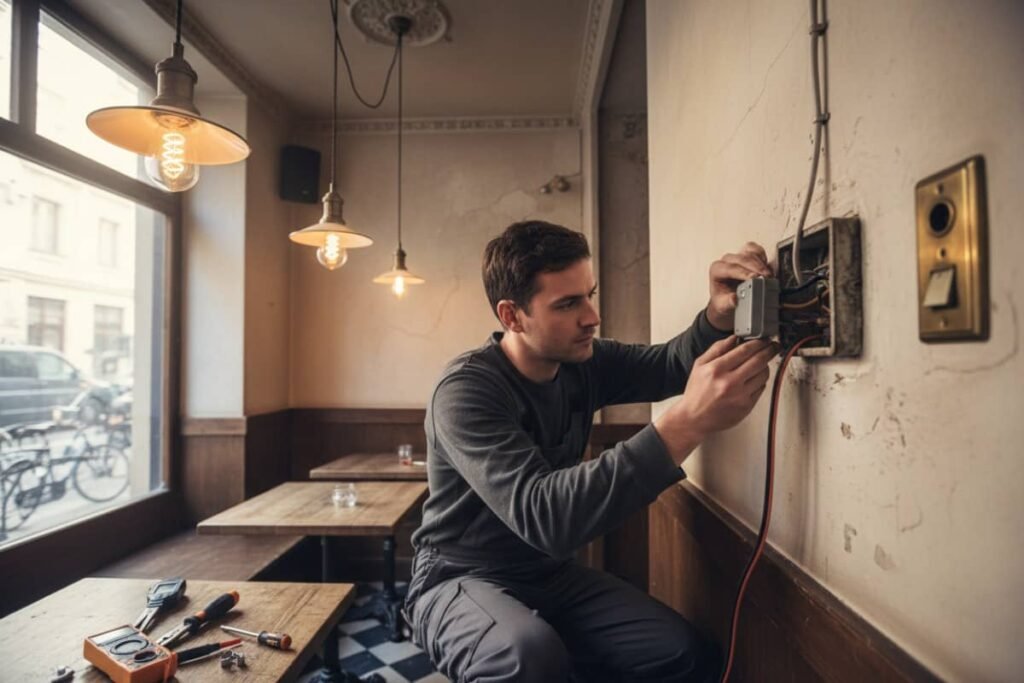
Sim, dimmers TRIAC podem funcionar com luzes LED, mas somente se o driver de LED for especificamente projetado para suportar o dimming de corte de fase TRIAC.
Por Que a Compatibilidade Não É Garantida
Lâmpadas LED contêm drivers eletrônicos.
Drivers diferentes interpretam sinais de dimming de maneiras distintas.
Fatores-Chave de Compatibilidade
| Fator | Impacto |
|---|---|
| Projeto do circuito do driver | Determina o comportamento do dimming |
| Tipo de dimmer | Borda de subida ou descida |
| Carga mínima | Afeta a estabilidade |
| Faixa de dimerização | Determina o brilho mínimo |
Desempenho Típico
LEDs TRIAC dimáveis de boa qualidade alcançam:
- Dimming de 100% a 10%
- Às vezes até 1%
O Que Eu Digo aos Compradores
Ao adquirir drivers de LED, sempre solicite:
- Lista de compatibilidade com dimmers
- Curva de dimming testada
- Dados de flicker
Esses documentos mostram resultados reais de testes.
Por que as luzes de LED piscam com dimmers TRIAC?
O flicker é a reclamação mais comum em sistemas de dimming TRIAC.
O flicker de LED geralmente ocorre porque o driver de LED não consegue manter uma saída estável quando o dimmer corta fortemente a forma de onda CA, especialmente em níveis baixos de brilho.
Causas comuns
| Causa | Descrição |
|---|---|
| Ângulo de condução baixo | Energia insuficiente |
| Instabilidade do driver | Projeto de circuito deficiente |
| Incompatibilidade do dimmer | Tipo de dimmer incorreto |
| Carga mínima não atendida | O dimmer não consegue operar adequadamente |
Desafio de dimerização em nível baixo
Em brilho baixo, o dimmer corta a maior parte da forma de onda.
O driver recebe muito pouca energia.
Drivers de baixa qualidade não conseguem manter a regulação nessas condições.
Exemplo real
Certa vez testei um driver rotulado como dimerizáveis por TRIAC.
Mas ele apresentou flicker abaixo de 40% de brilho.
O fornecedor não tinha lista de compatibilidade.
Isso foi um sinal claro de alerta.
Fabricantes profissionais geralmente fornecem dados reais de testes.
Problemas comuns de compatibilidade entre dimmers TRIAC e drivers de LED?
Muitos problemas de dimming vêm de equipamentos incompatíveis.
Problemas de compatibilidade ocorrem quando as características elétricas do dimmer TRIAC e do driver de LED não correspondem, resultando em flicker, ruído ou faixa de dimming limitada.
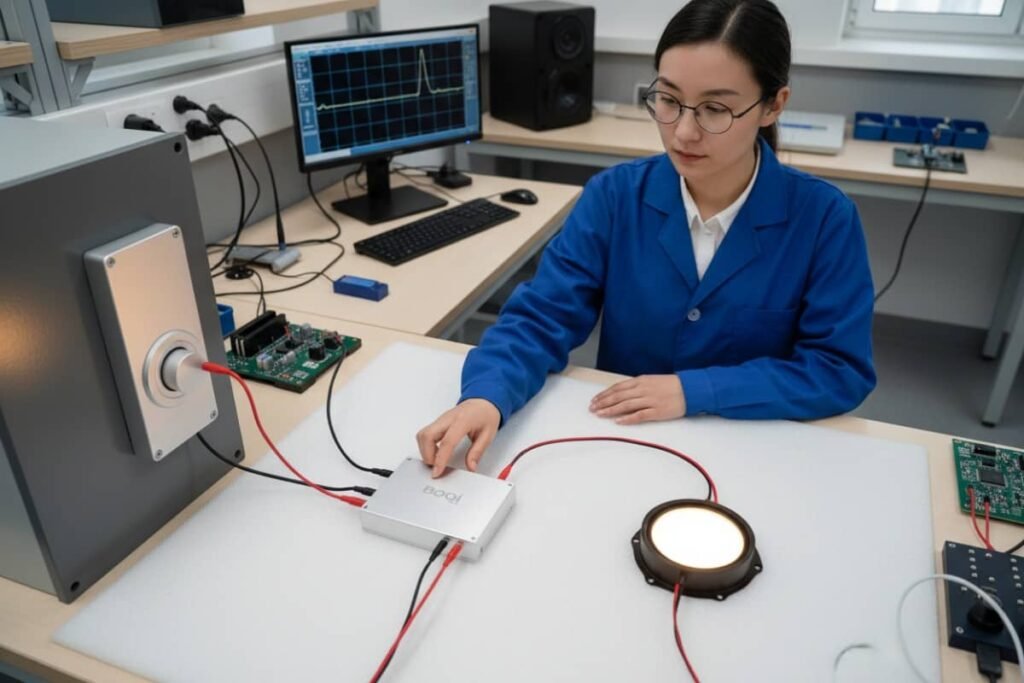
Problemas típicos
| Problema | Causa |
|---|---|
| Cintilação | O driver não consegue estabilizar |
| Zumbido | Picos de corrente |
| Queda de sinal | Problema de carga mínima |
| Dimming limitado | Limites de detecção do driver |
Problemas de carga capacitiva
Drivers de LED se comportam como capacitores.
Dimmers TRIAC esperam cargas resistivas.
Esse descasamento pode impedir que o TRIAC permaneça ligado durante o ciclo.
Importância dos testes
Fabricantes sérios de drivers testam muitos dimmers de marcas como:
- Lutron
- Leviton
- Schneider
Eles publicam listas de compatibilidade para ajudar os projetistas a escolher a combinação correta.
Como escolher um driver de LED dimerizável TRIAC compatível?
Selecionar o driver certo é fundamental para um dimming estável.
Um compatível driver LED dimerizável TRIAC deve suportar dimmers de borda de subida e descida, fornecer listas de compatibilidade de dimmers testados e manter um dimming estável até níveis baixos de brilho.
Especificações importantes
| Especificação | Por Que Importa |
|---|---|
| Faixa de dimerização | Determina o brilho mínimo |
| Dimmers compatíveis | Mostra testes reais |
| Índice de flicker | Indica conforto visual |
| Carga mínima | Garante operação estável |
O que eu sempre pergunto aos fornecedores
Normalmente solicito três documentos:
- Lista de compatibilidade com dimmers
- Curva de dimerização
- Relatório de flicker
Se esses documentos estiverem ausentes, fico cauteloso.
Insight-chave do setor
Pela minha experiência, quando um fornecedor apenas escreve “dimerizável TRIAC” sem qualquer informação de compatibilidade, o driver geralmente apresenta desempenho ruim em baixo brilho.
Fabricantes profissionais investem pesadamente em testes de dimming.
Esse teste é um forte indicador de qualidade do produto.
Requisitos de carga mínima em sistemas de dimerização TRIAC?
A carga mínima é um parâmetro frequentemente ignorado em sistemas de dimming.
Dimmers TRIAC exigem uma carga elétrica mínima para operar corretamente. Se a carga de LED for muito pequena, o dimmer pode falhar ao disparar adequadamente e causar flicker ou instabilidade.
Por que a carga mínima existe
Interruptores TRIAC precisam de corrente suficiente para permanecerem ligados durante cada ciclo.
Corrente baixa faz com que o TRIAC desligue inesperadamente.
Cargas tradicionais vs. cargas de LED
| Tipo de iluminação | Carga típica |
|---|---|
| Incandescente | 60–100 W |
| Lâmpada LED | 5–15 W |
Essa diferença cria desafios de compatibilidade.
Soluções
Soluções comuns incluem:
- Adicionar cargas fictícias
- Usar dimmers específicos para LED
- Usar drivers compatíveis
Conselhos de projeto
Em projetos grandes, sempre calculo a carga total por dimmer para garantir que atenda aos requisitos mínimos do dimmer.
Como corrigir cintilação ou zumbido na dimerização TRIAC?
Muitos problemas de dimming podem ser resolvidos com ajustes simples.
Corrigir flicker ou zumbido geralmente envolve melhorar a compatibilidade do dimmer, aumentar a estabilidade da carga ou substituir o driver de LED por um design compatível com TRIAC melhor.
Etapas de solução de problemas
| Etapa | Ação |
|---|---|
| 1 | Verificar compatibilidade do dimmer |
| 2 | Verificar carga mínima |
| 3 | Testar outro dimmer |
| 4 | Substituir o driver se necessário |
Fontes de ruído
O zumbido geralmente vem de:
- Vibração magnética
- Picos de corrente
- Filtragem deficiente
Conselhos práticos
Em meus projetos, substituir o driver por um driver dimerizável TRIAC de alta qualidade geralmente resolve a maioria dos problemas.
Vantagens da dimerização TRIAC para iluminação residencial e comercial?
Apesar da idade, o dimming TRIAC ainda oferece muitos benefícios.
O dimming TRIAC é simples, econômico e compatível com a fiação CA existente, tornando-o uma das maneiras mais fáceis de adicionar dimming a projetos de iluminação residencial e retrofit.
Benefícios principais
| Vantagem | Explicação |
|---|---|
| Instalação simples | Usa a fiação existente |
| Baixo custo | Nenhum sistema de controle necessário |
| Ampla disponibilidade | Muitos modelos de dimmer existem |
Cenários ideais
O dimming TRIAC funciona bem em:
- Residências
- Restaurantes
- Hotéis
- Iluminação de varejo
Projetos de retrofit
A iluminação retrofit frequentemente prioriza simplicidade e custo.
O dimming TRIAC atende a ambos os requisitos.
Limitações da tecnologia de dimerização por corte de fase TRIAC?
Embora o dimming TRIAC seja popular, ele tem limitações claras.
O dimming por corte de fase TRIAC enfrenta dificuldades com compatibilidade de LED, dimming limitado na faixa baixa e ruído elétrico devido à distorção da forma de onda.
Principais limitações
| Limitação | Impacto |
|---|---|
| Distorção da forma de onda | Causa cintilação |
| Faixa de dimerização limitada | Frequentemente para acima de 5–10% |
| Ruído EMI | Afeta componentes eletrônicos |
| Problemas de compatibilidade | Requer testes |
Comparação com sistemas modernos
Sistemas de dimming digital como DALI proporcionam controle mais suave e melhor escalabilidade.
Mas exigem infraestrutura mais complexa.
Expectativa realista
O dimming TRIAC funciona bem para instalações simples.
Mas o controle de iluminação avançado frequentemente requer protocolos digitais modernos.
Aplicações típicas da dimerização TRIAC em projetos de iluminação?
O dimming TRIAC aparece em muitas instalações de iluminação reais.
O dimming TRIAC é comumente usado em iluminação residencial, ambientes hoteleiros, espaços de varejo e projetos de retrofit LED onde dimmers de parede existentes já estão instalados.
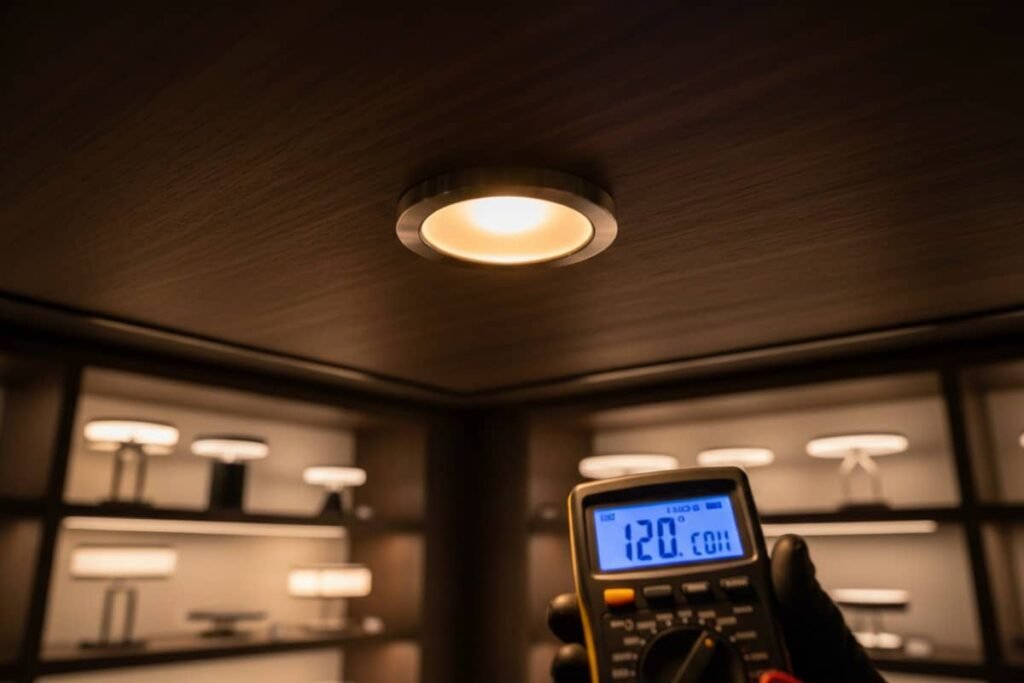
Aplicações comuns
| Inscrição | Motivo |
|---|---|
| Residências | Controle de dimming simples |
| Restaurantes | Iluminação de ambiente |
| Hotéis | Iluminação de quartos de hóspedes |
| Lojas de varejo | Iluminação de destaque |
Mercado de retrofit
Projetos de retrofit representam uma enorme parcela do mercado de LED.
A compatibilidade TRIAC ajuda esses projetos a atualizar rapidamente.
Impacto no design de iluminação
O dimming permite que designers ajustem a atmosfera e o consumo de energia.
Mesmo o dimming TRIAC básico pode melhorar muito a flexibilidade da iluminação.
Tendências futuras na tecnologia de dimerização TRIAC e drivers de LED?
A tecnologia de iluminação continua evoluindo. Mas o dimming TRIAC provavelmente permanecerá relevante por anos.
Futuros drivers LED dimerizáveis por TRIAC se concentrarão em melhorar a compatibilidade, faixas de dimming mais profundas, menor cintilação e melhor integração com sistemas modernos de controle de iluminação.

Direção do setor
Os fabricantes de drivers estão melhorando:
- Algoritmos de dimming
- Desempenho de cintilação
- Compatibilidade universal com dimmers
Sistemas híbridos
Alguns drivers agora suportam múltiplos métodos de dimming:
| Método | Finalidade |
|---|---|
| TRIAC | Compatibilidade com retrofit |
| 0-10V | Controle comercial |
| DALI | Edifícios inteligentes |
Minha perspectiva
Pela minha experiência, os fabricantes de drivers LED mais competitivos investem pesadamente em testes de compatibilidade.
Fornecer listas completas de dimmers e curvas de dimming demonstra forte capacidade de engenharia.
Escolhendo a solução de dimerização TRIAC correta
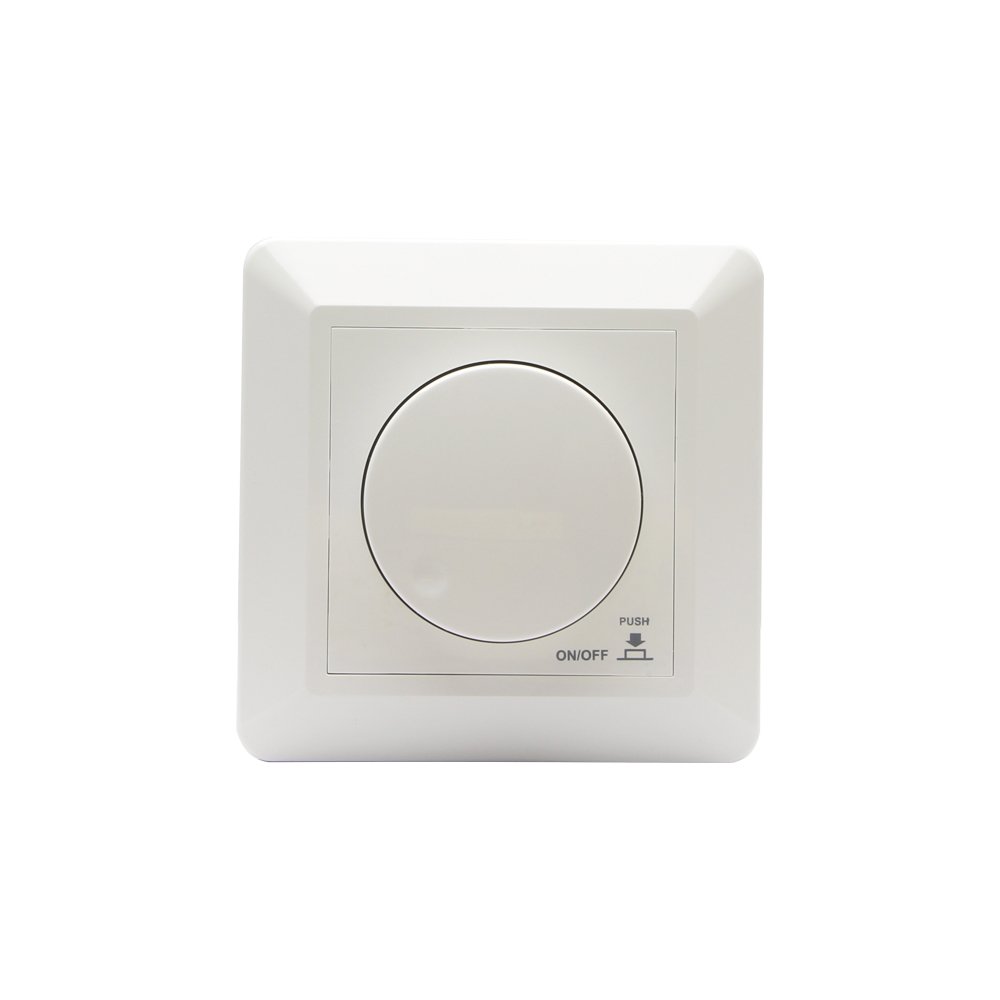
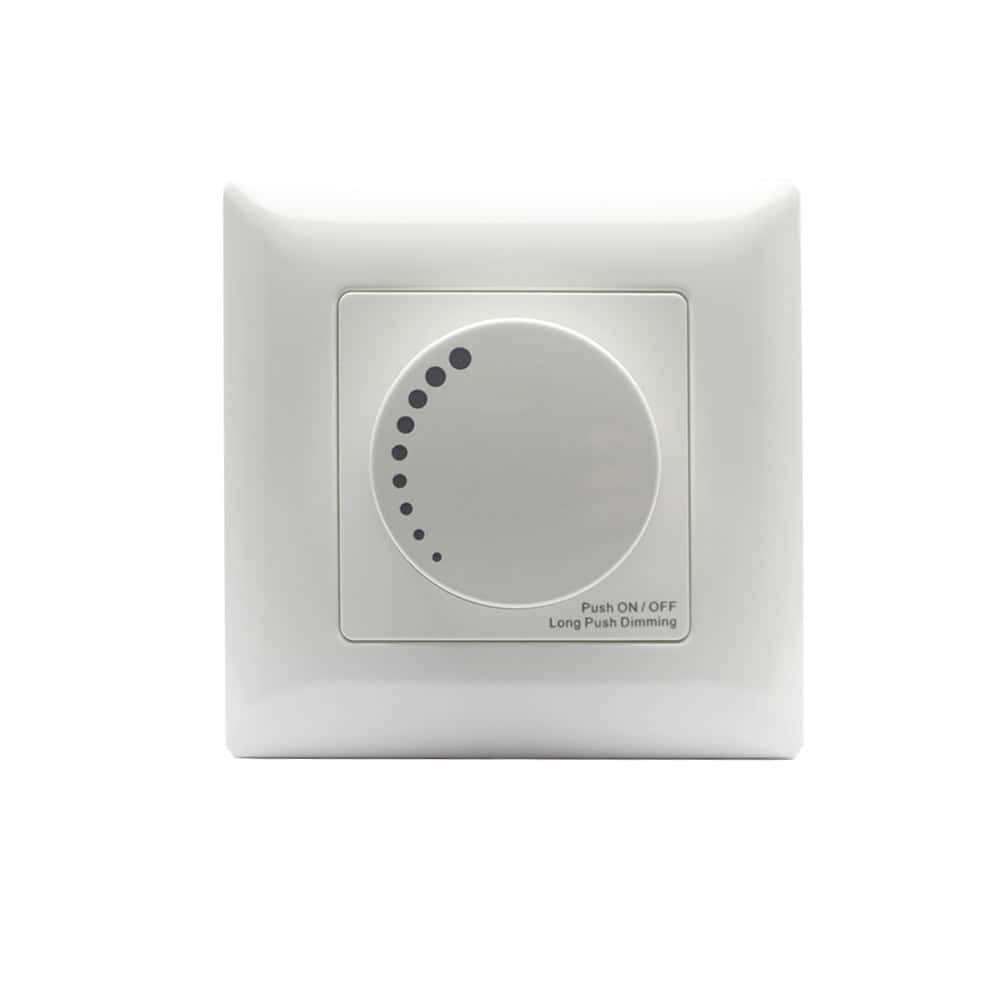
Para muitos projetos de iluminação, selecionar o método de dimming correto é essencial para alcançar um desempenho estável e sem cintilação. Dimmers LED de alta qualidade garantem compatibilidade com uma ampla gama de drivers, mantendo a eficiência energética.
boqi é um fabricante chinês de confiança especializado em dimmers LED de alto desempenho e drivers LED dimerizáveis. As nossas soluções são concebidas para dimming fiável de fase dianteira e fase inversa, suportando aplicações de iluminação residencial e comercial em todo o mundo. Com certificações CE e RoHS, opções personalizáveis, prazos de entrega rápidos e uma garantia de 5 anos, a boqi ajuda as empresas a implementar sistemas de controlo de iluminação duráveis, energeticamente eficientes e sem cintilação.
Procura uma solução de dimming TRIAC fiável para o seu próximo projeto? Escolha a boqi—onde a qualidade encontra a inovação.



Conclusão
O dimming TRIAC continua a ser essencial para retrofits de iluminação LED. Compreender o comportamento de corte de fase, os testes de compatibilidade e o design do driver ajuda a garantir um dimming estável e sem cintilação em projetos de iluminação reais.