













Я вижу, как многие инженеры застревают при выборе между диммированием 0–10V и 1–10V. Неправильный выбор приводит к мерцанию, потере времени и неожиданным затратам.
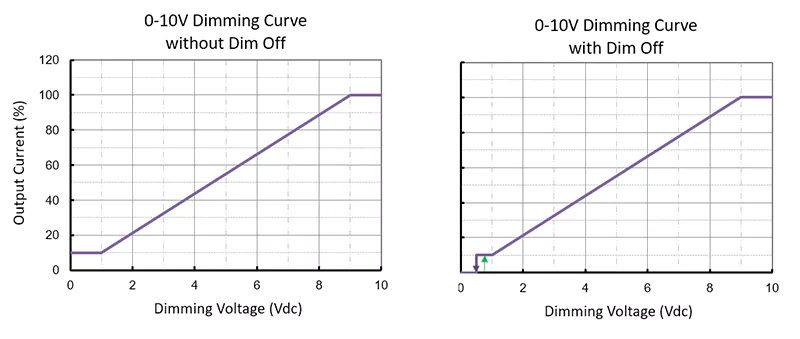
0–10V использует управление с источником тока, которое достигает полного выключения при диммировании, тогда как 1–10V использует управление с поглощением тока, которое останавливается на 10%. Эта разница влияет на совместимость, монтаж и конечное качество диммирования.
Оба стандарта выглядят похоже. Оба используют одни и те же два провода. Оба кажутся простыми. Но они появились в разные периоды истории освещения. Я усвоил это на собственном опыте, когда работал над смешанными проектами модернизации светодиодного и люминесцентного освещения. Поэтому я хочу разобрать эту тему простым языком и на реальных примерах.
Понимание основ: что на самом деле означают 0–10V и 1–10V?
Многие покупатели предполагают, что оба стандарта ведут себя одинаково. На чертежах они выглядят идентично. Оба используют низковольтные аналоговые сигналы. Но их логика сильно различается.
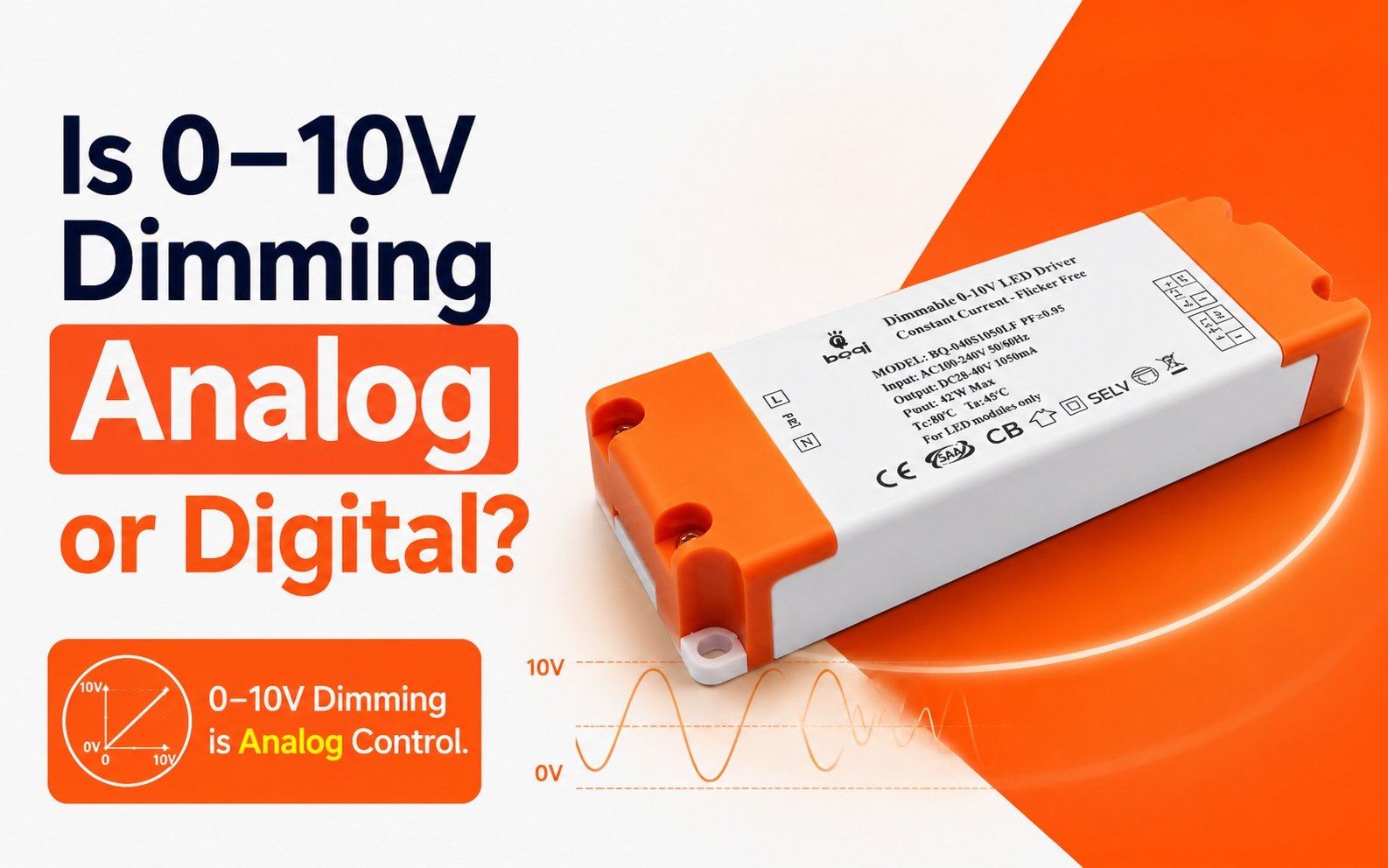
Затемнение 0–10V передает напряжение от 0 до 10V для управления яркостью, тогда как затемнение 1–10V тянет ток для установки яркости в диапазоне от 10% до 100%.
Как работают эти две системы по своей сути
0–10V: философия источника тока
Драйвер 0–10V создает небольшое опорное напряжение. Затемнитель снижает этот сигнал до 0V. Когда сигнал достигает 0V, LED-драйвер выдает нулевой свет. Именно поэтому 0–10V стал стандартом для LED-систем, требующих полного затемнения до выключения.
1–10V: наследие поглощения тока
Затемнитель 1–10V тянет ток от драйвера. Он не может опуститься ниже 1V. Это означает, что минимальный уровень остается около 10%. Эта система происходит от управления люминесцентными балластами, где лампы не могут работать ниже определенного тока дуги.
Краткая сравнительная таблица
| Особенность | 0–10 В | 1–10 В |
|---|---|---|
| Тип управления | Источник тока | Потребитель тока |
| Минимальный уровень | 0% (выкл.) | ~10% |
| Происхождение | Светодиодное освещение | Люминесцентные балласты |
| Наилучшее применение | Архитектурное / глубокое затемнение | Модернизация / устаревшие системы |
Оба являются аналоговыми, простыми и дешевыми. Но они ведут себя по-разному, что имеет большое значение, как только вы начинаете проект.
Как каждый стандарт работает в реальных проектах освещения?
В реальных проектных установках мелкие детали превращаются в большие проблемы. Я видел, как монтажники по ошибке смешивали обе системы. Результат — плохое затемнение и недовольные клиенты.
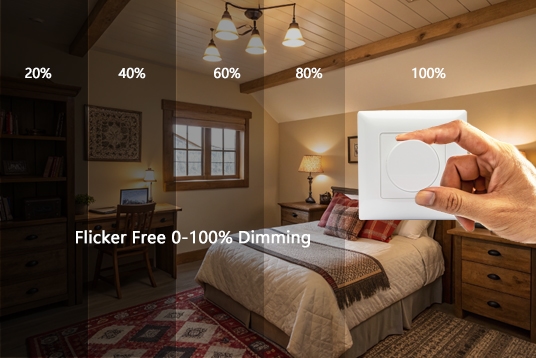
0–10V работает лучше, когда требуется плавное глубокое затемнение, тогда как 1–10V стабилен для старых систем, которым не нужно полное затемнение до выключения.
Поведение в реальных проектах
Плавность на низких уровнях
0–10V обеспечивает лучшее управление вблизи 1%, потому что драйвер понимает каждое малейшее изменение сигнала. 1–10V достигает своего минимума слишком рано.
Стабильность на длинных линиях
1–10V может дрейфовать при длинных линиях проводки, поскольку зависит от вытягивания тока. Падение напряжения меняет поведение. 0–10V справляется с этим лучше.
Смешанные светильники
Проблемы начинаются, когда проект содержит и LED-драйверы, и старые балласты. Один затемнитель не может корректно управлять обоими. Мне приходилось много раз объяснять это покупателям, которые хотели сэкономить время и сохранить существующий затемнитель.
Таблица реальной производительности
| Сценарий | Лучший стандарт | Причина |
|---|---|---|
| Отели и рестораны | 0–10 В | Глубокое затемнение и атмосфера |
| Склады | 1–10 В | Простая модернизация, нет необходимости в 0% |
| Реновация со старыми балластами | 1–10 В | Соответствует существующей инфраструктуре |
| Высококлассная архитектура | 0–10 В | Плавное и тихое затемнение |
Затемнение — это не только цифры. Это ощущение света в пространстве.
Почему производители освещения до сих пор используют оба стандарта?
Люди часто спрашивают меня, почему производители просто не откажутся от 1–10V и не переведут все на 0–10V. Ответ прост.
Оба стандарта остаются, потому что на рынке все еще есть устаревшие люминесцентные системы, и многие здания не готовы к перемонтажу проводки.

Почему 1–10V до сих пор существует
Здания старого фонда
В старых зданиях по-прежнему используются люминесцентные балласты с управлением 1–10V. Переход на 0–10V требует перемонтажа или замены балластов. Это увеличивает затраты на труд.
Чувствительность к бюджету
Некоторые клиенты хотят только базового затемнения. Им не нужен 0%. Они не хотят платить больше.
Стабильность для определенных нагрузок
Промышленные среды иногда предпочитают 1–10V, потому что он предсказуем. Они не сосредоточены на атмосфере.
Почему 0–10V доминирует в светодиодном освещении
Светодиоды любят управление на низких уровнях
LED-драйверы могут опускаться почти до нулевого тока. 0–10V идеально соответствует этому поведению.
Энергетические нормы
Во многих регионах требуется, чтобы свет затемнялся до выключения с помощью датчиков присутствия. 1–10V не может удовлетворить это требование.
Лучшее соответствие современным решениям освещения
Архитектурные и коммерческие проекты хотят гибких сценариев и визуального комфорта. 0–10V предлагает больше контроля.
Рынок неоднороден. Каждый регион, тип здания и бюджет проекта тянут стандарты в разные стороны.
Технические различия, важные для LED-драйверов и диммеров?
Технический разрыв между 0–10V и 1–10V мал на бумаге, но огромен на практике.
0–10V передает напряжение от драйвера, тогда как 1–10V тянет ток от драйвера. Это меняет поведение затемнителей, драйверов и длины проводов.
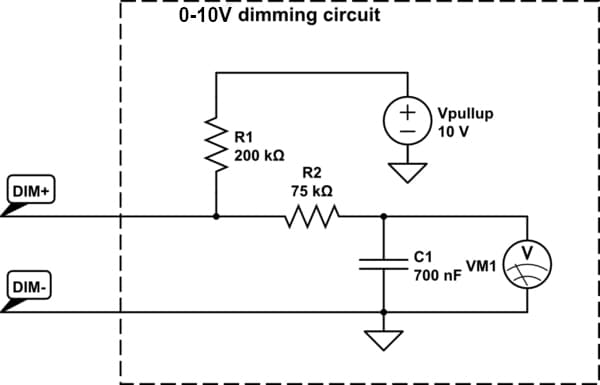
Четыре технических момента, которые имеют значение
Направление тока
0–10V = драйвер подаёт напряжение
1–10V = диммер потребляет ток
Это корень всех проблем совместимости.
Поведение на минимальном уровне
0–10V достигает истинных 0%
1–10V останавливается около 10%
Это влияет на атмосферу и энергосбережение.
Кривая управления
Большинство драйверов LED используют нелинейную кривую. Диммеры 0–10V обычно подходят лучше. Смешение кривых вызывает мерцание на низких уровнях.
Изоляция и безопасность
Качественные драйверы LED обеспечивают изоляцию цепи диммирования. Дешёвые — нет. Драйверы 1–10V иногда пропускают изоляцию, так как работают только в простых системах.
Таблица технического сравнения
| Технический фактор | 0–10 В | 1–10 В |
|---|---|---|
| Направление тока | От драйвера | В драйвер |
| Кривая диммирования | Плавный нижний предел | Ограниченный нижний предел |
| Глубокое диммирование | Да | Нет |
| Риск несоответствия | Высокий при смешении | Высокий при смешении |
Лучшее оборудование снижает риск, но не может изменить основные принципы.
Проблемы совместимости и как их решает boqi?
Я помог многим клиентам исправить проекты, где диммирование выходило из строя. Корневая проблема всегда была в совместимости. Диммер ожидал один стандарт. Драйвер обеспечивал другой.
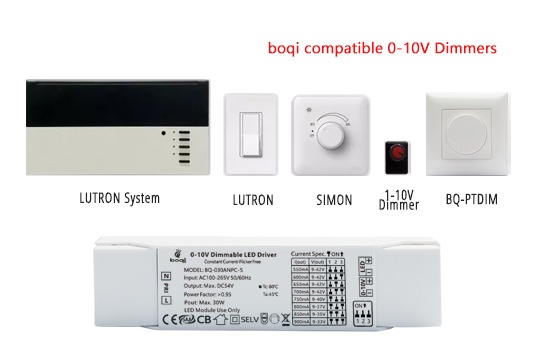
boqi решает проблемы совместимости с помощью чёткой маркировки, двухрежимных драйверов, высокосовместимых диммеров, стабильной электроники диммирования и подробных инструкций по подключению.
Распространенные проблемы совместимости
Смешивание драйверов 0–10V с диммерами 1–10V
Результат — нестабильная работа на нижнем пределе. Свет может не выключаться.
Длинные линии
Падение напряжения изменяет кривую диммирования. Обе системы страдают, но 1–10V выходит из строя раньше.
Дешевые диммеры
Некоторые диммеры выдают шумные сигналы. Драйверы LED усиливают этот шум в мерцание.
Как boqi улучшает совместимость
Четкие спецификации
Я всегда советую покупателям проверять:
– тип диммирования
– ток диммирования
– интерпретацию сигнала
– минимальный порог напряжения
boqi чётко указывает это в маркировке.
Драйверы с двойным режимом
Драйверы LED boqi могут настраиваться на поведение 0–10V или 1–10V в зависимости от требований покупателей.
Диммеры с высокой совместимостью
boqi имеет собственную разработку Диммер LED 0-10V, который высокосовместим с диммируемым драйвером LED boqi 0-10V и драйверами LED 0-10V других брендов.
Чистые схемы с низким уровнем шума
Конструкции boqi снижают мерцание и предотвращают дрожание на уровнях около 1В.
Руководства по подключению
Я включаю схемы подключения для монтажников. Это предотвращает смешение стандартов.
Хорошая инженерия снижает количество отказов. Чёткая коммуникация устраняет остальное.

Выбор правильного стандарта для вашего следующего проекта?
Я часто консультирую покупателей по этому решению. Оно всегда зависит от потребностей проекта, бюджета и существующей инфраструктуры.
Выбирайте 0–10V, когда нужно глубокое диммирование и современное поведение LED. Выбирайте 1–10V при работе с устаревшими балластами или когда выключение до нуля не требуется.
Простая схема принятия решения
Выбирайте 0–10V, если:
- Вам нужно выключение до нуля
- Вы используете современные драйверы LED
- Вам нужна плавная атмосфера
- Вы учитываете энергетические нормы
- Вы планируете новое строительство
Выбирайте 1–10V, если:
- Вы сохраняете люминесцентные балласты
- Вам не нужен 0%
- Вам нужна низкая стоимость системы
- Вы выполняете модернизацию без замены проводки
Таблица примеров проектов
| Тип проекта | Рекомендуемый стандарт | Причина |
|---|---|---|
| Люкс-отель | 0–10 В | Глубокое диммирование |
| Модернизация государственной школы | 1–10 В | Совместимость со старыми балластами |
| Новый склад | 0–10 В | Датчики + режим выключения |
| Реновация офиса | Зависит от ситуации | Проверьте существующую проводку |
Правильное решение снижает затраты и предотвращает жалобы клиентов.
Перспективы: заменит ли один стандарт другой?
Многие ожидают, что 1–10V скоро исчезнет. Но я так не думаю. Отрасль развивается медленно.
0–10V продолжит доминировать в светодиодном освещении, но 1–10V сохранится на рынке модернизации, поскольку затраты на замену проводки высоки.
Что я вижу в будущем
LED продолжает расти
Это помогает 0–10V, поскольку он лучше соответствует характеристикам светодиодов.
Люминесцентные лампы уходят медленно
Миллионы зданий по-прежнему используют люминесцентные светильники. Они не будут обновлять всё сразу.
Давление на стоимость сохраняется
Некоторые проекты всегда выбирают более дешёвый вариант.
Цифровые протоколы растут
DALI, PWM и беспроводное управление будут расширяться, но они не убьют аналоговое управление диммированием в ближайшее время. Многие покупатели по-прежнему хотят простого решения.
Мой долгосрочный прогноз
- 0–10V становится основной аналоговой системой
- 1–10V становится нишевым наследием
- Цифровые протоколы растут, но сосуществуют
Освещение развивается, но не скачками. Рынок несёт как старые, так и новые требования.
Заключение
Оба стандарта диммирования выживают, поскольку служат разным потребностям. Выбирайте тот, который подходит вашему проекту, а не тот, который выглядит “новее”.”