













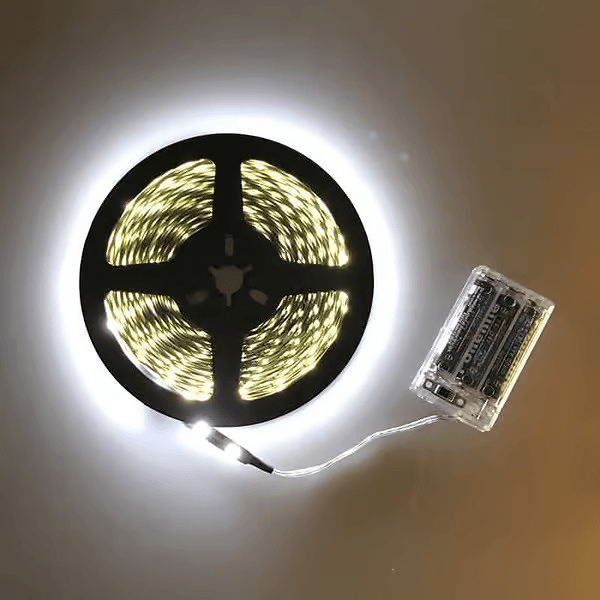
С ростом популярности светодиодных лент для DIY-проектов и портативных решений освещения, знание того, как питать их от батарей, открывает множество творческих возможностей. Питание от батарей обеспечивает гибкость, портативность и идеально подходит для проектов, где подключение к розетке невозможно. Это руководство расскажет о пошаговом процессе питания светодиодных лент от батарей, выборе правильного типа батареи, правильном подключении и увеличении срока службы батареи для эффективного и долговечного освещения.
Светодиодные ленты можно питать от батарей, используя совместимые батарейные блоки, соответствующие напряжению ленты, обычно 12 В или 24 В. Такой подход обеспечивает гибкое, мобильное освещение, идеально подходящее для мест без прямого доступа к электросети.
Зачем питать светодиодные ленты от батарей?
Светодиодные ленты часто питаются от настенных розеток, но использование батарей обеспечивает дополнительную универсальность. Светодиодные ленты на батарейках могут использоваться для мероприятий, уличных установок, кемпинга или даже аварийного освещения. При правильном выборе батареи и правильной настройке вы можете создать мобильную систему освещения, отвечающую вашим конкретным потребностям.
Шаг 1: Выберите правильный тип батареи
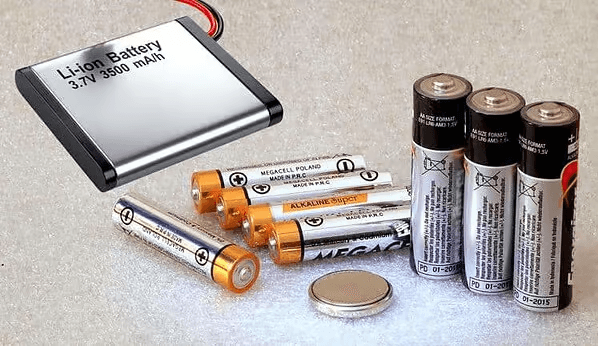
Тип выбранной батареи напрямую влияет на производительность и время работы ваших светодиодных лент. Вот наиболее часто используемые батареи для светодиодных лент:
- Батарейки AA и AAA:
- Плюсы: Широко доступны, недороги и могут использоваться для небольших проектов с низким энергопотреблением.
- Cons: Низкое напряжение (обычно 1,5 В на батарейку), поэтому для лент с более высоким напряжением может потребоваться несколько батареек.
- Литий-ионные батареи:
- Плюсы: Перезаряжаемые, легкие и доступны в различных напряжениях (3,7 В, 7,4 В, 11,1 В и т. д.), что делает их популярным выбором для светодиодных лент.
- Cons: Более дорогие изначально и требуют зарядного устройства; некоторые литий-ионные батареи могут нуждаться в защитной схеме для предотвращения чрезмерного разряда.
- Батареи 9 В:
- Плюсы: Просты в подключении и могут питать короткие светодиодные ленты для временных установок.
- Cons: Ограниченный срок службы и не подходят для более длинных светодиодных лент, так как быстро разряжаются при более высоких потребностях в мощности.
- Батарейные блоки 12 В:
- Плюсы: Разработаны для совместимости с 12-вольтовыми светодиодными лентами, эти батареи обеспечивают надежный и эффективный источник питания для более длинных лент или лент с более высокой мощностью.
- Cons: Больше по размеру и весу; обычно требуют специального зарядного устройства.
Значение мАч можно найти на батарее. Ниже приведены значения мАч для некоторых стандартных батарей.
Сухой элемент AA: 400-900 мАч
Щелочная AA: 1700-2850 мАч
Щелочная 9 В: 550 мАч
Стандартный автомобильный аккумулятор: 45 000 мАч
Выбор правильной батареи является основой успешной установки, поэтому важно согласовать напряжение светодиодной ленты и ваши потребности в питании.
Шаг 2: Понимание совместимости напряжения
Большинство светодиодных лент работают от 12 В или 24 В. Совместимость напряжения имеет решающее значение при выборе батареи. Если вы используете 12-вольтовую светодиодную ленту, вам понадобится батарейный блок на 12 В, и то же самое касается лент на 24 В. Несоответствие напряжения может привести к неэффективному освещению или даже повреждению светодиодной ленты.
Например:
- Светодиодная лента 12 В: Идеально подходит с батарейным блоком на 12 В, который может включать 8 батареек AA (по 1,5 В каждая), соединенных последовательно.
- Светодиодная лента 24 В: Требует двух батарей на 12 В, соединенных последовательно, или специального батарейного блока на 24 В.
При использовании нескольких батарей последовательно убедитесь, что они надежно соединены и одного типа, чтобы избежать дисбаланса.
Шаг 3: Рассчитайте срок службы батареи на основе потребляемой мощности
Чтобы получить максимальную отдачу от вашей светодиодной установки на батарейках, вам необходимо оценить, как долго прослужит ваша батарея. Срок службы батареи зависит как от емкости батареи (мАч или Ач) , так и от потребляемой мощности светодиодной ленты.
- Определите потребляемую мощность: Посмотрите на мощность на метр, указанную на светодиодной ленте (например, 14,4 Вт/м).
- Расчет общего потребления мощности: Умножьте мощность на общую длину ленты, чтобы получить общее потребление энергии.
- Расчет времени работы от батареи:
- Используйте формулу: Время работы от батареи (часы) = Емкость батареи (Вт·ч) / Общее потребление мощности (Вт)
- Например, батарея 12 В с емкостью 24 ватт-часа (Вт·ч), питающая светодиодную ленту с потреблением 4,8 Вт, проработает примерно 5 часов.
Оценка времени работы от батареи позволяет планировать заранее и, при необходимости, выбрать батарею большей емкости или снизить яркость для увеличения времени работы.
Шаг 4: Подключение светодиодных лент к батарее
Подключение светодиодных лент к батарейному отсеку простое, но требует внимательного отношения к полярности и надежности соединений.
- Проверьте полярность: Соедините положительный вывод батареи с положительным выводом светодиодной ленты (обычно обозначен знаком “+”).
- Подключите выводы: Используйте изолированный провод или разъемы для подключения выводов батарейного отсека к светодиодной ленте.
- Закрепите соединения: Если конструкция будет перемещаться или часто использоваться, закрепите соединения изолентой или разъемами, чтобы предотвратить отсоединение.
- Дополнительно – используйте держатель для батарей: Для конструкций с несколькими батареями AA или AAA держатель для батарей упрощает замену элементов питания, сохраняя надежные соединения.
Правильная проводка обеспечивает плавный ток и снижает риск короткого замыкания или случайного отсоединения.
Как долго батарея может питать светодиодные ленты?
Чтобы оценить, как долго полностью заряженная батарея может питать светодиодную ленту, вам понадобятся два ключевых параметра: емкость батареи и потребление мощности светодиодной ленты.
Емкость батареи
Емкость батареи, обычно указанная на самой батарее, показывает, сколько энергии она может хранить. Например, рассмотрим литиевую батарею 12 В с емкостью 2500 мА·ч.
Потребление мощности светодиодной ленты
Потребление мощности светодиодной ленты обычно указано на ее этикетке и выражается в ваттах на метр. Чтобы найти общее потребление энергии, умножьте мощность ленты на метр на ее длину в метрах.
Например, если у вас есть светодиодная лента 12 В с номинальной мощностью 6 Вт на метр и длиной 2 метра, общее потребление мощности составит:
[ 6 Вт/м x 2 м = 12 Вт ]
У нас также есть онлайн-калькулятор мощности светодиодных лент, нажмите здесь, Калькулятор светодиодных драйверов.
Расчет
Чтобы рассчитать, как долго батарея может питать светодиодную ленту:
- Рассчитайте ток: Разделите общую мощность (в ваттах) на напряжение (в вольтах), чтобы получить ток в амперах (А).

- Преобразуйте этот ток в миллиамперы (мА), умножив на 1000:

- Рассчитайте время работы от батареи: Разделите емкость батареи (в мА·ч) на ток (в мА), чтобы определить время работы батареи в часах.

Таким образом, в этом примере батарея будет питать светодиодную ленту примерно 2,5 часа.
Советы по увеличению срока службы батареи
Срок службы батареи может быть ограничением, особенно для мощных светодиодных лент. Вот несколько стратегий для максимального использования:
- Используйте диммер: Диммер снижает потребление мощности за счет уменьшения яркости, что может значительно продлить срок службы батареи.
- Установите выключатель: Добавление выключателя позволяет отключать свет, когда он не нужен, экономя энергию.
- Выбирайте перезаряжаемые батареи: Перезаряжаемые батареи, такие как литий-ионные, экономически выгодны при частом использовании, так как их можно заряжать многократно.
- Уменьшите длину ленты: Укорачивание ленты снижает потребление мощности, делая конструкцию более энергоэффективной.
Следуя этим советам, вы сможете максимально эффективно использовать светодиодные светильники на батарейках, особенно при длительном использовании или в местах, где замена батарей затруднена.
Использование RGB-светодиодных лент с батареями
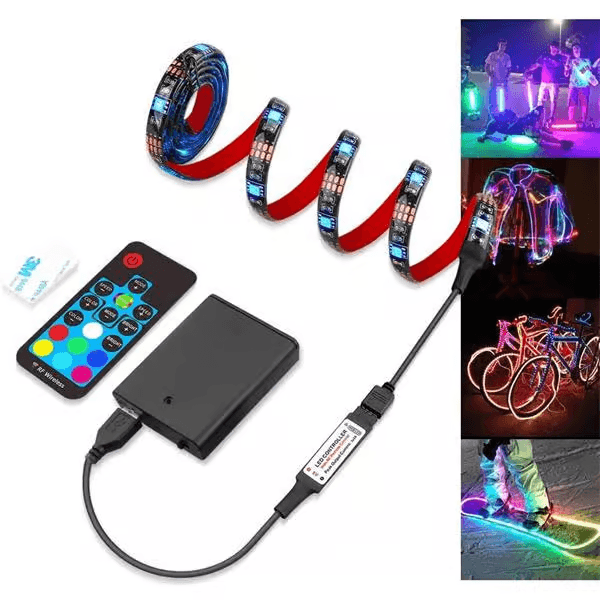
Если вы используете RGB светодиодные ленты, они часто поставляются с контроллерами для регулировки цвета и яркости. Вот что нужно знать для RGB-конструкций на батарейках:
- Используйте совместимый контроллер: Убедитесь, что контроллер работает при том же напряжении, что и светодиодная лента и батарея.
- Потребление мощности: RGB-ленты могут потреблять больше энергии из-за дополнительных цветовых каналов, поэтому рассмотрите батарею большей емкости или используйте диммер для снижения яркости.
- Подключение: Подключите контроллер к батарейному отсеку, соблюдая правильную полярность, затем подключите светодиодную ленту к контроллеру.
RGB светодиодные ленты отлично подходят для создания атмосферы, но имейте в виду, что они могут требовать более частой замены батарей в зависимости от выбранного цвета и яркости.
Альтернативные источники питания для светодиодных лент
Помимо традиционных батарей, существуют альтернативные источники питания для светодиодных лент:
- USB-повербанки: Некоторые светодиодные ленты совместимы с USB, что позволяет питать их от USB-повербанка. Это доступный, портативный и перезаряжаемый вариант.
- Солнечные панели: Солнечные аккумуляторные блоки — экологичный выбор, идеально подходящий для наружных проектов.
- Автомобильные аккумуляторы: Идеально подходят для 12V светодиодных лент, особенно в автомобильных или автодомовых установках. Используйте предохранитель и обеспечьте безопасную проводку, чтобы предотвратить перегрузку.
Каждый из этих вариантов предоставляет дополнительные способы питания светодиодных лент без розеток, обеспечивая универсальность для различных сред.
Меры безопасности при питании светодиодных лент от батарей
Безопасность имеет решающее значение при работе с электрическими компонентами, даже с низковольтными светодиодными лентами:
- Используйте предохранитель: Предохранитель может защитить вашу светодиодную ленту и аккумулятор от возможных коротких замыканий.
- Избегайте перегрева: Проверяйте на перегрев, особенно литий-ионные аккумуляторы, которые могут быть чувствительны к высоким температурам.
- Закрепите соединения: Ослабленные или оголенные провода могут создавать опасность. Всегда изолируйте и закрепляйте соединения, а также держите их изолированными.
- Используйте правильные зарядные устройства: Для перезаряжаемых аккумуляторов всегда используйте зарядное устройство, рекомендованное производителем, чтобы предотвратить перезарядку или повреждение аккумулятора.
Соблюдение этих мер предосторожности обеспечит безопасную и долговечную светодиодную установку с питанием от батарей.
– Можно ли питать светодиодные ленты от батареи?
Да, светодиодные ленты можно питать от батарей, что делает их универсальным вариантом для портативного освещения. Просто выберите батарею, соответствующую требованиям по напряжению светодиодной ленты (обычно 12V или 24V), и следуйте правильным инструкциям по подключению, чтобы настроить светодиодные ленты с питанием от батареи.
– Какой тип батареи лучше всего подходит для светодиодных лент?
Лучший тип батареи зависит от ваших конкретных потребностей. Для небольших проектов хорошо подходят батарейки AA или AAA. Литий-ионные или 12V перезаряжаемые аккумуляторные блоки идеальны для более длинных светодиодных лент или более постоянных установок, так как они обеспечивают более длительное питание и более энергоэффективны.
– Как рассчитать время работы батареи для светодиодных лент?
Чтобы оценить время работы, разделите емкость батареи (в ватт-часах) на потребляемую мощность светодиодной ленты (в ваттах). Например, если у вас есть батарея 12V с емкостью 24 ватт-часа, питающая светодиодную ленту мощностью 4,8 Вт, расчетное время работы составит 5 часов.
– Можно ли использовать USB-повербанк для питания светодиодных лент?
Да, если ваша светодиодная лента имеет USB-совместимый разъем, вы можете использовать USB-повербанк в качестве источника питания. Это удобный вариант для кратковременных потребностей в освещении или портативных установок, особенно для 5V светодиодных лент, предназначенных для питания через USB.
– Как можно продлить время работы батареи моих светодиодных лент?
Вы можете продлить время работы батареи, используя диммер для снижения яркости, установив выключатель вкл/выкл, выбрав батарею большей емкости или перезаряжаемую батарею, а также уменьшив длину светодиодной ленты для снижения потребления энергии.
– 6. Можно ли использовать автомобильный аккумулятор для питания светодиодных лент?
Да, автомобильный аккумулятор 12V можно использовать для питания 12V светодиодных лент, что делает его подходящим для автомобильных или автодомовых применений. Убедитесь, что вы используете предохранитель и соблюдаете меры предосторожности, чтобы избежать перегрузки или повреждения вашей установки.
– Безопасны ли светодиодные ленты с питанием от батарей для наружного использования?
Светодиодные ленты с питанием от батарей можно использовать на улице, если установка защищена от погодных условий, а батареи защищены от влаги. Для длительного наружного использования рассмотрите возможность использования влагозащищенных светодиодных лент и корпуса для батарей для защиты компонентов.
– Как безопасно подключить светодиодные ленты к батарее?
Подключите положительный (+) вывод батареи к положительному выводу светодиодной ленты, а отрицательный (-) вывод — к отрицательной стороне. Закрепите все соединения изолентой или используйте держатель батарей для стабильной установки. Всегда убеждайтесь, что напряжение батареи соответствует требованиям светодиодной ленты.
– Можно ли питать RGB светодиодные ленты от батарей?
Да, RGB светодиодные ленты можно питать от батарей, хотя они могут потреблять больше энергии, чем одноцветные ленты. Используйте совместимый RGB-контроллер с батарейной установкой для эффективной регулировки цветов и яркости, а также рассмотрите батарею большей емкости для удовлетворения дополнительных потребностей в энергии.
– Какие меры предосторожности следует соблюдать при использовании перезаряжаемых батарей?
При использовании перезаряжаемых батарей избегайте перезарядки, используя правильное зарядное устройство для вашего типа батареи, и никогда не подвергайте батареи воздействию экстремального тепла. Также следите за состоянием батареи с течением времени, так как перезаряжаемые батареи могут деградировать при многократном использовании.
Заключение: Достижение портативного и гибкого освещения с помощью светодиодных лент на батарейках
Светодиодные ленты с питанием от батарей — отличное решение для творческих проектов освещения, портативных установок и временных монтажей. Выбрав правильный тип батареи, рассчитав потребности в энергии и соблюдая безопасные методы проводки, вы можете наслаждаться гибким освещением где угодно. С такими вариантами, как USB-повербанки и солнечные панели, создать экологичную и мобильную систему освещения, соответствующую вашим потребностям, стало проще, чем когда-либо.
Светодиоды с питанием от батарей открывают бесконечные возможности: от улучшения вашего рабочего пространства до создания атмосферы в удаленных местах — и все это без необходимости в розетке. Приятного освещения!