













ด้วยแถบไฟ LED ที่ได้รับความนิยมเพิ่มขึ้นสำหรับโปรเจกต์ DIY และโซลูชันไฟส่องสว่างแบบพกพา การรู้วิธีจ่ายไฟโดยใช้แบตเตอรี่จึงเปิดโอกาสสร้างสรรค์มากมาย พลังงานจากแบตเตอรี่ให้ความยืดหยุ่น ความสะดวกในการพกพา และเหมาะสำหรับโปรเจกต์ที่ไม่สามารถเสียบปลั๊กไฟได้ คู่มือนี้จะอธิบายขั้นตอนการจ่ายไฟให้แถบ LED ด้วยแบตเตอรี่ การเลือกประเภทแบตเตอรี่ที่เหมาะสม การเดินสายไฟอย่างถูกต้อง และการยืดอายุแบตเตอรี่เพื่อให้แสงสว่างมีประสิทธิภาพและใช้งานได้ยาวนาน.
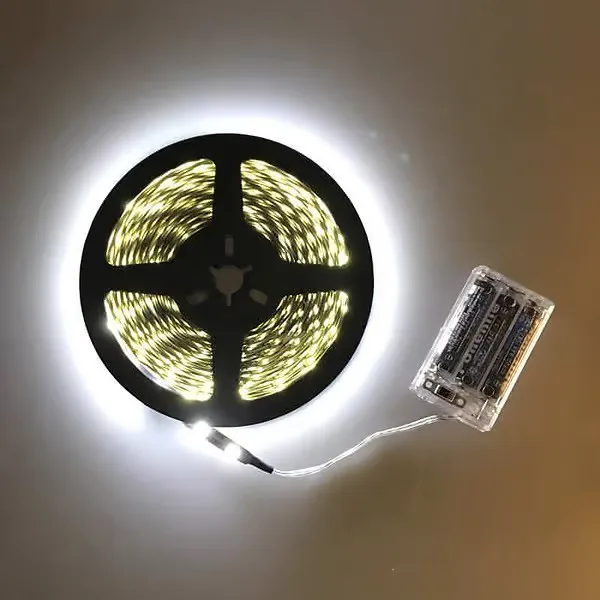
แถบไฟ LED สามารถจ่ายไฟด้วยแบตเตอรี่ได้โดยใช้ชุดแบตเตอรี่ที่เข้ากันได้กับแรงดันไฟฟ้าของแถบ LED ซึ่งโดยทั่วไปคือ 12V หรือ 24V วิธีนี้ให้ตัวเลือกไฟส่องสว่างที่ยืดหยุ่นและเคลื่อนที่ได้ เหมาะสำหรับสถานที่ที่ไม่มีการเข้าถึงแหล่งจ่ายไฟโดยตรง.
ทำไมต้องจ่ายไฟให้แถบไฟ LED ด้วยแบตเตอรี่?
แถบไฟ LED มักจ่ายไฟผ่านเต้ารับติดผนัง แต่การใช้แบตเตอรี่ให้ความคล่องตัวเพิ่มเติม. แถบ LED ที่ใช้แบตเตอรี่ สามารถใช้สำหรับงานอีเวนต์ การติดตั้งกลางแจ้ง การตั้งแคมป์ หรือแม้แต่ไฟฉุกเฉิน เมื่อคุณเลือกแบตเตอรี่ที่เหมาะสมและติดตั้งอย่างถูกต้อง คุณสามารถสร้างระบบไฟส่องสว่างเคลื่อนที่ที่ตอบสนองความต้องการเฉพาะของคุณได้.
ขั้นตอนที่ 1: เลือกประเภทแบตเตอรี่ที่เหมาะสม
ประเภทของแบตเตอรี่ที่คุณเลือกส่งผลโดยตรงต่อประสิทธิภาพและระยะเวลาการทำงานของแถบ LED ของคุณ นี่คือแบตเตอรี่ที่ใช้บ่อยที่สุดสำหรับแถบ LED:
- แบตเตอรี่ AA และ AAA:
- ข้อดี: หาซื้อได้ทั่วไป ราคาถูก และสามารถใช้สำหรับโปรเจกต์ขนาดเล็กที่ใช้พลังงานต่ำ.
- ข้อเสีย: แรงดันไฟฟ้าต่ำ (โดยทั่วไป 1.5V ต่อก้อน) ดังนั้นอาจต้องใช้หลายก้อนสำหรับแถบไฟที่มีแรงดันสูงกว่า.
- แบตเตอรี่ลิเธียมไอออน:
- ข้อดี: ชาร์จใหม่ได้ น้ำหนักเบา และมีแรงดันไฟฟ้าหลายระดับ (3.7V, 7.4V, 11.1V ฯลฯ) ทำให้เป็นตัวเลือกยอดนิยมสำหรับแถบ LED.
- ข้อเสีย: มีราคาแพงกว่าในตอนแรกและต้องใช้เครื่องชาร์จ แบตเตอรี่ลิเธียมไอออนบางรุ่นอาจต้องมีวงจรป้องกันเพื่อหลีกเลี่ยงการคายประจุเกิน.
- แบตเตอรี่ 9V:
- ข้อดี: เชื่อมต่อง่ายและสามารถจ่ายไฟให้แถบ LED สั้นๆ สำหรับการติดตั้งชั่วคราว.
- ข้อเสีย: อายุแบตเตอรี่จำกัดและไม่เหมาะสำหรับแถบ LED ที่ยาวกว่า เนื่องจากคายประจุเร็วเมื่อมีความต้องการพลังงานสูง.
- ชุดแบตเตอรี่ 12V:
- ข้อดี: ออกแบบมาเพื่อความเข้ากันได้กับแถบ LED 12V แบตเตอรี่เหล่านี้ให้แหล่งจ่ายไฟที่เชื่อถือได้และมีประสิทธิภาพสำหรับแถบไฟที่ยาวกว่าหรือมีวัตต์สูงกว่า.
- ข้อเสีย: มีขนาดใหญ่และน้ำหนักมาก โดยทั่วไปต้องใช้เครื่องชาร์จเฉพาะ.
คุณสามารถหาค่า mAh ได้บนแบตเตอรี่ ด้านล่างนี้คือค่า mAh ของแบตเตอรี่มาตรฐานบางรุ่น.
ถ่านแห้ง AA: 400-900 mAh
ถ่านอัลคาไลน์ AA: 1700-2850 mAh
ถ่านอัลคาไลน์ 9V: 550 mAh
แบตเตอรี่รถยนต์มาตรฐาน: 45,000 mAh
การเลือกแบตเตอรี่ที่ถูกต้องเป็นพื้นฐานของความสำเร็จในการติดตั้ง ดังนั้นจึงจำเป็นต้องจับคู่แรงดันไฟฟ้าของแถบ LED และความต้องการพลังงานของคุณ.
ขั้นตอนที่ 2: ทำความเข้าใจความเข้ากันได้ของแรงดันไฟฟ้า
แถบ LED ส่วนใหญ่ทำงานที่ 12V หรือ 24V. ความเข้ากันได้ของแรงดันไฟฟ้า มีความสำคัญอย่างยิ่งเมื่อเลือกแบตเตอรี่ หากคุณใช้แถบ LED 12V คุณจะต้องใช้ชุดแบตเตอรี่ 12V และเช่นเดียวกันสำหรับแถบ 24V การจับคู่แรงดันไฟฟ้าที่ไม่ถูกต้องอาจส่งผลให้แสงสว่างไม่มีประสิทธิภาพหรือแม้แต่สร้างความเสียหายให้กับแถบ LED ของคุณ.
ตัวอย่างเช่น:
- แถบ LED 12V: เหมาะกับชุดแบตเตอรี่ 12V ซึ่งอาจรวมถึงถ่าน AA 8 ก้อน (1.5V ต่อก้อน) ต่ออนุกรมกัน.
- แถบ LED 24V: ต้องใช้แบตเตอรี่ 12V สองก้อนต่ออนุกรมกันหรือชุดแบตเตอรี่ 24V เฉพาะ.
เมื่อใช้แบตเตอรี่หลายก้อนต่ออนุกรม ตรวจสอบให้แน่ใจว่าเชื่อมต่ออย่างแน่นหนาและเป็นประเภทเดียวกันเพื่อหลีกเลี่ยงความไม่สมดุล.
ขั้นตอนที่ 3: คำนวณอายุแบตเตอรี่ตามการใช้พลังงาน

เพื่อให้ได้ประโยชน์สูงสุดจากการติดตั้ง LED ที่ใช้แบตเตอรี่ คุณต้องประมาณว่าแบตเตอรี่จะใช้งานได้นานเท่าใด อายุแบตเตอรี่ขึ้นอยู่กับทั้ง ความจุของแบตเตอรี่ (mAh หรือ Ah) และ การใช้พลังงานของแถบ LED.
- กำหนดการใช้พลังงาน: ดูค่าวัตต์ต่อเมตรที่ระบุบนแถบ LED (เช่น 14.4W/m).
- คำนวณการใช้พลังงานทั้งหมด: คูณค่าวัตต์ด้วยความยาวทั้งหมดของแถบเพื่อหาค่าการดึงพลังงานรวม.
- คำนวณระยะเวลาการใช้งานแบตเตอรี่:
- ใช้สูตร: อายุการใช้งานแบตเตอรี่ (ชั่วโมง) = ความจุแบตเตอรี่ (Wh) / การดึงพลังงานรวม (W)
- ตัวอย่างเช่น แบตเตอรี่ 12V ที่มีความจุ 24 วัตต์-ชั่วโมง (Wh) จ่ายไฟให้แถบ LED ที่กินไฟ 4.8 วัตต์ จะใช้งานได้ประมาณ 5 ชั่วโมง.
การมีประมาณการอายุการใช้งานแบตเตอรี่ช่วยให้คุณวางแผนได้อย่างเหมาะสม และหากจำเป็น สามารถเลือกแบตเตอรี่ความจุสูงขึ้นหรือลดความสว่างเพื่อยืดระยะเวลาการใช้งาน.
ขั้นตอนที่ 4: การเดินสายแถบ LED เข้ากับแบตเตอรี่
การเดินสายแถบ LED เข้ากับชุดแบตเตอรี่ทำได้ง่าย แต่ต้องใส่ใจกับขั้วไฟฟ้าและการเชื่อมต่อที่มั่นคง.
- ตรวจสอบขั้วไฟฟ้า: จับคู่ขั้วบวกของแบตเตอรี่กับขั้วบวกบนแถบ LED (โดยปกติจะมีเครื่องหมาย “+”).
- เชื่อมต่อขั้ว: ใช้สายไฟหุ้มฉนวนหรือขั้วต่อเพื่อเชื่อมต่อขั้วของชุดแบตเตอรี่เข้ากับแถบ LED.
- ยึดการเชื่อมต่อให้แน่น: หากอุปกรณ์จะถูกเคลื่อนย้ายหรือใช้งานบ่อยครั้ง ให้ยึดการเชื่อมต่อด้วยเทปไฟฟ้าหรือขั้วต่อเพื่อป้องกันการหลุด.
- ทางเลือก – ใช้ที่ใส่แบตเตอรี่: สำหรับการตั้งค่าที่ใช้แบตเตอรี่ AA หรือ AAA หลายก้อน ที่ใส่แบตเตอรี่ช่วยให้เปลี่ยนแบตเตอรี่ได้ง่ายในขณะที่รักษาการเชื่อมต่อที่มั่นคง.
การเดินสายที่ถูกต้องช่วยให้กระแสไฟฟ้าไหลอย่างราบรื่นและลดความเสี่ยงของการลัดวงจรหรือการหลุดโดยไม่ตั้งใจ.
แบตเตอรี่สามารถจ่ายไฟให้แถบไฟ LED ได้นานเท่าใด?
เพื่อประมาณว่าแบตเตอรี่ที่ชาร์จเต็มสามารถจ่ายไฟให้แถบ LED ได้นานเท่าใด คุณต้องมีข้อมูลสำคัญสองอย่าง: ความจุของแบตเตอรี่และการใช้พลังงานของแถบ LED.
ความจุแบตเตอรี่
ความจุแบตเตอรี่ ซึ่งโดยปกติจะระบุบนตัวแบตเตอรี่ บอกถึงปริมาณพลังงานที่แบตเตอรี่สามารถเก็บได้ ตัวอย่างเช่น พิจารณาแบตเตอรี่ลิเธียม 12V ที่มีความจุ 2500mAh.
การใช้พลังงานของแถบ LED
การใช้พลังงานของแถบ LED มักจะระบุบนฉลาก โดยให้เป็นวัตต์ต่อเมตร เพื่อหาการใช้พลังงานทั้งหมด ให้คูณค่าวัตต์ต่อเมตรของแถบด้วยความยาวเป็นเมตร.
ตัวอย่างเช่น หากคุณมีแถบ LED 12V ที่มีอัตรา 6W ต่อเมตร และมีความยาว 2 เมตร การใช้พลังงานทั้งหมดจะเป็น:
[ 6W/m x 2m = 12W ]
เรายังมีเครื่องคำนวณพลังงานแถบ LED ออนไลน์ กรุณาคลิกที่นี่, เครื่องคำนวณไดรเวอร์ LED.
การคำนวณ
เพื่อคำนวณว่าแบตเตอรี่สามารถจ่ายไฟให้แถบ LED ได้นานเท่าใด:
- คำนวณกระแสไฟฟ้า: หารพลังงานทั้งหมด (เป็นวัตต์) ด้วยแรงดันไฟฟ้า (เป็นโวลต์) เพื่อหากระแสไฟฟ้าเป็นแอมป์ (A).

- แปลงกระแสนี้เป็นมิลลิแอมป์ (mA) โดยคูณด้วย 1000:

- คำนวณระยะเวลาการทำงานของแบตเตอรี่: หารความจุของแบตเตอรี่ (เป็น mAh) ด้วยกระแสไฟฟ้า (เป็น mA) เพื่อกำหนดระยะเวลาการทำงานของแบตเตอรี่เป็นชั่วโมง.

ดังนั้น ในตัวอย่างนี้ แบตเตอรี่จะจ่ายไฟให้แถบ LED ได้ประมาณ 2.5 ชั่วโมง.
เคล็ดลับในการยืดอายุแบตเตอรี่
อายุการใช้งานแบตเตอรี่อาจเป็นข้อจำกัด โดยเฉพาะสำหรับแถบ LED ที่มีกำลังสูง นี่คือกลยุทธ์บางประการเพื่อเพิ่มการใช้งานสูงสุด:
- ใช้ตัวหรี่แสง: ตัวหรี่แสงช่วยลดการใช้พลังงานโดยการลดความสว่าง ซึ่งสามารถยืดอายุการใช้งานแบตเตอรี่ได้อย่างมาก.
- ติดตั้งสวิตช์: การเพิ่มสวิตช์เปิด/ปิดช่วยให้คุณปิดไฟเมื่อไม่จำเป็น ซึ่งช่วยประหยัดพลังงาน.
- เลือกแบตเตอรี่แบบชาร์จได้: แบตเตอรี่แบบชาร์จได้ เช่น ลิเธียมไอออน มีความคุ้มค่าสำหรับการใช้งานบ่อยครั้ง เนื่องจากสามารถชาร์จได้หลายครั้ง.
- ลดความยาวแถบ: การทำให้แถบสั้นลงช่วยลดการดึงพลังงาน ทำให้การตั้งค่าใช้แบตเตอรี่อย่างมีประสิทธิภาพมากขึ้น.
การปฏิบัติตามเคล็ดลับเหล่านี้สามารถช่วยให้คุณใช้ไฟ LED ที่ใช้แบตเตอรี่ได้อย่างเต็มที่ โดยเฉพาะสำหรับการใช้งานเป็นเวลานานหรือในพื้นที่ที่ไม่สะดวกในการเปลี่ยนแบตเตอรี่.
การใช้แถบ LED RGB กับแบตเตอรี่

หากคุณใช้แถบ LED RGB มักมาพร้อมกับคอนโทรลเลอร์สำหรับปรับสีและความสว่าง นี่คือสิ่งที่คุณควรรู้สำหรับการตั้งค่า RGB ที่ใช้แบตเตอรี่:
- ใช้คอนโทรลเลอร์ที่เข้ากันได้: ตรวจสอบให้แน่ใจว่าคอนโทรลเลอร์ทำงานที่แรงดันไฟฟ้าเดียวกันกับแถบ LED และแบตเตอรี่.
- การใช้พลังงาน: แถบ RGB สามารถใช้พลังงานมากขึ้นเนื่องจากมีช่องสีเพิ่มเติม ดังนั้นควรพิจารณาแบตเตอรี่ความจุที่ใหญ่ขึ้นหรือใช้ตัวลดความสว่างเพื่อลดความสว่าง.
- การเชื่อมต่อ: เชื่อมต่อคอนโทรลเลอร์เข้ากับชุดแบตเตอรี่ โดยตรวจสอบขั้วให้ถูกต้อง จากนั้นติดแถบ LED เข้ากับคอนโทรลเลอร์.
แถบ LED RGB เหมาะอย่างยิ่งสำหรับการสร้างบรรยากาศ แต่โปรดทราบว่าอาจต้องเปลี่ยนแบตเตอรี่บ่อยขึ้น ขึ้นอยู่กับสีและความสว่างที่เลือก.
แหล่งจ่ายไฟทางเลือกสำหรับแถบ LED
นอกเหนือจากแบตเตอรี่แบบดั้งเดิม ต่อไปนี้คือแหล่งพลังงานทางเลือกสำหรับไฟแถบ LED:
- Power Bank แบบ USB: แถบ LED บางรุ่นรองรับ USB ทำให้สามารถจ่ายไฟผ่าน Power Bank แบบ USB ได้ ซึ่งเป็นตัวเลือกที่ประหยัด พกพาสะดวก และชาร์จใหม่ได้.
- แผงโซลาร์เซลล์: ชุดแบตเตอรี่พลังงานแสงอาทิตย์เป็นทางเลือกที่เป็นมิตรต่อสิ่งแวดล้อม เหมาะสำหรับโครงการกลางแจ้ง.
- แบตเตอรี่รถยนต์: เหมาะสำหรับแถบ LED 12V โดยเฉพาะในการใช้งานยานยนต์หรือรถบ้าน ควรใช้ฟิวส์และตรวจสอบให้แน่ใจว่าการเดินสายไฟปลอดภัยเพื่อป้องกันการโอเวอร์โหลด.
แต่ละตัวเลือกเหล่านี้เป็นวิธีเพิ่มเติมในการจ่ายไฟให้แถบ LED โดยไม่ต้องใช้เต้ารับติดผนัง ให้ความยืดหยุ่นสำหรับสภาพแวดล้อมต่างๆ.
ข้อควรระวังด้านความปลอดภัยเมื่อจ่ายไฟให้แถบ LED ด้วยแบตเตอรี่
ความปลอดภัยเป็นสิ่งสำคัญเมื่อทำงานกับชิ้นส่วนไฟฟ้า แม้แต่กับแถบ LED แรงดันต่ำ:
- ใช้ฟิวส์: ฟิวส์สามารถป้องกันแถบ LED และแบตเตอรี่จากไฟฟ้าลัดวงจรที่อาจเกิดขึ้นได้.
- หลีกเลี่ยงความร้อนสูงเกินไป: ตรวจสอบความร้อนสูงเกินไป โดยเฉพาะกับแบตเตอรี่ลิเธียมไอออน ซึ่งอาจไวต่ออุณหภูมิสูง.
- ยึดการเชื่อมต่อให้แน่น: สายไฟที่หลวมหรือเปิดเผยอาจก่อให้เกิดอันตรายได้ ควรพันเทปหรือยึดการเชื่อมต่อให้แน่นหนาและเก็บฉนวนไว้เสมอ.
- ใช้เครื่องชาร์จที่เหมาะสม: สำหรับแบตเตอรี่แบบชาร์จได้ ควรใช้เครื่องชาร์จที่ผู้ผลิตแนะนำเสมอเพื่อป้องกันการชาร์จเกินหรือทำให้แบตเตอรี่เสียหาย.
การใช้ข้อควรระวังเหล่านี้จะช่วยให้การติดตั้ง LED ที่ใช้แบตเตอรี่ปลอดภัยและทนทาน.
– แถบไฟ LED สามารถใช้แบตเตอรี่เป็นพลังงานได้หรือไม่?
ใช่ แถบไฟ LED สามารถใช้แบตเตอรี่เป็นพลังงานได้ ทำให้เป็นตัวเลือกที่หลากหลายสำหรับไฟแบบพกพา เพียงเลือกแบตเตอรี่ที่ตรงกับความต้องการแรงดันไฟฟ้าของแถบ LED (โดยปกติคือ 12V หรือ 24V) และปฏิบัติตามคำแนะนำการเดินสายไฟที่ถูกต้องเพื่อติดตั้งไฟ LED ที่ใช้แบตเตอรี่ของคุณ.
– แบตเตอรี่ประเภทใดดีที่สุดสำหรับแถบไฟ LED?
ประเภทแบตเตอรี่ที่ดีที่สุดขึ้นอยู่กับความต้องการเฉพาะของคุณ สำหรับโครงการขนาดเล็ก แบตเตอรี่ AA หรือ AAA ทำงานได้ดี ชุดแบตเตอรี่ลิเธียมไอออนหรือแบตเตอรี่แบบชาร์จได้ 12V เหมาะสำหรับแถบ LED ที่ยาวกว่าหรือการติดตั้งแบบถาวร เนื่องจากให้พลังงานที่ยาวนานกว่าและประหยัดพลังงานมากกว่า.
– ฉันจะคำนวณอายุการใช้งานแบตเตอรี่สำหรับแถบไฟ LED ได้อย่างไร?
ในการประมาณอายุการใช้งานแบตเตอรี่ ให้หารความจุของแบตเตอรี่ (หน่วยเป็นวัตต์-ชั่วโมง) ด้วยการใช้พลังงานของแถบ LED (หน่วยเป็นวัตต์) ตัวอย่างเช่น หากคุณมีแบตเตอรี่ 12V ความจุ 24 วัตต์-ชั่วโมง จ่ายไฟให้แถบ LED ขนาด 4.8 วัตต์ เวลาทำงานโดยประมาณจะอยู่ที่ 5 ชั่วโมง.
– ฉันสามารถใช้ Power Bank แบบ USB เพื่อจ่ายไฟให้แถบไฟ LED ได้หรือไม่?
ใช่ หากแถบ LED ของคุณมีขั้วต่อที่รองรับ USB คุณสามารถใช้ Power Bank แบบ USB เป็นแหล่งพลังงานได้ นี่เป็นตัวเลือกที่สะดวกสำหรับความต้องการไฟระยะสั้นหรือการติดตั้งแบบพกพา โดยเฉพาะสำหรับแถบ LED 5V ที่ออกแบบมาสำหรับพลังงาน USB.
– ฉันจะยืดอายุการใช้งานแบตเตอรี่ของแถบไฟ LED ได้อย่างไร?
คุณสามารถยืดอายุการใช้งานแบตเตอรี่ได้โดยใช้ตัวลดความสว่างเพื่อลดความสว่าง ติดตั้งสวิตช์เปิด/ปิด เลือกแบตเตอรี่ความจุที่ใหญ่ขึ้นหรือแบบชาร์จได้ และลดความยาวของแถบ LED เพื่อลดการใช้พลังงาน.
– 6. ฉันสามารถใช้แบตเตอรี่รถยนต์เพื่อจ่ายไฟให้แถบไฟ LED ได้หรือไม่?
ใช่ แบตเตอรี่รถยนต์ 12V สามารถใช้จ่ายไฟให้แถบไฟ LED 12V ได้ ทำให้เหมาะสำหรับการใช้งานยานยนต์หรือรถบ้าน ตรวจสอบให้แน่ใจว่าใช้ฟิวส์และปฏิบัติตามข้อควรระวังด้านความปลอดภัยเพื่อหลีกเลี่ยงการโอเวอร์โหลดหรือความเสียหายต่อการติดตั้งของคุณ.
– แถบ LED ที่ใช้แบตเตอรี่ปลอดภัยสำหรับการใช้งานกลางแจ้งหรือไม่?
แถบ LED ที่ใช้แบตเตอรี่สามารถใช้กลางแจ้งได้หากการติดตั้งกันน้ำได้และแบตเตอรี่ได้รับการปกป้องจากความชื้น สำหรับการใช้งานกลางแจ้งเป็นเวลานาน ควรพิจารณาใช้แถบ LED กันน้ำและกล่องหุ้มแบตเตอรี่เพื่อป้องกันชิ้นส่วนต่างๆ.
– ฉันจะเดินสายไฟแถบ LED เข้ากับแบตเตอรี่อย่างปลอดภัยได้อย่างไร?
เชื่อมต่อขั้วบวก (+) ของแบตเตอรี่เข้ากับขั้วบวกของแถบ LED และขั้วลบ (-) เข้ากับด้านลบ ยึดการเชื่อมต่อทั้งหมดด้วยเทปไฟฟ้าหรือใช้ที่ใส่แบตเตอรี่เพื่อการติดตั้งที่มั่นคง ตรวจสอบเสมอว่าแรงดันไฟฟ้าของแบตเตอรี่ตรงกับความต้องการของแถบ LED.
– แถบ LED RGB สามารถใช้แบตเตอรี่เป็นพลังงานได้หรือไม่?
ใช่ แถบ LED RGB สามารถใช้แบตเตอรี่เป็นพลังงานได้ แม้ว่าอาจใช้พลังงานมากกว่าแถบสีเดียวก็ตาม ใช้คอนโทรลเลอร์ RGB ที่เข้ากันได้กับการติดตั้งแบตเตอรี่เพื่อปรับสีและความสว่างอย่างมีประสิทธิภาพ และพิจารณาใช้แบตเตอรี่ความจุสูงขึ้นเพื่อรองรับความต้องการพลังงานที่เพิ่มขึ้น.
– ฉันควรใช้ข้อควรระวังอะไรบ้างเมื่อใช้แบตเตอรี่แบบชาร์จได้?
เมื่อใช้แบตเตอรี่แบบชาร์จได้ ควรหลีกเลี่ยงการชาร์จเกินโดยใช้เครื่องชาร์จที่ถูกต้องสำหรับประเภทแบตเตอรี่ของคุณ และอย่าให้แบตเตอรี่สัมผัสกับความร้อนจัด นอกจากนี้ ควรตรวจสอบสุขภาพของแบตเตอรี่เมื่อเวลาผ่านไป เนื่องจากแบตเตอรี่แบบชาร์จได้อาจเสื่อมสภาพจากการใช้งานซ้ำๆ.
บทสรุป: การบรรลุแสงสว่างแบบพกพาและยืดหยุ่นด้วยแถบ LED ที่ใช้แบตเตอรี่
แถบไฟ LED ที่ใช้แบตเตอรี่เป็นโซลูชันที่ยอดเยี่ยมสำหรับโครงการไฟสร้างสรรค์ การติดตั้งแบบพกพา และการติดตั้งชั่วคราว โดยการเลือกประเภทแบตเตอรี่ที่เหมาะสม คำนวณความต้องการพลังงาน และปฏิบัติตามหลักการเดินสายไฟที่ปลอดภัย คุณสามารถเพลิดเพลินกับไฟที่ยืดหยุ่นได้ทุกที่ ด้วยตัวเลือกเช่น Power Bank แบบ USB และแผงโซลาร์เซลล์ การสร้างระบบไฟที่เป็นมิตรต่อสิ่งแวดล้อมและเคลื่อนที่ได้ซึ่งตรงกับความต้องการของคุณจึงง่ายกว่าที่เคย.
LED ที่ใช้แบตเตอรี่เปิดความเป็นไปได้ที่ไม่มีที่สิ้นสุด ตั้งแต่การปรับปรุงพื้นที่ทำงานไปจนถึงการสร้างบรรยากาศในสถานที่ห่างไกล โดยไม่ต้องใช้เต้ารับไฟฟ้า ขอให้มีความสุขกับแสงไฟ!