













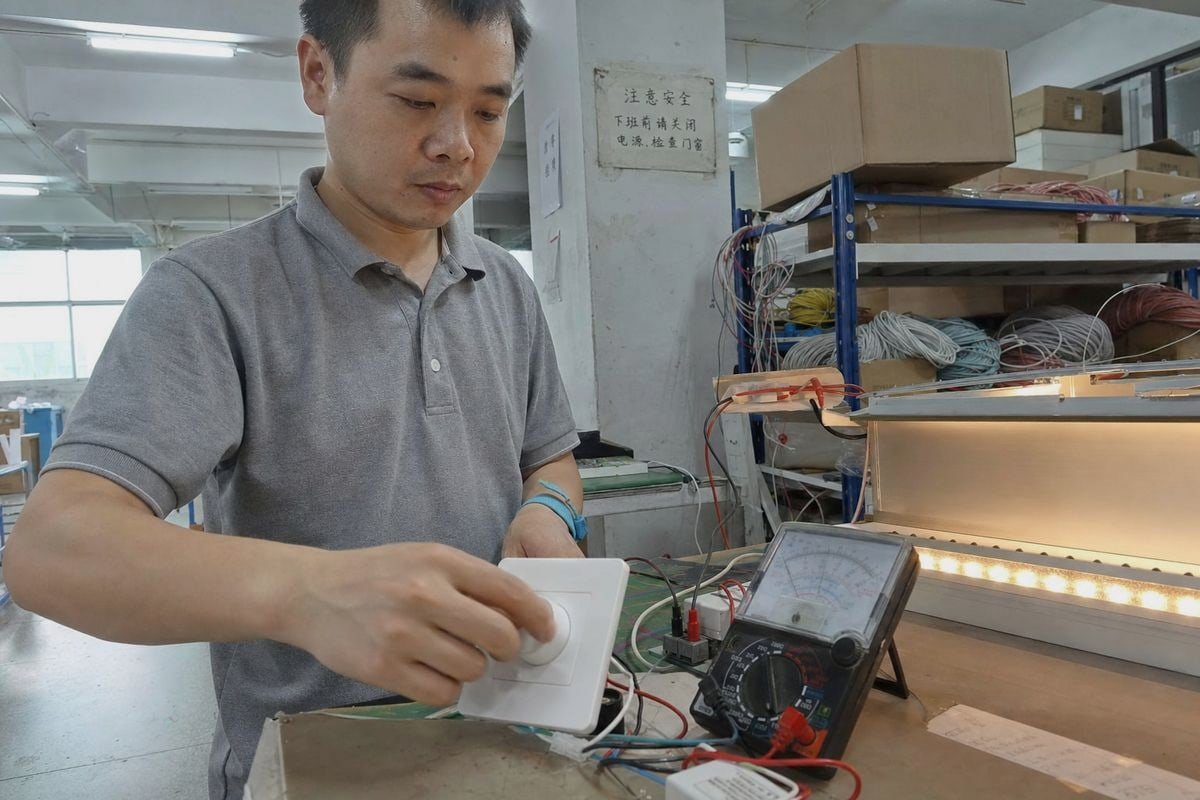
0–10V диммирование продолжает выигрывать коммерческие проекты освещения, и на нашей производственной линии в Шэньчжэне мы по-прежнему отгружаем больше 0–10V диммируемых LED-драйверов, чем любых других типов управления. Покупатели часто спрашивают меня, почему.
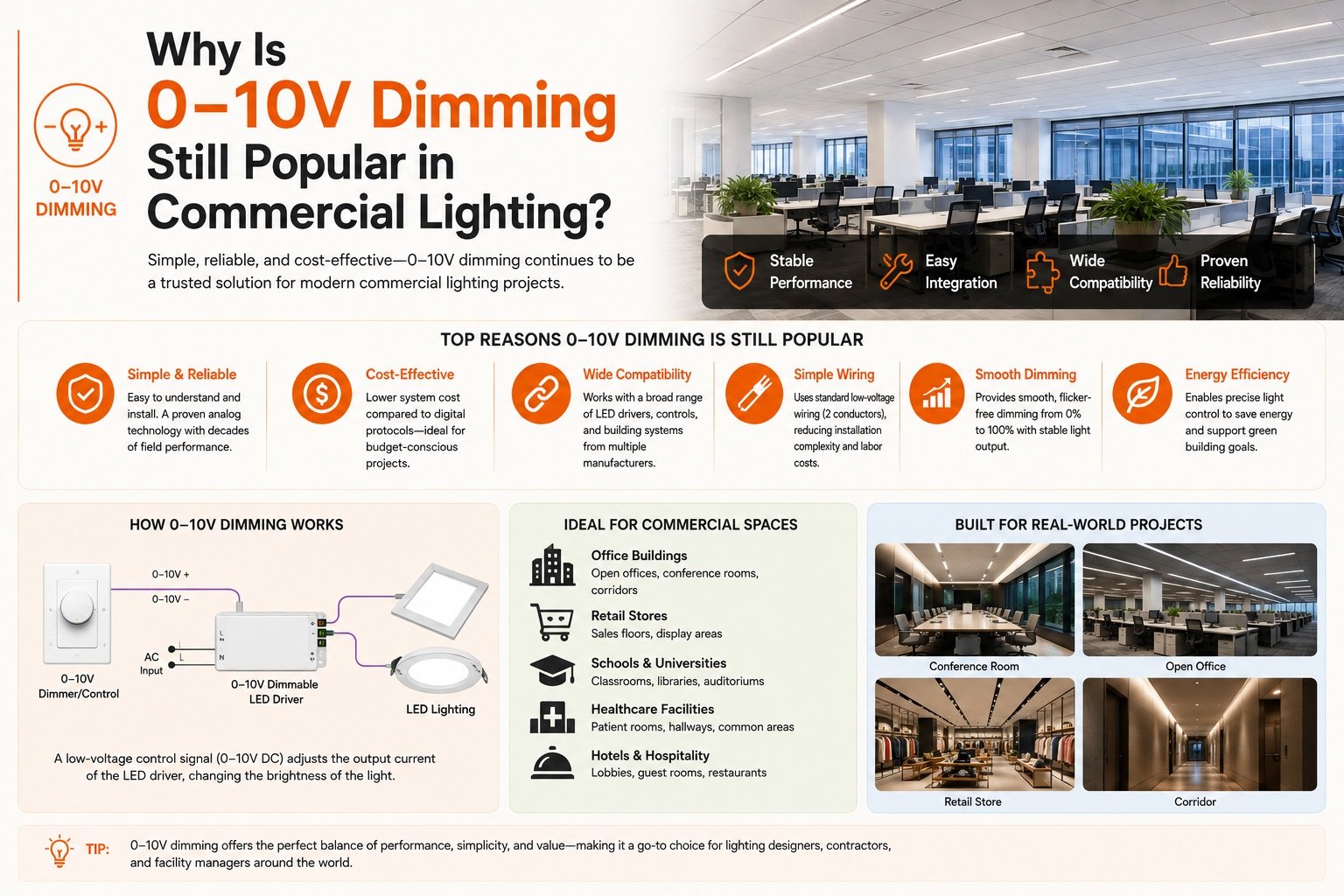
0–10V диммирование остается востребованным в коммерческом освещении, потому что оно простое, недорогое, надежное и универсально поддерживается LED-драйверами и системами управления. Оно использует отдельный низковольтный аналоговый сигнал для диммирования светильников, что упрощает установку, диагностику и модернизацию в офисах, на складах и в торговых помещениях.
Этот краткий ответ скрывает множество практических деталей. Ниже я расскажу, когда 0–10V является правильным выбором, как оно сравнивается с [DALI](https://boqiled.com/?p=17779), как гарантировать совместимость и как подбирать надежные драйверы.
Как понять, что 0–10V диммирование — правильный выбор для моего коммерческого проекта освещения?
В прошлом месяце менеджер по закупкам из Сингапура задал мне этот же вопрос о модернизации склада. Мы сопоставили потребности ее проекта с вариантами управления, и 0–10V победило практически по всем практическим пунктам.
Выбирайте 0–10V диммирование, когда вашему проекту требуется надежное диммирование, интеграция с датчиками и соответствие энергетическим нормам без необходимости адресации каждого светильника или сложной настройки. Оно подходит для офисов, школ, складов, розничных магазинов и высотных установок, особенно для модернизации, где уже существует низковольтная проводка управления.

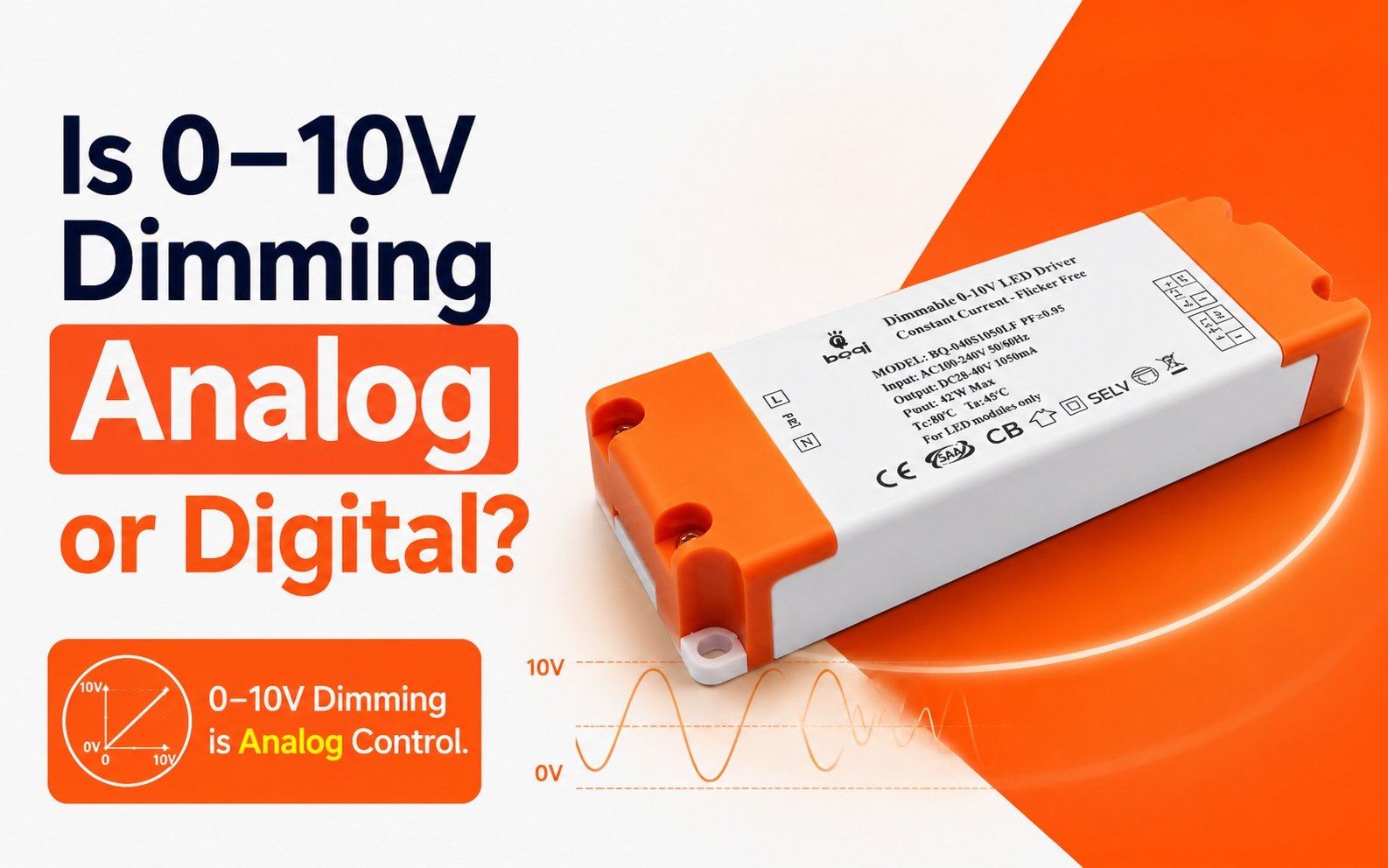
Решение обычно сводится к тому, что реально нужно помещению, а не к тому, что может самый продвинутый протокол. По моему опыту поддержки инженерных фирм в Юго-Восточной Азии и Европе, большинству коммерческих проектов нужно три вещи: плавное диммирование, совместимость с датчиками и метод управления, который уже знаком местному электрику. 0–10V обеспечивает все три, потому что оно разделяет аналоговый сигнал управления 1 от силовой цепи. Диммер или датчик отправляет постоянное напряжение от 0 до 10 вольт по двум низковольтным проводам, и драйвер соответствующим образом регулирует световой поток.
Краткий чек-лист соответствия проекту
Задайте себе эти вопросы перед принятием решения:
- Есть ли в здании уже проводка 0–10V или класса 2?
- Нужно ли вам диммирование по зонам, а не адресация каждого светильника?
- Ограничен ли бюджет как на оборудование, так и на работы по настройке?
- Удовлетворят ли датчики присутствия или сбор дневного света требованиям энергетических норм?
- Знают ли местные подрядчики, как обслуживать такую систему?
Если вы ответили «да» на три или более вопроса, 0–10V, скорее всего, ваш лучший выбор.
| Условия проекта | Соответствие 0–10V | Лучшая альтернатива |
|---|---|---|
| Модернизация с существующей низковольтной проводкой | Отлично | — |
| Открытый офис с зональным диммированием | Отлично | — |
| Высокопотолочные склады с датчиками присутствия | Отлично | — |
| Требуется мониторинг и аналитика каждого светильника | Слабая | DALI или сетевые системы управления |
| Частые смены сцен, настройка цветовой температуры | Ограниченное | DMX или беспроводные интеллектуальные системы |
Еще один момент, который стоит подчеркнуть: 0–10V имеет своего рода статус нормативной безопасной гавани. Это признанный предписывающий путь для соблюдения энергетических норм, таких как Title 24 в Калифорнии, поскольку светильник с 0–10V в паре с датчиками присутствия или фотоэлементом сбора дневного света удовлетворяет общим требованиям многоуровневого и непрерывного диммирования. Это соответствие нормам, а не только стоимость, — причина, по которой многие проектировщики продолжают выбирать его по умолчанию.
Какие преимущества я могу ожидать от 0–10V диммирования по сравнению с более новыми протоколами, такими как DALI?
Компромисс, который я постоянно взвешиваю при котировке проектов: DALI дает более богатые функции, но 0–10V драйверы стоят дешевле и настраиваются быстрее. Для многих наших оптовых клиентов эта математика сразу решает спор.
По сравнению с протоколом управления DALI, 0–10V предлагает более низкую стоимость оборудования, более простую установку без программной настройки, более легкую диагностику и inherent устойчивость, поскольку нет цифровой сети, которая может выйти из строя или быть взломана. DALI выигрывает только тогда, когда нужны адресуемость, обратная связь или аналитика каждого светильника.
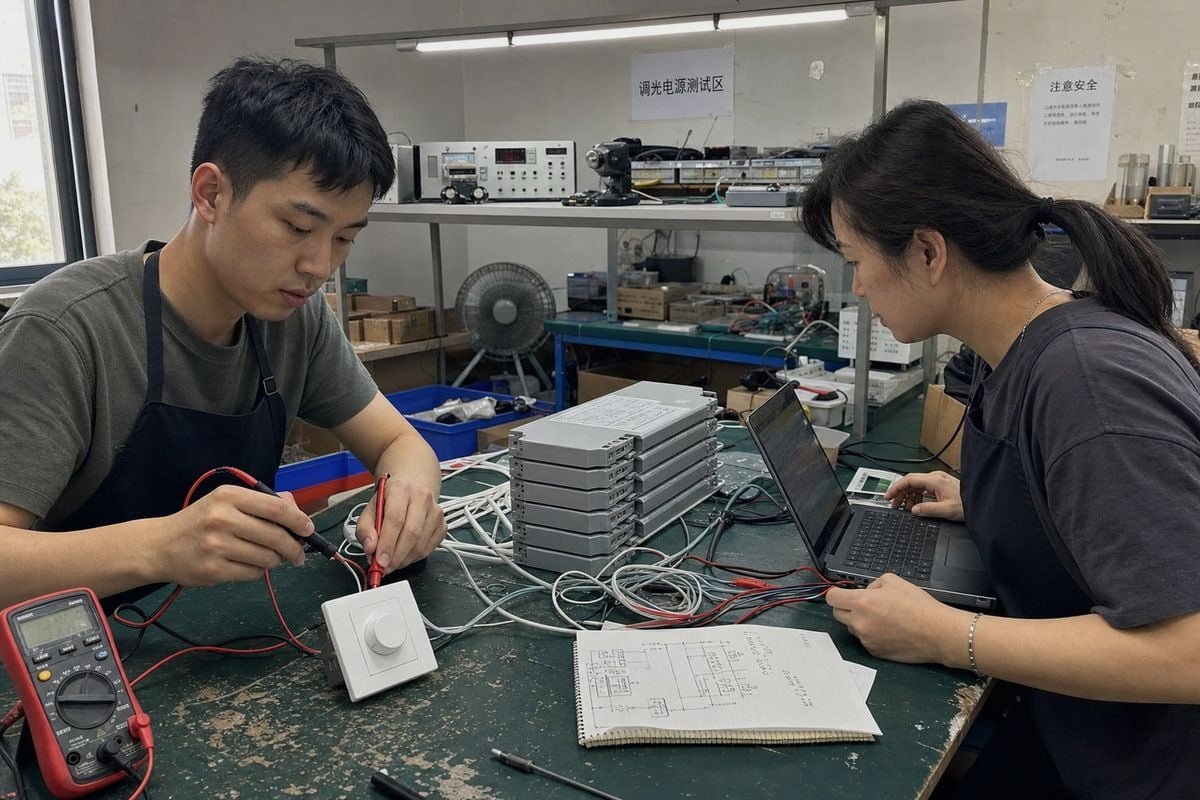
Вот честное сравнение, представленное так, как я его показываю покупателям на выставках:
| Фактор | диммировании 0–10V | Протокол управления DALI |
|---|---|---|
| Первоначальная стоимость | Низкая | Заметно выше |
| Ввод в эксплуатацию | Не требуется; подключи и работай | Требуется программная адресация |
| Адресность | Только на уровне зон | Индивидуальное управление светильниками |
| Обратная связь и диагностика | Нет | Отчетность о состоянии каждого драйвера |
| Поиск и устранение неисправностей | Мультиметр и базовые навыки | Обученный техник или программное обеспечение |
| Риски кибербезопасности | Отсутствуют; изолированный аналоговый контур | Зависит от сетевой интеграции |
| Масштабируемость на контроллер | Тысячи ватт на цепи 277 В | Ограничено количеством устройств на шине |
Где 0–10V действительно превосходит
Самые сильные преимущества — практические, а не технические. Нет программного слоя, поэтому нечего настраивать неправильно. Подрядчик может проверить аналоговый управляющий сигнал обычным мультиметром. Изолированный низковольтный контур невосприимчив к сетевым атакам, что некоторые наши корпоративные клиенты теперь указывают как формальное требование. А поскольку один диммер может управлять очень большими нагрузками, промышленные и высокопролетные установки масштабируются недорого.
Есть также аргумент долговечности. Затемнение напрямую снижает выходную мощность и нагрев драйвера, что продлевает срок службы светильника. Меньшее количество микропроцессоров в цепи управления также означает меньше электронных отходов за весь срок службы системы.
Где честно стоит уступить DALI
Я никогда не говорю покупателям, что 0–10 В превосходит все остальные, потому что это не так. Он не может сообщить о вышедшем из строя драйвере. Он не может предоставить данные по энергопотреблению каждого светильника. Если клиенту нужна аналитика по всему зданию или гибкое перезонирование без перемонтажа проводки, я рекомендую DALI или сетевую систему 2, иногда используя беспроводные узлы 0–10 В как мостовую технологию для интеграции устаревших светильников в сети IoT. 0–10 В — это самый прагматичный выбор, а не самый функциональный. Его устойчивость отражает общую экономику проекта: стоимость установки, знакомство и надежность, а не чистое техническое превосходство.
Как обеспечить совместимость между моими 0–10V драйверами и существующими системами управления зданием?
Один урок, который я усвоил на собственном опыте: в начале нашего экспортного бизнеса партия драйверов отлично затемнялась в нашей лаборатории, но мерцала на низких уровнях на старом пульте управления клиента. Причиной было расхождение между sinking и sourcing током.
Проверьте три вещи: подает ли система управления ток (sourcing) или принимает его (sinking), соответствует ли кривая затемнения драйвера выходу контроллера, и соответствует ли минимальный уровень затемнения вашей спецификации. Также подтвердите разделение проводки класса 2, полярность и максимальную длину контура управления до установки.
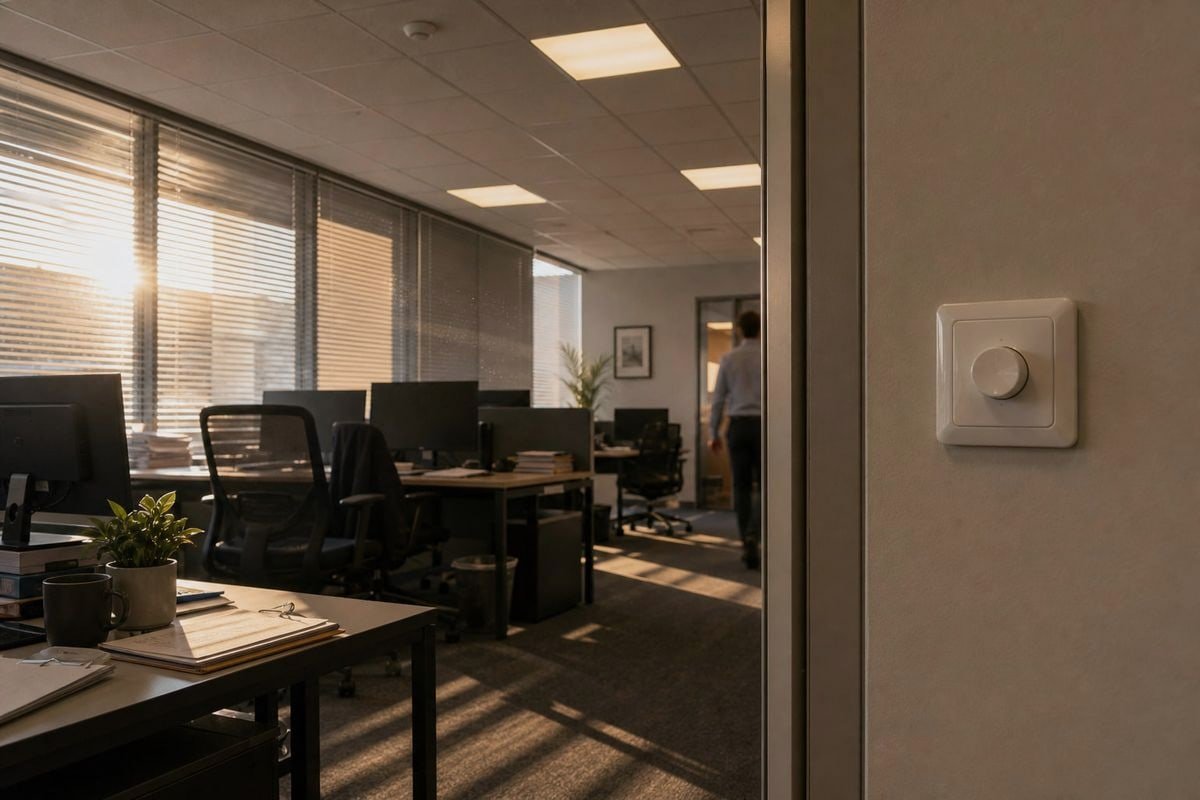
Проблемы совместимости — это самый частый запрос в нашу службу поддержки, и почти все их можно предотвратить. 0–10 В стандартизирован в принципе, с давним признанием в IEC 60929 Приложение E, а стандарты NEMA определяют, как светодиодные драйверы должны реагировать во всем диапазоне управления. Но реальные реализации различаются между брендами. Поэтому совместимость светодиодных драйверов необходимо проверять, а не предполагать.
Пять проверок, которые я провожу для каждого клиента
- Подача или прием тока (sourcing или sinking). Большинство светодиодных драйверов 0–10 В подают управляющий ток, а диммер принимает его. Старые контроллеры эпохи люминесцентных ламп иногда работают наоборот. Несоответствие приводит к полному отсутствию затемнения или нестабильному поведению.
- Кривая затемнения. Линейные и логарифмические кривые влияют на то, как яркость отслеживает ручку или датчик. Если ваш системы автоматизации зданий 3 ожидает линейную реакцию, укажите драйвер с линейной кривой.
- Минимальный уровень затемнения. Некоторые драйверы затемняются до 10 процентов, другие — до 1 процента или 0,1 процента. Подтвердите спецификацию, прежде чем обещать клиенту плавную работу на низких уровнях.
- Класс проводки и полярность. Пара управления обычно относится к проводке класса 2. Держите ее отдельно от сетевых проводников в соответствии с местными нормами и никогда не меняйте местами фиолетовый и серый провода.
- Длина контура и количество светильников. Длинные линии управления и большие группы светильников создают падение напряжения на аналоговом сигнале. Рассчитайте общий принимаемый ток (sink current) относительно номинала контроллера.
Интеграция с датчиками и автоматизацией
Современные датчики присутствия и фотоэлементы дневного света выдают 0–10 В нативно, поэтому интеграция обычно сводится к подключению проводов. Для централизованных систем автоматизации зданий модуль выхода 0–10 В позволяет BAS затемнять целые зоны без преобразования протокола. Некоторые драйверы принимают широтно-импульсную модуляцию на тех же клеммах; подтвердите, какой тип сигнала фактически отправляет ваш контроллер. Когда наши инженеры разрабатывают индивидуальные драйверы для OEM-клиентов, мы тестируем их на реальном управляющем оборудовании клиента до начала массового производства, потому что совпадение по документации — это не то же самое, что совпадение, подтвержденное на стенде.
Что следует учитывать при подборе надежных 0–10V диммируемых LED-драйверов для следующего проекта?
Менеджер по закупкам одного из наших европейских дистрибьюторов однажды сказала мне, что ее настоящий страх — не цена; это мерцающая партия, прибывающая за две недели до дедлайна проекта. Критерии выбора поставщика должны быть построены именно вокруг предотвращения этого.
Отдавайте приоритет поставщикам, которые публикуют данные о характеристиках затемнения, предлагают тестирование образцов с вашими системами управления, имеют соответствующие сертификаты безопасности для вашего рынка, обеспечивают безмерцательное глубокое затемнение и поддерживают продукцию технической поддержкой. Проверьте, что драйверы постоянного тока соответствуют спецификациям ваших светильников, перед заказом объема.
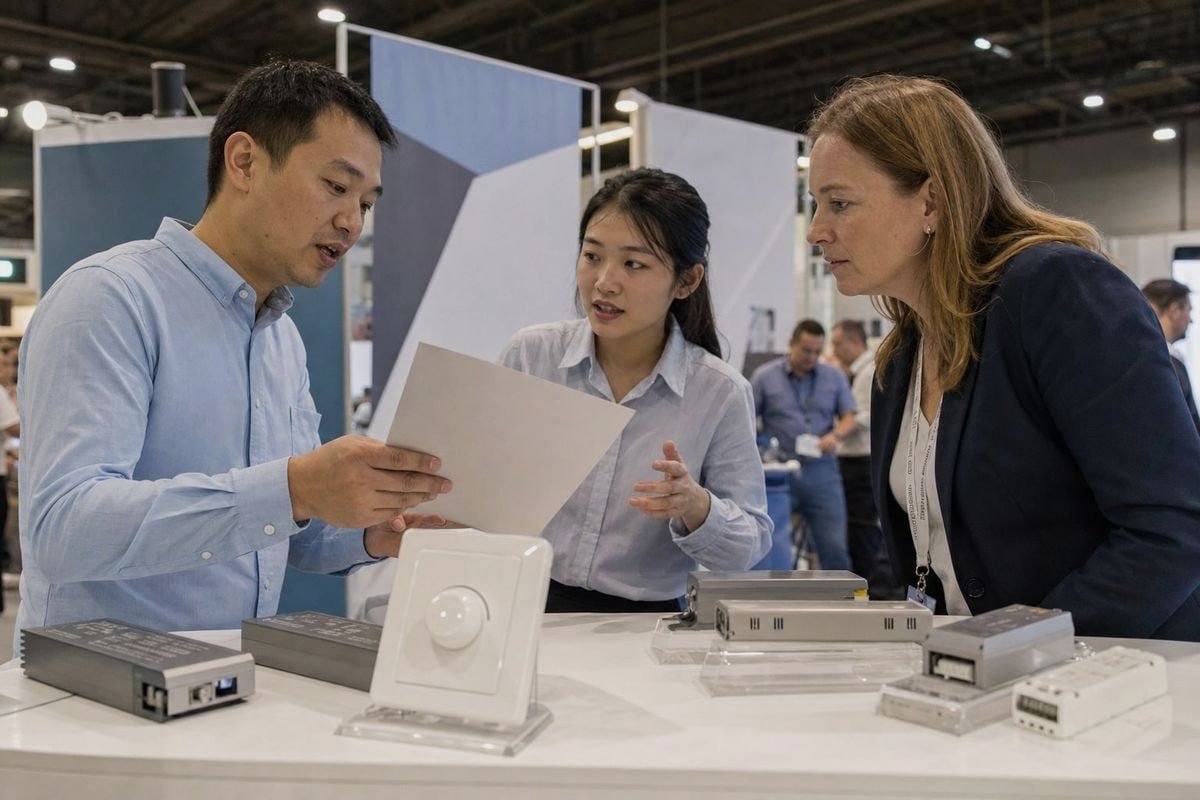
Выбор драйверов 0–10 В выглядит простым, потому что протокол прост. В реальности качество драйверов сильно различается, и именно на низковольтной стороне управления дешевые продукты экономят. За годы поставок осветительным дистрибьюторам и инженерным фирмам в Азии, Европе и Австралии я выработал чек-лист, который отделяет надежных поставщиков от рискованных.
Что требовать от поставщика
| Критерий выбора поставщика | Почему это важно | Что запрашивать |
|---|---|---|
| Диапазон затемнения и плавность | Плохое затемнение на низких уровнях вызывает видимое мерцание и ступенчатость | Тестовое видео или отчет, показывающий затемнение до 1% без мерцания |
| Точность драйверов постоянного тока | Допуск выходного тока влияет на согласованность яркости между светильниками | Допуск по току, обычно в узком диапазоне |
| Сертификаты безопасности | Требуется для вашего рынка импорта | Сертификаты, соответствующие стране назначения |
| Защита от перенапряжений и перегрева | На коммерческих объектах возникают скачки напряжения и нагрев | Номинальная стойкость к перенапряжениям и диапазон рабочих температур |
| Проверка образцов | Технические описания не выявляют проблемы интеграции | Предсерийные образцы, протестированные с вашими реальными диммерами |
| Гибкость OEM/ODM | Покупателям под частной маркой нужны индивидуальный брендинг и характеристики | Настройка логотипа и условия совместной разработки |
Думайте об общей стоимости проекта, а не о цене за единицу
Самый дешевый драйвер редко оказывается выгодным, если учесть отказы, задержки поставок и гарантийные рекламации. Для соблюдения энергетических норм также нужны драйверы, чье поведение при диммировании 4 задокументировано, поскольку инспекторы все чаще проверяют непрерывность диммирования, а не только наличие диммера. Спрашивайте поставщиков, как они проводят прожиг и контроль качества каждой партии. На нашем производстве каждый диммируемый драйвер проходит тест на старение и проверку кривой диммирования перед упаковкой, потому что одна плохая партия наносит ущерб репутации дистрибьютора гораздо сильнее, чем нашей. Наконец, фиксируйте сроки поставки в письменном виде. Жесткие сроки проектов — самая частая проблема, о которой я слышу от покупателей, и поставщик, который честно сообщает о своих мощностях, заслуживает небольшой наценки.
Заключение
Диммирование 0–10В сохраняется, потому что коммерческие проекты ценят простоту, надежность и низкую совокупную стоимость. Сопоставьте его с потребностями вашего проекта, проверьте совместимость и выбирайте драйверы у поставщиков, которые подтверждают качество.
Сноски
Официальный сайт комиссии, стандартизирующей аналоговые и цифровые интерфейсы управления для электротехнологий. ↩︎
Подробный обзор протокола Digital Addressable Lighting Interface, используемого для высококлассного коммерческого управления освещением. ↩︎
Ведущая отраслевая ассоциация электротехнической промышленности, предоставляющая технические стандарты для систем управления освещением. ↩︎
Официальный сайт энергетической комиссии Калифорнии с описанием стандартов энергоэффективности зданий и требований к коммерческому освещению. ↩︎