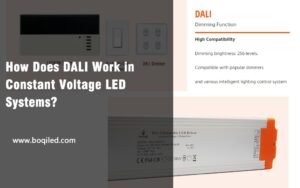











Dimming LEDs isn’t always plug-and-play—especially when old and new tech collide.
A TRIAC dimmer controls brightness by chopping the AC power wave using a semiconductor switch, offering a simple and affordable solution for many lighting retrofits.
Many homes and older buildings still rely on TRIAC-based dimming. If you want to use it with LEDs, there are a few things you really need to know to avoid flickering, buzzing, or dead drivers.
Introduction to TRIAC Dimming: What Is a TRIAC Dimmer?
If you’ve ever installed a wall dimmer at home, you’ve probably used TRIAC technology—even if you didn’t know it.
A TRIAC dimmer is an AC phase-cut device that uses a TRIAC semiconductor to reduce the amount of voltage delivered to a light, effectively dimming it.
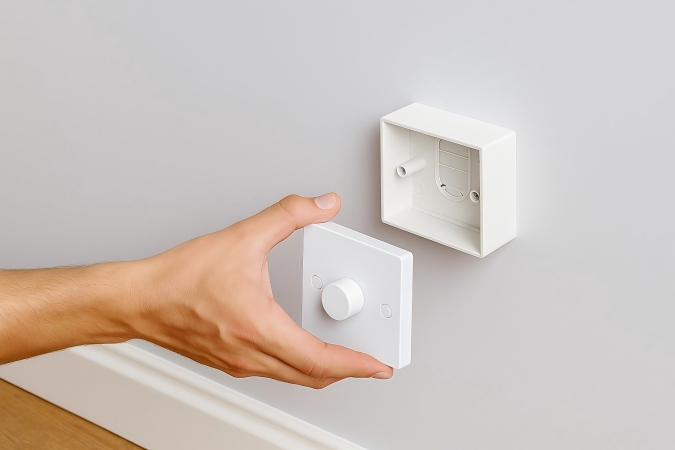
What is TRIAC?
- TRIAC stands for Triode for Alternating Current.
- It’s a solid-state switch that turns on and off during the AC power cycle.
- It “cuts” part of the sine wave to reduce power going to the light.
This makes it simple, low-cost, and effective—especially for older incandescent or halogen lamps.
How a TRIAC Dimmer Works: The Phase-Cut Principle Explained
You don’t need to change the voltage to dim a light—just reshape it. That’s what TRIAC does.
A TRIAC dimmer works by cutting off a portion of the AC waveform in each cycle, reducing the average power sent to the light fixture.
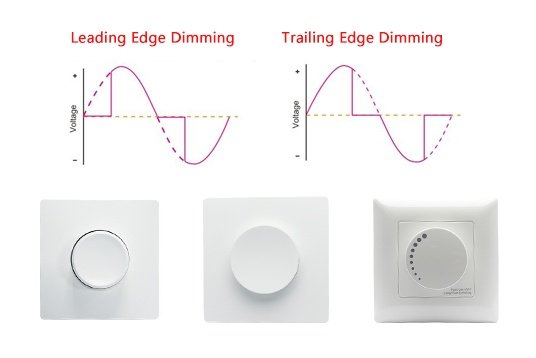
How it reshapes the AC wave
- In a 50Hz system, AC completes 100 half-cycles per second.
- The TRIAC delays the start of each half-cycle.
- The longer it waits, the less energy reaches the light.
- This delay is called the phase angle.
| Phase Angle | Light Output |
|---|---|
| 0° | 100% |
| 90° | 50% |
| 135° | ~25% |
| 180° | 0% |
This method is known as leading-edge dimming, and it’s the original way dimming was done with AC power.
Key Features and Electrical Requirements of TRIAC Dimmers
TRIAC dimming looks simple, but it places specific demands on your circuit.
TRIAC dimmers require a minimum load, work best with resistive loads, and need compatible drivers when used with LEDs.
Electrical behavior you need to know
Minimum Load
- Most TRIAC dimmers won’t function below a certain wattage (often ~5W).
- Below this, flickering or no dimming can occur.
Inrush Current
- LED drivers can create high inrush that damages TRIAC dimmers.
- Choose dimmers rated for electronic loads.
Heat Dissipation
- TRIACs generate heat during operation.
- Make sure the dimmer is properly rated for enclosed spaces.
| Parameter | Typical Requirement |
|---|---|
| Load Type | Resistive/Incandescent |
| Minimum Load | 15–25W |
| Max Load | Depends on model |
| Compatible Drivers | Leading-edge required |
Types of Phase-Cut Dimming: Leading Edge vs. Trailing Edge
TRIAC isn’t the only way to chop a waveform. And choosing the wrong type can ruin your LED performance.
Phase-cut dimming comes in two types: leading-edge (used by TRIACs) and trailing-edge (often used by MOSFETs), each with unique electrical behavior.
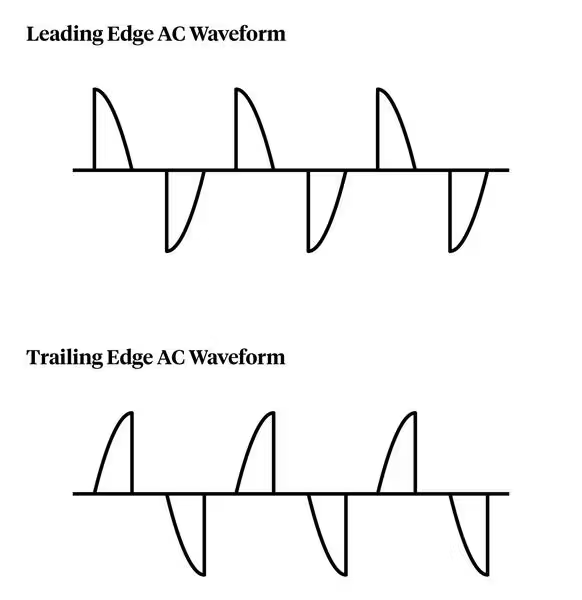
Key differences
Leading Edge (TRIAC)
- Cuts the front of the AC waveform.
- High inrush, more electromagnetic interference.
- Works with older bulbs and many LED drivers.
Trailing Edge (ELV)
- Cuts the end of the waveform.
- Smoother, less noisy.
- Better for low-wattage LEDs and electronic drivers.
| Funktion | Leading Edge (TRIAC) | Trailing Edge (ELV) |
|---|---|---|
| Cut Position | Start of waveform | End of waveform |
| Load Compatibility | Resistive, some LEDs | Electronic, most LEDs |
| Kostnad | Lower | Higher |
| Flicker Potential | Medium-High | Low |
Applications: Where TRIAC Dimmers Are Commonly Used
TRIAC dimmers might seem outdated—but they’re still everywhere.
TRIAC dimmers are most common in residential lighting, small commercial spaces, and retrofit projects using existing AC wiring.

Where they fit best
- Residential homes with incandescent or halogen lights
- LED retrofits using TRIAC-compatible drivers
- Hotel rooms and small offices
- Restaurants with mood lighting needs
Why they’re used:
- Easy to install with existing wiring
- Compatible with standard wall plates
- Low cost compared to digital systems
Benefits of Using TRIAC Dimmers in LED Lighting
TRIAC dimmers remain popular for a reason. When used properly, they’re simple and effective.
TRIAC dimmers offer a cost-effective, plug-and-play dimming solution for many LED retrofit and new-build applications.
What makes them appealing
- Cost-Effective: No extra control wires needed.
- Widely Available: Easy to source and replace.
- Simple Integration: Works with standard wall wiring (200–240V).
- User-Friendly: Familiar interface with knobs or sliders.
They’re ideal when the budget is tight, or the wiring is already in place.
Compatibility Considerations: LED Drivers & Load Types
This is where many TRIAC dimmer installations go wrong.
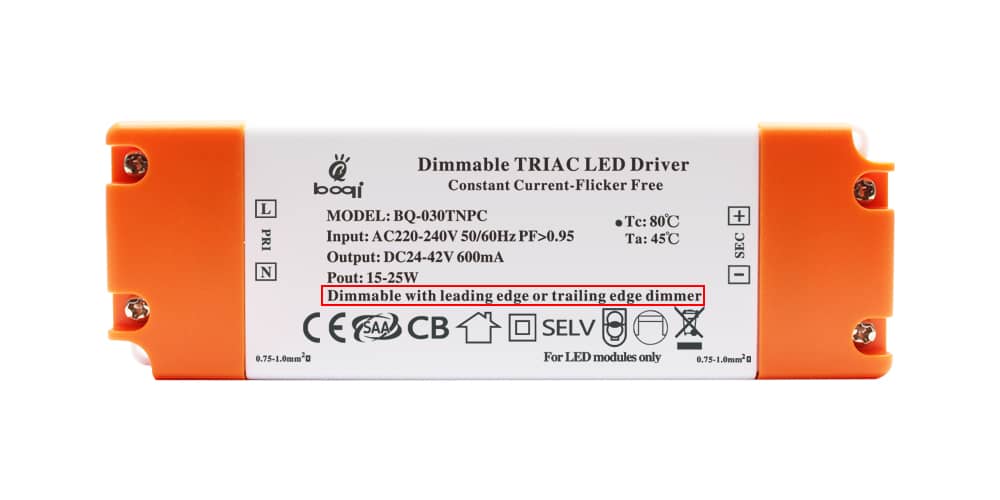
TRIAC dimmers require LED drivers specifically designed to accept phase-cut signals, or else they won’t dim correctly—or at all.
Key points for compatibility
- Use Phase-Dimmable Drivers: Check for “TRIAC dimmable” or “phase-cut compatible” in specs.
- Avoid Constant Voltage Mismatches: Drivers must match fixture requirements (CV vs. CC).
- Minimum Load: Stay above dimmer’s minimum wattage rating.
- Avoid Smart Bulbs: Many smart LEDs don’t respond well to phase dimming.
Always check the datasheets—for both dimmer and driver.
Installation Guidelines for TRIAC Dimmers
Installing a TRIAC dimmer is simple, but it’s easy to mess up small details.
To install a TRIAC dimmer safely, turn off power, verify wiring configuration, and ensure load type and wattage match the dimmer’s specs.

Basic steps
- Turn off circuit breaker.
- Remove existing wall switch.
- Identify line (hot), load, and neutral wires.
- Connect wires according to dimmer instructions.
- Mount dimmer and secure plate.
- Restore power and test operation.
Avoid pairing it with a fan or inductive load unless specified.
Common Issues and Troubleshooting Tips
Even a working TRIAC dimmer can cause issues if the system isn’t matched correctly.
Flickering, buzzing, or no response often indicates incompatibility between the dimmer and the LED driver.
| Issue | Likely Cause |
|---|---|
| Flickering | Dimmer below minimum load, or bad match |
| Buzzing | EMI from driver, dimmer too small |
| Light won’t turn on | Driver not phase-dimmable |
| Uneven dimming | Incompatible driver or low-quality dimmer |
Always test the system with a single light before scaling to multiple fixtures.
TRIAC vs. 0–10V vs. DALI: A Quick Comparison
Not all dimming systems are the same. TRIAC is just one option among many.
TRIAC is best for basic residential setups, while 0–10V and DALI offer better performance and control for modern commercial spaces.
| Funktion | TRIAC | 0–10V | DALI |
|---|---|---|---|
| Control Type | AC Phase-cut | Analog Voltage | Digital Signal |
| Wires Needed | 2 (line/load) | 2 extra low-voltage | Bus-based network |
| Kostnad | Low | Medium | High |
| Flicker Risk | Medium-High | Low | Very Low |
| Control Flexibility | Low | Medium | High (scenes, groups) |
Choose TRIAC when retrofitting old systems or working with small-scale projects.
Why Choose BOQI TRIAC Dimmers: Performance, Support, and Flexibility
Not all TRIAC dimmers are created equal—and we’ve designed ours to exceed expectations.
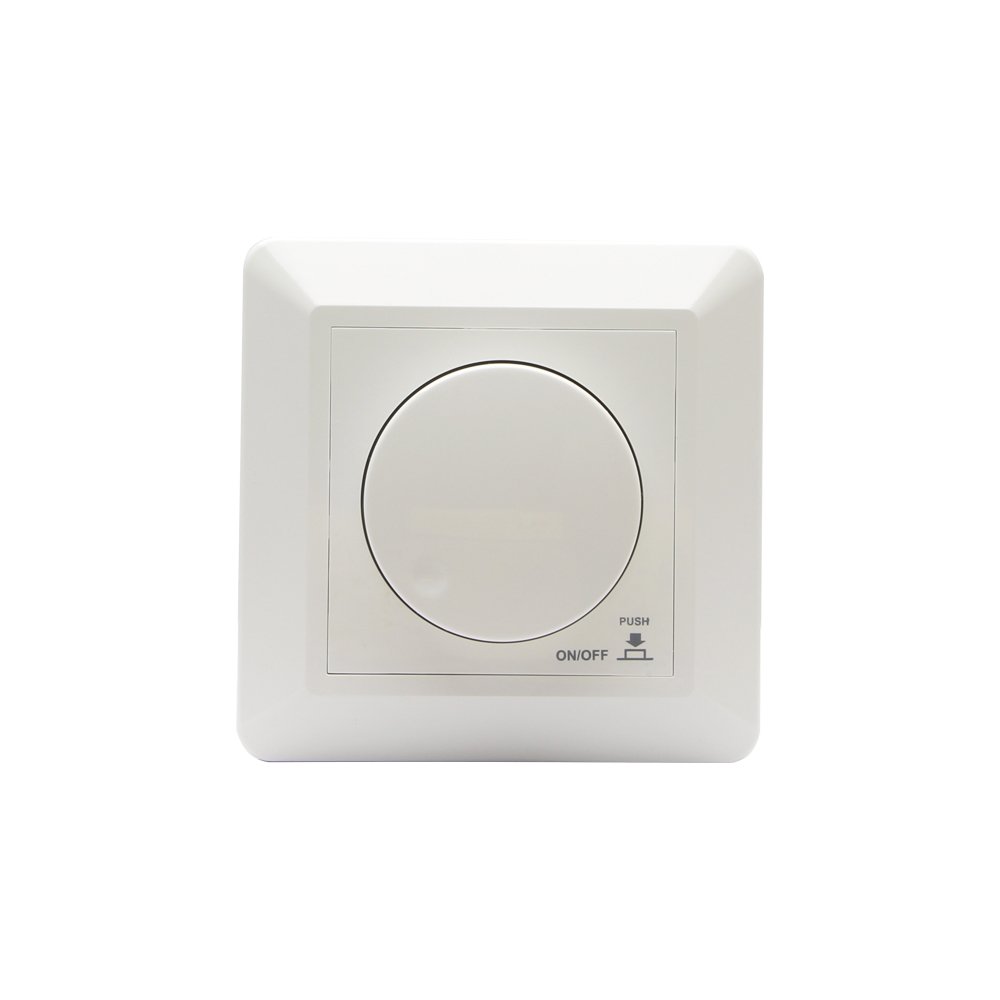
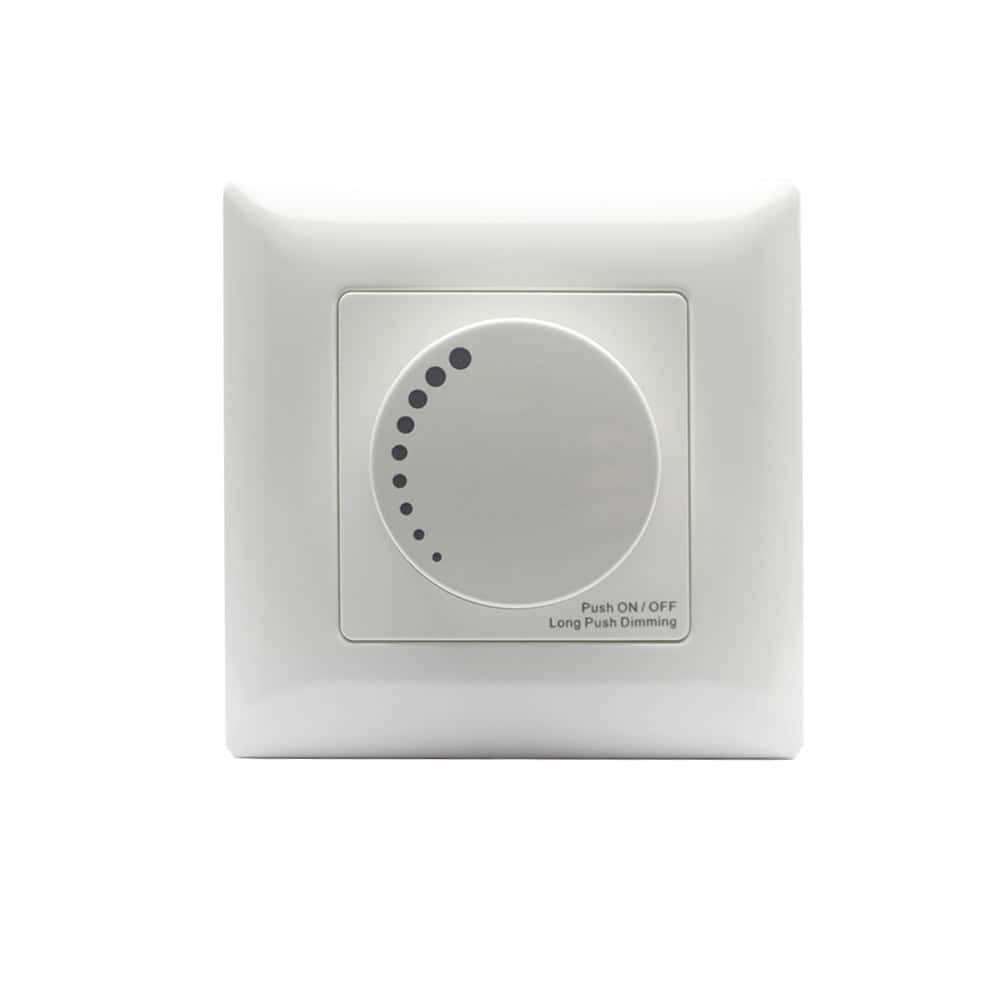
boqi’s TRIAC dimmers are built for modern LED compatibility, with smooth dimming, high surge tolerance, and broad driver support.



What sets BOQI apart:
- Certified for global markets (CE, EMC, LVD, RoHS etc.)
- Deep dimming down to 1% or lower
- Available for both leading and trailing edge
- OEM/ODM customization available
- Excellent thermal management for long life
We’ve supported hundreds of lighting projects with dimmers that just work—right out of the box.
FAQs About TRIAC Dimming Technology
Can TRIAC dimmers be used with LEDs?
Yes, but only with LED drivers labeled “TRIAC dimmable” or “phase-cut compatible.”
Why is my LED flickering with a TRIAC dimmer?
It could be below the minimum load, or the dimmer and driver are incompatible.
What’s the difference between TRIAC and ELV dimmers?
TRIAC is leading-edge (cuts beginning of wave); ELV is trailing-edge (cuts end), better for LEDs.
Do I need a neutral wire?
Some TRIAC dimmers require a neutral wire—check the installation guide.
Slutsats
TRIAC dimmers remain a valuable tool for affordable, AC-based dimming—especially when matched with the right LED drivers and used in retrofit or residential applications.