










Looking to control your LED brightness easily and reliably? 0–10V dimmers might be the perfect solution.
A 0–10V dimmer is a lighting control device that adjusts brightness using a low-voltage DC signal from 0V (dim/off) to 10V (full brightness). It’s widely used for LED and fluorescent fixtures in commercial lighting systems.
This article will help you understand how 0–10V dimming works, its system components, real-life applications, and how it compares to other dimming methods like DALI and TRIAC. If you’re in the lighting business, this is everything you need to know.
Understanding the Basics of 0–10V Dimming?
Many lighting professionals struggle to find the right dimming solution for commercial projects. Without the right knowledge, it’s easy to mismatch drivers and dimmers.
0–10V dimming works by sending a low-voltage control signal to LED drivers, which then adjusts the light output based on the voltage level.
A Simple, Analog Way to Dim
The 0–10V protocol is one of the oldest and simplest lighting control methods. It’s analog, not digital, which means it works by changing voltage levels directly, without the need for signal conversion. That makes it reliable and cost-effective.
Key Points to Understand
| Feature | Description |
|---|---|
| Voltage Range | 0V to 10V DC |
| 0V = Minimum Brightness | Usually lights off or lowest brightness |
| 10V = Full Brightness | Lights at 100% output |
| Signal Type | Analog, continuous control |
| Compatibility | LED drivers must have a 0–10V input interface |
It’s often used in commercial spaces because of its simplicity and ability to control multiple fixtures in a synchronized way.
How Does a 0–10V Dimmer Work?
It’s common to think that a dimmer just “lowers power,” but 0–10V systems work a bit differently.
A 0–10V dimmer sends a control voltage to the driver, which translates that signal into a corresponding brightness level.
Breaking Down the Mechanism
1. Control Voltage
The dimmer acts like a variable resistor or a signal generator. It outputs a DC voltage between 0 and 10 volts.
2. LED Driver Response
The driver has an internal circuit that reads this voltage and adjusts the output current to the LED module. This results in dimming.
| Control Voltage | Output Brightness |
|---|---|
| 0V | 0% (off or minimum) |
| 1V | 10% |
| 5V | 50% |
| 10V | 100% |
3. Signal Behavior
- Passive 0–10V: The dimmer doesn’t supply voltage; the driver does. The dimmer sinks current.
- Active 0–10V: The dimmer supplies the voltage.
Most commercial projects use the passive method because it’s easier to integrate with existing wiring.
Key Components in a 0–10V Dimming System?
If just one part doesn’t match, the whole system may not dim correctly—or at all.
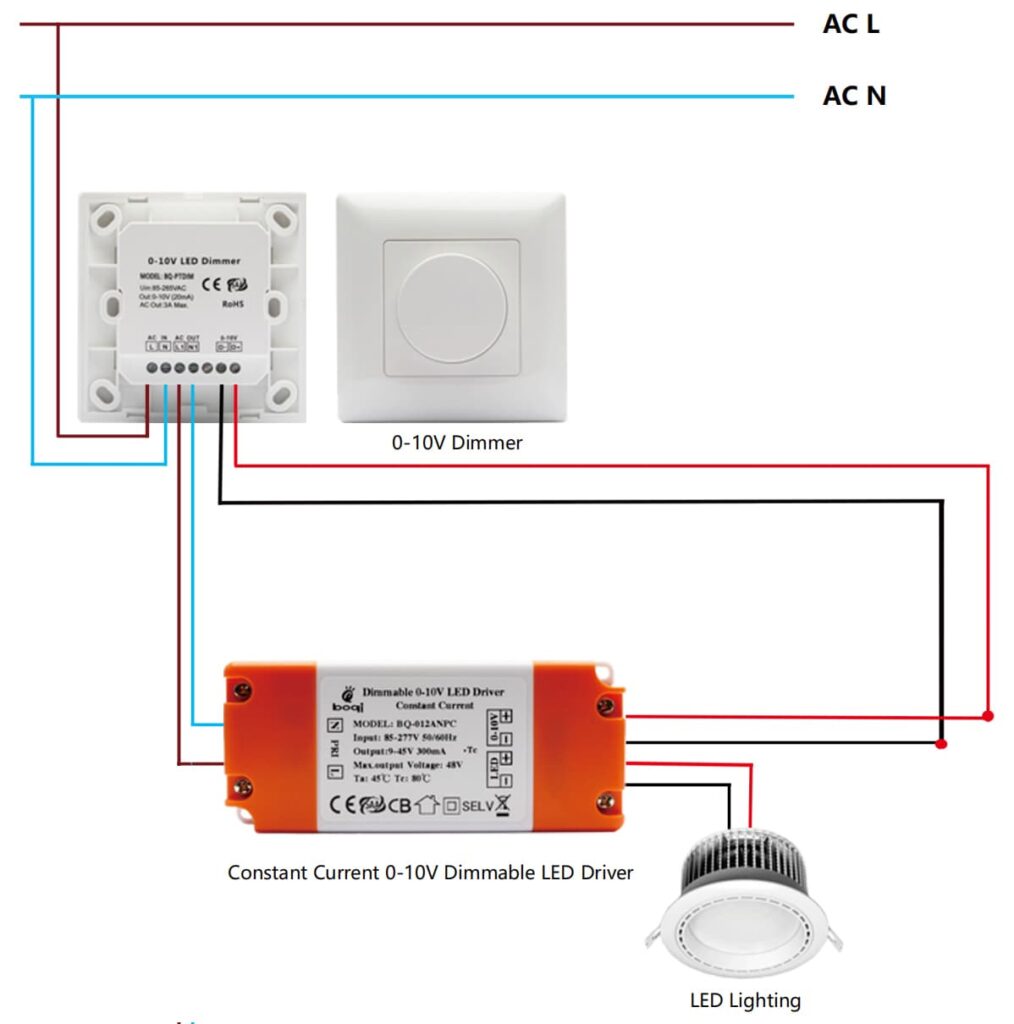
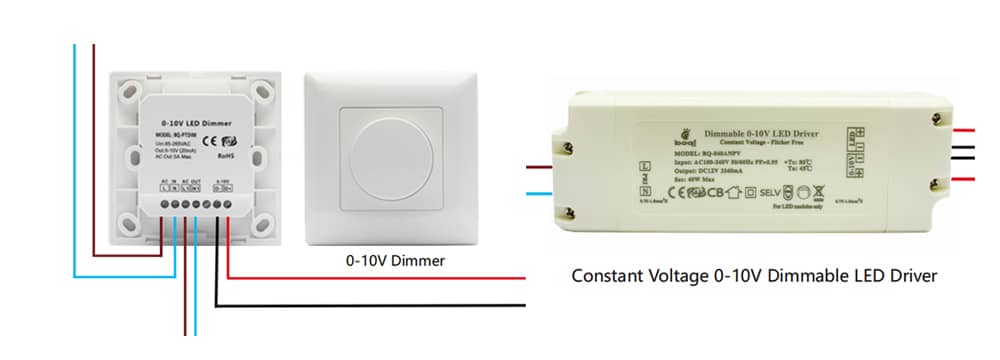
A basic 0–10V dimming system includes a compatible LED driver, a 0–10V dimmer, and proper low-voltage wiring.
What Makes Up the System
Compatible LED Driver
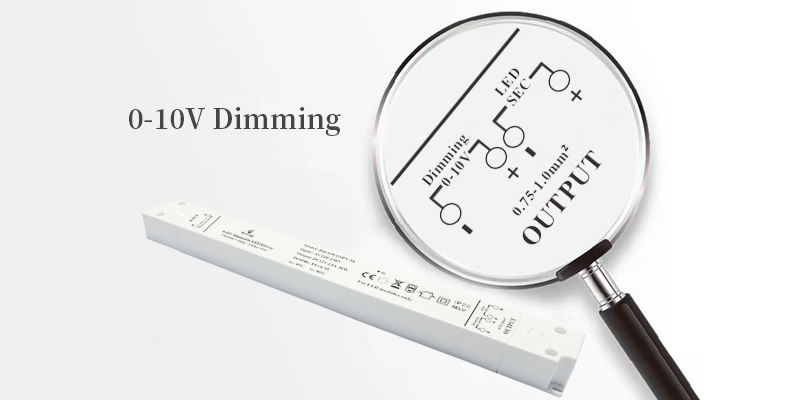
You need a driver with a 0–10V dimming input. Look for clear labeling like “DIM+ / DIM–” or “Vdim”.
0–10V Dimmer
These dimmers can be wall-mounted or integrated into a larger building management system. They output the 0–10V signal.
Wiring Setup
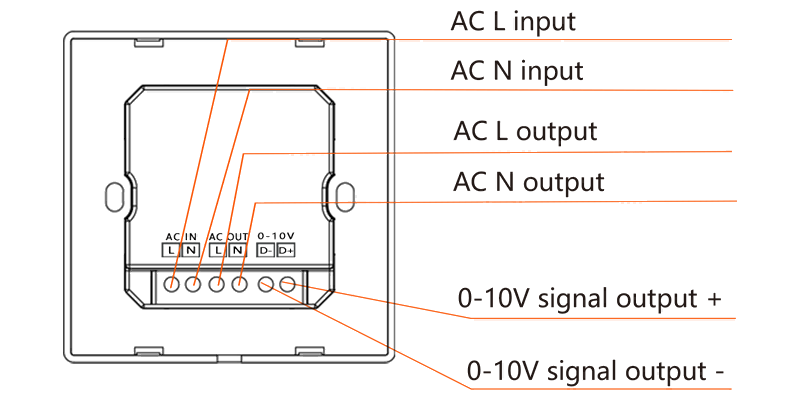
You’ll use 2 wires for AC input, 2 for DC output to the LED module, and 2 extra wires (usually purple and gray) for the 0–10V signal.
| Wire Color | Function |
|---|---|
| Black | AC Line |
| White | AC Neutral |
| Red/Blue | LED Output |
| Purple | 0–10V Positive Signal |
| Gray | 0–10V Negative Signal |
Getting the wiring right is essential for smooth dimming without flicker.
Benefits of Using 0–10V Dimmers in LED Lighting?
Many buyers ask: why choose 0–10V when there are other modern options?
0–10V dimmers offer smooth dimming, high compatibility, and are ideal for large commercial installations.
Why I Recommend It Often
Energy Efficiency
By dimming lights to lower levels when full brightness isn’t needed, energy use drops significantly.
Smooth Dimming Curve
Unlike TRIAC dimmers, 0–10V provides smooth, flicker-free dimming across the full range.
Flexibility
You can control many drivers from a single dimmer, which is great for spaces with dozens or hundreds of fixtures.
| Benefit | Explanation |
|---|---|
| Flicker-Free | Stable signal avoids visible light flicker |
| Broad Compatibility | Works with many LED drivers |
| Cost-Effective | Simple to install and maintain |
| Scalable | One controller can manage multiple fixtures |
Applications of 0–10V Dimming in Real Projects?
Wondering if 0–10V is right for your project?
0–10V dimming is ideal for offices, schools, warehouses, and retail stores where consistent light control is important.

Where Professionals Use It
Commercial Buildings
In open offices and conference rooms, 0–10V dimming helps control light levels to reduce glare and eye strain.
Warehouses
With daylight harvesting systems, you can dim lights automatically based on natural light levels.
Retail and Hospitality
Smooth dimming improves the ambiance without flickering, which is essential in high-end stores and restaurants.
| Application Area | Reason to Use 0–10V |
|---|---|
| Offices | Lighting zones, glare control |
| Retail | Ambient control, product presentation |
| Warehouses | Energy savings, motion + daylight sensors |
| Schools | Comfortable learning environments |
0–10V vs DALI vs TRIAC: What’s the Difference?
It’s easy to get confused by all the dimming protocols out there.
0–10V is analog, DALI is digital, and TRIAC works on AC phase-cut. Each has its own pros and cons.
Side-by-Side Comparison
| Feature | 0–10V | DALI | TRIAC |
|---|---|---|---|
| Signal Type | Analog (DC) | Digital (2-way) | AC Phase-cut |
| Dimming Quality | Smooth | Precise | Can flicker at low % |
| Wiring | Extra low-voltage | Digital BUS | Standard AC wiring |
| Cost | Low | Medium to high | Low |
| Use Case | Commercial | Complex buildings | Residential |
Choosing the Right One
- Choose 0–10V if you want simplicity, wide compatibility, and good performance.
- Choose DALI if you need addressable lighting or advanced scene control.
- Choose TRIAC only if you’re working with legacy systems or want low-cost residential dimming.
Installation Tips and Best Practices?
Poor installation is the #1 reason 0–10V dimming fails or flickers.
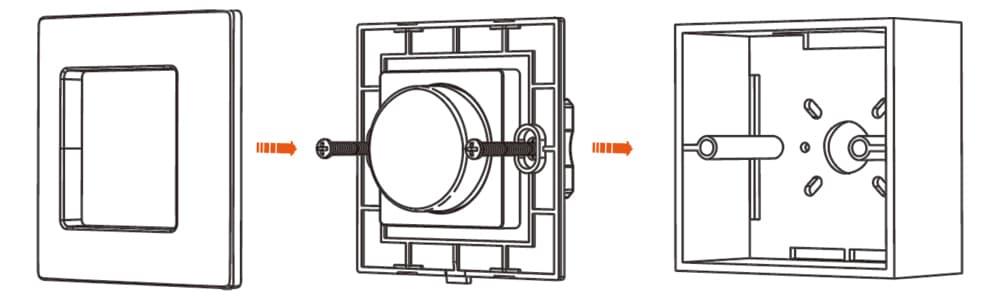
Use separate wires for the 0–10V signal, follow color codes, and double-check compatibility before powering on.
Best Practices I Recommend
Wire Separation
Keep 0–10V signal wires separate from high-voltage lines to prevent signal interference.
Polarity Matters
Reversing the DIM+ and DIM– wires won’t damage the driver but will stop dimming from working.
Test Before Final Mounting
Always bench test the driver and dimmer before installation. It saves time on-site.
| Tip | Why It Matters |
|---|---|
| Use Shielded Cable | Reduces EMI interference |
| Label Each Wire | Prevents confusion during installation |
| Ground All Metal Boxes | For safety and signal stability |
| Use Proper Dimmers | Not all 0–10V dimmers behave the same |
Choosing the Right 0–10V Dimmable LED Driver?
Not all drivers are built the same. Many buyers overlook the dimming curve, which affects the final user experience.
Look for 0–10V drivers with smooth dimming curves, wide compatibility, and strong EMC performance.
What I Look for in a Good Driver
Smooth Dimming Curve
The relationship between control voltage and brightness should be linear or logarithmic, not stepped.
Low Flicker Index
Low flicker makes a big difference in comfort, especially in office or retail settings.
Certifications
UL, DLC, CE, and RoHS are important, especially if you plan to export.
| Driver Feature | Why It’s Important |
|---|---|
| Output Current Range | Must match your LED module |
| Dimming Range | Should reach down to 1–10% |
| Flicker-Free Design | Especially for cameras or health standards |
| Surge Protection | Helps with system reliability |
FAQs About 0–10V Dimming?
There are always some repeated questions buyers ask me.
Common questions include: “Can I mix 0–10V with TRIAC?”, “Does 0V mean the light turns off?”, and “How many drivers can I control at once?”
Can I use a TRIAC dimmer on a 0–10V driver?
No. TRIAC dimmers control AC power through phase-cutting, while 0–10V uses a low-voltage DC signal. These two methods are not compatible. If you use a TRIAC dimmer on a 0–10V driver, the dimming will not work and the driver may be damaged.
Does 0V always mean the light turns completely off?
Not always. Some drivers interpret 0V as minimum brightness (around 10%), while others fully shut off the output. To ensure the light turns off, look for drivers that support “off at 0V” functionality. It’s often noted in the datasheet.
How many LED drivers can one 0–10V dimmer control?
That depends on the current sinking capability of the dimmer. Most standard wall dimmers can sink around 1mA per driver. If your dimmer sinks 50mA, it can control 50 drivers at 1mA each. Always check both the dimmer and driver specs before finalizing.
Can I use 0–10V dimming in a residential application?
Technically yes, but it’s more common in commercial spaces. Residential projects usually prefer TRIAC dimming because it works with existing AC wiring and doesn’t need extra control wires. However, if you’re building new or need precise dimming, 0–10V is a good option.
What kind of wire should I use for the 0–10V control signal?
Use low-voltage, twisted-pair shielded cable to reduce interference—especially in long runs or noisy environments like factories. For short distances, standard 18 AWG wire is usually enough. Always separate control wires from high-voltage lines to avoid signal noise.
Can I dim below 10% with a 0–10V driver?
Some high-quality drivers can dim down to 1%, but not all can. Check the “dimming range” in the driver datasheet. If low-end flicker or dimming dropout is an issue, make sure to test before installing.
What happens if I reverse DIM+ and DIM–?
In most cases, nothing will be damaged, but the dimming won’t work. 0–10V drivers need correct polarity to read the signal. Double-check wiring colors (usually purple = DIM+, gray = DIM–) and fix it before powering on.
Do I need a separate power supply for the 0–10V control?
No. In most systems, the driver sources or sinks the 0–10V current internally. The dimmer doesn’t need an external power source unless it’s a smart or digital controller with added features like wireless control.
Can I use one dimmer to control different types of drivers?
Yes, as long as all drivers are 0–10V compatible and require similar sinking current. But mixing drivers from different brands might result in uneven dimming. It’s best to test them together before large-scale installation.
Is there a difference between 0–10V and 1–10V dimming?
Yes. In 0–10V, the voltage range starts at 0V, and lights can turn off completely. In 1–10V, the control signal starts at 1V, and the light never turns fully off via the control signal. The 1–10V method is more common in older European systems.
A Few Clarifications
- Can I mix 0–10V and TRIAC? No. They use different control methods and are not compatible.
- Does 0V turn off the light? Usually yes, but some drivers keep a low-level glow. Choose drivers that support full off.
- How many drivers can I control? Depends on the dimmer’s sinking capacity. Typically 10–50 drivers per dimmer.
Why Choose boqi for Your 0–10V Dimming Needs?
So many suppliers offer 0–10V products—but not all are reliable.
At boqi, we specialize in LED dimming and offer no MOQ, custom driver design, and full technical support to help your business succeed.
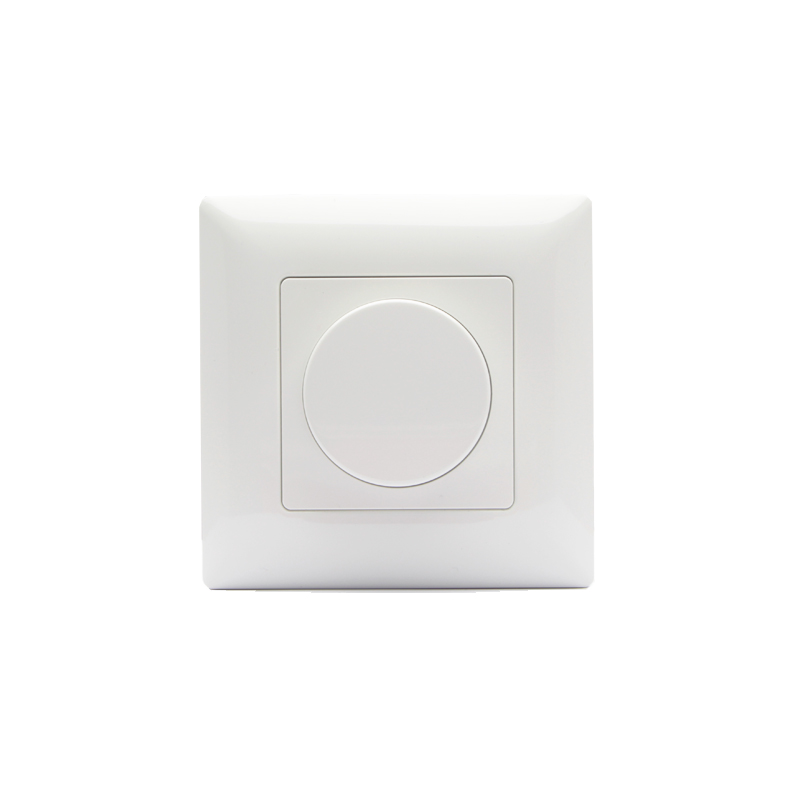
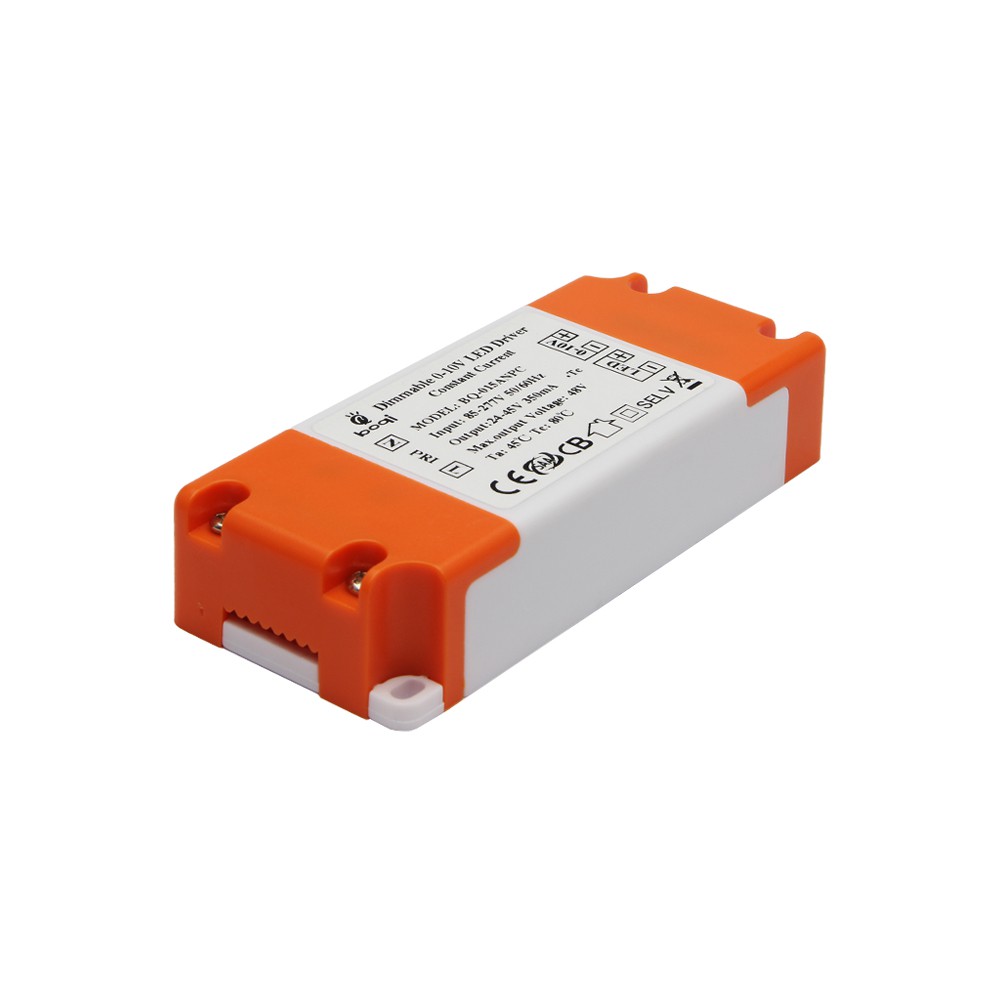
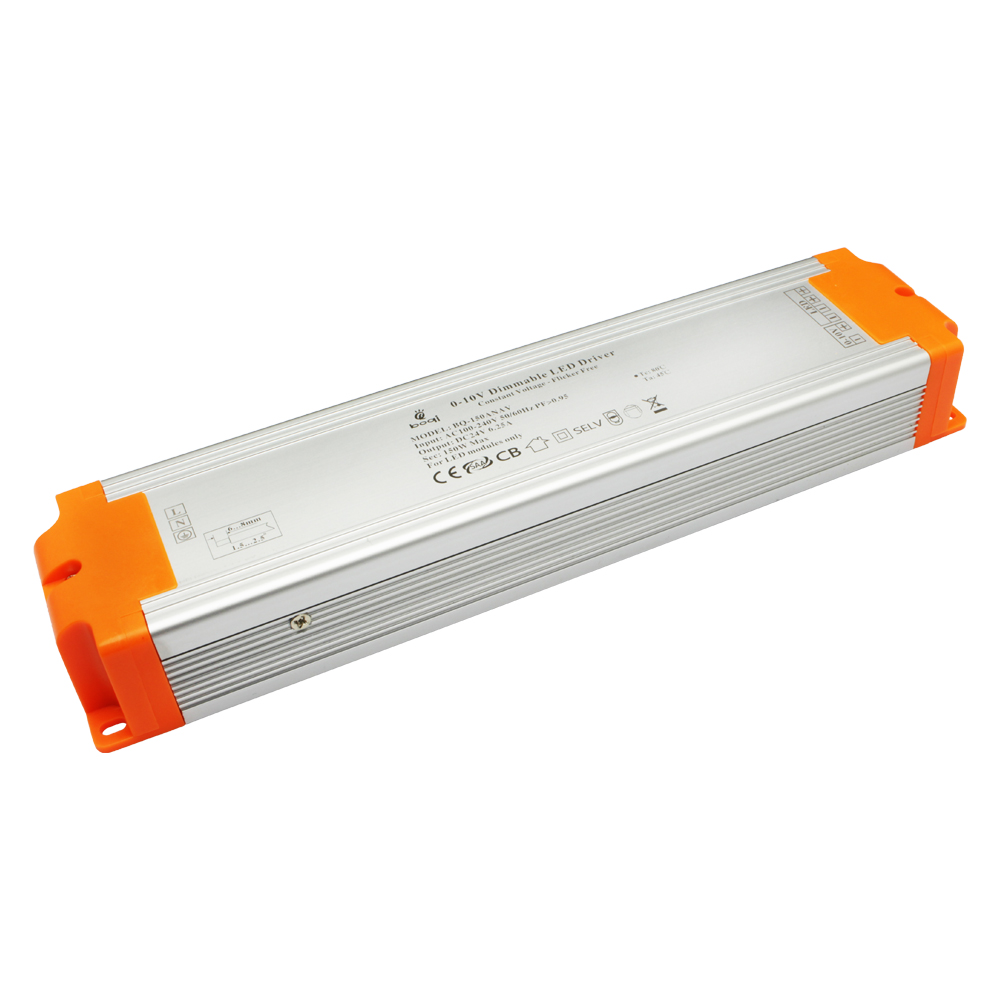
I’ve worked with LED lighting from the factory floor to full-scale export businesses. That’s why I know how important consistency and support are when choosing a supplier. We don’t just sell products—we build relationships.
| boqi Advantage | What You Get |
|---|---|
| No MOQ | Order what you need, no pressure |
| Custom Driver Design | Tailored to your LED specs |
| Custom Dimmer Design | Tailored to your brands |
| Fast Response Time | Get technical help when you need it |
| Field-Tested Products | Designed for real-world commercial projects |
Conclusion
0–10V dimming is a simple, reliable way to control LED brightness in commercial lighting projects. With the right setup, it delivers smooth, flicker-free performance at a great value.