













ต้องการควบคุมความสว่างของ LED อย่างง่ายดายและเชื่อถือได้หรือไม่? ตัวหรี่แสงแบบ 0–10V อาจเป็นโซลูชันที่สมบูรณ์แบบสำหรับคุณ.
ตัวหรี่แสงแบบ 0–10V คืออุปกรณ์ควบคุมแสงที่ปรับความสว่างโดยใช้สัญญาณ DC แรงดันต่ำตั้งแต่ 0V (หรี่/ปิด) ถึง 10V (ความสว่างเต็มที่) นิยมใช้กับโคมไฟ LED และฟลูออเรสเซนต์ในระบบแสงสว่างเชิงพาณิชย์.
บทความนี้จะช่วยให้คุณเข้าใจวิธีการทำงานของระบบหรี่แสงแบบ 0–10V ส่วนประกอบของระบบ การประยุกต์ใช้งานจริง และการเปรียบเทียบกับวิธีการหรี่แสงอื่นๆ เช่น DALI และ TRIAC หากคุณอยู่ในธุรกิจแสงสว่าง นี่คือทุกสิ่งที่คุณจำเป็นต้องรู้.
ทำความเข้าใจพื้นฐานของการหรี่แสงแบบ 0–10V
ผู้เชี่ยวชาญด้านแสงสว่างจำนวนมากประสบปัญหาในการหาโซลูชันการหรี่แสงที่เหมาะสมสำหรับโครงการเชิงพาณิชย์ หากไม่มีความรู้ที่ถูกต้อง การจับคู่ไดรเวอร์และตัวหรี่แสงอาจผิดพลาดได้ง่าย.
ระบบหรี่แสงแบบ 0–10V ทำงานโดยส่งสัญญาณควบคุมแรงดันต่ำไปยังไดรเวอร์ LED ซึ่งจะปรับแสงเอาต์พุตตามระดับแรงดันไฟฟ้า.
วิธีการหรี่แสงแบบแอนะล็อกที่เรียบง่าย
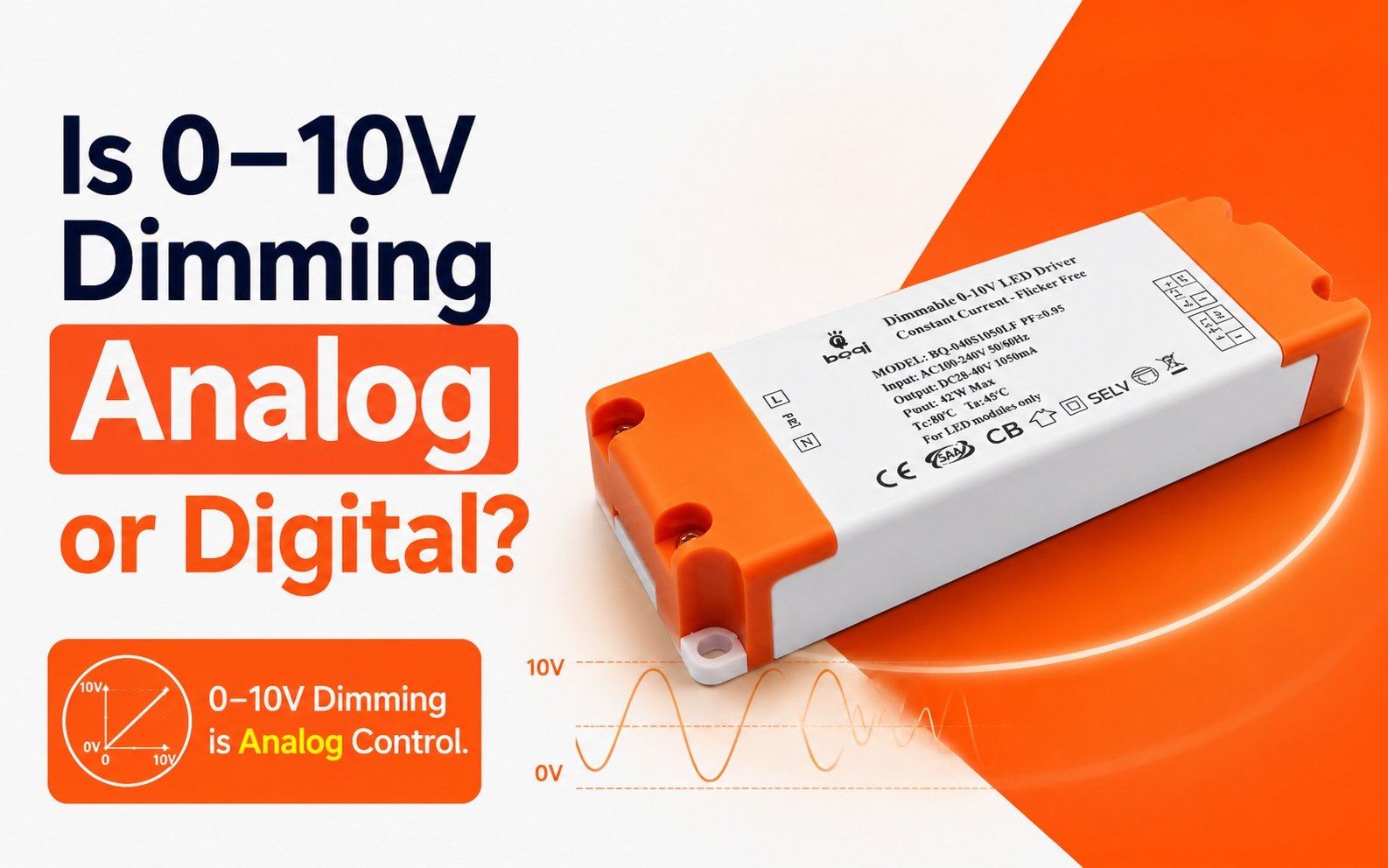
โปรโตคอล 0–10V เป็นหนึ่งในวิธีการควบคุมแสงที่เก่าแก่และเรียบง่ายที่สุด เป็นแบบแอนะล็อก ไม่ใช่ดิจิทัล ซึ่งหมายความว่าทำงานโดยการเปลี่ยนระดับแรงดันไฟฟ้าโดยตรง โดยไม่ต้องแปลงสัญญาณ ทำให้เชื่อถือได้และคุ้มค่า.
ประเด็นสำคัญที่ต้องทำความเข้าใจ
| ลักษณะเฉพาะ | คำอธิบาย |
|---|---|
| ช่วงแรงดันไฟฟ้า | 0V ถึง 10V DC |
| 0V = ความสว่างขั้นต่ำ | โดยปกติไฟจะปิดหรือมีความสว่างต่ำสุด |
| 10V = ความสว่างเต็มที่ | ไฟที่เอาต์พุต 100% |
| ประเภทสัญญาณ | ควบคุมแบบแอนะล็อกต่อเนื่อง |
| ความเข้ากันได้ | ไดรเวอร์ LED ต้องมีอินเทอร์เฟซอินพุต 0–10V |
มักใช้ในพื้นที่เชิงพาณิชย์เนื่องจากความเรียบง่ายและความสามารถในการควบคุมโคมไฟหลายดวงพร้อมกันอย่างสอดคล้อง.
ตัวหรี่แสงแบบ 0–10V ทำงานอย่างไร?
เป็นเรื่องปกติที่คิดว่าไดม์เมอร์เพียงแค่ “ลดกำลังไฟ” แต่ระบบ 0–10V ทำงานแตกต่างออกไปเล็กน้อย.
ไดม์เมอร์ 0–10V ส่งแรงดันควบคุมไปยังไดรเวอร์ ซึ่งจะแปลงสัญญาณนั้นเป็นระดับความสว่างที่สอดคล้องกัน.
กลไกการทำงานโดยละเอียด
แรงดันควบคุม
ไดม์เมอร์ทำหน้าที่เหมือนตัวต้านทานปรับค่าได้หรือเครื่องกำเนิดสัญญาณ โดยส่งออกแรงดันไฟฟ้ากระแสตรงระหว่าง 0 ถึง 10 โวลต์.
การตอบสนองของไดรเวอร์ LED
ไดรเวอร์มีวงจรภายในที่อ่านค่าแรงดันนี้และปรับกระแสเอาต์พุตไปยังโมดูล LED ส่งผลให้เกิดการหรี่แสง.
| แรงดันควบคุม | ความสว่างเอาต์พุต |
|---|---|
| 0V | 0% (ปิดหรือขั้นต่ำ) |
| 1V | 10% |
| 5V | 50% |
| 10V | 100% |
พฤติกรรมของสัญญาณ
- แบบพาสซีฟ 0–10V: ไดม์เมอร์ไม่ได้จ่ายแรงดันไฟฟ้า แต่ไดรเวอร์เป็นผู้จ่าย ไดม์เมอร์ทำหน้าที่ดูดซับกระแส.
- แบบแอคทีฟ 0–10V: ไดม์เมอร์เป็นผู้จ่ายแรงดันไฟฟ้า.
โครงการเชิงพาณิชย์ส่วนใหญ่ใช้วิธีแบบพาสซีฟเนื่องจากง่ายต่อการรวมเข้ากับสายไฟที่มีอยู่.
ส่วนประกอบสำคัญในระบบหรี่แสงแบบ 0–10V?
หากเพียงชิ้นส่วนเดียวไม่เข้ากัน ระบบทั้งหมดอาจไม่หรี่แสงได้อย่างถูกต้อง—หรือไม่ทำงานเลย.
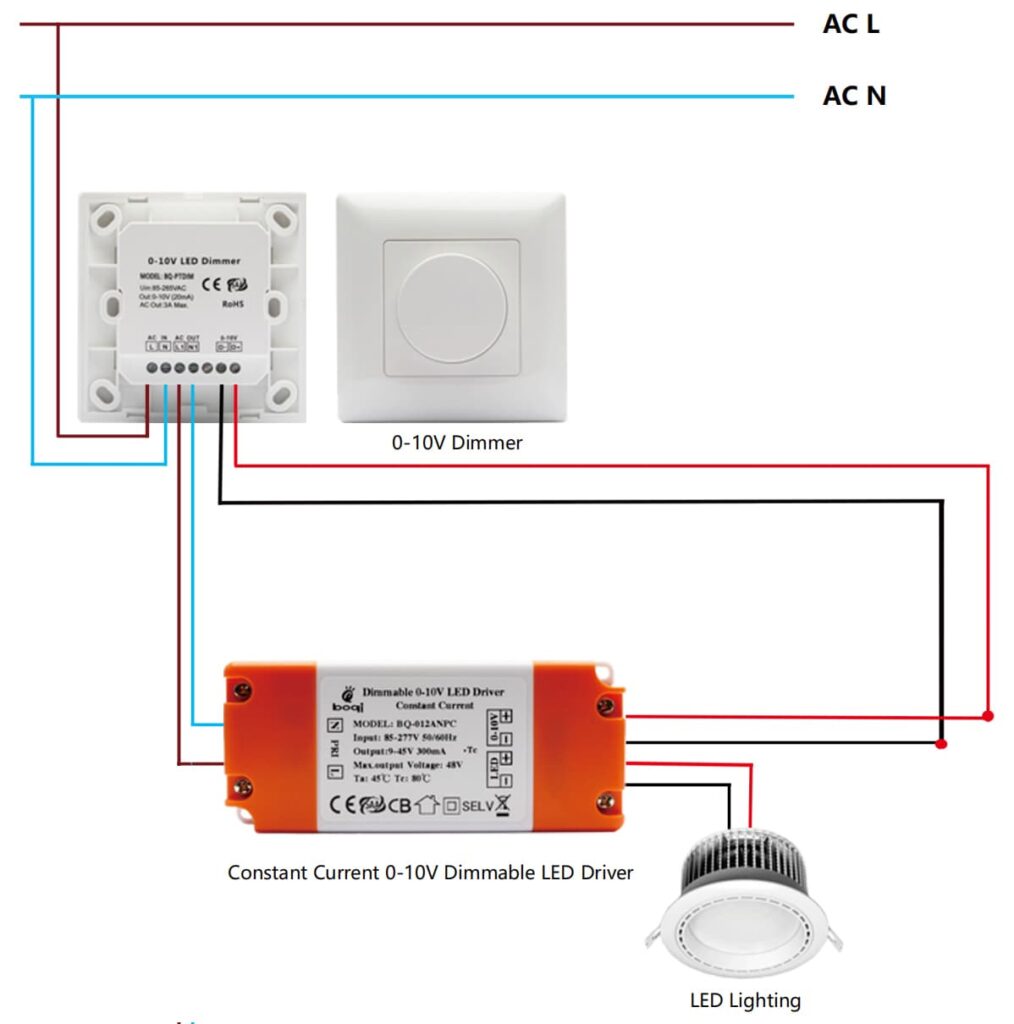
ระบบหรี่แสง 0–10V พื้นฐานประกอบด้วยไดรเวอร์ LED ที่เข้ากันได้ ไดม์เมอร์ 0–10V และสายไฟแรงดันต่ำที่เหมาะสม.
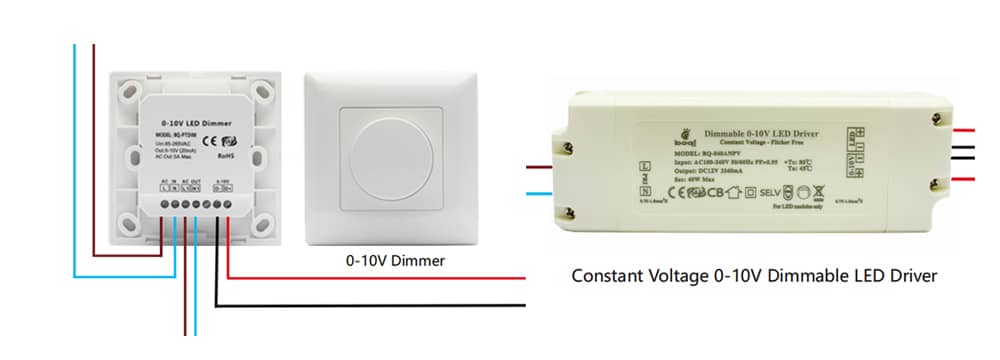
องค์ประกอบของระบบ
ไดรเวอร์ LED ที่รองรับ
คุณต้องใช้ไดรเวอร์ที่มีอินพุตหรี่แสง 0–10V มองหาป้ายกำกับที่ชัดเจน เช่น “DIM+ / DIM–” หรือ “Vdim”.
ตัวหรี่แสงแบบ 0–10V
ไดม์เมอร์เหล่านี้สามารถติดตั้งบนผนังหรือรวมเข้ากับระบบบริหารจัดการอาคารขนาดใหญ่ โดยส่งสัญญาณ 0–10V.
การเดินสายไฟ
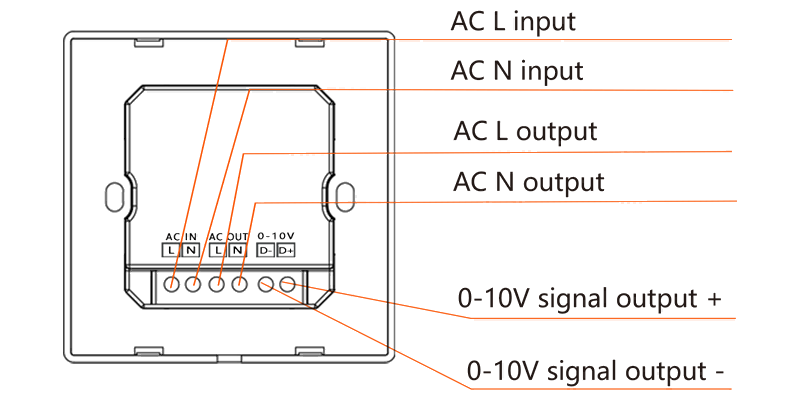
คุณจะใช้สายไฟ 2 เส้นสำหรับอินพุต AC, 2 เส้นสำหรับเอาต์พุต DC ไปยังโมดูล LED และสายไฟเพิ่มเติม 2 เส้น (โดยปกติเป็นสีม่วงและสีเทา) สำหรับสัญญาณ 0–10V.
| สีสายไฟ | ฟังก์ชัน |
|---|---|
| ดำ | สายไฟ AC Line |
| ขาว | สายนิวทรัล AC |
| แดง/น้ำเงิน | เอาต์พุต LED |
| ม่วง | สัญญาณบวก 0–10V |
| เทา | สัญญาณลบ 0–10V |
การเดินสายไฟอย่างถูกต้องเป็นสิ่งจำเป็นเพื่อการหรี่แสงที่ราบรื่นโดยไม่มีการกะพริบ.
ประโยชน์ของการใช้ตัวหรี่แสงแบบ 0–10V ในระบบแสงสว่าง LED?
ผู้ซื้อหลายรายถามว่า: ทำไมต้องเลือก 0–10V เมื่อมีตัวเลือกที่ทันสมัยอื่นๆ?
ไดม์เมอร์ 0–10V ให้การหรี่แสงที่ราบรื่น ความเข้ากันได้สูง และเหมาะสำหรับการติดตั้งเชิงพาณิชย์ขนาดใหญ่.
เหตุผลที่ฉันมักแนะนำ
ประสิทธิภาพพลังงาน
การหรี่แสงให้ต่ำลงเมื่อไม่ต้องการความสว่างเต็มที่ ช่วยลดการใช้พลังงานได้อย่างมีนัยสำคัญ.
เส้นโค้งการหรี่แสงที่นุ่มนวล
แตกต่างจากไดม์เมอร์ TRIAC, 0–10V ให้การหรี่แสงที่ราบรื่นและไม่มีการกะพริบตลอดช่วงทั้งหมด.
ความยืดหยุ่น
คุณสามารถควบคุมไดรเวอร์หลายตัวจากไดม์เมอร์ตัวเดียว ซึ่งเหมาะสำหรับพื้นที่ที่มีโคมไฟหลายสิบหรือหลายร้อยดวง.
| ประโยชน์ | คำอธิบาย |
|---|---|
| ไม่มีการกะพริบ | สัญญาณที่เสถียรป้องกันการกะพริบของแสงที่มองเห็นได้ |
| ความเข้ากันได้กว้าง | ทำงานร่วมกับไดรเวอร์ LED หลายรุ่น |
| คุ้มค่า | ติดตั้งและบำรุงรักษาง่าย |
| ขยายขนาดได้ | คอนโทรลเลอร์หนึ่งตัวสามารถควบคุมโคมไฟได้หลายดวง |
การประยุกต์ใช้งานระบบหรี่แสงแบบ 0–10V ในโครงการจริง?
สงสัยหรือไม่ว่า 0–10V เหมาะกับโปรเจกต์ของคุณ?
การหรี่แสงแบบ 0–10V เหมาะสำหรับสำนักงาน โรงเรียน โกดัง และร้านค้าปลีกที่ต้องการการควบคุมแสงที่สม่ำเสมอ.

จุดที่ผู้เชี่ยวชาญใช้งาน
อาคารพาณิชย์
ในสำนักงานแบบเปิดโล่งและห้องประชุม การหรี่แสงแบบ 0–10V ช่วยควบคุมระดับแสงเพื่อลดแสงสะท้อนและอาการเมื่อยล้าของดวงตา.
คลังสินค้า
ด้วยระบบเก็บเกี่ยวแสงธรรมชาติ คุณสามารถหรี่ไฟอัตโนมัติตามระดับแสงธรรมชาติได้.
ค้าปลีกและโรงแรม
การหรี่แสงที่นุ่มนวลช่วยเพิ่มบรรยากาศโดยไม่มีการกะพริบ ซึ่งจำเป็นสำหรับร้านค้าระดับไฮเอนด์และร้านอาหาร.
| พื้นที่การใช้งาน | เหตุผลในการใช้ 0–10V |
|---|---|
| สำนักงาน | โซนแสงสว่าง การควบคุมแสงสะท้อน |
| ร้านค้าปลีก | การควบคุมบรรยากาศ การนำเสนอสินค้า |
| คลังสินค้า | ประหยัดพลังงาน เซนเซอร์ตรวจจับการเคลื่อนไหว + เซนเซอร์แสงธรรมชาติ |
| โรงเรียน | สภาพแวดล้อมการเรียนรู้ที่สะดวกสบาย |
0–10V เทียบกับ DALI เทียบกับ TRIAC: แตกต่างกันอย่างไร?
เป็นเรื่องง่ายที่จะสับสนกับโปรโตคอลการหรี่แสงทั้งหมดที่มีอยู่.
0–10V เป็นแบบแอนะล็อก DALI เป็นแบบดิจิทัล และ TRIAC ทำงานบน AC phase-cut แต่ละแบบมีข้อดีและข้อเสียของตัวเอง.
การเปรียบเทียบแบบเคียงข้างกัน
| ลักษณะเฉพาะ | 0–10V | ต้าหลี่ | ไทรแอก |
|---|---|---|---|
| ประเภทสัญญาณ | แอนะล็อก (DC) | ดิจิทัล (2 ทาง) | การตัดเฟสไฟฟ้ากระแสสลับ |
| คุณภาพการหรี่แสง | ราบรื่น | แม่นยำ | อาจกะพริบที่ระดับต่ำ % |
| การเดินสายแบบอนุกรม | แรงดันต่ำพิเศษ | ดิจิทัล BUS | การเดินสายไฟ AC มาตรฐาน |
| ต้นทุน | ต่ำ | ปานกลางถึงสูง | ต่ำ |
| กรณีการใช้งาน | เชิงพาณิชย์ | อาคารที่ซับซ้อน | ที่อยู่อาศัย |
การเลือกสิ่งที่เหมาะสม
- เลือก 0–10V หากคุณต้องการความเรียบง่าย ความเข้ากันได้กว้าง และประสิทธิภาพที่ดี.
- เลือก ต้าหลี่ หากคุณต้องการระบบไฟแบบกำหนดแอดเดรสหรือการควบคุมฉากขั้นสูง.
- เลือก ไทรแอก เฉพาะเมื่อคุณทำงานกับระบบเดิมหรือต้องการการหรี่แสงสำหรับที่อยู่อาศัยที่มีต้นทุนต่ำ.
เคล็ดลับการติดตั้งและแนวทางปฏิบัติที่ดีที่สุด?
การติดตั้งที่ไม่ดีคือสาเหตุ #1 ที่การหรี่แสงแบบ 0–10V ล้มเหลวหรือกะพริบ.
ใช้สายไฟแยกสำหรับสัญญาณ 0–10V ปฏิบัติตามรหัสสี และตรวจสอบความเข้ากันได้อีกครั้งก่อนจ่ายไฟ.
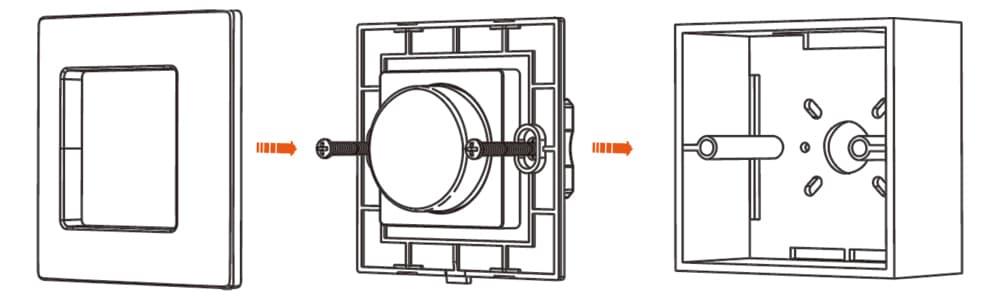
แนวทางปฏิบัติที่ฉันแนะนำ
การแยกสายไฟ
แยกสายสัญญาณ 0–10V ออกจากสายไฟฟ้าแรงสูงเพื่อป้องกันการรบกวนของสัญญาณ.
ขั้วไฟฟ้ามีความสำคัญ
การสลับสาย DIM+ และ DIM– จะไม่ทำให้ไดรเวอร์เสียหาย แต่จะทำให้การหรี่แสงหยุดทำงาน.
ทดสอบก่อนการติดตั้งขั้นสุดท้าย
ควรทดสอบไดรเวอร์และไดม์เมอร์บนโต๊ะก่อนการติดตั้งเสมอ ช่วยประหยัดเวลาในหน้างาน.
| เคล็ดลับ | เหตุใดจึงสำคัญ |
|---|---|
| ใช้สายชีลด์ | ลดการรบกวนทางแม่เหล็กไฟฟ้า (EMI) |
| ติดป้ายกำกับสายไฟแต่ละเส้น | ป้องกันความสับสนระหว่างการติดตั้ง |
| กราวด์กล่องโลหะทั้งหมด | เพื่อความปลอดภัยและความเสถียรของสัญญาณ |
| ใช้ไดม์เมอร์ที่เหมาะสม | ไดม์เมอร์ 0–10V ไม่ทุกรุ่นทำงานเหมือนกัน |
การเลือกไดรเวอร์ LED แบบหรี่ได้ 0–10V ที่เหมาะสม?
ไดรเวอร์ไม่ทุกรุ่นถูกสร้างมาเหมือนกัน ผู้ซื้อจำนวนมากมองข้ามเส้นโค้งการหรี่แสง ซึ่งส่งผลต่อประสบการณ์การใช้งานสุดท้าย.
มองหาไดรเวอร์ 0–10V ที่มีเส้นโค้งการหรี่แสงที่นุ่มนวล ความเข้ากันได้กว้าง และประสิทธิภาพ EMC ที่แข็งแกร่ง.
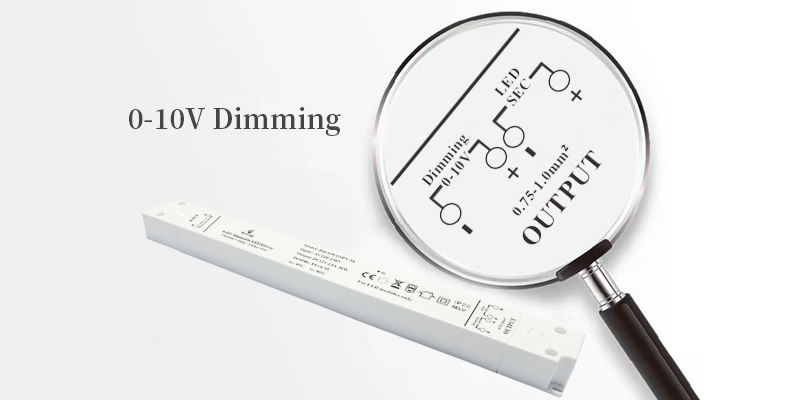
สิ่งที่ฉันมองหาในไดรเวอร์ที่ดี
เส้นโค้งการหรี่แสงที่นุ่มนวล
ความสัมพันธ์ระหว่างแรงดันควบคุมและความสว่างควรเป็นแบบเส้นตรงหรือลอการิทึม ไม่ใช่แบบขั้นบันได.
ค่าดัชนีการกะพริบต่ำ
การสั่นไหวต่ำ (Low flicker) สร้างความแตกต่างอย่างมากในเรื่องความสบายตา โดยเฉพาะในสำนักงานหรือพื้นที่ค้าปลีก.
ใบรับรอง
UL, DLC, CE และ RoHS มีความสำคัญ โดยเฉพาะหากคุณวางแผนจะส่งออก.
| คุณสมบัติของไดรเวอร์ | เหตุผลที่สำคัญ |
|---|---|
| ช่วงกระแสเอาต์พุต | ต้องตรงกับโมดูล LED ของคุณ |
| ช่วงลดแสง | ควรลดได้ถึง 1–10% |
| การออกแบบไร้การสั่นไหว (Flicker-Free) | โดยเฉพาะสำหรับกล้องหรือมาตรฐานด้านสุขภาพ |
| การป้องกันไฟกระชาก (Surge Protection) | ช่วยเพิ่มความน่าเชื่อถือของระบบ |
คำถามที่พบบ่อยเกี่ยวกับการหรี่แสงแบบ 0–10V?
มีคำถามซ้ำๆ ที่ผู้ซื้อมักถามฉันอยู่เสมอ.
คำถามทั่วไปได้แก่: “ฉันสามารถผสม 0–10V กับ TRIAC ได้หรือไม่?”, “0V หมายถึงไฟดับหรือไม่?” และ “ฉันสามารถควบคุมไดรเวอร์ได้กี่ตัวในครั้งเดียว?”
ฉันสามารถใช้ดิมเมอร์ TRIAC กับไดรเวอร์ 0–10V ได้หรือไม่?
ไม่ได้ TRIAC ดิมเมอร์ควบคุมกำลังไฟ AC ผ่านการตัดเฟส (Phase-cutting) ในขณะที่ 0–10V ใช้สัญญาณ DC แรงดันต่ำ สองวิธีนี้เข้ากันไม่ได้ หากคุณใช้ดิมเมอร์ TRIAC กับไดรเวอร์ 0–10V การหรี่แสงจะไม่ทำงานและไดรเวอร์อาจเสียหายได้.
0V หมายถึงไฟดับสนิทเสมอหรือไม่?
ไม่เสมอไป ไดรเวอร์บางตัวตีความว่า 0V คือความสว่างขั้นต่ำ (ประมาณ 10%) ในขณะที่บางตัวตัดเอาต์พุตทั้งหมด เพื่อให้แน่ใจว่าไฟดับ ให้มองหาไดรเวอร์ที่รองรับฟังก์ชัน “off at 0V” ซึ่งมักระบุไว้ในเอกสารข้อมูล (Datasheet).
ดิมเมอร์ 0–10V หนึ่งตัวสามารถควบคุมไดรเวอร์ LED ได้กี่ตัว?
ขึ้นอยู่กับความสามารถในการรองรับกระแส (Current Sinking) ของดิมเมอร์ ดิมเมอร์ติดผนังมาตรฐานส่วนใหญ่สามารถรองรับกระแสได้ประมาณ 1mA ต่อไดรเวอร์ หากดิมเมอร์ของคุณรองรับ 50mA ก็สามารถควบคุมไดรเวอร์ได้ 50 ตัวที่ 1mA ต่อตัว ควรตรวจสอบสเปกของทั้งดิมเมอร์และไดรเวอร์ก่อนตัดสินใจขั้นสุดท้ายเสมอ.
ฉันสามารถใช้การหรี่แสงแบบ 0–10V ในบ้านพักอาศัยได้หรือไม่?
ในทางเทคนิคแล้วได้ แต่พบได้ทั่วไปในพื้นที่เชิงพาณิชย์มากกว่า โครงการที่อยู่อาศัยมักนิยมใช้การหรี่แสงแบบ TRIAC เพราะทำงานกับสายไฟ AC ที่มีอยู่และไม่ต้องใช้สายควบคุมเพิ่มเติม อย่างไรก็ตาม หากคุณกำลังสร้างใหม่หรือต้องการการหรี่แสงที่แม่นยำ 0–10V เป็นตัวเลือกที่ดี.
ควรใช้สายไฟชนิดใดสำหรับสัญญาณควบคุม 0–10V?
ใช้สายคู่ตีเกลียวหุ้มฉนวนแรงดันต่ำ (Twisted-pair shielded cable) เพื่อลดการรบกวน โดยเฉพาะในระยะทางไกลหรือสภาพแวดล้อมที่มีสัญญาณรบกวน เช่น โรงงาน สำหรับระยะทางสั้น สายมาตรฐาน 18 AWG มักเพียงพอ ควรแยกสายควบคุมออกจากสายแรงดันสูงเสมอเพื่อหลีกเลี่ยงสัญญาณรบกวน.
ฉันสามารถหรี่แสงต่ำกว่า 10% ด้วยไดรเวอร์ 0–10V ได้หรือไม่?
ไดรเวอร์คุณภาพสูงบางตัวสามารถหรี่ได้ถึง 1% แต่ไม่ใช่ทั้งหมด ตรวจสอบ “ช่วงการหรี่แสง” (Dimming Range) ในเอกสารข้อมูลของไดรเวอร์ หากมีปัญหาการสั่นไหวที่ระดับต่ำหรือการดับกลางคัน ควรทดสอบก่อนการติดตั้ง.
จะเกิดอะไรขึ้นหากฉันสลับขั้ว DIM+ และ DIM–?
ในกรณีส่วนใหญ่จะไม่เกิดความเสียหาย แต่การหรี่แสงจะไม่ทำงาน ไดรเวอร์ 0–10V ต้องใช้ขั้วที่ถูกต้องเพื่ออ่านสัญญาณ ตรวจสอบสีสายไฟอีกครั้ง (โดยปกติสีม่วง = DIM+, สีเทา = DIM–) และแก้ไขก่อนจ่ายไฟ.
ฉันต้องใช้แหล่งจ่ายไฟแยกสำหรับการควบคุม 0–10V หรือไม่?
ไม่จำเป็น ในระบบส่วนใหญ่ ไดรเวอร์จะจ่ายหรือรองรับกระแส 0–10V ภายในตัวมันเอง ดิมเมอร์ไม่ต้องใช้แหล่งจ่ายไฟภายนอก เว้นแต่จะเป็นคอนโทรลเลอร์อัจฉริยะหรือดิจิทัลที่มีฟีเจอร์เพิ่มเติม เช่น การควบคุมไร้สาย.
ฉันสามารถใช้ดิมเมอร์หนึ่งตัวควบคุมไดรเวอร์ประเภทต่างๆ ได้หรือไม่?
ได้ ตราบใดที่ไดรเวอร์ทั้งหมดรองรับ 0–10V และต้องการกระแสซิงก์ที่ใกล้เคียงกัน แต่การผสมไดรเวอร์จากหลายแบรนด์อาจทำให้การหรี่แสงไม่สม่ำเสมอ ควรทดสอบร่วมกันก่อนการติดตั้งขนาดใหญ่.
มีความแตกต่างระหว่างการหรี่แสงแบบ 0–10V และ 1–10V หรือไม่?
มี ในระบบ 0–10V ช่วงแรงดันเริ่มต้นที่ 0V และไฟสามารถดับสนิทได้ ในระบบ 1–10V, 1–10V สัญญาณควบคุมเริ่มต้นที่ 1V และไฟจะไม่ดับสนิทผ่านสัญญาณควบคุม วิธีแบบ 1–10V พบได้ทั่วไปในระบบยุโรปรุ่นเก่า.
คำชี้แจงเพิ่มเติม
- ฉันสามารถผสม 0–10V และ TRIAC ได้หรือไม่? ไม่ได้ พวกมันใช้วิธีการควบคุมที่แตกต่างกันและเข้ากันไม่ได้.
- 0V ทำให้ไฟดับหรือไม่? โดยปกติแล้วใช่ แต่ไดรเวอร์บางตัวยังคงให้แสงเรืองรองระดับต่ำ เลือกไดรเวอร์ที่รองรับการดับสนิท.
- ฉันสามารถควบคุมไดรเวอร์ได้กี่ตัว? ขึ้นอยู่กับความสามารถในการรองรับกระแสของดิมเมอร์ โดยทั่วไป 10–50 ตัวต่อดิมเมอร์หนึ่งตัว.
ทำไมต้องเลือก boqi สำหรับความต้องการระบบหรี่แสงแบบ 0–10V ของคุณ?
ซัพพลายเออร์หลายรายเสนอผลิตภัณฑ์ 0–10V แต่ไม่ใช่ทั้งหมดที่น่าเชื่อถือ.
ที่ boqi เรามีความเชี่ยวชาญด้านการหรี่แสง LED และนำเสนอไม่มีขั้นต่ำในการสั่งซื้อ (No MOQ) การออกแบบไดรเวอร์ตามความต้องการ และการสนับสนุนทางเทคนิคเต็มรูปแบบเพื่อช่วยให้ธุรกิจของคุณประสบความสำเร็จ.
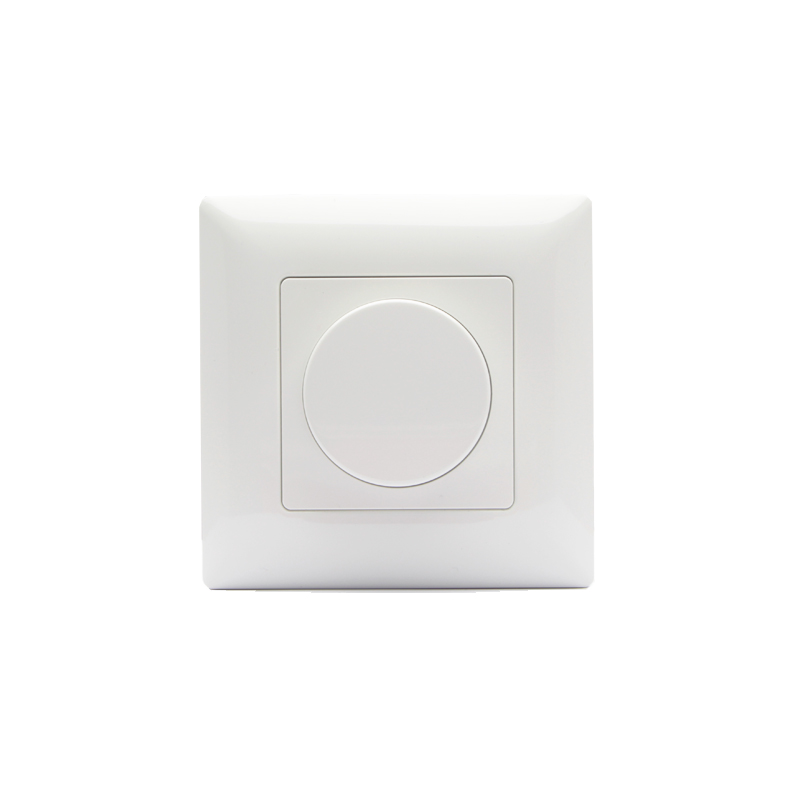
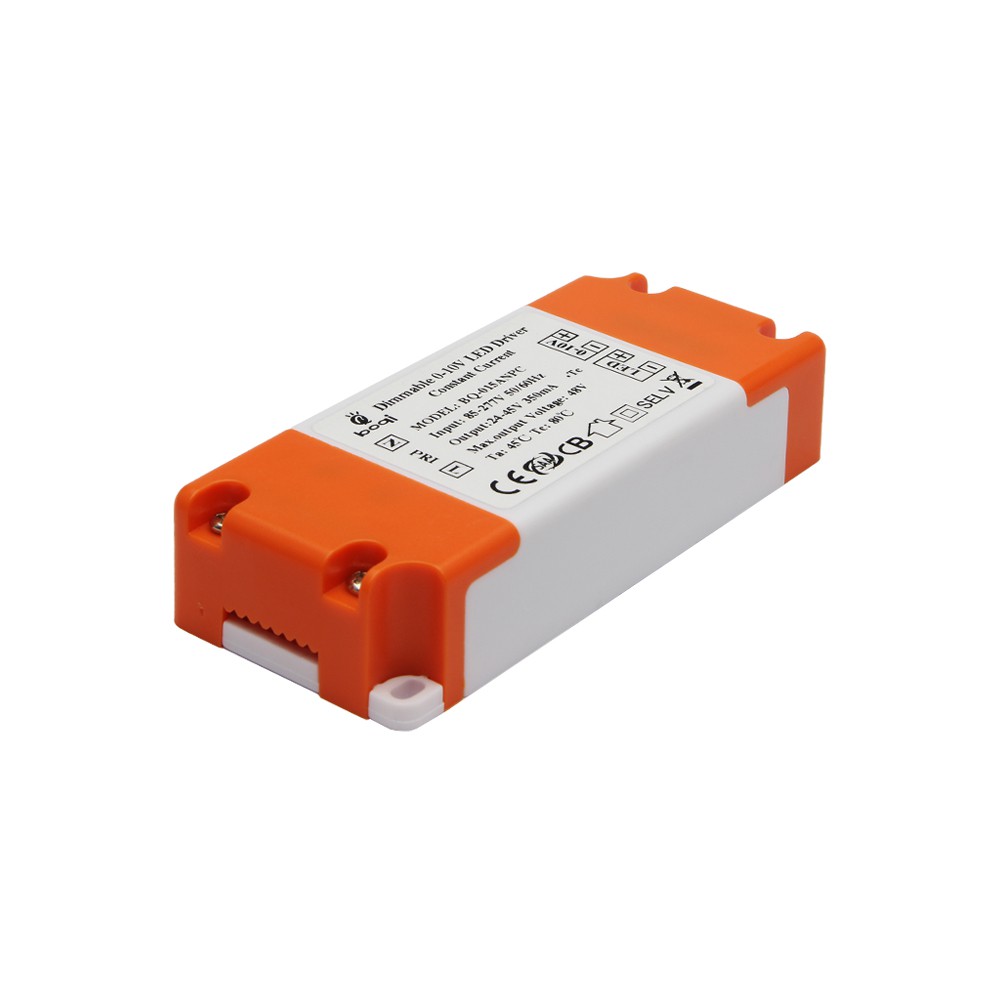
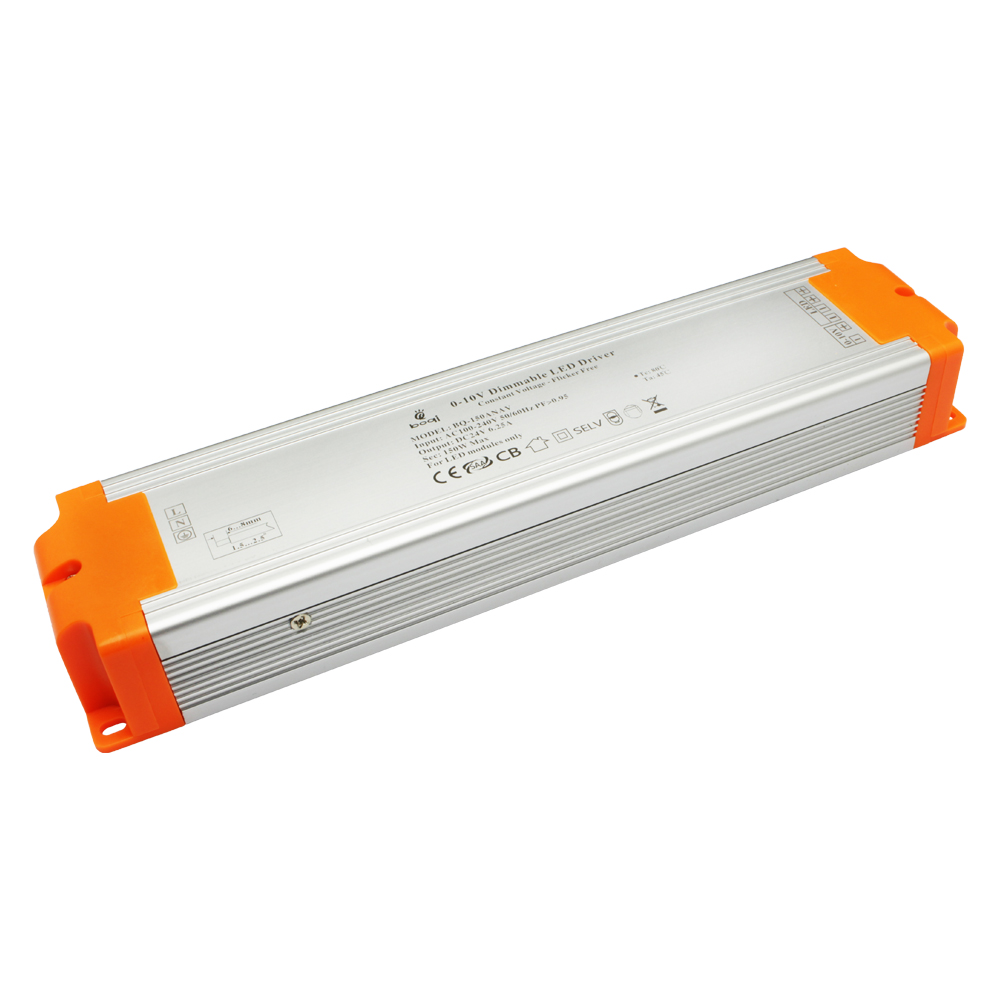
ฉันทำงานกับไฟ LED ตั้งแต่ระดับโรงงานจนถึงธุรกิจส่งออกเต็มรูปแบบ นั่นคือเหตุผลที่ฉันรู้ว่าความสม่ำเสมอและการสนับสนุนสำคัญแค่ไหนในการเลือกซัพพลายเออร์ เราไม่ได้แค่ขายผลิตภัณฑ์—เราสร้างความสัมพันธ์.
| จุดเด่นของ boqi | สิ่งที่คุณจะได้รับ |
|---|---|
| ไม่มีขั้นต่ำในการสั่งซื้อ (No MOQ) | สั่งซื้อตามที่คุณต้องการ ไม่มีความกดดัน |
| การออกแบบไดรเวอร์ตามสั่ง | ปรับให้เข้ากับสเปค LED ของคุณ |
| การออกแบบดิมเมอร์ตามสั่ง | ปรับให้เข้ากับแบรนด์ของคุณ |
| เวลาตอบสนองที่รวดเร็ว | รับความช่วยเหลือทางเทคนิคเมื่อคุณต้องการ |
| ผลิตภัณฑ์ที่ผ่านการทดสอบภาคสนาม | ออกแบบมาสำหรับโครงการเชิงพาณิชย์ในโลกจริง |
บทสรุป
การควบคุมแสงแบบ 0–10V เป็นวิธีที่ง่ายและเชื่อถือได้ในการควบคุมความสว่างของ LED ในโครงการแสงสว่างเชิงพาณิชย์ ด้วยการติดตั้งที่ถูกต้อง จะให้ประสิทธิภาพที่ราบรื่น ไม่มีการกะพริบ ในราคาที่คุ้มค่า.