














يسأل المشترون مهندسينا في Shenzhen سؤالًا أسبوعيًا: ما معنى التيار الثابت في مشغلات LED؟ إذا اخترت النوع الخاطئ، فستفشل التركيبات النهائية خلال أشهر. يشرح هذا الدليل.
التيار الثابت يعني أن مشغل LED يحافظ على تيار الخرج ثابتًا عند مستوى محدد—مثل 350 مللي أمبير أو 700 مللي أمبير—مع ضبط جهد الخرج تلقائيًا ليتوافق مع حمل LED. يتحكم المشغل في التيار؛ وتحدد سلسلة LED الجهد المطلوب ضمن النطاق المقدر للمشغل.
تخفي هذه الجملة الواحدة عدة تفاصيل مهمة في المشاريع الحقيقية. الأقسام أدناه تفصلها واحدًا تلو الآخر. سنغطي كيفية التعرف على مشغل التيار الثابت، ولماذا يحمي مصابيح LED لديك، وكيفية اختياره، وأي المواصفات يجب فحصها قبل طلب بالجملة.
كيف أميّز بين مشغلات LED ذات التيار الثابت والجهد الثابت؟
الأسبوع الماضي، أرسل لي مدير مشتريات في سنغافورة رسالة على WhatsApp مع صورة لملصق مشغل، يسأل عن النوع الذي تنظر إليه. إنه السؤال الذي نسمعه أكثر من غيره.
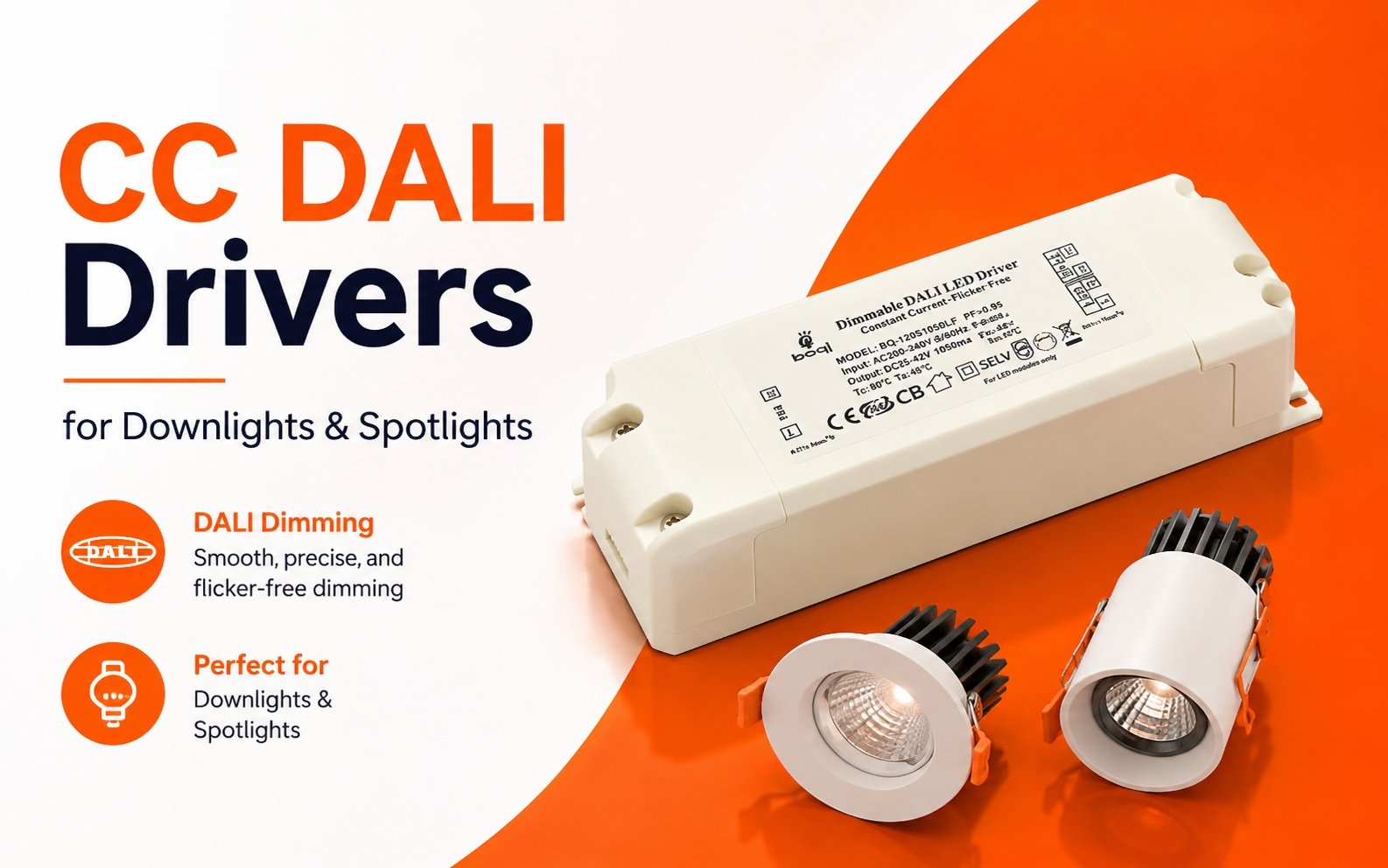
تحقق من ملصق الإخراج. يذكر محرك التيار الثابت تيارًا ثابتًا مع نطاق جهد، مثل 700 مللي أمبير، 18–42 فولت. يذكر محرك الجهد الثابت جهدًا ثابتًا مع تيار أقصى، مثل 24 فولت، 2.5 أمبير. هذا السطر الواحد يخبرك بكل شيء.
لمقارنة سريعة للجهد الثابت، يلخص هذا الجدول ما أشرحه للمشترين الجدد كل أسبوع:
| ميزة | مشغل التيار الثابت (CC) | مشغل الجهد الثابت (CV) |
|---|---|---|
| المعامل المنظم | التيار (مللي أمبير) | الجهد (فولت) |
| ما يتغير | جهد الخرج | تيار الخرج |
| الملصق النموذجي | 700 مللي أمبير، 18–42 فولت | 24 فولت، بحد أقصى 2.5 أمبير |
| التوصيل النموذجي | توصيل دائرة تسلسلية | فروع متوازية |
| الاستخدامات الشائعة | الأضواء السفلية، مصابيح LED عالية الطاقة، وحدات COB | شرائط LED، الأشرطة المرنة، وحدات اللافتات |
اقرأ ملصق الخرج أولاً
يكشف الملصق دائمًا عن نوع المشغل. يذكر مشغل CC تصنيف المللي أمبير أولاً، ثم نافذة الجهد. مشغل الجهد الثابت (CV) يذكر جهدًا ثابتًا واحدًا أولاً، ثم تيارًا أقصى. على وحدات المشغلات القابلة للتعتيم الخاصة بنا، نطبع هذا السطر على ملصق المواصفات الأبيض حتى لا يضطر القائمون بالتركيب إلى التخمين.
لماذا يكشف أسلوب التوصيل نوعه
التوصيل التسلسلي هو الدليل الثاني. عندما تكون مصابيح LED في سلسلة تسلسلية، يتدفق نفس التيار عبر كل صمام ثنائي، لذا يضمن مشغل CC سطوعًا متطابقًا عبر السلسلة. إجمالي يتغير جهدها الأمامي 1 الجهد للسلسلة يتراكم ببساطة، ونطاق جهد الخرج للمشغل 2 يستوعب هذا المجموع. على النقيض، تغذي مصادر CV الفروع المتوازية—مثل شرائط LED—حيث يحمل كل جزء مقاوماته الخاصة للحد من التيار. إذا كان المنتج الذي تشغله يحتوي على مقاومات مدمجة، فمن شبه المؤكد أنه يريد جهدًا ثابتًا. إذا كان وحدة LED عارية أو سلسلة تسلسلية، فهو يريد تيارًا ثابتًا.
لماذا يهم التيار الثابت لعمر وأداء منتج LED الخاص بي؟
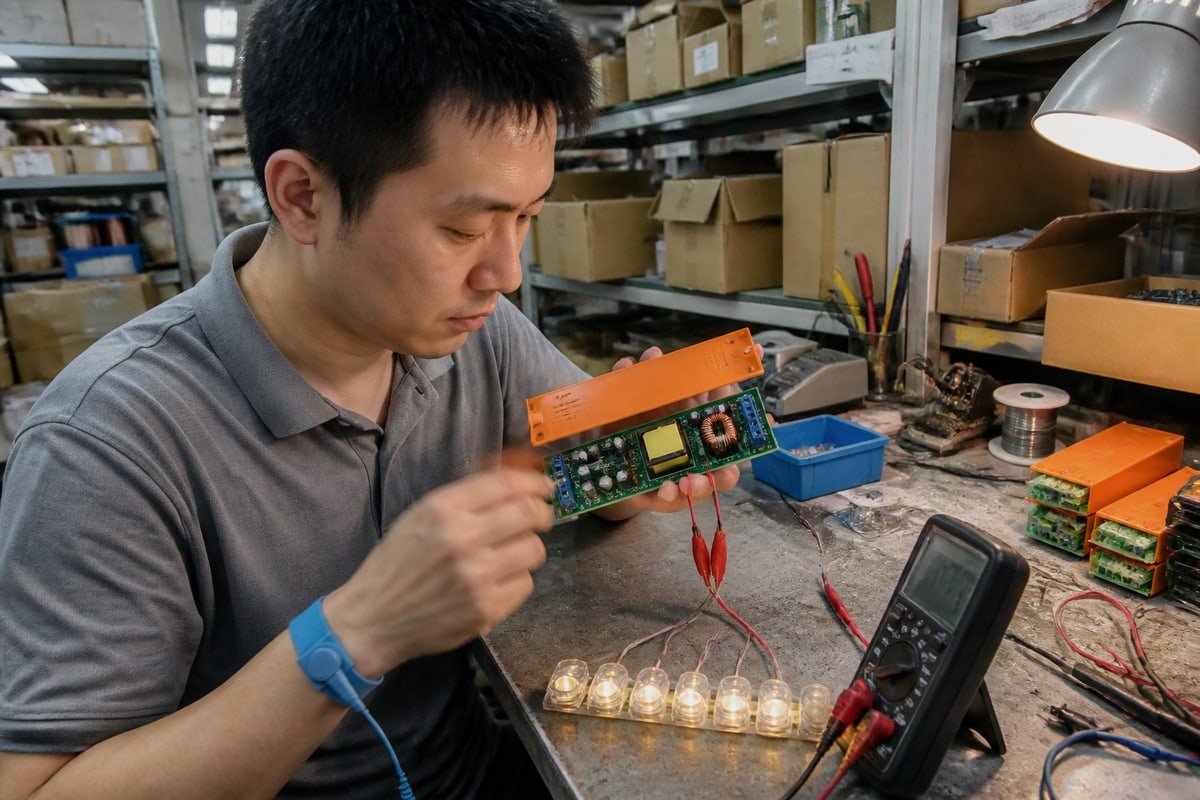
أثناء اختبار الحرق في منشأتنا في Shenzhen، نشغل كل دفعة من المشغلات القابلة للتعتيم لساعات قبل الشحن. هذا الروتين موجود لسبب واحد: إساءة استخدام التيار تقتل مصابيح LED بصمت.
التيار الثابت يحمي مصابيح LED لأن السطوع واللون والحرارة والعمر الافتراضي جميعها تعتمد على التيار. التيار المحدد يمنع الانفلات الحراري، ويحافظ على توحيد خرج الضوء عبر كل ثنائي، ويمنع التيار الزائد من رفع حرارة الوصلة—مما يطيل عمر العمل للتركيبة النهائية مباشرةً.
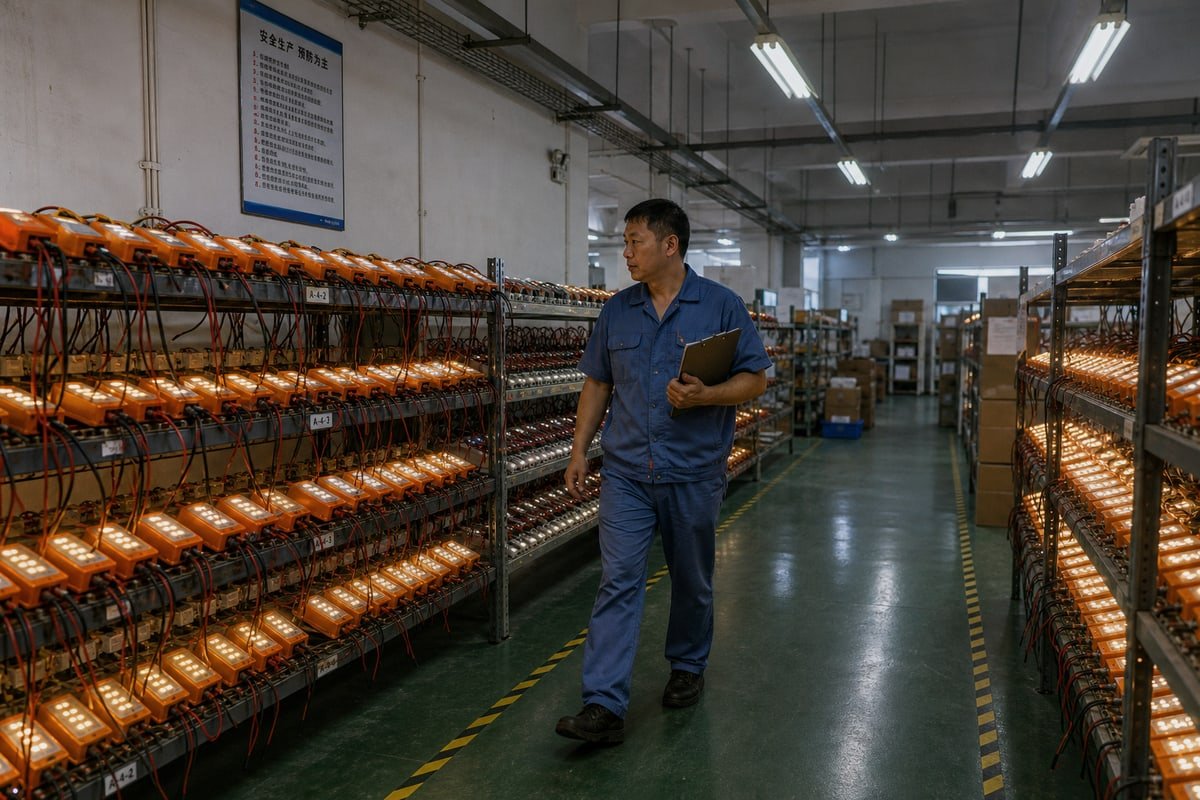
مصابيح LED ليست أحمالًا مقاومة. جهدها الأمامي ليس ثابتًا؛ إنه يتغير مع درجة الحرارة وتفاوتات التصنيع. هذه الحقيقة الواحدة تفسر كل ما يلي تقريبًا.
الانفلات الحراري: القاتل الصامت
إليك الدورة المدمرة. مع ارتفاع حرارة LED، ينخفض جهدها الأمامي. على مصدر جهد عادي، يعني الجهد الأمامي المنخفض أن الصمام الثنائي يسحب تيارًا أكبر. تيار أكبر يخلق حرارة أكثر، مما يخفض الجهد أكثر، مما يسحب تيارًا أكبر. هذه الحلقة هي الانفلات الحراري، وتنتهي بصمام ثنائي ميت. يكسر مشغل التيار الثابت الحلقة تمامًا. تنظيم التيار يثبت الأمبير عند المستوى المستهدف بغض النظر عن انحراف الجهد الأمامي، لذا لا يمكن للحرارة أن تخرج عن السيطرة.
سطوع موحد وتصميم أنظف
لمعان LED يتناسب طرديًا مع تدفق الإلكترونات. ثبّت التيار، وسيضيء كل صمام ثنائي في السلسلة بنفس الشدة. هناك مكافأة لتصميمات OEM أيضًا: مشغل CC يلغي الحاجة إلى مقاومات محددة للتيار غير فعالة على لوحة LED. هذا يقلل الطاقة المهدرة ويبسط الإدارة الحرارية 3 داخل التركيب.
الوميض والتموج والتراجع الحراري
تفصيلان في الأداء يفصلان المشغلات الممتازة عن الرخيصة. أولاً، تيار التموج المنخفض يزيل الوميض الستروبوسكوبي 4—ضروري للإضاءة المتمحورة حول الإنسان وللمساحات التي يتم تصويرها بكاميرات رقمية عالية السرعة. ثانيًا، تستخدم المحركات المتقدمة خاصية التخفيض الحراري عبر الثرمستورات NTC، حيث تقوم بتخفيف الإخراج بذكاء لتبديد الحرارة بدلاً من إيقاف النظام فجأة. نحن ندمج كلا السلوكين في خطوط محركاتنا المتوسطة إلى عالية الجودة لأن المشترين الأوروبيين واليابانيين يختبرونها تحديدًا.
كيف يمكنني اختيار محرك LED ذو التيار الثابت المناسب لمشروع الإضاءة OEM الخاص بي؟
كل مشروع ODM يفرض مقايضة بين التكلفة والكفاءة وهامش الجهد. يقوم مهندسونا بوزن هذه المتغيرات الثلاثة قبل التوصية بأي محرك لعلامة تجارية إضاءة.
اختر محرك LED ذو التيار الثابت من خلال مطابقة ثلاث مواصفات: تيار التشغيل المطلوب لسلسلة LED، وإجمالي الجهد الأمامي الذي يقع ضمن نطاق جهد الخرج للمحرك، وبروتوكول التعتيم الخاص بك. ثم تأكد من الكفاءة والشهادات والملاءمة الفيزيائية قبل طلب كميات الإنتاج.
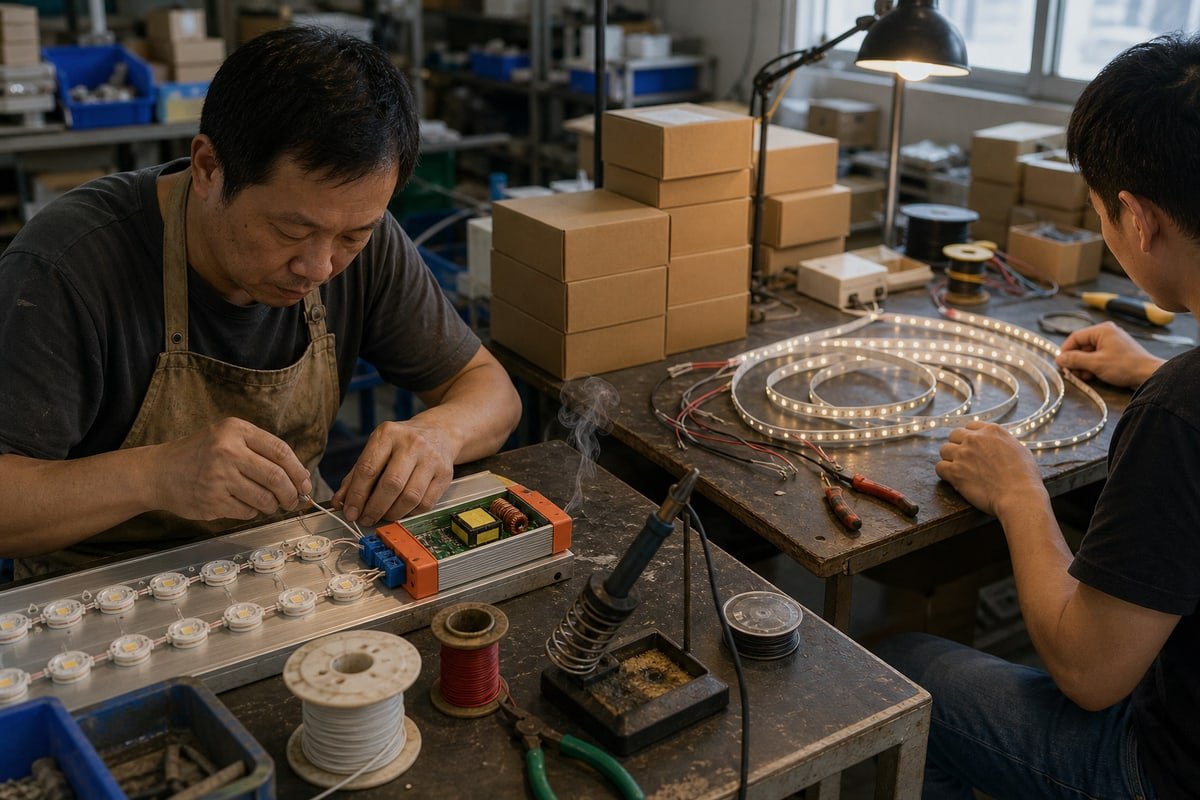
اتبع هذا التسلسل، وستتجنب فشل الاختيار الأكثر شيوعًا الذي أراه في مشاريع OEM.
- ثبّت التيار. تحدد ورقة بيانات وحدة LED الخاصة بك تيار التشغيل الخاص بها. يجب أن يتطابق تصنيف المللي أمبير للمحرك معها تمامًا.
- تحقق من جهد الامتثال. هذا هو المكان الذي تفشل فيه الاختيارات التي تبدو صحيحة. محرك 700 مللي أمبير لا يعني أنه يمكنه توفير 700 مللي أمبير لأي حمل. إذا كان المحرك مقننًا بـ 700 مللي أمبير، 18-42 فولت، فإن سلسلة LED التي تتطلب 50 فولت لا يمكن تشغيلها بشكل صحيح—حتى لو كان متطلب التيار الخاص بها 700 مللي أمبير. يجب أن يقع إجمالي الجهد الأمامي للسلسلة داخل النافذة.
- استهدف القرب من أعلى النافذة. تحدث ذروة كفاءة المحرك عندما يكون إجمالي الجهد الأمامي للحمل قريبًا من أقصى جهد مقنن للمحرك. التشغيل في أسفل نطاق الجهد غالبًا ما يقلل من معامل القدرة.
- اختر طريقة التعتيم الخاصة بك. تعتيم PWM يرسل نبضات التيار الكامل بسرعة لعمق دقيق؛ التعتيم التناظري يخفض مستوى التيار نفسه. تقليل تيار التشغيل يقلل الشدة، لذا يعمل كلا النهجين—لكنهما يتصرفان بشكل مختلف مع أدوات التحكم الخاصة بك.
- تأكد من عامل الشكل. وحدات PCB المفتوحة مناسبة للتكامل داخل التركيبات؛ المحركات المغلقة ذات الهيكل مناسبة للأسلاك الميدانية.
تصنيفات المللي أمبير الشائعة وأين تناسب
| تصنيف المللي أمبير | التطبيق النموذجي |
|---|---|
| 350 مللي أمبير | سبوتات صغيرة، وحدات منخفضة الطاقة |
| 500 مللي أمبير | أضواء كاشفة مدمجة |
| 700 مللي أمبير | أضواء كاشفة رئيسية وأضواء مسارية |
| 1050 مللي أمبير | تركيبات تجارية عالية الإخراج |
| 1400 مللي أمبير | إنارة صناعية وخارجية عالية الطاقة |
ما هي المواصفات التي يجب أن أتحقق منها عند شراء محولات LED ذات التيار الثابت بكميات كبيرة؟
شحنة أعددناها لموزع ألماني علمتني درسًا قاسيًا مرة واحدة: ورقة بيانات تخفي تفاصيل التسامح تخلق مشاكل لا يمكن لأي فحص مصنعي إصلاحها لاحقًا.
تحقق من تسامح تيار الإخراج، ونافذة جهد الإخراج، وتيار التموج، وكفاءة المحرك، ومعامل القدرة، وتوافق التعتيم، والحماية الحرارية، والشهادات السوقية. اطلب أوراق البيانات الكاملة، وتقارير اختبار العينات، وإجراءات الاحتراق في المصنع قبل الالتزام بأي شراء بالجملة لمحركات LED ذات التيار الثابت.
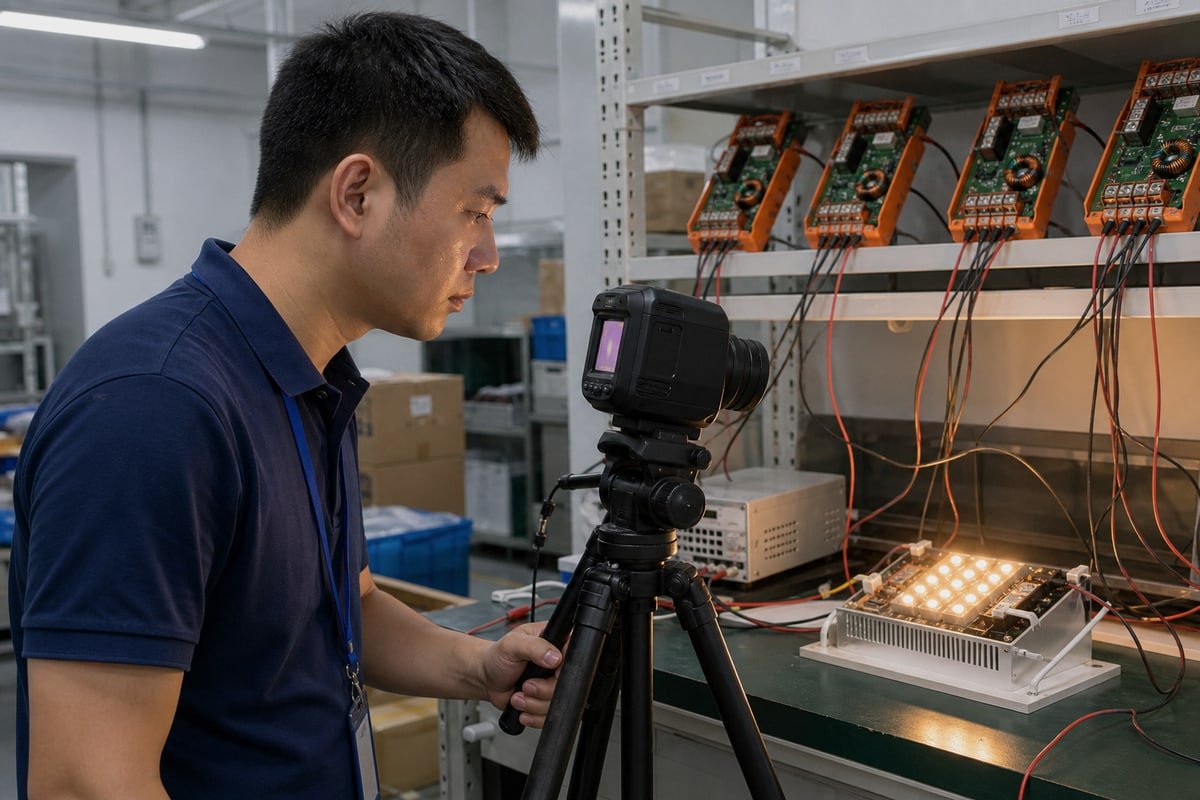
إليك تحذير عملي أولاً: التيار الثابت لا يعني تيارًا ثابتًا تمامًا تحت كل ظروف التشغيل. المحركات الحقيقية لديها تسامح في تنظيم التيار، وسلوك بدء التشغيل، وتأثيرات حرارية، ومتطلبات حمل أدنى، وقيود متعلقة بالتعتيم. هذه التفاصيل مهمة للغاية في تطبيقات OEM، وأوراق البيانات الغامضة هي إشارة الفشل. عندما يكتب المورد "تقريبًا" بجانب تصنيف التيار دون ذكر نطاق التسامح، اطلب الرقم الدقيق كتابيًا.
قائمة فحص الشراء بالجملة التي نقدمها للمشترين
| تخصيص | ما الذي يجب التحقق منه | لماذا هذا مهم؟ |
|---|---|---|
| تسامح تيار الإخراج | نطاق التنظيم الدقيق، مذكور كتابيًا | اتساق السطوع من دفعة إلى أخرى |
| نطاق جهد الإخراج | النافذة الكاملة، بالإضافة إلى سلوك بدء التشغيل | التوافق مع سلاسل LED الخاصة بك |
| تيار التموج | أرقام تموج منخفضة عند الحمل المقنن | إضاءة خالية من الوميض، إخراج آمن للكاميرات |
| كفاءة المحرك | الكفاءة عند نقطة التشغيل الفعلية الخاصة بك | الحرارة داخل التركيب، ادعاءات الطاقة |
| معامل القدرة | القيمة عند نقطة تشغيل الجهد لديك | الامتثال لمرافق الطاقة في الأسواق المستهدفة |
| توافق التعتيم | البروتوكول، الحد الأدنى لمستوى التعتيم، الوميض عند التعتيم المنخفض | أداء سلس مع أدوات التحكم الخاصة بك |
| الحماية الحرارية | الطي عبر الثرمستور NTC مقابل الإيقاف الصارم | سلوك سلس أثناء زيادات الحرارة |
| الشهادات | العلامات المطلوبة في منطقة مبيعاتك | الوصول القانوني إلى السوق، التخليص الجمركي |
اسأل عن الاختبار، وليس المواصفات فقط
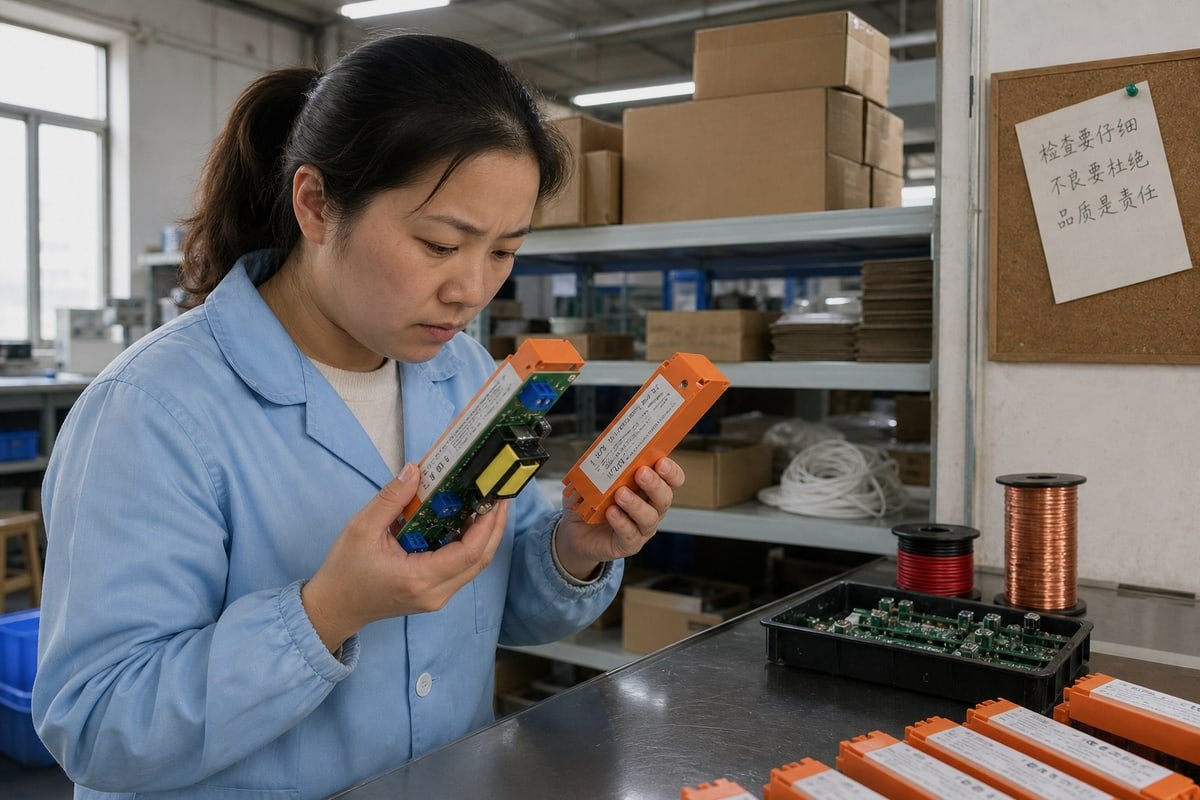
الأرقام على الورق ليست سوى نصف القصة. اسأل كيف يدير المصنع اختبار الاحتراق، وكيف يأخذ عينات لمراقبة الجودة، وكيف يتعامل مع حالات الحمل الأدنى وحالات بدء التشغيل الحدية. في أعمال التصدير الخاصة بنا عبر أوروبا واليابان وجنوب شرق آسيا، نشارك إجراءات الاختبار بشفافية لأن مشتري العلامات الخاصة يتحملون مخاطر الضمان تحت علامتهم التجارية الخاصة. نقطة استشرافية تستحق طرحها مع الموردين: محركات التيار الثابت الحديثة تتطور إلى عقد بيانات إنترنت الأشياء التي تبلغ عن استهلاك الطاقة، وصحة المكونات، ووقت التشغيل التراكمي للصيانة التنبؤية. إذا كانت خارطة طريق منتجك تتضمن الإضاءة المتصلة، فتحقق الآن مما إذا كانت منصة المحرك يمكنها دعم هذا القياس عن بُعد لاحقًا.
الخلاصة
التيار الثابت يعني أمبير ثابت، وفولت مرن. احصل على التيار، ونافذة الجهد، والتعتيم بشكل صحيح، وسيدوم منتج LED الخاص بك. أخطأت في ذلك، وستتراكم المرتجعات بسرعة.
الحواشي السفلية
قسم ويكيبيديا الموثوق الذي يشرح الخصائص الكهربائية لمصابيح LED والجهد الأمامي. ↩︎
هيئة المعايير الوطنية التي توفر تعريفات رسمية وبروتوكولات قياس للمعلمات الكهربائية. ↩︎
نظرة عامة مفصلة على تقنيات تبديد الحرارة الأساسية للحفاظ على طول عمر المكونات الإلكترونية. ↩︎
سلطة تقنية رائدة للمعايير الكهربائية، بما في ذلك تخفيف الوميض في أنظمة الإضاءة. ↩︎