












ผู้ซื้อถามวิศวกรเซินเจิ้นของเราทุกสัปดาห์ว่า กระแสคงที่ในไดรเวอร์ LED หมายถึงอะไร? หากเลือกประเภทผิด ฟิกซ์เจอร์ที่ผลิตเสร็จจะเสียภายในไม่กี่เดือน คู่มือนี้จะอธิบายให้เข้าใจ.
กระแสคงที่หมายถึงไดรเวอร์ LED รักษากระแสเอาต์พุตให้คงที่ที่ระดับที่ตั้งไว้ เช่น 350 mA หรือ 700 mA ขณะที่ปรับแรงดันไฟฟ้าเอาต์พุตโดยอัตโนมัติให้สอดคล้องกับโหลด LED ไดรเวอร์ควบคุมกระแส ส่วนชุด LED เป็นตัวกำหนดแรงดันไฟฟ้าที่ต้องการภายในช่วงพิกัดของไดรเวอร์.
ประโยคเดียวนั้นซ่อนรายละเอียดหลายอย่างที่สำคัญในโครงการจริง หัวข้อด้านล่างจะอธิบายทีละประเด็น เราจะครอบคลุมวิธีสังเกตไดรเวอร์กระแสคงที่ เหตุผลที่ช่วยปกป้อง LED ของคุณ วิธีเลือกซื้อ และสเปกที่ต้องตรวจสอบก่อนสั่งซื้อจำนวนมาก.
ฉันจะแยกความแตกต่างระหว่างไดรเวอร์ LED กระแสคงที่และแรงดันคงที่ได้อย่างไร?
สัปดาห์ที่แล้วผู้จัดการฝ่ายจัดซื้อในสิงคโปร์ส่งข้อความมาทาง WhatsApp พร้อมรูปฉลากไดรเวอร์ ถามว่ากำลังดูไดรเวอร์ประเภทใดอยู่ นี่คือคำถามที่เราได้ยินบ่อยที่สุด.
ตรวจสอบฉลากเอาต์พุต ไดรเวอร์กระแสคงที่ระบุค่ากระแสคงที่พร้อมช่วงแรงดันไฟฟ้า เช่น 700 mA, 18–42 V ไดรเวอร์แรงดันคงที่ระบุค่าแรงดันคงที่พร้อมกระแสสูงสุด เช่น 24 V, 2.5 A บรรทัดเดียวนั้นบอกคุณได้ทุกอย่าง.

สำหรับการเปรียบเทียบกระแสคงที่กับแรงดันคงที่อย่างรวดเร็ว ตารางนี้สรุปสิ่งที่ฉันอธิบายให้ผู้ซื้อรายใหม่ทุกสัปดาห์:
| ลักษณะเฉพาะ | ไดรเวอร์กระแสคงที่ (CC) | ไดรเวอร์แรงดันคงที่ (CV) |
|---|---|---|
| พารามิเตอร์ที่ถูกควบคุม | กระแส (mA) | แรงดัน (V) |
| สิ่งที่แปรผัน | แรงดันเอาต์พุต | กระแสเอาต์พุต |
| ฉลากทั่วไป | 700 mA, 18–42 V | 24 V, สูงสุด 2.5 A |
| การเดินสายทั่วไป | การเดินสายวงจรอนุกรม | สาขาแบบขนาน |
| การใช้งานทั่วไป | ดาวน์ไลต์, LED กำลังสูง, โมดูล COB | แถบ LED, เทปยืดหยุ่น, โมดูลป้าย |
อ่านฉลากเอาต์พุตก่อนเป็นอันดับแรก
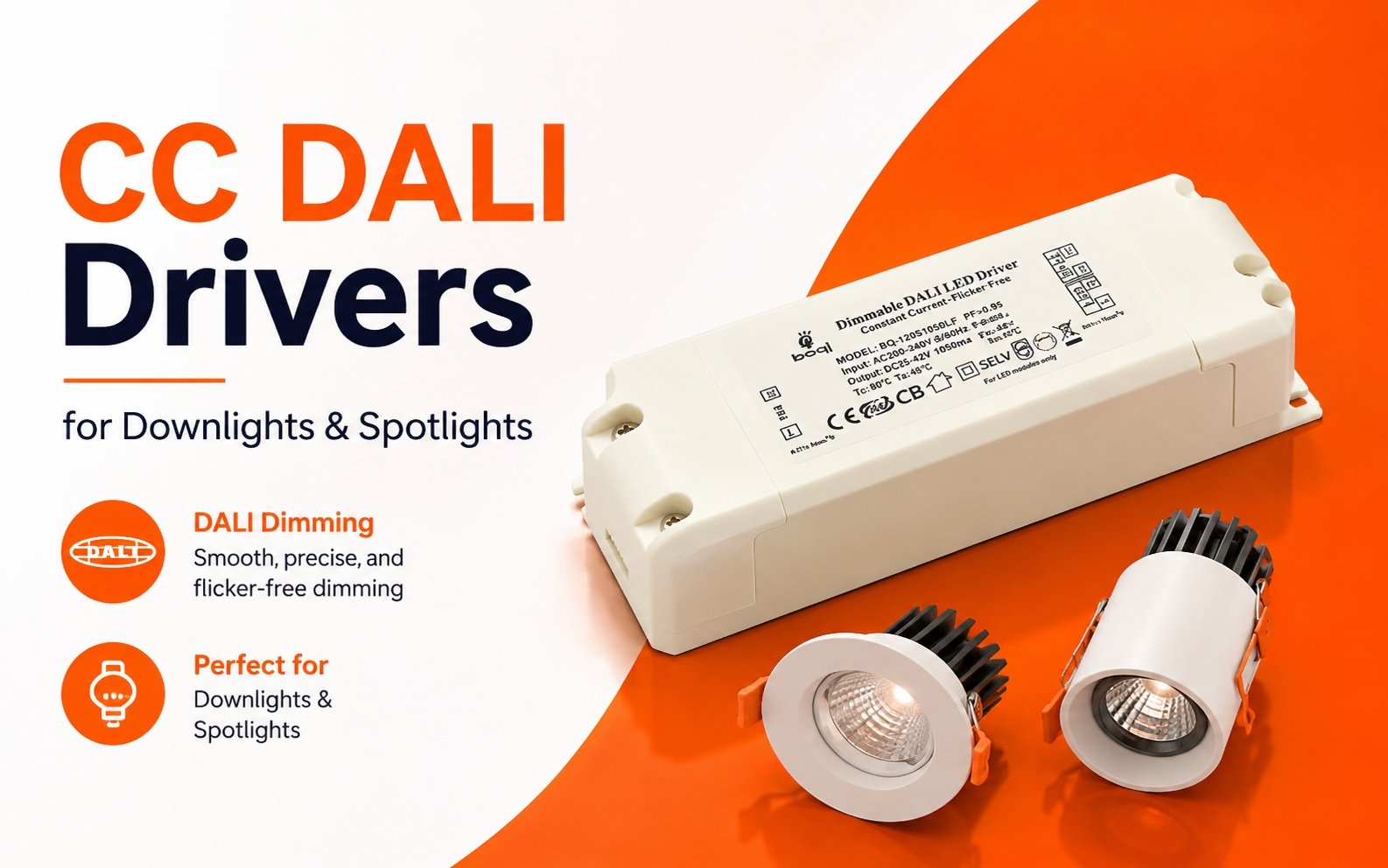
ฉลากจะเผยประเภทของไดรเวอร์เสมอ ไดรเวอร์ CC ระบุพิกัดมิลลิแอมป์ก่อน จากนั้นจึงระบุช่วงแรงดันไฟฟ้า ส่วนไดรเวอร์ CV ระบุแรงดันคงที่ค่าเดียวก่อน จากนั้นจึงระบุกระแสสูงสุด บนโมดูลไดรเวอร์แบบหรี่แสงได้ของเรา เราพิมพ์บรรทัดนี้บนฉลากสเปกสีขาว เพื่อให้ผู้ติดตั้งไม่ต้องเดา การเดินสายวงจรอนุกรมเป็นเบาะแสที่สอง เมื่อ LED อยู่ในชุดแบบอนุกรม กระแสเดียวกันจะไหลผ่านทุกไดโอด ดังนั้นไดรเวอร์ CC จึงรับประกันความสว่างที่เหมือนกันทั่วทั้งชุด แรงดันไปข้างหน้าทั้งหมด.
เหตุใดรูปแบบการเดินสายไฟจึงบ่งบอกได้
ของชุดจะรวมกัน และช่วงแรงดันเอาต์พุต ของไดรเวอร์จะรองรับผลรวมนั้น ในทางตรงกันข้าม แหล่งจ่าย CV จะจ่ายให้กับสาขาแบบขนาน เช่น แถบ LED ซึ่งแต่ละส่วนมีตัวต้านทานของตัวเองเพื่อจำกัดกระแส หากผลิตภัณฑ์ที่คุณจ่ายไฟมีตัวต้านทานบนบอร์ด แสดงว่าเกือบแน่นอนว่าต้องการแรงดันคงที่ หากเป็นโมดูล LED เปล่าหรือชุดอนุกรม แสดงว่าต้องการกระแสคงที่ 1 แรงดันเอาต์พุตของไดรเวอร์กระแสคงที่เปลี่ยนแปลงระหว่างการทำงานปกติ ไดรเวอร์จะเลื่อนแรงดันไฟฟ้าภายในช่วงพิกัดโดยเจตนาเพื่อรักษากระแสให้คงที่เมื่อชุด LED ร้อนขึ้นหรือเมื่อแรงดันไปข้างหน้าเบี่ยงเบน 2 กระแสคงที่หมายถึงแรงดันไฟฟ้าไม่เปลี่ยนแปลง.
ทำไมกระแสคงที่จึงสำคัญต่ออายุการใช้งานและประสิทธิภาพของผลิตภัณฑ์ LED ของฉัน?
ความส่องสว่างของ LED เป็นสัดส่วนโดยตรงกับการไหลของอิเล็กตรอน เมื่อกระแสคงที่ ทุกไดโอดในชุดอนุกรมจะส่องสว่างที่ความเข้มเท่ากัน มีโบนัสสำหรับการออกแบบ OEM ด้วย: ไดรเวอร์ CC ช่วยลดความจำเป็นในการใช้ตัวต้านทานจำกัดกระแสที่ไม่มีประสิทธิภาพบนบอร์ด LED ซึ่งลดพลังงานที่สูญเปล่าและทำให้การจัดการความร้อน.
กระแสคงที่ช่วยปกป้อง LED เนื่องจากความสว่าง สี ความร้อน และอายุการใช้งานล้วนขึ้นอยู่กับกระแสไฟฟ้า กระแสคงที่ป้องกันการหนีความร้อน (thermal runaway) รักษาความสม่ำเสมอของแสงที่ออกจากทุกไดโอด และหยุดกระแสเกินไม่ให้ทำให้จุดเชื่อมต่อร้อนเกินไป—ซึ่งช่วยยืดอายุการทำงานของโคมไฟสำเร็จรูปโดยตรง.
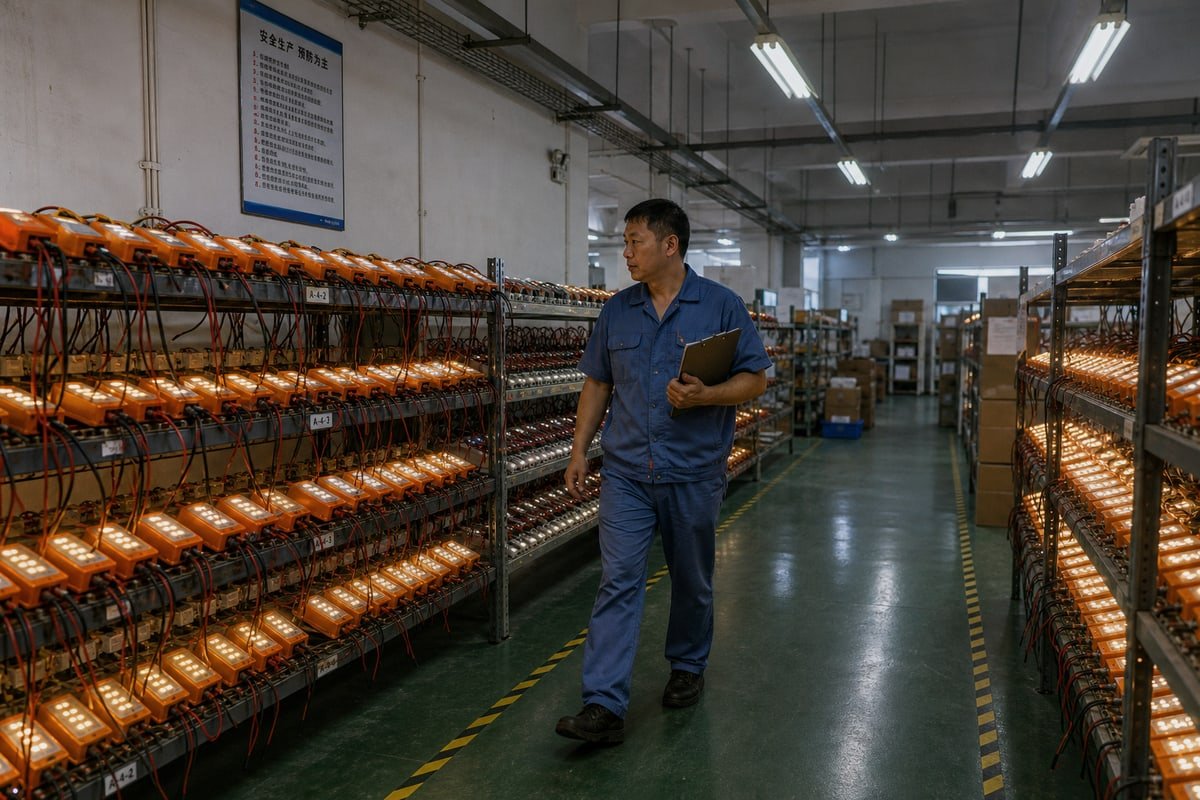
ภายในฟิกซ์เจอร์ง่ายขึ้น.
Thermal Runaway: ตัวฆ่าที่เงียบเชียบ
รายละเอียดประสิทธิภาพสองอย่างแยกไดรเวอร์ระดับพรีเมียมจากรุ่นราคาถูก ประการแรก กระแสริปเปิลต่ำช่วยขจัด.
ความสว่างสม่ำเสมอและการออกแบบที่สะอาดกว่า
ความสว่างของ LED เป็นสัดส่วนโดยตรงกับการไหลของอิเล็กตรอน หากปรับกระแสให้คงที่ ไดโอดทุกตัวในชุดอนุกรมจะส่องสว่างด้วยความเข้มเท่ากัน ยังมีข้อดีเพิ่มเติมสำหรับการออกแบบ OEM ด้วย: ไดรเวอร์แบบ CC ช่วยลดความจำเป็นในการใช้ตัวต้านทานจำกัดกระแสที่ไม่มีประสิทธิภาพบนแผง LED ซึ่งช่วยลดพลังงานที่สูญเปล่าและทำให้การจัดการความร้อน ภายในโคมไฟง่ายขึ้น 3 ภายในโคมไฟ.
Flicker, Ripple และ Thermal Foldback
รายละเอียดด้านประสิทธิภาพสองประการแยกไดรเวอร์ระดับพรีเมียมออกจากไดรเวอร์ราคาถูก ประการแรก กระแสริปเปิลต่ำช่วยลด เอฟเฟกต์การกะพริบแบบสโตรโบสโคปิก 4—สำคัญสำหรับระบบแสงสว่างที่เน้นมนุษย์เป็นศูนย์กลางและพื้นที่ที่ถ่ายทำด้วยกล้องดิจิทัลความเร็วสูง ประการที่สอง ไดรเวอร์ขั้นสูงใช้การลดความร้อนแบบ Thermal Foldback ผ่านเทอร์มิสเตอร์ NTC โดยลดกำลังไฟอย่างชาญฉลาดเพื่อระบายความร้อนแทนที่จะปิดระบบทันที เราสร้างพฤติกรรมทั้งสองนี้ไว้ในไลน์ไดรเวอร์ระดับกลางถึงสูง เนื่องจากผู้ซื้อในยุโรปและญี่ปุ่นทดสอบคุณสมบัติเหล่านี้โดยเฉพาะ.
ฉันจะเลือกไดรเวอร์ LED กระแสคงที่ที่เหมาะสมสำหรับโครงการไฟ OEM ของฉันได้อย่างไร?
ทุกโครงการ ODM บังคับให้ต้องมีการแลกเปลี่ยนระหว่างต้นทุน ประสิทธิภาพ และระยะแรงดันไฟฟ้าสำรอง วิศวกรของเราชั่งน้ำหนักตัวแปรทั้งสามนี้ก่อนแนะนำไดรเวอร์ใดๆ ให้กับแบรนด์แสงสว่าง.
เลือกไดรเวอร์ LED กระแสคงที่โดยจับคู่ข้อกำหนดสามประการ: กระแสขับที่ต้องการของชุด LED, แรงดันไปข้างหน้ารวมที่อยู่ในช่วงแรงดันเอาต์พุตของไดรเวอร์ และโปรโตคอลการหรี่แสงของคุณ จากนั้นยืนยันประสิทธิภาพ ใบรับรอง และขนาดทางกายภาพก่อนสั่งซื้อในปริมาณการผลิต.
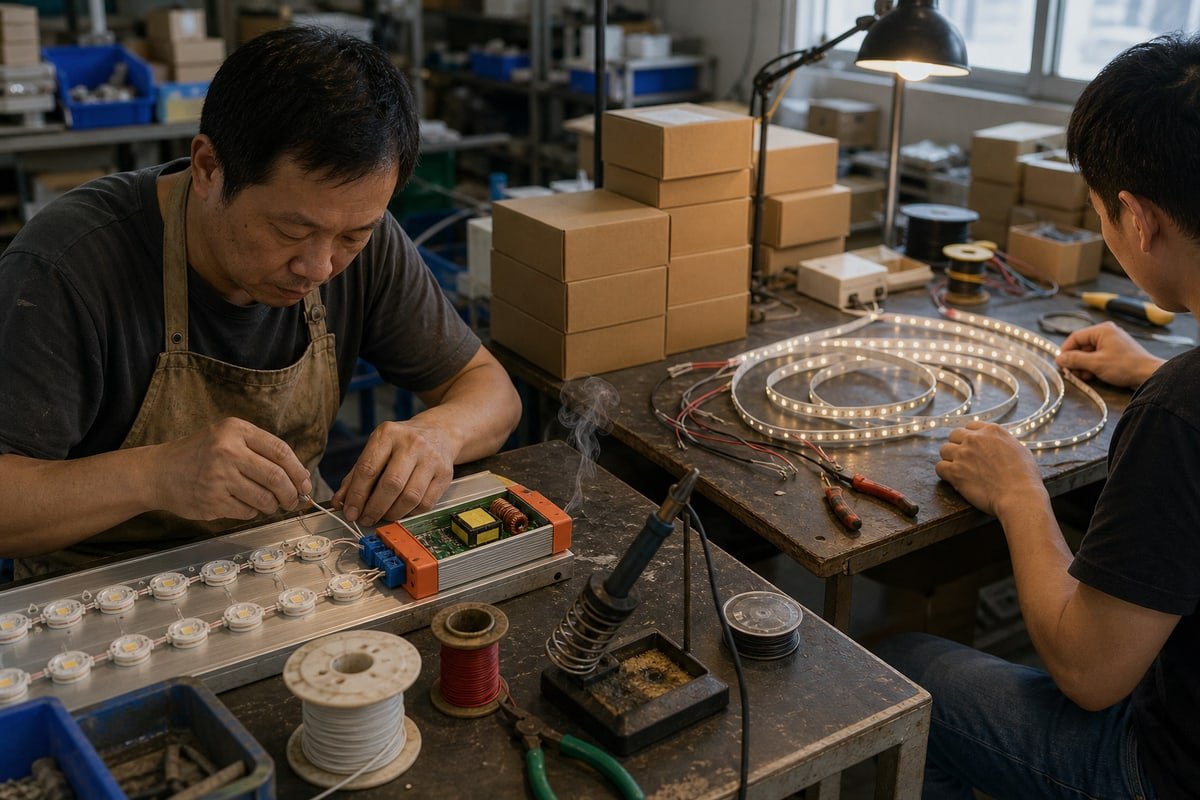
ทำตามลำดับนี้ คุณจะหลีกเลี่ยงความล้มเหลวในการเลือกที่พบบ่อยที่สุดที่ฉันเห็นในโครงการ OEM.
- กำหนดกระแสให้คงที่. ดาต้าชีตของโมดูล LED ของคุณระบุกระแสขับของมัน ค่ามิลลิแอมป์ของไดรเวอร์ต้องตรงกับค่านั้นอย่างแม่นยำ.
- ตรวจสอบแรงดันไฟฟ้าที่รองรับ (Compliance Voltage). นี่คือจุดที่การเลือกที่ดูเหมือนถูกต้องล้มเหลว ไดรเวอร์ 700 mA ไม่ได้หมายความว่าสามารถจ่ายกระแส 700 mA ให้กับโหลดใดๆ ได้ หากไดรเวอร์มีพิกัด 700 mA, 18–42 V ชุด LED ที่ต้องการ 50 V จะไม่สามารถขับได้อย่างถูกต้อง—แม้ว่าความต้องการกระแสจะเป็น 700 mA ก็ตาม แรงดันไปข้างหน้ารวมของชุด LED ต้องอยู่ในช่วงที่กำหนด.
- เล็งไปใกล้ด้านบนของช่วง. ประสิทธิภาพสูงสุดของไดรเวอร์เกิดขึ้นเมื่อแรงดันไปข้างหน้ารวมของโหลดอยู่ใกล้กับแรงดันสูงสุดที่กำหนดของไดรเวอร์ การทำงานที่ด้านล่างของช่วงแรงดันมักจะลดตัวประกอบกำลังลง.
- เลือกวิธีการหรี่แสงของคุณ. การหรี่แสงแบบ PWM การส่งพัลส์กระแสเต็มอย่างรวดเร็วเพื่อความแม่นยำเชิงลึก การหรี่แสงแบบแอนะล็อกจะลดระดับกระแสเอง การลดกระแสขับจะลดความเข้มแสง ดังนั้นทั้งสองวิธีใช้ได้—แต่พฤติกรรมแตกต่างกันกับระบบควบคุมของคุณ.
- ยืนยันรูปแบบทางกายภาพ. โมดูล PCB แบบเปิดเหมาะสำหรับการติดตั้งภายในโคมไฟ ไดรเวอร์แบบกล่องปิดเหมาะสำหรับการเดินสายในสนาม.
พิกัดมิลลิแอมป์ทั่วไปและการประยุกต์ใช้งาน
| ค่าพิกัดมิลลิแอมป์ | การใช้งานทั่วไป |
|---|---|
| 350 มิลลิแอมป์ | สปอตไลต์ขนาดเล็ก โมดูลพลังงานต่ำ |
| 500 มิลลิแอมป์ | ดาวน์ไลท์ขนาดกะทัดรัด |
| 700 มิลลิแอมป์ | ดาวน์ไลท์และไฟรางกระแสหลัก |
| 1050 มิลลิแอมป์ | โคมไฟเชิงพาณิชย์กำลังสูง |
| 1400 มิลลิแอมป์ | โคมไฟอุตสาหกรรมและกลางแจ้งกำลังสูง |
ควรตรวจสอบข้อกำหนดใดบ้างเมื่อจัดซื้อไดรเวอร์ LED กระแสคงที่ในปริมาณมาก?
การจัดส่งที่เราเตรียมให้ตัวแทนจำหน่ายในเยอรมนีครั้งหนึ่งสอนบทเรียนสำคัญแก่ฉัน: ดาต้าชีตที่ซ่อนรายละเอียดความคลาดเคลื่อนสร้างปัญหาที่การตรวจสอบจากโรงงานไม่สามารถแก้ไขได้ในภายหลัง.
ตรวจสอบความคลาดเคลื่อนของกระแสเอาต์พุต ช่วงแรงดันเอาต์พุต กระแสริปเปิล ประสิทธิภาพไดรเวอร์ ตัวประกอบกำลัง ความเข้ากันได้ของการหรี่แสง การป้องกันความร้อน และใบรับรองตลาด ขอข้อมูลดาต้าชีตฉบับเต็ม รายงานการทดสอบตัวอย่าง และขั้นตอนการ Burn-in ของโรงงานก่อนตัดสินใจซื้อไดรเวอร์ LED กระแสคงที่ในปริมาณมาก.
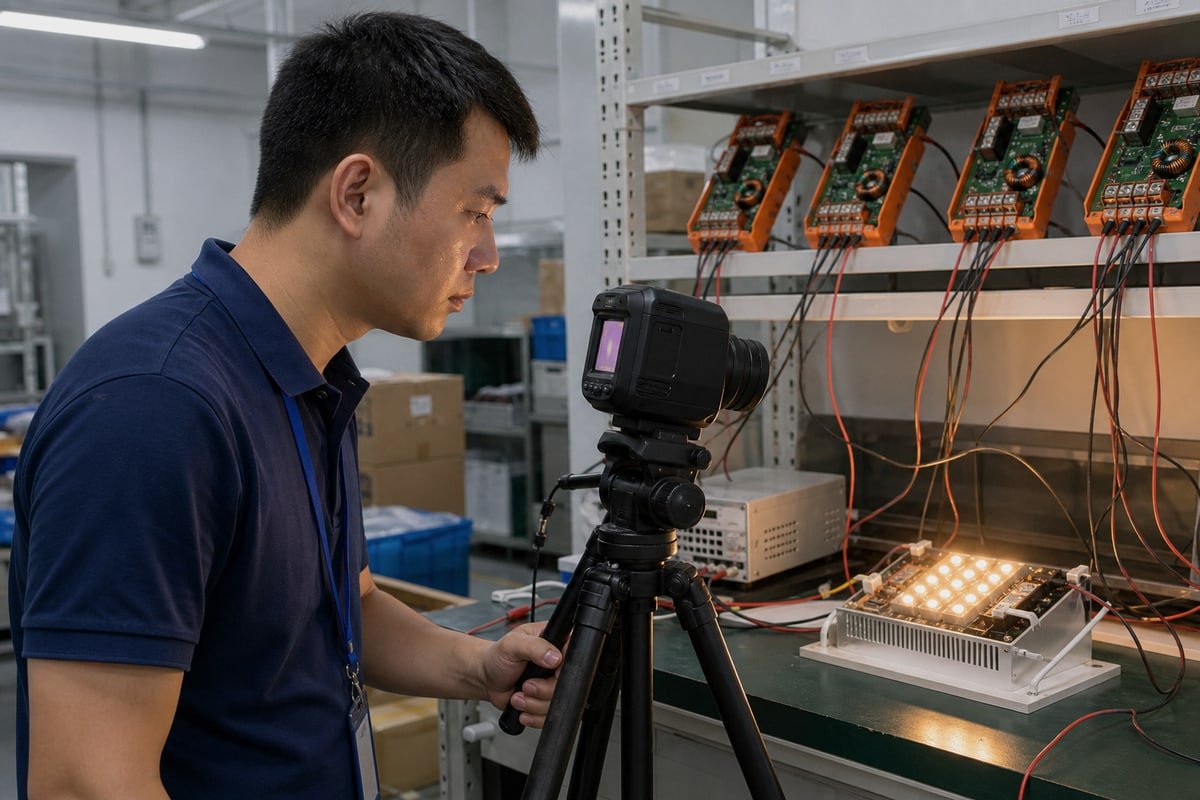
ข้อควรระวังในทางปฏิบัติก่อน: กระแสคงที่ไม่ได้หมายความว่าคงที่อย่างสมบูรณ์แบบในทุกสภาวะการทำงาน ไดรเวอร์จริงมีความคลาดเคลื่อนในการควบคุมกระแส พฤติกรรมเริ่มต้น ผลกระทบจากความร้อน ข้อกำหนดโหลดขั้นต่ำ และข้อจำกัดที่เกี่ยวข้องกับการหรี่แสง รายละเอียดเหล่านี้สำคัญอย่างยิ่งในการใช้งาน OEM และดาต้าชีตที่คลุมเครือคือสัญญาณของความล้มเหลว เมื่อซัพพลายเออร์เขียนคำว่า "ประมาณ" ข้างค่าพิกัดกระแสโดยไม่ระบุช่วงความคลาดเคลื่อน ให้ขอตัวเลขที่แน่นอนเป็นลายลักษณ์อักษร.
รายการตรวจสอบการสั่งซื้อจำนวนมากที่เราให้ผู้ซื้อ
| ข้อมูลจำเพาะ | สิ่งที่ต้องตรวจสอบ | เหตุใดจึงสำคัญ |
|---|---|---|
| ความคลาดเคลื่อนของกระแสเอาต์พุต | ช่วงการควบคุมที่แม่นยำ ระบุเป็นลายลักษณ์อักษร | ความสม่ำเสมอของความสว่างระหว่างล็อตการผลิต |
| ช่วงแรงดันเอาต์พุต | ช่วงเต็ม รวมถึงพฤติกรรมเริ่มต้น | ความเข้ากันได้กับชุด LED ของคุณ |
| กระแสริปเปิล | ค่าริปเปิลต่ำที่โหลดพิกัด | แสงไร้การกะพริบ เอาต์พุตปลอดภัยสำหรับกล้อง |
| ประสิทธิภาพไดรเวอร์ | ประสิทธิภาพที่จุดทำงานจริงของคุณ | ความร้อนภายในโคมไฟ การอ้างสิทธิ์ด้านพลังงาน |
| ตัวประกอบกำลังไฟฟ้า | ค่าที่จุดทำงานแรงดันไฟฟ้าของคุณ | การปฏิบัติตามข้อกำหนดของสาธารณูปโภคในตลาดเป้าหมาย |
| ความเข้ากันได้ของการหรี่แสง | โปรโตคอล ระดับการหรี่ขั้นต่ำ การกะพริบที่ระดับหรี่ต่ำ | ประสิทธิภาพที่ราบรื่นกับระบบควบคุมของคุณ |
| การป้องกันความร้อน | การลดกระแสผ่านเทอร์มิสเตอร์ NTC เทียบกับการตัดการทำงานแบบทันที | พฤติกรรมที่เหมาะสมระหว่างความร้อนพุ่งสูง |
| ใบรับรอง | เครื่องหมายที่จำเป็นในภูมิภาคการขายของคุณ | การเข้าถึงตลาดตามกฎหมาย การผ่านพิธีการศุลกากร |
สอบถามเรื่องการทดสอบ ไม่ใช่แค่สเปก
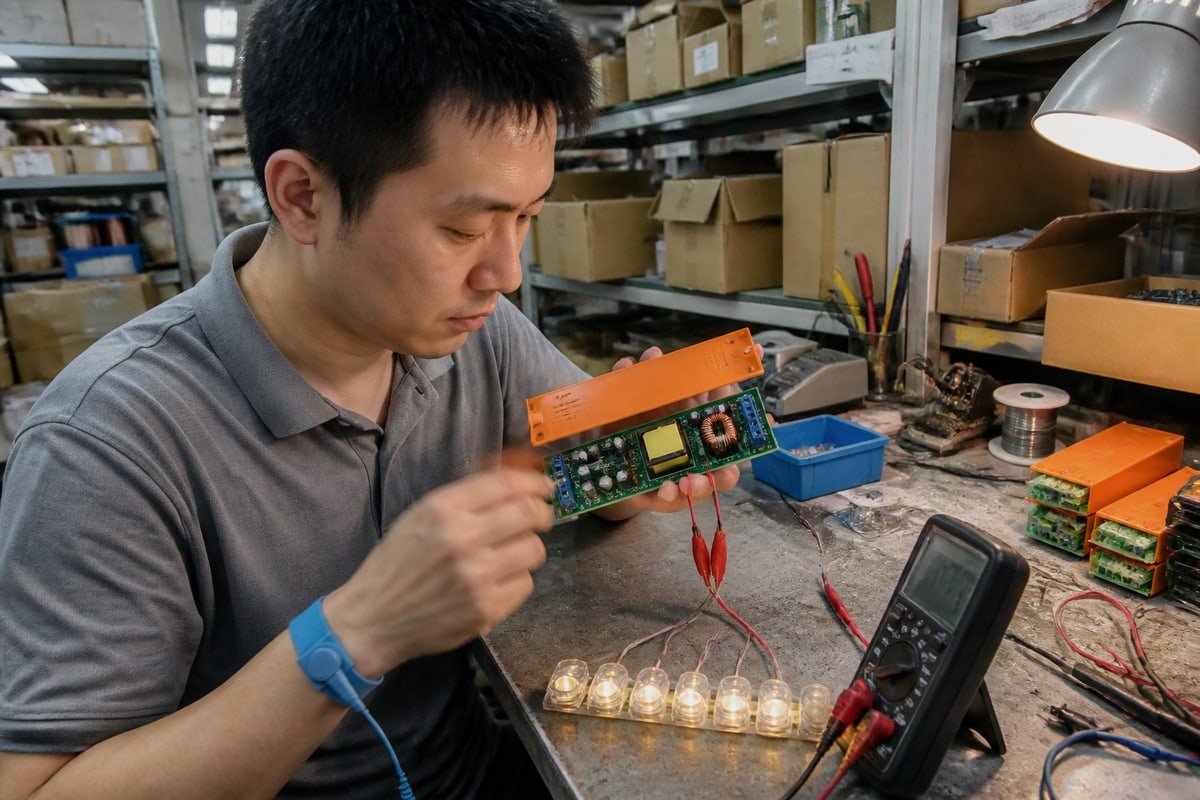
ตัวเลขบนกระดาษเป็นเพียงครึ่งหนึ่งของเรื่องราว ถามว่าโรงงานดำเนินการเบิร์นอินอย่างไร สุ่มตัวอย่างเพื่อการควบคุมคุณภาพอย่างไร และจัดการกับกรณีขอบของโหลดขั้นต่ำและการสตาร์ทอย่างไร ในงานส่งออกของเราเองในยุโรป ญี่ปุ่น และเอเชียตะวันออกเฉียงใต้ เราแบ่งปันขั้นตอนการทดสอบอย่างเปิดเผย เพราะผู้ซื้อแบรนด์ส่วนตัวต้องรับความเสี่ยงด้านการรับประกันภายใต้แบรนด์ของตนเอง จุดที่มองไปข้างหน้าซึ่งควรหยิบยกกับซัพพลายเออร์: ไดรเวอร์กระแสคงที่สมัยใหม่กำลังพัฒนาเป็นโหนดข้อมูล IoT ที่รายงานการใช้พลังงาน สุขภาพของส่วนประกอบ และเวลาทำงานสะสมสำหรับการบำรุงรักษาเชิงคาดการณ์ หากแผนผังผลิตภัณฑ์ของคุณรวมถึงระบบแสงสว่างแบบเชื่อมต่อ ยืนยันตอนนี้ว่าแพลตฟอร์มไดรเวอร์สามารถรองรับการส่งข้อมูลทางไกลนั้นได้ในภายหลัง.
บทสรุป
กระแสคงที่หมายถึงแอมป์คงที่ โวลต์ยืดหยุ่นได้ รับกระแส ช่วงแรงดันไฟฟ้า และการหรี่แสงให้ถูกต้อง ผลิตภัณฑ์ LED ของคุณจะใช้งานได้ยาวนาน หากผิดพลาด การคืนสินค้าจะสะสมอย่างรวดเร็ว.
เชิงอรรถ
ส่วนอ้างอิงจาก Wikipedia ที่อธิบายคุณลักษณะทางไฟฟ้าของ LED และแรงดันไปข้างหน้า. ↩︎
หน่วยงานมาตรฐานแห่งชาติที่ให้คำจำกัดความอย่างเป็นทางการและโปรโตคอลการวัดสำหรับพารามิเตอร์ทางไฟฟ้า. ↩︎
ภาพรวมโดยละเอียดของเทคนิคการระบายความร้อนที่จำเป็นต่อการรักษาอายุการใช้งานของส่วนประกอบอิเล็กทรอนิกส์. ↩︎
หน่วยงานด้านเทคนิคชั้นนำสำหรับมาตรฐานไฟฟ้า รวมถึงการลดการกะพริบในระบบแสงสว่าง. ↩︎