












Ogni preventivo RGBW preparato dal nostro team di Shenzhen inizia con la stessa lamentela: troppi indirizzi, troppo cablaggio. I vantaggi DT8 nei sistemi CV RGB e bianco tunabile risolvono esattamente questo.
I vantaggi del DT8 nei sistemi CV RGB e bianco tunabile includono il controllo a indirizzo singolo di più canali colore, miscelazione del colore lato driver, cablaggio e messa in servizio più semplici, comandi colore Tc e xy standardizzati secondo DALI-2, migliore scalabilità sul bus e minori costi totali di hardware e manodopera.
Questa è la risposta breve. Ma il vero valore diventa chiaro solo quando si osserva come DT8 cambia il lavoro di progettazione, il controllo qualità 1, i budget di progetto e la velocità di personalizzazione. Ti illustro ciascuno di questi aspetti.
Quali vantaggi tecnici offre DT8 nella progettazione di sistemi di illuminazione CV RGB e bianco regolabile?
Un compromesso caratterizza ogni specifica driver che il nostro team finalizza: semplicità del protocollo versus profondità di controllo. Per i sistemi multi-canale Driver LED a tensione costante, optiamo quasi sempre per DT8.
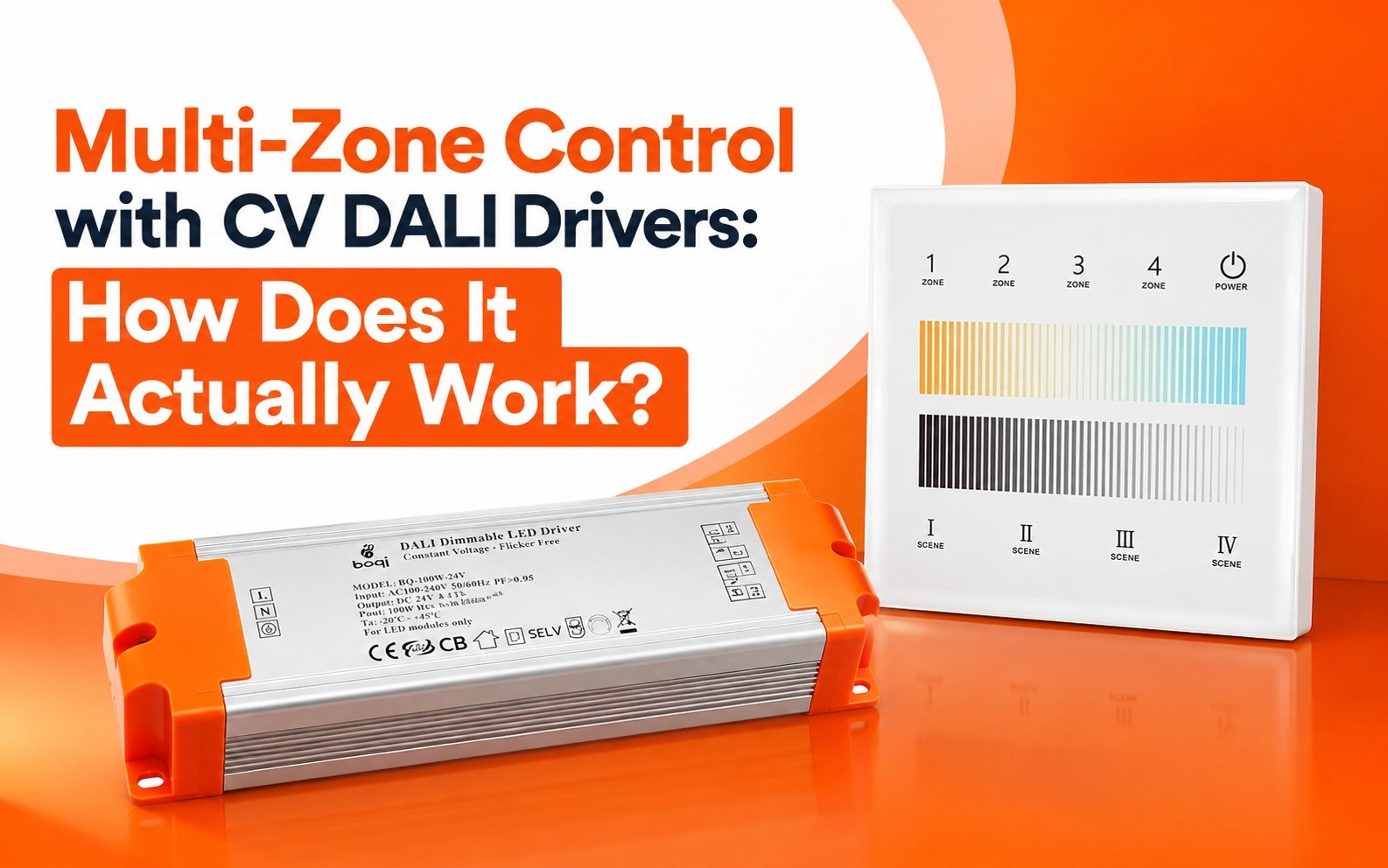
DT8 consente a un singolo indirizzo breve DALI di controllare un intero apparecchio RGB, RGBW o bianco tunabile. Il driver gestisce internamente il mixing dei canali, così si ottengono meno indirizzi, minore complessità di cablaggio, comandi standardizzati per la Temperatura di Colore Correlata e xy, e scene coordinate invece di canali separati.
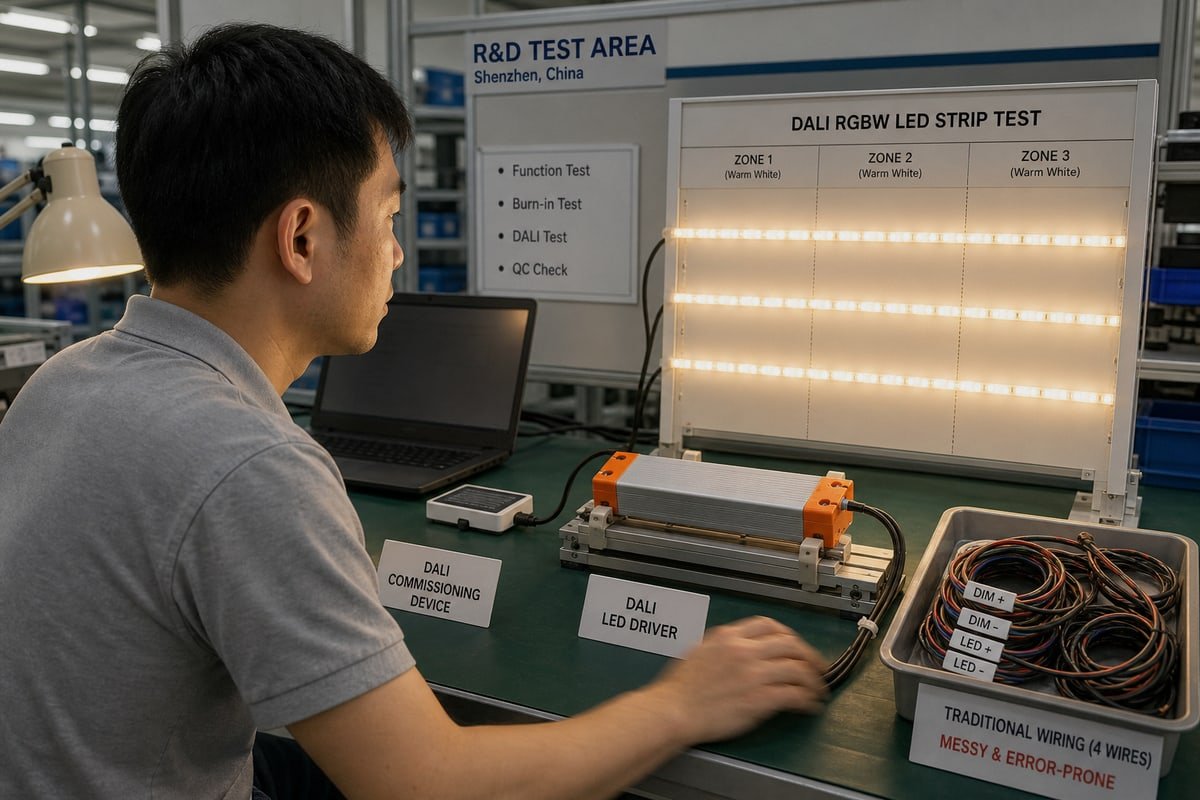
Il concetto di base è semplice. Con DT8, ovvero Device Type 8 nello standard DALI-2 (IEC 62386-209 2), la logica del colore si sposta dal controller centrale al driver stesso. Nei nostri driver CV DT8, il decoder gestisce il mixing per luminosità, colore RGB o RGBW 3, e CCT bianco tunabile. Il controller non deve più gestire tre o quattro canali separati. Comunica con un unico dispositivo di illuminazione.
Questa impostazione conta più della matematica degli indirizzi. Il vantaggio principale non è semplicemente "meno indirizzi". È che il controller DALI 4 può trattare una striscia RGBW come un sistema colore coordinato piuttosto che come diversi canali indipendenti. Scene, dissolvenze e movimenti colore restano sincronizzati perché un unico dispositivo li esegue.
Confronto DALI DT6 a colpo d'occhio
Ecco il confronto pratico DALI DT6 per il consumo di indirizzi:
| Tipo di apparecchio | Indirizzamento stile DT6 | Indirizzamento DT8 | Risparmio indirizzi |
|---|---|---|---|
| Striscia RGB | 3 indirizzi brevi | 1 singolo indirizzo breve | Fino al 66% |
| Striscia RGBW | 4 indirizzi brevi | 1 singolo indirizzo breve | Fino al 75% |
| Bianco tunabile | 2 indirizzi brevi | 1 singolo indirizzo breve | 50% |
Poiché un bus DALI offre un pool finito di 64 indirizzi brevi, risparmiare fino al 75% di spazio indirizzi per apparecchio RGBW aumenta direttamente il numero di apparecchi che un bus può gestire.
Funzionalità avanzate lato driver
I moderni driver CV DT8 vanno oltre. Alcuni applicano l'allocazione dinamica della potenza, spostando l'energia tra i canali all'interno di un budget fisso per evitare il sovradimensionamento del driver. Altri utilizzano il feedback interno per compensare la caduta di tensione su lunghe strisce RGBW, proteggendo la precisione del colore. I comandi Tc nativi rendono inoltre possibile l'Human Centric Lighting senza logica esterna.
In che modo DT8 può aiutarmi a mantenere una qualità cromatica costante e un controllo qualità più rigoroso sui miei prodotti a marchio privato?
Un responsabile acquisti di Singapore mi chiese una volta su WhatsApp: i vostri driver DT8 possono mantenere la coerenza cromatica su tre lotti a marchio privato? Quella domanda ha plasmato il modo in cui gestiamo oggi il controllo qualità.
DT8 aiuta il controllo qualità perché supporta obiettivi di colore assoluti: Temperatura di Colore Correlata in Kelvin e coordinate cromatiche CIE xy. È possibile comandare ogni lotto allo stesso setpoint, verificarlo con uno spettrometro e scrivere tolleranze di colore pass-fail direttamente nella checklist di controllo qualità a marchio privato.

La regolazione relativa dei canali è difficile da verificare. Se il lotto uno esegue il rosso all"80% e il lotto due al 78%, i tuoi clienti notano la differenza prima del tuo team QC. I setpoint assoluti cambiano tutto. Con DT8, l'ordine "vai a 4000K" o "vai a questo punto xy" significa la stessa cosa su ogni driver, in ogni lotto, da qualsiasi fornitore conforme.
Le tre modalità di controllo colore DT8
| Tipo di controllo | Cosa imposta | Valore QC |
|---|---|---|
| Tc (temperatura colore) | CCT in Kelvin, senza gradini | Verifica ogni lotto rispetto a un target Kelvin esatto |
| xy-cromaticità | Coordinate cromatiche CIE 1931 | Abbina apparecchi di diversi produttori a un unico punto cromatico definito |
| RGBWAF | Livelli diretti per canale | Utile per verifiche di calibrazione e diagnostica dei canali |
Questa standardizzazione è anche il motivo per cui DT8 migliora l'interoperabilità. Apparecchi di diversi produttori possono condividere una rete e rispondere comunque a comandi cromatici identici, mantenendo visivamente coerenti i progetti multi-brand.
Cosa DT8 non può risolvere
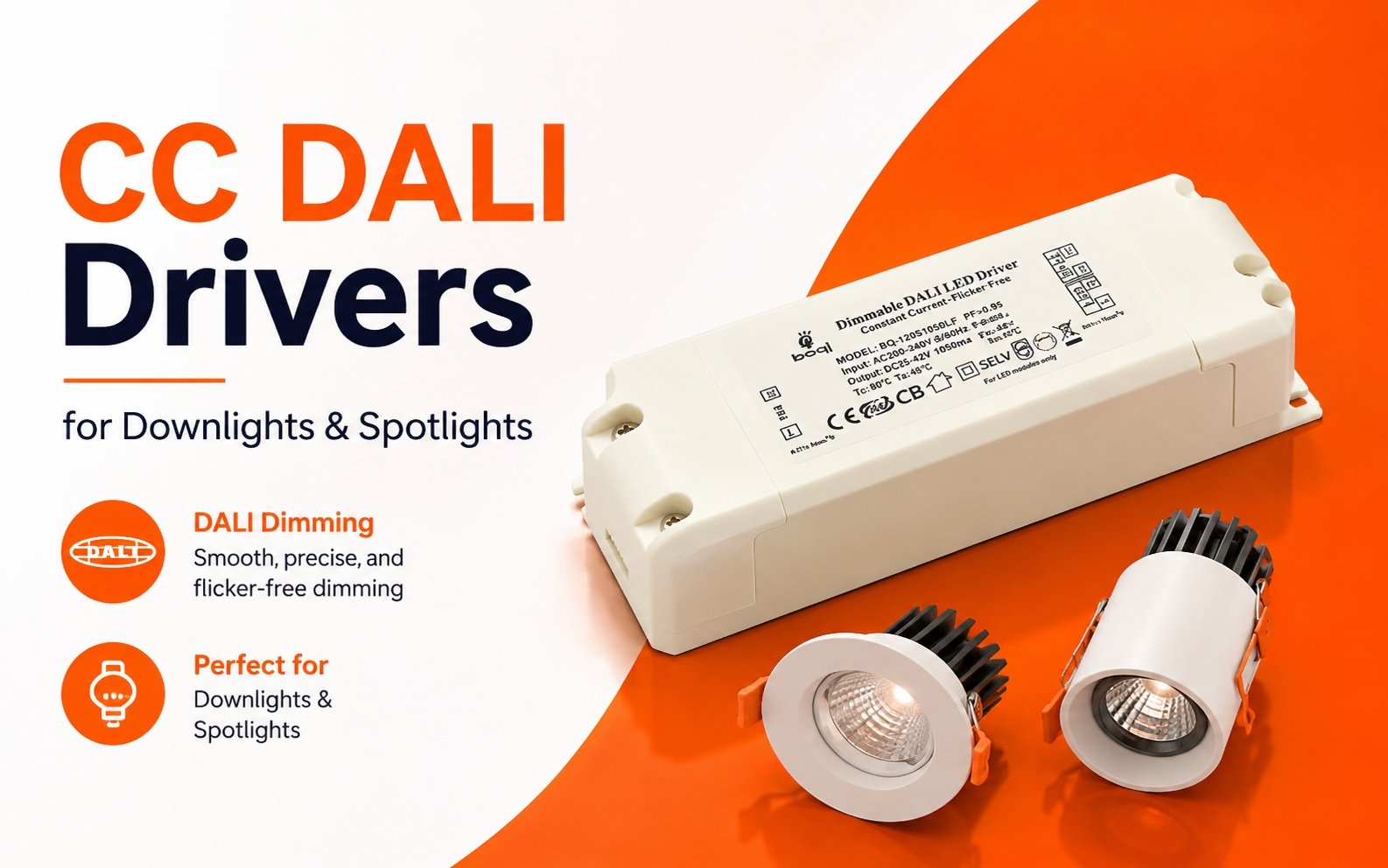
Voglio essere onesto qui, perché è dove il marketing spesso esagera. DT8 migliora l'architettura di controllo, ma non garantisce da solo una perfetta uniformità cromatica. Il binning dei LED, la calibrazione del driver e la progettazione termica determinano ancora il risultato finale. Ecco perché i nostri driver utilizzano un alloggiamento in alluminio spazzolato con alette per la dissipazione del calore, e perché ogni unità porta le marcature CE, CB e SELV e supera test di invecchiamento prima della spedizione. La capacità del protocollo più una produzione disciplinata è ciò che protegge realmente il tuo marchio privato.
Un altro bonus di controllo qualità: i driver DALI-2 DT8 possono riportare dati diagnostici per canale. Su strisce LED CV lunghe, questo consente di rilevare un guasto parziale del canale prima che l'intera tratta si spenga.
L'adozione di driver DT8 ridurrà effettivamente i costi totali del progetto e semplificherà l'integrazione del sistema?
Abbiamo imparato questa lezione su un progetto alberghiero in Vietnam: i driver erano solo una frazione del budget. Indirizzamento, gateway e lavoro di messa in servizio hanno consumato molto più denaro.
Di solito, sì. DT8 riduce i costi diminuendo il consumo di indirizzi, il numero di gateway, le tratte di cablaggio e le ore di messa in servizio. Un fornitore riporta risparmi di progetto del 15–20%, anche se i numeri reali dipendono dalla scala. Il maggiore vantaggio di integrazione è trattare ogni apparecchio multi-canale come un unico dispositivo sul bus DALI-2.
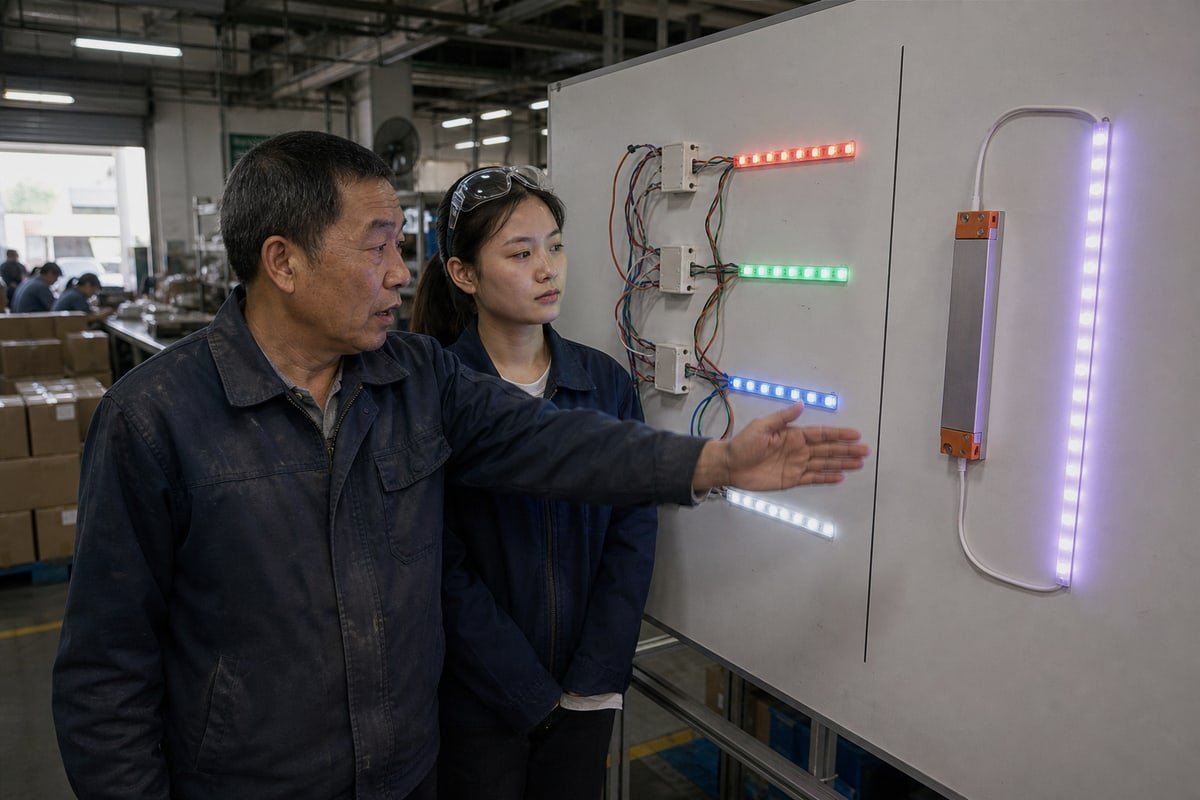
Lascia che analizzi onestamente i risparmi, perché un acquirente equo dovrebbe contestare le affermazioni dei fornitori. Un driver CV DT8 spesso costa di più per unità rispetto a un driver di dimming DT6 di base. I risparmi appaiono a livello di sistema, non sulla riga del prezzo unitario.
Da dove arrivano realmente i risparmi
| Voce di costo | Configurazione DT6 multi-indirizzo | Configurazione DT8 a indirizzo singolo |
|---|---|---|
| Indirizzi per apparecchio RGBW | 3–4 | 1 |
| Apparecchi RGBW per bus a 64 indirizzi | Circa 16 | Fino a 64 |
| Gateway e sub-controller | Più bus, più gateway | Significativamente meno |
| Lavoro di messa in servizio | Indirizza, raggruppa e sincronizza ogni canale | Programma un dispositivo per apparecchio |
| Logica di scene e miscelazione | Il controller esterno gestisce i calcoli | Integrato nel driver |
Una maggiore densità di indirizzi per bus significa meno sub-controller e gateway DALI. Meno canali di controllo significano meno complessità di cablaggio tra controller e driver. E poiché la miscelazione dei colori RGBW avviene all'interno del driver, gli ingegneri di messa in servizio smettono di scrivere logiche di sincronizzazione dei canali e iniziano semplicemente ad assegnare scene. Su progetti con scadenze strette, quei giorni di messa in servizio risparmiati valgono spesso più della differenza hardware.
L'allocazione dinamica della potenza aggiunge un altro risparmio silenzioso. Quando il driver può spostare potenza tra i canali entro un budget fisso, puoi dimensionare il driver per l'uso reale invece che per i totali peggiori su ogni canale.
Quando DT8 è eccessivo
DT8 non è automaticamente migliore per ogni lavoro. Se un corridoio necessita solo di accensione/spegnimento semplice o dimming a canale singolo, la capacità cromatica di DT8 è un overhead inutile. Il nostro consiglio ai team di approvvigionamento: specifica DT8 ovunque sia richiesto colore coordinato o bianco tunabile, e mantieni tipi di dispositivo più semplici altrove. Tratta qualsiasi cifra fissa di risparmio percentuale come un'affermazione del fornitore da verificare con la tua distinta base.
In che modo DT8 supporta una personalizzazione più rapida e tempi di consegna più brevi per i miei progetti di illuminazione?
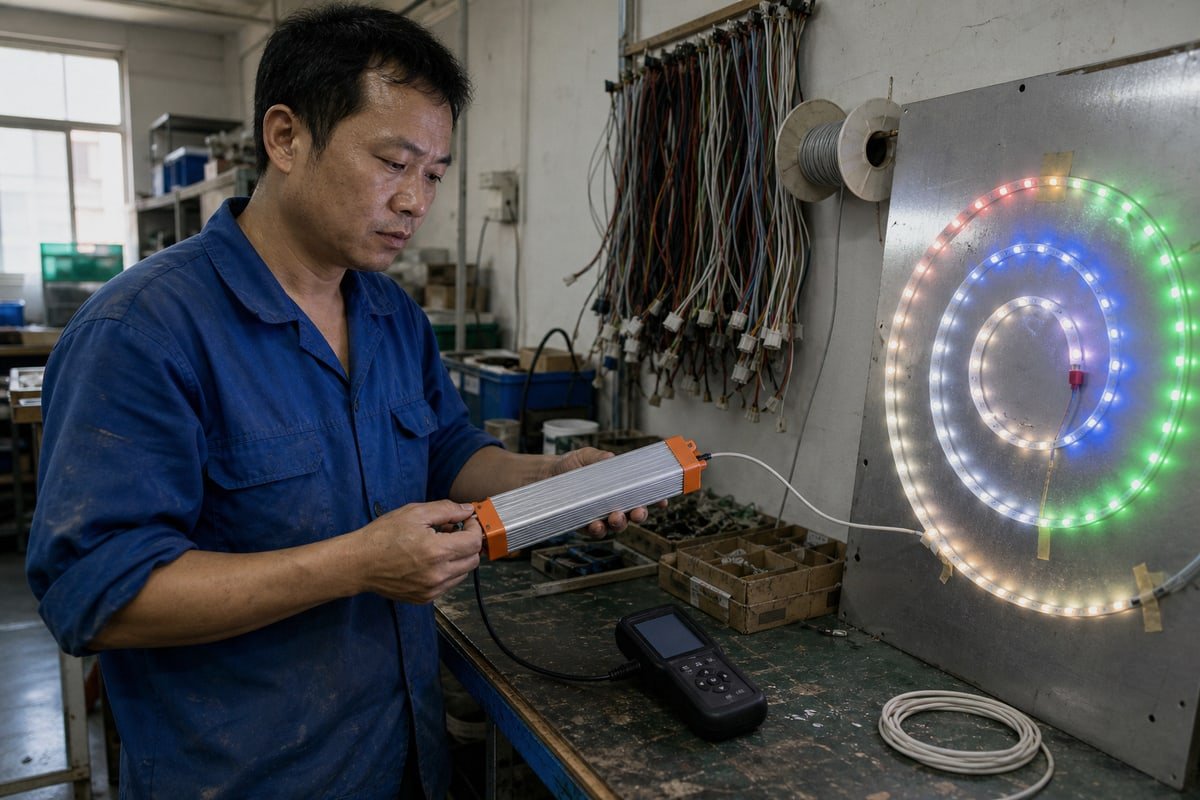
Lo scorso trimestre, la nostra linea di Shenzhen ha convertito il driver a bianco tunabile di un cliente OEM da un intervallo 2700–5700K a un intervallo più ampio in una sola revisione firmware. Nessun nuovo stampo, nessun nuovo PCB.
DT8 accorcia i cicli di personalizzazione perché la logica del colore risiede nel firmware del driver, non nell'hardware del controller personalizzato. Modifiche OEM come intervallo CCT, curve di miscelazione, comportamento di dimmerazione e branding diventano attività di firmware ed etichettatura. I comandi colore standardizzati DALI-2 rendono inoltre DT8 la base più pronta per bridge per integrazioni Matter.

Questa è la parte di DT8 che raramente appare nei datasheet ma conta di più per gli acquirenti con scadenze di progetto strette. Poiché DT8 concentra l'intelligenza nel driver, una piattaforma hardware può servire molte varianti a marchio privato. Ecco come funziona un tipico ciclo ODM dal nostro lato:
- Conferma delle specifiche. Concordiamo il tipo di uscita (RGB, RGBW o bianco tunabile), tensione, potenza e mercati target come UE, Giappone o Australia.
- Configurazione firmware. I nostri ingegneri impostano l'intervallo Tc, le curve di dissolvenza e il comportamento di miscelazione nel software. Nessuna riprogettazione della scheda è necessaria per la maggior parte delle modifiche.
- Campionatura con marchio. Il tuo logo e la tua etichetta vanno sull'alloggiamento standard — nel nostro caso, il corpo in alluminio spazzolato con tappi arancioni — e i campioni vengono spediti per l'approvazione.
- Test di controllo qualità e invecchiamento. Ogni lotto viene verificato rispetto ai setpoint cromatici e ai requisiti di sicurezza concordati, inclusa la conformità CE, CB e SELV.
- Produzione di massa. Poiché i passaggi 1–4 riutilizzano una piattaforma collaudata, i tempi di consegna rimangono brevi e gli ordini ripetuti rimangono coerenti.
Due tendenze di mercato amplificano questo vantaggio in termini di velocità. In primo luogo, la domanda di illuminazione Human Centric continua a crescere in uffici, hotel e case, e il controllo CCT senza gradini nativo di DT8 consente allo stesso apparecchio di offrire scene circadiane dal caldo al freddo senza modifiche hardware. In secondo luogo, i tipi di colore standardizzati di DT8 rendono i sistemi CV architetturali professionali insolitamente facili da integrare in ecosistemi consumer come Matter. Se la tua roadmap di prodotto punta all'integrazione smart-home, costruire su DT8 oggi protegge quella roadmap domani.
Conclusione
I progetti CV RGB e tunable white penalizzano la complessità. DT8 la elimina: un solo indirizzo, mixing lato driver, target di colore assoluti e costi di sistema inferiori. Specificarlo dove il colore coordinato è importante.
Note a piè di pagina
Un processo attraverso il quale le entità esaminano la qualità di tutti i fattori coinvolti nella produzione. ↩︎
Lo standard internazionale che specifica i requisiti tecnici per il controllo del colore DALI Device Type 8. ↩︎
Un modello di colore additivo in cui luce rossa, verde, blu e bianca vengono sommate insieme. ↩︎
Organismo industriale ufficiale per il protocollo DALI, che fornisce standard e certificazioni per i controllori di illuminazione. ↩︎