













Ogni mese, gli acquirenti contattano via email la nostra fabbrica di Shenzhen riguardo ai [driver CC DALI](https://boqiled.com/?p=17779) per downlight e spotlights che sfarfallano, non corrispondono o si guastano prematuramente Conformità IEC 62386 1. Una specifica sbagliata può far fallire un intero progetto.
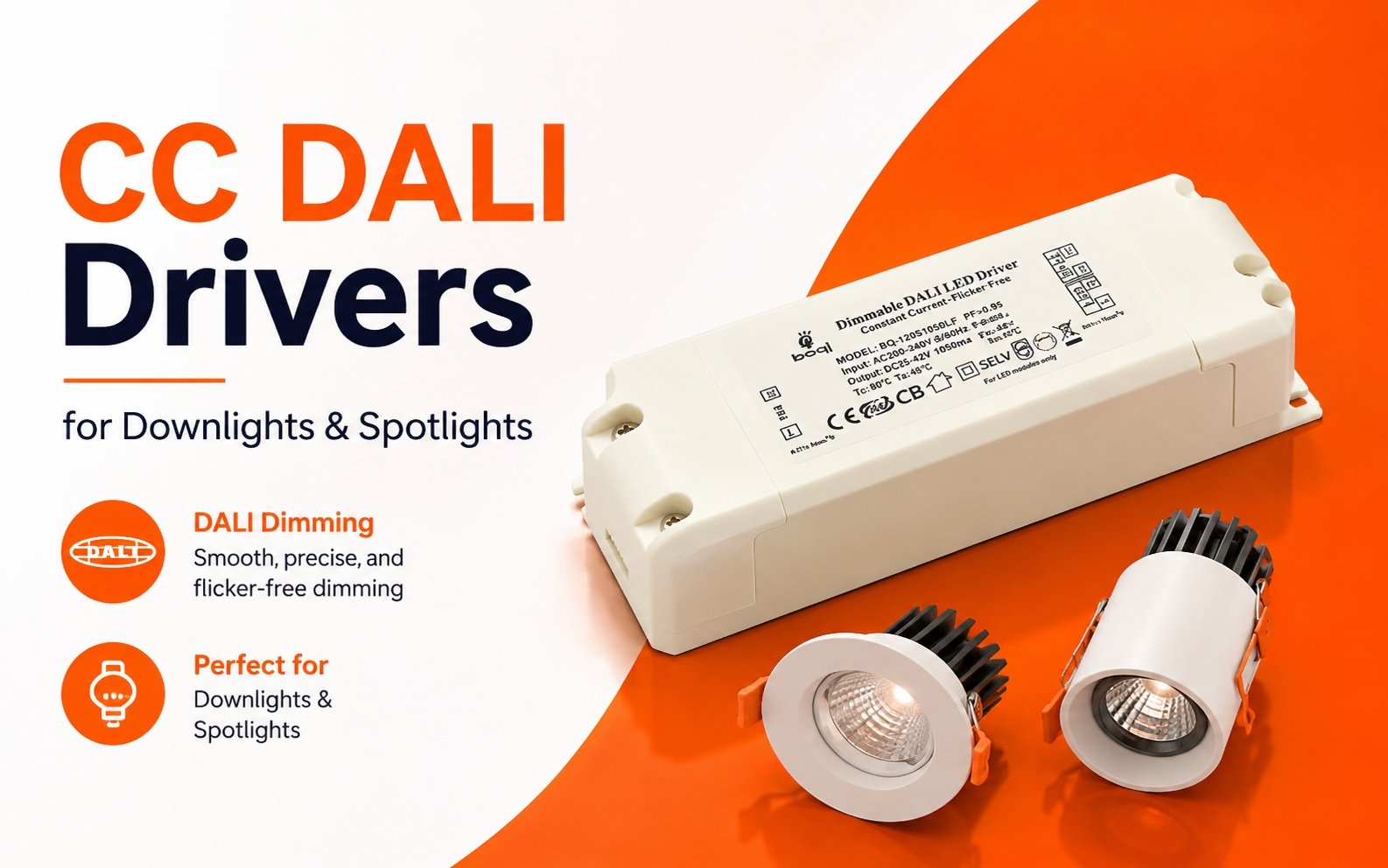
Un driver DALI CC è un driver LED a corrente costante controllato tramite il protocollo di dimmerazione digitale DALI. Fornisce una corrente fissa, come 350 mA, 500 mA o 700 mA, ai moduli LED per downlight e spotlight. Selezionarlo abbinando prima la corrente LED, poi l'intervallo di tensione diretta, quindi la potenza.
Questa risposta breve nasconde molti dettagli. In questa guida, illustrerò la selezione, la personalizzazione, le verifiche di certificazione e come rispettare una scadenza serrata senza pagare troppo. Iniziamo con la logica di selezione, perché tutto il resto dipende da essa.
Come scelgo il driver DALI a corrente costante (CC) giusto per i miei progetti di downlight e spotlight?
Un responsabile acquisti a Singapore mi ha inviato una volta un foglio specifiche che elencava un solo numero: 20W. I nostri ingegneri hanno dovuto fermare il suo ordine prima che diventasse un errore.
Scegliere un driver CC DALI abbinando prima la corrente nominale del modulo LED—350, 500, 700 o 1050 mA—poi confermare che la finestra di tensione di uscita del driver copra l'intervallo di tensione diretta del LED, e infine verificare potenza, funzioni DALI-2, intervallo di dimmerazione e limiti termici.
L'errore più grande nella selezione di un driver a corrente costante è questo pensiero: "Il mio downlight è da 20W, quindi mi serve un driver da 20W." Questo è incompleto. La potenza è una conseguenza di corrente × tensione diretta. Non è il punto di partenza.
Lavorare a ritroso dal modulo LED
Seguire invece questa catena: corrente LED richiesta → intervallo di tensione diretta del LED → potenza operativa → selezione del driver. Ad esempio, se un modulo COB è specificato a 500 mA e opera intorno a 30–36V, il driver deve erogare una corrente regolata di 500 mA mentre la sua finestra di tensione di uscita 2 copre quell'intervallo. Un'etichetta nominale da 20W da sola non dice nulla sulla compatibilità elettrica. Questo è il motivo per cui la compatibilità dei COB LED dipende sempre da corrente e tensione, non dalla potenza stampata sulla confezione.
Due controlli nascosti che la maggior parte degli acquirenti salta
In primo luogo, verificare la tolleranza effettiva della corrente regolata, non solo il valore nominale. Due driver possono entrambi dichiarare 500 mA, ma le differenze nella regolazione della corrente influenzano la consistenza della luminosità 3, la temperatura di giunzione, la resa cromatica e la durata. Questo è particolarmente importante quando decine di apparecchi sono installati in un unico soffitto e devono apparire identici.
In secondo luogo, verificare la tensione di uscita minima. Un driver CC regola solo all'interno della sua finestra definita, ad esempio 500 mA a 20–40V. La tensione diretta del LED diminuisce anche con l'aumentare della temperatura. Quindi la sovrapposizione deve valere alla temperatura operativa reale, non solo su un datasheet a temperatura ambiente.
CC DALI vs CV DALI a colpo d'occhio
| Caratteristica | Driver CC DALI | Driver CV DALI |
|---|---|---|
| Produzione | Corrente regolata | Tensione regolata |
| Specifica tipica | mA più intervallo di tensione | 12V o 24V fissi |
| Carico tipico | COB, downlight, spotlights | Strisce LED, moduli CV |
| Parametro di abbinamento principale | Corrente LED | Tensione LED |
| Errore principale di selezione | Scelta basata solo sulla potenza | Scelta della tensione sbagliata |
DT6 o DT8?
Apparecchio di controllo DT6 gestisce la dimmerazione di intensità a canale singolo ed è la base per la maggior parte dei downlight. DT8 supporta la tecnologia bianco tunable o RGBW su un singolo indirizzo DALI. Alcuni acquirenti temono di dover pagare per DT8 ovunque. Non è così. Se il progetto richiede solo un controllo fluido dell'intensità, DT6 è sufficiente; specificare DT8 solo dove è richiesta la regolazione della temperatura di colore. In ogni caso, DALI offre dimmerazione senza sfarfallio con una curva logaritmica abbinata all'occhio umano, controllo indirizzabile di fino a 64 dispositivi per linea e un bus a due fili indipendente dalla polarità che può essere installato nello stesso condotto dei cavi di alimentazione—ideale per l'integrazione con sistemi di automazione degli edifici.
Posso ottenere driver CC DALI personalizzati con il mio logo e le mie specifiche?
La scorsa primavera, la nostra linea di Shenzhen ha prodotto un lotto a marchio privato con terminali arancioni e il logo di un cliente europeo serigrafato accanto al marchio CE. La personalizzazione è il nostro lavoro quotidiano.
Sì. La maggior parte dei fornitori OEM/ODM offre driver DALI a corrente costante (CC) con loghi personalizzati, packaging a marchio privato, correnti di uscita su misura, colori dell'involucro e specifiche adattate. Gli acquirenti in genere necessitano di un accordo firmato, una quantità minima d'ordine e una grafica dell'etichetta approvata prima dell'inizio della produzione di massa.
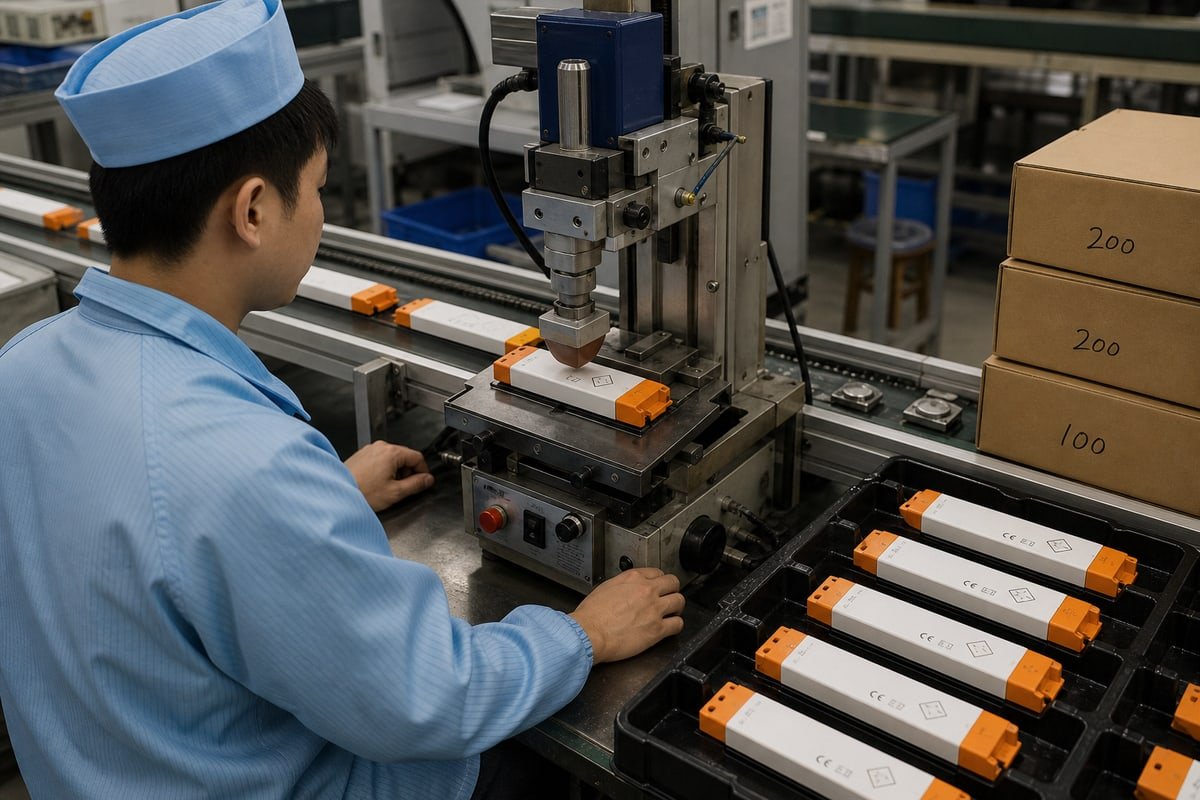
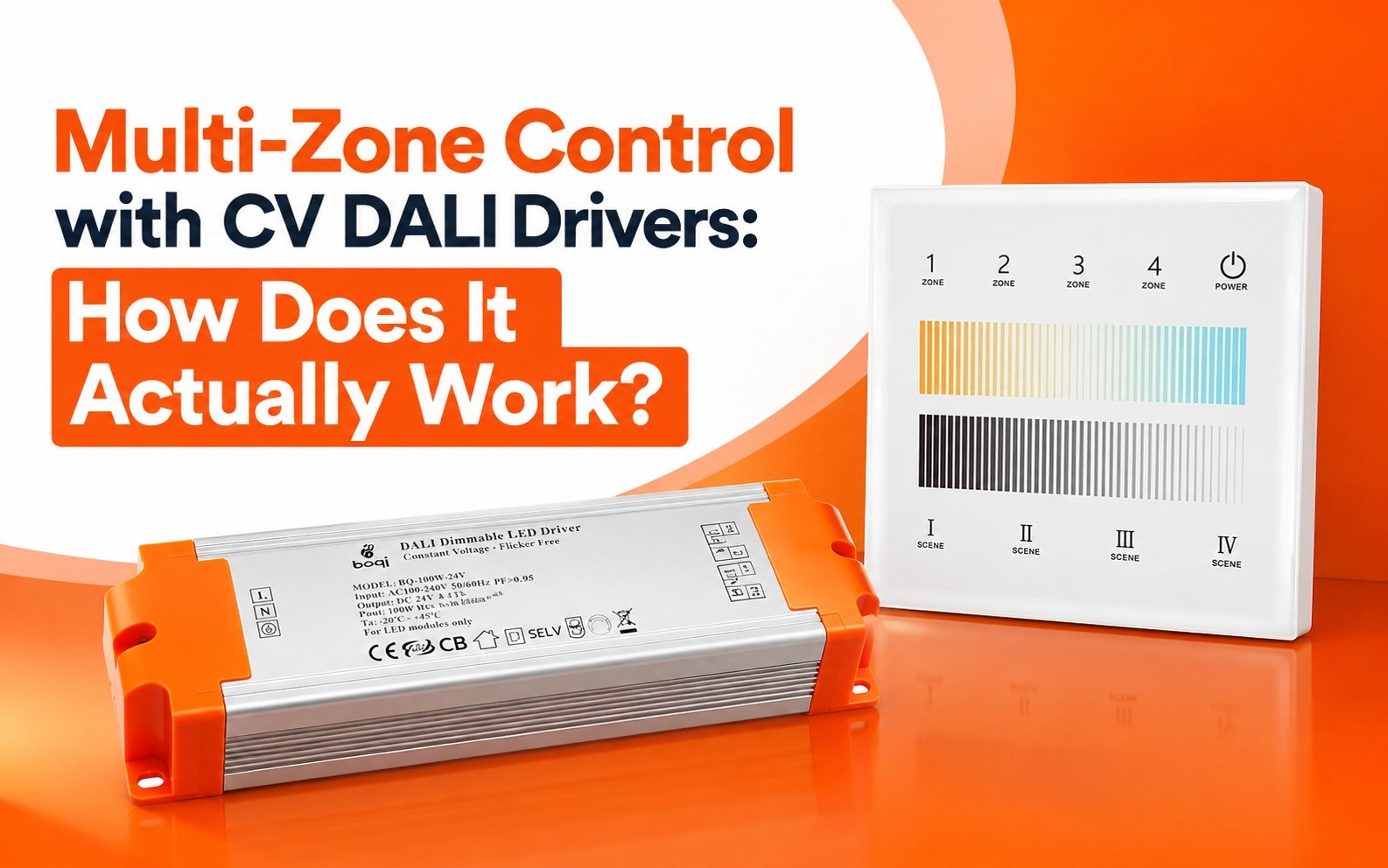
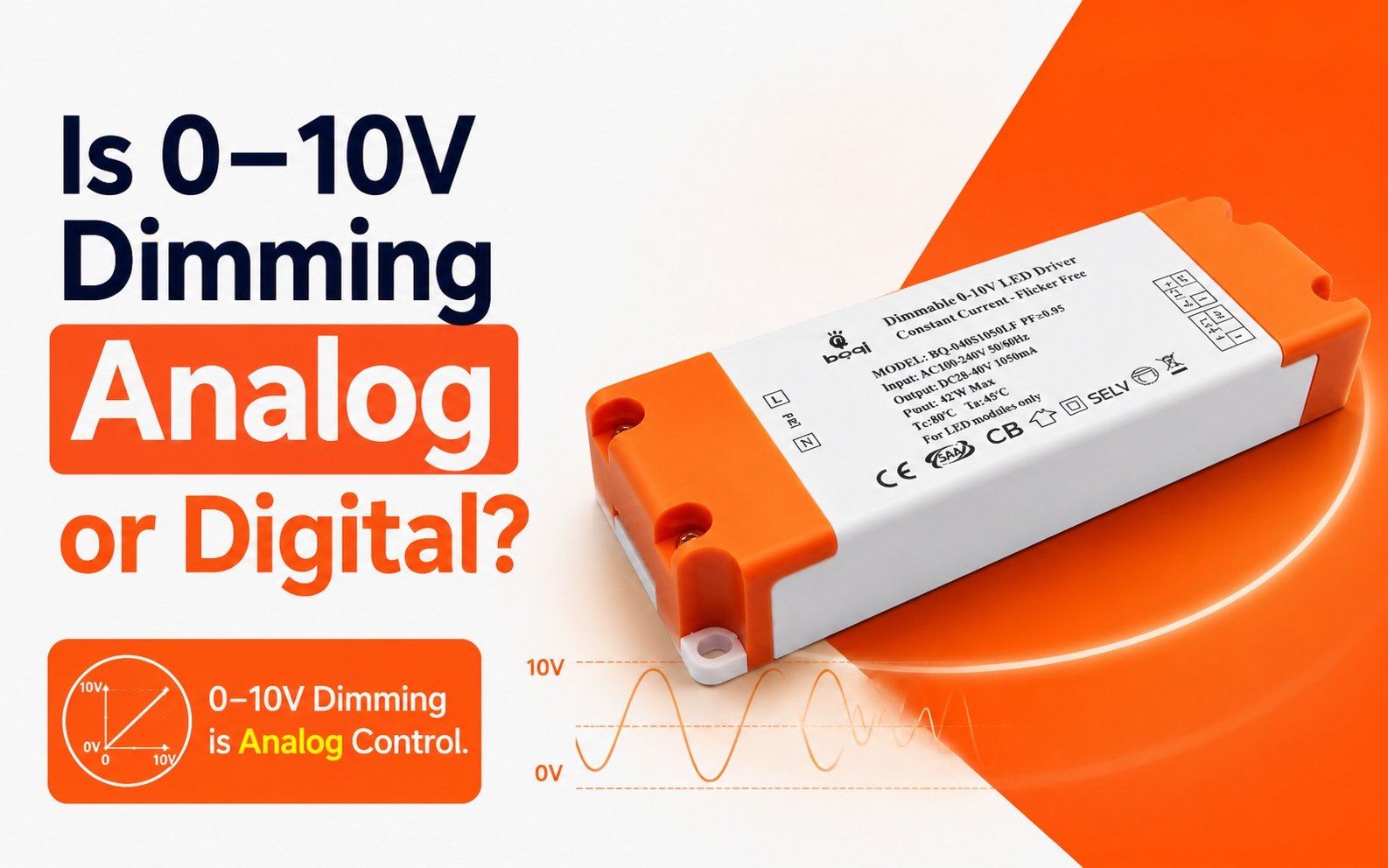
Il lavoro a marchio privato va ben oltre la stampa di un logo. Sulle nostre custodie slim per driver—il pannello superiore bianco con l'etichetta delle specifiche stampata, i morsetti marcati L, N, PRI sul lato di alimentazione e LED e DALI sul lato di uscita—quasi ogni elemento visibile ed elettrico può essere adattato allo standard del marchio del cliente.
Ecco il tipico ambito di personalizzazione che gestiamo per proprietari di marchi e grossisti:
| Area di personalizzazione | Cosa può cambiare | Note tipiche |
|---|---|---|
| Marchio | Logo, denominazione del modello, layout dell'etichetta, imballaggio | Grafica approvata prima della lavorazione della stampa |
| Involucro | Colore del tappo terminale, colore dell'alloggiamento, stile di marcatura | Arancione, crema o colori specifici del marchio |
| Elettrico | Preimpostazioni della corrente di uscita, corrente di uscita regolabile, finestra di tensione | Selezione tramite DIP switch o preimpostazioni riduce gli SKU |
| Controllo | DT6 o DT8, funzionalità push-dim come modalità duale | Allinearsi all'ecosistema di controllo del cliente |
| Conformità | Marchi di certificazione specifici del mercato sull'etichetta | CE, CB, SAA, SELV indicati come richiesto |
Il nostro processo si svolge solitamente in cinque fasi: condividete le specifiche dell'apparecchio e il mercato di destinazione; i nostri ingegneri propongono la specifica elettrica e il design dell'etichetta; realizziamo campioni con il vostro marchio; li testate nei vostri apparecchi reali; poi avviamo il lotto pilota e passiamo alla produzione di massa. Spingo sempre i clienti a testare i campioni all'interno dell'alloggiamento reale dell'apparecchio, perché i downlight incassati creano condizioni termiche che un test da banco non mostra mai.
Per gli acquirenti che desiderano le tecnologie di design più recenti, è anche qui che entrano in gioco le tendenze. Le piattaforme D4i-ready trasformano i downlight in nodi IoT con alimentazione standardizzata per i sensori e dati dell'apparecchio memorizzati. Il bridging Matter-over-DALI sta emergendo, consentendo ai downlight DALI professionali di essere controllati da ecosistemi consumer come Apple Home. Alcuni driver di prossima generazione includono persino metadati melanopici per supportare l'illuminazione circadiana. Se il vostro marchio desidera una roadmap verso queste funzionalità, sollevatela durante la discussione ODM, non dopo che la lavorazione è stata completata.
Quali certificazioni di qualità dovrei verificare prima di ordinare driver DALI CC in grandi quantità?
Agli inizi della nostra attività di export, ho imparato che un PDF di certificato significa poco finché non lo si ricollega al numero di modello esatto. Quella lezione ora plasma l'intero nostro processo di controllo qualità.
Prima dell'ordine in grandi quantità, verificare le certificazioni di sicurezza CE, CB e SAA, la classificazione dell'uscita SELV, la conformità alla norma IEC 62386 e la certificazione DALI-2 per l'interoperabilità. Richiedere inoltre i rapporti di prova che coprano la tolleranza della corrente di uscita, l'ondulazione, le prestazioni di sfarfallio, la protezione contro le sovratensioni e il comportamento termico a pieno carico.
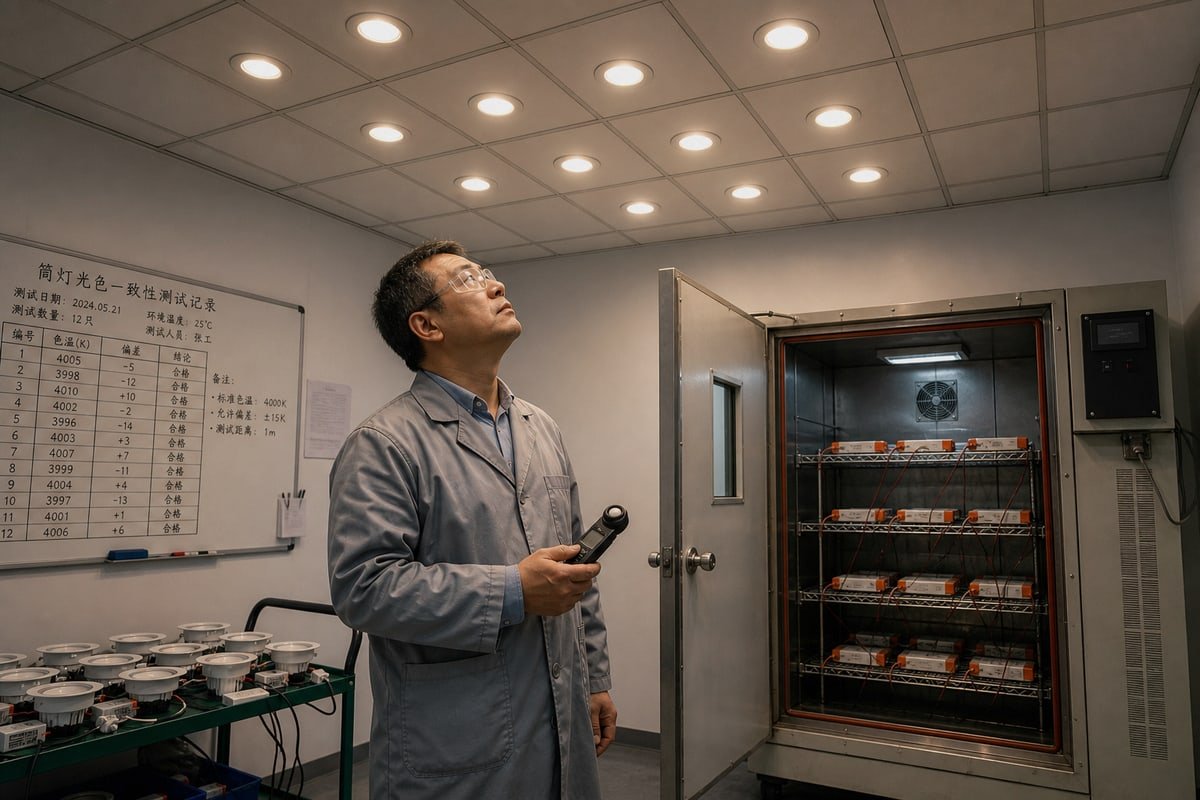
Il controllo delle certificazioni ha due livelli: il livello cartaceo e il livello del prodotto. Entrambi contano quando ordinate driver DALI CC per downlight e spot in grandi quantità, perché un singolo lotto difettoso può danneggiare un marchio che avete costruito in anni.
Il livello cartaceo
Iniziate con i marchi stampati sull'etichetta del driver e confermate che ciascuno corrisponda al modello esatto e alla versione corrente che state acquistando. Ecco la checklist che fornisco ai team di procurement:
| Certificazione / Marchio | Cosa copre | Perché è importante per gli ordini in grandi quantità |
|---|---|---|
| CE | Conformità di sicurezza ed EMC UE | Requisito legale per l'Europa |
| CB | Schema di test internazionale IECEE | Accelera le approvazioni in più mercati |
| SAA | Sicurezza elettrica australiana | Richiesta in Australia e spesso verificata nelle gare d'appalto Asia-Pacifico |
| Uscita SELV | Uscita a bassissima tensione di sicurezza | Uscita a contatto sicuro per design di apparecchi di Classe III |
| IEC 62386 | Lo standard DALI stesso | Conferma che l'interfaccia digitale segue la specifica |
| Certificazione DALI-2 4 | Test di interoperabilità indipendenti | Risolve le lacune di compatibilità del DALI originale |
La certificazione DALI-2 merita un'attenzione particolare. È verificata tramite il programma DALI Alliance e garantisce l'interoperabilità tra driver, sensori e controller di diversi produttori. Una dichiarazione generica di "compatibile DALI" non lo fa. E ricordate: la compatibilità DALI non significa automaticamente funzionalità DALI identica. Verificate i tipi di dispositivo supportati esatti, la gamma di dimmerazione, il comportamento in caso di guasto e la compatibilità con il sistema di controllo per il vostro progetto.
Il livello del prodotto
Oltre ai certificati, chiedete dati misurati. Richiedete la tolleranza effettiva della corrente di uscita su un campione del lotto, poiché una regolazione rigorosa determina coerenza di luminosità e colore. Chiedete i valori di ripple in uscita: sotto il 3% è un benchmark solido per driver di apparecchi compatti. Confermate la protezione da sovratensioni, cortocircuiti, sovraccarichi e termica. Infine, chiedete come il fornitore invecchia e campiona ogni lotto prima della spedizione. Nella nostra sala di controllo qualità, il burn-in a pieno carico in un involucro riscaldato ha rilevato problemi che i test a temperatura ambiente non hanno mai mostrato.
Come bilanciare costo e tempi di consegna quando si acquistano driver CC DALI per una scadenza ravvicinata?
Ogni preventivo che prepariamo comporta la stessa tensione: una consegna più rapida aumenta i costi, mentre un costo inferiore allunga i tempi. Bilanciare i due è una competenza, non fortuna.
Bilanciare costi e tempi di consegna scegliendo driver con corrente di uscita regolabile per ridurre gli SKU, confermando la disponibilità dei modelli standard, bloccando le specifiche in anticipo e suddividendo le spedizioni—trasporto aereo per le quantità urgenti, trasporto marittimo per il resto. Un allineamento tecnico precoce previene costosi ritardi di ricampionamento.
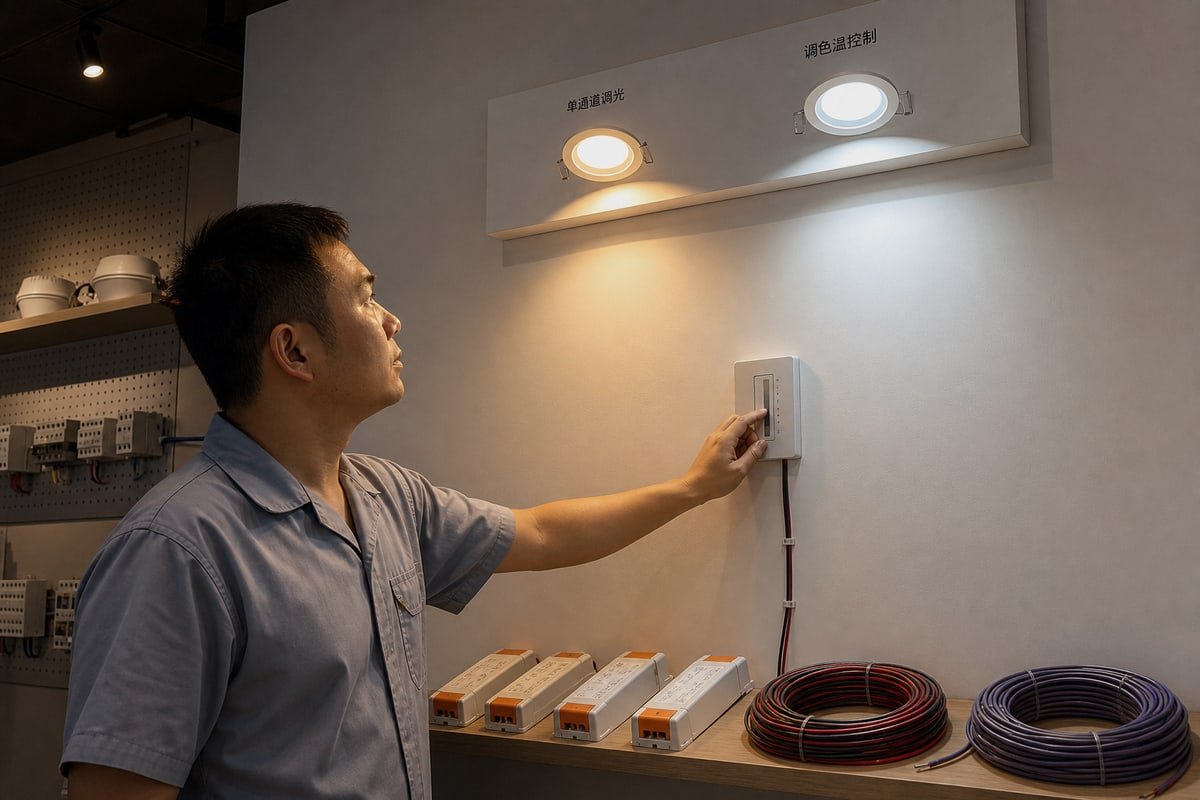
La pressione delle scadenze è dove avvengono la maggior parte degli errori di approvvigionamento. Gli acquirenti affrettano le specifiche, saltano i test sui campioni e poi perdono più tempo a correggere i guasti di quanto ne abbiano mai risparmiato. Dopo anni di spedizioni a clienti a Singapore, Australia ed Europa, ecco la sequenza che funziona davvero:
- Bloccate prima la specifica elettrica. Confermate la corrente LED, la finestra di tensione diretta e le funzioni DALI richieste prima di chiedere prezzi. Il ricampionamento a causa di una corrente errata è il più grande killer di tempi che vedo.
- Preferite una corrente di uscita regolabile. Un driver selezionabile tra 350, 500, 700 e 1050 mA copre una gamma di apparecchi da 5W–25W con un singolo SKU. Meno SKU significano disponibilità di stock più rapida, previsioni più semplici e minore rischio di inventario per il vostro magazzino.
- Chiedete cosa è su una piattaforma standard. Un'etichetta personalizzata su una piattaforma collaudata spedisce settimane più velocemente di un design elettrico completamente personalizzato. Riservate la personalizzazione profonda a progetti con tempi realmente disponibili.
- Dividere la spedizione. Spedire in aereo la quantità necessaria per la prima fase di installazione e inviare il resto via mare. Si rispetta la data di cantiere senza pagare tariffe aeree sull'intero ordine.
- Eseguire le fasi in parallelo. La revisione dei documenti di certificazione, l'approvazione delle bozze delle etichette e i test sui campioni possono avvenire tutti contemporaneamente. Gestiamo le approvazioni urgenti via WhatsApp con alcuni clienti perché un ciclo di email di due giorni è un ritardo di due giorni.
Due obiezioni emergono spesso. Prima: "I sistemi DALI sono complessi da mettere in servizio, quindi rallentano i progetti." La messa in servizio richiede controller compatibili, ma il bus a due fili, indipendente dalla polarità, riduce il lavoro di cablaggio e le rilavorazioni in cantiere, il che di solito recupera tempo. Seconda: "I driver a corrente regolabile sono flessibili, quindi la specifica conta meno." È vero il contrario: la flessibilità amplia il margine di errore, quindi i limiti di corrente, tensione e termici richiedono comunque una conferma accurata rispetto a ciascun apparecchio.
Conclusione
Abbina prima la corrente, poi l'intervallo di tensione, poi la potenza. Quindi conferma subito le funzioni DALI-2, le certificazioni e i termini di personalizzazione, così il tuo progetto con driver CC DALI viene spedito in tempo, nel budget e senza sfarfallio.
Note a piè di pagina
L'IEC mantiene lo standard 62386 che definisce il protocollo DALI per il controllo dell'illuminazione digitale. ↩︎
Spiega i requisiti elettrici per pilotare i LED, in particolare la relazione tra corrente e tensione. ↩︎
Panoramica tecnica del funzionamento dei LED e l'importanza della regolazione della corrente per un'emissione luminosa stabile. ↩︎
Organizzazione ufficiale per gli standard DALI, che garantisce l'interoperabilità tra i prodotti di controllo dell'illuminazione. ↩︎