













ปัญหาการกะพริบหรือเสียงหึ่งส่วนใหญ่ในระบบ LED แบบหรี่แสงได้เกิดจากการใช้ประเภทการหรี่แสงที่ผิด แต่คุณจะทราบได้อย่างไรว่าไดรเวอร์ของคุณรองรับแบบใด?
คุณสามารถระบุได้ว่าไดรเวอร์ LED แบบหรี่แสงได้ใช้การหรี่แสงแบบ leading-edge หรือ trailing-edge โดยการตรวจสอบฉลาก รหัสรุ่น พฤติกรรมระหว่างการหรี่แสง หรือการทดสอบด้วยเครื่องมือเช่นออสซิลโลสโคป.
การเลือกวิธีการหรี่แสงที่ถูกต้องไม่ใช่แค่รายละเอียดทางเทคนิค—แต่เป็นกุญแจสำคัญต่อประสิทธิภาพของระบบ อายุการใช้งานของผลิตภัณฑ์ และประสบการณ์ผู้ใช้ ผมจะอธิบายพื้นฐานและแสดงวิธีระบุประเภทการหรี่แสงที่ใช้ในไดรเวอร์ LED ของคุณอย่างมั่นใจ.
ทำความเข้าใจพื้นฐาน: การหรี่แสงแบบ Leading-Edge กับ Trailing-Edge คืออะไร?
ไดรเวอร์ LED บางรุ่นมีเสียงดังและกะพริบเมื่อหรี่แสง ในขณะที่บางรุ่นเงียบและราบรื่น สาเหตุคือเทคโนโลยีการหรี่แสงที่แตกต่างกัน.
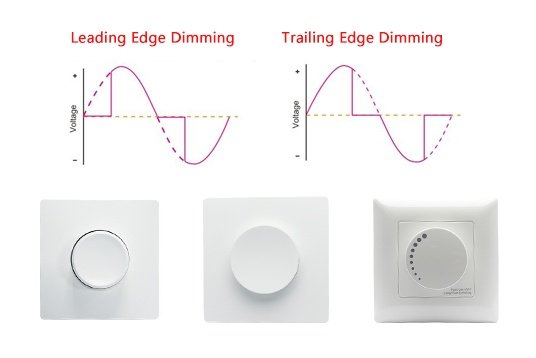
การหรี่แสงแบบ Leading-edge (TRIAC) ตัดแรงดันไฟฟ้ากระแสสลับที่จุดเริ่มต้นของคลื่น ส่วนการหรี่แสงแบบ Trailing-edge (ELV หรือ MOSFET) ตัดที่จุดสิ้นสุด ความแตกต่างของจังหวะเวลานี้ส่งผลต่อความเข้ากันได้และประสิทธิภาพ.

แต่ละประเภทการหรี่แสงทำงานอย่างไร
| ลักษณะเฉพาะ | Leading-Edge (TRIAC) | Trailing-Edge (ELV / MOSFET) |
|---|---|---|
| ประเภทการตัดเฟส | จุดเริ่มต้นของคลื่นไซน์กระแสสลับ | จุดสิ้นสุดของคลื่นไซน์กระแสสลับ |
| ป้ายกำกับบนตัวหรี่แสงทั่วไป | โหลด RL | โหลด RC หรือ ELV |
| ประเภทสวิตช์ | แบบกลไก | อิเล็กทรอนิกส์ |
| ความเข้ากันได้ | หลอดฮาโลเจน หลอดไส้ LED บางรุ่น | LED สมัยใหม่ส่วนใหญ่ |
| ปัญหาที่พบบ่อย | กะพริบ มีเสียงหึ่งกับโหลดต่ำ | เสียงน้อยกว่า ควบคุมราบรื่นกว่า |
| ต้นทุน | ลดลง | สูงกว่าเล็กน้อย |
เหตุใดความแตกต่างจึงสำคัญในไดรเวอร์ LED
ไดรเวอร์ LED ไม่ใช่โหลดความต้านทานธรรมดา พวกมันมีตัวเก็บประจุ ตัวเหนี่ยวนำ และ IC ที่ตอบสนองต่อรูปแบบแรงดันไฟฟ้า ความไม่เข้ากันระหว่างไดรเวอร์และตัวหรี่แสงอาจทำให้เกิดปัญหาที่มองเห็นได้ นั่นคือเหตุผลที่เราต้องพิจารณาความเข้ากันได้อย่างละเอียด.
เหตุใดจึงสำคัญ: ความสำคัญของการจับคู่ความเข้ากันได้ระหว่างไดรเวอร์และตัวหรี่แสง
การจับคู่ตัวหรี่แสงกับไดรเวอร์ LED ไม่ถูกต้องอาจทำให้เกิดข้อร้องเรียนจากลูกค้า ปัญหาด้านความปลอดภัย หรือความเสียหายของผลิตภัณฑ์.
การใช้ประเภทการหรี่แสงผิดอาจทำให้เกิดการกะพริบ อายุการใช้งาน LED สั้นลง และแม้แต่ความร้อนสูงเกินไป การจับคู่ที่ถูกต้องช่วยรับประกันความปลอดภัย ประสิทธิภาพ และความอุ่นใจ.
สิ่งที่ผิดพลาดเมื่อจับคู่ไม่ตรงกัน
การกะพริบหรือจุดดับ
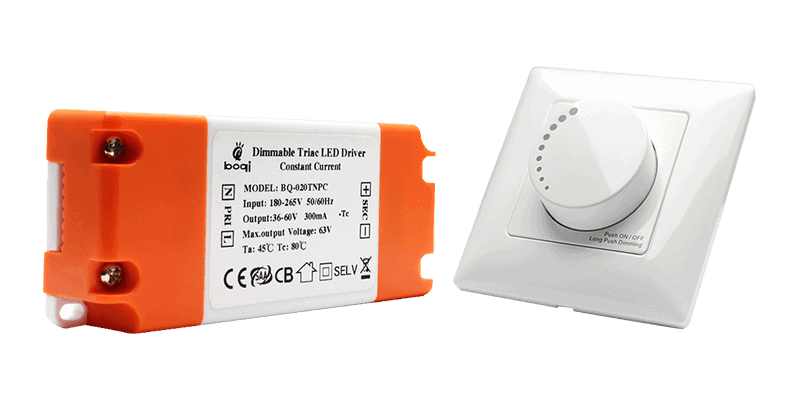
หากคุณใช้ หรี่ TRIAC กับไดรเวอร์ที่รองรับเฉพาะ trailing-edge คุณอาจพบการหรี่แสงที่ไม่เสถียรหรือ “โซนตาย” ที่ไม่มีอะไรเกิดขึ้น.
เสียงหึ่ง
ตัวหรี่แสง TRIAC บางรุ่นสร้างเสียงรบกวนที่ได้ยินเมื่อจับคู่กับไดรเวอร์อิเล็กทรอนิกส์สมัยใหม่.
การโอเวอร์โหลดหรือความร้อน
รูปคลื่นที่ไม่ถูกต้องทำให้ชิ้นส่วนภายในได้รับความเครียด ไดรเวอร์อาจร้อนเกินไปหรือเสียหายก่อนเวลาอันควร.
ปัญหาการรับประกัน
ผู้ผลิตหลายรายยกเลิกการรับประกันหากใช้การหรี่แสงกับอุปกรณ์ที่ไม่เข้ากัน.
ประสบการณ์ของผมเอง
ในช่วงต้นของอาชีพด้าน LED ผมเคยจับคู่ตัวหรี่แสง TRIAC จำนวนหนึ่งกับไดรเวอร์ที่รองรับ ELV ใหม่ ทุกอย่างดูปกติในห้องปฏิบัติการ แต่เมื่อติดตั้งแล้ว ลูกค้าบ่นว่าเสียงหึ่งและการกะพริบ เราต้องเรียกคืนสินค้าทั้งหมด ตั้งแต่นั้นมา ผมตรวจสอบความเข้ากันได้ของตัวหรี่แสงล่วงหน้าเสมอ.
ข้อมูลจำเพาะสำคัญที่ต้องตรวจสอบบนฉลากไดรเวอร์ LED
คุณไม่จำเป็นต้องเปิดไดรเวอร์หรือเดา บ่อยครั้ง คำตอบอยู่บนป้ายกำกับหรือเอกสารข้อมูล.
ป้ายกำกับบนไดรเวอร์มักระบุประเภทการหรี่แสง—มองหาคำสำคัญเช่น “Leading Edge”, “Trailing Edge”, “TRIAC,” “ELV,” “RC,” หรือ “RL” เพื่อยืนยันวิธีการ.
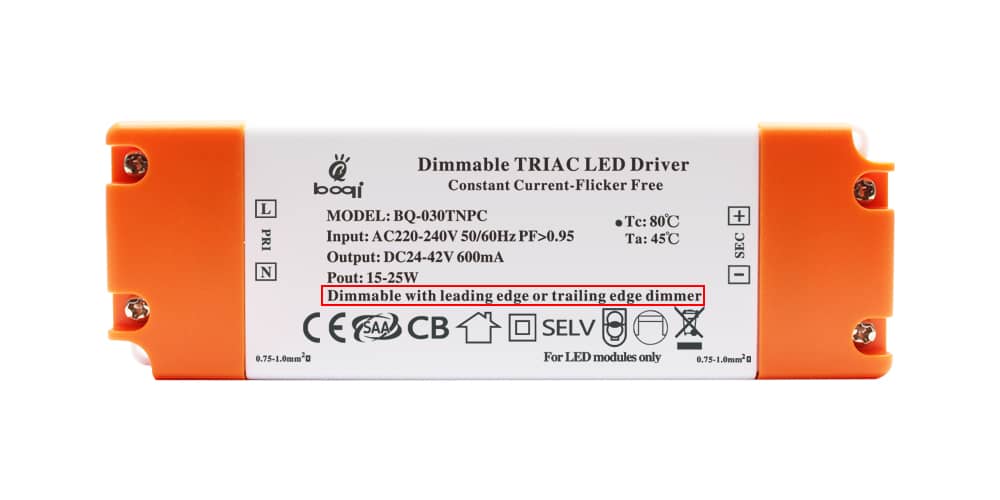
สิ่งที่ควรดูบนฉลากหรือเอกสารข้อมูล
คำศัพท์ทั่วไปบนฉลาก
| คำบนป้ายกำกับ | ความหมาย | ประเภทการหรี่ไฟ |
|---|---|---|
| ไทรแอก | Triode for AC Control | Leading-edge (เฟสไปข้างหน้า) |
| ELV | Electronic Low Voltage | Trailing-edge (เฟสย้อนกลับ) |
| โหลด RL | ความต้านทาน + ตัวเหนี่ยวนำ | Leading-edge (เฟสไปข้างหน้า) |
| โหลด RC | ความต้านทาน + ตัวเก็บประจุ | Trailing-edge (เฟสย้อนกลับ) |
| Phase-Cut | คำทั่วไป (ตรวจสอบหมายเหตุ) | อาจเป็นได้ทั้งสองแบบ |
| Dimmable (ไม่ระบุประเภท) | ไม่ชัดเจน – ตรวจสอบเอกสารข้อมูล | ไม่ทราบ |
รหัสรุ่นและหมายเหตุจากผู้ผลิต
บางแบรนด์เข้ารหัสประเภทการหรี่แสงในหมายเลขรุ่น บางแบรนด์ระบุในส่วน “ความเข้ากันได้ของการหรี่แสง” อย่าคาดเดา—ตรวจสอบเสมอ.
เหตุใดฉลากจึงไม่เพียงพอเสมอไป
ไดรเวอร์ทั่วไปบางรุ่นระบุเพียง “หรี่แสงได้” โดยไม่ระบุประเภท ในกรณีเหล่านี้ จำเป็นต้องทดสอบเพิ่มเติม (รายละเอียดด้านล่าง).
ข้อสังเกตทางภาพและประสิทธิภาพระหว่างการทำงาน
แม้ว่าป้ายกำกับจะหายไป ดวงตาและหูของคุณสามารถให้เบาะแสเกี่ยวกับวิธีการหรี่แสงได้.
เสียงหึ่ง การกะพริบ หรือการหรี่แสงช่วงต่ำที่ไม่ดีมักบ่งชี้ถึงปัญหา TRIAC การหรี่แสงที่ราบรื่นและเงียบเป็นสัญญาณของ ELV หรือการควบคุมแบบ trailing-edge.
ข้อสังเกตที่คุณสามารถสังเกตได้
การกะพริบเมื่อหรี่แสง
การหรี่แสงแบบ TRIAC มักมีปัญหากับ LED กำลังไฟต่ำ คุณอาจเห็นการกะพริบที่มองเห็นได้เนื่องจากรูปคลื่นพลังงานถูกตัดเร็วเกินไป.
เสียงหึ่งที่ได้ยิน
หากไดรเวอร์หรือดิมเมอร์มีเสียงฮัม มักเกิดจากความไม่เข้ากันของ TRIAC ดิมเมอร์แบบ ELV จะเงียบกว่า.
การหรี่แสงที่ไม่สม่ำเสมอ
การกระโดดของความสว่างอย่างกะทันหันหรือจุดที่ไฟไม่ติดบ่งบอกถึงความไม่เข้ากันของเฟสคัท.
ความนุ่มนวลที่ระดับแสงต่ำ
ดิมเมอร์แบบ Trailing-edge ช่วยให้ควบคุมความสว่างช่วงต่ำได้นุ่มนวลกว่า ซึ่งสำคัญโดยเฉพาะสำหรับการจัดแสงตามอารมณ์หรือการใช้งานในที่พักอาศัย.
การทดสอบภาคสนามที่ผมใช้
ฉันพกกล่องทดสอบดิมเมอร์ที่มีทั้งดิมเมอร์แบบ TRIAC และ ELV ติดตัวเสมอ เมื่อเจอไดรเวอร์ที่ไม่ทราบชนิด ฉันจะเสียบและสังเกตพฤติกรรม ซึ่งช่วยประหยัดเวลาและหลีกเลี่ยงการติดตั้งระบบที่เข้ากันไม่ได้.
เครื่องมือและเทคนิคสำหรับการตรวจจับประเภทการหรี่แสง
เมื่อการตรวจสอบด้วยสายตาไม่เพียงพอ เราสามารถใช้เครื่องมือและการทดสอบอย่างง่ายได้.
ใช้ออสซิลโลสโคป มัลติมิเตอร์ หรือดิมเมอร์ที่เข้ากันได้ เพื่อวัดรูปร่างคลื่นและยืนยันชนิดของการหรี่แสง.
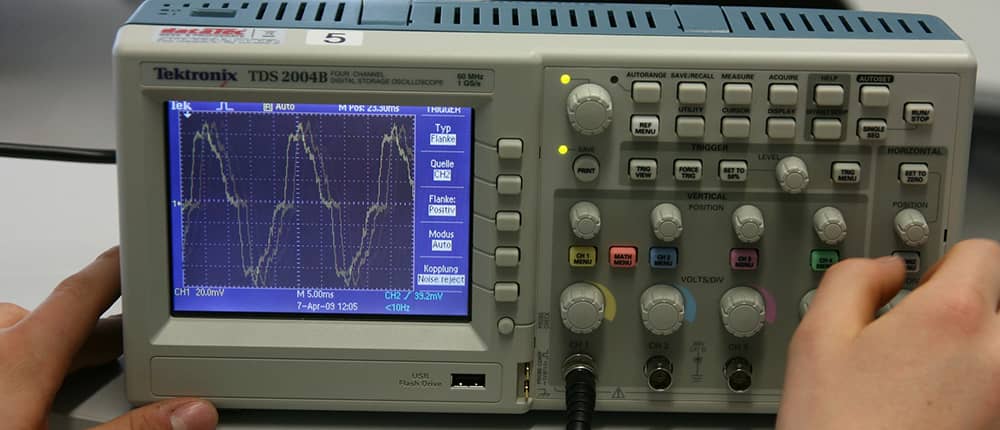
วิธีการพื้นฐานในการระบุประเภทการหรี่แสง
การวิเคราะห์รูปคลื่นด้วยออสซิลโลสโคป
| คุณลักษณะของสัญญาณ | Leading-Edge (TRIAC) | Trailing-Edge (ELV) |
|---|---|---|
| ตำแหน่งการตัด | ด้านซ้ายของคลื่นไซน์ | ด้านขวาของคลื่นไซน์ |
| เวลาเพิ่มขึ้นของสัญญาณ | เร็ว บางครั้งมีเสียงรบกวน | นุ่มนวล ควบคุมได้ |
| เสียงรบกวน | มีสไปก์/สัญญาณรบกวนมากกว่า | คลื่นสะอาดกว่า |
การทดสอบด้วยมัลติมิเตอร์กับโหลดที่ทราบค่า
มัลติมิเตอร์บางรุ่นสามารถแสดงการเปลี่ยนแปลงแรงดัน RMS ได้ คุณสามารถเปรียบเทียบพฤติกรรมโดยใช้โหลด RL หรือ RC ที่รู้จักเพื่อคาดเดาชนิดของการหรี่แสง.
การทดสอบกับตัวหรี่แสงที่รู้จัก
ทดลองใช้ไดรเวอร์กับดิมเมอร์ TRIAC และ ELV ที่ระบุชัดเจน สังเกตว่าตัวไหนทำงานได้ดีที่สุด.
สอบถามจากโรงงาน
หากซื้อจากผู้ผลิต ขอรายงานการทดสอบคลื่นการหรี่แสง ที่ BOQI เรามีให้เป็นมาตรฐาน.
Leading-Edge หรือ Trailing-Edge? การจับคู่ไดรเวอร์และตัวหรี่แสงทั่วไป
ยังไม่แน่ใจใช่ไหม นี่คือสิ่งที่มักใช้งานร่วมกันได้ดีในโปรเจกต์จริง.
ดิมเมอร์แบบฮาโลเจน (TRIAC) ทำงานกับไดรเวอร์ LED บางรุ่น แต่สำหรับประสิทธิภาพสมัยใหม่ ดิมเมอร์แบบ trailing-edge เข้ากับไดรเวอร์ LED แบบหรี่แสงได้ส่วนใหญ่ดีกว่า.

ตัวหรี่แสงความเข้ากันได้สูง boqi
รุ่น: BQ-TTLDIM-CT
AC100-240V
5-400W
มาตรฐาน EU แบบ 86 Type
รองรับการหรี่แสงแบบ Leading Edge และ Trailing Edge
การจับคู่ทั่วไป
| ประเภทไดรเวอร์ LED | ประเภทดิมเมอร์ที่เข้ากันได้ดีที่สุด | หมายเหตุ |
|---|---|---|
| ไดรเวอร์แบบหรี่แสง TRIAC | ดิมเมอร์ TRIAC (leading-edge) | ระบบเดิม อาจมีเสียงฮัมหรือไฟกระพริบ |
| ไดรเวอร์แบบหรี่แสง ELV | ดิมเมอร์ ELV (trailing-edge) | เหมาะที่สุดสำหรับการหรี่แสงที่เงียบและนุ่มนวล |
| ไดรเวอร์อเนกประสงค์แบบ Phase-cut | TRIAC หรือ ELV | ขึ้นอยู่กับการออกแบบ ควรทดสอบก่อน |
| 0-10V / ไดรเวอร์ DALI | ไม่เข้ากันกับ TRIAC/ELV | ใช้เฉพาะดิมเมอร์แบบควบคุม |
สิ่งที่ผมแนะนำ
สำหรับการใช้งาน LED ในที่พักอาศัยหรือกำลังไฟต่ำ ควรเลือกดิมเมอร์แบบ trailing-edge เสมอ เพราะให้ประสิทธิภาพที่ดีกว่า ความเสี่ยงเรื่องเสียงรบกวนต่ำกว่า และความพึงพอใจของลูกค้าสูงกว่า.
โซลูชันของ BOQI: ไดรเวอร์ LED แบบหรี่แสงได้พร้อมฉลากระบุประเภทการหรี่แสงที่ชัดเจน
ด้วยชนิดการหรี่แสงที่หลากหลายและความเสี่ยงเรื่องความเข้ากันได้ จึงเป็นเรื่องง่ายที่จะผิดพลาด นั่นคือเหตุผลที่เราทำให้มันง่ายขึ้น.
ที่ BOQI เราติดฉลากชนิดการหรี่แสงที่รองรับอย่างชัดเจนบนไดรเวอร์ LED แบบหรี่แสงทุกตัว—TRIAC, ELV หรือ 0-10V—เพื่อให้มืออาชีพไม่ต้องเดา.
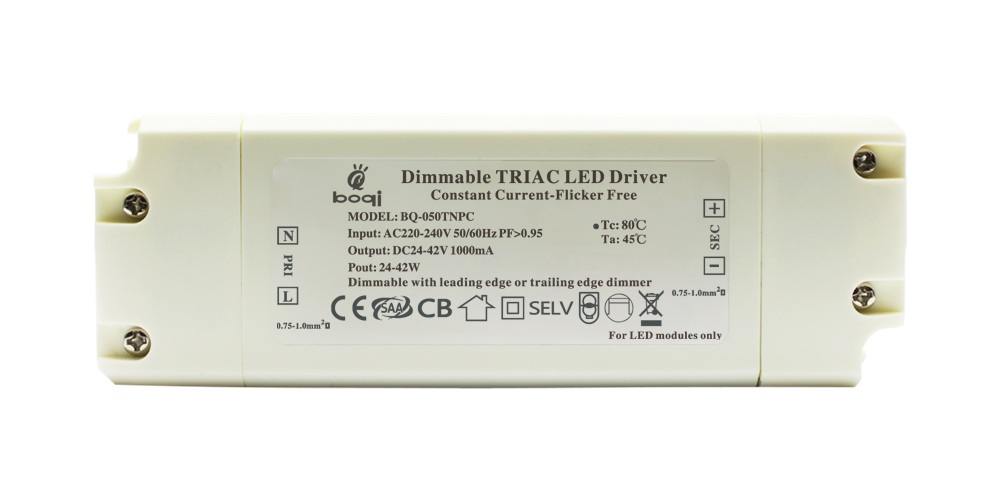
boqi ช่วยผู้ซื้ออย่างคุณได้อย่างไร
- ฉลากชัดเจน: ไดรเวอร์ทุกตัวระบุชนิดการหรี่แสงบนตัวเครื่องและกล่อง.
- Datasheet พร้อมคลื่น: เรารวมคลื่นการหรี่แสงในสเปกชีตทุกฉบับ.
- การสนับสนุนการทดสอบ: เรามีการทดสอบความเข้ากันได้หากจำเป็น.
- การออกแบบตามความต้องการ: ต้องการระบบหรี่แสงแบบคู่หรือไม่? เรามีการออกแบบที่รวม TRIAC + 0-10V เข้าด้วยกัน.
เมื่อผมก่อตั้ง BOQI หนึ่งในเป้าหมายของผมคือการทำให้ชีวิตของนักจัดซื้ออย่าง Jacky ง่ายขึ้น ผมรู้ดีว่าการจัดการความเข้ากันได้ในสายผลิตภัณฑ์ขนาดใหญ่เป็นเรื่องที่กดดันแค่ไหน ดังนั้นเราจึงมุ่งเน้นที่ความชัดเจน การทดสอบ และการสนับสนุน นี่คือวิธีที่เรากลายเป็นพันธมิตรด้านการหรี่แสงที่เชื่อถือได้สำหรับหลายแบรนด์.
บทสรุป
การระบุประเภทการหรี่แสงเป็นเรื่องง่ายเมื่อคุณรู้ว่าต้องตรวจสอบอะไร—ฉลาก พฤติกรรม และการทดสอบพื้นฐานบอกเรื่องราวทั้งหมด.