













Nhiều đèn LED nhấp nháy, kêu ù, hoặc không thể giảm sáng mượt mà với bộ điều chỉnh độ sáng truyền thống. Điều này gây khó chịu cho nhà thiết kế và thợ lắp đặt. Tôi thường thấy các dự án thất bại chỉ vì công nghệ điều chỉnh độ sáng không tương thích với bộ điều khiển LED.
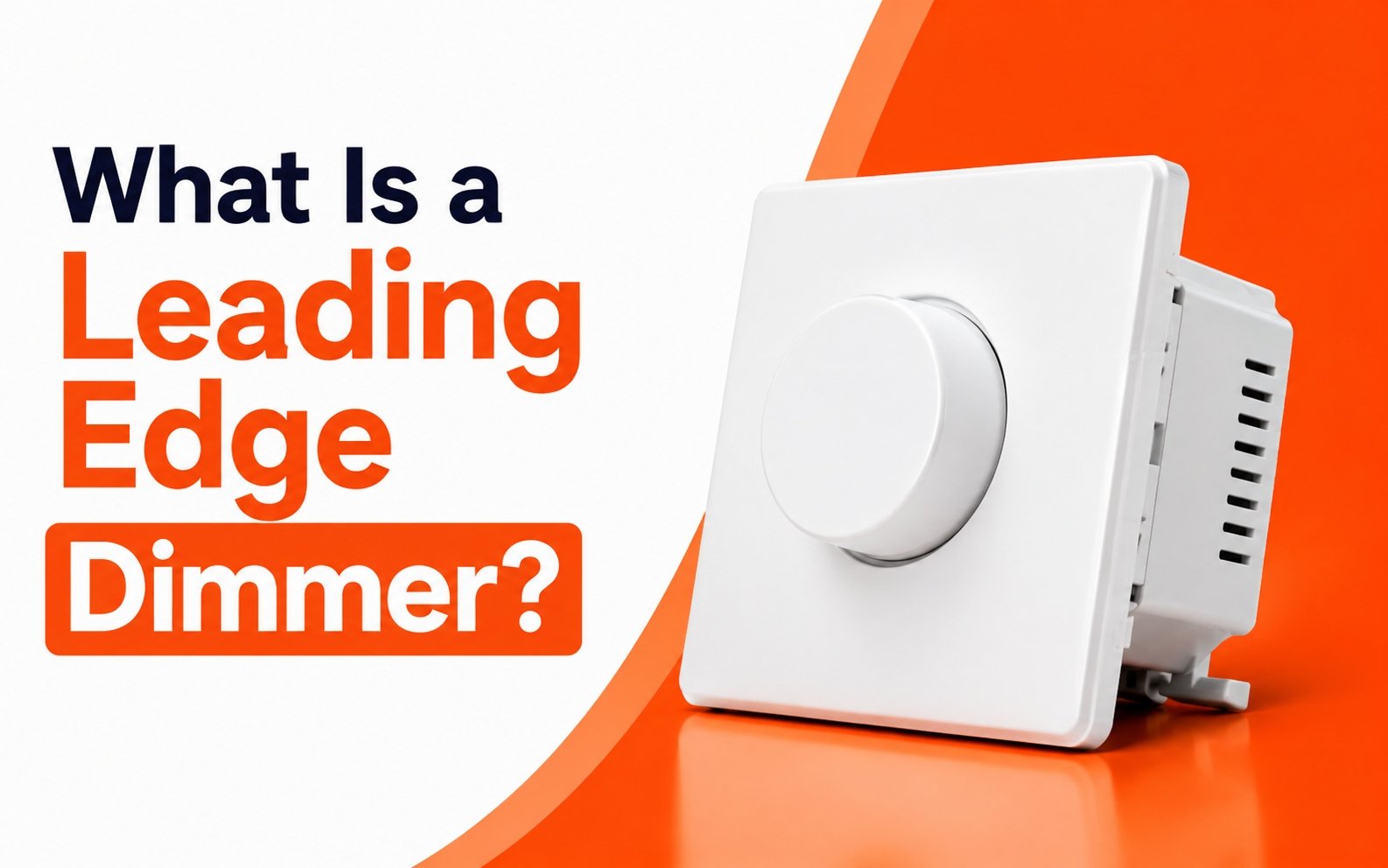
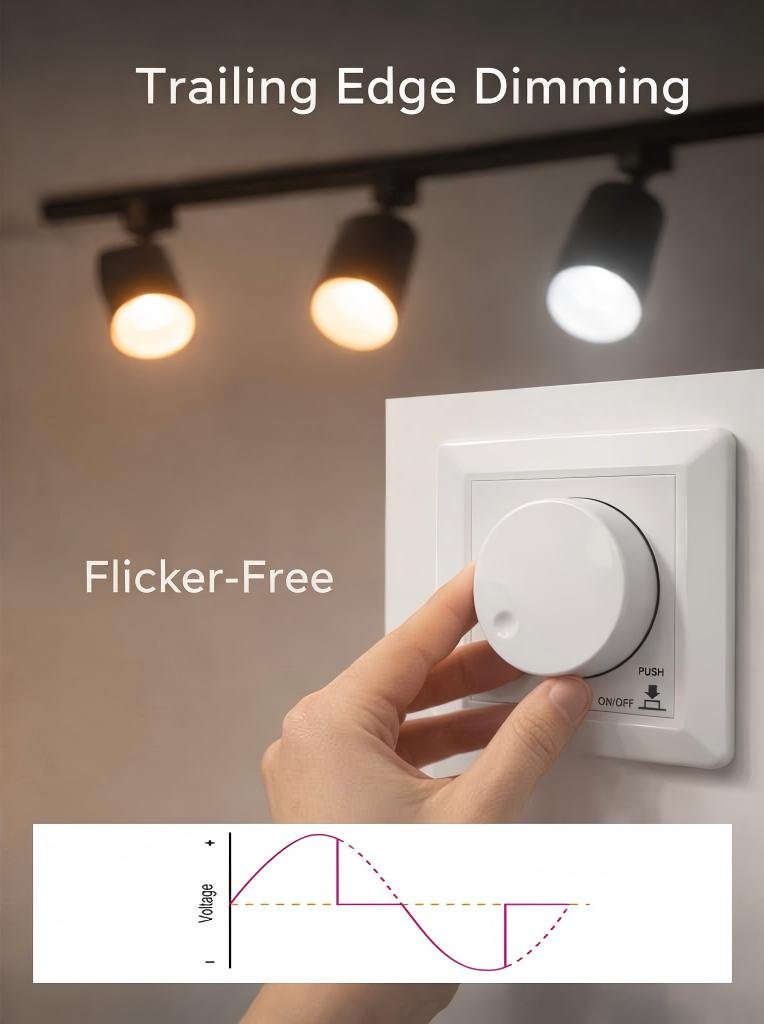
Bộ điều chỉnh độ sáng cạnh sau BQ-TTDIM kiểm soát độ sáng LED bằng cách ngắt điện tử dạng sóng AC gần cuối mỗi chu kỳ nửa sóng. Điều này giảm công suất truyền tải trong khi duy trì độ giảm sáng mượt mà, tiếng ồn thấp, và khả năng tương thích mạnh mẽ với các bộ điều khiển LED hiện đại.
Khi làm việc với hệ thống chiếu sáng LED, tôi luôn chú ý kỹ đến công nghệ điều chỉnh độ sáng. Nhiều vấn đề trong các dự án chiếu sáng đến từ sự hiểu sai về cách hoạt động của điều chỉnh độ sáng cắt pha. Trong hướng dẫn này, tôi sẽ giải thích cách bộ điều chỉnh độ sáng cạnh sau BQ-TTDIM hoạt động và tại sao nó hoạt động tốt với các bộ điều khiển LED.
Bộ điều chỉnh độ sáng Trailing Edge là gì?
Nhiều thợ lắp đặt giả định rằng tất cả các bộ điều chỉnh độ sáng cắt pha hoạt động giống nhau. Giả định này thường gây ra nhấp nháy hoặc ánh sáng không ổn định khi sử dụng đèn LED.
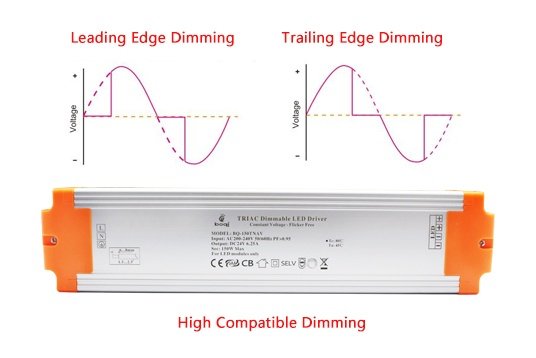
Bộ điều chỉnh độ sáng cắt cuối (trailing edge dimmer) giảm cường độ ánh sáng bằng cách tắt dạng sóng AC gần cuối mỗi nửa chu kỳ. Thay vì cắt phần đầu của dạng sóng, nó cắt phần cuối để kiểm soát năng lượng cấp cho đèn.
Hiểu Khái Niệm
Điều chỉnh độ sáng cắt cuối thuộc họ điều chỉnh cắt pha. Bộ điều chỉnh độ sáng sửa đổi sóng sin AC cấp nguồn cho tải chiếu sáng. Bằng cách loại bỏ một phần dạng sóng, bộ điều chỉnh độ sáng làm giảm hiệu quả điện áp RMS cấp cho đèn.
Tôi thường giải thích một cách đơn giản. Hãy tưởng tượng dạng sóng AC như một làn sóng liên tục. Bộ điều chỉnh độ sáng cho phép sóng bắt đầu bình thường. Sau đó, nó tắt dòng điện trước khi sóng kết thúc. Sự cắt này làm giảm tổng năng lượng đến đèn.
Cách Điều Chỉnh Độ Sáng Cạnh Sau Hoạt Động
Thời Gian Cắt Pha
| Pha | Hành động | Kết quả |
|---|---|---|
| Bắt đầu chu kỳ | Điện áp chạy bình thường | Đèn nhận điện áp đầy đủ trong thời gian ngắn |
| Kết thúc chu kỳ | Bộ điều chỉnh độ sáng tắt đầu ra | Giảm tổng năng lượng |
| Lặp lại mỗi nửa chu kỳ | Điều chỉnh liên tục | Kiểm soát độ sáng mượt mà |
Tại Sao Phương Pháp Này Quan Trọng
Bộ điều chỉnh độ sáng cắt cuối hoạt động tốt với tải điện tử, đặc biệt là bộ điều khiển LED. Nhiều bộ điều khiển LED chứa tụ điện bên trong. Các thành phần này tương tác tốt hơn với sự tăng điện áp sạch thay vì khởi đầu đột ngột.
Đây là lý do tại sao bộ điều chỉnh độ sáng cắt cuối thường tạo ra:
- Ít tiếng ồn âm thanh hơn
- Điều chỉnh độ sáng ở mức thấp tốt hơn
- Giảm nhấp nháy
- Tương thích cao hơn với bộ điều khiển LED
Hiểu Các Nguyên Tắc Cơ Bản của Điều Chỉnh Độ Sáng Cạnh Sau
Nhiều chuyên gia chiếu sáng hiểu thuật ngữ điều chỉnh cắt pha nhưng gặp khó khăn trong việc hình dung cách dạng sóng thay đổi.
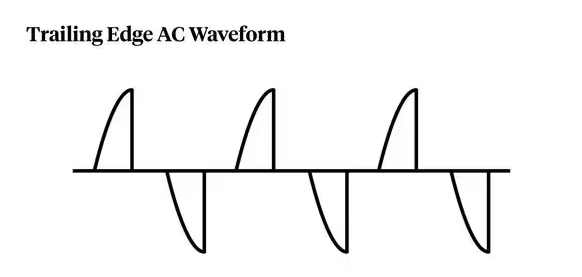
Điều chỉnh độ sáng cắt cuối hoạt động bằng cách cho điện áp AC bắt đầu bình thường và sau đó tắt dòng điện bằng điện tử trước khi dạng sóng kết thúc mỗi nửa chu kỳ.
Dạng Sóng AC trong Hệ Thống Chiếu Sáng
Trong hệ thống điện bình thường, điện áp tuân theo dạng sóng sin. Mỗi chu kỳ bao gồm một nửa dương và một nửa âm.
Bộ điều chỉnh độ sáng điều khiển dạng sóng này. Thay vì truyền toàn bộ sóng sin đến tải, nó loại bỏ một phần của nó.
So Sánh Các Dạng Sóng
| Chế độ | Bắt đầu dạng sóng | Kết thúc dạng sóng | Tải điển hình |
|---|---|---|---|
| Không điều chỉnh | Bình thường | Bình thường | Độ sáng đầy đủ |
| Cắt đầu (leading edge) | Bắt đầu trễ | Kết thúc bình thường | Đèn sợi đốt |
| Cắt cuối (trailing edge) | Bắt đầu bình thường | Cắt sớm | Bộ điều khiển LED |
Tại Sao LED Ưu Tiên Điều Chỉnh Độ Sáng Cạnh Sau
Bộ điều khiển LED thường chứa nguồn chuyển mạch. Các mạch này phản ứng khác với sự thay đổi điện áp so với đèn sợi đốt.
Bộ điều chỉnh độ sáng cắt đầu tạo ra một đỉnh điện áp sắc nét ở đầu mỗi chu kỳ. Đỉnh này có thể tạo ra các vấn đề như:
- ứng suất driver
- nhấp nháy
- tiếng ồn
- điều chỉnh độ sáng không ổn định
Bộ điều chỉnh độ sáng cắt biên sau tránh được vấn đề này. Điện áp tăng mượt mà và chỉ tắt ở phần cuối chu kỳ.
Cơ Chế Giảm Công Suất
Bảng Kiểm Soát Năng Lượng
| Mức độ sáng | Độ dài dạng sóng | Năng lượng truyền tải |
|---|---|---|
| 100% | Dạng sóng sin đầy đủ | Công suất tối đa |
| 75% | Cắt nhẹ | Công suất giảm |
| 50% | Nửa dạng sóng | Công suất trung bình |
| 25% | Cắt lớn | Công suất thấp |
Bộ điều chỉnh độ sáng liên tục điều chỉnh điểm cắt. Sự điều chỉnh động này cho phép người dùng kiểm soát độ sáng mượt mà từ công suất tối đa đến mức ánh sáng thấp.
Tại Sao Bộ Điều Chỉnh Độ Sáng Cạnh Sau Lý Tưởng cho Chiếu Sáng LED Hiện Đại
Nhiều kỹ sư chiếu sáng phát hiện rằng các bộ điều chỉnh độ sáng cũ gặp khó khăn với hệ thống LED. Nhấp nháy và tiếng ồn xuất hiện khi sử dụng công nghệ không tương thích.
Bộ điều chỉnh độ sáng cắt biên sau giải quyết các vấn đề này vì chúng hoạt động tốt với driver LED điện tử và tải công suất thấp.

Tương Thích với Bộ Điều Khiển Điện Tử
Driver LED hiện đại chứa các linh kiện bên trong như:
- bộ chỉnh lưu cầu
- tụ điện
- bộ chuyển đổi chuyển mạch
Các mạch này yêu cầu chuyển đổi điện áp ổn định. Bộ điều chỉnh độ sáng cắt biên sau tạo ra chuyển mạch mượt mà hơn so với thiết bị cắt biên trước.
Bảng Tương Thích
| Loại tải | Cắt biên trước | Cắt biên sau |
|---|---|---|
| Đèn sợi đốt | Xuất sắc | Tốt |
| Đèn halogen | Xuất sắc | Tốt |
| Bộ điều khiển LED | Hạn chế | Xuất sắc |
| Biến áp điện tử | Trung bình | Xuất sắc |
Cải Thiện Hiệu Suất Tải Thấp
Hệ thống chiếu sáng LED thường hoạt động ở công suất thấp. Bộ điều chỉnh độ sáng truyền thống thường yêu cầu tải tối thiểu để hoạt động chính xác.
Bộ điều chỉnh độ sáng cắt biên sau phù hợp hơn với các điều kiện công suất thấp này. Chúng có thể duy trì hoạt động ổn định ngay cả khi tải nhỏ.
Giảm Nhiễu Điện
Một lợi ích khác tôi thường nhận thấy là giảm nhiễu điện từ. Điều chỉnh độ sáng cắt biên sau tạo ra ít nhiễu điện hơn vì dạng sóng bắt đầu tự nhiên.
Sự cải thiện này mang lại:
- vận hành êm hơn
- ít nhiễu hơn với các thiết bị khác
- phản hồi điều chỉnh độ sáng mượt mà hơn
Khác Biệt Giữa Điều Chỉnh Độ Sáng Cạnh Trước và Cạnh Sau
Nhiều người nhầm lẫn giữa hai công nghệ điều chỉnh độ sáng này. Tuy nhiên, nguyên lý hoạt động và đặc tính hiệu suất của chúng rất khác nhau.
Bộ điều chỉnh độ sáng cắt biên trước cắt phần đầu của dạng sóng AC, trong khi bộ điều chỉnh độ sáng cắt biên sau cắt phần cuối của dạng sóng.

Nguyên Tắc Hoạt Động Cơ Bản
Bộ điều chỉnh độ sáng cắt biên trước dựa vào linh kiện TRIAC kích hoạt sau một độ trễ. Dạng sóng bắt đầu đột ngột khi TRIAC kích hoạt.
Bộ điều chỉnh độ sáng cắt biên sau hoạt động khác biệt. Chúng cho phép dạng sóng bắt đầu bình thường và sau đó ngắt dòng điện ở phần cuối.
So Sánh Kỹ Thuật
| Tính năng | Cắt biên trước | Cắt biên sau |
|---|---|---|
| Kiểm soát dạng sóng | Cắt điểm bắt đầu | Cắt điểm kết thúc |
| Linh kiện chuyển mạch | TRIAC | MOSFET |
| Mức độ tiếng ồn | Cao hơn | Thấp hơn |
| Tương thích LED | Trung bình | Xuất sắc |
| Độ mượt khi điều chỉnh độ sáng | Hạn chế | Mượt mà |
Tác Động đến Hệ Thống LED
Bộ điều chỉnh độ sáng kiểu Leading edge thường tạo ra:
- tiếng kêu ù
- hiện tượng nhấp nháy nhìn thấy được
- độ sáng không ổn định
Bộ điều chỉnh độ sáng kiểu Trailing edge giảm thiểu các vấn đề này vì phương pháp chuyển mạch của chúng nhẹ nhàng hơn.
Ví Dụ Thực Tế
Trong nhiều dự án tôi đã thực hiện, việc thay thế bộ điều chỉnh độ sáng Leading edge bằng thiết bị Trailing edge đã ngay lập tức giải quyết vấn đề nhấp nháy. Bộ điều khiển LED phản hồi tốt hơn nhiều sau khi thay đổi cách chuyển mạch dạng sóng.
Các Thành Phần Chính Bên Trong Bộ Điều Chỉnh Độ Sáng Cạnh Sau
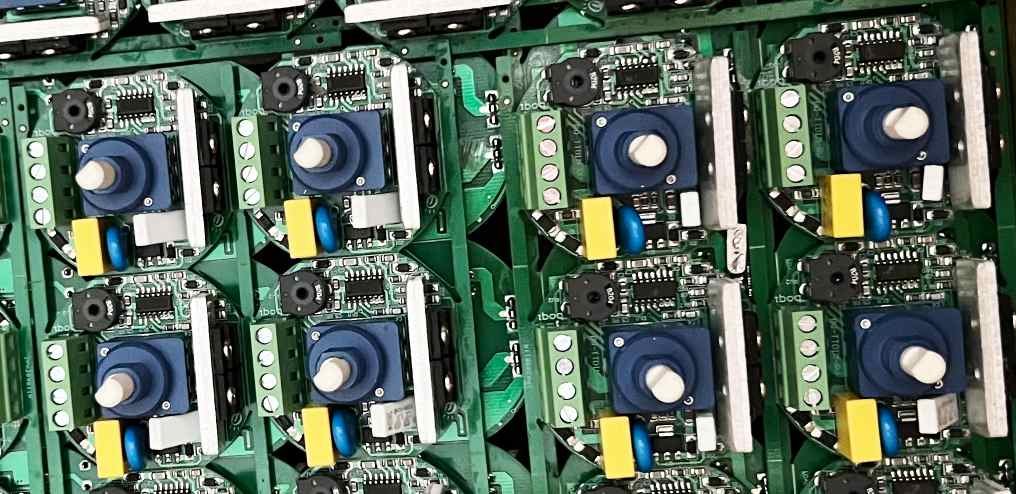
Nhiều người dùng xem bộ điều chỉnh độ sáng như một núm xoay đơn giản. Tuy nhiên, bên trong thiết bị là một mạch điện tử được thiết kế cẩn thận.
Bộ điều chỉnh độ sáng Trailing edge sử dụng công tắc bán dẫn, mạch điều khiển và linh kiện bảo vệ để điều chỉnh dạng sóng AC.
Các Yếu Tố Phần Cứng Chính
Các linh kiện điển hình bao gồm:
- transistor chuyển mạch
- vi mạch điều khiển
- mạch cảm biến
- mô-đun bảo vệ
Các linh kiện này phối hợp với nhau để kiểm soát thời điểm cắt pha.
Kiến Trúc Nội Bộ
Bảng Chức Năng Thành Phần
| Linh kiện | Vai trò |
|---|---|
| MOSFET hoặc transistor | Chuyển mạch dòng điện AC |
| IC điều khiển | Xác định góc điều chỉnh độ sáng |
| Tụ điện | Lọc nhiễu |
| Cảm biến nhiệt | Ngăn ngừa quá nhiệt |
Tương Tác Giữa Các Thành Phần
Khi người dùng điều chỉnh núm xoay, mạch điều khiển tính toán góc pha mới. Transistor chuyển mạch sau đó tắt dạng sóng tại thời điểm chính xác.
Mạch bảo vệ liên tục giám sát hệ thống. Nếu xảy ra điều kiện bất thường, bộ điều chỉnh độ sáng tự động tắt để bảo vệ chính nó và tải kết nối.
Sự kết hợp giữa điều khiển và bảo vệ này làm cho bộ điều chỉnh độ sáng Trailing edge hiện đại trở nên đáng tin cậy cho các ứng dụng chiếu sáng dài hạn.
Cách Công Nghệ Cắt Pha Kiểm Soát Độ Sáng
Nhiều nhà thiết kế chiếu sáng biết rằng bộ điều chỉnh độ sáng làm giảm độ sáng. Nhưng ít người hiểu được cơ chế điện đằng sau quá trình này.
Công nghệ cắt pha kiểm soát đầu ra ánh sáng bằng cách loại bỏ một phần của mỗi chu kỳ dạng sóng AC, giúp giảm điện áp RMS cung cấp cho tải.
Giảm Điện Áp RMS
Độ sáng của nhiều loại tải chiếu sáng phụ thuộc vào điện áp RMS được cung cấp cho chúng.
Khi bộ điều chỉnh độ sáng cắt một phần dạng sóng, điện áp RMS giảm xuống. Điện áp thấp hơn có nghĩa là công suất điện ít hơn và do đó đầu ra ánh sáng thấp hơn.
Mối Quan Hệ Công Suất
Mối Quan Hệ Điện Áp và Công Suất
| Mức độ sáng | Điện áp RMS | Công suất tương đối |
|---|---|---|
| 100% | Điện áp đầy đủ | 100% |
| 75% | Giảm | 75% |
| 50% | Trung bình | 50% |
| 25% | Thấp | 25% |
Kiểm Soát Liên Tục
Bộ điều chỉnh độ sáng điều chỉnh điểm cắt trong mỗi nửa chu kỳ. Sự điều chỉnh nhanh chóng này diễn ra nhiều lần mỗi giây.
Vì nguồn điện AC dao động nhanh, mắt người cảm nhận ánh sáng như được điều chỉnh liên tục thay vì nhấp nháy.
Kỹ thuật này cho phép kiểm soát độ sáng chính xác mà không thay đổi tần số nguồn điện.
Nguyên Tắc Hoạt Động của Bộ Điều Chỉnh Độ Sáng Cạnh Sau BQ-TTDIM
Nhiều bộ điều chỉnh độ sáng trông giống nhau bên ngoài. Tuy nhiên, thiết kế nội bộ và hiệu suất của chúng có thể khác biệt đáng kể.
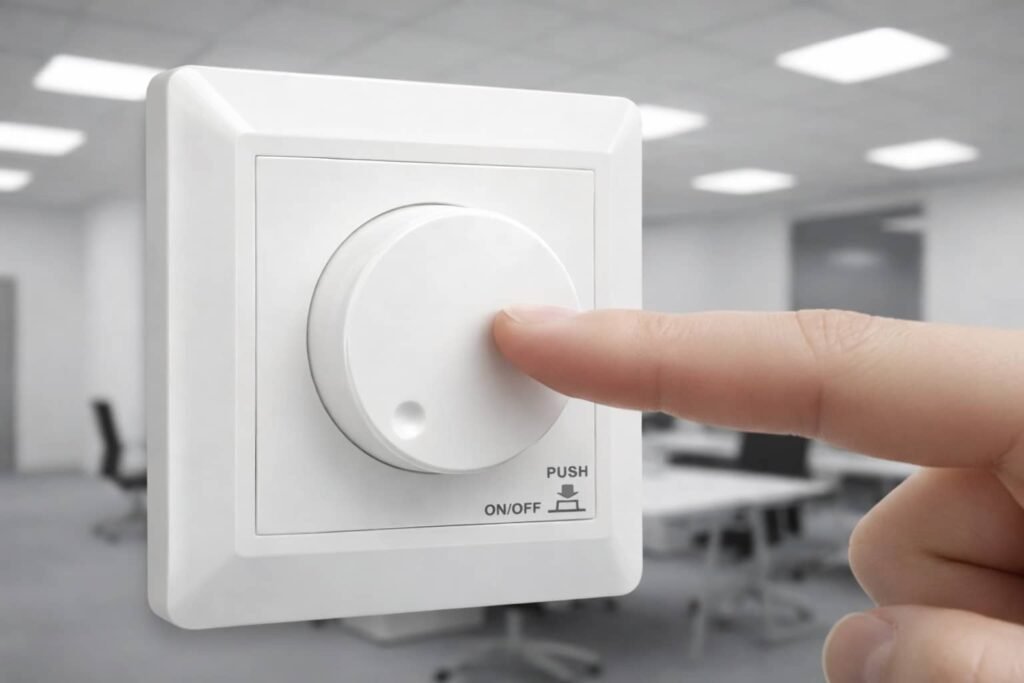
Bộ điều chỉnh độ sáng Trailing edge BQ-TTDIM kiểm soát độ sáng LED thông qua điều khiển cắt pha xoay, cho phép người dùng điều chỉnh độ sáng trong khi vẫn duy trì khả năng tương thích với bộ điều khiển LED có thể điều chỉnh độ sáng và đèn truyền thống.
Tổng Quan Thiết Bị
Theo thông số kỹ thuật sản phẩm, BQ-TTDIM là bộ điều chỉnh độ sáng cắt pha AC xoay với một kênh đầu ra được thiết kế cho đèn LED có thể điều chỉnh độ sáng, đèn sợi đốt và đèn halogen.
Thiết bị hoạt động trong phạm vi:
| Tham số | Giá trị |
|---|---|
| Điện áp đầu vào | AC200-240V |
| Dòng điện đầu ra | Tối đa 1,25A |
| Công suất đầu ra | 3-400W |
| Phạm vi làm mờ | 0-100% |
Các giá trị này được lấy trực tiếp từ bảng thông số kỹ thuật.
Giao Diện Điều Khiển
Bộ điều chỉnh độ sáng sử dụng núm xoay. Người dùng xoay núm để thay đổi độ sáng và nhấn để bật hoặc tắt đèn.
Thiết bị cũng hỗ trợ cài đặt độ sáng tối thiểu và chức năng ghi nhớ.
Môi Trường Hoạt Động
Bộ điều chỉnh độ sáng được thiết kế để hoạt động ổn định trong điều kiện khắc nghiệt.
| Tham số | Sự chỉ rõ |
|---|---|
| Nhiệt độ hoạt động | −30°C đến +55°C |
| Nhiệt độ vỏ | Lên đến 85°C |
| Chỉ số IP | IP20 |
Các thông số kỹ thuật này đảm bảo bộ điều chỉnh độ sáng có thể hoạt động đáng tin cậy trong các hệ thống lắp đặt trong nhà điển hình.
Quy Trình Từng Bước của Cắt Pha Cạnh Sau
Nhiều kỹ sư thắc mắc cách bộ điều chỉnh độ sáng thực sự điều chỉnh từng chu kỳ AC theo thời gian thực.
Kỹ thuật cắt pha mép sau hoạt động bằng cách theo dõi dạng sóng AC và ngắt dòng điện gần cuối mỗi nửa chu kỳ.
Chuỗi Điều Khiển Pha
Mỗi chu kỳ AC trải qua một chuỗi thao tác đơn giản được điều khiển bởi mạch điện tử của bộ điều chỉnh độ sáng.
Trình Tự Hoạt Động
| Bước | Hành động |
|---|---|
| 1 | Phát hiện điểm qua zero |
| 2 | Cho phép điện áp tăng bình thường |
| 3 | Tính toán mức độ điều chỉnh độ sáng |
| 4 | Ngắt dòng điện trước khi kết thúc dạng sóng |
| 5 | Lặp lại mỗi chu kỳ |
Kiểm Soát Thời Gian
Bộ điều chỉnh độ sáng phải kiểm soát việc chuyển mạch với độ chính xác cao. Ngay cả thay đổi nhỏ về thời gian cũng có thể làm thay đổi độ sáng.
Ví dụ:
- cắt muộn → đèn sáng hơn
- cắt sớm → đèn tối hơn
Phản Hồi Liên Tục
Mạch điều khiển lặp lại quá trình này cho mỗi nửa chu kỳ của nguồn AC. Vì chu kỳ AC xảy ra 50 hoặc 60 lần mỗi giây, việc điều chỉnh độ sáng có cảm giác tức thời đối với người dùng.
Kiểm soát thời gian chính xác này là công nghệ cốt lõi đằng sau hệ thống điều chỉnh độ sáng cắt pha.
Cách BQ-TTDIM Điều Chỉnh Điện Áp để Giảm Sáng Đèn LED
Nhiều người nghĩ rằng bộ điều chỉnh độ sáng chỉ đơn giản là giảm điện áp. Trên thực tế, nó kiểm soát hình dạng dạng sóng thay vì trực tiếp hạ thấp điện áp nguồn.
BQ-TTDIM điều chỉnh điện áp hiệu dụng đến bộ điều khiển LED bằng cách cắt một phần dạng sóng AC thông qua điều khiển pha.
Kiểm Soát Điện Áp Hiệu Quả
Thay vì thay đổi điện áp nguồn, bộ điều chỉnh độ sáng thay đổi thời lượng cung cấp điện.
Kỹ thuật này làm thay đổi điện áp RMS mà bộ điều khiển LED nhận được.
Bảng Điều Chỉnh Điện Áp
| Góc cắt | Điện áp hiệu dụng | Độ sáng đầu ra |
|---|---|---|
| Cắt nhỏ | Điện áp cao | Sáng |
| Cắt trung bình | Điện áp trung bình | Trung bình |
| Cắt lớn | Điện áp thấp | Tối |
Tương Tác với Bộ Điều Khiển LED
Bộ điều khiển LED diễn giải dạng sóng cắt pha và điều chỉnh dòng điện bên trong tương ứng.
Bộ điều khiển được thiết kế tốt sẽ phát hiện hình dạng dạng sóng và điều chỉnh đầu ra đến đèn LED.
Hành Vi Giảm Sáng Mượt Mà
Vì bộ điều chỉnh độ sáng kiểm soát thời gian rất chính xác, thay đổi độ sáng xuất hiện mượt mà và dần dần.
Đặc tính này quan trọng trong các ứng dụng như:
- chiếu sáng khu dân cư
- chiếu sáng khách sạn
- chiếu sáng kiến trúc
Sự kết luận
Bộ điều chỉnh độ sáng mép sau BQ-TTDIM mang lại khả năng điều chỉnh độ sáng LED mượt mà bằng cách cắt dạng sóng AC gần cuối mỗi chu kỳ, đảm bảo hoạt động êm ái, tương thích cao và hiệu suất chiếu sáng ổn định.