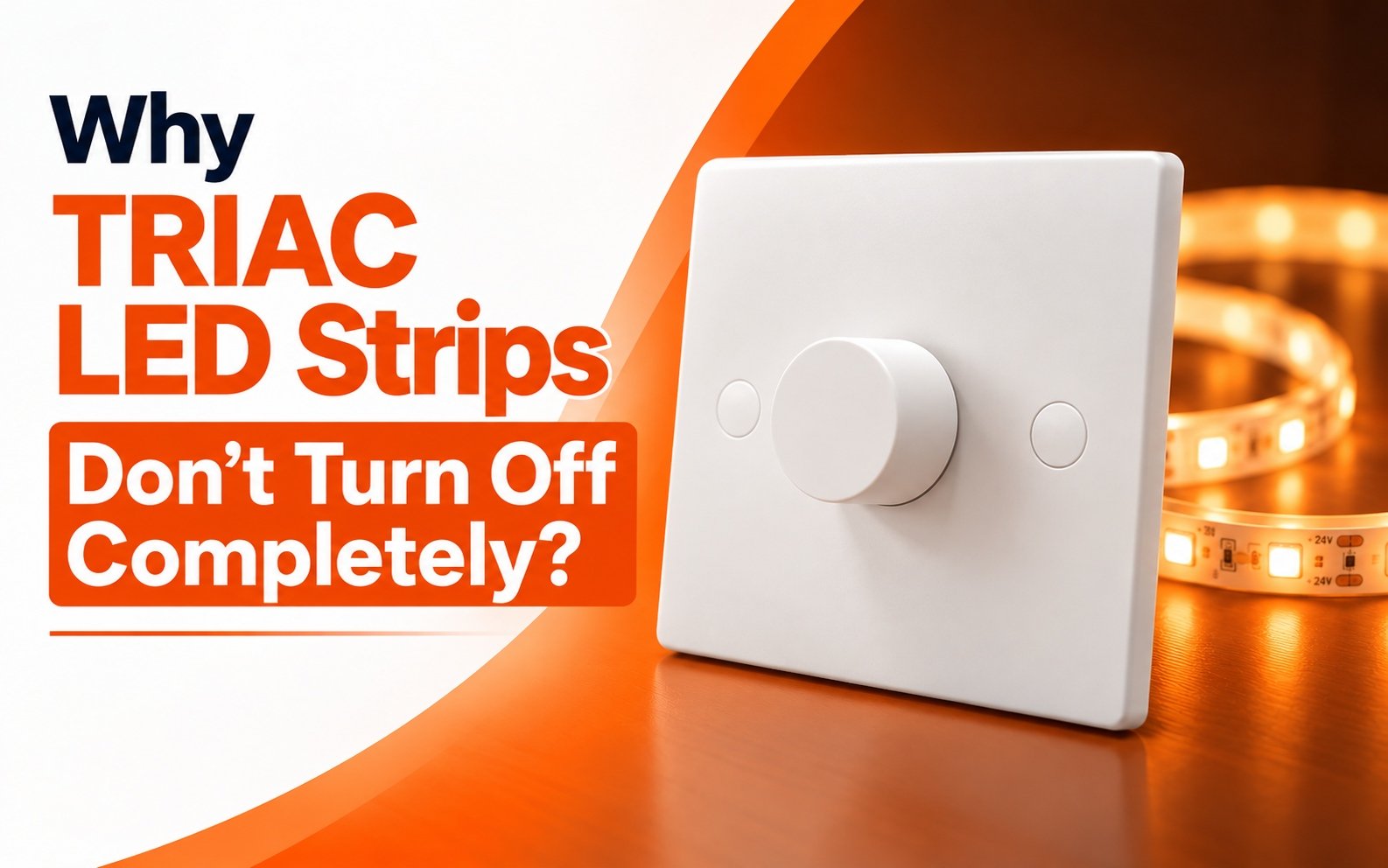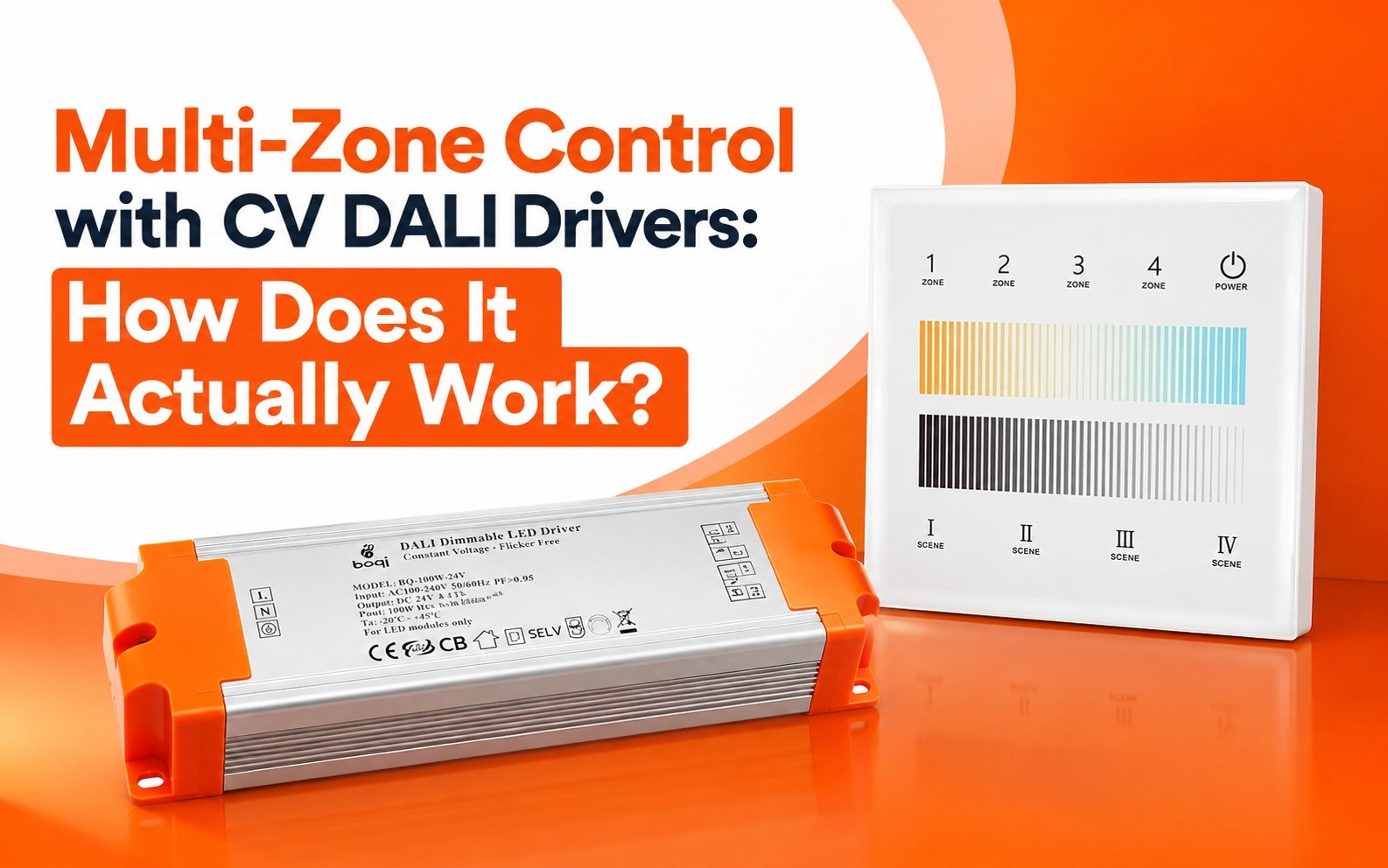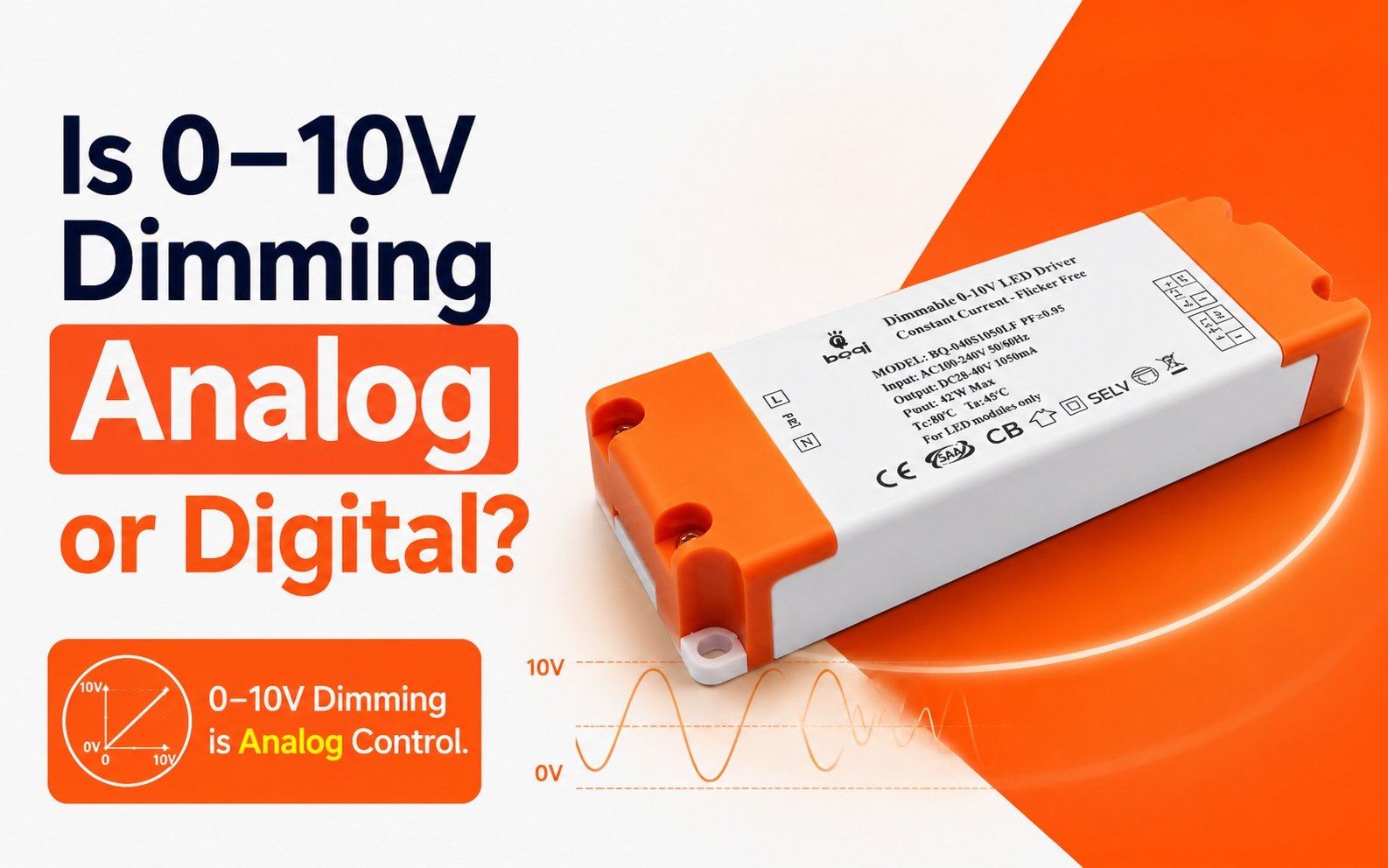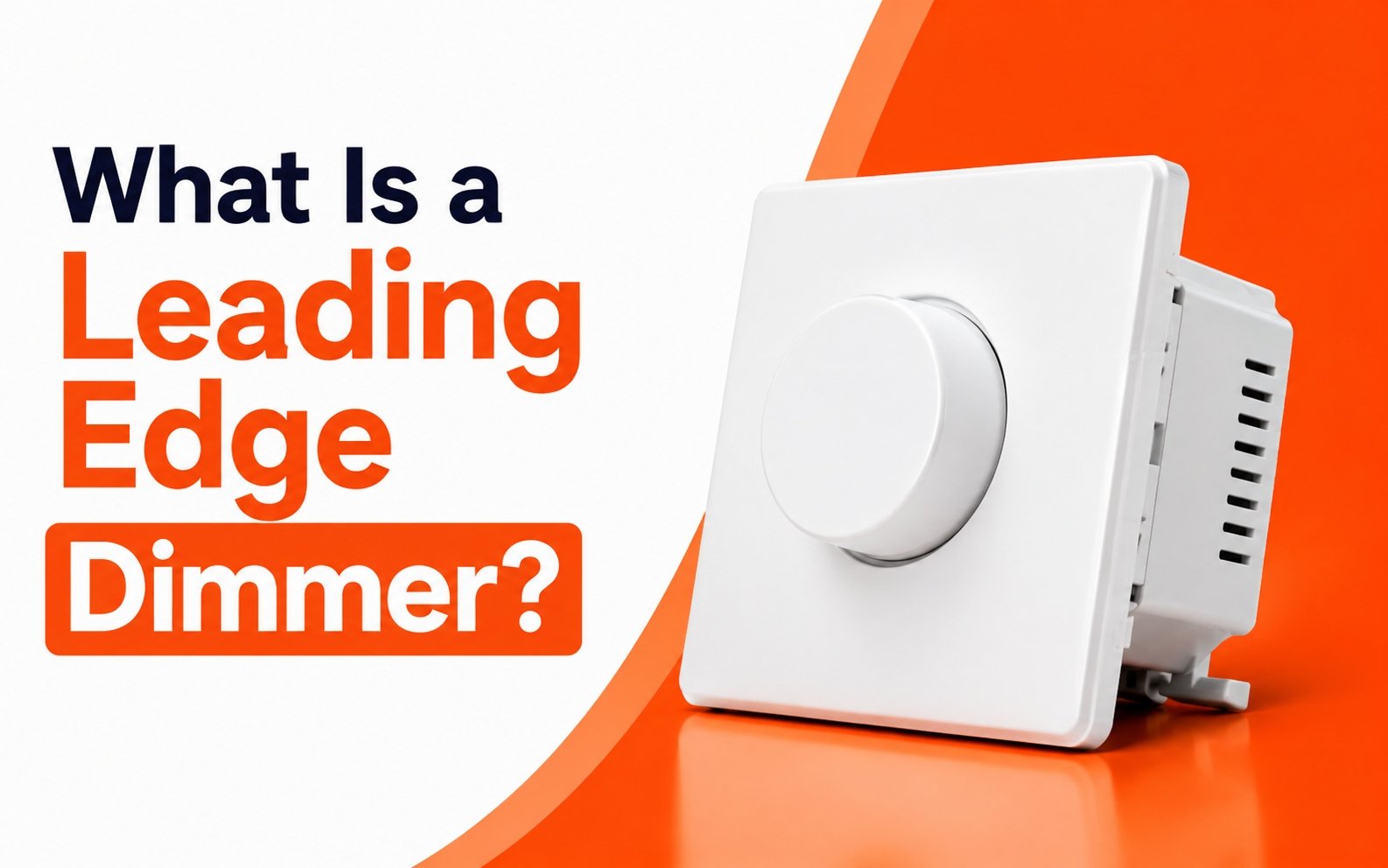














ไฟ LED จำนวนมากกะพริบ มีเสียงรบกวน หรือไม่สามารถปรับความสว่างได้อย่างราบรื่นเมื่อใช้กับสวิตช์ปรับแสงแบบดั้งเดิม สิ่งนี้สร้างความผิดหวังให้กับนักออกแบบและผู้ติดตั้ง ผมมักพบว่าโปรเจกต์ล้มเหลวเพียงเพราะเทคโนโลยีการปรับแสงไม่เข้ากันกับไดรเวอร์ LED.
สวิตช์ปรับแสงแบบ trailing-edge รุ่น BQ-TTDIM ควบคุมความสว่างของ LED โดยการตัดคลื่นไฟฟ้ากระแสสลับทางอิเล็กทรอนิกส์บริเวณช่วงท้ายของแต่ละครึ่งรอบ สิ่งนี้ช่วยลดกำลังไฟฟ้าที่จ่ายออกไป ขณะที่ยังคงความราบรื่นในการปรับแสง เสียงรบกวนต่ำ และความเข้ากันได้สูงกับไดรเวอร์ LED สมัยใหม่.
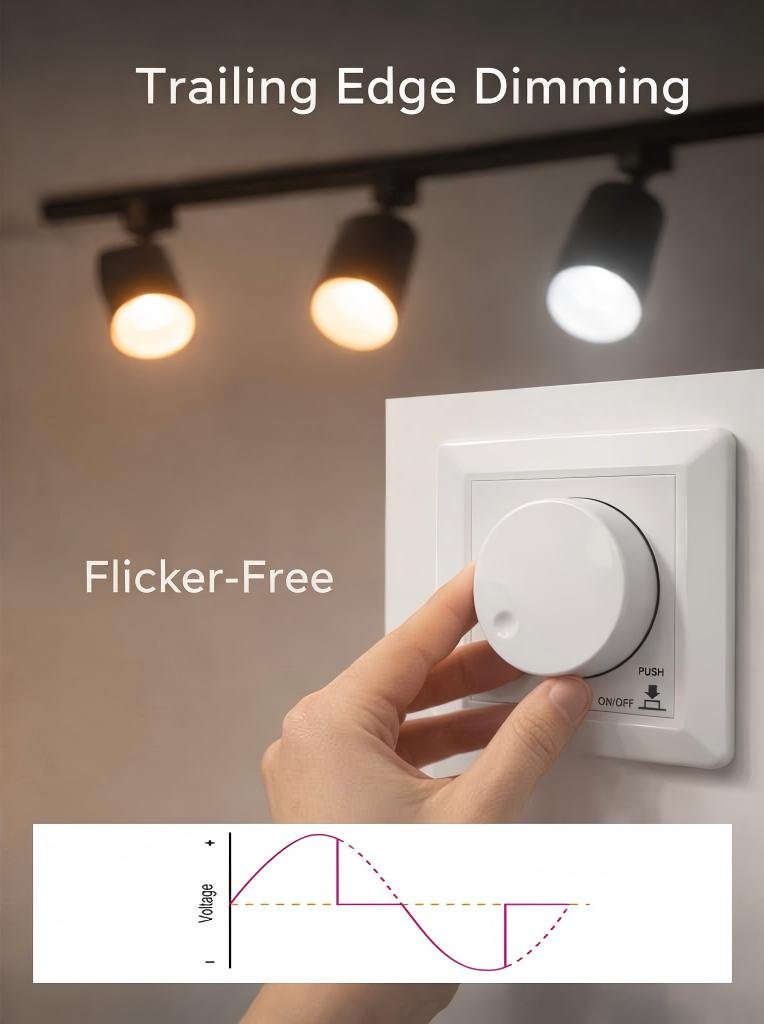
เมื่อผมทำงานกับระบบไฟ LED ผมให้ความสำคัญกับเทคโนโลยีการปรับแสงอยู่เสมอ ปัญหาหลายอย่างในโปรเจกต์ระบบไฟเกิดจากความเข้าใจที่คลาดเคลื่อนเกี่ยวกับการทำงานจริงของการปรับแสงแบบตัดเฟส ในคู่มือนี้ ผมจะอธิบายว่าสวิตช์ปรับแสงแบบ trailing-edge รุ่น BQ-TTDIM ทำงานอย่างไร และเหตุใดจึงทำงานร่วมกับไดรเวอร์ LED ได้ดีเยี่ยม.
ตัวหรี่แสงแบบ Trailing Edge คืออะไร?
ผู้ติดตั้งจำนวนมากเข้าใจว่าสวิตช์ปรับแสงแบบตัดเฟสทั้งหมดทำงานเหมือนกัน ความเข้าใจผิดนี้มักก่อให้เกิดการกะพริบหรือแสงที่ไม่เสถียรเมื่อใช้กับ LED.
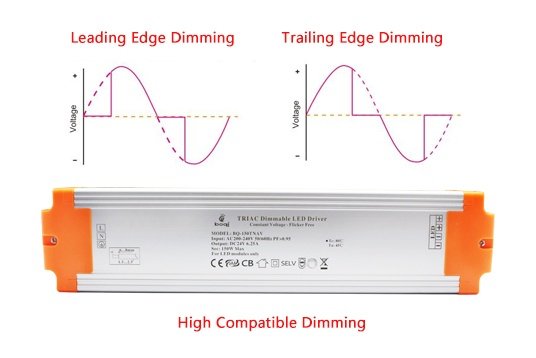
ตัวลดแสงแบบ trailing edge จะลดความเข้มของแสงโดยการตัดรูปคลื่นไฟฟ้ากระแสสลับในช่วงท้ายของแต่ละครึ่งรอบ แทนที่จะตัดส่วนหน้าของรูปคลื่น มันจะตัดส่วนท้ายออกเพื่อควบคุมกำลังไฟฟ้าที่ส่งไปยังหลอดไฟ.

ทำความเข้าใจแนวคิด
การลดแสงแบบ trailing edge จัดอยู่ใน กลุ่มการลดแสงแบบ phase-cut. ตัวลดแสงจะปรับเปลี่ยนรูปคลื่นไซน์ของไฟฟ้ากระแสสลับที่จ่ายให้กับโหลดแสงสว่าง โดยการตัดส่วนหนึ่งของรูปคลื่นออก ตัวลดแสงจะลดค่าแรงดันไฟฟ้า RMS ที่ส่งไปยังหลอดไฟได้อย่างมีประสิทธิภาพ.
ผมมักจะอธิบายในแบบที่เข้าใจง่าย ลองนึกภาพรูปคลื่นไฟฟ้ากระแสสลับเป็นคลื่นที่ต่อเนื่อง ตัวลดแสงจะปล่อยให้คลื่นเริ่มต้นตามปกติ จากนั้นจะตัดกระแสไฟฟ้าก่อนที่คลื่นจะสิ้นสุด การตัดนี้จะลดพลังงานทั้งหมดที่ส่งถึงหลอดไฟ.
หลักการทำงานของการปรับแสงแบบ Trailing Edge
จังหวะการตัดเฟส
| เฟส | การทำงาน | ผลลัพธ์ |
|---|---|---|
| จุดเริ่มต้นของรอบ | แรงดันไฟฟ้าไหลตามปกติ | หลอดไฟได้รับแรงดันไฟฟ้าเต็มรูปแบบชั่วขณะ |
| จุดสิ้นสุดของรอบ | ตัวลดแสงตัดเอาต์พุต | พลังงานทั้งหมดลดลง |
| ทำซ้ำทุกครึ่งรอบ | การปรับอย่างต่อเนื่อง | การควบคุมความสว่างที่นุ่มนวล |
เหตุใดวิธีการนี้จึงสำคัญ
ตัวลดแสงแบบ trailing edge ทำงานได้ดีกับ โหลดอิเล็กทรอนิกส์, โดยเฉพาะไดรเวอร์ LED ไดรเวอร์ LED จำนวนมากมีตัวเก็บประจุภายใน ส่วนประกอบเหล่านี้ทำงานร่วมกับการเพิ่มขึ้นของแรงดันไฟฟ้าที่สะอาดได้ดีกว่าการเริ่มต้นอย่างฉับพลัน.
นี่คือเหตุผลที่ตัวลดแสงแบบ trailing edge มักให้ผลลัพธ์:
- เสียงรบกวนน้อยลง
- การลดแสงในระดับต่ำที่ดีขึ้น
- การกะพริบลดลง
- ความเข้ากันได้สูงขึ้นกับไดรเวอร์ LED
ทำความเข้าใจพื้นฐานของการปรับแสงแบบ Trailing Edge
ผู้เชี่ยวชาญด้านแสงสว่างหลายคนเข้าใจคำว่า phase-cut dimming แต่ยังคงมีปัญหาในการมองเห็นภาพว่ารูปคลื่นเปลี่ยนแปลงอย่างไร.
การลดแสงแบบ trailing edge ทำงานโดยปล่อยให้แรงดันไฟฟ้ากระแสสลับเริ่มต้นตามปกติ จากนั้นตัดกระแสไฟฟ้าอิเล็กทรอนิกส์ก่อนที่รูปคลื่นจะสิ้นสุดในแต่ละครึ่งรอบ.
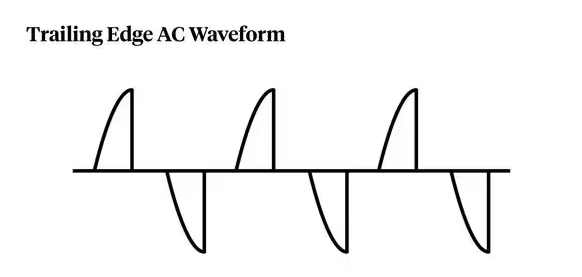
รูปคลื่นไฟฟ้ากระแสสลับในระบบไฟ
ในระบบไฟฟ้าปกติ แรงดันไฟฟ้าจะเป็นไปตาม รูปคลื่นไซน์. แต่ละรอบประกอบด้วยครึ่งบวกและครึ่งลบ.
ตัวลดแสงจะจัดการกับรูปคลื่นนี้ แทนที่จะส่งรูปคลื่นไซน์ทั้งหมดไปยังโหลด มันจะตัดส่วนหนึ่งออก.
การเปรียบเทียบรูปคลื่น
| โหมด | จุดเริ่มต้นของรูปคลื่น | จุดสิ้นสุดของรูปคลื่น | โหลดทั่วไป |
|---|---|---|---|
| ไม่มีการลดแสง | ปกติ | ปกติ | ความสว่างเต็มรูปแบบ |
| Leading edge | เริ่มต้นล่าช้า | สิ้นสุดปกติ | หลอดไส้ |
| Trailing edge | เริ่มต้นปกติ | ตัดออกก่อนกำหนด | ไดรเวอร์ LED |
เหตุใด LED จึงเหมาะกับการปรับแสงแบบ Trailing Edge มากกว่า
ไดรเวอร์ LED มักประกอบด้วย แหล่งจ่ายไฟแบบสวิตช์โหมด. วงจรเหล่านี้ตอบสนองต่อการเปลี่ยนแปลงแรงดันไฟฟ้าแตกต่างจากหลอดไส้.
ตัวลดแสงแบบ leading edge จะสร้างแรงดันไฟฟ้าพุ่งสูงอย่างฉับพลันที่จุดเริ่มต้นของแต่ละรอบ การพุ่งสูงนี้สามารถสร้างปัญหาเช่น:
- ความเครียดของไดรเวอร์
- การกะพริบ
- เสียงรบกวน
- การหรี่แสงที่ไม่เสถียร
ตัวหรี่แสงแบบ Trailing edge หลีกเลี่ยงปัญหานี้ได้ แรงดันไฟฟ้าจะเพิ่มขึ้นอย่างราบรื่นและตัดออกเฉพาะช่วงท้ายของรอบคลื่นเท่านั้น.
กลไกการลดกำลังไฟฟ้า
ตารางการควบคุมพลังงาน
| ระดับการหรี่แสง | ความยาวของรูปคลื่น | พลังงานที่ส่งออก |
|---|---|---|
| 100% | รูปคลื่นไซน์เต็ม | กำลังไฟฟ้าสูงสุด |
| 75% | การตัดเล็กน้อย | กำลังไฟฟ้าลดลง |
| 50% | รูปคลื่นครึ่งคลื่น | กำลังไฟฟ้าปานกลาง |
| 25% | การตัดขนาดใหญ่ | กำลังไฟฟ้าต่ำ |
ตัวหรี่แสงจะปรับจุดตัดอย่างต่อเนื่อง การปรับแบบไดนามิกนี้ช่วยให้ผู้ใช้ควบคุมความสว่างได้อย่างราบรื่นตั้งแต่กำลังไฟเต็มจนถึงระดับแสงต่ำ.
เหตุใดสวิตช์ปรับแสงแบบ Trailing Edge จึงเหมาะสำหรับระบบไฟ LED สมัยใหม่
วิศวกรแสงหลายคนพบว่าตัวหรี่แสงรุ่นเก่ามีปัญหาเมื่อใช้งานร่วมกับระบบ LED การกะพริบและเสียงรบกวนเกิดขึ้นเมื่อใช้เทคโนโลยีที่ไม่เข้ากัน.
ตัวหรี่แสงแบบ Trailing edge แก้ปัญหาเหล่านี้ได้เพราะทำงานได้ดีกับไดรเวอร์ LED แบบอิเล็กทรอนิกส์และโหลดกำลังไฟต่ำ.

ความเข้ากันได้กับไดรเวอร์อิเล็กทรอนิกส์
ไดรเวอร์ LED สมัยใหม่มีส่วนประกอบภายใน เช่น:
- บริดจ์เรกติไฟเออร์
- ตัวเก็บประจุ
- ตัวแปลงสวิตชิ่ง
วงจรเหล่านี้ต้องการการเปลี่ยนแรงดันไฟฟ้าที่เสถียร ตัวหรี่แสงแบบ Trailing edge ให้การสวิตชิ่งที่ราบรื่นกว่าอุปกรณ์แบบ Leading edge.
ตารางความเข้ากันได้
| ประเภทโหลด | ขอบนำ | ขอบตาม |
|---|---|---|
| หลอดไส้ | ดีเยี่ยม | ดี |
| หลอดฮาโลเจน | ดีเยี่ยม | ดี |
| ไดรเวอร์ LED | จำกัด | ดีเยี่ยม |
| หม้อแปลงอิเล็กทรอนิกส์ | ปานกลาง | ดีเยี่ยม |
ประสิทธิภาพที่ดีขึ้นภายใต้โหลดต่ำ
ระบบไฟ LED มักทำงานที่กำลังไฟฟ้าต่ำ ตัวหรี่แสงแบบดั้งเดิมมักต้องการ โหลดขั้นต่ำ เพื่อให้ทำงานได้อย่างถูกต้อง.
ตัวหรี่แสงแบบ Trailing edge เหมาะกับสภาวะกำลังไฟฟ้าต่ำเหล่านี้มากกว่า สามารถรักษาการทำงานที่เสถียรได้แม้โหลดมีขนาดเล็ก.
การลดสัญญาณรบกวนทางไฟฟ้า
ข้อดีอีกอย่างที่ฉันมักสังเกตเห็นคือการลดการรบกวนทางแม่เหล็กไฟฟ้า การหรี่แสงแบบ Trailing edge สร้างเสียงรบกวนทางไฟฟ้าน้อยกว่าเพราะรูปคลื่นเริ่มต้นอย่างเป็นธรรมชาติ.
การปรับปรุงนี้ส่งผลให้:
- การทำงานที่เงียบกว่า
- การรบกวนอุปกรณ์อื่นน้อยลง
- การตอบสนองการหรี่แสงที่ราบรื่นขึ้น
ความแตกต่างระหว่างการปรับแสงแบบ Leading Edge และ Trailing Edge
หลายคนสับสนระหว่างเทคโนโลยีการหรี่แสงสองแบบนี้ อย่างไรก็ตาม หลักการทำงานและคุณลักษณะประสิทธิภาพของทั้งสองแบบแตกต่างกันมาก.
ตัวหรี่แสงแบบ Leading edge ตัดจุดเริ่มต้นของรูปคลื่น AC ในขณะที่ตัวหรี่แสงแบบ Trailing edge ตัดส่วนท้ายของรูปคลื่น.

หลักการทำงานพื้นฐาน
ตัวหรี่แสงแบบ Leading edge อาศัยชิ้นส่วน TRIAC ที่ทำงานหลังจากมีความล่าช้า รูปคลื่นเริ่มต้นอย่างฉับพลันเมื่อ TRIAC ทำงาน.
ตัวหรี่แสงแบบ Trailing edge ทำงานแตกต่างกัน ปล่อยให้รูปคลื่นเริ่มต้นตามปกติแล้วตัดกระแสไฟฟ้าในช่วงท้าย.
การเปรียบเทียบทางเทคนิค
| ลักษณะเฉพาะ | ขอบนำ | ขอบตาม |
|---|---|---|
| การควบคุมรูปคลื่น | ตัดจุดเริ่มต้น | ตัดจุดสิ้นสุด |
| ชิ้นส่วนสวิตช์ | ไทรแอก | มอสเฟต |
| ระดับเสียงรบกวน | สูงกว่า | ลดลง |
| ความเข้ากันได้กับ LED | ปานกลาง | ดีเยี่ยม |
| ความราบรื่นในการหรี่แสง | จำกัด | ราบรื่น |
ผลกระทบต่อระบบ LED
Leading edge dimmers often produce:
- เสียงรบกวนจากขดลวด
- การกะพริบที่มองเห็นได้
- ความสว่างไม่คงที่
Trailing edge dimmers ช่วยลดปัญหาเหล่านี้ได้ เนื่องจากวิธีการสลับวงจรที่นุ่มนวลกว่า.
ตัวอย่างเชิงปฏิบัติ
ในโปรเจกต์หลายรายการที่ผมทำงาน การเปลี่ยนจาก leading edge dimmer เป็น trailing edge unit แก้ปัญหาการกะพริบได้ทันที LED drivers ตอบสนองได้ดีขึ้นมากเมื่อเปลี่ยนการสลับรูปคลื่น.
ส่วนประกอบหลักภายในสวิตช์ปรับแสงแบบ Trailing Edge
ผู้ใช้หลายคนมองว่า dimmer เป็นเพียงปุ่มหมุนธรรมดา แต่ภายในอุปกรณ์มีวงจรอิเล็กทรอนิกส์ที่ออกแบบมาอย่างพิถีพิถัน.
Trailing edge dimmer ใช้สวิตช์เซมิคอนดักเตอร์ วงจรควบคุม และชิ้นส่วนป้องกัน เพื่อควบคุมรูปคลื่นไฟฟ้ากระแสสลับ.
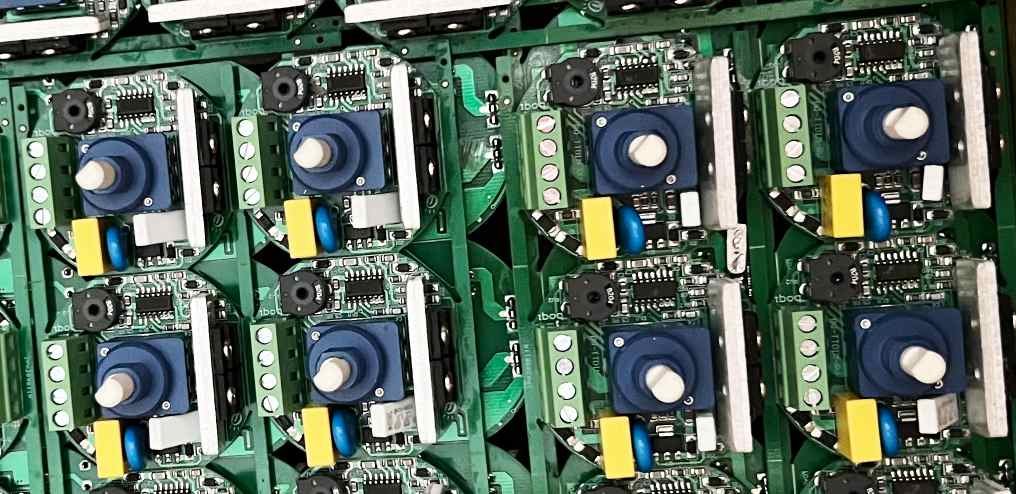
องค์ประกอบฮาร์ดแวร์หลัก
ชิ้นส่วนทั่วไปประกอบด้วย:
- ทรานซิสเตอร์สลับวงจร
- ไมโครวงจรควบคุม
- วงจรตรวจจับสัญญาณ
- โมดูลป้องกัน
ชิ้นส่วนเหล่านี้ทำงานร่วมกันเพื่อควบคุมจังหวะการตัดเฟส.
สถาปัตยกรรมภายใน
ตารางหน้าที่ของส่วนประกอบ
| ชิ้นส่วน | บทบาท |
|---|---|
| MOSFET หรือทรานซิสเตอร์ | สลับกระแสไฟฟ้ากระแสสลับ |
| Control IC | กำหนดมุมการหรี่แสง |
| ตัวเก็บประจุ | กรองสัญญาณรบกวน |
| เซนเซอร์ความร้อน | ป้องกันความร้อนสูงเกินไป |
ปฏิสัมพันธ์ระหว่างส่วนประกอบ
เมื่อผู้ใช้ปรับปุ่มหมุน วงจรควบคุมจะคำนวณมุมเฟสใหม่ จากนั้นทรานซิสเตอร์สลับวงจรจะตัดรูปคลื่น ณ จังหวะที่ถูกต้อง.
วงจรป้องกันจะตรวจสอบระบบอย่างต่อเนื่อง หากเกิดสภาวะผิดปกติ dimmer จะปิดตัวเองโดยอัตโนมัติเพื่อป้องกันตัวอุปกรณ์และโหลดที่เชื่อมต่อ.
การผสมผสานระหว่างการควบคุมและการป้องกันนี้ทำให้ trailing edge dimmers สมัยใหม่มีความน่าเชื่อถือสำหรับการใช้งานระบบแสงสว่างระยะยาว.
เทคโนโลยีการตัดเฟสควบคุมแสงอย่างไร
นักออกแบบระบบแสงสว่างหลายคนทราบว่า dimmer ช่วยลดความสว่าง แต่มีเพียงไม่กี่คนที่เข้าใจกลไกทางไฟฟ้าที่อยู่เบื้องหลังกระบวนการนี้.
เทคโนโลยี Phase-cut ควบคุมแสงที่ส่งออกโดยการตัดบางส่วนของแต่ละรอบรูปคลื่นไฟฟ้ากระแสสลับ ซึ่งช่วยลดค่า RMS voltage ที่ส่งไปยังโหลด.
การลดแรงดันไฟฟ้า RMS
ความสว่างของโหลดระบบแสงสว่างหลายประเภทขึ้นอยู่กับ ค่า RMS voltage ที่จ่ายให้กับโหลด.
เมื่อ dimmer ตัดบางส่วนของรูปคลื่น ค่า RMS voltage จะลดลง แรงดันไฟฟ้าที่ต่ำลงหมายถึงพลังงานไฟฟ้าที่น้อยลง และส่งผลให้แสงที่ส่งออกลดลงตามไปด้วย.
ความสัมพันธ์ของกำลังไฟฟ้า
ความสัมพันธ์ระหว่างแรงดันและกำลังไฟฟ้า
| ระดับการหรี่แสง | RMS Voltage | กำลังไฟฟ้าสัมพัทธ์ |
|---|---|---|
| 100% | แรงดันไฟฟ้าเต็ม | 100% |
| 75% | ลดลง | 75% |
| 50% | ปานกลาง | 50% |
| 25% | ต่ำ | 25% |
การควบคุมอย่างต่อเนื่อง
Dimmer จะปรับจุดตัดในทุกครึ่งรอบ การปรับอย่างรวดเร็วนี้เกิดขึ้นหลายครั้งต่อวินาที.
เนื่องจากไฟฟ้ากระแสสลับมีรอบเร็ว ดวงตาของมนุษย์จึงรับรู้ว่าแสงปรับได้อย่างต่อเนื่องแทนที่จะกะพริบ.
เทคนิคนี้ช่วยให้ควบคุมความสว่างได้อย่างแม่นยำโดยไม่ต้องเปลี่ยนความถี่ของแหล่งจ่ายไฟฟ้า.
หลักการทำงานของสวิตช์ปรับแสงแบบ Trailing Edge รุ่น BQ-TTDIM
Dimmer หลายรุ่นมีลักษณะภายนอกคล้ายกัน แต่การออกแบบภายในและประสิทธิภาพอาจแตกต่างกันอย่างมีนัยสำคัญ.
BQ-TTDIM trailing edge dimmer ควบคุมความสว่างของ LED ผ่านการควบคุมแบบ rotary phase-cut ช่วยให้ผู้ใช้ปรับความสว่างได้พร้อมกับรักษาความเข้ากันได้กับ dimmable LED drivers และหลอดไฟแบบดั้งเดิม.
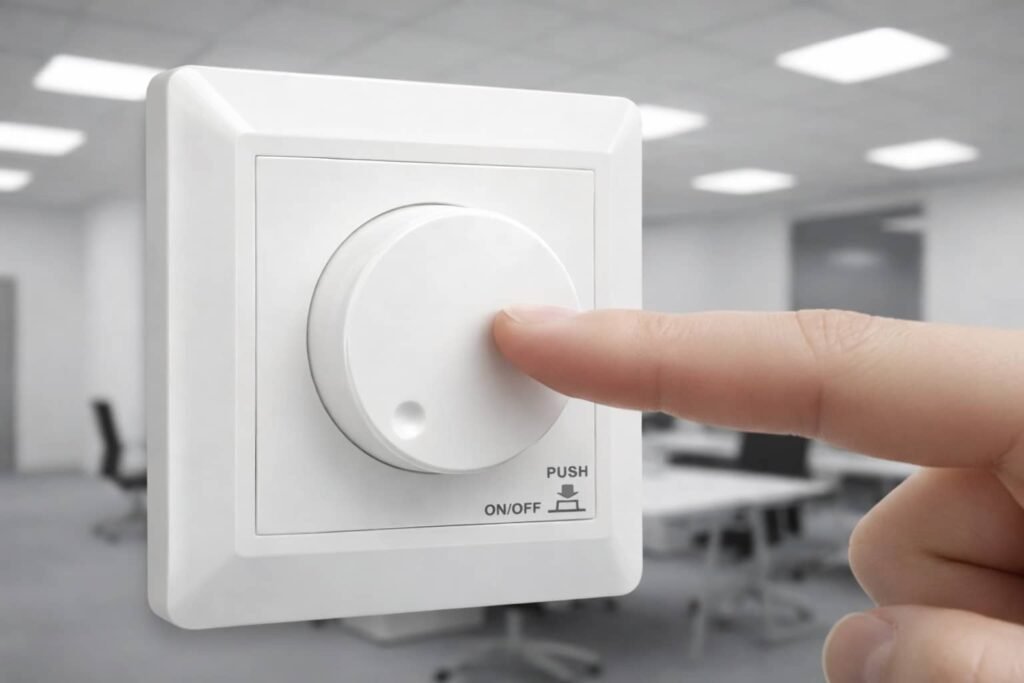
ภาพรวมอุปกรณ์
ตามข้อกำหนดผลิตภัณฑ์ BQ-TTDIM เป็น rotary AC phase-cut dimmer พร้อมช่องสัญญาณเอาต์พุตหนึ่งช่อง ออกแบบมาสำหรับหลอด LED แบบหรี่ได้ หลอดไส้ และหลอดฮาโลเจน.
อุปกรณ์ทำงานภายในช่วง:
| พารามิเตอร์ | ค่า |
|---|---|
| แรงดันไฟฟ้าขาเข้า | AC200-240V |
| กระแสเอาต์พุต | สูงสุด 1.25A |
| กำลังขับ | 3-400W |
| ช่วงการหรี่แสง | 0-100% |
ค่าเหล่านี้มาจากเอกสารข้อมูลจำเพาะโดยตรง.
อินเทอร์เฟซการควบคุม
ตัวหรี่ไฟใช้ปุ่มหมุน ผู้ใช้หมุนปุ่มเพื่อเปลี่ยนความสว่างและกดเพื่อเปิดหรือปิดไฟ.
อุปกรณ์ยังรองรับการ ตั้งค่าความสว่างขั้นต่ำ และฟังก์ชันหน่วยความจำ.
สภาพแวดล้อมการทำงาน
ตัวหรี่ไฟถูกออกแบบมาเพื่อการทำงานที่เสถียรในสภาวะที่ต้องการความแม่นยำสูง.
| พารามิเตอร์ | ข้อมูลจำเพาะ |
|---|---|
| อุณหภูมิการทำงาน | −30°C ถึง +55°C |
| อุณหภูมิตัวเครื่อง | สูงสุด 85°C |
| ระดับ IP | IP20 |
ข้อมูลจำเพาะเหล่านี้รับประกันว่าตัวหรี่ไฟสามารถทำงานได้อย่างน่าเชื่อถือในการติดตั้งภายในอาคารทั่วไป.
กระบวนการทีละขั้นตอนของการตัดเฟสแบบ Trailing Edge
วิศวกรหลายท่านสอบถามว่าตัวหรี่ไฟปรับเปลี่ยนรอบคลื่นไฟฟ้ากระแสสลับแต่ละรอบแบบเรียลไทม์ได้อย่างไร.
การตัดเฟสแบบขอบท้าย (Trailing edge phase cutting) ทำงานโดยการตรวจสอบรูปคลื่นไฟฟ้ากระแสสลับและตัดกระแสไฟใกล้จุดสิ้นสุดของแต่ละครึ่งรอบ.
ลำดับการควบคุมเฟส
แต่ละรอบของไฟฟ้ากระแสสลับดำเนินตามลำดับขั้นตอนง่ายๆ ที่ควบคุมโดยวงจรอิเล็กทรอนิกส์ของตัวหรี่ไฟ.
ลำดับการทำงาน
| ขั้นตอน | การทำงาน |
|---|---|
| 1 | ตรวจจับจุดตัดศูนย์ (Zero crossing) |
| 2 | ปล่อยให้แรงดันไฟฟ้าเพิ่มขึ้นตามปกติ |
| 3 | คำนวณระดับการหรี่แสง |
| 4 | ตัดกระแสไฟก่อนสิ้นสุดรูปคลื่น |
| 5 | ทำซ้ำทุกๆ รอบ |
การควบคุมจังหวะเวลา
ตัวหรี่ไฟต้องควบคุมการสลับด้วยความแม่นยำสูง แม้การเปลี่ยนแปลงเวลาเพียงเล็กน้อยก็สามารถเปลี่ยนความสว่างได้.
ตัวอย่างเช่น:
- การตัดช่วงปลาย → แสงสว่างมากขึ้น
- การตัดช่วงต้น → แสงสว่างน้อยลง
การตอบสนองอย่างต่อเนื่อง
วงจรควบคุมทำซ้ำกระบวนการนี้ทุกๆ ครึ่งรอบของไฟฟ้ากระแสสลับ เนื่องจากรอบไฟฟ้ากระแสสลับเกิดขึ้น 50 หรือ 60 ครั้งต่อวินาที การปรับหรี่แสงจึงรู้สึกเสมือนเกิดขึ้นทันทีสำหรับผู้ใช้.
การควบคุมเวลาที่แม่นยำนี้คือเทคโนโลยีหลักเบื้องหลังระบบหรี่แสงแบบตัดเฟส.
วิธีที่ BQ-TTDIM ปรับแรงดันไฟฟ้าเพื่อปรับความสว่างของไฟ LED
หลายคนคิดว่าตัวหรี่ไฟเพียงแค่ลดแรงดันไฟฟ้า ในความเป็นจริง มันควบคุมรูปร่างของรูปคลื่นแทนที่จะลดแรงดันไฟฟ้าที่จ่ายโดยตรง.
BQ-TTDIM ปรับแรงดันไฟฟ้าที่มีประสิทธิภาพที่ส่งถึงไดรเวอร์ LED โดยการตัดส่วนหนึ่งของรูปคลื่นไฟฟ้ากระแสสลับผ่านการควบคุมเฟส.
การควบคุมแรงดันไฟฟ้าที่มีประสิทธิภาพ
แทนที่จะเปลี่ยนแรงดันไฟฟ้าที่จ่าย ตัวหรี่ไฟจะเปลี่ยน ระยะเวลาการจ่ายพลังงาน.
เทคนิคนี้ปรับค่าแรงดัน RMS ที่ไดรเวอร์ LED ได้รับ.
ตารางการปรับแรงดันไฟฟ้า
| มุมตัด | แรงดันไฟฟ้าที่มีประสิทธิภาพ | เอาต์พุตแสง |
|---|---|---|
| การตัดเล็กน้อย | แรงดันสูง | สว่าง |
| การตัดปานกลาง | แรงดันปานกลาง | ปานกลาง |
| การตัดขนาดใหญ่ | แรงดันต่ำ | สลัว |
ปฏิสัมพันธ์กับไดรเวอร์ LED
ไดรเวอร์ LED ตีความรูปคลื่นที่ถูกตัดเฟสและปรับกระแสภายในตามนั้น.
ไดรเวอร์ที่ออกแบบมาอย่างดีจะตรวจจับรูปร่างของรูปคลื่นและปรับเอาต์พุตที่ส่งถึง LED.
พฤติกรรมการปรับแสงที่ราบรื่น
เนื่องจากตัวหรี่ไฟควบคุมเวลาอย่างแม่นยำมาก การเปลี่ยนแปลงความสว่างจึงปรากฏราบรื่นและค่อยเป็นค่อยไป.
คุณลักษณะนี้มีความสำคัญในการใช้งาน เช่น:
- แสงสว่างที่อยู่อาศัย
- ระบบแสงสว่างในโรงแรม
- ระบบแสงสว่างเชิงสถาปัตยกรรม
บทสรุป
ตัวหรี่ไฟแบบตัดเฟสท้าย BQ-TTDIM ให้การหรี่แสง LED ที่ราบรื่นโดยการตัดรูปคลื่นไฟฟ้ากระแสสลับใกล้จุดสิ้นสุดของแต่ละรอบ รับประกันการทำงานที่เงียบ ความเข้ากันได้สูง และประสิทธิภาพแสงที่เสถียร.