














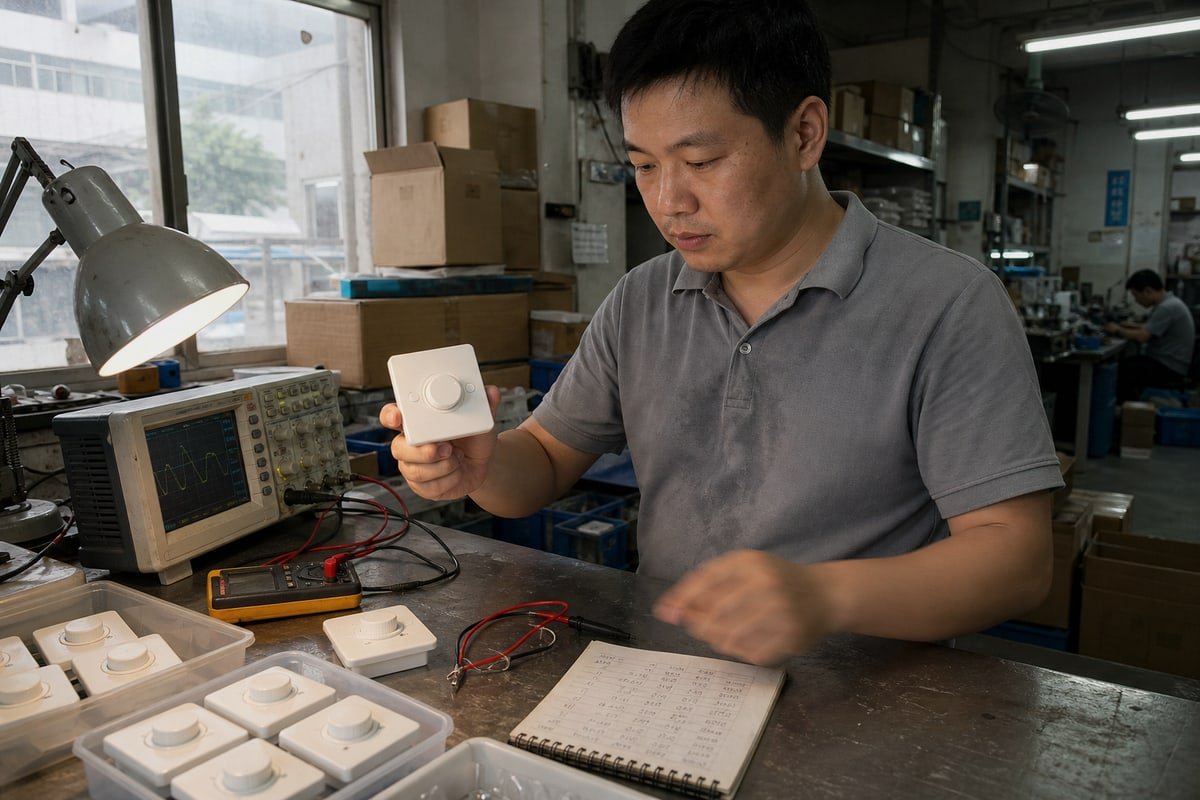
يعد مخفت الحافة الخلفية واعدًا للتحكم السلس في إضاءة LED، ومع ذلك لا يزال الوميض والطنين يفسدان المشاريع عند عدم التوافق. في خط الإنتاج الخاص بنا في شنتشن، نختبر هذا الفشل تحديدًا يوميًا.
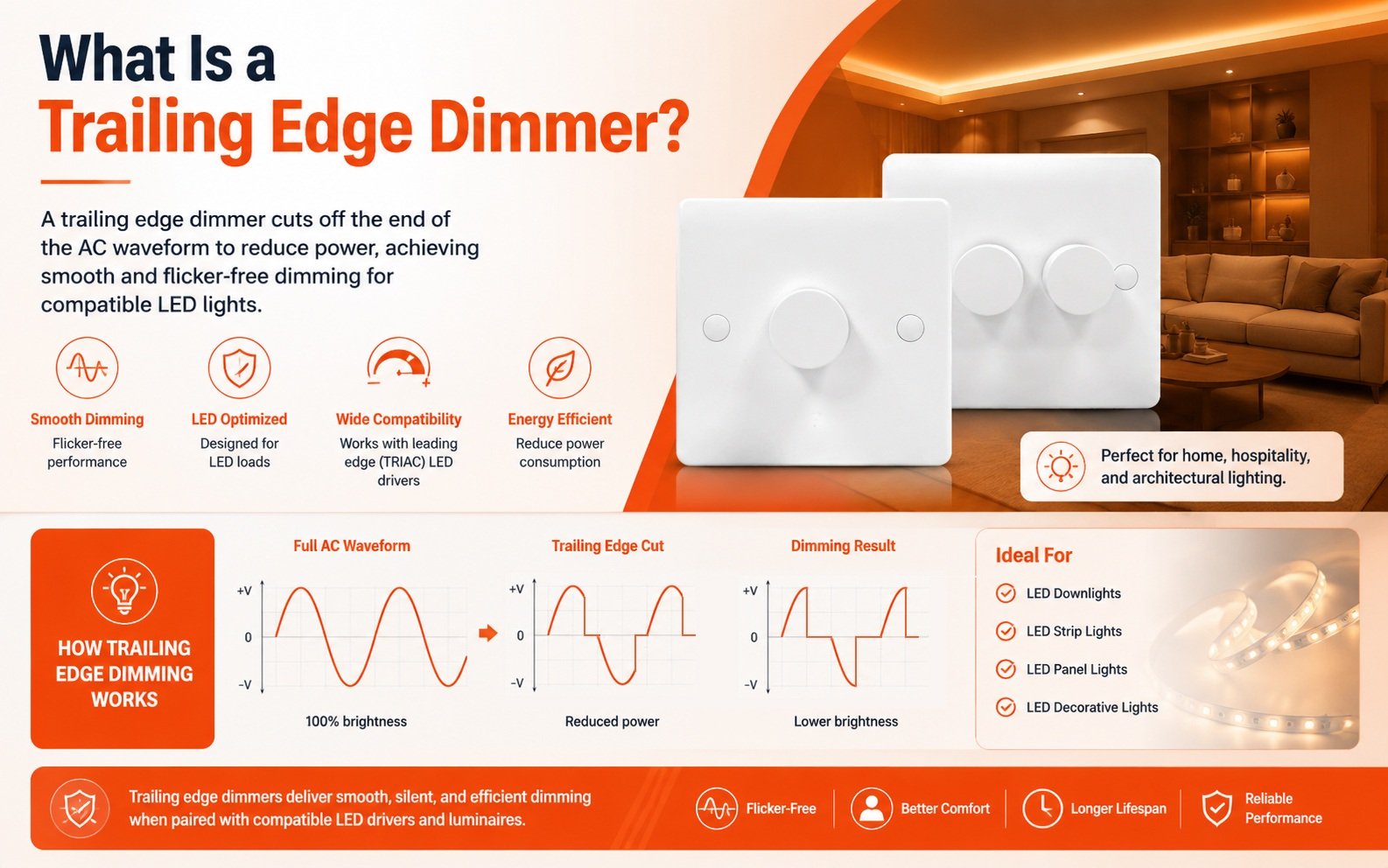
مخفت الحافة الخلفية هو مخفت إلكتروني للتيار المتردد يقلل من خرج الإضاءة عن طريق إيقاف التيار بالقرب من نهاية كل نصف دورة من موجة التيار المتردد. يُسمى أيضًا تخفيت الطور العكسي، ويستخدم مفاتيح MOSFET ويناسب مشغلات LED الحديثة المصممة لطريقة قطع الطور هذه.
هذا التعريف هو مجرد نقطة البداية. القصة الحقيقية تكمن في كيفية قطع الموجة، وكيف يختلف هذا عن التصميمات الأقدم، ولماذا يحدد مشغل LED ما إذا كانت النتيجة احترافية. دعني أوضح لك كل جزء.
كيف يعمل مخفت الحافة الخلفية فعليًا؟
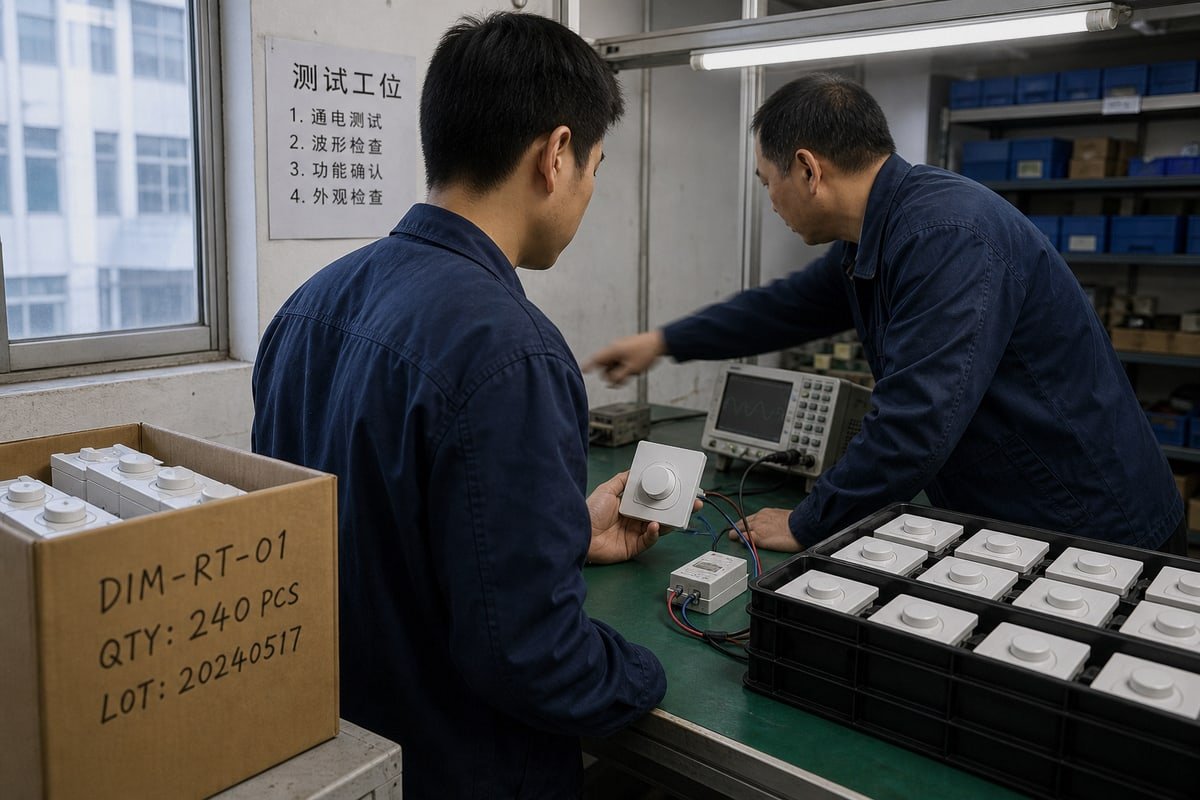
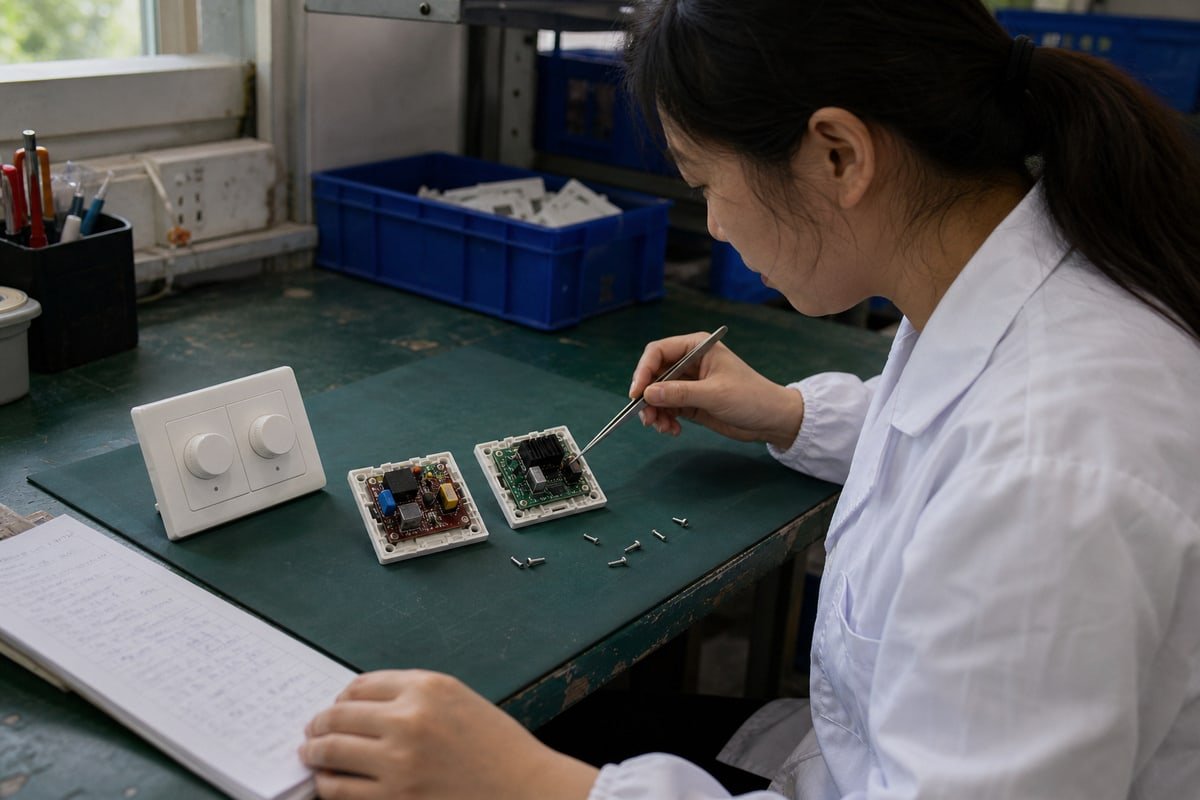
الشهر الماضي، قام مهندسونا بفحص دفعة من المخفتات الدوارة قبل الشحن إلى إيطاليا. مشاهدة انهيار الموجة بلطف عند نهاية كل دورة يشرح هذه التقنية أفضل من أي ورقة بيانات.
يسمح مخفت الحافة الخلفية لكل نصف دورة من التيار المتردد بالبدء بشكل طبيعي، ثم يقوم MOSFET بإيقاف التيار قبل عبور الصفر. قطع المزيد من ذيل الموجة يقلل من خرج الإضاءة؛ قطع أقل يرفعه. يحول مشغل LED هذه الموجة المقطوعة إلى خرج مخفت.
يصل التيار الكهربائي الرئيسي كموجة جيبية متكررة. لكل موجة نصفا دورة، وكل نصف دورة يبدأ وينتهي عند عبور الصفر. يعمل مخفت الحافة الخلفية على هذا الهيكل. يسمح للتيار بالتدفق من لحظة بدء نصف الدورة. ثم، عند نقطة محددة التوقيت بدقة، يوقف التيار قبل انتهاء نصف الدورة. لهذا تُسمى هذه التقنية تخفيت الطور العكسي. سلسلة الإشارة بسيطة: موجة التيار المتردد ← قطع طور الحافة الخلفية ← مشغل LED ← خرج إضاءة متحكم به.
لماذا تعتبر تقنية MOSFET مهمة هنا
تعتمد تصميمات قطع الطور الأقدم على TRIACs، التي تنغلق فجأة وبعنف. تستخدم وحدات الحافة الخلفية تقنية MOSFET 1 أو IGBTs بدلاً من ذلك. تسمح هذه المفاتيح شبه الموصلة بإيقاف تدريجي متحكم به. يتلاشى التيار طبيعيًا نحو الصفر بدلاً من قطعه بعنف. يمنع هذا التلاشي التدريجي تلف القوة الدافعة الكهربائية العكسية في دوائر المحولات الإلكترونية الحساسة ويقلل من ارتفاعات الجهد على الخط.
تسلسل قطع الطور، خطوة بخطوة
| المرحلة | ما يحدث | التأثير على الإضاءة |
|---|---|---|
| عبور الصفر | يبدأ نصف الدورة، يتدفق التيار بشكل طبيعي | يبدأ توصيل الطاقة |
| فترة التوصيل | تمر الموجة دون تعديل | تصل الطاقة إلى المشغل |
| إيقاف مؤقت | يقطع MOSFET التيار قبل نهاية الدورة | يتم ضبط السطوع حسب التوقيت |
| التلاشي إلى الصفر | ينخفض التيار بلطف إلى عبور الصفر التالي | إجهاد منخفض، ضوضاء منخفضة |
تتضمن العديد من مخفتات الحافة الخلفية أيضًا ميزة البدء الناعم. بدلاً من ضرب المصباح بالطاقة الكاملة عند التشغيل، ترتفع تدريجيًا. في اختباراتنا الخاصة، يحمي هذا مكونات LED من الصدمة الحرارية ويطيل عمر المصباح عبر دورات تشغيل متكررة.
ما الفرق بين مخفتات الحافة الخلفية والحافة الأمامية؟
سألتني مديرة مشتريات في سنغافورة ذات مرة لماذا كان مخزونها من مخفتات الحافة الأمامية يصدر طنينًا مع تركيبات LED. الإجابة تكمن في أي نصف من الموجة يقطعه كل تصميم.
تقطع مخفتات الحافة الأمامية مقدمة كل نصف دورة من التيار المتردد باستخدام TRIACs، وهي مناسبة للأحمال المقاومة مثل المصابيح المتوهجة والهالوجين. تقطع مخفتات الحافة الخلفية الجزء الخلفي باستخدام MOSFETs، وهي مناسبة لأحمال LED السعوية والإلكترونية. لا يُعتبر أي منهما أفضل عالميًا؛ تحدد مرحلة الإدخال للمشغل المتصل الاختيار الصحيح.
إليك المقارنة في لمحة:
| ميزة | مخفت الحافة الأمامية | مخفت الحافة الخلفية |
|---|---|---|
| موضع القطع | مقدمة كل نصف دورة | نهاية كل نصف دورة |
| يُعرف أيضاً باسم | التقطيع الأمامي، تعتيم الترياك | التقطيع العكسي للتعتيم |
| مكون التبديل | TRIAC | MOSFET أو IGBT |
| سلوك التشغيل/الإيقاف | خطوة جهد حادة ومفاجئة | انحدار تدريجي ناعم إلى الصفر |
| الأحمال الأنسب | المصابيح المتوهجة المقاومة، الهالوجين | أنواع الأحمال السعوية، مشغلات LED، ELV |
| متطلب الحد الأدنى للحمل | أعلى | أقل بشكل ملحوظ |
| ضوضاء مسموعة | عرضة للطنين الناتج عن ارتفاعات الجهد | صامت عادةً |
| ضوضاء الخط | تشوه توافقي أعلى | تقليل THD والضوضاء الكهربائية |
التفعيل المفاجئ للترياك يخلق ارتفاعًا حادًا في الجهد عند كل نصف دورة. على المحولات المغناطيسية 2 ومصابيح الفتيل، يكون هذا الارتفاع غير ضار. أما على حمل سعوي مثل مرشح الإدخال لمشغل LED، فإنه ينتج تيار اندفاع كبير. هذا الاندفاع هو مصدر الطنين والوميض وقصر عمر المكونات الذي كان عميلي السنغافوري يراه. تصميمات الحافة الخلفية تتجنب الارتفاع تمامًا، مما يقلل أيضًا من التشوه التوافقي الكلي 3 على الدائرة المحلية.
هناك فرق عملي ثانٍ نسلط الضوء عليه لكل موزع: الحد الأدنى للحمل. تحتاج مفاتيح التقطيع الأمامي إلى حمل مقاوم كبير للحفاظ على توصيل الترياك بشكل موثوق. تحافظ مفاتيح التقطيع الخلفي على نطاق تعتيم مستقر مع قوة كهربائية أقل بكثير، وهو ما يهم عندما تعمل غرفة على عدد قليل من مصابيح LED المنخفضة القوة.
تحذير واحد من مقعد التصميم: هذه ليست ببساطة تقنية قديمة مقابل تقنية جديدة. بعض التركيبات ذات المحولات المغناطيسية القديمة تتطلب فعليًا تحكمًا بالتقطيع الأمامي. الاختيار الصحيح يعتمد على الخصائص الكهربائية للمشغل المتصل، بما في ذلك سلوك تيار الإدخال ومتطلبات الحد الأدنى للحمل.
أي مشغلات LED متوافقة مع مخفت الحافة الخلفية؟
في وقت مبكر من أعمال التصدير لدينا تعلمنا درسًا مكلفًا: خافت إضاءة اجتاز كل اختبارات المقعد كان يومض مع مصابيح موجهة بعلامة تجارية خاصة لعميل. كانت مرحلة الإدخال للمشغل هي البوابة الحاكمة.
مشغلات LED المتوافقة مع خافت التقطيع الخلفي هي مشغلات تعتيم مقطوعة الطور مصنفة صراحةً للتحكم بالتقطيع الخلفي أو العكسي. تحقق من طريقة التعتيم المحددة للمشغل، والحد الأدنى للحمل، والحد الأقصى للحمل، ونطاق التعتيم، وأكد الاقتران على قائمة التوافق المختبرة من الشركة المصنعة قبل الشراء.

أكبر خطأ يرتكبه المشترون هو اختيار خافت بناءً على مواصفات الخافت فقط. في خبرتنا في تطوير مشغلات LED القابلة للتعتيم جنبًا إلى جنب مع الخافتات نفسها، فإن مرحلة الإدخال لمشغل LED هي البوابة الحقيقية للتوافق. يحتوي المشغل على مقوم، و مرشح EMI 4, ، ومكثفات تخزين، ودوائر تبديل. عندما يتم مقاطعة الحافة الخلفية لموجة التيار المتردد، تحدد هذه المكونات كيفية استجابة المشغل. مشغلان بنفس تصنيف القوة الكهربائية يمكن أن يتصرفا بشكل مختلف تمامًا على نفس وحدة التحكم الجدارية.
يمكن أن ينتج عن التركيبة غير المتوافقة أعطال حقيقية في العالم الواقعي، حتى عندما يكون كلا المنتجين ممتازين بشكل فردي:
- وميض عند السطوع المنخفض
- نطاق تعتيم مقيد
- انقطاع قبل وصول الخافت إلى الحد الأدنى
- وميض عند التشغيل
- ضوضاء مسموعة
- سلوك غير متساوٍ بين أحمال LED المختلفة
قائمة تحقق عملية لتوافق LED
| تحقق من | ما يجب التحقق منه | لماذا يهم |
|---|---|---|
| طريقة التعتيم | تشير ورقة بيانات المشغل إلى دعم التقطيع الخلفي/العكسي | بعض المشغلات تقبل فقط تعتيم الترياك أو إشارات 0–10V |
| الحد الأدنى للحمل | إجمالي قوة التركيبات يتجاوز الحد الأدنى للخافت | أقل من الحد الأدنى، تختل الدائرة وتومض |
| الحد الأقصى للحمل | يبقى إجمالي القوة تحت السقف المحدد | الحمل الزائد يقصر عمر MOSFET |
| نطاق التعتيم | النسبة المئوية المنخفضة المنشورة تطابق احتياجات المشروع | تحدد مدى عمق التعتيم قبل الانقطاع |
| مطابقة الجهد تؤكد فقط أن المحرك يمكن تشغيله؛ التعتيم المستقر يتطلب أيضًا مطابقة نوع الطور ونافذة الحمل ونطاق التعتيم، وهو ما لا يقوله الجهد وحده شيئًا عنه. | الاقتران الدقيق بين الخافت والمشغل تم التحقق منه | الاختبارات المعملية للأزواج هي الدليل الوحيد الموثوق |
عندما ننفذ مشاريع OEM للعلامات التجارية للإضاءة، نختبر طراز السائق المحدد مع الخافت المحدد قبل الإنتاج الضخم. إنه أبطأ من الاعتماد على ورقة البيانات. وهو أيضًا الطريقة الوحيدة لضمان توافق LED عبر خط إنتاج كامل، ولهذا نبني قوائم الأزواج المختبرة في كل مشروع تطوير تعاوني.
لماذا يجب أن أختار مخفت الحافة الخلفية لمشاريع الإضاءة الخاصة بي؟
كل عرض سعر نعده يوازن بين التكلفة والأداء. وحدات الحافة الخلفية تكلف أكثر من النماذج الأساسية لتعتيم TRIAC ومع ذلك، فإن قلة الشكاوى عادةً ما تبرر الفرق في مشاريع LED.
اختر خافت حافة خلفية لمشاريع LED لأنه يوفر تشغيلًا أكثر هدوءًا، وتعتيمًا أدنى أكثر سلاسة، ومتطلبات حمل أدنى أقل، وحماية بدء ناعم، وتقليل الضوضاء الكهربائية. تحقق دائمًا من توافق السائق أولاً، لأن هذه الفوائد تظهر فقط عندما يكون الخافت والسائق متطابقين بشكل صحيح.
بالنسبة للموزعين وشركات الهندسة، تستند حالة التحكم بالحافة الخلفية إلى سلوك قابل للقياس بدلاً من الملصقات التسويقية. عندما يكون الخافت والسائق متطابقين بشكل صحيح، تتراكم الفوائد بسرعة. يصبح التعتيم الأدنى سلسًا بدلاً من أن يكون متدرجًا. يختفي الطنين المسموع لأنه لا توجد ارتفاعات جهد TRIAC لتهتز المكونات. تظل الأحمال الإلكترونية منخفضة الواط مستقرة، وهو أمر مهم مع استمرار تقلص قوة التركيبات. وميزة البدء الناعم ترفع الطاقة تدريجيًا، مما يحمي المصابيح من الصدمة الحرارية عند كل تشغيل.
التوهج الشبح وتوهج حالة الإيقاف
مشكلة واحدة نحلها باستمرار في مشاريع ODM هي الظلال (الوهج الخافت)، وهو التوهج الخفيف لمصابيح LED في حالة الإيقاف. تعالج تصميمات الحافة الخلفية عالية الجودة هذا من خلال دمج مكثف تحويلة، والذي يبدد تيار التسرب المتبقي الذي يبقي السائقين الحساسين مشحونين بشكل خافت. إذا كان مخزونك الحالي يتوهج عند الإيقاف، فهذا هو الحل الذي يجب تحديده.
تخطيط التركيب: تخفيض التصنيف متعدد المجموعات
هناك مواصفة واحدة توقع حتى المثبتين ذوي الخبرة. عندما تشارك وحدات خافت متعددة صندوق حائط متعدد الفتحات، تتراكم الحرارة ويجب تخفيض تصنيف كل وحدة. نصمم واجهات دوارة بمقبض واحد ومقبضين، ونطبع إرشادات تخفيض التصنيف لهذا السبب بالضبط.
| التركيب | السعة المقدرة النموذجية | ملاحظة التخطيط |
|---|---|---|
| وحدة واحدة، صندوق واحد | الحمل المقدر الكامل | تنطبق المواصفة القياسية |
| وحدتان، صندوق مشترك | حمل مخفض لكل وحدة | تخفيض التصنيف إلزامي وليس اختياريًا |
| ثلاث وحدات أو أكثر | تخفيض إضافي لكل وحدة | تأكد من منحنى تخفيض التصنيف المحدد |
لأداء خالٍ من الوميض عبر مشروع كامل، خلاصتي في B2B بسيطة. لا تختار خافت حافة خلفية لمجرد أنه يُسوق على أنه متوافق مع LED. تحقق من طريقة التعتيم المحددة للسائق، والحد الأدنى للحمل، والحد الأقصى للحمل، ونطاق التعتيم، والتوافق المؤكد مع الخافت المحدد. هذا هو المكان الذي يظهر فيه الفرق بين خافت يعمل ونظام تعتيم يؤدي بشكل احترافي عادةً.
الخلاصة
يقطع خافت الحافة الخلفية الجزء الخلفي من كل نصف دورة تيار متردد لتعتيم LED هادئ وسلس. طابقه مع سائق مؤكد، وسيعمل كل مشروع بشكل احترافي.
الحواشي السفلية
نظرة تقنية عامة على تقنية أشباه الموصلات المستخدمة في الإيقاف المتحكم به في خافتات الحافة الخلفية. ↩︎
الجمعية المهنية الرائدة لمعايير الهندسة الكهربائية المتعلقة بمحولات الطاقة والدوائر الكهربائية. ↩︎
مورد حكومي موثوق للمعايير التقنية ومقاييس القياس مثل التشوه التوافقي. ↩︎
شرح تقني لمرشحات التداخل المستخدمة لتثبيت الطاقة في دوائر سائق LED. ↩︎