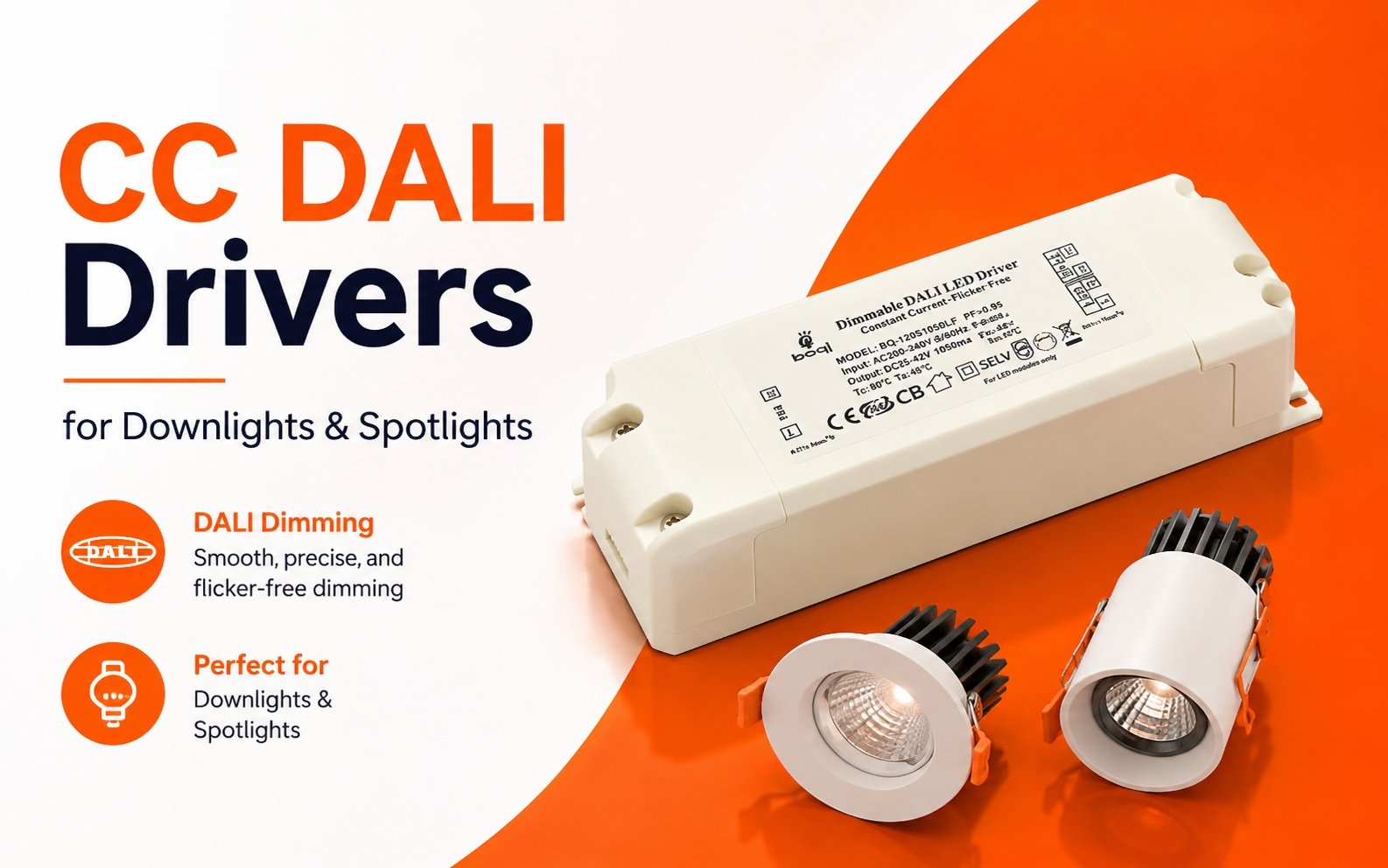














Quando le luci LED sfarfallano o non si attenuano in modo fluido, spesso non è colpa della lampadina, ma del driver.
Un driver LED dimmerabile TRIAC a corrente costante è un alimentatore che mantiene una corrente di uscita stabile consentendo al contempo la regolazione tramite dimmer a taglio di fase come TRIAC. Garantisce un'emissione luminosa fluida e priva di sfarfallio.
Se hai mai avuto problemi di compatibilità di dimmerazione o sfarfallio nei progetti LED, questo articolo ti aiuterà. Ti guiderò attraverso tutto ciò che devi sapere sui driver LED dimmerabili TRIAC a corrente costante, dal loro funzionamento alla scelta di quello giusto.
Introduzione: Perché i driver a corrente costante TRIAC sono importanti?
L'illuminazione dovrebbe sembrare naturale, anche quando è attenuata.
I driver a corrente costante TRIAC consentono una dimmerazione fluida e priva di sfarfallio con dimmer a parete standard, offrendo una soluzione economica e ampiamente compatibile per i sistemi LED.
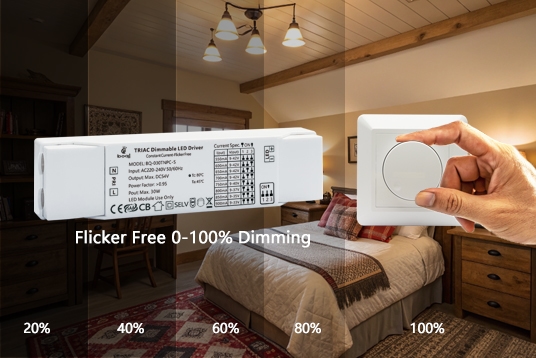
Quando ho iniziato nel settore LED, ero spesso frustrato dai problemi di dimmerazione. Molti driver LED non funzionavano bene con i comuni dimmer a parete utilizzati in case e uffici. I clienti richiamavano lamentando sfarfallio, interruzioni o una scarsa gamma di dimmerazione. Una volta scoperto il valore dei driver dimmerabili TRIAC a corrente costante, tutto è cambiato. Questi driver sono diventati una soluzione di riferimento per l'illuminazione LED stabile e dimmerabile, soprattutto per downlight e pannelli luminosi.
Cos'è il TRIAC?
Un semplice dimmer può fare o distruggere il tuo sistema di illuminazione.
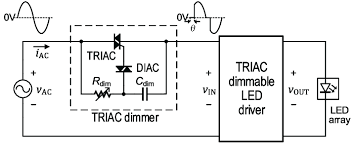
Il TRIAC (Triode for Alternating Current) è un dispositivo a semiconduttore utilizzato in molti dimmer per controllare il flusso di potenza tagliando la forma d'onda CA.
Come funziona il TRIAC nell'illuminazione LED
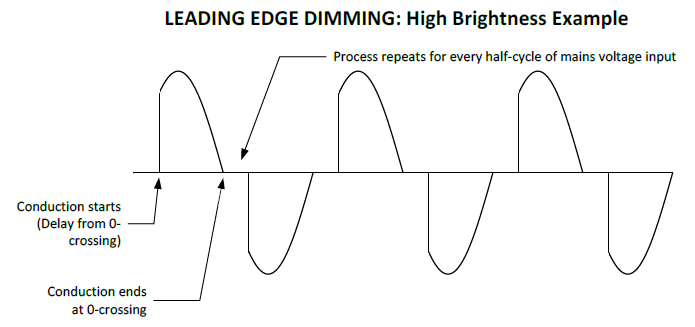
Un TRIAC si attiva durante ogni semiciclo dell'onda sinusoidale CA e taglia parte della forma d'onda per ridurre la potenza. Questo processo è chiamato dimmerazione a taglio di fase. I TRIAC sono ampiamente utilizzati perché sono economici e compatibili con la maggior parte dei dimmer domestici.
Tuttavia, i dimmer TRIAC standard sono stati originariamente progettati per carichi resistivi come le lampadine a incandescenza. I LED, essendo carichi elettronici più complessi, necessitano di driver compatibili per interpretare correttamente la forma d'onda tagliata.
| Funzione | Descrizione |
|---|---|
| Angolo di innesco | Ritardi nell'accensione della potenza durante il ciclo CA |
| Tipo di taglio di fase | Leading-edge o trailing-edge |
| Caso d'Uso | Dimmer a parete, soprattutto in contesti residenziali |
Dimmerazione leading-edge vs. trailing-edge?
Non tutti i tagli di dimmerazione sono uguali.
La dimmerazione leading-edge taglia la parte iniziale della forma d'onda CA, mentre quella trailing-edge taglia la parte finale. La maggior parte dei dimmer TRIAC utilizza il controllo leading-edge.
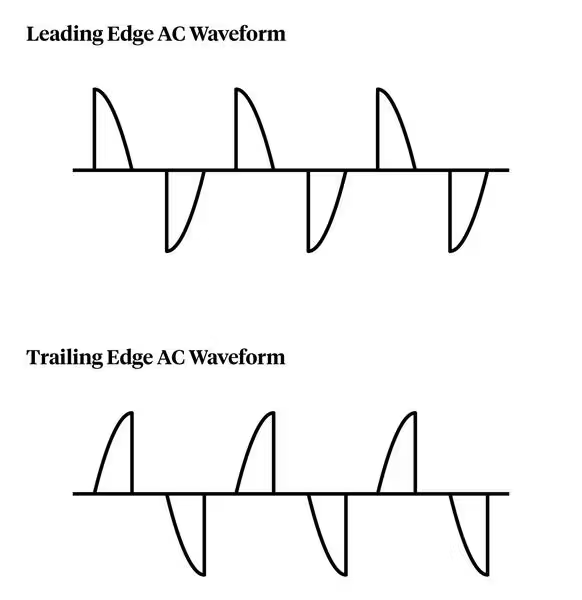
Differenze chiave tra i tipi di dimmerazione
Bordo d'attacco I dimmer sono più economici e più comuni. Utilizzano TRIAC per tagliare la parte iniziale dell'onda CA. Tuttavia, questo può essere aggressivo per i LED a meno che il driver non sia ben progettato.
Bordo d'uscita I dimmer utilizzano MOSFET per tagliare la parte finale dell'onda. Sono più fluidi e migliori per i LED, ma più costosi.
| Confronto | Bordo d'attacco | Bordo d'uscita |
|---|---|---|
| Costo | Inferiore | Più alta |
| Compatibilità | Dimmer TRIAC tradizionali | Dimmer specifici per LED |
| Rumore | Possono causare ronzio | Più silenzioso |
| Rischio di sfarfallio | Più elevato con driver scadenti | Inferiore |
Cosa significa “corrente costante” nei driver LED?
Non tutta l’energia è uguale—soprattutto per i LED.
Corrente costante significa che il driver fornisce una corrente di uscita fissa ai LED, garantendo luminosità costante e lunga durata.
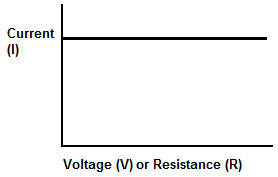
Perché la corrente costante è importante
I LED non funzionano con la tensione come le lampadine tradizionali—funzionano con la corrente. Troppa corrente li surriscalda. Troppa poca, e non illuminano correttamente. I driver a corrente costante risolvono questo problema fornendo una corrente stabile indipendentemente dalle fluttuazioni di tensione.
| Parametro | Driver a Tensione Costante | Driver a corrente costante |
|---|---|---|
| Controllo dell’uscita | Tensione fissa | Corrente fissa |
| Applicazione | strisce LED | LED ad alta potenza, COB |
| Sicurezza | Rischio di sovracorrente nei LED | Più sicuro per LED singoli |
Come funziona un driver dimmerabile TRIAC a corrente costante
La dimmazione TRIAC incontra la regolazione della corrente.
Questo driver converte l’alimentazione CA in una corrente continua regolata, interpreta il segnale di dimmazione e regola l’uscita di conseguenza per attenuare il LED in modo fluido.

Conversione di potenza
Innanzitutto, l’ingresso CA passa attraverso raddrizzamento e filtraggio per diventare CC. Poi, attraversa un convertitore switching (spesso una topologia buck o flyback).
Elaborazione del segnale a taglio di fase
Il segnale di dimmazione in ingresso è una forma d’onda CA tagliata. Un circuito di rilevamento dedicato percepisce l’angolo di fase e lo converte in un segnale di controllo della dimmazione.
Regolazione della corrente
Il driver utilizza anelli di retroazione per mantenere la corrente costante. Regola la tensione di uscita in tempo reale per mantenere la corrente costante, anche quando il segnale di dimmazione varia.
| Blocco funzionale | Ruolo |
|---|---|
| Filtro EMI | Riduce le interferenze |
| Raddrizzatore | Converte CA in CC |
| Rilevamento della dimmazione | Legge l’angolo di fase per il controllo della luminosità |
| Controllo PWM | Regola lo switching per la regolazione della tensione |
| Anello di corrente costante | Mantiene stabile la corrente di uscita |
Il ruolo di un driver LED dimmerabile TRIAC a corrente costante
È più di un semplice alimentatore.
Questo driver garantisce che i LED ricevano la corrente e la luminosità corrette, traducendo i segnali del dimmer a parete in un’emissione luminosa precisa.
Molti guasti all’illuminazione derivano da una progettazione scadente del driver. Un driver dimmabile TRIAC ben progettato previene sfarfallio, ronzio o variazioni di colore. Svolge un ruolo critico nell’affidabilità del sistema e nella soddisfazione dell’utente.
Caratteristiche principali dei driver a corrente costante dimmerabili TRIAC
Le piccole cose fanno una grande differenza.
Le caratteristiche importanti includono ampio intervallo di dimmazione, uscita senza sfarfallio, alto fattore di potenza, bassa distorsione armonica e protezioni termiche e da cortocircuito.
| Caratteristica | Descrizione |
|---|---|
| Gamma di attenuazione | Tipicamente dal 5% al 100% |
| Uscita senza sfarfallio | ≤ 5% indice di sfarfallio |
| Fattore di potenza (PF) | > 0,9 per l’efficienza |
| Distorsione armonica totale (THD) | < 20% per ridurre le interferenze |
| Protezioni di sicurezza | OVP, SCP, OTP inclusi |
Vantaggi per i sistemi di illuminazione LED moderni
Una buona dimmazione cambia l’intera esperienza.
I driver a corrente costante TRIAC migliorano l’efficienza energetica, il comfort luminoso e la durata, mantenendo i sistemi convenienti e facili da installare.
Ecco una versione pulita e professionale in formato tabella dei vantaggi—perfetta per pagine prodotto, sezioni di confronto o presentazioni in stile datasheet.
| Vantaggio | Descrizione |
|---|---|
| Migliore efficienza energetica | L’uscita stabile a corrente costante minimizza le perdite di potenza e massimizza l’efficienza dei LED a tutti i livelli di luminosità. |
| Comfort luminoso migliorato | Fornisce una dimmazione fluida e senza sfarfallio con transizioni morbide, migliorando il comfort visivo e l’atmosfera. |
| Durata estesa dei LED | Protegge i LED da sovracorrente e stress termico, garantendo una vita operativa più lunga. |
| Progettazione di Sistema Economica | Utilizza il cablaggio AC esistente e i dimmer da parete standard — nessuna necessità di ricablare o di sistemi di controllo complessi. |
| Installazione Facile e Compatibilità | Funziona con i comuni dimmer TRIAC e a bordo discendente, ideale sia per nuove costruzioni che per progetti di ristrutturazione. |
| Riduzione di Sfarfallio e Rumore | L'elaborazione avanzata del taglio di fase minimizza ronzii, sfarfallio e instabilità, anche con carichi LED a basso wattaggio. |
| Ideale per Progetti di Ristrutturazione | Consente di aggiornare i sistemi alogeni/incandescenti a LED senza cambiare il dimmer o il cablaggio. |
| Prestazioni Stabili su Tutta la Gamma di Carico | Supporta carichi minimi bassi e mantiene prestazioni di regolazione costanti dalla luminosità bassa ad alta. |
| Migliore Esperienza Utente | Crea ambienti luminosi confortevoli e stabili in spazi residenziali, commerciali, retail e dell'ospitalità. |
Che si tratti di un'installazione residenziale o commerciale, questo tipo di driver soddisfa sia le esigenze prestazionali che quelle di costo. Nei miei progetti, il passaggio a driver a corrente costante dimmerabili TRIAC ha spesso ridotto i reclami dei clienti di oltre l'80%.
Applicazioni tipiche
Li hai visti più di quanto pensi.
Questi driver sono ampiamente utilizzati in downlight, pannelli luminosi, faretti e apparecchi residenziali che richiedono regolazione.

| Applicazione | Perché usare un driver CC TRIAC? |
|---|---|
| Downlight Residenziali | Regolazione fluida, facile ristrutturazione |
| Pannelli per Ufficio | Riduce l'abbagliamento, risparmia energia |
| Faretti | Regola la luminosità secondo necessità |
| Illuminazione per l'Ospitalità | Crea atmosfera con regolazione fluida |
Considerazioni sulla compatibilità con apparecchi LED e dimmer
Non tutto funziona bene insieme.
Verifica la compatibilità tra dimmer, apparecchio e driver per evitare sfarfallio, ronzii o una gamma di regolazione limitata.
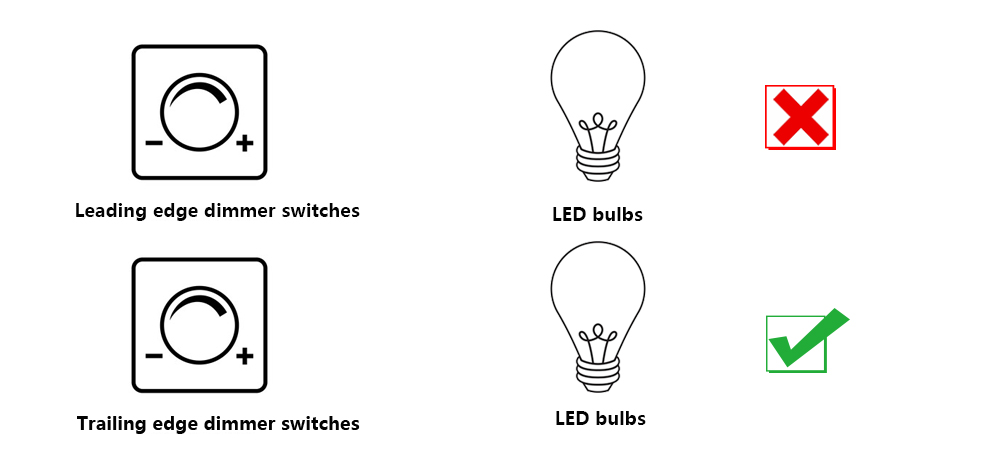
Testa sempre i dimmer con l'installazione LED effettiva. Alcuni dimmer hanno un requisito di carico minimo. Altri potrebbero funzionare solo con controllo a bordo discendente. Scegli un driver con certificazione di ampia compatibilità.
Panoramica su cablaggio e installazione
Non complicare il cablaggio.
I driver dimmerabili TRIAC si installano in modo simile ad altri driver a corrente costante, ma l'ingresso deve essere collegato tramite il dimmer da parete.
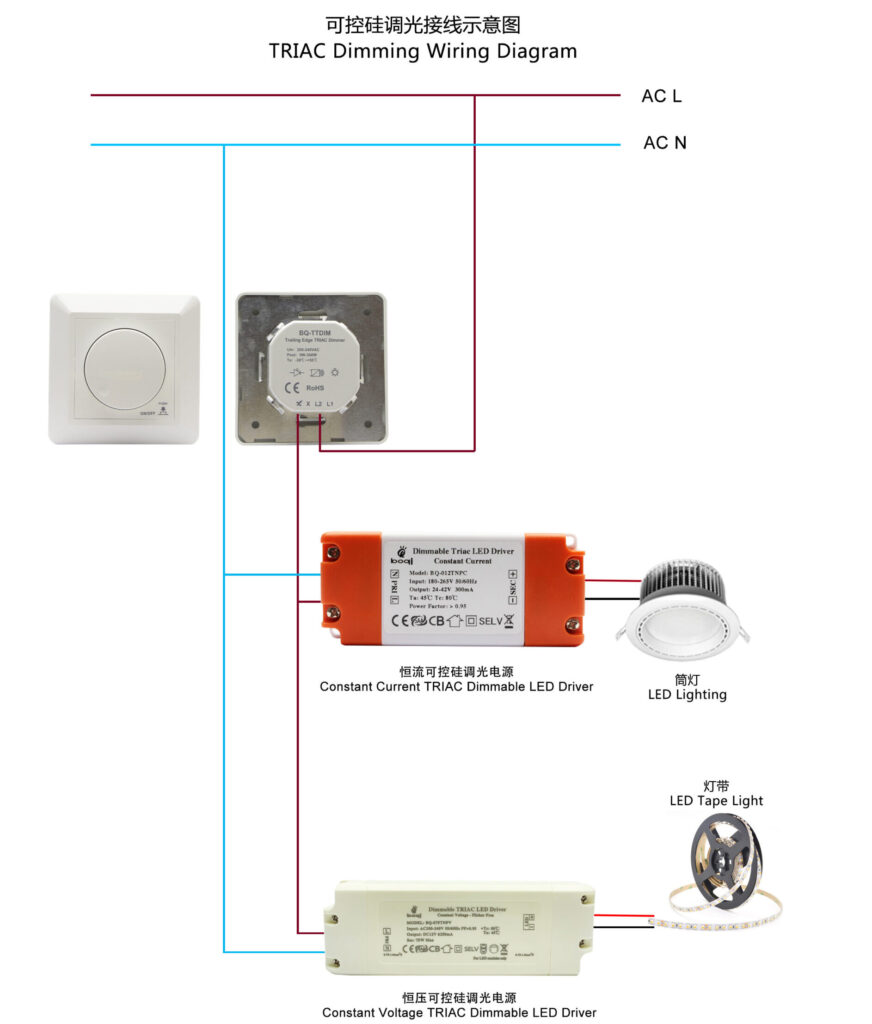
| Connessione | Istruzione |
|---|---|
| Ingresso AC | Collegare L/N tramite dimmer da parete TRIAC |
| Uscita DC | Abbina la corrente di uscita al requisito LED |
| Terra | Collegare sempre per sicurezza |
Problemi comuni e guida alla risoluzione dei problemi
Le cose possono comunque andare storte.
I problemi comuni includono sfarfallio, assenza di regolazione, ronzii o gamma limitata — di solito dovuti a dimmer non corrispondenti o problemi di cablaggio.
| Problema | Causa Probabile | Soluzione |
|---|---|---|
| Sfarfallio | Dimmer incompatibile | Prova un altro dimmer da parete |
| Nessuna regolazione | Guasto al circuito di rilevamento fase | Sostituire il driver |
| Ronzio | Scarsa qualità del dimmer TRIAC | Utilizzare un dimmer a trailing-edge |
| Gamma limitata | Driver non ottimizzato per il dimmer | Scegli un driver a gamma ampia |
Come scegliere il driver a corrente costante TRIAC giusto
Non basarti solo sulle specifiche.
Seleziona in base alla corrente di uscita, al range di tensione, alla compatibilità con il dimmer, al fattore di potenza, alle certificazioni e alle prestazioni termiche.
Cosa controllo sempre prima di ordinare
- Corrente di Uscita: Corrispondi al requisito LED (es. 350mA, 700mA, 1050mA)
- Range di Tensione: La tensione diretta del LED deve rientrare nel range
- Compatibilità Dimming: Testato con dimmer comuni
- Certificazioni: TUV, CE, SAA, CB, RoHS
- Dimensioni Driver: Si adatta all'alloggiamento
Soluzioni di driver dimmerabili TRIAC a corrente costante boqi
Soluzioni reali, testate dai professionisti.
At boqi, offriamo una linea completa di driver a corrente costante dimmerabili TRIAC e LED dimmer ad alta compatibilità, ottimizzati per affidabilità, fluidità di dimming ed efficienza dei costi.

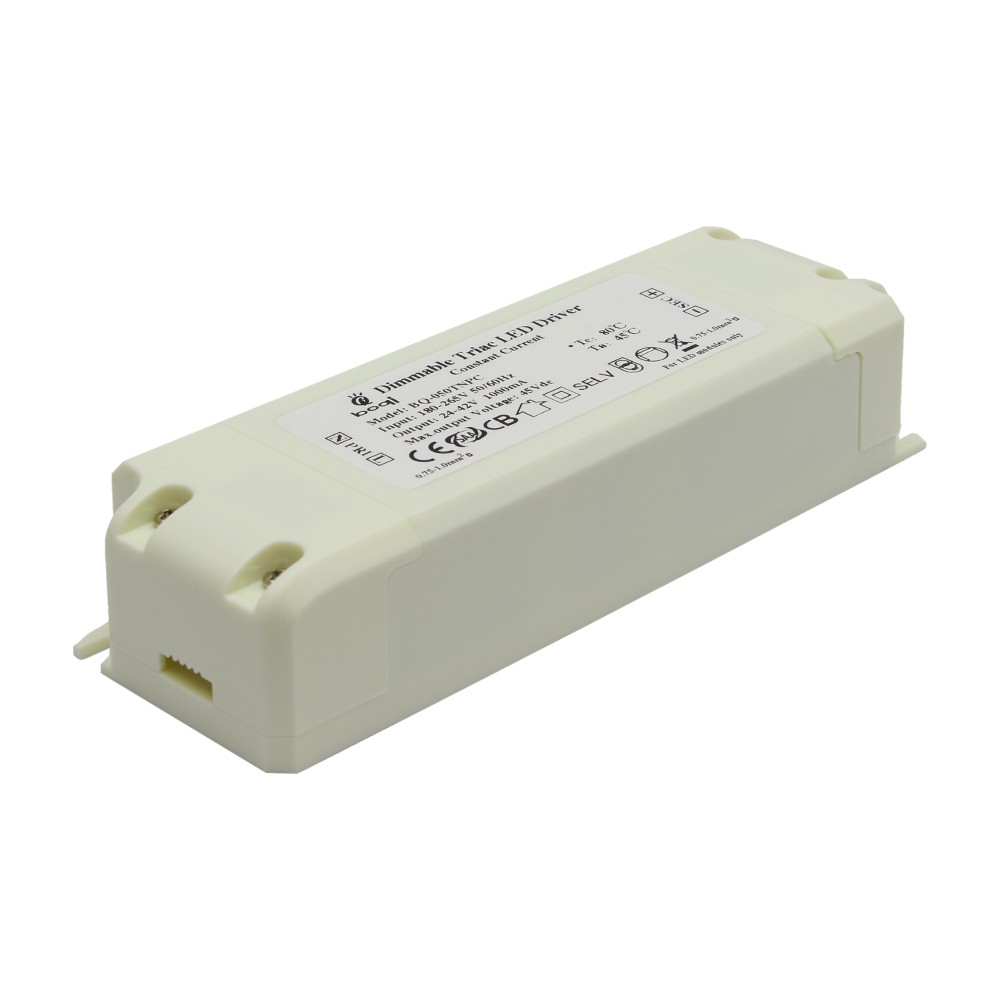

Da 5W a 63W, i nostri driver coprono la maggior parte delle esigenze di illuminazione residenziale e commerciale. Progettiamo pensando a compatibilità, sicurezza e protezione termica. Personalmente testo i nostri modelli con oltre 10 dimmer prima del rilascio.
Conclusione
I driver a corrente costante TRIAC sono la chiave per un dimming fluido e senza sfarfallio. Hai bisogno di aiuto per sceglierne uno? Troviamo insieme la soluzione migliore.