













I progetti di illuminazione a LED possono diventare rapidamente complessi quando si tratta di scegliere il driver giusto. Molte persone confondono i driver a corrente costante e a tensione costante—e ancora più persone non hanno chiarezza su come funziona il dimming 0–10V.
Un driver LED a tensione costante 0–10V fornisce una tensione di uscita DC fissa e utilizza un segnale analogico 0–10V per controllare il dimming. È ideale per applicazioni come strisce LED o illuminazione per insegne.
Molti professionisti dell'illuminazione si attengono a ciò che conoscono, ma comprendere come funziona questo driver può aprire porte a una migliore progettazione del sistema, una risoluzione dei problemi più semplice e una selezione dei prodotti più intelligente. Approfondiamo.
Definizione e caratteristiche principali che lo differenziano dai driver a corrente costante?
Se sei nel settore LED da abbastanza tempo, probabilmente hai incontrato sia driver a tensione costante (CV) che a corrente costante (CC)—ma molti li confondono ancora.
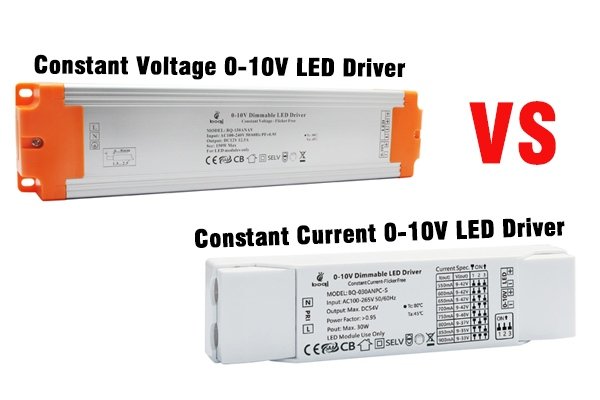
I driver a tensione costante 0–10V forniscono una tensione di uscita stabile (come 12V o 24V), a differenza dei driver a corrente costante, che regolano la corrente che va ai LED.
Qual è la differenza reale?
| Caratteristica | Driver a Tensione Costante | Driver a corrente costante |
|---|---|---|
| Tipo di uscita | Tensione fissa (es. 12V) | Corrente fissa (es. 350mA) |
| Applicazione | Strisce LED, insegne | COB, downlight, pannelli |
| Integrazione del dimming | 0–10V, PWM | 0–10V, TRIAC, DALI, ecc. |
| Flessibilità di progettazione | Alto | Moderato |
| Necessita di resistore/IC sul LED? | Sì | No |
I driver CV sono la scelta ideale quando i LED sono progettati per accettare una tensione fissa. Di solito, questi LED sono dotati di resistori interni o regolatori a corrente costante.
Ciò significa che puoi alimentare più apparecchi in parallelo, rendendo i driver CV più scalabili in alcuni scenari.
Comprensione del protocollo di dimming 0–10V?
Potresti aver sentito parlare del dimming 0–10V, ma pochi comprendono come il controllo analogico funzioni realmente dietro le quinte.
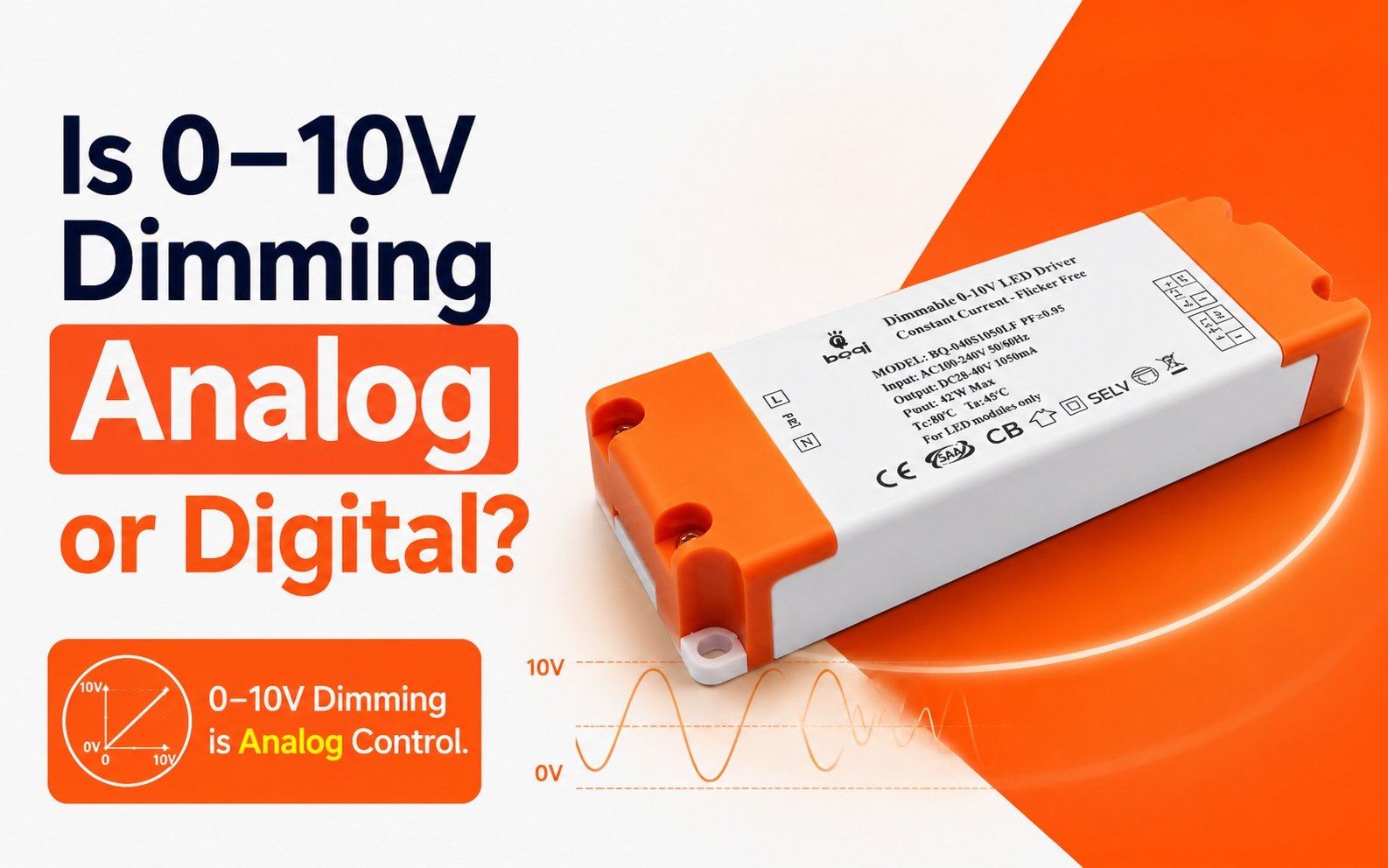
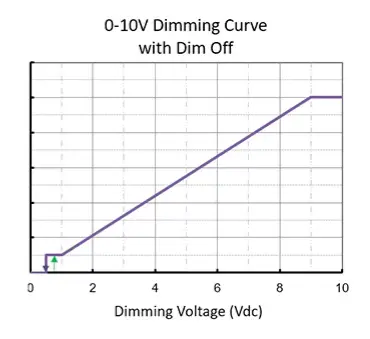
Il protocollo di dimming 0–10V utilizza un segnale analogico a bassa tensione (da 0 a 10 volt) per regolare il livello di luminosità dei LED dal minimo alla piena potenza.
Come funziona?
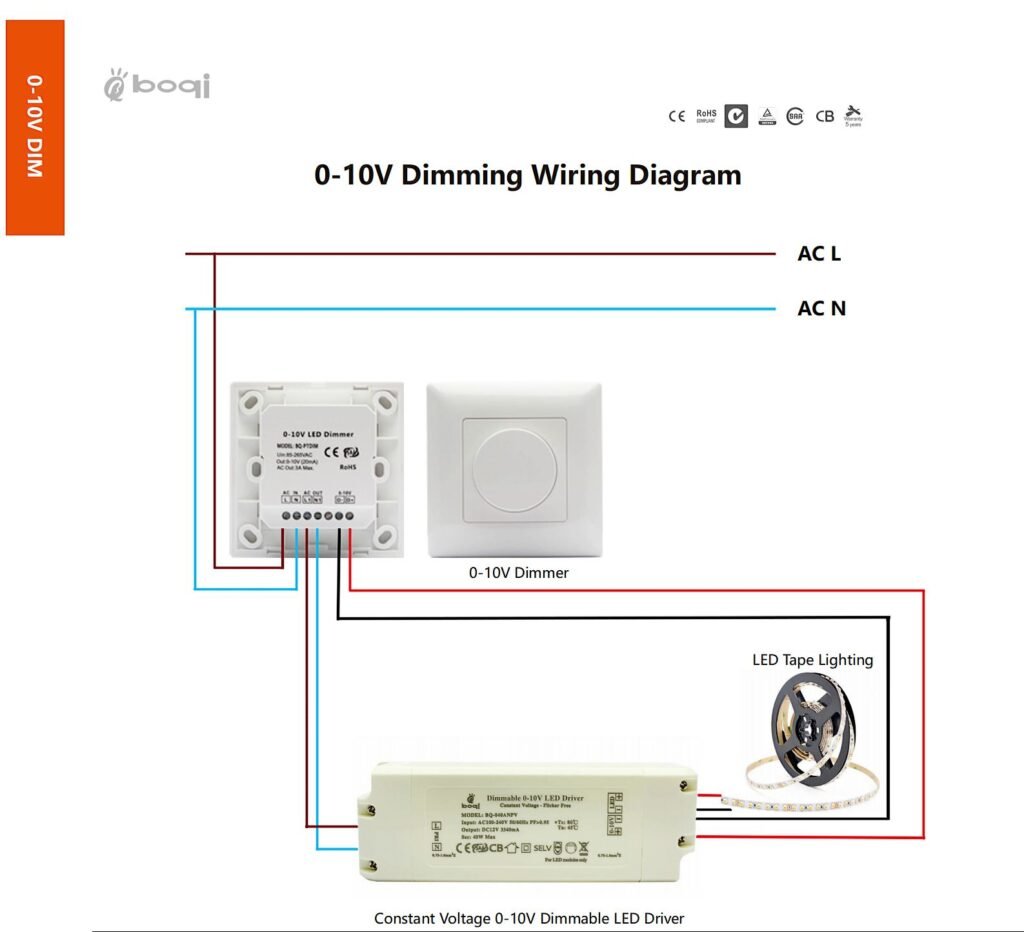
Il driver ha una coppia di fili di dimming—solitamente viola (+10V) e grigio (ritorno)—che leggono la tensione di controllo inviata da un dimmer o da un sistema di controllo.
| Tensione di controllo | Emissione Luminosa |
|---|---|
| 10V | 100% (piena luminosità) |
| 5V | 50% |
| 1V | ~10% (alcuni driver scendono più in basso) |
| 0V | Minimo o spento |
Questo metodo di dimming è completamente separato dalle linee di alimentazione AC o DC. È ciò che lo rende così stabile e privo di interferenze rispetto ad altri metodi come il dimming a taglio di fase.
Come operano i driver LED a tensione costante 0–10V?
Per comprendere appieno cosa succede all'interno del driver, dobbiamo procedere passo dopo passo—dall'ingresso di potenza all'uscita del dimming.
Un driver LED a tensione costante 0–10V converte la corrente alternata in tensione continua stabile e regola la luminosità in uscita in base a un segnale analogico 0–10V.
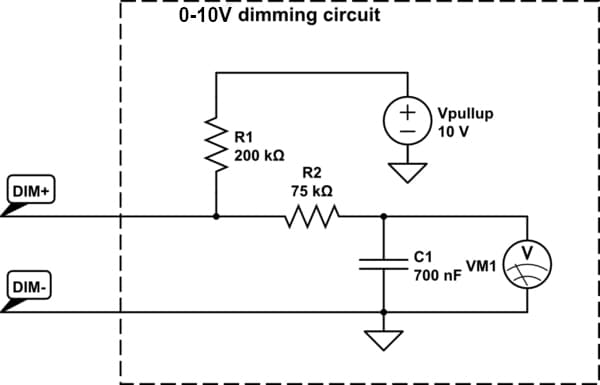
Analisi passo dopo passo:
- Conversione da CA a CC
- L'ingresso di rete CA (solitamente 100–277V) viene raddrizzato e filtrato in CC.
- Un alimentatore a commutazione regola questo in una tensione continua stabile (es. 24V).
2. Controllo dell'uscita CC
- Il driver dispone di un circuito di regolazione dell'alimentazione per mantenere un'uscita di tensione costante, anche al variare delle condizioni di carico.
3. Ingresso del segnale di dimmerazione
- Il segnale 0–10V viene letto tramite un optocoppiatore o un circuito comparatore.
- Traduce la tensione analogica in un segnale PWM o regola il circuito di corrente continua, a seconda del metodo di dimmerazione del driver.
4. Regolazione della luminosità
- Il driver regola la corrente in uscita (mantenendo costante la tensione) per corrispondere al livello di dimmerazione.
5. Anello di retroazione
- Un sistema di retroazione garantisce che la risposta di dimmerazione sia fluida e lineare—o logaritmica, a seconda del design.
Questa semplicità è il motivo per cui molti ingegneri amano utilizzare i driver CV 0–10V in progetti di illuminazione modulari e scalabili.
Applicazioni tipiche nei sistemi di illuminazione a LED?
Scegliere l'applicazione giusta determina il successo o il fallimento di un driver. I driver CV 0–10V non sono adatti a tutto—ma eccellono in alcune aree.
Questi driver sono comunemente utilizzati in strisce LED, insegne, illuminazione da armadio e sistemi architetturali che impiegano moduli LED pre-regolati.

Casi d'uso ideali
| Tipo di applicazione | Perché si adatta ai driver CV 0–10V |
|---|---|
| Illuminazione espositiva retail | Dimmerazione fluida, configurazione semplice |
| Sistemi di insegne LED | Tensione fissa, layout scalabile |
| Illuminazione a incasso e d'accento | Configurazioni di carico flessibili |
| Illuminazione sotto pensile | Compatto, basso calore |
| Architetturale esterno | Versioni ad alta potenza disponibili |
Nei miei progetti, consiglio spesso driver CV quando il sistema di illuminazione è realizzato con strisce o barre LED pre-assemblate. Queste includono solitamente resistori o IC interni, rendendo superfluo l'uso di corrente costante.
Inoltre, queste installazioni richiedono spesso lunghe tratte di cavo, che i driver CV gestiscono meglio dei driver CC.
Componenti chiave e progettazione del circuito?
Non è necessario essere un ingegnere elettronico per comprendere i componenti principali all'interno di un driver LED CV 0–10V—ma un po' di conoscenza è di grande aiuto.
Il driver contiene sezioni chiave per raddrizzamento, regolazione della tensione, elaborazione del segnale di dimmerazione e controllo dell'uscita. Ogni sezione garantisce un funzionamento sicuro e stabile.
Analisi tecnica
1. Stadio di ingresso
- filtro EMI
- Ponte raddrizzatore
- Condensatore di massa
2. Conversione di potenza
- Controller di commutazione (chip PWM o PFC)
- Trasformatore o induttore (per isolamento)
- Raddrizzatore di uscita e condensatore di livellamento
3. Circuito di controllo della dimmerazione
- Comparatore analogico o ADC
- Circuito di isolamento (es. optocoppiatore)
- Controller di dimmerazione (modifica il duty cycle PWM o il loop di uscita)
4. Stadio di uscita
- Rilevamento della tensione
- Protezione da sovratensione/sovracorrente
- Loop di retroazione
Questa architettura modulare aiuta produttori come noi di BOQI a offrire sia soluzioni standard che personalizzate per diversi livelli di potenza e fattori di forma.
Compatibilità con dimmer e controlli?
La dimmerazione non avviene nel vuoto. Anche il miglior driver necessita del giusto sistema di controllo per funzionare in modo fluido.
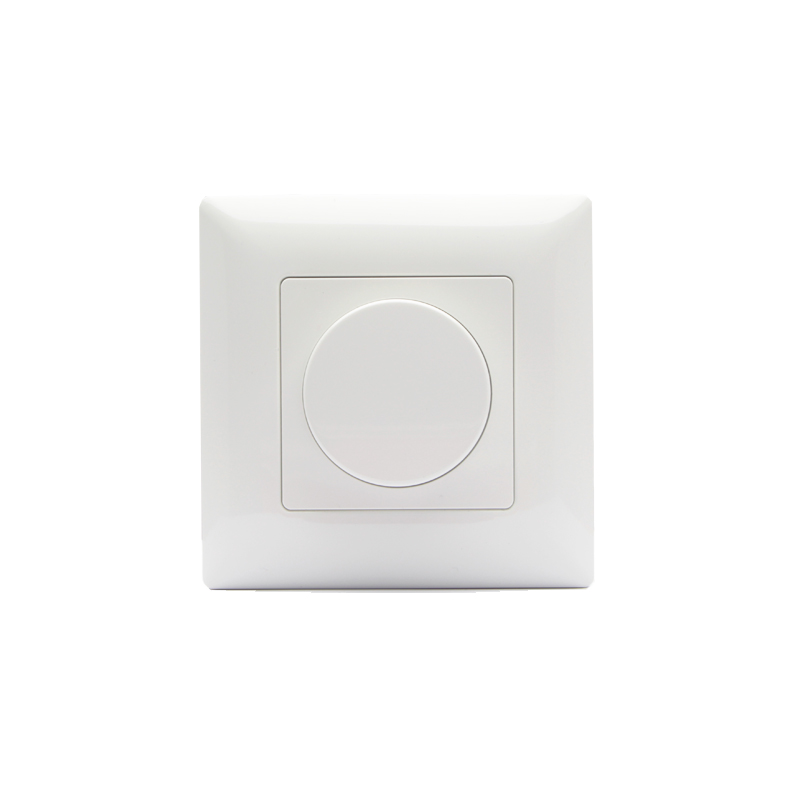
Un driver a tensione costante 0–10V funziona al meglio quando abbinato a dimmer analogici compatibili che emettono segnali CC 0–10V.

Cose da verificare prima dell'abbinamento:
| Fattore di compatibilità | Perché è importante |
|---|---|
| Tipo di segnale di controllo | Deve essere analogico, non PWM o DALI |
| Affondamento vs sourcing | Il driver deve corrispondere al tipo di segnale di controllo |
| Livello minimo di dimmerazione | Alcuni driver non dimmerano fino a 0V |
| Configurazione del cablaggio | Mantenere isolati i fili di dimmerazione |
Alcuni dimmer forniscono tensione, altri la assorbono. La maggior parte dei driver a tensione costante è progettata per dimmer di tipo sinking, dove il dimmer agisce come un resistore variabile.
Raccomando sempre di testare i dimmer con il proprio driver prima di un'installazione su larga scala, soprattutto per progetti di illuminazione commerciale.
Vantaggi dell'utilizzo di driver a tensione costante 0–10V?
Tutti desideriamo sistemi di illuminazione efficienti, scalabili e facili da manutenere. È qui che questi driver si distinguono.
I driver a tensione costante 0-10V offrono eccellenti prestazioni di dimmerazione, ampia compatibilità di sistema e una struttura di cablaggio semplice.
Perché li preferisco
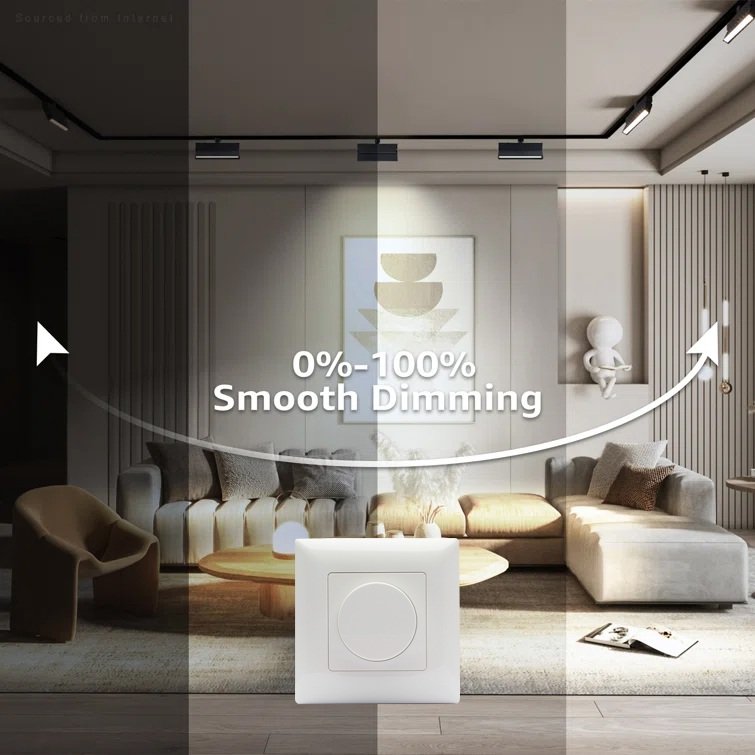
- Dimmerazione omogenea
Il segnale analogico garantisce una dimmerazione graduale senza sfarfallio o scalini. - Flessibilità del sistema
Ideale per configurazioni di strip LED che richiedono cablaggio in parallelo. - Facilità di integrazione
Ampiamente compatibile con dimmer di terze parti e sistemi di automazione. - Alta efficienza
Soprattutto nei modelli ad alta potenza (100W-300W), questi driver offrono un'efficienza dell'88-92%. - Economicamente vantaggioso
Rispetto ai protocolli digitali come DALI, il 0-10V è molto più economico.
Sfide comuni e come superarle?
Anche i buoni driver possono incontrare problemi. Se li hai usati in progetti reali, probabilmente hai riscontrato sfarfallio o cadute di tensione.
Possono verificarsi problemi come sfarfallio, interferenze di segnale o cadute di tensione su lunghe distanze, ma la maggior parte sono facili da risolvere con un cablaggio corretto e una buona selezione del prodotto.
Problemi comuni
| Problema | Causa | Soluzione |
|---|---|---|
| Sfarfallio | Interferenza o dimmer di scarsa qualità | Utilizzare cavo schermato e dimmer di qualità |
| Caduta di tensione | Lunghe tratte di cavo DC | Utilizzare filo più spesso, suddividere le tratte |
| Mancata spegnimento completo | Il driver non supporta la dimmerazione a 0V | Aggiungere relè o interruttore |
| Dimmerazione incoerente | Miscelazione di marche diverse | Utilizzare driver e dimmer della stessa marca |
Ad esempio, un mio cliente ha utilizzato cavo non schermato per le linee di dimmerazione in un'installazione di un negozio al dettaglio di 30m. Risultato? Sfarfallio ogni pochi secondi. Sostituire con cavo di dimmerazione schermato ha risolto il problema.
Scelta del driver giusto per il tuo progetto?
Non esiste un driver universale. È necessario abbinare le specifiche con attenzione, soprattutto per la produzione su larga scala.
Quando si seleziona un driver a tensione costante 0-10V, considerare la tensione di uscita, la potenza totale, la curva di dimmerazione, le certificazioni e il fattore di forma fisico.
Parametri chiave da verificare
| Parametro | Perché è importante |
|---|---|
| Tensione di uscita | Deve corrispondere alla tensione del modulo LED |
| Potenza nominale | Scegliere il 20% in più rispetto al carico |
| Gamma di regolazione | Verificare il livello minimo di dimmerazione |
| Certificazione | UL, CE, RoHS per la conformità |
| Grado di protezione dell'involucro | Grado IP per uso esterno |
| Dimensioni e forma | Deve adattarsi all'alloggiamento del corpo illuminante |
Gli acquirenti come Jacky dovrebbero sempre richiedere campioni di prova ai fornitori per validare nel corpo illuminante effettivo e verificare il comportamento termico, la fluidità della dimmerazione e le prestazioni EMI.
Perché scegliere BOQI come tuo partner affidabile per il dimming?
Con centinaia di opzioni sul mercato, perché così tanti professionisti lavorano con noi?
BOQI offre driver a tensione costante 0-10V di alta qualità con opzioni di personalizzazione, supporto globale rapido e profonda competenza tecnica.

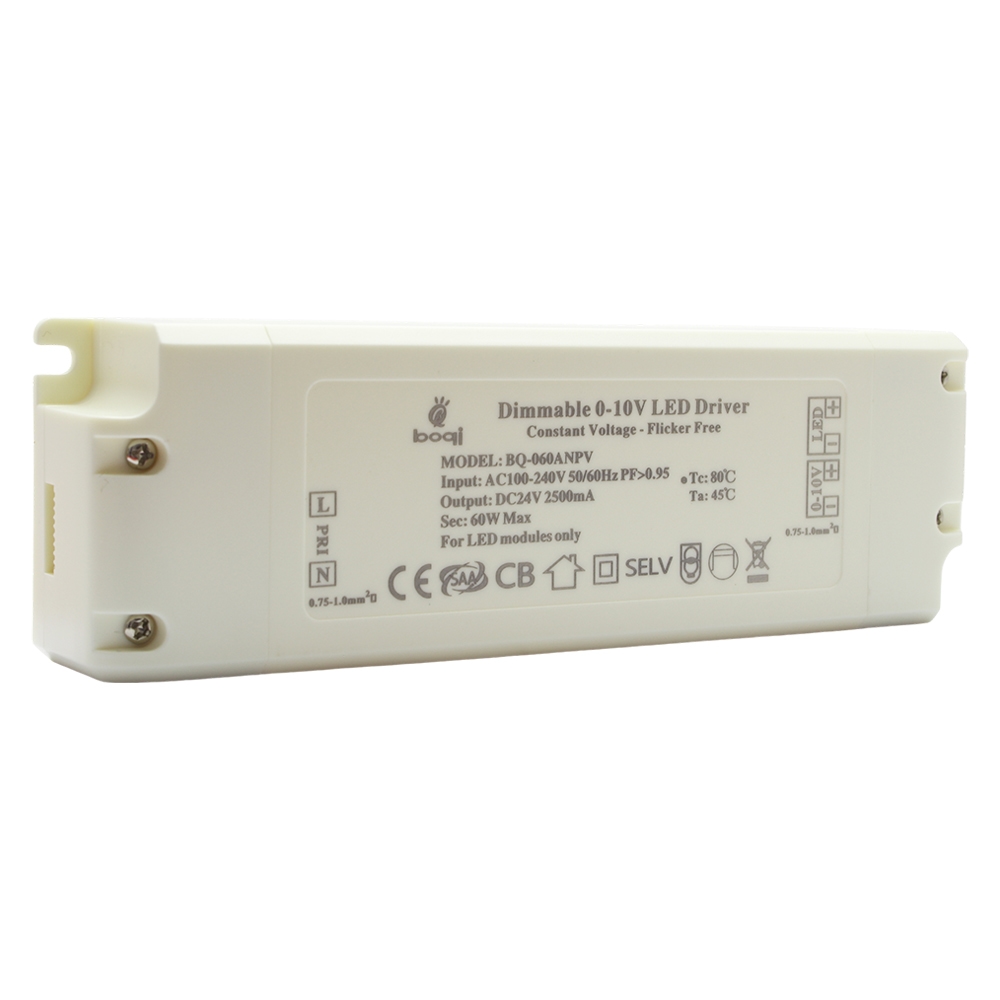
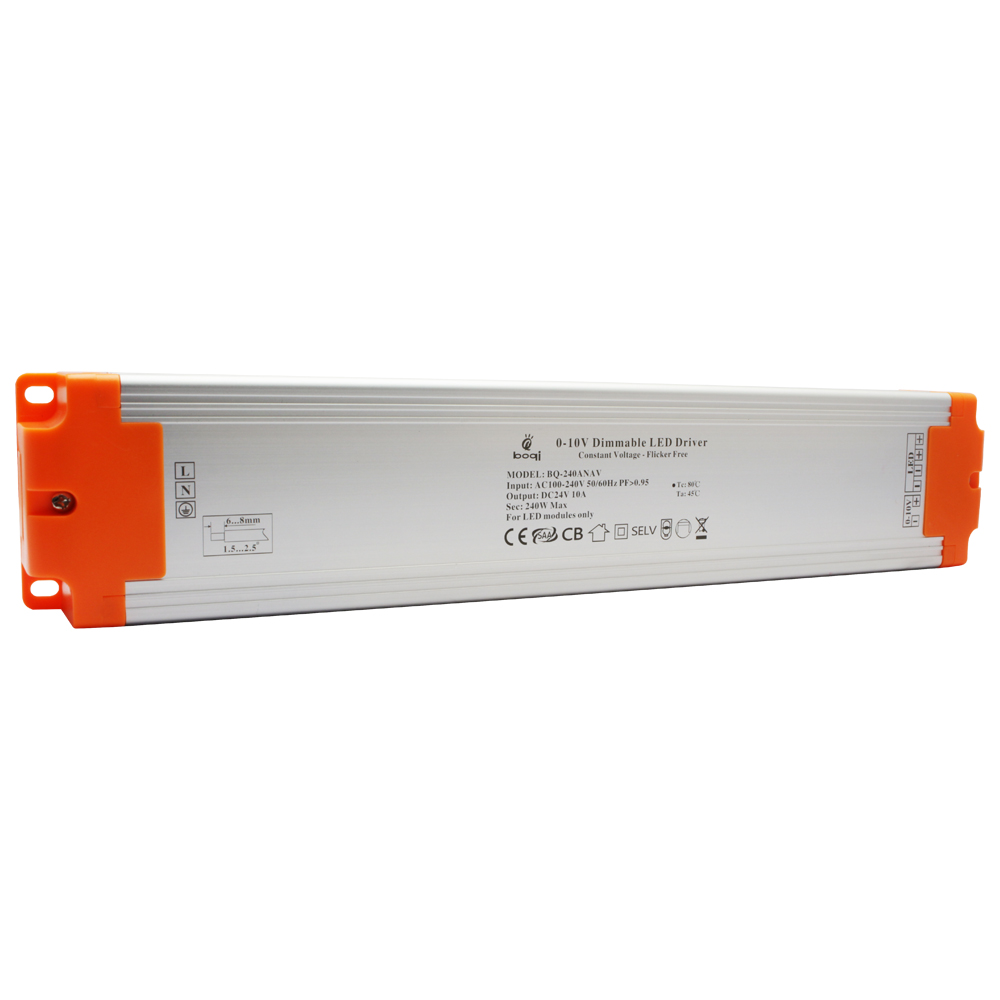
Comprendiamo le esigenze della vostra applicazione. Abbiamo aiutato i clienti a scalare i loro sistemi di illuminazione in catene retail, hotel e progetti architettonici. Che abbiate bisogno di un'unità impermeabile da 30W o di una versione industriale da 240W, la personalizzeremo per voi.
Offriamo:
- Curve di dimming personalizzate
- Design compatti per installazioni in spazi ristretti
- Conformità CE, SAA, CB e RoHS
- Prototipazione rapida e produzione di massa
- Supporto ingegneristico dalla progettazione alla consegna
Conclusione
I driver LED 0–10V a tensione costante offrono una potente combinazione di semplicità, compatibilità e prestazioni—rendendoli una scelta intelligente per i moderni sistemi di illuminazione.