













LED-verlichtingsprojecten kunnen snel ingewikkeld worden als het gaat om het kiezen van de juiste driver. Veel mensen verwarren constante stroom- en constante spanning-drivers—en nog meer mensen weten niet precies hoe 0–10V dimmen werkt.
Een constante spanning 0–10V LED-driver levert een vaste DC-uitgangsspanning en gebruikt een 0–10V analoog signaal om dimmen te regelen. Het is ideaal voor toepassingen zoals LED-strips of verlichting voor bewegwijzering.
Veel verlichtingsprofessionals blijven bij wat ze kennen, maar begrijpen hoe deze driver werkt kan deuren openen naar beter systeemontwerp, eenvoudiger probleemoplossing en slimmere productselectie. Laten we dieper ingaan.
Definitie en belangrijkste kenmerken die het onderscheiden van constante stroom-drivers?
Als u lang genoeg in de LED-industrie zit, bent u waarschijnlijk zowel constante spanning (CV) als constante stroom (CC) drivers tegengekomen—maar velen verwarren ze nog steeds.
Constante spanning 0–10V drivers leveren een stabiele uitgangsspanning (zoals 12V of 24V), in tegenstelling tot constante stroom-drivers, die de stroom naar de LED's regelen.
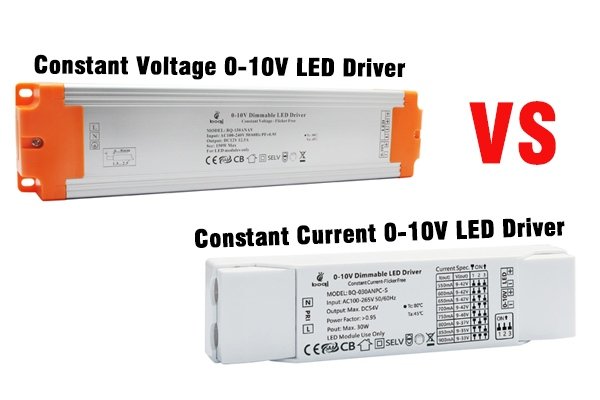
Wat is het echte verschil?
| Voorzien zijn van | Spanningsregelaar met constante spanning | Stroomregelaar met constante stroom |
|---|---|---|
| Uitgangstype | Vaste spanning (bijv. 12V) | Vaste stroom (bijv. 350mA) |
| Sollicitatie | LED-strips, bewegwijzering | COB's, downlights, panelen |
| Dimintegratie | 0–10V, PWM | 0–10V, TRIAC, DALI, enz. |
| Ontwerpflexibiliteit | High | Matig |
| Heeft weerstand/IC op LED nodig? | Ja | Nee |
CV-drivers zijn de juiste keuze wanneer de LED's zijn ontworpen om een vaste spanning te accepteren. Meestal hebben deze LED's interne weerstanden of constante stroom-regelaars.
Dat betekent dat u meerdere armaturen parallel kunt voeden, waardoor CV-drivers in sommige scenario's schaalbaarder zijn.
Het 0–10V dimprotocol begrijpen?
U heeft misschien gehoord van 0–10V dimmen, maar weinig mensen begrijpen hoe analoge regeling echt achter de schermen werkt.
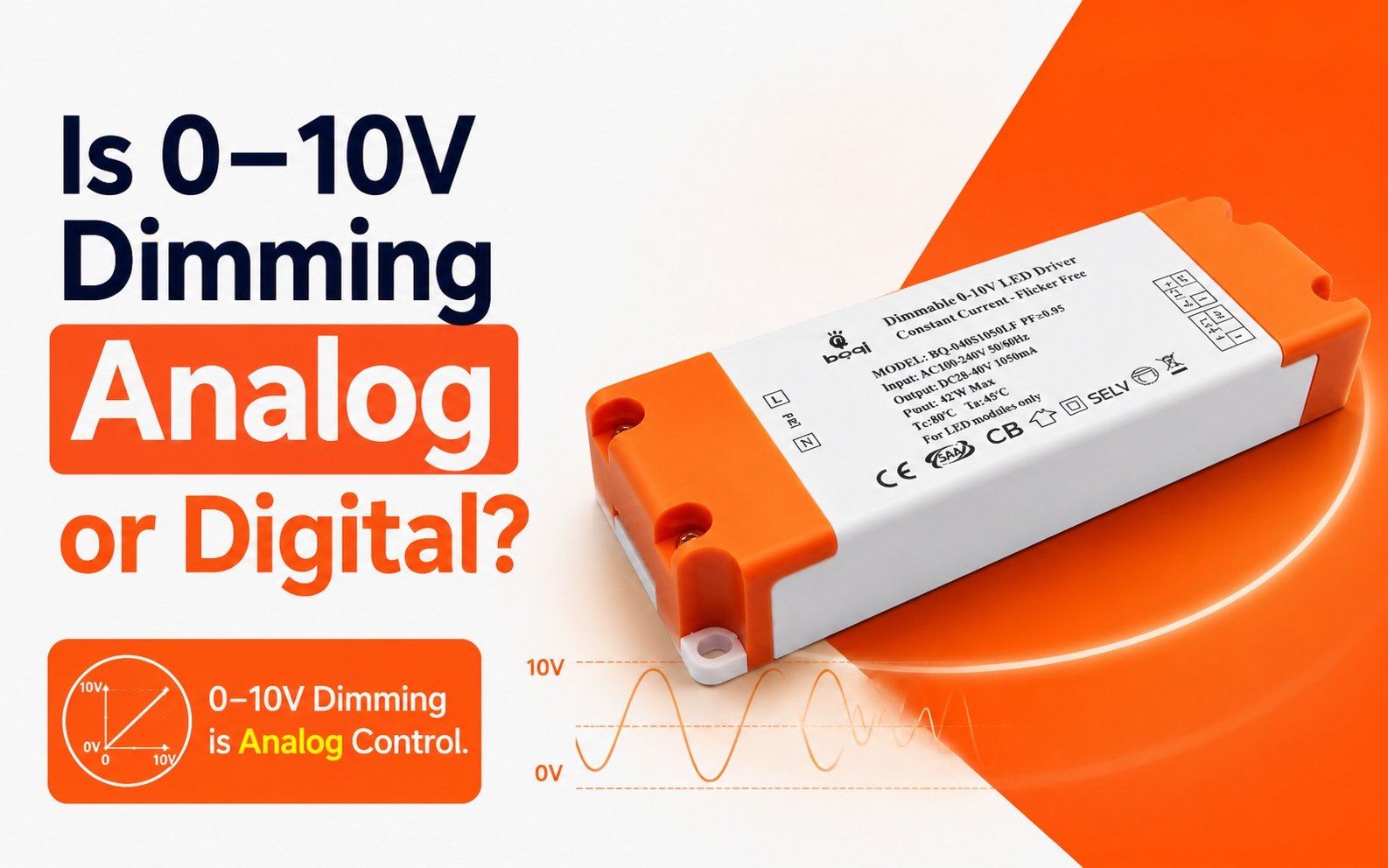
Het 0–10V dimprotocol gebruikt een laagspannings analoog signaal (0 tot 10 volt) om de LED-helderheid aan te passen van minimum tot volledige output.
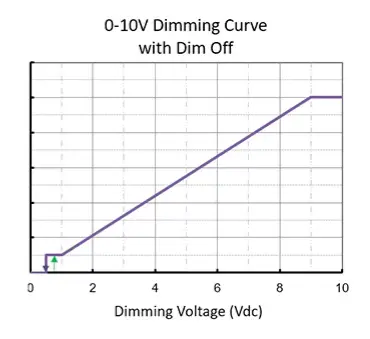
Hoe werkt het?
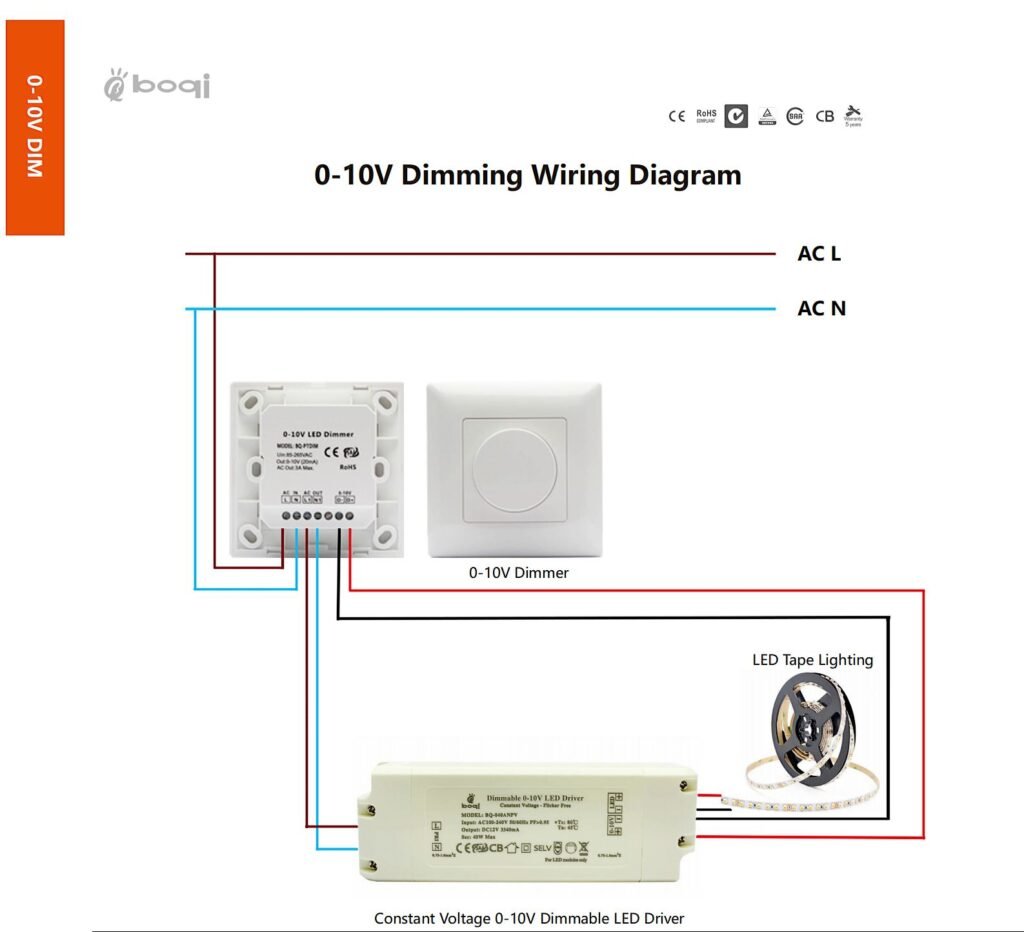
De driver heeft een paar dimdraden—meestal paars (+10V) en grijs (retour)—die de regelspanning lezen die door een dimmer of regelsysteem wordt verzonden.
| Stuurspanning | lichtopbrengst |
|---|---|
| 10V | 100% (volledige helderheid) |
| 5V | 50% |
| 1V | ~10% (sommige drivers gaan lager) |
| 0V | Minimum of uit |
Deze dimmethode is volledig gescheiden van de AC- of DC-stroomlijnen. Dat maakt het zo stabiel en storingsvrij vergeleken met andere methoden zoals fase-aansnijdimmen.
Hoe werken constante spanning 0–10V LED-drivers?
Om volledig te begrijpen wat er binnenin de driver gebeurt, moeten we stap voor stap gaan—van voedingsingang tot dimuitgang.
Een constante spanning 0–10V LED-driver zet AC om in stabiele DC-spanning en past de uitgangshelderheid aan op basis van een 0–10V analoog signaal.
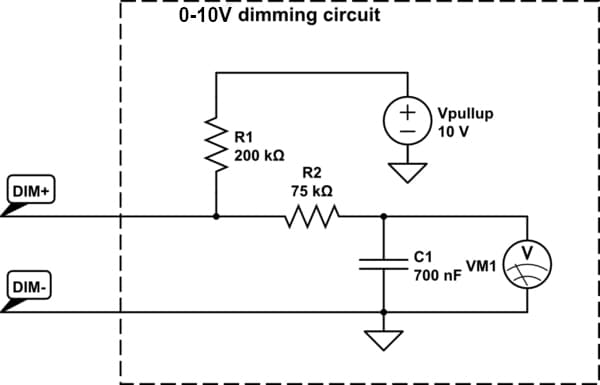
Stapsgewijze uitleg:
- AC naar DC-conversie
- AC-netspanning (meestal 100–277V) wordt gelijkgericht en gefilterd tot DC.
- Een schakelende voeding regelt dit tot een stabiele DC-spanning (bijv. 24V).
2. DC-uitgangsregeling
- De driver bevat een spanningsregelcircuit om een consistente uitgangsspanning te handhaven, zelfs bij wisselende belastingsomstandigheden.
3. Dimsignaal-ingang
- Het 0–10V-signaal wordt uitgelezen via een optocoupler of comparatorcircuit.
- Het vertaalt de analoge spanning naar een PWM-signaal of past de DC-stroomlus aan, afhankelijk van de dimmethode van de driver.
4. Helderheidsaanpassing
- De driver past de uitgangsstroom aan (terwijl de spanning constant blijft) om het dimniveau te matchen.
5. Feedbacklus
- Een terugkoppelingssysteem zorgt ervoor dat de dimrespons vloeiend en lineair is—of logaritmisch, afhankelijk van het ontwerp.
Deze eenvoud is de reden waarom veel engineers graag CV 0–10V drivers gebruiken in modulaire, schaalbare verlichtingsontwerpen.
Typische toepassingen in LED-verlichtingssystemen?
Het kiezen van de juiste toepassing bepaalt het succes van een driver. CV 0–10V drivers zijn niet voor alles geschikt—maar ze blinken uit in bepaalde gebieden.
Deze drivers worden vaak gebruikt in LED-strips, bewegwijzering, kastverlichting en architecturale systemen met vooraf geregelde LED-modules.

Ideale gebruikssituaties
| Toepassingstype | Waarom het past bij CV 0–10V drivers |
|---|---|
| Retail-displayverlichting | Vloeiend dimmen, eenvoudige installatie |
| LED-bewegwijzeringssystemen | Vaste spanning, schaalbare lay-out |
| Plafond- en accentverlichting | Flexibele belastingsconfiguraties |
| Onderkastverlichting | Compact, laag warmteverlies |
| Buitenarchitectuur | Hoogvermogen-versies beschikbaar |
In mijn projecten raad ik vaak CV drivers aan wanneer het verlichtingssysteem is opgebouwd uit vooraf geassembleerde LED-strips of -balken. Deze bevatten meestal weerstanden of interne IC's, waardoor constante stroom niet nodig is.
Bovendien vereisen deze installaties vaak lange kabeltrajecten, die CV drivers beter aankunnen dan CC drivers.
Belangrijkste componenten en circuitontwerp?
Je hoeft geen elektrotechnisch ingenieur te zijn om de belangrijkste componenten in een CV 0–10V LED-driver te begrijpen—maar een beetje kennis helpt een eind op weg.
De driver bevat belangrijke secties voor gelijkrichting, spanningsregeling, dimsignaalverwerking en uitgangsregeling. Elke sectie zorgt voor veilige en stabiele werking.
Technische uitleg
1. Ingangsfase
- EMI-filter
- Brug-gelijkrichter
- Buffercondensator
2. Stroomomzetting
- Schakelcontroller (PWM- of PFC-chip)
- Transformator of inductor (voor isolatie)
- Uitgangsgelijkrichter en afvlakcondensator
3. Dimregelcircuit
- Analoge comparator of ADC
- Isolatiecircuit (bijv. optocoupler)
- Dimcontroller (wijzigt PWM-dutycycle of uitgangslus)
4. Uitgangsfase
- Spanningsdetectie
- Overspannings-/overstroombeveiliging
- Terugkoppellus
Deze modulaire architectuur stelt fabrikanten zoals wij bij BOQI in staat om zowel standaard- als maatwerkoplossingen te bieden voor verschillende vermogensniveaus en vormfactoren.
Compatibiliteit met dimmers en regelsystemen?
Dimmen gebeurt niet in een vacuüm. Zelfs de beste driver heeft het juiste regelsysteem nodig om soepel te presteren.
Een constante spanning 0–10V driver werkt het beste in combinatie met compatibele analoge dimmers die 0–10V DC-signalen uitvoeren.

Zaken om te controleren vóór het koppelen:
| Compatibiliteitsfactor | Waarom dit belangrijk is |
|---|---|
| Type stuursignaal | Moet analoog zijn, niet PWM of DALI |
| Sinking versus sourcing | Driver moet overeenkomen met het type stuursignaal |
| Minimaal dimniveau | Sommige drivers dimmen niet tot 0V |
| Bedradingsconfiguratie | Houd dimdraden geïsoleerd |
Sommige dimmers leveren spanning, andere absorberen deze. De meeste CV-drivers zijn ontworpen voor sinking-type dimmers—waarbij de dimmer fungeert als een variabele weerstand.
Ik raad altijd aan om dimmers met uw driver te testen vóór grootschalige uitrol, vooral bij commerciële verlichtingsprojecten.
Voordelen van het gebruik van constante spanning 0–10V drivers?
We willen allemaal verlichtingssystemen die efficiënt, schaalbaar en eenvoudig te onderhouden zijn. Daar onderscheiden deze drivers zich.
Constante spanning 0–10V drivers bieden uitstekende dimprestaties, brede systeemcompatibiliteit en een eenvoudige bedradingsstructuur.
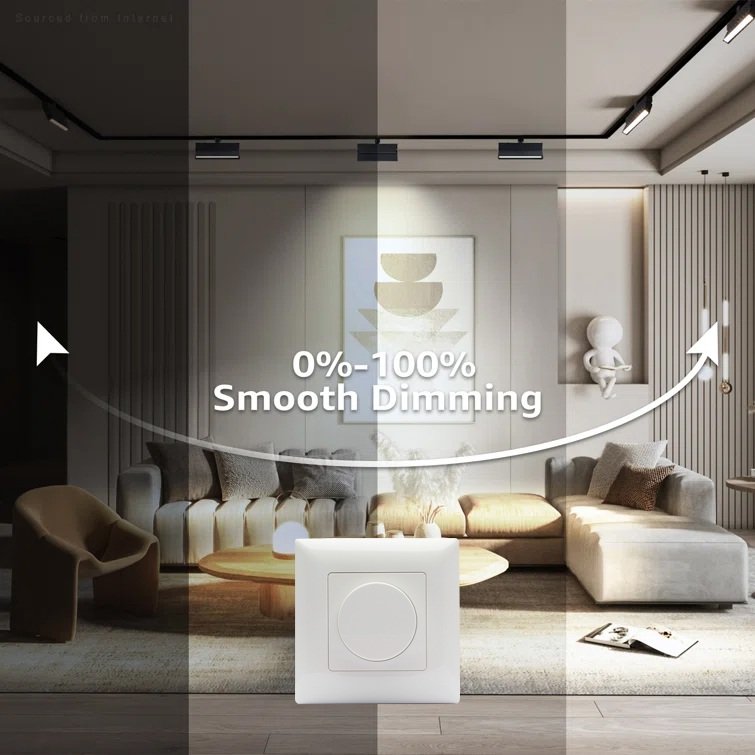
Waarom ik ze prefereer
- Vloeiend dimmen
Het analoge signaal zorgt voor geleidelijk dimmen zonder flikkeren of stappen. - Systeemflexibiliteit
Ideaal voor LED-strips die parallelle bedrading vereisen. - Integratiegemak
Breed compatibel met dimmers en automatiseringssystemen van derden. - Hoog rendement
Vooral in modellen met hoger wattage (100W–300W) bieden deze drivers een efficiëntie van 88–92%. - Kosteneffectief
Vergeleken met digitale protocollen zoals DALI is 0–10V veel betaalbaarder.
Veelvoorkomende uitdagingen en hoe deze te overwinnen?
Zelfs goede drivers kunnen problemen ondervinden. Als u deze in echte projecten hebt gebruikt, bent u waarschijnlijk flikkeren of spanningsdalingen tegengekomen.
Problemen zoals flikkeren, signaalinterferentie of spanningsdalingen bij lange leidingen kunnen optreden—maar de meeste zijn eenvoudig op te lossen met correcte bedrading en goede productselectie.
Veelvoorkomende problemen
| Probleem | Cause | Oplossing |
|---|---|---|
| Flickering | Interferentie of slechte dimmer | Gebruik afgeschermde kabel, kwaliteitsdimmer |
| Spanningsdaling | Lange DC-kabelleidingen | Gebruik dikkere draad, splits leidingen |
| Dim-to-off storing | Driver ondersteunt geen 0V-dimmen | Voeg relais of schakelaar toe |
| Inconsistent dimmen | Merken mengen | Gebruik drivers en dimmers van hetzelfde merk |
Een van mijn klanten gebruikte bijvoorbeeld onafgeschermde kabel voor de dimleidingen in een retailinstallatie van 30 meter. Resultaat? Flikkeren om de paar seconden. Het vervangen door afgeschermde dimkabel verhielp het probleem.
De juiste driver kiezen voor uw project?
Er is geen one-size-fits-all driver. U moet specificaties zorgvuldig afstemmen—vooral bij grootschalige productie.
Bij het selecteren van een constante spanning 0–10V driver moet u rekening houden met spanningsuitgang, totaal wattage, dimcurve, certificeringen en fysieke vormfactor.
Key Parameters to Check
| Parameter | Waarom het belangrijk is |
|---|---|
| Uitgangsspanning | Moet overeenkomen met de spanning van de LED-module |
| Vermogensclassificatie | Kies 20% hoger dan de belasting |
| Dimbereik | Controleer het laagste dimbare niveau |
| Certificering | UL, CE, RoHS voor naleving |
| Behuizingsclassificatie | IP-classificatie voor buitengebruik |
| Afmeting en vorm | Moet passen in de armatuurbehuizing |
Kopers zoals Jacky moeten leveranciers altijd vragen om testmonsters om te valideren in de daadwerkelijke armatuur en thermisch gedrag, dimvloeiendheid en EMI-prestaties te controleren.
Waarom BOQI kiezen als uw betrouwbare dimpartner?
Met honderden opties op de markt, waarom werken zoveel professionals met ons?
BOQI biedt hoogwaardige constante spanning 0–10V drivers met aanpassingsopties, snelle wereldwijde ondersteuning en diepgaande technische expertise.

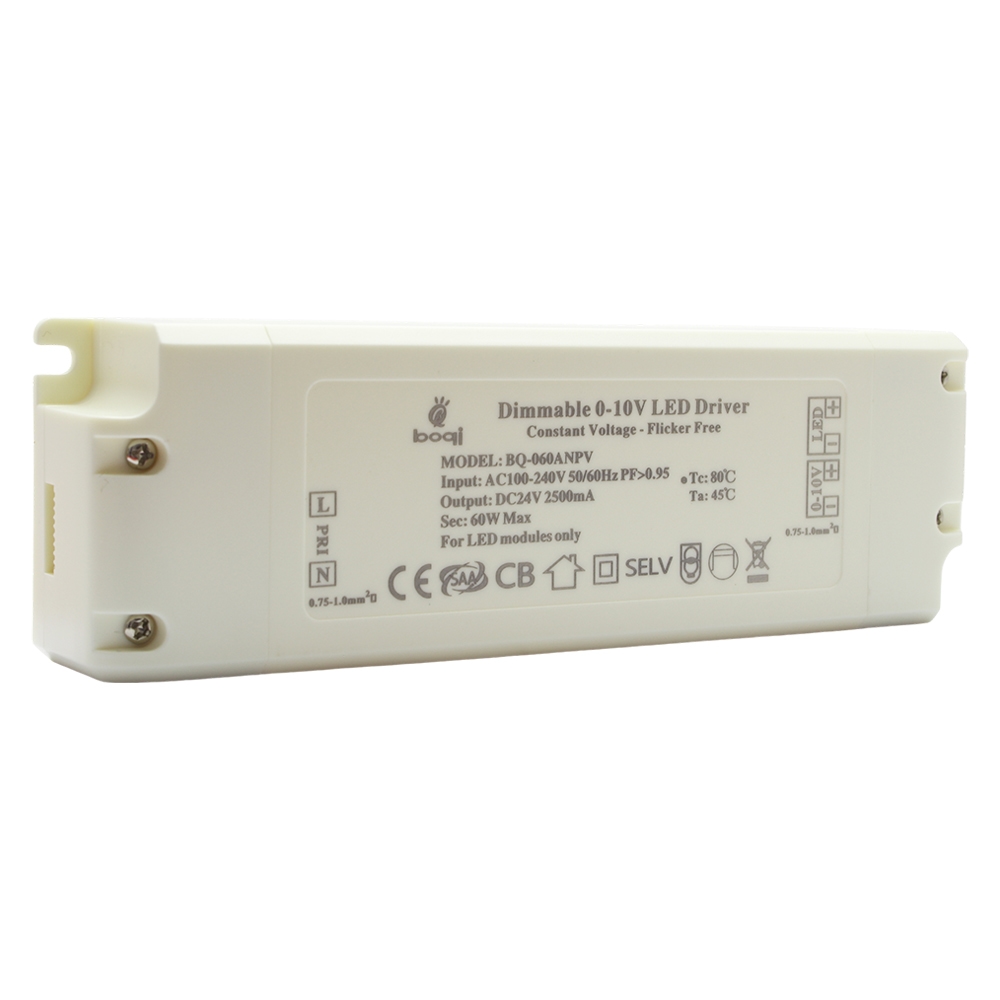
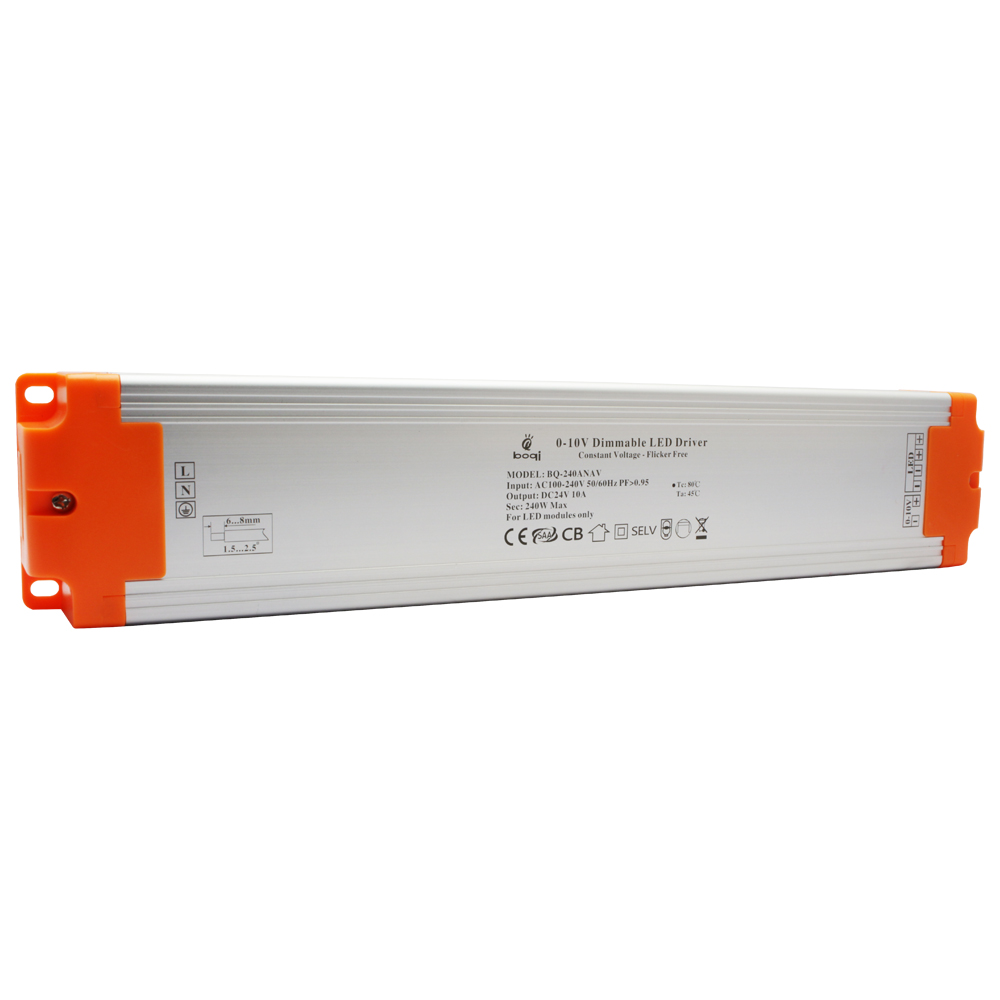
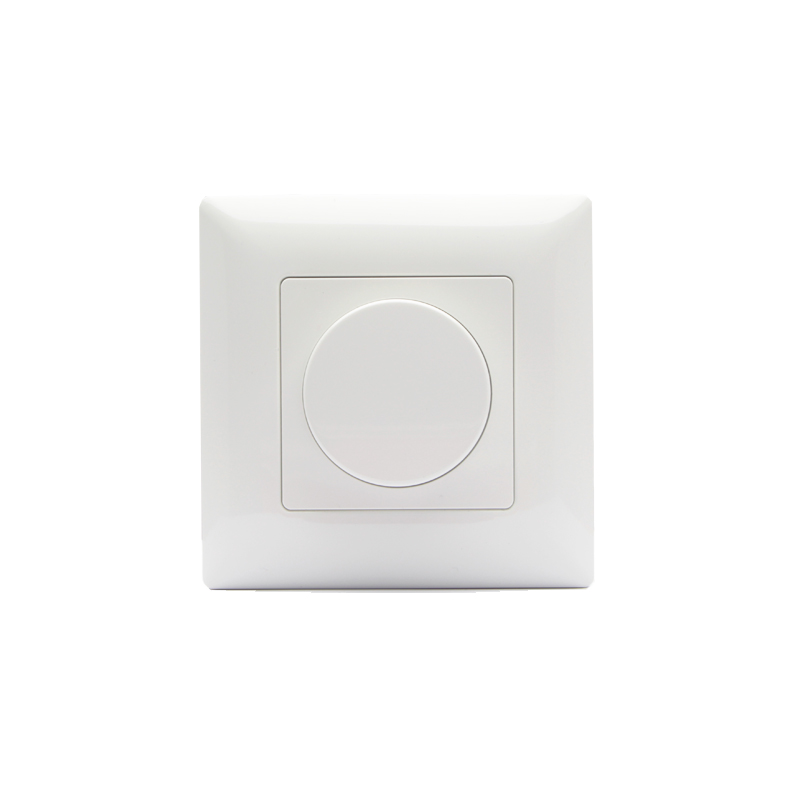
Wij begrijpen uw toepassingsbehoeften. Wij hebben klanten geholpen bij het opschalen van hun verlichtingssystemen voor winkelketens, hotels en architecturale projecten. Of u nu een waterdichte unit van 30W of een industriële versie van 240W nodig heeft, wij stemmen het op u af.
Wij bieden:
- Aangepaste dimcurves
- Compacte ontwerpen voor krappe installaties
- CE-, SAA-, CB- en RoHS-naleving
- Snelle prototyping en massaproductie
- Technische ondersteuning van ontwerp tot levering
Conclusie
Constante spanning 0–10V LED-drivers bieden een krachtige combinatie van eenvoud, compatibiliteit en prestaties—waardoor ze een slimme keuze zijn voor moderne verlichtingssystemen.