












โครงการไฟ LED อาจซับซ้อนได้อย่างรวดเร็วเมื่อต้องเลือกไดรเวอร์ที่เหมาะสม หลายคนสับสนระหว่างไดรเวอร์แบบคงกระแสและคงแรงดัน—และยิ่งมีคนจำนวนมากที่ไม่เข้าใจว่าการหรี่แสงแบบ 0–10V ทำงานอย่างไร.
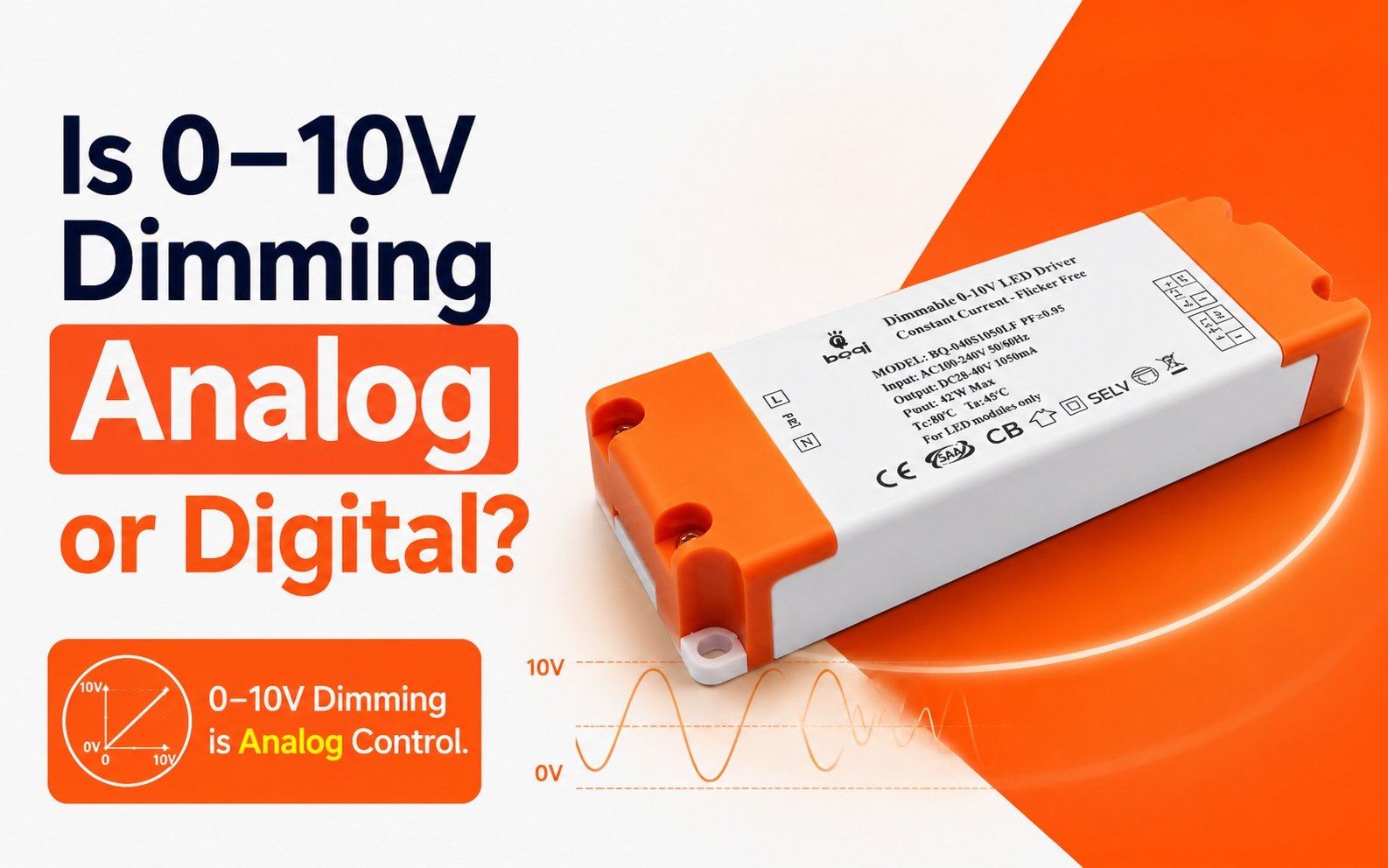
ไดรเวอร์ LED แบบคงแรงดัน 0–10V จ่ายแรงดันไฟฟ้ากระแสตรงคงที่และใช้สัญญาณอนาล็อก 0–10V เพื่อควบคุมการหรี่แสง เหมาะสำหรับการใช้งาน เช่น แถบ LED หรือไฟป้ายโฆษณา.
ผู้เชี่ยวชาญด้านไฟหลายคนยึดติดกับสิ่งที่ตนรู้จัก แต่การเข้าใจว่าไดรเวอร์นี้ทำงานอย่างไรสามารถเปิดโอกาสให้ออกแบบระบบได้ดีขึ้น แก้ปัญหาได้ง่ายขึ้น และเลือกผลิตภัณฑ์ได้อย่างชาญฉลาดยิ่งขึ้น มาลงรายละเอียดกัน.
นิยามและคุณสมบัติหลักที่แตกต่างจากไดรเวอร์แบบคงกระแสคืออะไร?
หากคุณอยู่ในอุตสาหกรรม LED มานานพอ คุณอาจเคยเจอทั้งไดรเวอร์แบบคงแรงดัน (CV) และคงกระแส (CC)—แต่หลายคนยังคงสับสนระหว่างทั้งสอง.
ไดรเวอร์แบบคงแรงดัน 0–10V จ่ายแรงดันเอาต์พุตคงที่ (เช่น 12V หรือ 24V) ต่างจากไดรเวอร์แบบคงกระแสซึ่งควบคุมกระแสที่จ่ายให้กับ LED.
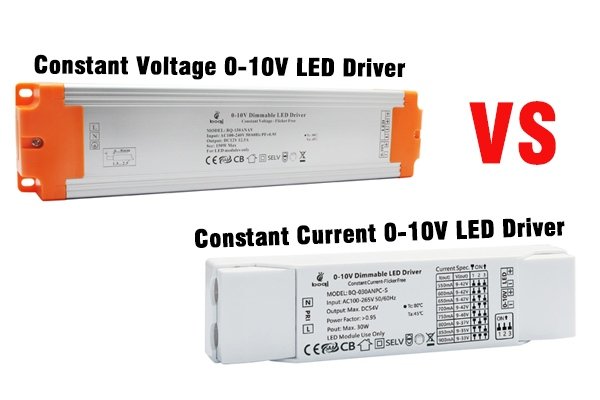
ความแตกต่างที่แท้จริงคืออะไร?
| ลักษณะเฉพาะ | ไดรเวอร์แรงดันคงที่ | ไดรเวอร์กระแสคงที่ |
|---|---|---|
| ประเภทเอาต์พุต | แรงดันคงที่ (เช่น 12V) | กระแสคงที่ (เช่น 350mA) |
| แอปพลิเคชัน | แถบ LED, ป้ายโฆษณา | COB, ดาวน์ไลท์, แผงไฟ |
| การรวมระบบหรี่แสง | 0–10V, PWM | 0–10V, TRIAC, DALI, ฯลฯ. |
| ความยืดหยุ่นในการออกแบบ | สูง | ปานกลาง |
| ต้องใช้ตัวต้านทาน/IC บน LED หรือไม่? | ใช่ | ไม่ |
ไดรเวอร์แบบ CV เป็นตัวเลือกหลักเมื่อ LED ถูกออกแบบมาให้รับแรงดันคงที่ โดยปกติ LED เหล่านี้มาพร้อมตัวต้านทานภายในหรือตัวควบคุมกระแสคงที่.
นั่นหมายความว่าคุณสามารถจ่ายไฟให้หลายโคมไฟแบบขนานได้ ซึ่งทำให้ไดรเวอร์แบบ CV ขยายขนาดได้ดีกว่าในบางสถานการณ์.
ทำความเข้าใจโปรโตคอลการหรี่แสงแบบ 0–10V?
คุณอาจเคยได้ยินเกี่ยวกับการหรี่แสงแบบ 0–10V แต่มีเพียงไม่กี่คนที่เข้าใจว่าการควบคุมแบบอนาล็อกทำงานเบื้องหลังอย่างไร.
โปรโตคอลการหรี่แสงแบบ 0–10V ใช้สัญญาณอนาล็อกแรงดันต่ำ (0 ถึง 10 โวลต์) เพื่อปรับระดับความสว่างของ LED จากขั้นต่ำสุดถึงเอาต์พุตเต็ม.
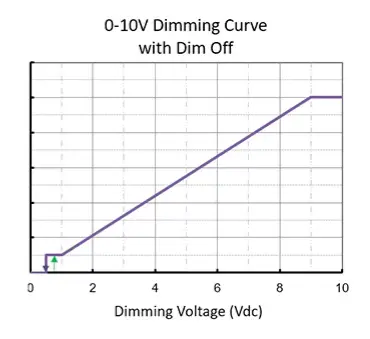
มันทำงานอย่างไร?
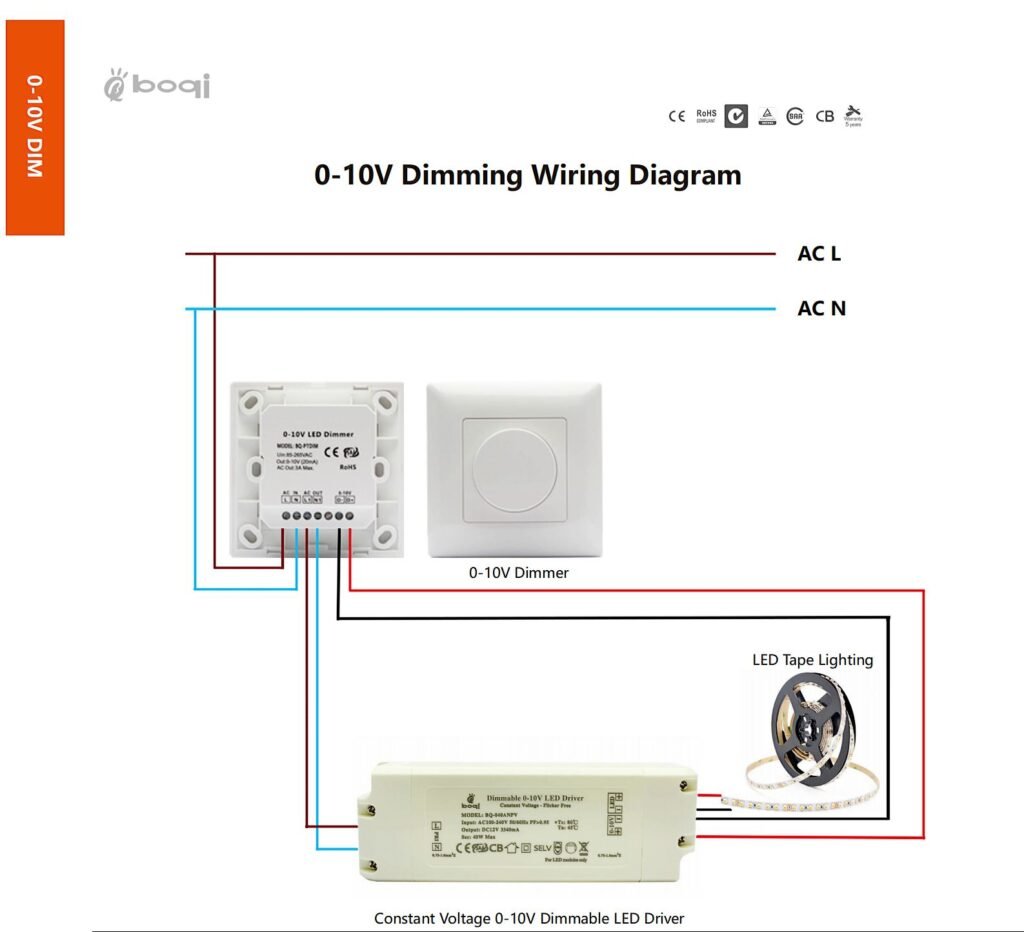
ไดรเวอร์มีสายไฟสำหรับหรี่แสงหนึ่งคู่—โดยปกติสีม่วง (+10V) และสีเทา (ขากลับ)—ซึ่งอ่านแรงดันควบคุมที่ส่งมาจากตัวหรี่แสงหรือระบบควบคุม.
| แรงดันควบคุม | เอาต์พุตแสง |
|---|---|
| 10V | 100% (ความสว่างเต็ม) |
| 5V | 50% |
| 1V | ~10% (ไดรเวอร์บางตัวหรี่ได้ต่ำกว่า) |
| 0V | ขั้นต่ำหรือปิด |
วิธีการลดแสงนี้แยกออกจากสายไฟ AC หรือ DC โดยสิ้นเชิง นั่นคือสิ่งที่ทำให้มีความเสถียรและปราศจากการรบกวนเมื่อเทียบกับวิธีอื่นๆ เช่น การลดแสงแบบ phase-cut.
ไดรเวอร์ LED แบบคงแรงดัน 0–10V ทำงานอย่างไร?
เพื่อให้เข้าใจสิ่งที่เกิดขึ้นภายในไดรเวอร์อย่างถ่องแท้ เราต้องไล่ทีละขั้นตอน—ตั้งแต่กำลังไฟเข้าไปจนถึงเอาต์พุตการลดแสง.
ไดรเวอร์ LED แบบแรงดันคงที่ 0–10V แปลงไฟฟ้ากระแสสลับเป็นแรงดันไฟฟ้ากระแสตรงที่เสถียร และปรับความสว่างของเอาต์พุตตามสัญญาณแอนะล็อก 0–10V.
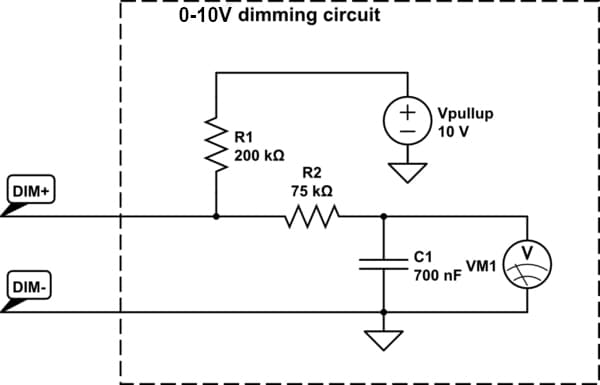
อธิบายทีละขั้นตอน:
- การแปลง AC เป็น DC
- ไฟหลัก AC (โดยทั่วไป 100–277V) ถูกเรียงกระแสและกรองเป็น DC.
- แหล่งจ่ายไฟแบบสวิตชิ่งควบคุมให้เป็นแรงดัน DC ที่เสถียร (เช่น 24V).
2. การควบคุมเอาต์พุต DC
- ไดรเวอร์มีวงจรควบคุมกำลังเพื่อรักษาแรงดันไฟฟ้าเอาต์พุตให้คงที่ แม้เมื่อโหลดมีการเปลี่ยนแปลง.
3. การรับสัญญาณลดแสง
- สัญญาณ 0–10V ถูกอ่านผ่านวงจรออปโตคัปเปลอร์หรือวงจรเปรียบเทียบ.
- แปลงแรงดันแอนะล็อกเป็นสัญญาณ PWM หรือปรับลูปกระแส DC ขึ้นอยู่กับวิธีการลดแสงของไดรเวอร์.
4. การปรับความสว่าง
- ไดรเวอร์ปรับกระแสเอาต์พุต (ในขณะที่รักษาแรงดันให้คงที่) เพื่อให้ตรงกับระดับการลดแสง.
5. ลูปป้อนกลับ
- ระบบป้อนกลับช่วยให้การตอบสนองการลดแสงราบรื่นและเป็นเส้นตรง—หรือลอการิทึม ขึ้นอยู่กับการออกแบบ.
ความเรียบง่ายนี้คือเหตุผลที่วิศวกรหลายคนชื่นชอบการใช้ไดรเวอร์ CV 0–10V ในการออกแบบระบบแสงสว่างแบบโมดูลาร์และขยายได้.
การใช้งานทั่วไปในระบบไฟ LED?
การเลือกการใช้งานที่เหมาะสมคือตัวกำหนดความสำเร็จของไดรเวอร์ ไดรเวอร์ CV 0–10V ไม่เหมาะกับทุกอย่าง—แต่โดดเด่นในบางพื้นที่.
ไดรเวอร์เหล่านี้มักใช้ในไฟแถบ LED ป้ายไฟ ไฟใต้ตู้ และระบบสถาปัตยกรรมที่ใช้โมดูล LED ที่มีการควบคุมแรงดันล่วงหน้า.

กรณีการใช้งานที่เหมาะสม
| ประเภทการใช้งาน | เหตุผลที่เหมาะกับไดรเวอร์ CV 0–10V |
|---|---|
| ไฟแสดงสินค้าในร้านค้าปลีก | การลดแสงที่ราบรื่น ติดตั้งง่าย |
| ระบบป้ายไฟ LED | แรงดันคงที่ เค้าโครงที่ขยายได้ |
| ไฟคอฟและไฟเน้นแสง | การกำหนดค่าโหลดที่ยืดหยุ่น |
| ไฟใต้ตู้ | ขนาดกะทัดรัด ความร้อนต่ำ |
| สถาปัตยกรรมกลางแจ้ง | มีรุ่นกำลังไฟสูง |
ในโปรเจกต์ของฉัน ฉันมักแนะนำไดรเวอร์ CV เมื่อระบบแสงสว่างสร้างจากแถบ LED หรือแท่ง LED ที่ประกอบสำเร็จรูป โดยปกติแล้วจะมีตัวต้านทานหรือ IC ภายใน ทำให้ไม่จำเป็นต้องใช้กระแสคงที่.
นอกจากนี้ การติดตั้งเหล่านี้มักต้องใช้สายไฟระยะไกล ซึ่งไดรเวอร์ CV จัดการได้ดีกว่าไดรเวอร์ CC.
ส่วนประกอบหลักและการออกแบบวงจร?
คุณไม่จำเป็นต้องเป็นวิศวกรไฟฟ้าเพื่อเข้าใจส่วนประกอบหลักภายในไดรเวอร์ LED CV 0–10V—แต่ความรู้เพียงเล็กน้อยก็มีประโยชน์มาก.
ไดรเวอร์ประกอบด้วยส่วนสำคัญสำหรับการเรียงกระแส การควบคุมแรงดัน การประมวลผลสัญญาณลดแสง และการควบคุมเอาต์พุต แต่ละส่วนช่วยให้การทำงานปลอดภัยและเสถียร.
รายละเอียดทางเทคนิค
1. ขั้นอินพุต
- ตัวกรอง EMI
- บริดจ์เรกติไฟเออร์
- ตัวเก็บประจุขนาดใหญ่
2. การแปลงพลังงาน
- ตัวควบคุมสวิตชิ่ง (ชิป PWM หรือ PFC)
- หม้อแปลงหรือตัวเหนี่ยวนำ (สำหรับการแยกวงจร)
- เรกติไฟเออร์เอาต์พุตและตัวเก็บประจุปรับเรียบ
3. วงจรควบคุมการลดแสง
- ตัวเปรียบเทียบแอนะล็อกหรือ ADC
- วงจรแยก (เช่น ออปโตคัปเปลอร์)
- ตัวควบคุมการลดแสง (ปรับรอบการทำงาน PWM หรือลูปเอาต์พุต)
4. ขั้นเอาต์พุต
- การตรวจจับแรงดันไฟฟ้า
- การป้องกันแรงดันเกิน/กระแสเกิน
- วงจรป้อนกลับ
สถาปัตยกรรมแบบโมดูลาร์นี้ช่วยให้ผู้ผลิตอย่างเรา ที่ BOQI สามารถนำเสนอทั้งโซลูชันสำเร็จรูปและโซลูชันที่ปรับแต่งตามความต้องการ สำหรับระดับกำลังไฟและรูปแบบขนาดที่แตกต่างกันได้.
ความเข้ากันได้กับตัวหรี่แสงและระบบควบคุม?
การหรี่แสงไม่ได้เกิดขึ้นอย่างโดดเดี่ยว แม้แต่ไดรเวอร์ที่ดีที่สุดก็ยังต้องการระบบควบคุมที่เหมาะสมเพื่อให้ทำงานได้อย่างราบรื่น.
ไดรเวอร์แรงดันคงที่ 0–10V ทำงานได้ดีที่สุดเมื่อจับคู่กับดิimmerแบบแอนะล็อกที่เข้ากันได้ ซึ่งส่งสัญญาณ DC 0–10V.

สิ่งที่ต้องตรวจสอบก่อนจับคู่:
| ปัจจัยด้านความเข้ากันได้ | เหตุใดจึงสำคัญ |
|---|---|
| ประเภทสัญญาณควบคุม | ต้องเป็นแบบแอนะล็อก ไม่ใช่ PWM หรือ DALI |
| การจมกระแส vs การจ่ายกระแส | ไดรเวอร์ควรตรงกับประเภทสัญญาณควบคุม |
| ระดับการหรี่ต่ำสุด | ไดรเวอร์บางตัวไม่สามารถหรี่ลงถึง 0V ได้ |
| การกำหนดค่าการเดินสายไฟ | เก็บสายไฟหรี่แสงให้แยกออกจากกัน |
ดิimmerบางตัวจ่ายแรงดันไฟฟ้า ในขณะที่บางตัวจมกระแสไฟฟ้า ไดรเวอร์ CV ส่วนใหญ่ถูกออกแบบมาสำหรับดิimmerแบบจมกระแส ซึ่งดิimmerจะทำหน้าที่เหมือนตัวต้านทานแบบปรับค่าได้.
ฉันแนะนำเสมอให้ทดสอบดิimmerกับไดรเวอร์ของคุณก่อนการติดตั้งในวงกว้าง โดยเฉพาะอย่างยิ่งสำหรับโครงการไฟเชิงพาณิชย์.
ข้อดีของการใช้ไดรเวอร์แบบคงแรงดัน 0–10V?
เราทุกคนต้องการระบบไฟที่มีประสิทธิภาพ ขยายขนาดได้ และดูแลรักษาง่าย นั่นคือจุดที่ไดรเวอร์เหล่านี้โดดเด่น.
ไดรเวอร์แรงดันคงที่ 0–10V ให้ประสิทธิภาพการหรี่แสงที่ยอดเยี่ยม ความเข้ากันได้กับระบบที่หลากหลาย และโครงสร้างการเดินสายไฟที่เรียบง่าย.
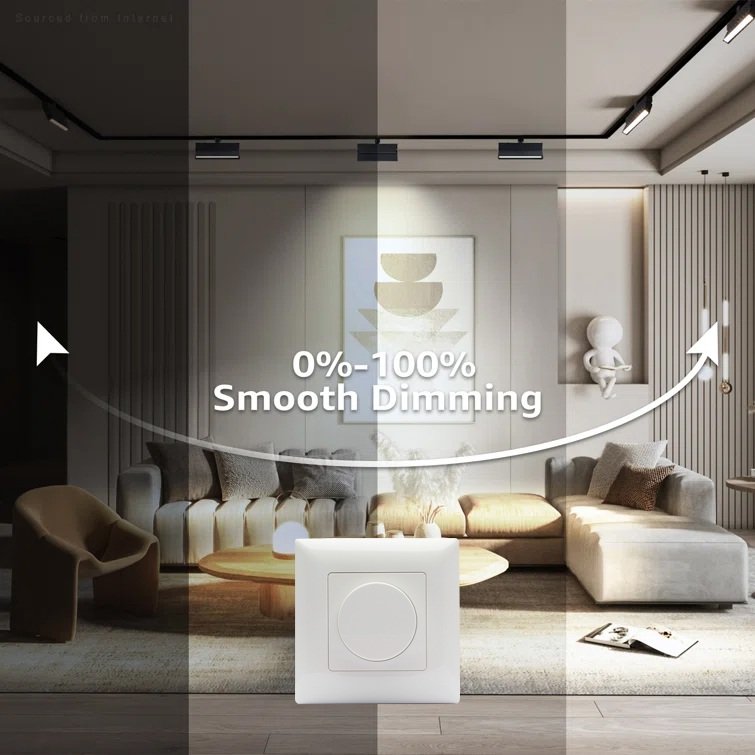
ทำไมฉันถึงชอบมัน
- การหรี่แสงอย่างนุ่มนวล
สัญญาณแอนะล็อกช่วยให้การหรี่แสงค่อยเป็นค่อยไปโดยไม่มีการกะพริบหรือการกระโดดเป็นขั้น. - ความยืดหยุ่นของระบบ
เหมาะสำหรับการติดตั้งแถบ LED ที่ต้องการการเดินสายไฟแบบขนาน. - ความง่ายในการผสานรวม
เข้ากันได้อย่างกว้างขวางกับดิimmerจากบุคคลที่สามและระบบอัตโนมัติ. - ประสิทธิภาพสูง
โดยเฉพาะในรุ่นกำลังไฟสูง (100W–300W) ไดรเวอร์เหล่านี้ให้ประสิทธิภาพ 88–92%. - คุ้มค่า
เมื่อเปรียบเทียบกับโปรโตคอลดิจิทัลอย่าง DALI แล้ว 0–10V มีราคาที่ประหยัดกว่ามาก.
ความท้าทายทั่วไปและวิธีแก้ไข?
แม้แต่ไดรเวอร์ที่ดีก็อาจพบปัญหาได้ หากคุณเคยใช้ไดรเวอร์เหล่านี้ในโครงการจริง คุณอาจเคยเจอปัญหาการกะพริบหรือแรงดันตก.
ปัญหาต่างๆ เช่น การกะพริบ การรบกวนสัญญาณ หรือแรงดันตกในระยะทางไกลสามารถเกิดขึ้นได้ แต่ส่วนใหญ่สามารถแก้ไขได้ง่ายด้วยการเดินสายไฟที่ถูกต้องและการเลือกผลิตภัณฑ์ที่ดี.
ปัญหาที่พบบ่อย
| ปัญหา | สาเหตุ | วิธีแก้ไข |
|---|---|---|
| การกระพริบ | การรบกวนหรือดิimmerคุณภาพต่ำ | ใช้สายไฟชีลด์ ดิimmerคุณภาพดี |
| แรงดันตก | สาย DC ยาวเกินไป | ใช้สายไฟที่หนาขึ้น แบ่งการเดินสายไฟ |
| ไฟไม่ดับสนิทเมื่อหรี่ต่ำสุด | ไดรเวอร์ไม่รองรับการหรี่ที่ 0V | เพิ่มรีเลย์หรือสวิตช์ |
| การหรี่แสงไม่สม่ำเสมอ | การผสมยี่ห้อ | ใช้ไดรเวอร์และดิimmerยี่ห้อเดียวกัน |
ตัวอย่างเช่น ลูกค้าคนหนึ่งของฉันใช้สายไฟไม่มีชีลด์สำหรับสายหรี่แสงในการติดตั้งร้านค้าปลีกยาว 30 เมตร ผลลัพธ์? ไฟกะพริบทุกๆ ไม่กี่วินาที การเปลี่ยนเป็นสายไฟชีลด์สำหรับหรี่แสงช่วยแก้ปัญหาได้.
การเลือกไดรเวอร์ที่เหมาะสมสำหรับโครงการของคุณ?
ไม่มีไดรเวอร์ใดที่เหมาะกับทุกงาน คุณต้องเลือกสเปคอย่างรอบคอบ โดยเฉพาะอย่างยิ่งสำหรับการผลิตในระดับขนาดใหญ่.
เมื่อเลือกไดรเวอร์แรงดันคงที่ 0–10V ควรพิจารณาแรงดันเอาต์พุต กำลังไฟรวม เส้นโค้งการหรี่แสง ใบรับรอง และรูปแบบทางกายภาพ.
พารามิเตอร์สำคัญที่ต้องตรวจสอบ
| พารามิเตอร์ | เหตุผลที่สำคัญ |
|---|---|
| แรงดันเอาต์พุต | ต้องตรงกับแรงดันไฟฟ้าของโมดูล LED |
| พิกัดกำลังไฟ | เลือกสูงกว่าโหลด 20% |
| ช่วงการหรี่แสง | ตรวจสอบระดับการหรี่ต่ำสุดที่รองรับ |
| ใบรับรอง | UL, CE, RoHS เพื่อการปฏิบัติตามข้อกำหนด |
| ระดับการป้องกันของตัวเรือน | ระดับ IP สำหรับการใช้งานกลางแจ้ง |
| ขนาดและรูปทรง | ต้องพอดีกับตัวเรือนโคมไฟ |
ผู้ซื้ออย่าง Jacky ควรขอตัวอย่างทดสอบจากซัพพลายเออร์เสมอ เพื่อทดสอบในโคมไฟจริงและตรวจสอบพฤติกรรมทางความร้อน ความราบรื่นในการหรี่แสง และประสิทธิภาพ EMI.
ทำไมต้องเลือก BOQI เป็นพันธมิตรด้านการหรี่แสงที่เชื่อถือได้ของคุณ?
เมื่อมีตัวเลือกหลายร้อยแบบในตลาด ทำไมผู้เชี่ยวชาญจำนวนมากจึงเลือกทำงานกับเรา?
BOQI นำเสนอไดรเวอร์ constant voltage 0–10V คุณภาพสูงพร้อมตัวเลือกปรับแต่ง การสนับสนุนระดับโลกที่รวดเร็ว และความเชี่ยวชาญทางเทคนิคเชิงลึก.

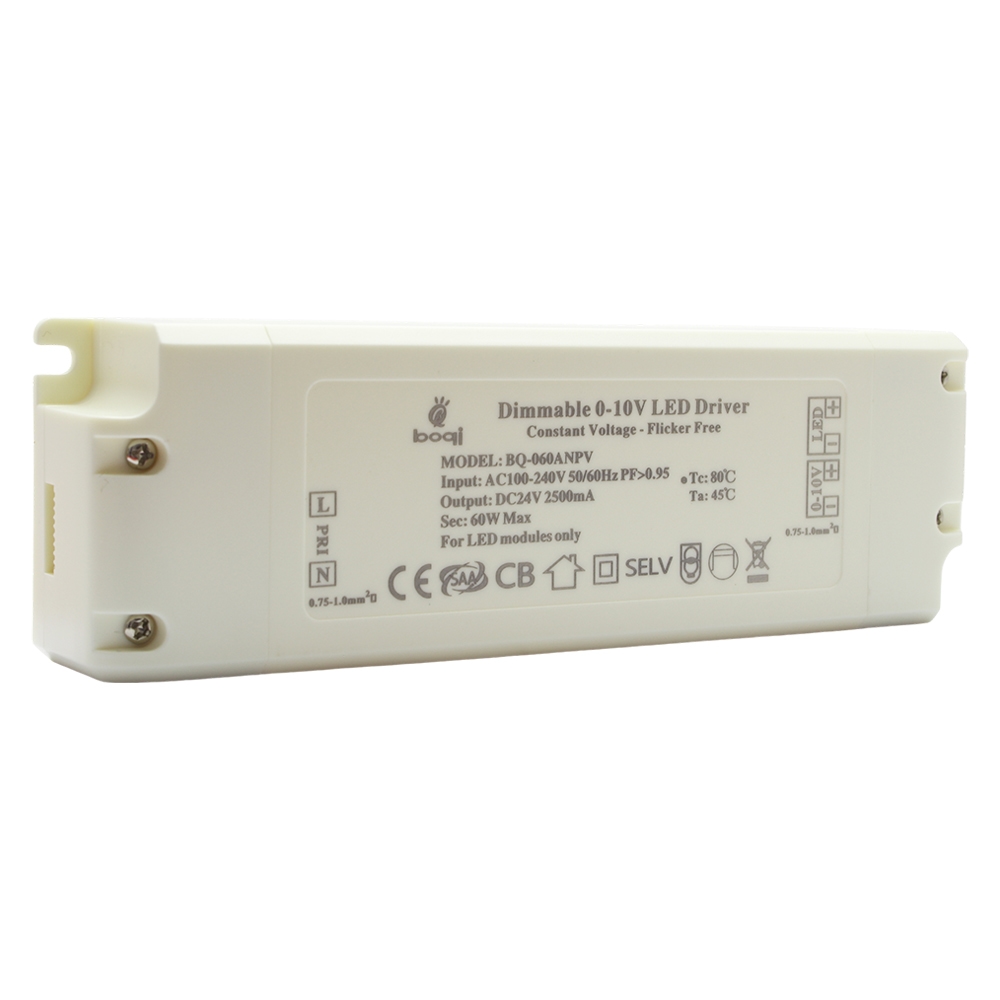
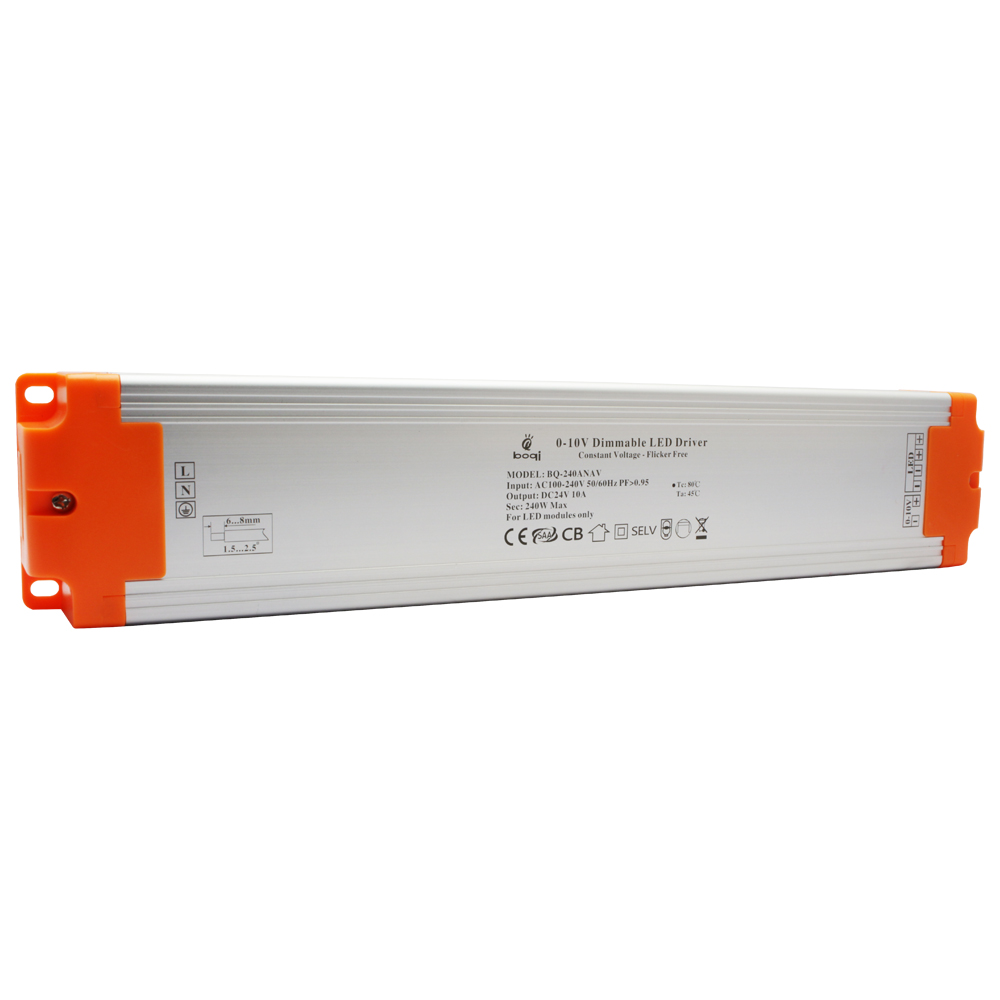
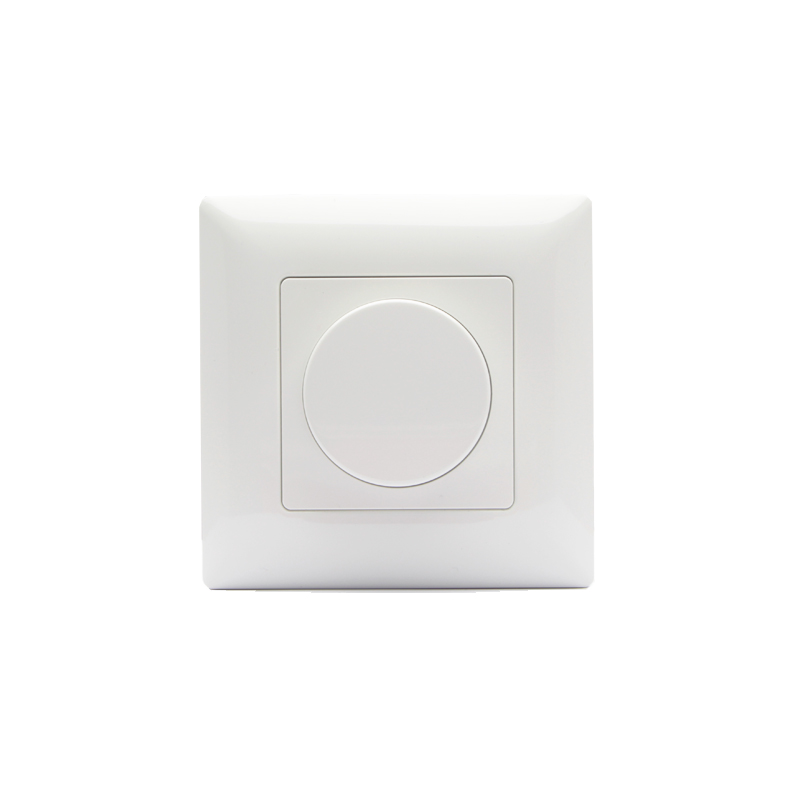
เราเข้าใจความต้องการในการใช้งานของคุณ เราได้ช่วยลูกค้าขยายระบบไฟส่องสว่างของพวกเขาทั่วเครือร้านค้าปลีก โรงแรม และโครงการสถาปัตยกรรม ไม่ว่าคุณจะต้องการหน่วยกันน้ำ 30W หรือเวอร์ชันอุตสาหกรรม 240W เราจะปรับแต่งให้คุณ.
เรานำเสนอ:
- เส้นโค้งการหรี่แสงที่ปรับแต่งได้
- การออกแบบกะทัดรัดสำหรับการติดตั้งในพื้นที่แคบ
- การรับรอง CE, SAA, CB และ RoHS
- การสร้างต้นแบบอย่างรวดเร็วและการผลิตจำนวนมาก
- การสนับสนุนทางวิศวกรรมตั้งแต่การออกแบบจนถึงการส่งมอบ
บทสรุป
ไดรเวอร์ LED constant voltage 0–10V นำเสนอการผสมผสานที่ทรงพลังของความเรียบง่าย ความเข้ากันได้ และประสิทธิภาพ ทำให้เป็นตัวเลือกที่ชาญฉลาดสำหรับระบบไฟส่องสว่างสมัยใหม่.