













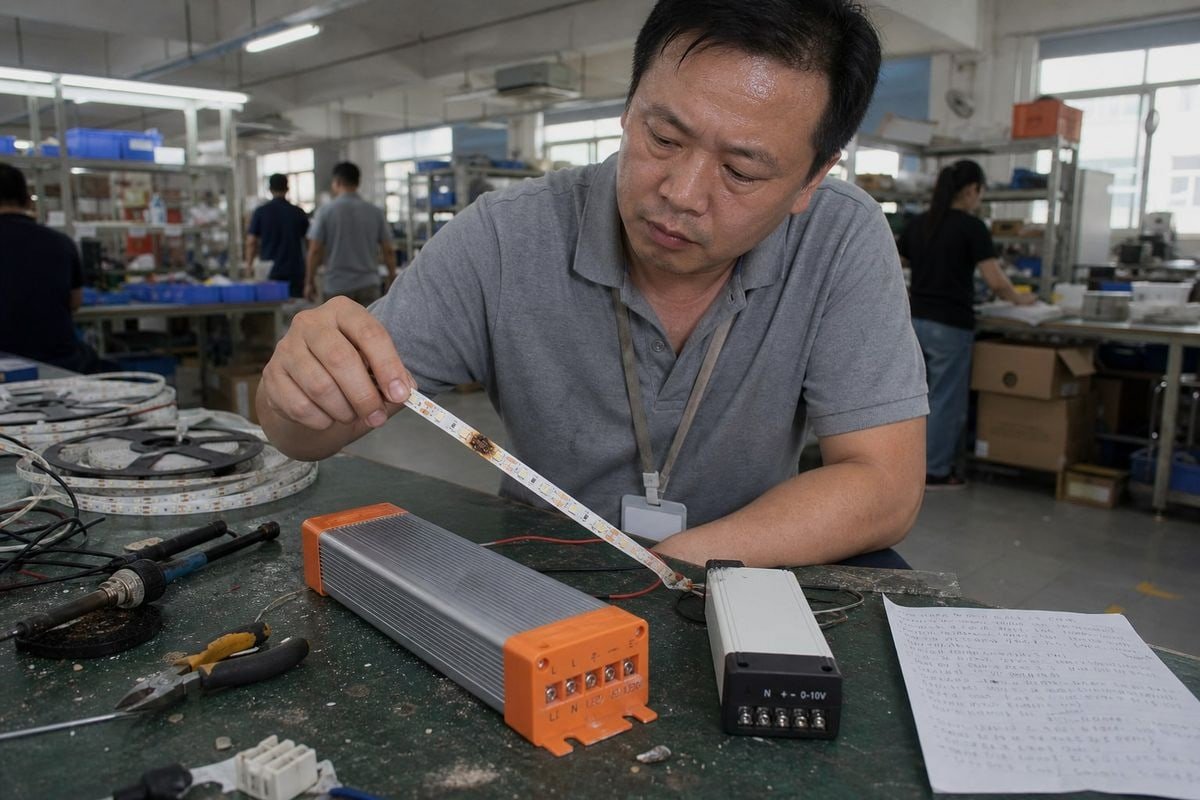
Scegliere la tensione costante invece della corrente costante confonde molti acquirenti. Sulla nostra linea di produzione di Shenzhen, vediamo ogni mese scelte errate di driver che bruciano strisce LED, ritardano progetti e sprecano budget di approvvigionamento.
Utilizzare un driver LED a tensione costante invece di un driver a corrente costante quando il carico LED richiede una tensione fissa—tipicamente 12V o 24V—e dispone di un proprio circuito di limitazione o regolazione della corrente. Il driver mantiene stabile la tensione di uscita, mentre il carico collegato determina quanta corrente assorbe.
Questa è la risposta breve. Ma la vera domanda non è CV contro CC come rivali. È quale variabile la tua fonte di alimentazione dovrebbe regolare per il tuo carico specifico. Lascia che ti spieghi come aiutiamo gli acquirenti a decidere.
Come faccio a sapere se il mio progetto LED necessita di tensione costante invece di corrente costante?
Un distributore a Singapore ci ha inviato una volta una scheda tecnica chiedendo un “driver da 350mA per nastro LED da 24V.” Questa discrepanza è esattamente il motivo per cui questa domanda conta. L'etichetta sul tuo prodotto LED ti dice quasi tutto.
Il tuo progetto necessita di tensione costante se il prodotto LED specifica un ingresso di tensione, come 12V o 24V DC, e include resistori di limitazione della corrente integrati o regolatori onboard. Se il prodotto specifica una corrente fissa in milliampere, come 350mA o 700mA, necessita invece di un driver a corrente costante.
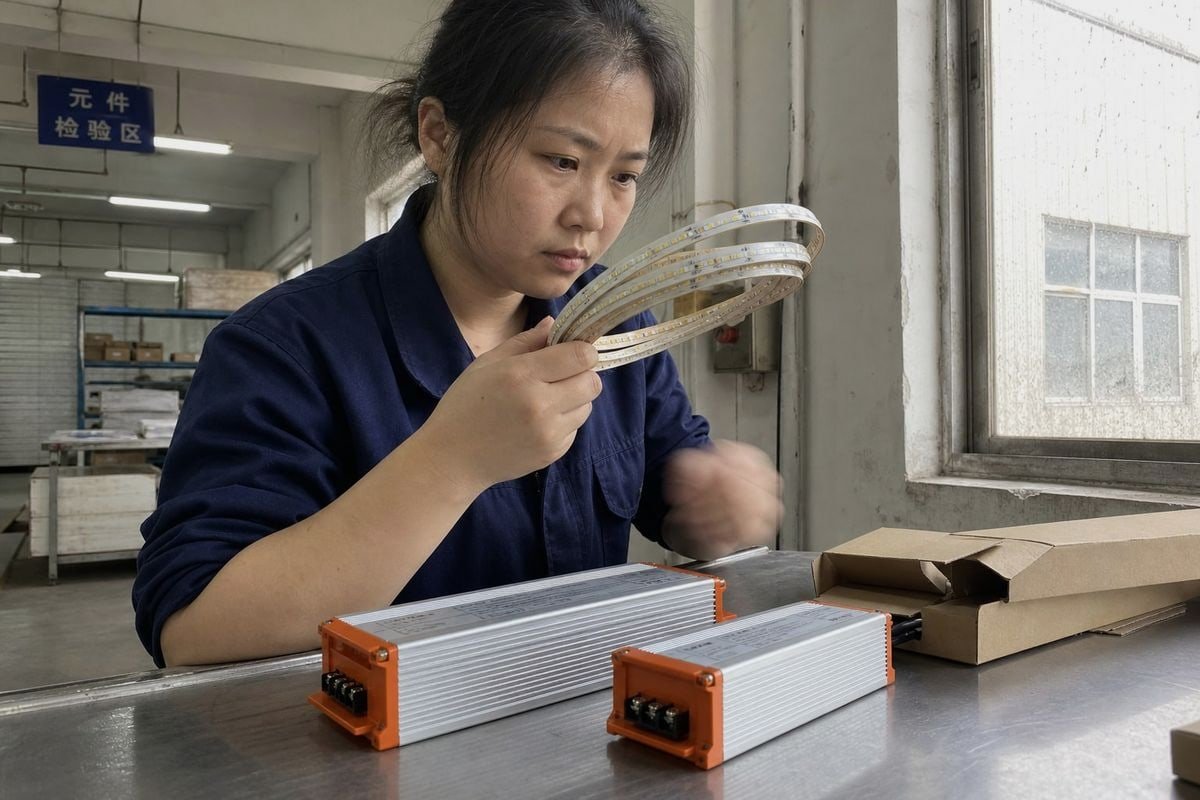
Il controllo più rapido è leggere le specifiche del driver LED 1 stampate sul carico stesso. I prodotti guidati da tensione indicano una linea, come “Ingresso: 24V DC.” I prodotti guidati da corrente indicano una corrente di pilotaggio e un intervallo di tensione, come “700mA, 27–42V.” I nostri ingegneri applicano questa regola quotidianamente quando abbinano i nostri driver dimmerabili agli apparecchi dei clienti durante lo sviluppo OEM.
Perché è il carico a decidere, non il driver
Un LED è un dispositivo guidato da corrente a livello di chip. La sua corrente aumenta bruscamente una volta superata la soglia di tensione diretta. Quindi qualcosa deve regolare la corrente. L'unica domanda è dove risiede quella regolazione. Nelle strisce LED, ogni segmento tagliato porta il proprio resistore di limitazione della corrente 2, quindi la regolazione vive sul nastro. Ecco perché una linea di tensione stabile è tutto ciò di cui la striscia ha bisogno dal driver. In un COB nudo o in una stringa di LED ad alta potenza, nulla sul carico regola la corrente, quindi il driver deve farlo direttamente.
Una lista di controllo rapida per la decisione
- Leggi l'etichetta del prodotto. Una classificazione di tensione senza una classificazione fissa in mA significa tensione costante.
- Cerca resistori onboard o IC driver sulla scheda LED. Se presenti, la tensione costante è probabilmente corretta.
- Controlla il piano di cablaggio. I carichi progettati per una configurazione di circuito parallelo su una linea condivisa si aspettano quasi sempre tensione costante.
- Controlla i controller esterni. Se un controller di dimmerazione PWM o un sequenziatore RGB si trova tra driver e carico, hai bisogno di tensione costante.
- In caso di dubbio, chiedi al tuo fornitore la scheda tecnica. Rispondiamo a queste domande per gli acquirenti prima di ogni ordine campione, perché un'ipotesi sbagliata in questa fase è l'errore più costoso dell'intero progetto.
Quali sono le differenze chiave che dovrei valutare tra driver CV e CC prima dell'approvvigionamento?
I compromessi sono dove spendiamo la maggior parte delle nostre conversazioni pre-vendita. Quando un responsabile degli acquisti confronta le nostre due famiglie di driver, il prezzo è la sua prima domanda, ma il rischio di guasto dovrebbe essere la seconda.
Valuta cinque differenze prima dell'approvvigionamento: cosa regola il driver (tensione vs. corrente), il tipo di carico che si adatta, la topologia di cablaggio (parallelo vs. serie), costo e flessibilità di riconfigurazione, e comportamento di protezione. I driver CC proteggono direttamente i LED sensibili alla corrente; i driver CV si affidano alla regolazione della corrente del carico stesso.
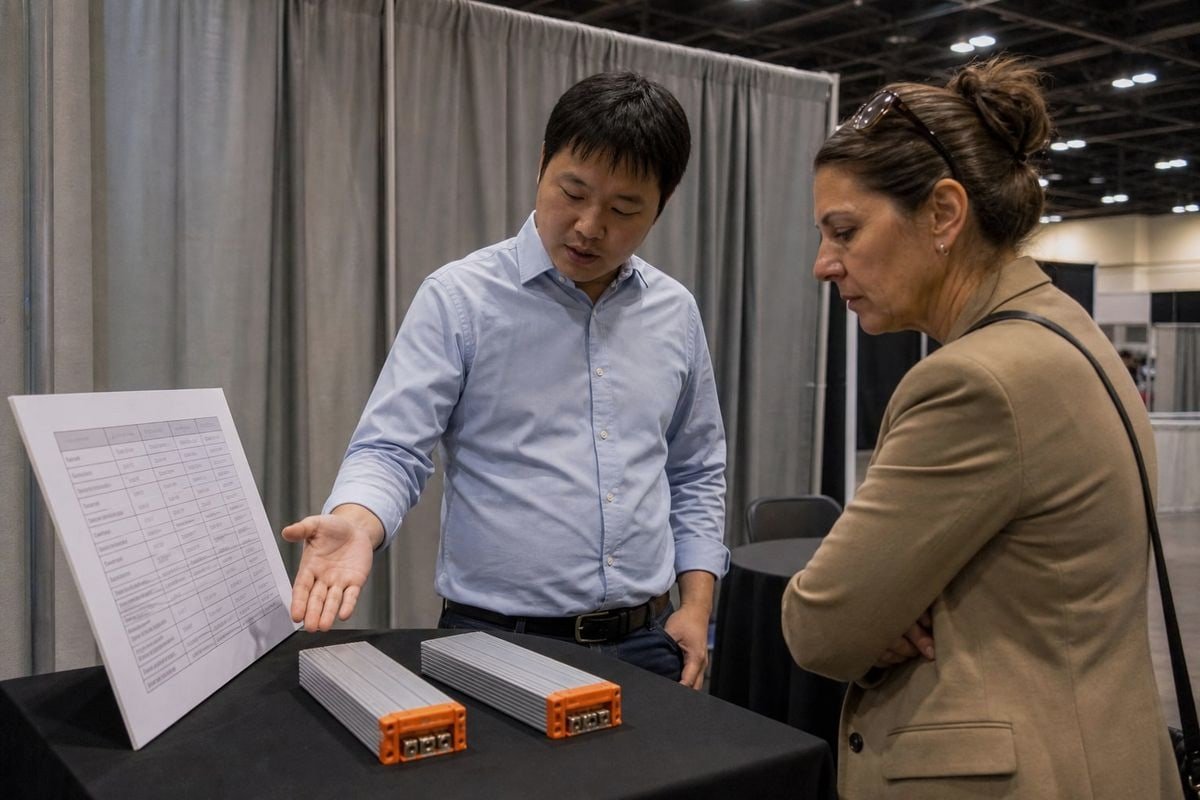
Ecco la tabella di confronto che condividiamo con gli acquirenti alle fiere:
| Fattore | Tensione costante (CV) | Corrente costante (CC) |
|---|---|---|
| Variabile regolata | Tensione di uscita fissa; la corrente varia con il carico | Corrente di uscita fissa; la tensione varia con il carico |
| Uscite tipiche | 12V, 24V, 48V DC | 350mA, 700mA, 1050mA su un intervallo di tensione |
| Tipo di carico migliore | Strisce LED, moduli, insegne con regolazione onboard | Stringhe di LED nudi, LED ad alta potenza, downlight |
| Cablaggio | Configurazione di circuito parallelo | Stringhe in serie (il confronto serie vs. parallelo dei LED conta qui) |
| Costo e flessibilità | Più economico, facile da riconfigurare e tagliare a misura | Più preciso, meno flessibile, deve corrispondere alla stringa |
| Rischio di guasto | Sicuro se il carico si autolimita; rischioso altrimenti | Rischio inferiore di sovracorrente LED e fuga termica |
La variabile che conta: cosa viene mantenuto costante
In modalità CV, la tensione è fissa e la corrente varia con la resistenza del carico. In modalità CC, la corrente è fissa e la tensione oscilla per mantenerla. È interessante notare che molti alimentatori regolati passano automaticamente tra le due: un alimentatore da banco impostato su CV si comporta come CV finché il carico non supera il limite di corrente, poi passa al comportamento CC. Ecco perché entrambe le etichette compaiono su un unico strumento.
Efficienza e rischio di guasto
I driver CC sono tipicamente più efficienti e meno propensi a danneggiare i LED, perché impongono la disciplina della corrente alla fonte. I driver CV sono più economici e più facili da riconfigurare, ma richiedono che i LED abbiano una protezione di corrente integrata. Nella nostra piattaforma modulare di alimentatori switching 3 , entrambi i tipi condividono lo stesso alloggiamento in alluminio e design termico, ma il circuito di retroazione interno è completamente diverso. L'efficienza dell'alimentatore dipende anche dal carico: un driver CV che opera al 20% di carico spreca più energia in proporzione, quindi dimensionate il driver a circa l'80% della capacità.
Non dare per scontato che il CV sia sempre la scelta “sicura”
Un'obiezione che sentiamo dagli acquirenti: “Il CV sembra più semplice, quindi deve essere più sicuro.” Non proprio. Un alimentatore CV può spingere corrente eccessiva in un carico a bassa resistenza senza nulla che lo fermi. La semplicità equivale alla sicurezza solo quando il carico si autoregola.
Posso passare da corrente costante a tensione costante senza riprogettare i miei apparecchi di illuminazione?
Una lezione che abbiamo imparato all'inizio della nostra attività di esportazione: un cliente italiano ha provato a sostituire i driver CC per downlight con unità CV più economiche senza toccare il dispositivo. Metà dei campioni ha fallito i test termici entro pochi giorni.
Di solito non senza modifica. Un dispositivo alimentato in CC non ha regolazione interna della corrente, quindi collegarlo a un driver a tensione costante richiede l'aggiunta di resistori limitatori di corrente o un regolatore integrato sulla scheda LED. Solo i carichi già progettati per un ingresso a tensione fissa possono passare direttamente.
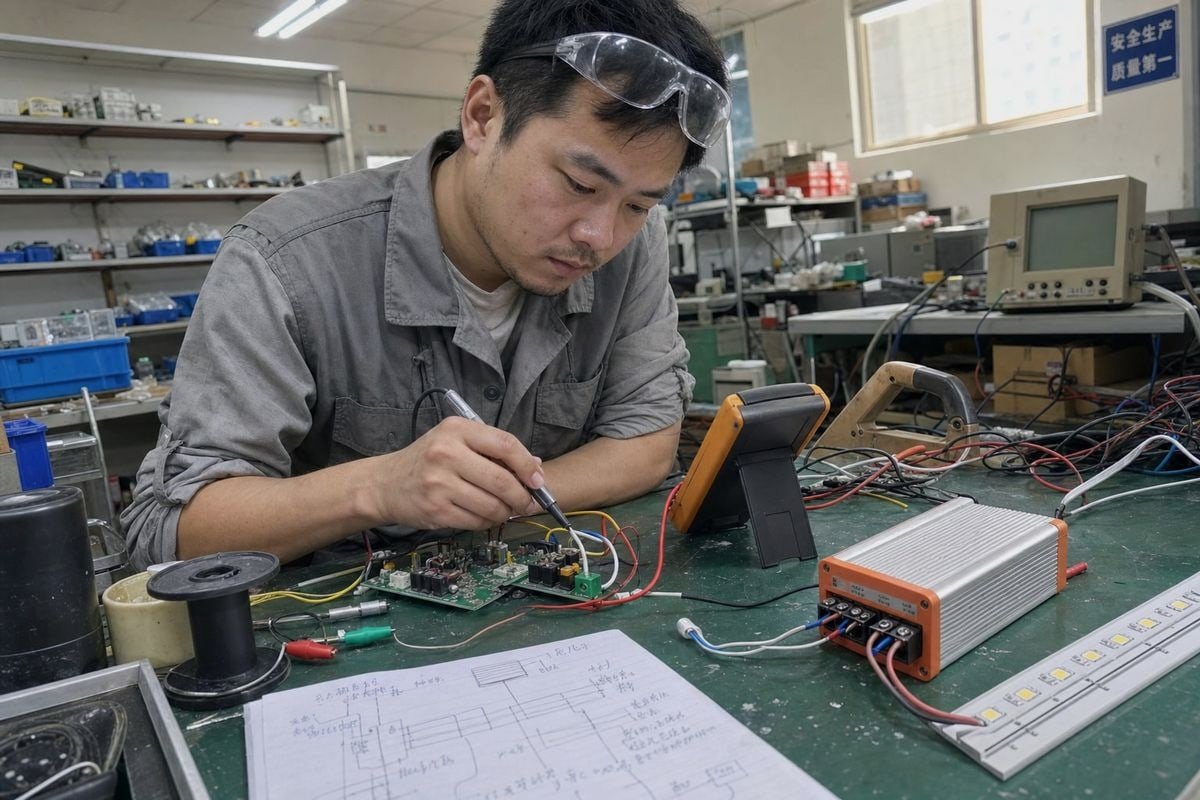
La buona notizia è che una riprogettazione non è sempre profonda. Dipende da cosa contiene già il vostro dispositivo. Ecco il percorso realistico, passo dopo passo.
La valutazione di conversione in quattro fasi
- Verificate la scheda LED. Se la scheda è una semplice stringa in serie di LED senza resistori o IC driver, non può accettare direttamente un rail a tensione fissa. La connessione diretta rischia una fuga termica, dove l'aumento della temperatura di giunzione abbassa la tensione diretta, attira più corrente e riscalda ulteriormente il LED in un ciclo distruttivo.
- Scegliete il metodo di regolazione. Aggiungere un resistore di limitazione della corrente per stringa è economico ma spreca potenza come calore e riduce l'efficienza dell'alimentatore. Aggiungere un piccolo IC regolatore lineare o switching sulla scheda è più efficiente e mantiene la luminosità stabile mentre la caduta di tensione varia lungo il cablaggio.
- Ripianificate la topologia del cablaggio. I sistemi CC collegano i LED in serie; i sistemi CV favoriscono rami in parallelo. LED in serie vs parallelo non è una scelta estetica—cambia come si comporta un singolo guasto. In un array CV parallelo ben progettato, un ramo guasto non spinge corrente extra e stress termico sui rami sopravvissuti, prevenendo guasti a cascata in grandi installazioni.
- Riverificate termica e dimmerazione. I resistori aggiungono calore all'interno del dispositivo. E anche il vostro schema di dimmerazione cambia: i driver CC spesso dimmerano regolando la corrente, mentre i sistemi CV usano tipicamente PWM dimming sul lato del carico.
Per clienti con scadenze di progetto strette, spesso co-sviluppiamo un piccolo modulo LED regolato durante il campionamento OEM così che l'alloggiamento del dispositivo rimanga invariato. Questo protegge l'investimento in stampi mentre rende pulita la conversione elettrica.
Quali applicazioni nella mia linea di prodotti traggono maggior beneficio dai driver LED a tensione costante?
Ogni mese esaminiamo quali SKU di driver i nostri distributori europei e del sud-est asiatico riordinano di più. Il modello è coerente: la tensione costante domina ovunque flessibilità, taglio in campo e controllo multi-zona contano.
I driver LED a tensione costante avvantaggiano maggiormente strisce LED, insegne, moduli LED, illuminazione architetturale a incasso e sistemi smart multi-zona. Si adattano a qualsiasi prodotto con ingresso DC standardizzato a 12V, 24V o 48V, cablaggio parallelo, lunghezze tagliabili in campo o controller PWM esterni e controller RGB.
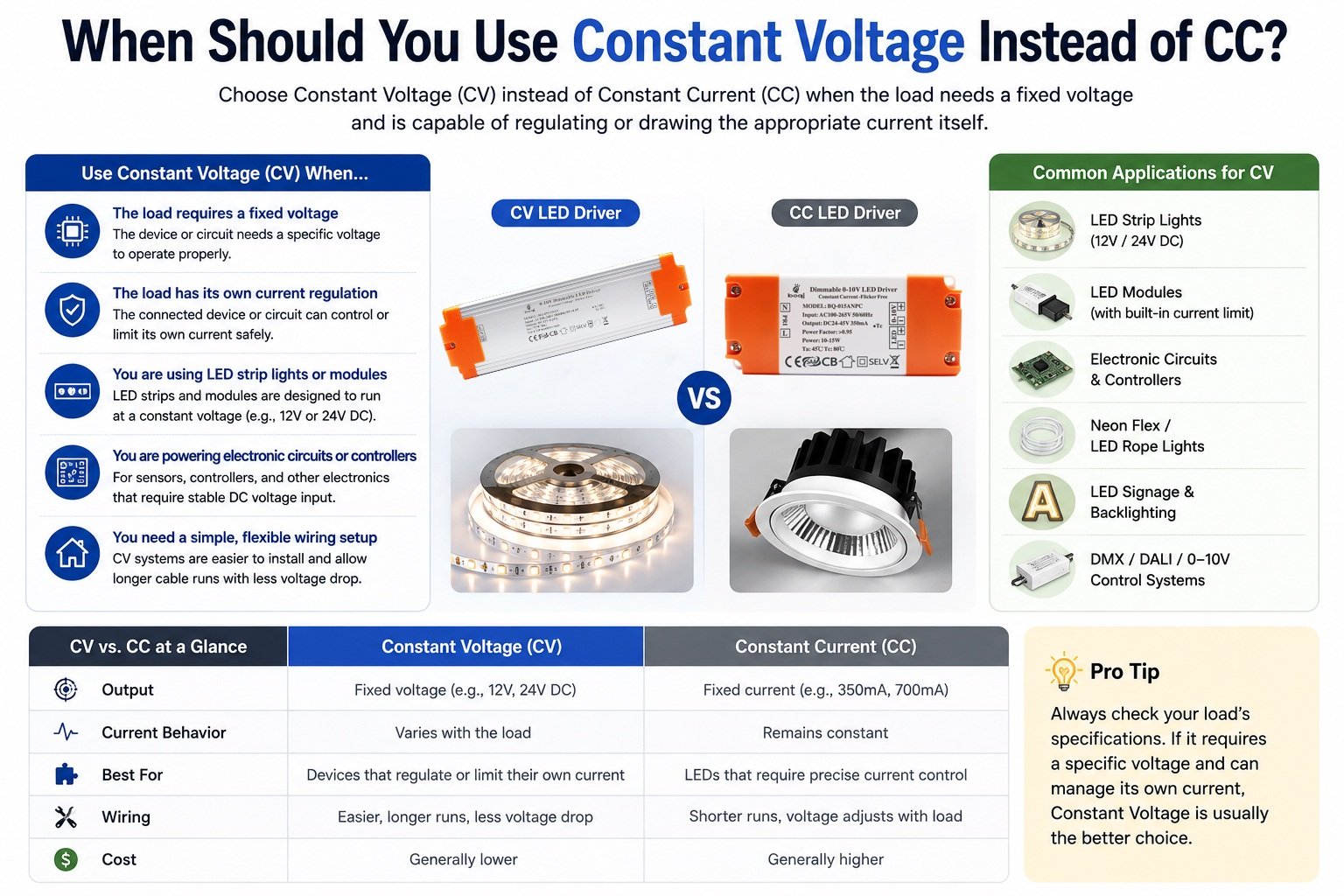
Se vendete nel settore dell'illuminazione residenziale, retail o hospitality, la tensione costante coprirà probabilmente la maggior parte del vostro catalogo. Ecco come si suddividono le principali applicazioni, basandoci su ciò che costruiamo per clienti private-label:
| Applicazione | Perché CV si adatta | Rail tipico |
|---|---|---|
| Nastro LED e strisce luminose | Tagliabile in campo senza ricalcolare la potenza; resistori integrati gestiscono la corrente | 12V / 24V |
| Insegne e lettere canalizzate | Molti moduli in parallelo su un unico rail condiviso; installazione semplice | 12V |
| Sistemi RGB / bianco tunabile | Controller di dimmerazione PWM esterni e sequenziatori colore si trovano tra driver e carico | 24V |
| Percorsi architetturali ad alta densità | I sistemi a 48V minimizzano la caduta di tensione e riducono il calibro del filo di rame su lunghe distanze | 48V |
| Infrastruttura di illuminazione PoE | Compatibilità nativa con un rail DC fisso consegnato al bordo | Classe 48V |
| Illuminazione smart multi-zona | La stabilità della tensione di uscita mantiene la luminosità coerente mentre le zone si attivano indipendentemente | 12V / 24V |
Dove il 48V sta cambiando il quadro
Il passaggio verso la tensione costante a 48V merita attenzione se fornite progetti architetturali. Alla stessa potenza, il 48V trasporta un quarto della corrente del 12V. Corrente inferiore significa drasticamente meno caduta di tensione lungo cavi lunghi e rame più sottile ed economico. Si allinea anche con illuminazione Power over Ethernet 4, dove un rail DC fisso raggiunge ogni dispositivo periferico. Diversi nostri clienti ingegneristici in Australia e Germania hanno standardizzato sul 48V esattamente per queste ragioni.
Posizionamento dei costi nel tuo catalogo
I driver CV sono generalmente più convenienti e più facilmente disponibili, il che riduce il costo complessivo del sistema nei progetti residenziali. Per una gamma a marchio privato, ciò significa che il CV copre le linee ad alto volume, mentre i driver CC con tolleranze più strette ancorano le serie premium per downlight e binari luce. Le nostre unità CV dimmerabili — con alloggiamenti in alluminio sottili, certificazioni SELV, CE e SAA e terminali 0-10V — vengono tipicamente spedite come cavallo di battaglia di volume della gamma di un cliente.
Conclusione
Scelte errate del driver danneggiano i corpi illuminanti e le scadenze. La soluzione è semplice: abbina il driver a ciò che il tuo carico regola e lascia che la tensione costante alimenti ogni linea di prodotto a tensione fissa e autolimitante.
Note a piè di pagina
L'IEC stabilisce standard internazionali per la sicurezza e le prestazioni dei driver LED e dei controlgear. ↩︎
Spiega la configurazione elettrica e il ruolo dei resistori nella protezione dei LED dalle sovracorrenti. ↩︎
Il DOE fornisce dati tecnici sull'efficienza degli alimentatori a commutazione e sugli standard per gli adattatori di alimentazione esterni. ↩︎
Gli standard IEEE definiscono i requisiti tecnici per la trasmissione di potenza e dati all'illuminazione LED tramite Ethernet. ↩︎