












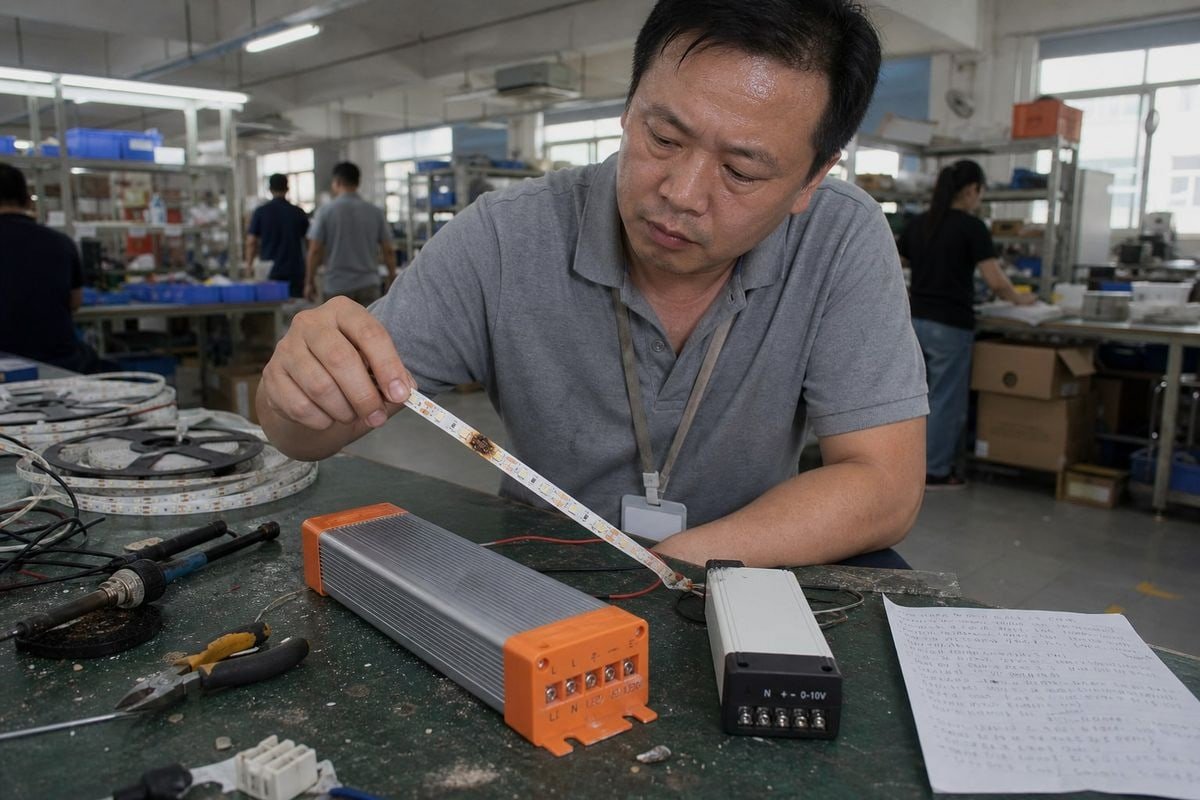
การเลือกใช้ constant voltage แทน CC สร้างความสับสนให้กับผู้ซื้อจำนวนมาก บนสายการผลิตที่เซินเจิ้นของเรา เราพบว่าการเลือก driver ที่ผิดทำให้ LED strip ไหม้ โครงการล่าช้า และสิ้นเปลืองงบประมาณจัดซื้อทุกเดือน.
ใช้ constant voltage LED driver แทน constant current driver เมื่อโหลด LED ต้องการแรงดันไฟฟ้าคงที่—โดยทั่วไปคือ 12V หรือ 24V—และมีวงจรจำกัดกระแสหรือควบคุมกระแสในตัวของมันเอง driver จะรักษาแรงดันเอาต์พุตให้คงที่ ในขณะที่โหลดที่เชื่อมต่อเป็นตัวกำหนดว่าดึงกระแสเท่าใด.
นั่นคือคำตอบสั้นๆ แต่คำถามที่แท้จริงไม่ใช่ CV กับ CC ในฐานะคู่แข่ง แต่เป็นว่าตัวแปรใดที่แหล่งจ่ายไฟของคุณควรควบคุมสำหรับโหลดเฉพาะของคุณ ให้ฉันอธิบายวิธีที่เราช่วยผู้ซื้อตัดสินใจ.
ฉันจะรู้ได้อย่างไรว่าโครงการ LED ของฉันต้องการ constant voltage แทน constant current?
ตัวแทนจำหน่ายในสิงคโปร์เคยส่งสเปกชีตมาให้เราโดยขอ “driver 350mA สำหรับเทปไฟ 24V” ความไม่ตรงกันนั้นคือเหตุผลที่คำถามนี้สำคัญ ฉลากบนผลิตภัณฑ์ LED ของคุณบอกเกือบทุกอย่าง.
โครงการของคุณต้องการ constant voltage หากผลิตภัณฑ์ LED ระบุแรงดันไฟฟ้าขาเข้า เช่น 12V หรือ 24V DC และมีตัวต้านทานจำกัดกระแสในตัวหรือตัวควบคุมบนบอร์ด หากผลิตภัณฑ์ระบุกระแสคงที่เป็นมิลลิแอมป์ เช่น 350mA หรือ 700mA ผลิตภัณฑ์นั้นต้องการ constant current driver แทน.
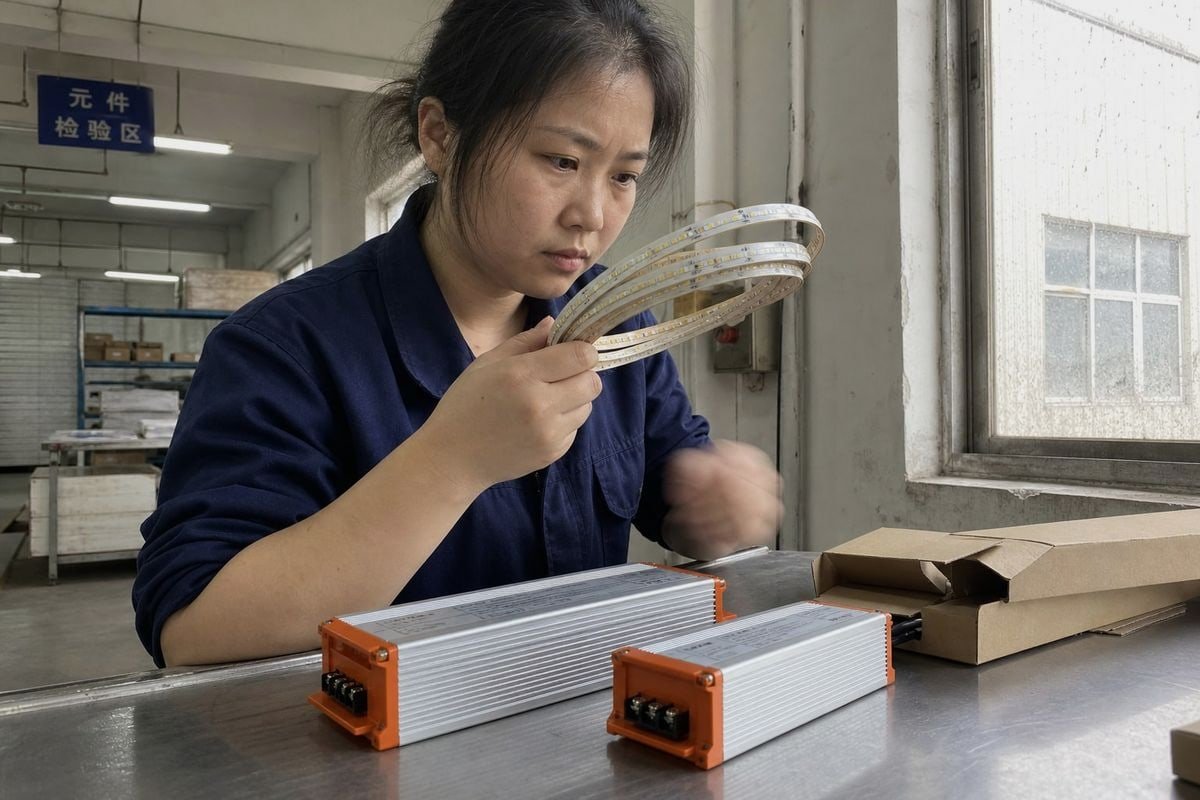
การตรวจสอบที่เร็วที่สุดคือการอ่าน ข้อมูลจำเพาะของ LED driver 1 ที่พิมพ์บนโหลดเอง ผลิตภัณฑ์ที่ขับด้วยแรงดันไฟฟ้าจะระบุแรงดัน เช่น “Input: 24V DC” ผลิตภัณฑ์ที่ขับด้วยกระแสจะระบุกระแสขับและช่วงแรงดัน เช่น “700mA, 27–42V” วิศวกรของเราใช้กฎนี้ทุกวันในการจับคู่ dimmable drivers กับโคมไฟของลูกค้าระหว่างการพัฒนา OEM.
ทำไมโหลดเป็นตัวตัดสิน ไม่ใช่ driver
LED เป็นอุปกรณ์ที่ขับด้วยกระแสในระดับชิป กระแสจะเพิ่มขึ้นอย่างรวดเร็วเมื่อผ่านเกณฑ์แรงดันไปข้างหน้า ดังนั้นต้องมีสิ่งใดสิ่งหนึ่งควบคุมกระแส คำถามเดียวคือการควบคุมนั้นอยู่ที่ใด ในไฟแถบ LED แต่ละส่วนที่ตัดจะมี ตัวต้านทานจำกัดกระแส 2, ของตัวเอง ดังนั้นการควบคุมจึงอยู่บนเทป นั่นคือเหตุผลที่แถบไฟต้องการเพียงแรงดันไฟฟ้าที่คงที่จาก driver ใน COB เปล่าหรือชุด LED กำลังสูง ไม่มีสิ่งใดบนโหลดควบคุมกระแส ดังนั้น driver ต้องทำโดยตรง.
รายการตรวจสอบการตัดสินใจอย่างรวดเร็ว
- อ่านฉลากผลิตภัณฑ์ การระบุแรงดันไฟฟ้าโดยไม่มีค่า mA คงที่หมายถึง constant voltage.
- มองหาตัวต้านทานบนบอร์ดหรือ driver IC บนแผง LED หากมีอยู่ constant voltage มักจะถูกต้อง.
- ตรวจสอบแผนการเดินสาย โหลดที่ออกแบบมาสำหรับการเชื่อมต่อแบบขนานบนแรงดันร่วมมักจะคาดหวัง constant voltage.
- ตรวจสอบตัวควบคุมภายนอก หากมี PWM dimming controller หรือ RGB sequencer อยู่ระหว่าง driver และโหลด คุณต้องใช้ constant voltage.
- เมื่อไม่แน่ใจ ให้ขอ datasheet จากซัพพลายเออร์ เราตอบคำถามเหล่านี้ให้ผู้ซื้อก่อนทุกคำสั่งซื้อตัวอย่าง เพราะการสมมติผิดในขั้นตอนนี้คือความผิดพลาดที่แพงที่สุดในทั้งโครงการ.
ความแตกต่างหลักที่ฉันควรประเมินระหว่าง CV และ CC driver ก่อนจัดหาคืออะไร?
ข้อแลกเปลี่ยนคือสิ่งที่เราใช้เวลาส่วนใหญ่ในการสนทนาก่อนการขาย เมื่อผู้จัดการฝ่ายจัดซื้อเปรียบเทียบ driver สองตระกูลของเรา ราคาคือคำถามแรกของเธอ แต่ความเสี่ยงต่อความเสียหายควรเป็นคำถามที่สอง.
ประเมินความแตกต่างห้าประการก่อนจัดหา: สิ่งที่ driver ควบคุม (แรงดัน vs. กระแส), ประเภทโหลดที่เหมาะสม, โทโพโลยีการเดินสาย (ขนาน vs. อนุกรม), ต้นทุนและความยืดหยุ่นในการปรับเปลี่ยน และพฤติกรรมการป้องกัน CC drivers ปกป้อง LED ที่ไวต่อกระแสโดยตรง CV drivers อาศัยการควบคุมกระแสของโหลดเอง.
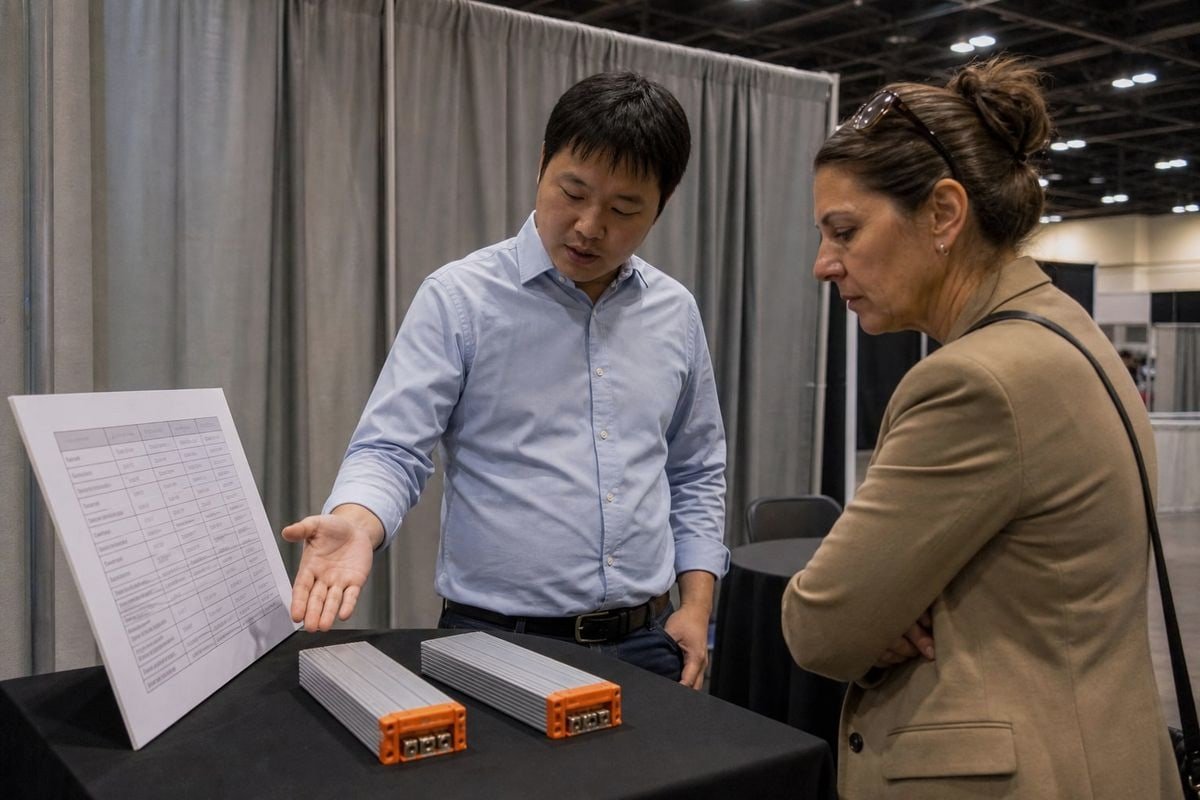
นี่คือตารางเปรียบเทียบที่เราแบ่งปันกับผู้ซื้อในงานแสดงสินค้า:
| ปัจจัย | แรงดันคงที่ (CV) | กระแสคงที่ (CC) |
|---|---|---|
| ตัวแปรที่ถูกควบคุม | แรงดันเอาต์พุตคงที่ กระแสแปรตามโหลด | กระแสเอาต์พุตคงที่ แรงดันแปรตามโหลด |
| เอาต์พุตทั่วไป | 12V, 24V, 48V DC | 350mA, 700mA, 1050mA ในช่วงแรงดัน |
| ประเภทโหลดที่เหมาะสมที่สุด | LED strips, โมดูล, ป้ายที่มีการควบคุมบนบอร์ด | ชุด LED เปล่า, LED กำลังสูง, ดาวน์ไลท์ |
| การเดินสายแบบอนุกรม | การเชื่อมต่อวงจรแบบขนาน | ชุดอนุกรม (การต่อ LED แบบอนุกรม vs. ขนานสำคัญที่นี่) |
| ต้นทุนและความยืดหยุ่น | ถูกกว่า ปรับเปลี่ยนง่าย และตัดความยาวได้ | แม่นยำกว่า ยืดหยุ่นน้อยกว่า ต้องตรงกับชุด |
| ความเสี่ยงต่อความล้มเหลว | ปลอดภัยหากโหลดสามารถจำกัดตัวเองได้ มิฉะนั้นจะมีความเสี่ยง | ความเสี่ยงต่ำกว่าในการขับ LED เกินพิกัดและการหนีความร้อน |
ตัวแปรที่สำคัญ: สิ่งที่ถูกควบคุมให้คงที่
ในโหมด CV แรงดันไฟฟ้าจะคงที่และกระแสจะเปลี่ยนแปลงตามความต้านทานของโหลด ในโหมด CC กระแสจะคงที่และแรงดันไฟฟ้าจะปรับเปลี่ยนตามความจำเป็นเพื่อรักษากระแสไว้ ที่น่าสนใจคือ แหล่งจ่ายไฟแบบ regulated หลายรุ่นสลับระหว่างสองโหมดนี้โดยอัตโนมัติ: แหล่งจ่ายไฟแบบ bench ที่ตั้งค่าเป็น CV จะทำงานเป็น CV จนกว่าโหลดจะเกินขีดจำกัดกระแส จากนั้นจะเปลี่ยนเป็นพฤติกรรมแบบ CC นั่นคือเหตุผลที่ป้ายทั้งสองปรากฏบนเครื่องมือเดียวกัน.
ประสิทธิภาพและความเสี่ยงต่อความเสียหาย
ไดรเวอร์แบบ CC โดยทั่วไปมีประสิทธิภาพสูงกว่าและมีโอกาสน้อยที่จะทำให้ LED เสียหาย เนื่องจากบังคับวินัยด้านกระแสที่ต้นทาง ไดรเวอร์แบบ CV ถูกกว่าและปรับเปลี่ยนได้ง่ายกว่า แต่ต้องให้ LED มีการป้องกันกระแสในตัว ในแพลตฟอร์ม สวิตชิ่งเพาเวอร์ซัพพลาย 3 แบบโมดูลาร์ของเรา ไดรเวอร์ทั้งสองประเภทใช้ตัวเรือนอะลูมิเนียมและการออกแบบระบายความร้อนเดียวกัน แต่ลูปป้อนกลับภายในแตกต่างกันโดยสิ้นเชิง ประสิทธิภาพของแหล่งจ่ายไฟยังขึ้นอยู่กับโหลดด้วย: ไดรเวอร์แบบ CV ที่ทำงานที่โหลด 20% จะสูญเสียพลังงานตามสัดส่วนมากกว่า ดังนั้นควรเลือกขนาดไดรเวอร์ที่ประมาณ 80% ของความจุ.
อย่าสมมติว่า CV เป็นตัวเลือกที่ “ปลอดภัย” เสมอไป
ข้อโต้แย้งหนึ่งที่เราได้ยินจากผู้ซื้อ: “CV ดูง่ายกว่า ดังนั้นจึงต้องปลอดภัยกว่า” ไม่จริงทั้งหมด แหล่งจ่ายไฟแบบ CV สามารถผลักกระแสที่มากเกินไปเข้าสู่โหลดที่มีความต้านทานต่ำโดยไม่มีอะไรหยุดยั้งได้ ความเรียบง่ายจะเท่ากับความปลอดภัยก็ต่อเมื่อโหลดสามารถควบคุมตัวเองได้.
ฉันสามารถเปลี่ยนจาก constant current เป็น constant voltage โดยไม่ต้องออกแบบโคมไฟใหม่ได้หรือไม่?
บทเรียนที่เราเรียนรู้ตั้งแต่ช่วงต้นของธุรกิจส่งออก: ลูกค้าชาวอิตาลีพยายามเปลี่ยนไดรเวอร์ดาวน์ไลท์แบบ CC เป็นรุ่น CV ที่ถูกกว่าโดยไม่แตะต้องโคมไฟ ครึ่งหนึ่งของตัวอย่างล้มเหลวในการทดสอบความร้อนภายในไม่กี่วัน.
โดยปกติแล้วไม่สามารถทำได้โดยไม่มีการดัดแปลง โคมไฟที่ขับด้วย CC ไม่มีการควบคุมกระแสภายใน ดังนั้นการเชื่อมต่อกับไดรเวอร์แรงดันคงที่จึงต้องเพิ่มตัวต้านทานจำกัดกระแสหรือตัวควบคุมบนบอร์ด LED เฉพาะโหลดที่ออกแบบมาสำหรับอินพุตแรงดันคงที่อยู่แล้วเท่านั้นที่สามารถสลับได้โดยตรง.
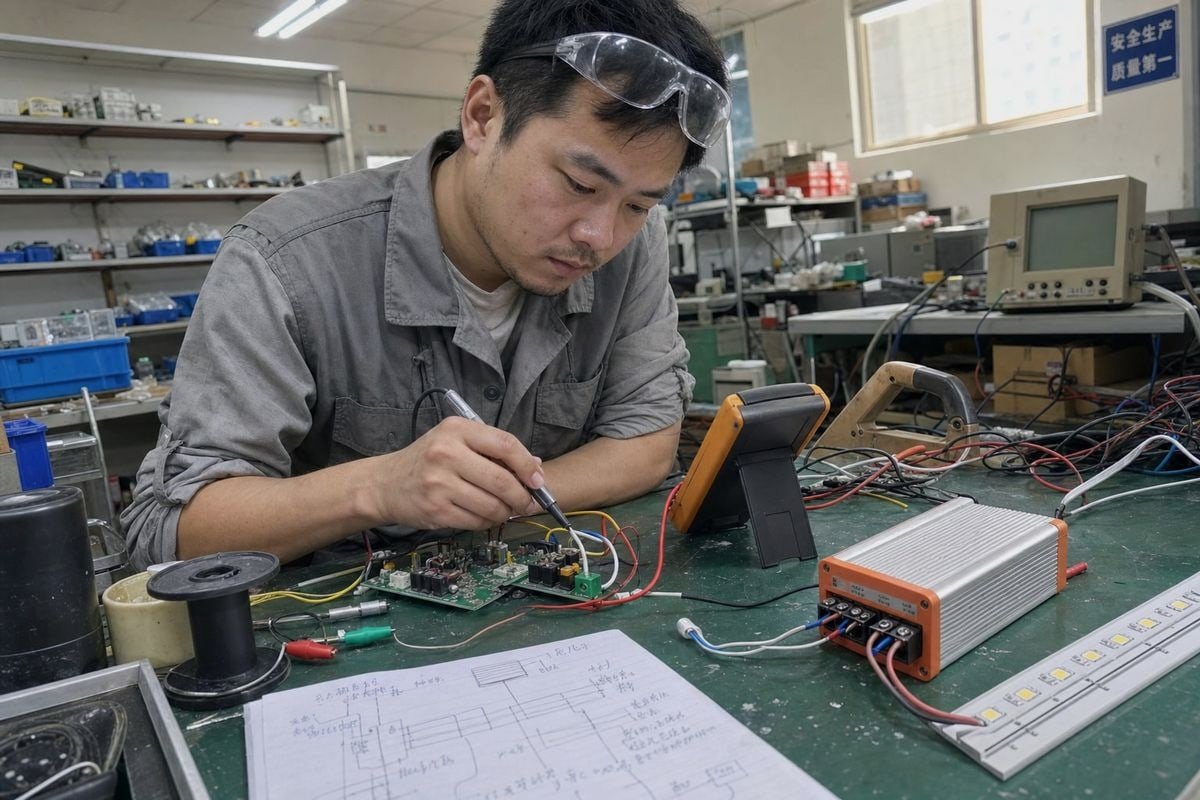
ข่าวดีคือการออกแบบใหม่ไม่จำเป็นต้องลึกเสมอไป ขึ้นอยู่กับว่าโคมไฟของคุณมีอะไรอยู่แล้ว นี่คือเส้นทางที่สมจริง ทีละขั้นตอน.
การประเมินการแปลงสี่ขั้นตอน
- ตรวจสอบบอร์ด LED. หากบอร์ดเป็นชุด LED ต่ออนุกรมเปล่าๆ โดยไม่มีตัวต้านทานหรือ IC ไดรเวอร์ จะไม่สามารถรับแรงดันไฟฟ้าคงที่ได้โดยตรง การเชื่อมต่อโดยตรงเสี่ยงต่อการหนีความร้อน ซึ่งอุณหภูมิจุดเชื่อมต่อที่สูงขึ้นจะลดแรงดันไปข้างหน้า ดึงกระแสมากขึ้น และทำให้ LED ร้อนขึ้นในวงจรทำลายล้าง.
- เลือกวิธีการควบคุม. การเพิ่ม ตัวต้านทานจำกัดกระแส ต่อสตริงมีราคาถูกแต่สูญเสียพลังงานเป็นความร้อนและลดประสิทธิภาพของแหล่งจ่ายไฟ การเพิ่ม IC ควบคุมแบบเชิงเส้นหรือสวิตชิ่งขนาดเล็กบนบอร์ดมีประสิทธิภาพมากกว่าและรักษาความสว่างให้คงที่เมื่อแรงดันตกคร่อมแปรผันตามสายไฟ.
- วางแผนโครงสร้างการเดินสายใหม่. ระบบ CC เดินสาย LED แบบอนุกรม ระบบ CV นิยมสาขาแบบขนาน LED แบบอนุกรมเทียบกับแบบขนานไม่ใช่การเลือกเชิงความสวยงาม—มันเปลี่ยนพฤติกรรมเมื่อเกิดความล้มเหลวเพียงจุดเดียว ในอาร์เรย์ CV แบบขนานที่ออกแบบอย่างดี สาขาที่ล้มเหลวหนึ่งสาขาจะไม่ผลักกระแสและความเครียดจากความร้อนเพิ่มเติมไปยังสาขาที่เหลือ ซึ่งป้องกันความล้มเหลวแบบลูกโซ่ในการติดตั้งขนาดใหญ่.
- ตรวจสอบระบบระบายความร้อนและการหรี่แสงอีกครั้ง. ตัวต้านทานเพิ่มความร้อนภายในโคมไฟ และรูปแบบการหรี่แสงของคุณก็เปลี่ยนไปด้วย: ไดรเวอร์แบบ CC มักหรี่แสงโดยการปรับกระแส ในขณะที่ระบบ CV โดยทั่วไปใช้การหรี่แสงแบบ PWM ฝั่งโหลด.
สำหรับลูกค้าที่มีกำหนดส่งโครงการที่กระชั้นชิด เรามักร่วมพัฒนามอดูล LED แบบ regulated ขนาดเล็กในช่วงการสุ่มตัวอย่าง OEM เพื่อให้ตัวเรือนโคมไฟไม่เปลี่ยนแปลง ซึ่งปกป้องการลงทุนด้านแม่พิมพ์พร้อมทำให้การแปลงไฟฟ้าสะอาด.
แอปพลิเคชันใดในสายผลิตภัณฑ์ของฉันที่ได้รับประโยชน์สูงสุดจาก constant voltage LED drivers?
ทุกเดือนเราทบทวนว่า SKU ไดรเวอร์ใดที่ตัวแทนจำหน่ายในยุโรปและเอเชียตะวันออกเฉียงใต้สั่งซื้อซ้ำมากที่สุด รูปแบบสอดคล้องกัน: แรงดันคงที่ครองตลาดทุกที่ที่ความยืดหยุ่น การตัดในสนาม และการควบคุมหลายโซนมีความสำคัญ.
ไดรเวอร์ LED แรงดันคงที่ให้ประโยชน์สูงสุดกับไฟแถบ LED ป้ายไฟ มอดูล LED ไฟสถาปัตยกรรมแบบ cove และระบบสมาร์ทหลายโซน เหมาะกับผลิตภัณฑ์ใดๆ ที่มีอินพุต DC มาตรฐาน 12V, 24V หรือ 48V การเดินสายแบบขนาน ความยาวที่ตัดได้ในสนาม หรือการหรี่แสงแบบ PWM ภายนอกและคอนโทรลเลอร์ RGB.
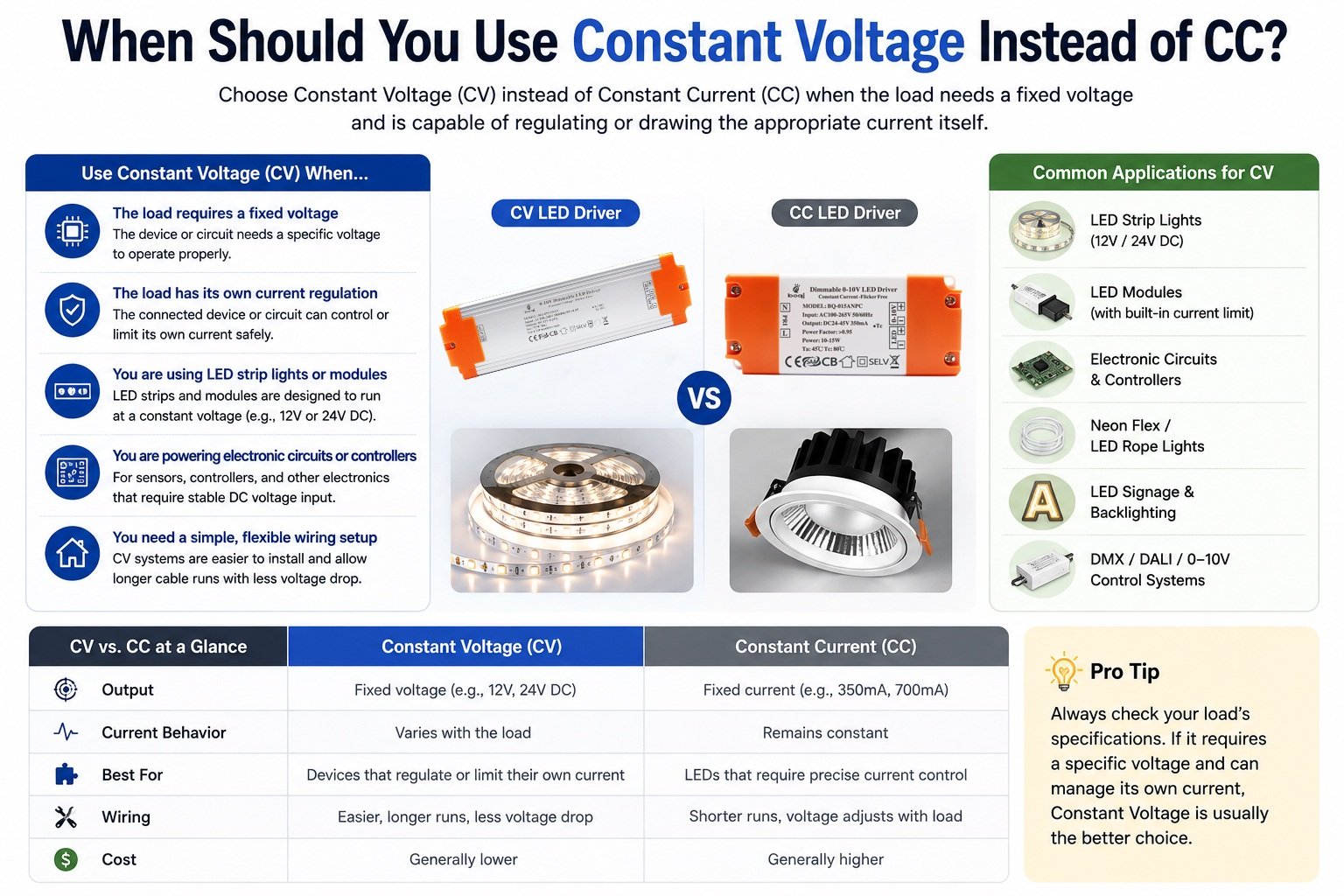
หากคุณขายในตลาดไฟที่อยู่อาศัย ค้าปลีก หรือโรงแรม แรงดันคงที่จะครอบคลุมสัดส่วนที่ใหญ่กว่าของแคตตาล็อกคุณ นี่คือการแบ่งการใช้งานหลักตามสิ่งที่เราสร้างให้ลูกค้าแบรนด์ส่วนตัว:
| แอปพลิเคชัน | ทำไม CV เหมาะ | รางแรงดันทั่วไป |
|---|---|---|
| เทป LED และไฟแถบ | ตัดตามความยาวในสนามโดยไม่ต้องคำนวณกำลังไฟใหม่ ตัวต้านทานบนบอร์ดจัดการกระแส | 12V / 24V |
| ป้ายไฟและตัวอักษร channel letter | มอดูลขนานจำนวนมากบนรางร่วมเดียว ติดตั้งง่าย | 12V |
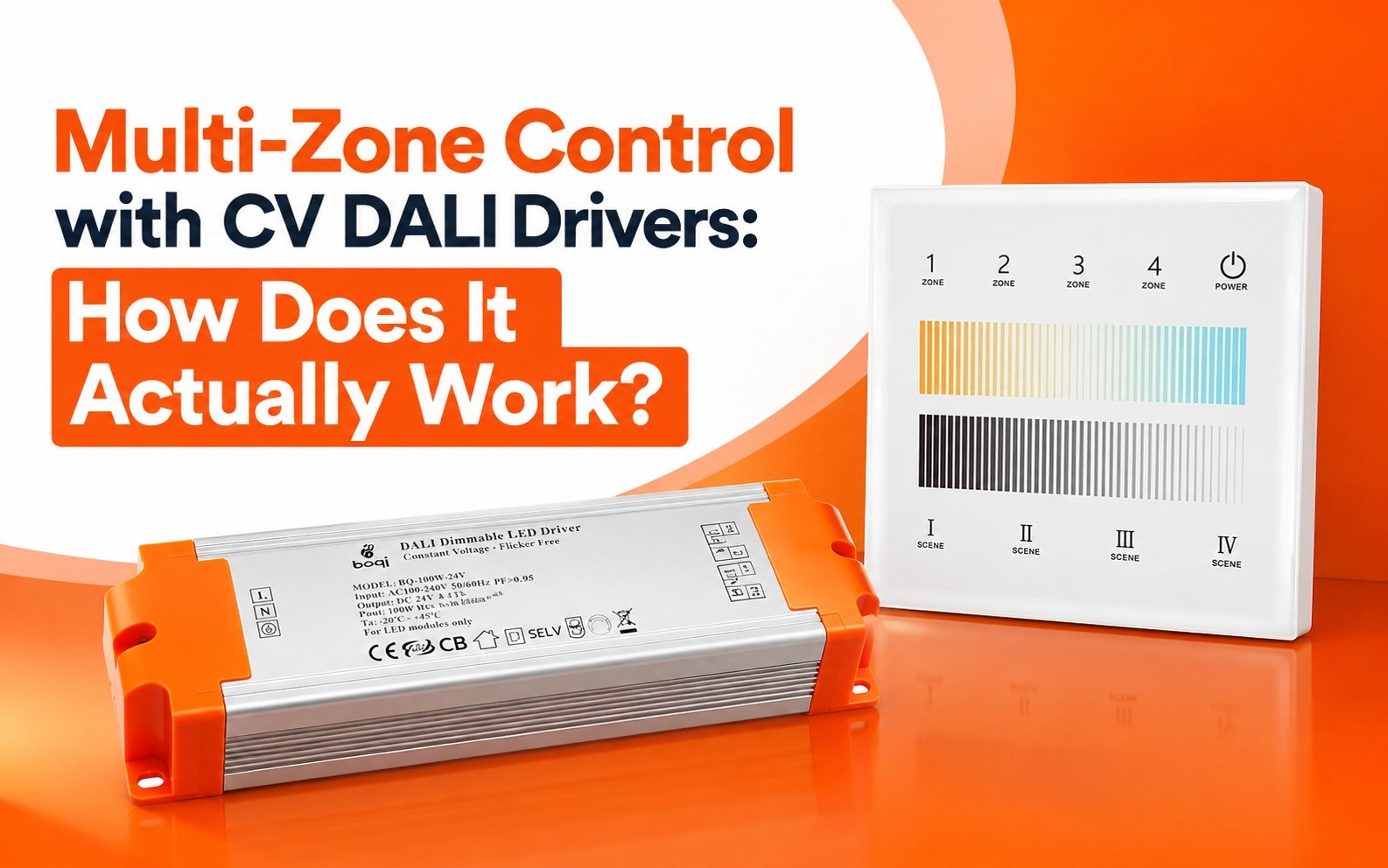
| ระบบ RGB / tunable white | คอนโทรลเลอร์หรี่แสง PWM ภายนอกและตัวควบคุมสีอยู่ระหว่างไดรเวอร์และโหลด | 24V |
| การเดินสายสถาปัตยกรรมความหนาแน่นสูง | ระบบ 48V ลดแรงดันตกและลดขนาดทองแดงลงได้มากในระยะทางไกล | 48V |
| โครงสร้างพื้นฐานไฟ PoE | ความเข้ากันได้โดยธรรมชาติกับราง DC คงที่ที่ส่งถึงปลายทาง | ระดับ 48V |
| ไฟสมาร์ทหลายโซน | ความเสถียรของแรงดันเอาต์พุตรักษาความสว่างให้สม่ำเสมอเมื่อโซนสลับเปิดปิดอย่างอิสระ | 12V / 24V |
จุดที่ 48V กำลังเปลี่ยนภาพรวม
การเคลื่อนไปสู่แรงดันคงที่ 48V สมควรได้รับความสนใจหากคุณจัดหาโครงการสถาปัตยกรรม ที่กำลังไฟเท่ากัน 48V มีกระแสเพียงหนึ่งในสี่ของ 12V กระแสที่ต่ำกว่าหมายถึงแรงดันตกตามสายยาวที่น้อยลงอย่างมากและทองแดงที่บางกว่าและถูกกว่า นอกจากนี้ยังสอดคล้องกับ พลังงานผ่านอีเทอร์เน็ตสำหรับระบบแสงสว่าง 4, โดยที่สาย DC แรงดันคงที่เข้าถึงอุปกรณ์ปลายทางทุกตัว ลูกค้าที่เป็นบริษัทวิศวกรรมหลายรายของเราในออสเตรเลียและเยอรมนีได้กำหนดมาตรฐานที่ 48V ด้วยเหตุผลเหล่านี้โดยเฉพาะ.
การวางตำแหน่งต้นทุนทั่วทั้งแคตตาล็อกของคุณ
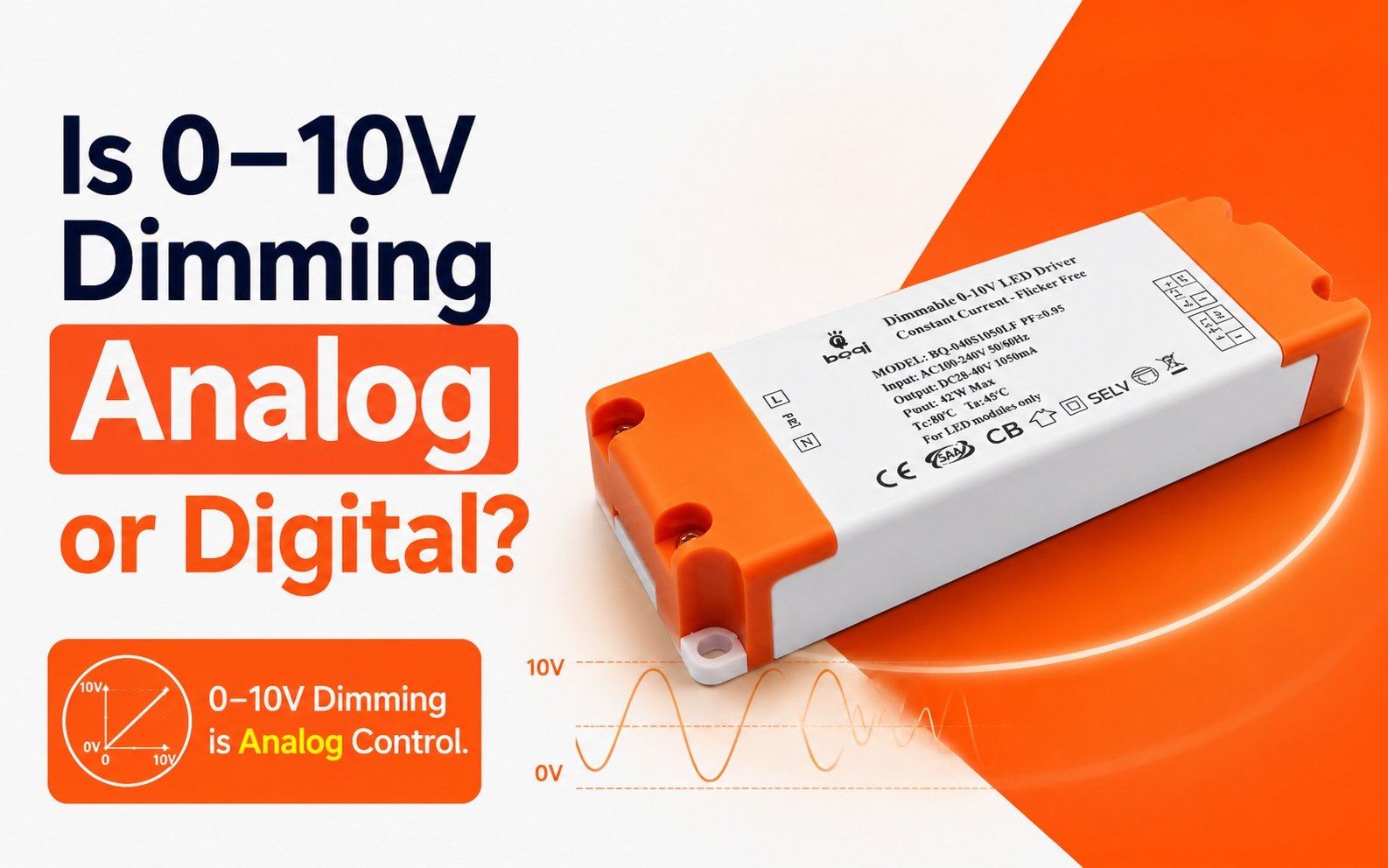
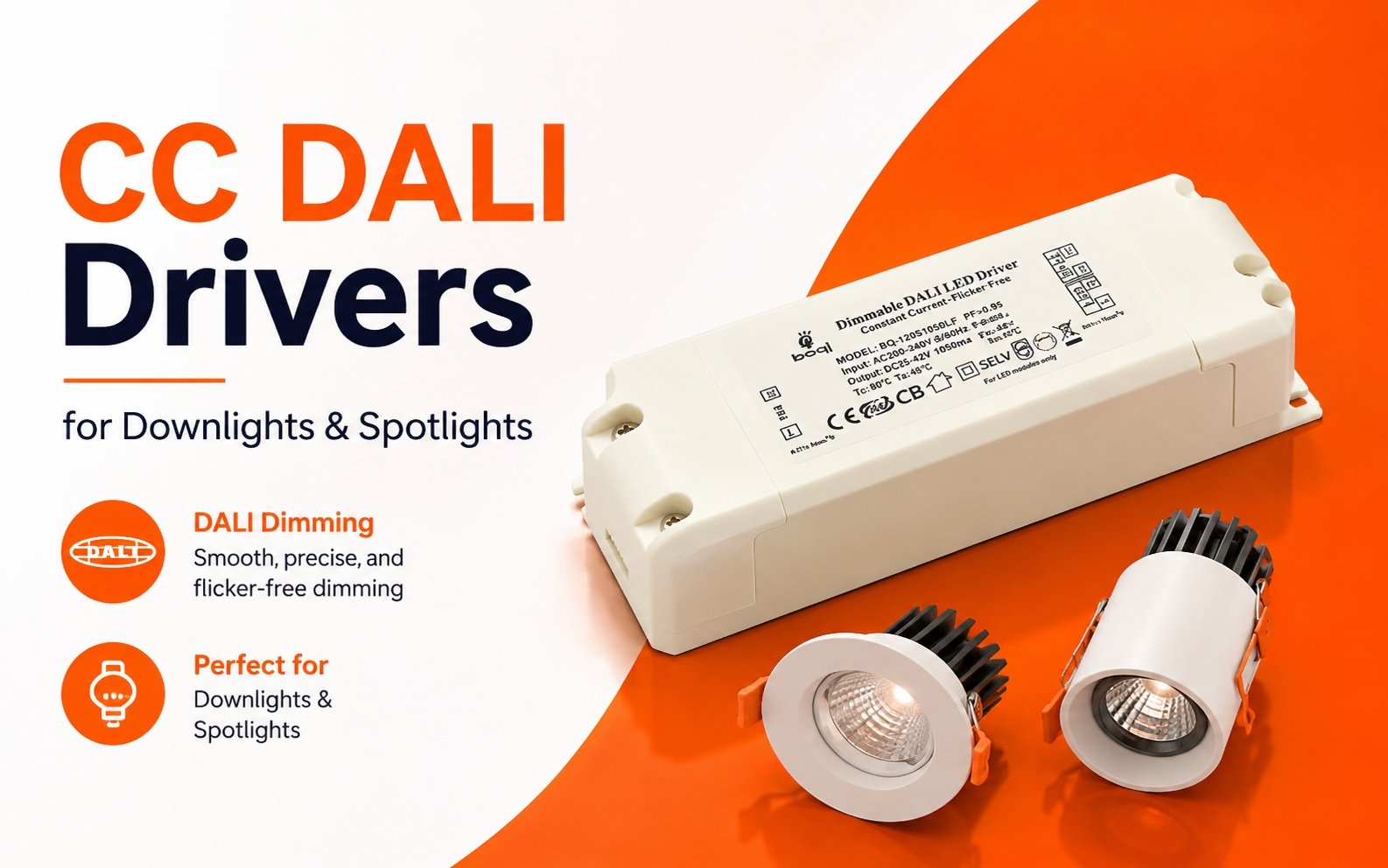
ไดรเวอร์แบบ CV โดยทั่วไปมีราคาที่เอื้อมถึงได้มากกว่าและหาซื้อได้แพร่หลายกว่า ซึ่งช่วยลดต้นทุนโดยรวมของระบบในโครงการที่อยู่อาศัย สำหรับกลุ่มผลิตภัณฑ์แบรนด์ส่วนตัว นั่นหมายความว่า CV ครอบคลุมไลน์ผลิตภัณฑ์ปริมาณมาก ในขณะที่ไดรเวอร์แบบ CC ที่มีความคลาดเคลื่อนเข้มงวดกว่าจะเป็นตัวชูโรงในซีรีส์ดาวน์ไลท์และไฟรางระดับพรีเมียม หน่วยแบบ CV ที่หรี่แสงได้ของเรา—ตัวเรือนอะลูมิเนียมบางพร้อมการรับรอง SELV, CE และ SAA และขั้วต่อ 0-10V—โดยทั่วไปจัดส่งเป็นตัวหลักปริมาณมากของกลุ่มผลิตภัณฑ์ของลูกค้า.
บทสรุป
การเลือกไดรเวอร์ผิดจะทำลายโคมไฟและกำหนดส่งงาน วิธีแก้ง่ายๆ คือ จับคู่ไดรเวอร์ให้ตรงกับสิ่งที่โหลดของคุณควบคุม และให้แรงดันคงที่จ่ายไฟให้กับทุกไลน์ผลิตภัณฑ์แบบแรงดันคงที่และจำกัดกระแสได้เอง.
เชิงอรรถ
IEC กำหนดมาตรฐานสากลด้านความปลอดภัยและประสิทธิภาพของไดรเวอร์ LED และอุปกรณ์ควบคุม. ↩︎
อธิบายการจัดวางทางไฟฟ้าและบทบาทของตัวต้านทานในการปกป้อง LED จากกระแสเกิน. ↩︎
DOE ให้ข้อมูลทางเทคนิคเกี่ยวกับประสิทธิภาพของแหล่งจ่ายไฟแบบสวิตชิ่งและมาตรฐานสำหรับอะแดปเตอร์ไฟฟ้าภายนอก. ↩︎
มาตรฐาน IEEE กำหนดข้อกำหนดทางเทคนิคสำหรับการส่งพลังงานและข้อมูลไปยังไฟ LED ผ่านอีเทอร์เน็ต. ↩︎