











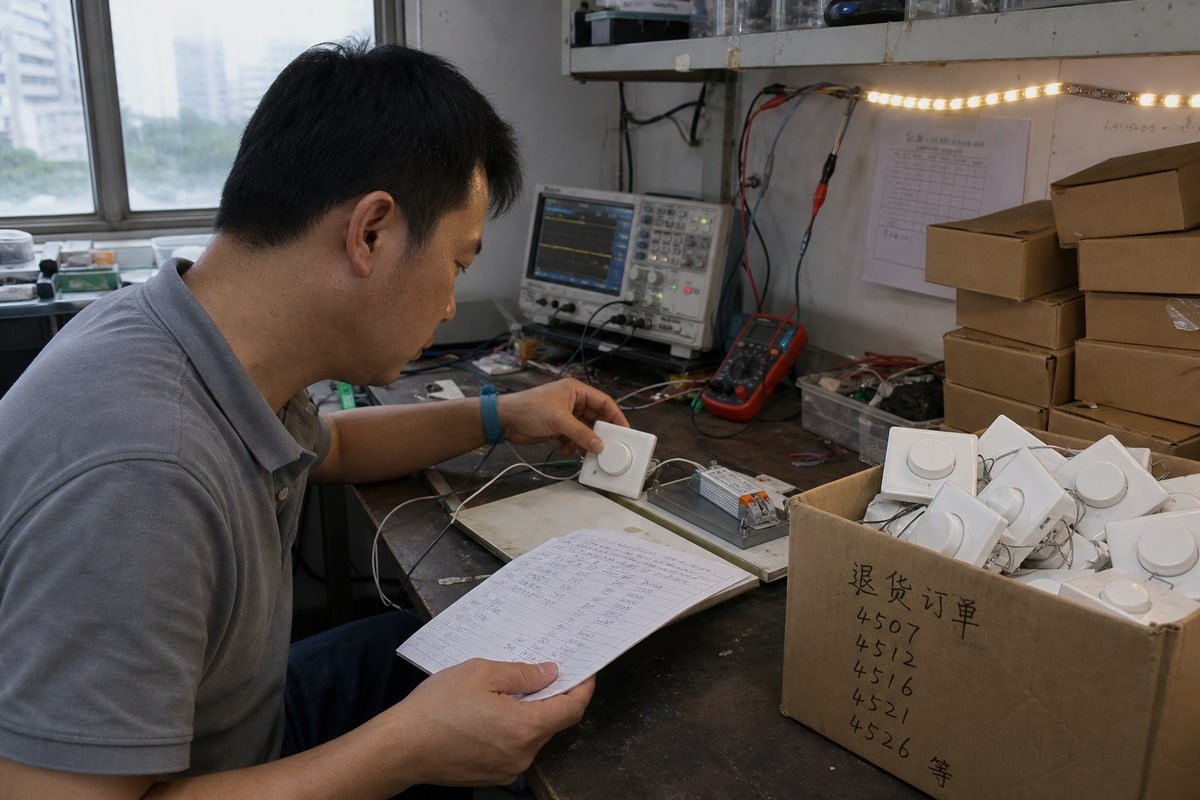
[ตัวหรี่ไฟ 0–10V](https://boqiled.com/?p=17845) ที่ผิดประเภทสำหรับไฟ LED อาจทำให้ไฟกะพริบ ปฏิเสธการหรี่ไฟต่ำ หรือไม่ปิดไฟเลย—ห้องปฏิบัติการเซินเจิ้นของเราได้รับตัวอย่างที่ส่งคืนซึ่งพิสูจน์เรื่องนี้เกือบทุกเดือน.
เพื่อเลือกตัวหรี่ไฟ 0–10V ที่เหมาะสมสำหรับไฟ LED ให้จับคู่ตัวหรี่ไฟกับประเภทการควบคุมของไดรเวอร์ LED—แบบซิงก์กระแสหรือซอร์สกระแส—จากนั้นตรวจสอบช่วงการหรี่ไฟ ความสามารถของกระแสควบคุม โหลดที่เชื่อมต่อ วิธีการเดินสายไฟ และการสลับเปิด/ปิด ห้ามเลือกตัวหรี่ไฟจากกำลังวัตต์ของ LED เพียงอย่างเดียว ไดรเวอร์เป็นตัวกำหนดความเข้ากันได้.
คำตอบนั้นฟังดูง่าย แต่การตรวจสอบแต่ละข้อซ่อนรายละเอียดทางวิศวกรรมที่แท้จริง ให้ฉันอธิบายข้อกำหนด กระบวนการจัดหา มาตรฐานคุณภาพ และการแลกเปลี่ยนต้นทุนทีละข้อ.
ฉันควรตรวจสอบข้อกำหนดทางเทคนิคใดบ้างก่อนเลือกไดม์เมอร์ 0–10V สำหรับผลิตภัณฑ์ไฟ LED ของฉัน?
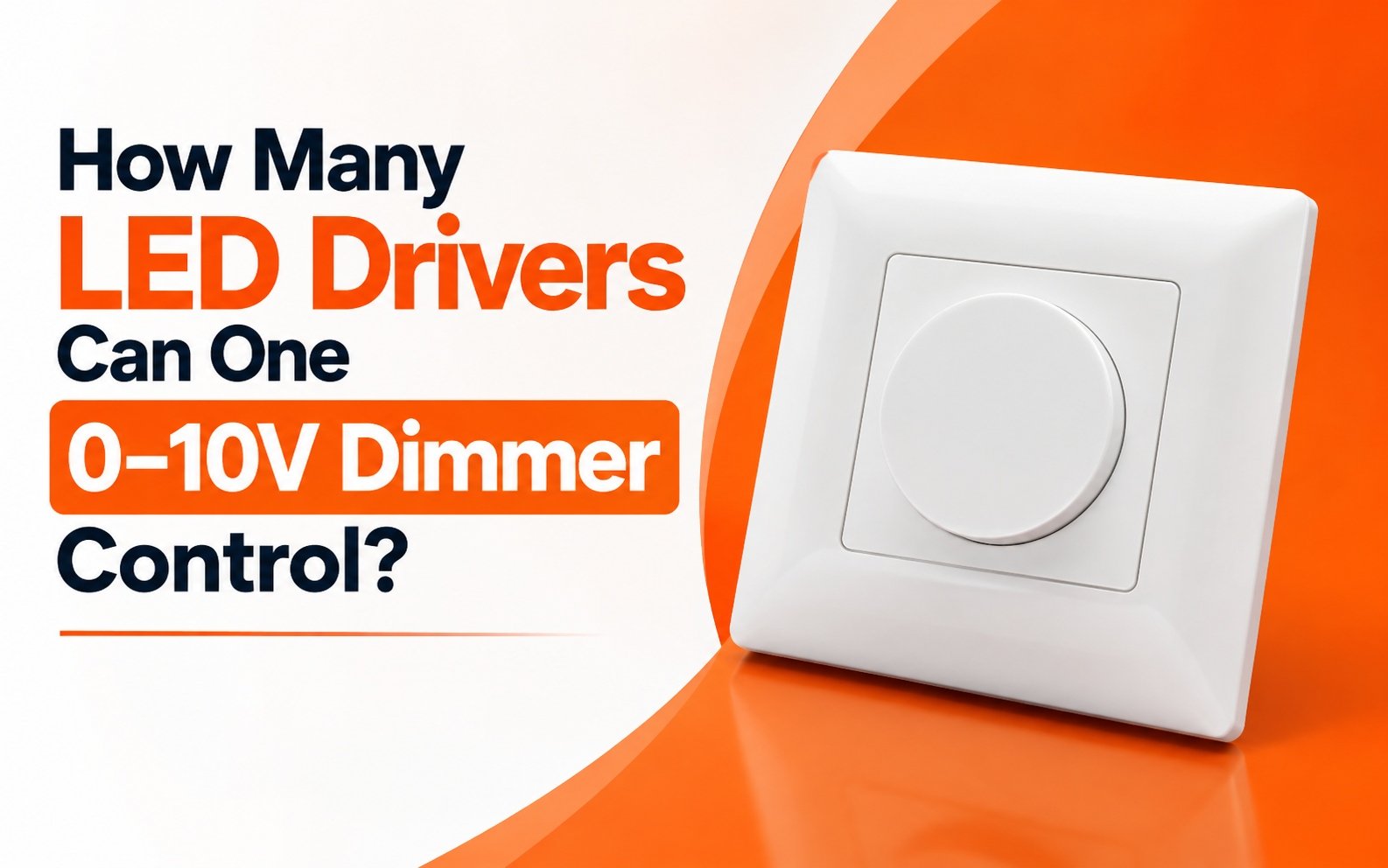
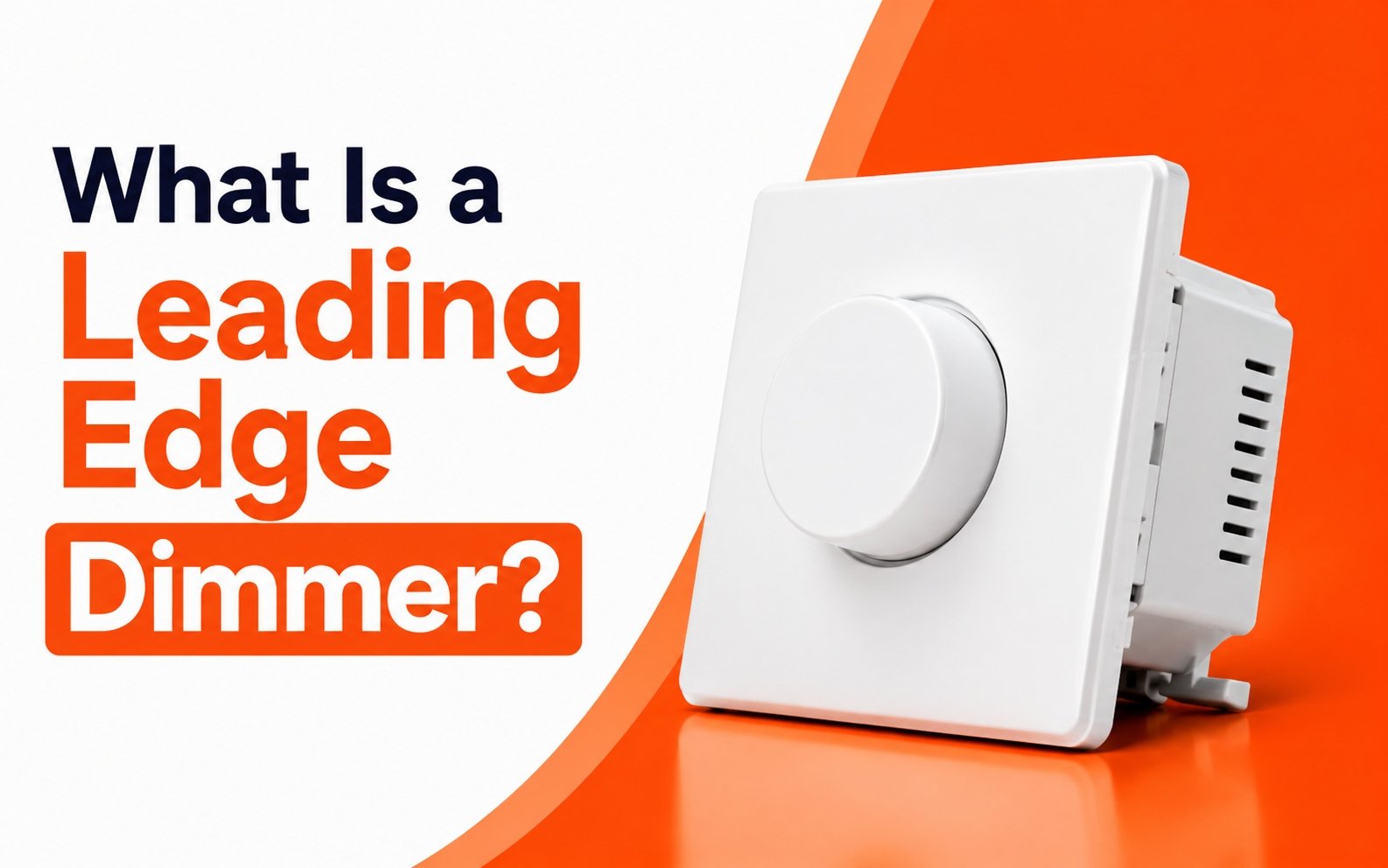
เมื่อเราปรับเทียบ ตัวหรี่ไฟแบบหมุน 1 ก่อนจัดส่ง เรามักจะทดสอบกับแบรนด์ไดรเวอร์ LED แบบหรี่ไฟได้หลายยี่ห้อ ข้อมูลจำเพาะที่ไม่ตรงกันเพียงจุดเดียวสามารถทำลายการติดตั้งเชิงพาณิชย์ทั้งหมดได้.
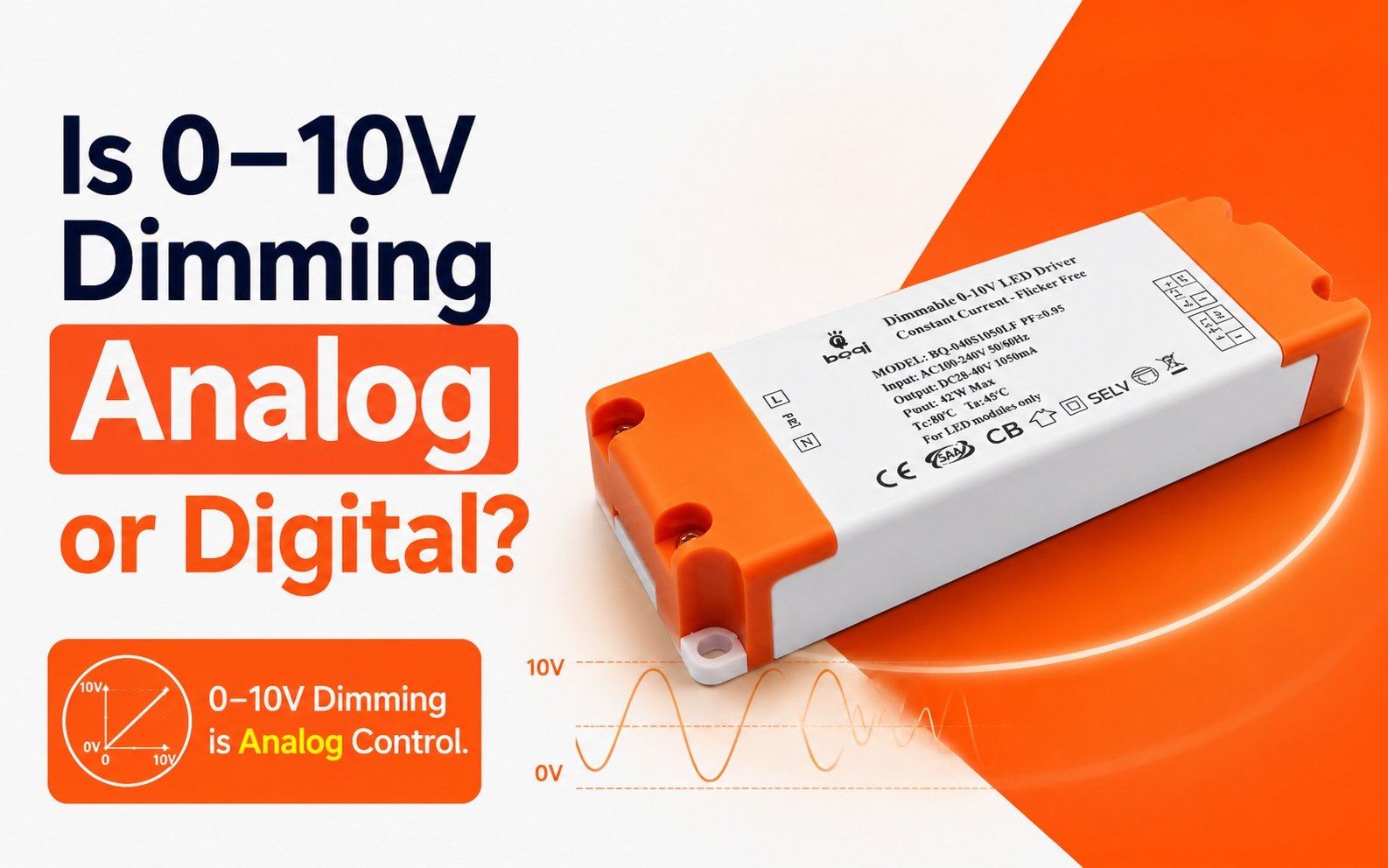
ก่อนซื้อตัวหรี่ไฟ 0–10V ให้ตรวจสอบสถาปัตยกรรมการควบคุมของไดรเวอร์ LED (แบบซิงก์หรือซอร์ส) กระแสควบคุมสูงสุดในหน่วยมิลลิแอมป์ ระดับการหรี่ไฟขั้นต่ำ พฤติกรรมการหรี่ถึงปิด พิกัดโหลด เส้นโค้งการหรี่ไฟ และข้อกำหนดการเดินสายไฟ เอกสารข้อมูลของไดรเวอร์—ไม่ใช่วัตต์ของโคมไฟ—เป็นตัวกำหนดความเข้ากันได้จริง.
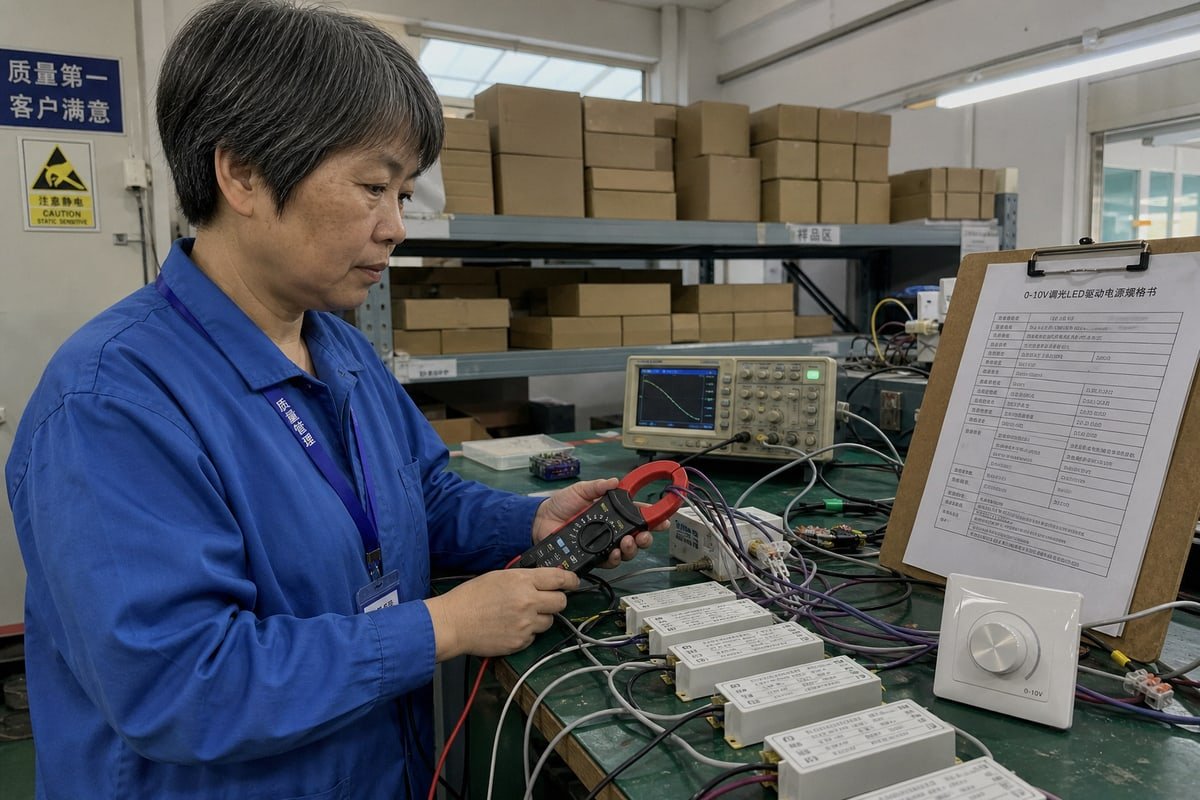
ข้อผิดพลาดที่พบบ่อยที่สุดคือการถือว่า 0–10V เป็นมาตรฐานการหรี่ไฟสากล ในทางปฏิบัติ อินเทอร์เฟซทางไฟฟ้าของไดรเวอร์และข้อกำหนดกระแสควบคุมมีความสำคัญพอๆ กับป้ายกำกับ 0–10V ของตัวหรี่ไฟ ผลิตภัณฑ์สองรายการสามารถระบุว่า "0–10V" ทั้งคู่แต่ยังคงทำงานร่วมกันไม่ได้.
จับคู่ซิงก์และซอร์สก่อนเป็นอันดับแรก
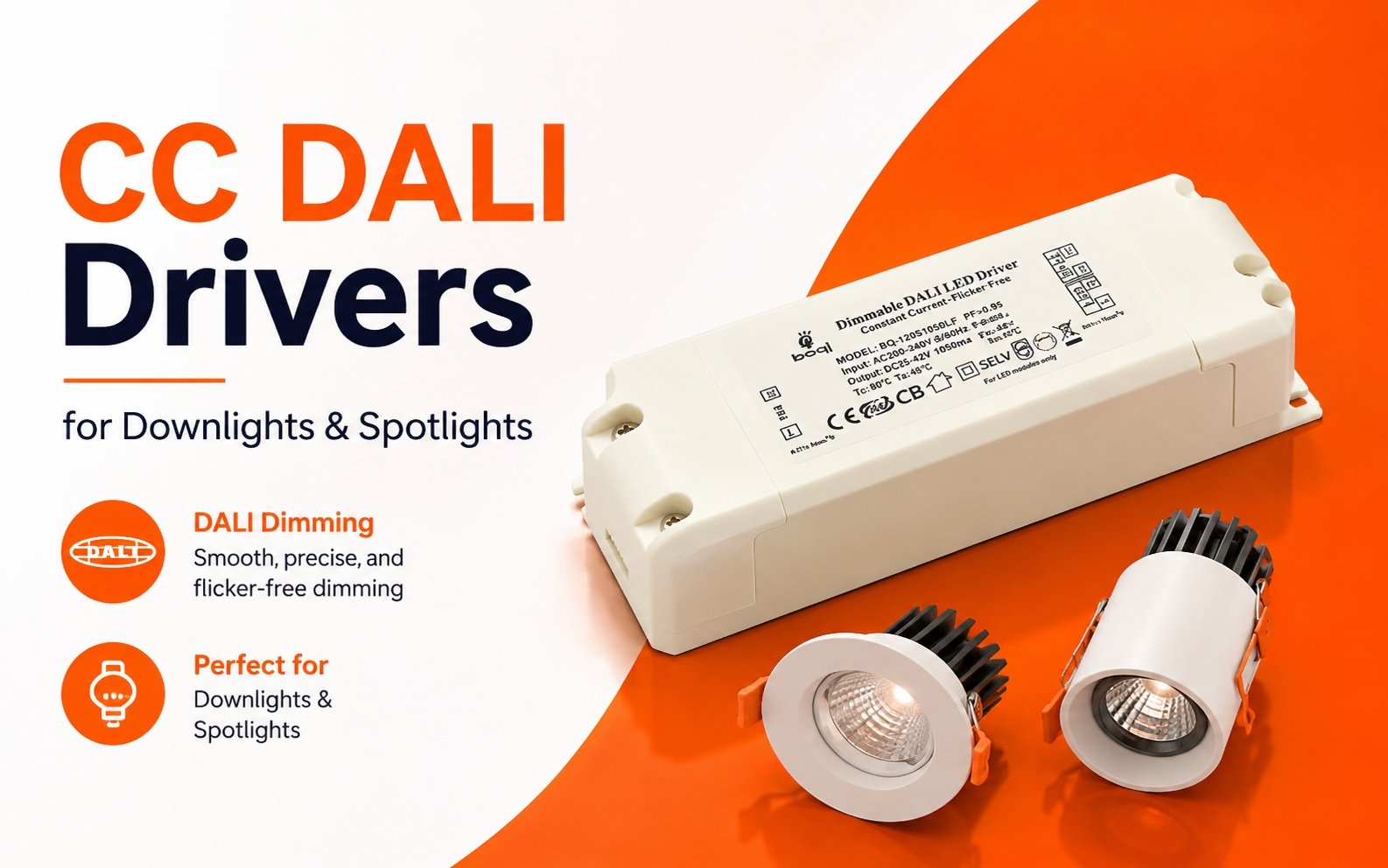
ซิงก์และซอร์สอธิบายว่าอุปกรณ์ใดเป็นตัวผลักกระแสผ่านวงจรสัญญาณการหรี่ไฟแบบแอนะล็อก ส่วนใหญ่ ไดรเวอร์ LED แบบหรี่แสง 2 เป็นแบบซอร์สกระแส ตัวหรี่ไฟเป็นตัวซิงก์ หากตัวหรี่ไฟของคุณซอร์สกระแสเข้าสู่ไดรเวอร์แบบซอร์ส คุณจะได้การหรี่ไฟที่ไม่ดี ไม่มีการหรี่ไฟ หรือแม้แต่ความเสียหายของฮาร์ดแวร์ ควรยืนยันสิ่งนี้ก่อนสิ่งอื่นใดเสมอ.
กระแสควบคุมสะสมเพิ่มขึ้น
ไดรเวอร์แต่ละตัวดึงกระแสควบคุม โดยทั่วไปตั้งแต่เศษเสี้ยวของมิลลิแอมป์ถึงไม่กี่มิลลิแอมป์ เชื่อมต่อไดรเวอร์สามสิบตัวเข้ากับตัวหรี่ไฟหนึ่งตัว และการดึงกระแสรวมในหน่วย mA อาจเกินความสามารถของตัวหรี่ไฟ—แม้ว่ากำลังวัตต์รวมจะดูปลอดภัยก็ตาม สายควบคุมที่รับโหลดเกินทำให้สัญญาณเสื่อมคุณภาพและความสว่างไม่สม่ำเสมอทั่วทั้งโซน.
ตรวจสอบทุกข้อกำหนดในเอกสารข้อมูล
| ข้อมูลจำเพาะ | สิ่งที่ต้องตรวจสอบ | เหตุใดจึงสำคัญ |
|---|---|---|
| ประเภทการควบคุม | ซิงก์กระแสหรือซอร์สกระแส | การไม่ตรงกันหมายถึงไม่มีการหรี่ไฟหรือเกิดความเสียหาย |
| กระแสควบคุม | กระแสรวม mA ของไดรเวอร์ที่เชื่อมต่อทั้งหมด | จำกัดจำนวนโคมไฟต่อตัวหรี่ไฟ |
| ระดับการหรี่ไฟขั้นต่ำ | ปลายต่ำ 1%, 5% หรือ 10% | "0–10V" ไม่รับประกันเอาต์พุต 0% |
| การหรี่ถึงปิด | รีเลย์ในตัวหรือสวิตช์แยก | 0V อาจหมายถึงเพียงขั้นต่ำ ไม่ใช่ปิด |
| โปรโตคอล | 0–10V เทียบกับ 1–10V | 1–10V มักต้องใช้รีเลย์เพื่อปิดสนิท |
| เส้นโค้งการหรี่ไฟ | ลอการิทึมหรือเชิงเส้น | ส่งผลต่อความนุ่มนวลของการหรี่ไฟที่ตารับรู้ |
| การเดินสายแบบอนุกรม | การเดินสายไฟ 4 เส้น สายสีม่วง (+) และสีเทา (−) | สายควบคุมเดินแยกจากสายไฟ AC |
อีกสองจุดสำคัญในหน้างาน ควบคุมความยาวสายให้ต่ำกว่าประมาณ 300 ฟุตและใช้ สายคู่ตีเกลียว 3 เพื่อจำกัดแรงดันตกและสัญญาณรบกวนทางไฟฟ้า และเดินสายแรงดันต่ำให้ห่างจากตัวนำไฟฟ้าที่มีสัญญาณรบกวน ตามกฎการเดินสาย Class 2 ในพื้นที่ที่บังคับใช้.
ฉันจะหาผู้ผลิต 0–10V dimmer ที่เชื่อถือได้ซึ่งรองรับการปรับแต่งแบบ private-label ได้อย่างไร?
ผู้จัดการฝ่ายจัดซื้อจากสิงคโปร์เคยส่งข้อความมาหาฉันทาง WhatsApp ด้วยคำถามเดียว: "คุณใส่โลโก้ของฉันบนแผงหน้าได้ไหมโดยไม่ทำให้การเปิดตัวล่าช้า" คำถามนั้นเผยให้เห็นสิ่งที่สำคัญจริงๆ.
หากต้องการหาผู้ผลิต 0–10V dimmer ที่น่าเชื่อถือสำหรับงาน private-label ควรตรวจสอบความเป็นเจ้าของโรงงาน ขอเอกสารทางวิศวกรรมและตัวอย่างสินค้า ยืนยันขอบเขต OEM/ODM (โลโก้ แผงหน้า เฟิร์มแวร์ บรรจุภัณฑ์) ตรวจสอบประสบการณ์การส่งออกในตลาดของคุณ และสั่งผลิตนำร่องจำนวนน้อยก่อนตัดสินใจสั่งจำนวนมาก.
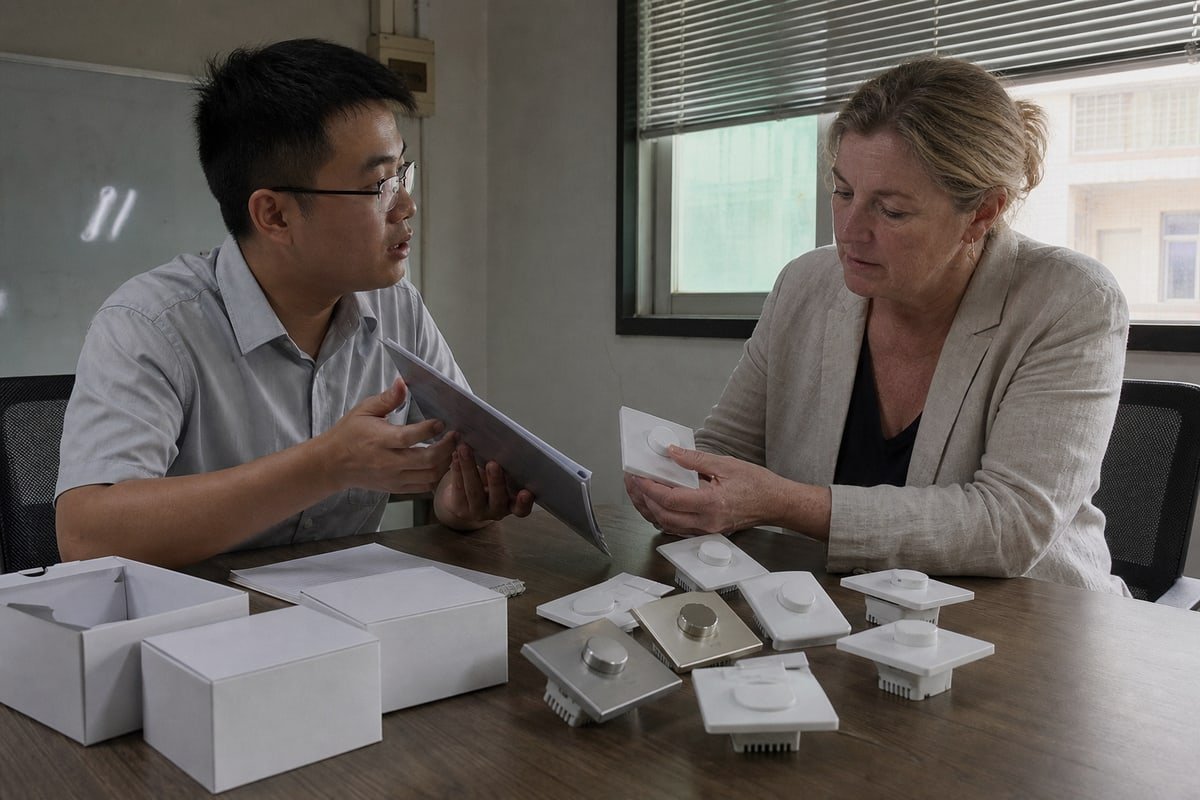
"ผู้ผลิต" หลายรายบนแพลตฟอร์มจัดซื้อเป็นบริษัทการค้า ซึ่งไม่ใช่เรื่องไม่ดีเสมอไป แต่มันเปลี่ยนว่าการปรับแต่งแบบใดที่ทำได้จริงและปัญหาจะได้รับการแก้ไขเร็วแค่ไหน นี่คือกระบวนการที่ฉันแนะนำแก่ผู้ซื้อทุกคนที่ติดต่อเราผ่านเว็บไซต์หรือในงานแสดงสินค้า.
- ขอหลักฐานความสามารถทางวิศวกรรม. ขอรายการความเข้ากันได้ของไดรเวอร์ที่ซัพพลายเออร์ใช้สำหรับการทดสอบภายใน โรงงานจริงทดสอบตัวหรี่ไฟกับไดรเวอร์ LED แบบหรี่ไฟได้หลายรุ่น ไม่ใช่แค่ของตัวเอง.
- กำหนดขอบเขตการปรับแต่งเป็นลายลักษณ์อักษร. การพิมพ์โลโก้ง่าย สีแผงหน้าที่กำหนดเอง ความรู้สึกของลูกบิดที่แตกต่าง หรือเส้นโค้งการหรี่ไฟที่ปรับแต่งต้องใช้งานเครื่องมือหรือเฟิร์มแวร์ ขอระยะเวลาดำเนินการสำหรับแต่ละระดับ.
- สอบถามเกี่ยวกับตัวเลือกที่รองรับอนาคต. ผู้ซื้อต้องการคอนโทรลเลอร์แบบดูอัลแชนเนลสำหรับไฟปรับสีขาวได้ (ความสว่างร่วมกับ CCT) และตัวหรี่ไฟที่มีบริดจ์ไร้สาย เช่น Zigbee หรือ Bluetooth Mesh สำหรับการจัดการระบบอาคารมากขึ้น ซัพพลายเออร์ที่สามารถพูดคุยเรื่องเหล่านี้ได้อย่างคล่องแคล่วย่อมคิดก้าวหน้าไปพร้อมกับคุณ.
- ทดสอบตัวอย่างกับไดรเวอร์และโคมไฟของคุณเอง. ผลการทดสอบบนโต๊ะกับไดรเวอร์ตัวเดียวไม่สามารถทำนายพฤติกรรมเมื่อเชื่อมต่อหลายสิบตัวได้ ทดสอบทั้งระบบร่วมกัน ได้แก่ ไดรเวอร์ ตัวหรี่ไฟ โคมไฟ สายไฟ และสภาวะโหลดขั้นต่ำ.
- เริ่มต้นด้วยคำสั่งซื้อนำร่อง. ชุดแรกจำนวนน้อยจะเผยให้เห็นคุณภาพบรรจุภัณฑ์ ความถูกต้องของฉลาก และนิสัยด้านเอกสาร ก่อนที่คุณจะเสี่ยงกับคำสั่งซื้อทั้งคอนเทนเนอร์.
ทีมงานของเราในเซินเจิ้นมีขนาดเล็ก—เพียงสิบคน—แต่นั่นคือเหตุผลที่เราจัดการ โครงการ OEM 4 แบบร่วมมือกัน ผู้ซื้อในญี่ปุ่น เยอรมนี และออสเตรเลียมีความคาดหวังด้านกฎระเบียบและความสวยงามที่แตกต่างกันมาก และประวัติการส่งออกของซัพพลายเออร์ในตลาดเฉพาะของคุณจะบอกคุณว่าพวกเขาเข้าใจตลาดของคุณอยู่แล้วหรือไม่.
当我从中国批量采购0–10V调光器时,应要求哪些质量控制标准?
หลายปีก่อน เราได้ทิ้งชุดการผลิตทั้งหมดเพราะโพเทนชิโอมิเตอร์คลาดเคลื่อนหลังการเบิร์นอิน เจ็บปวดมาก ใช่ แต่ความล้มเหลวนั้นหล่อหลอมรายการตรวจสอบ QC ที่เราปัจจุบันแบ่งปันอย่างเปิดเผยกับลูกค้า.
ต้องการการทดสอบฟังก์ชันการทำงาน 100% การเบิร์นอินที่อุณหภูมิสูง การตรวจสอบการกะพริบและช่วงการหรี่แสงกับไดรเวอร์จริง การตรวจสอบวัสดุขาเข้า การสุ่มตัวอย่างตามมาตรฐาน AQL สำหรับล็อตที่ส่งออก และบันทึกการตรวจสอบย้อนกลับที่สมบูรณ์ ขอรายงานการทดสอบที่เชื่อมโยงกับใบสั่งซื้อของคุณ ไม่ใช่ใบรับรองทั่วไป.
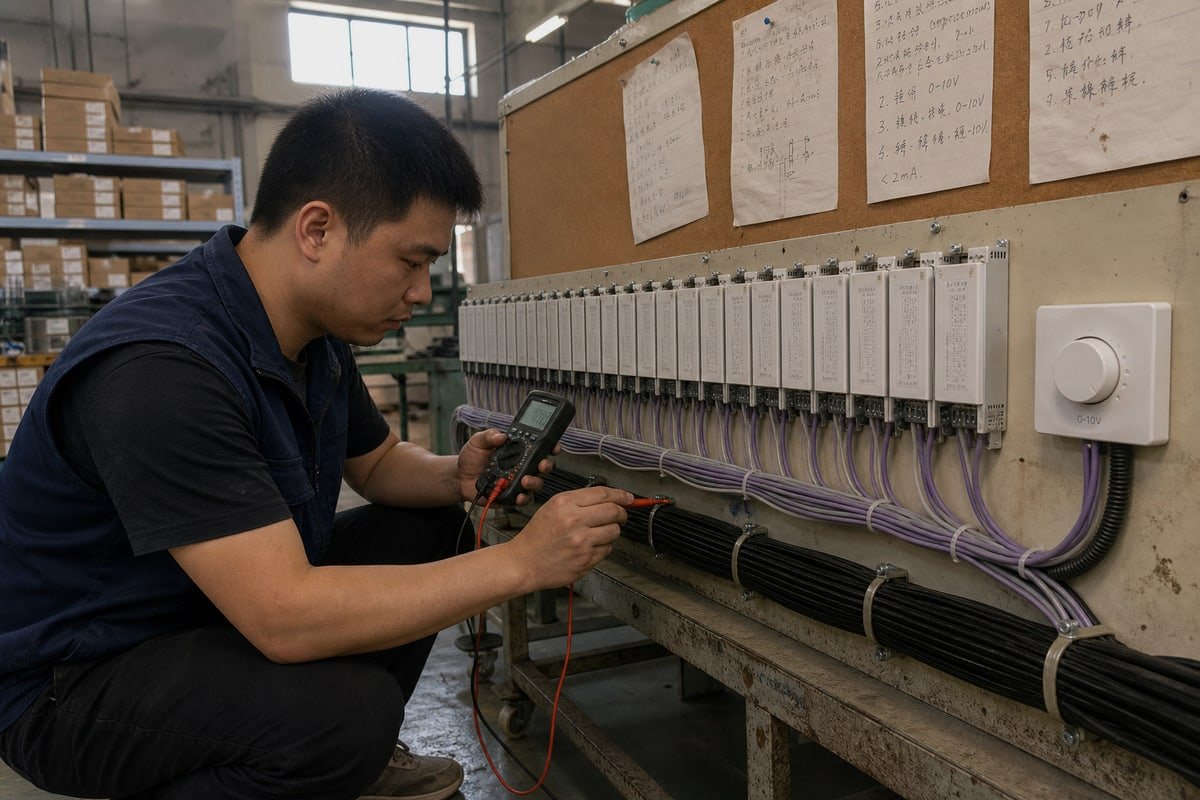
การจัดซื้อจำนวนมากขึ้นอยู่กับกระบวนการ ไม่ใช่คำสัญญา ตัวอย่างที่สวยงามมีความหมายน้อยหากเครื่องที่ 4,000 มีพฤติกรรมแตกต่างออกไป ดังนั้น จงวางโครงสร้างข้อกำหนด QC ของคุณรอบสามขั้นตอน ได้แก่ วัสดุขาเข้า การผลิตในสายการผลิต และการตรวจสอบขาออก.
ข้อกำหนด QC ที่ฉันจะใส่ในทุกสัญญา
| ขั้นตอน QC | สิ่งที่ต้องกำหนด | เกณฑ์การยอมรับ |
|---|---|---|
| ขาเข้า | การตรวจสอบส่วนประกอบ (โพเทนชิโอมิเตอร์ แผง PCB พลาสติกตัวเรือน) | ตรงตาม BOM ที่อนุมัติ |
| ในสายการผลิต | การทดสอบฟังก์ชัน 100% ของช่วงแรงดันเอาต์พุต | การกวาดสัญญาณ 0–10V เต็มช่วง สัญญาณคงที่ |
| ในสายการผลิต | การเบิร์นอินที่อุณหภูมิสูง | ไม่มีการคลาดเคลื่อน ไม่มีความล้มเหลวหลังการเร่งอายุ |
| ขาออก | การตรวจสอบประสิทธิภาพไร้การกะพริบกับไดรเวอร์อ้างอิง | ไม่มีการกะพริบที่มองเห็นได้ตลอดช่วงการหรี่ไฟ |
| ขาออก | การตรวจสอบระดับการหรี่ขั้นต่ำ | ตรงตามสเปกระดับต่ำสุดที่ตกลงกัน |
| ขาออก | การตรวจสอบตัวอย่างแบบ AQL | ระดับ AQL ที่ตกลงกันต่อชุดการผลิต |
| เอกสาร | บันทึกการตรวจสอบย้อนกลับตาม PO | รหัสชุดการผลิตเชื่อมโยงกับข้อมูลการทดสอบ |
เหตุใดการทดสอบระดับระบบจึงควรอยู่ใน QC
สำหรับโครงการ B2B ให้ยืนยันว่าโรงงานทดสอบไดรเวอร์ + ตัวหรี่ไฟ + โคมไฟ + สายไฟร่วมกัน ภายใต้สภาวะโหลดขั้นต่ำ ตัวหรี่ไฟที่ทำงานได้สมบูรณ์แบบกับไดรเวอร์ตัวเดียวบนโต๊ะทดสอบอาจมีพฤติกรรมแตกต่างออกไปเมื่อไดรเวอร์หลายสิบตัวโหลดสายควบคุม เราจำลองโหลดไดรเวอร์หลายตัวในห้องปฏิบัติการของเราด้วยเหตุผลนี้โดยเฉพาะ.
อีกหนึ่งสเปกที่มักถูกมองข้าม: การลดกำลัง due to ความร้อน (thermal derating) เมื่อตัวหรี่ไฟหลายตัวใช้กล่องรวมเกงเดียวกัน ความร้อนสะสมจะลดอายุการใช้งานของชิ้นส่วนอิเล็กทรอนิกส์ภายใน สอบถามข้อมูล derating จากซัพพลายเออร์ ไม่ใช่เพียงตัวเลขโหลดสูงสุด.
ฉันจะสร้างสมดุลระหว่างต้นทุน ระยะเวลาการจัดส่ง และความยืดหยุ่นในการออกแบบได้อย่างไรเมื่อเลือกซัพพลายเออร์ตัวหรี่แสงแบบ 0–10V
ข้อแลกเปลี่ยนที่เราพูดคุยกับลูกค้ามากที่สุดคือเรื่องแม่พิมพ์ (tooling) แผงหน้าปัดแบบกำหนดเองดูดีในแคตตาล็อก แต่แม่พิมพ์เพิ่มเวลาเป็นสัปดาห์—และมีคนต้องตัดสินใจว่าเส้นตายจะรองรับได้หรือไม่.
สร้างสมดุลระหว่างต้นทุน ระยะเวลาการผลิต และความยืดหยุ่น โดยกำหนดสิ่งที่ยอมรับไม่ได้ก่อน—ความเข้ากันได้และการควบคุมคุณภาพ—แล้วค่อยเจรจาในส่วนที่เหลือ การออกแบบมาตรฐานจัดส่งเร็วที่สุดและถูกที่สุด แผ่นหน้าปัดแบบกำหนดเองเพิ่มเวลาในการทำแม่พิมพ์ การผลิตแบบ ODM เต็มรูปแบบมีต้นทุนสูงสุดแต่ปกป้องแบรนด์ของคุณ เลือกตัวเลือกให้สอดคล้องกับกำหนดเวลาโครงการของคุณ.
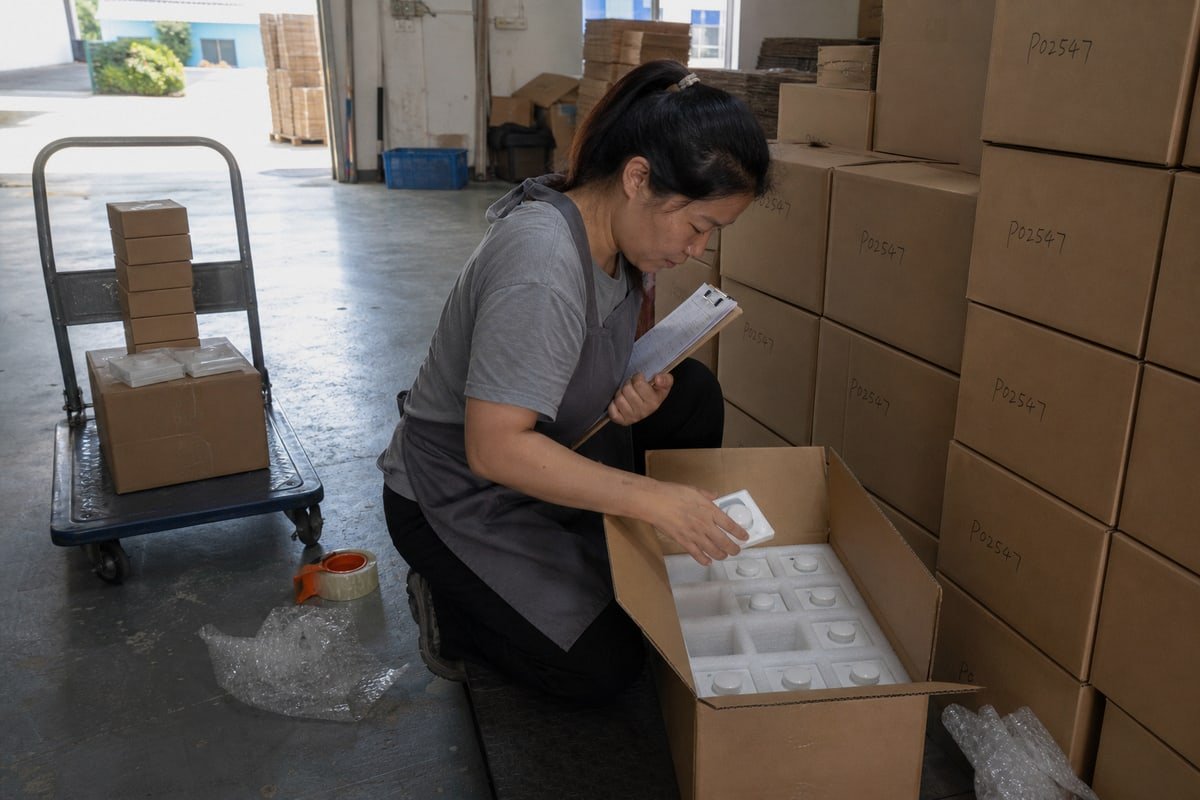
ผู้ซื้อทุกคนที่ฉันทำงานด้วยต้องบริหารแรงกดดันสามอย่างพร้อมกัน: ต้นทุนโครงการโดยรวม กำหนดเวลาที่กระชั้นชิด และการเข้าถึงเทคโนโลยีการออกแบบปัจจุบัน คุณแทบจะไม่สามารถปรับทั้งสามอย่างให้เหมาะสมพร้อมกันได้ ดังนั้น ให้คิดเป็นระดับชั้น.
| ตัวเลือก | ต้นทุนสัมพัทธ์ | ระยะเวลารอทั่วไป | ความยืดหยุ่นในการออกแบบ |
|---|---|---|---|
| สินค้ามาตรฐาน พร้อมโลโก้ของคุณ | ต่ำที่สุด | สั้นที่สุด | เฉพาะโลโก้และบรรจุภัณฑ์ |
| การออกแบบที่ปรับเปลี่ยน (แผงหน้าปัด ลูกบิด เส้นโค้งการหรี่ไฟ) | ปานกลาง | ปานกลาง; แม่พิมพ์หรือเฟิร์มแวร์เพิ่มเวลา | ปานกลาง; แพลตฟอร์มเดิมที่ปรับปรุงแล้ว |
| การพัฒนา ODM เต็มรูปแบบ | ต้นทุนเริ่มต้นสูงสุด | ระยะเวลายาวนานที่สุด | สมบูรณ์; การออกแบบเฉพาะของคุณ |
กฎปฏิบัติไม่กี่ข้อจะช่วยให้คุณจัดวางโครงการของคุณในตารางนั้นได้ ประการแรก อย่าแลกการทดสอบความเข้ากันได้หรือการควบคุมคุณภาพเพื่อประหยัดเวลา—ค่าใช้จ่ายเหล่านั้นจะกลับมาเป็นทวีคูณเมื่อเกิดความล้มเหลวในสนามในโครงการควบคุมแสงสว่างเชิงพาณิชย์ ประการที่สอง สอบถามว่าผู้จำหน่ายมีแพลตฟอร์มมาตรฐานที่รวมสิ่งที่คุณต้องการอยู่แล้วหรือไม่ ฟีเจอร์เช่นเส้นโค้งการหรี่แสงที่เลือกได้ รีเลย์หรี่ถึงปิด หรือการออกแบบปุ่มหมุนสีขาวมินิมอลที่สะอาดตาอาจมีอยู่แล้ว ซึ่งจะเปลี่ยน "โครงการ ODM" ให้เป็นคำสั่งซื้อแบบปรับเปลี่ยนที่รวดเร็ว ประการที่สาม สอบถามเกี่ยวกับการจัดตารางการผลิตอย่างตรงไปตรงมา โรงงานระดับกลางถึงสูงที่มีแพลตฟอร์มที่ผ่านการทดสอบความเข้ากันได้มักจะให้ผลลัพธ์ปลายทางที่ดีกว่าใบเสนอราคาที่ถูกกว่าซึ่งล้มเหลวในการทดสอบการติดตั้งและบังคับให้สั่งซื้อใหม่.
อย่าลืมทิศทางของตลาด การรวมระบบอัจฉริยะและแสงสีขาวปรับได้กำลังกลายเป็นความคาดหวังพื้นฐานในยุโรปและเอเชียตะวันออกเฉียงใต้ การเลือกผู้จำหน่ายที่กำลังพัฒนาตัวเลือกแบบสองช่องสัญญาณและบริดจ์ไร้สายอยู่แล้วหมายความว่าผลิตภัณฑ์รุ่นถัดไปของคุณจะไม่ต้องเปลี่ยนผู้จำหน่าย—ซึ่งเป็นจุดที่การประหยัดต้นทุนระยะยาวที่แท้จริงซ่อนอยู่.
บทสรุป
เลือกตัวหรี่ไฟ 0–10V โดยพิจารณาจากไดรเวอร์ ไม่ใช่วัตต์: จับคู่การจมและแหล่งจ่ายกระแส ตรวจสอบกระแสควบคุมและช่วงการหรี่แสง เรียกร้องการควบคุมคุณภาพจริง และเลือกระดับการปรับแต่งที่กำหนดเวลาโครงการของคุณเอื้ออำนวย.
เชิงอรรถ
1. โครงการของรัฐบาลสหรัฐฯ ที่ให้มาตรฐานและการรับรองสำหรับระบบแสงสว่างและการควบคุมการหรี่แสงที่ประหยัดพลังงาน. ↩︎
2. องค์กรระหว่างประเทศที่มีอำนาจด้านมาตรฐานไฟฟ้า รวมถึงอินเทอร์เฟซการหรี่แสงสำหรับไดรเวอร์ LED. ↩︎
3. สมาคมวิชาชีพชั้นนำด้านมาตรฐานเทคโนโลยี รวมถึงการเดินสายและความสมบูรณ์ของสัญญาณสำหรับระบบควบคุม. ↩︎
4. องค์กรระดับโลกที่จัดการกับกฎการค้าระหว่างประเทศ ซึ่งเกี่ยวข้องกับการผลิต OEM ระหว่างประเทศ. ↩︎