













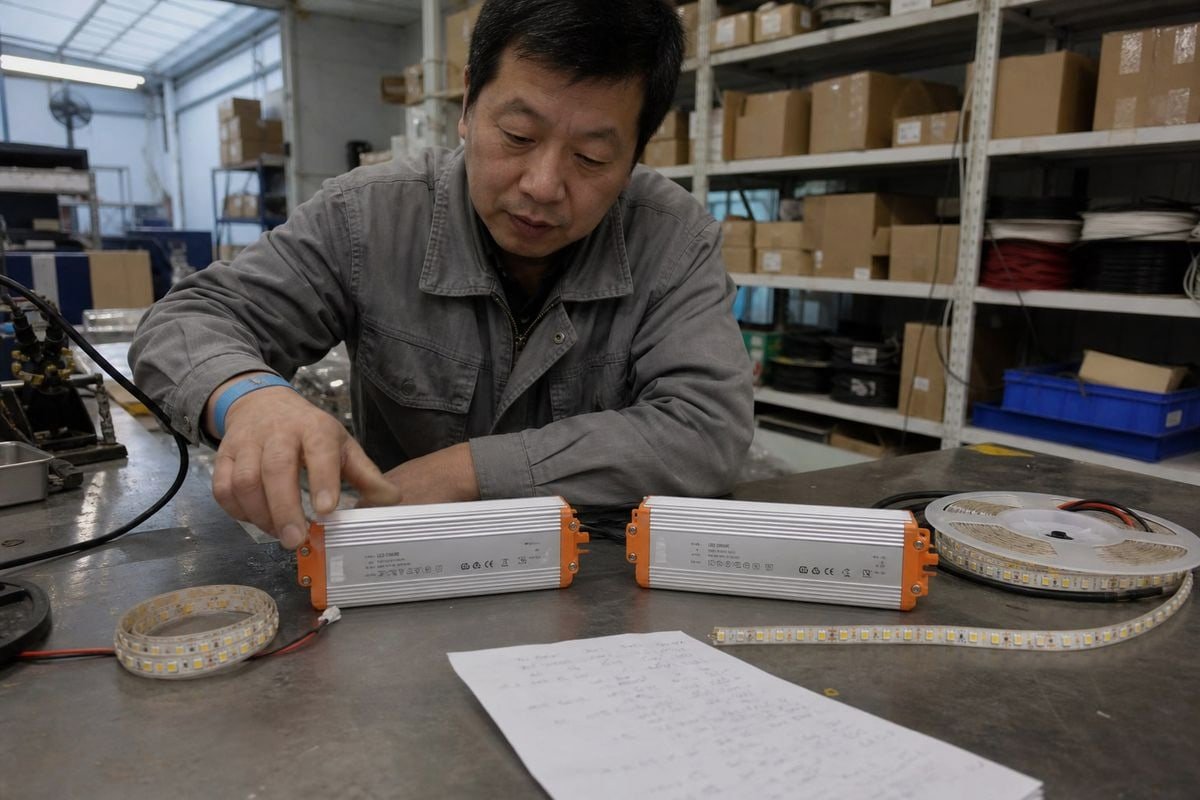
Lựa chọn giữa 12V và 24V Bộ điều khiển TRIAC 1 khiến nhiều người mua bối rối. Tôi thấy câu hỏi này hàng tuần tại nhà máy Shenzhen của chúng tôi, và chọn sai nghĩa là nhấp nháy, sụt áp 2, và phải làm lại tốn kém. Đây là cách chúng tôi giải quyết.
Chọn driver TRIAC 12V cho các hệ thống LED ngắn, công suất thấp, phân đoạn nhiều, nơi cần cắt chính xác từng khoảng nhỏ. Chọn driver TRIAC 24V cho các đường chạy dài hơn và công suất cao hơn, vì nó giảm một nửa dòng điện, giảm sụt áp và cải thiện hiệu suất hệ thống. Luôn khớp điện áp driver với tải LED của bạn.
Đó là câu trả lời ngắn gọn. Bức tranh đầy đủ bao gồm chiều dài đường chạy, dòng điện, khả năng tương thích với bộ điều chỉnh độ sáng và chi phí. Hãy để tôi hướng dẫn bạn từng quyết định, từng bước một.
Làm thế nào để tôi quyết định giữa driver TRIAC 12V và 24V cho dự án của mình?
Một nhà phân phối tại Singapore từng gửi cho tôi bản vẽ mặt bằng trước khi đặt hàng một driver duy nhất. Thói quen đó đã cứu dự án của cô ấy. Tại nhà máy của chúng tôi, chúng tôi luôn bắt đầu với bố trí, không phải driver.
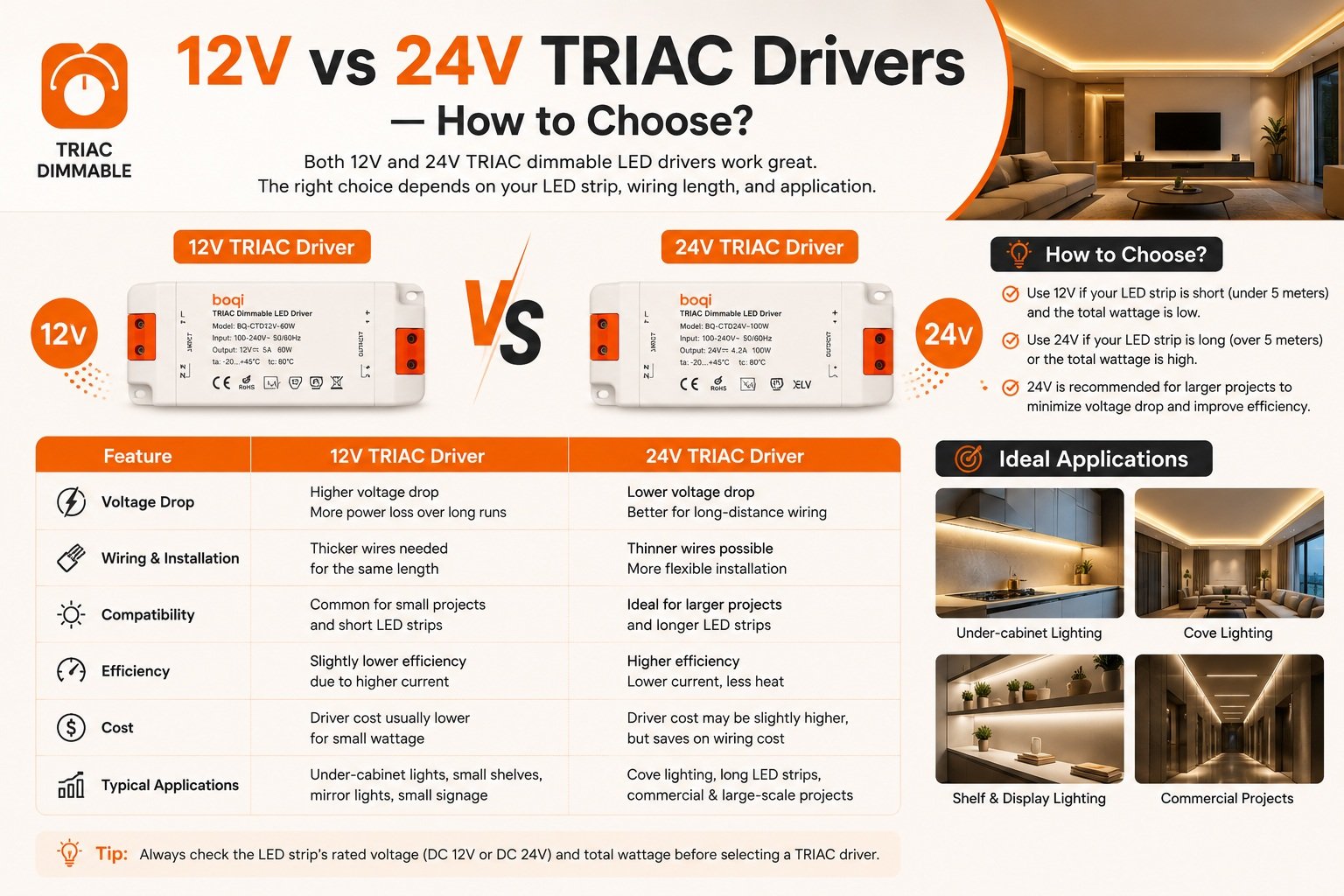
Quyết định theo điện áp tải trước, sau đó theo chiều dài đường chạy và công suất. Chọn 12V cho các hệ thống nhỏ gọn, công suất thấp dưới khoảng 5 mét với các điểm cắt chặt. Chọn 24V cho đường chạy dài hơn, công suất cao hơn hoặc đường cấp nguồn một đầu, vì nó tiêu thụ một nửa dòng điện và ít bị sụt áp hơn.

Điều đầu tiên tôi nói với người mua là: driver TRIAC chỉ đơn giản là nguồn cung cấp điện áp không đổi, tương thích nguồn điện lưới, có thể điều chỉnh độ sáng. Vì vậy, quyết định thực sự không phải là “TRIAC so với 12V/24V.” Đó là lựa chọn hai bước. Đầu tiên, dải LED của bạn cần 12V DC hay 24V DC? Thứ hai, driver có thực sự tương thích với điều chỉnh độ sáng cắt pha từ công tắc điều chỉnh độ sáng trên tường của bạn không?
Bắt đầu với một quy tắc quyết định đơn giản
Đây là bảng tham khảo nhanh chúng tôi chia sẻ với khách hàng mới:
| Yếu tố | Chọn 12V | Chọn 24V |
|---|---|---|
| Chiều dài đường chạy | Dưới ~5 mét | Lên đến ~10 mét mỗi đường |
| Khoảng cách cắt | Cắt mịn, thường mỗi 1 inch | Cắt mỗi 2–4 inch |
| Mức công suất | Chiếu sáng điểm nhấn công suất thấp | Chiếu sáng tuyến tính công suất cao hơn |
| Dòng điện tiêu thụ | Cao hơn (gấp đôi ở cùng công suất) | Một nửa cường độ dòng điện ở cùng công suất |
| Ứng dụng điển hình | Nội thất, tủ nhỏ, thiết lập kiểu RV | Nhà bếp, tủ quần áo, đường thương mại |
Điện áp không tương đương với độ sáng
Một quan niệm sai tôi thường sửa: điện áp một mình không quyết định độ sáng. Độ sáng đến từ công suất của dải, mật độ LED và công suất được cấp. Sự khác biệt thực tế giữa 12V và 24V nằm ở dòng điện, chiều dài đường chạy tối đa, khoảng cách cắt và khả năng tương thích điều khiển. Trong thực tế, 24V thường là lựa chọn tốt hơn cho hệ thống công suất cao hơn hoặc đường cáp dài hơn, trong khi 12V vẫn hữu ích cho các ứng dụng nhỏ gọn, công suất thấp. Cả hai đều hoạt động với công tắc điều chỉnh độ sáng TRIAC trên tường, nhưng chỉ khi driver hỗ trợ cụ thể đầu vào cắt pha.
Những yếu tố nào tôi nên xem xét khi khớp điện áp driver với tải LED của mình?
Trong một dự án OEM gần đây cho một thương hiệu chiếu sáng châu Âu, các kỹ sư của chúng tôi đã từ chối một bảng thông số kỹ thuật vì driver 24V được ghép với dải 12V hỗn hợp. Phát hiện sớm điều đó đã ngăn chặn một thảm họa bảo hành.
Khớp chính xác điện áp đầu ra driver với tải LED của bạn — không bao giờ trộn dải 12V với driver 24V. Sau đó xác minh tổng công suất, giữ tải ở mức bằng hoặc dưới 80% công suất định mức của driver, và xác nhận chiều dài đường chạy nằm trong giới hạn sụt áp cho điện áp đó.
Khớp điện áp là bắt buộc. Driver 24V trên dải 12V sẽ làm cháy LED. Driver 12V trên dải 24V sẽ gần như không sáng. Nhưng điện áp chỉ là kiểm tra đầu tiên. Dự phòng công suất, dòng điện và khoảng cách cáp cũng quan trọng không kém.
Quy tắc dự phòng 80%
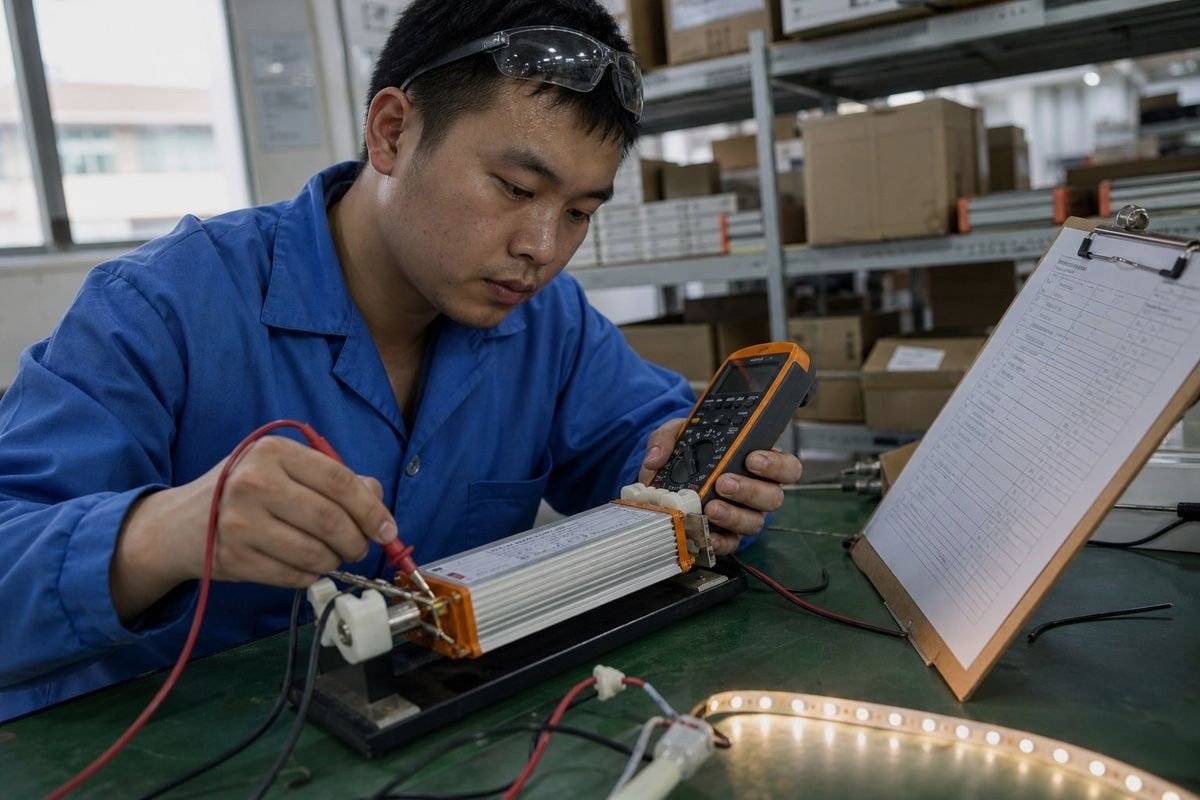
Chúng tôi khuyên mọi khách hàng nên giữ tổng tải LED ở mức không quá 80% công suất định mức tối đa của driver. Nói cách khác, hãy chừa cho mình ít nhất 20% biên độ an toàn. Một driver chạy ở tải đầy sẽ nóng, lão hóa nhanh hơn và có thể điều chỉnh độ sáng kém. Trên dây chuyền sản xuất của chúng tôi, ứng suất nhiệt 3 là kẻ giết người số một đối với các driver được chỉ định thiếu thông số. Đáng chú ý, các linh kiện bên trong như MOSFET chuyển mạch và tụ điện trong driver 24V chịu ứng suất nhiệt ít hơn so với các đơn vị 12V có công suất tương đương, điều này thường kéo dài tuổi thọ driver.
Chiều dài đường chạy, tiết diện dây và sụt áp
Sụt áp là vấn đề thầm lặng. Một đường chạy 12V thường giữ ổn định lên đến khoảng 5 mét. Một đường chạy 24V có thể kéo dài đến khoảng 10 mét trước khi đầu xa mờ đi rõ rệt. Vì 24V giảm một nửa dòng điện, nó cũng cho phép bạn sử dụng dây có tiết diện mỏng hơn hoặc đặt driver xa tải hơn.
| Cân nhắc | Hệ thống 12V | Hệ thống 24V |
|---|---|---|
| Chiều dài chạy tối đa điển hình | ~5 m | ~10 m |
| Dòng điện ở tải 60W | 5A | 5A |
| Tiết diện dây cần thiết | Dày hơn | Mỏng hơn chấp nhận được |
| Nhiệt trong điện trở | Nhiều năng lượng lãng phí thành nhiệt | Sử dụng điện áp cao hơn, ít lãng phí hơn |
| EMI trên đường DC | Dòng điện cao hơn, rủi ro EMI nhiều hơn | Dòng điện thấp hơn, ít EMI hơn |
Cũng lưu ý một xu hướng chúng tôi thấy rõ trong các đơn hàng xuất khẩu: 24V đang trở thành tiêu chuẩn cho dải đèn COB mật độ cao, vì tương đương 12V tập trung quá nhiều nhiệt trên PCB linh hoạt.
Làm thế nào để tôi đảm bảo lựa chọn driver TRIAC của mình tương thích với công tắc điều chỉnh độ sáng hiện có?
Các ticket hỗ trợ khó nhất chúng tôi xử lý không bao giờ chỉ về driver. Chúng liên quan đến bộ điều chỉnh độ sáng gắn tường ở đầu kia. Đó là lý do đội ngũ của chúng tôi duy trì danh sách tương thích bộ điều chỉnh độ sáng đã được kiểm tra cho mọi dòng driver chúng tôi giao đến Châu Âu và Úc.
Xác nhận ba điều: driver hỗ trợ rõ ràng đầu vào cắt pha TRIAC; loại bộ điều chỉnh độ sáng — cạnh dẫn hoặc cạnh trễ — khớp với khả năng tương thích đã nêu của driver; và tải kết nối nằm trong phạm vi tối thiểu và tối đa của bộ điều chỉnh độ sáng. Kiểm tra một đơn vị trước khi triển khai toàn bộ.

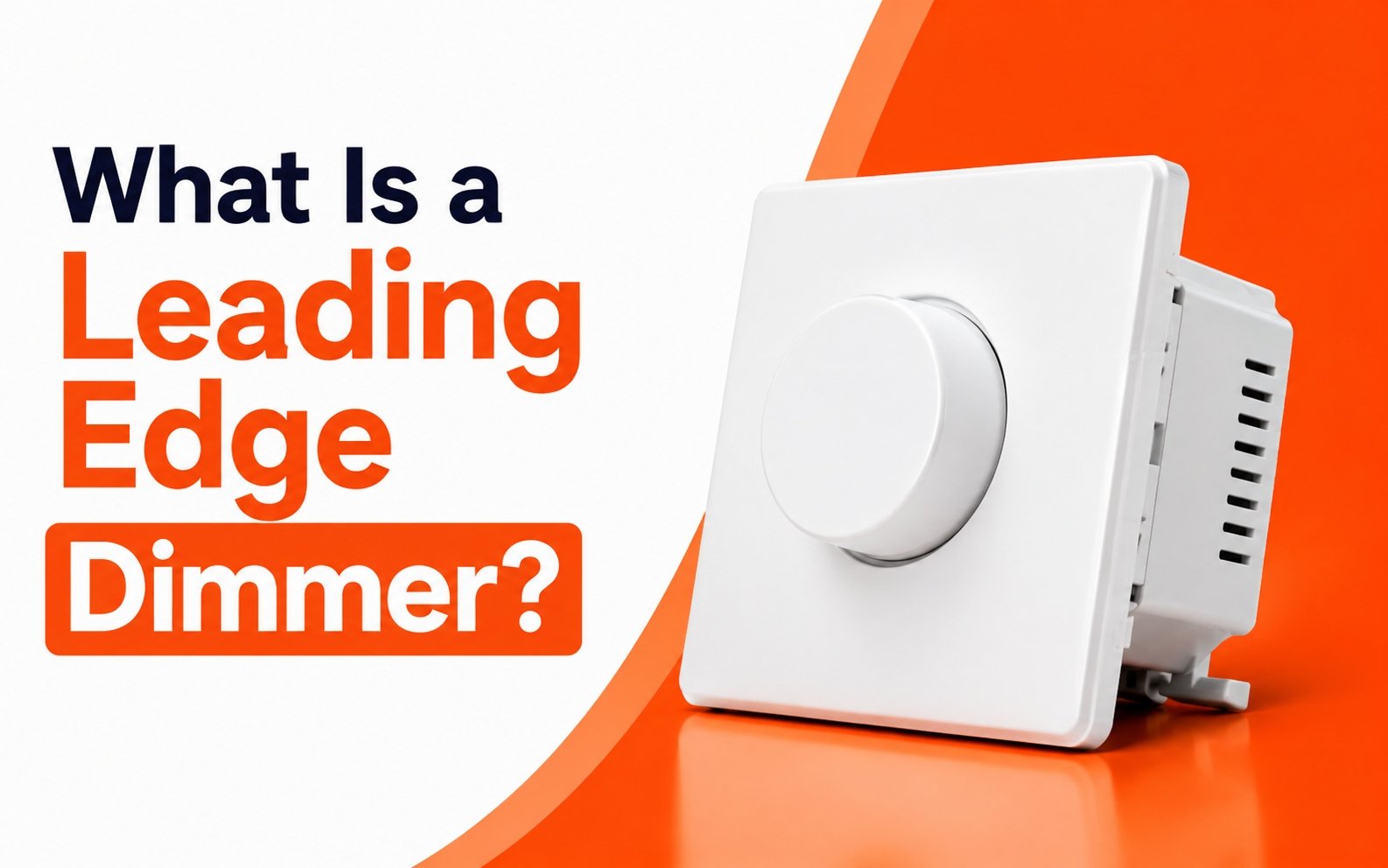
Đây là cái bẫy: “dimmable” trên bảng dữ liệu không có nghĩa là “tương thích với bộ điều chỉnh độ sáng của bạn.” Điều chỉnh độ sáng TRIAC hoạt động bằng cách cắt một phần dạng sóng AC. Có hai loại — cạnh dẫn so với cạnh trễ. Bộ điều chỉnh độ sáng cạnh dẫn (pha thuận) được thiết kế cho tải đèn sợi đốt và biến áp điện áp thấp từ tính. Bộ điều chỉnh độ sáng cạnh trễ (pha đảo) phù hợp hơn với driver điện tử. Nếu driver và bộ điều chỉnh độ sáng không khớp, bạn sẽ gặp tiếng ù, nhấp nháy hoặc vùng chết ở cuối núm vặn.
Danh sách kiểm tra tương thích thực tế
- Kiểm tra bảng dữ liệu driver để tìm hỗ trợ TRIAC/cắt pha rõ ràng, không chỉ từ “dimmable.”
- Xác định loại bộ điều chỉnh độ sáng gắn tường của bạn: pha thuận hoặc pha đảo.
- Xác minh tải tối thiểu của bộ điều chỉnh độ sáng. Một số bộ điều chỉnh độ sáng TRIAC cũ hoạt động sai với tải LED rất nhỏ.
- Kiểm tra trên bàn thử một cặp driver-bộ điều chỉnh độ sáng trên toàn dải điều chỉnh trước khi đặt hàng số lượng lớn.
- Theo dõi nhấp nháy, tiếng ù, phạm vi hạn chế hoặc mất tín hiệu ở mức thấp — tất cả là dấu hiệu của sự không khớp.
Tại sao TRIAC vẫn quan trọng
Một số kỹ sư tranh luận rằng điều chỉnh độ sáng TRIAC đã lỗi thời so với 0-10V, PWM hoặc giao thức kỹ thuật số. Tôi nghe phản đối này tại các hội chợ thương mại. Câu trả lời của tôi: thực tế trang bị thêm thắng. Hàng triệu ngôi nhà đã có bộ điều chỉnh độ sáng TRIAC gắn tường, và chủ nhà muốn giữ chúng. Đó chính xác là lý do chúng tôi xây dựng dòng driver điều chỉnh độ sáng của mình để điều chỉnh không nhấp nháy trên cả đầu vào cạnh dẫn và cạnh trễ. Một điểm nữa đáng biết: driver 24V thường cung cấp độ phân giải điều chỉnh độ sáng tốt hơn ở mức thấp nhất 1–5%, vì điện áp dư giúp duy trì điện áp thuận LED trong các chu kỳ PWM ngắn.
Việc chọn sai điện áp có ảnh hưởng đến chi phí, hiệu suất hoặc an toàn của dự án không?
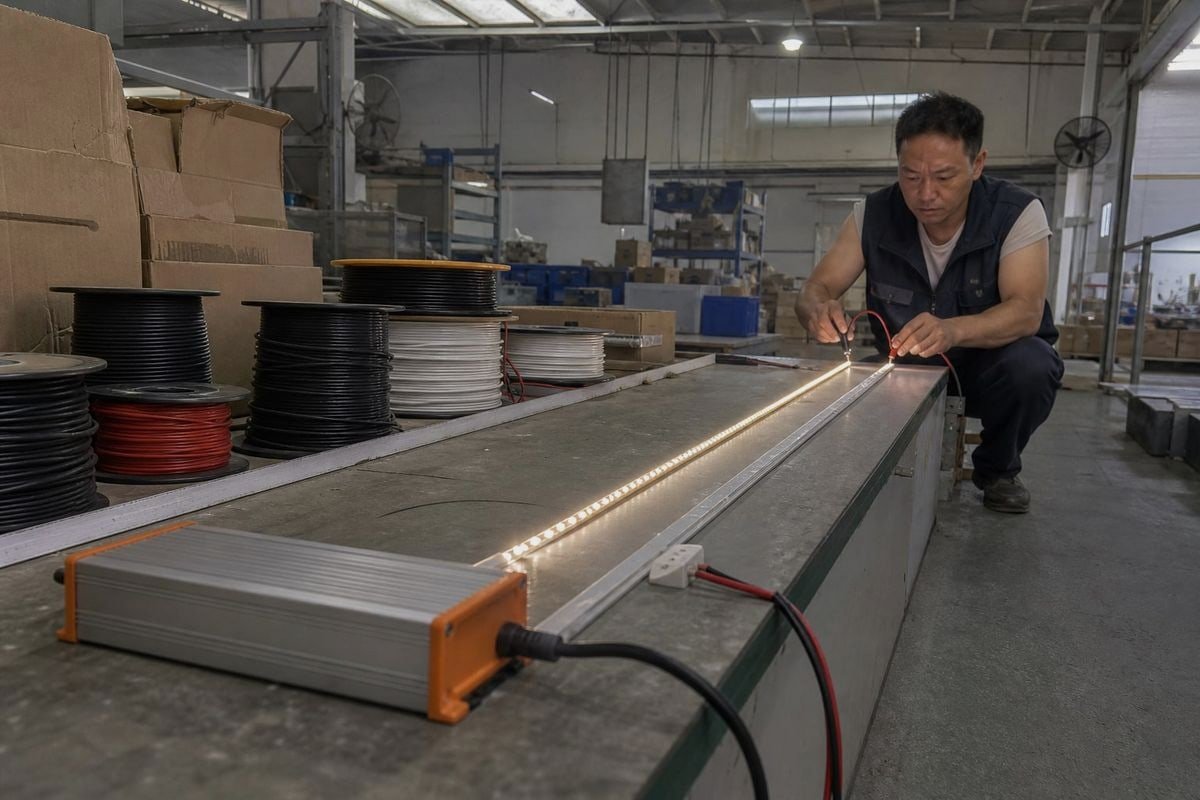
Một quản lý mua hàng từng hỏi tôi tại sao dự án dưới tủ 12V của cô ấy cần gấp đôi số bộ nguồn so với báo giá 24V cạnh tranh. Câu trả lời đã định hình lại toàn bộ thông số kỹ thuật dòng sản phẩm của cô ấy.
Có. Điện áp sai làm tăng tổng chi phí thông qua thêm driver, cáp dày hơn và sửa chữa sụt áp; nó lãng phí năng lượng thành nhiệt ở dòng điện cao hơn; và hệ thống quá tải hoặc không khớp có nguy cơ quá nhiệt. Điện áp đúng giảm chi phí vòng đời và cải thiện độ tin cậy và an toàn.
Để tôi tách ba mối quan tâm, vì người mua thường gộp chúng lại với nhau.
Chi phí: Giá đơn vị so với giá hệ thống
Driver 24V có thể đắt hơn một chút mỗi đơn vị ở một số thị trường. Nhưng trên các dự án lớn hơn, nó thường tiết kiệm tiền tổng thể. Ít bộ nguồn hơn, cáp mỏng hơn và không cần giảm thiểu sụt áp cộng lại nhanh chóng. Đối với công việc nhỏ, 12V vẫn rẻ hơn và đơn giản hơn vì linh kiện có ở khắp nơi và đường chạy ngắn. Khi chúng tôi báo giá dự án OEM, chúng tôi luôn định giá hệ thống, không phải hộp.
Hiệu suất: Driver so với hệ thống
Phân biệt hiệu suất driver với hiệu suất hệ thống. Một số driver 24V kiểm tra tốt hơn vài điểm phần trăm so với đơn vị 12V tương đương. Nhưng lợi ích lớn hơn nằm ở hệ thống dây: một nửa dòng điện có nghĩa là ít năng lượng mất trong cáp hơn nhiều. Kiến trúc 24V cũng sử dụng tỷ lệ điện áp cao hơn trong chính đèn LED, vì vậy ít công suất bị đốt cháy thành nhiệt trong điện trở giới hạn dòng điện. Dòng điện thấp hơn thậm chí giảm EMI dọc theo đường DC — liên quan đến các ngôi nhà có tự động hóa không dây hoặc âm thanh cao cấp.
An toàn và độ tin cậy
Cả 12V và 24V đều nằm an toàn trong giới hạn SELV 4, và mọi driver chúng tôi xuất khẩu đều mang chứng nhận CE với cách ly SELV. Rủi ro an toàn thực sự là nhiệt: driver 12V quá nhỏ bị đẩy quá 80% tải, hoặc dải đèn COB dày đặc làm quá nhiệt PCB linh hoạt.
| Khu vực ảnh hưởng | Hậu quả của lựa chọn sai | Lợi ích của lựa chọn đúng |
|---|---|---|
| Chi Phí | Bộ nguồn bổ sung, cỡ dây lớn hơn | Ít nguồn cấp hơn, đi dây đơn giản hơn |
| Hiệu quả | Tổn hao cáp, nhiệt điện trở | Dòng điện thấp hơn, vận hành mát hơn |
| An toàn | Bộ nguồn và bo mạch quá nhiệt | Hệ thống đạt chuẩn SELV, ổn định nhiệt |
| Làm mờ | Nhấp nháy, sụt áp, tiếng ù | Điều chỉnh độ sáng mượt mà, không nhấp nháy |
Sự kết luận
Sai điện áp gây nhấp nháy, sụt áp và lãng phí ngân sách. Giải pháp rất đơn giản: 12V cho độ chính xác và gọn nhẹ, 24V cho hiệu suất và quy mô — luôn kiểm tra tương thích TRIAC.
Chú thích
Giải thích linh kiện bán dẫn cơ bản được sử dụng trong điều chỉnh độ sáng cắt pha cho bộ nguồn LED. ↩︎
Giải thích kỹ thuật về điện trở và tổn hao công suất trong mạch DC điện áp thấp. ↩︎
Giải thích tác động của nhiệt lên linh kiện điện tử và tầm quan trọng của quản lý nhiệt. ↩︎
Xác định tiêu chuẩn an toàn cho hệ thống điện áp thấp để chống điện giật. ↩︎