










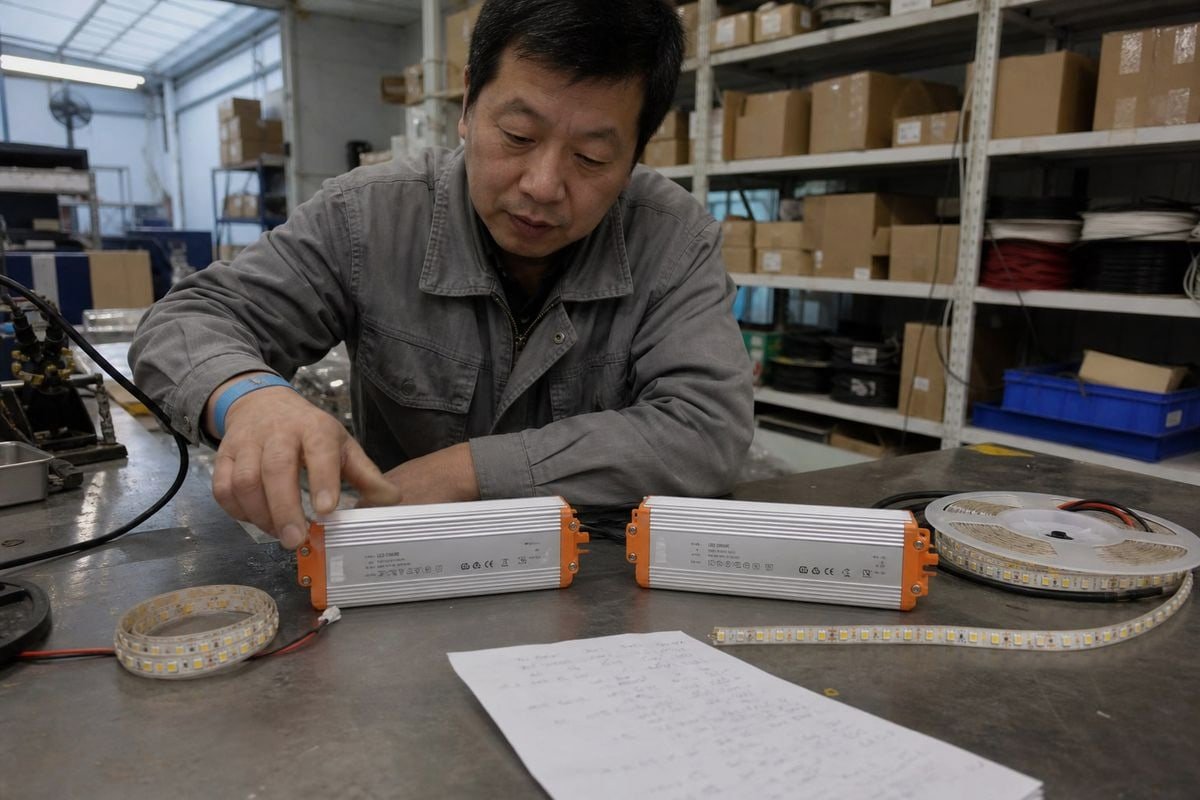
การเลือกระหว่าง 12V กับ 24V ไดรเวอร์ TRIAC 1 ทำให้ผู้ซื้อหลายรายสับสน ผมเห็นคำถามนี้ทุกสัปดาห์ที่โรงงานในเซินเจิ้นของเรา และการเลือกผิดหมายถึงการกะพริบ, แรงดันตก 2, และต้องแก้ไขงานใหม่ซึ่งมีค่าใช้จ่ายสูง นี่คือวิธีที่เราแก้ไข.
เลือกไดรเวอร์ TRIAC 12V สำหรับงานติดตั้ง LED แบบสั้น กำลังไฟต่ำ และแบ่งส่วนละเอียดสูง ซึ่งการตัดเพิ่มทีละน้อยมีความสำคัญ เลือกไดรเวอร์ TRIAC 24V สำหรับระยะทางยาวและกำลังไฟสูง เพราะช่วยลดกระแสลงครึ่งหนึ่ง ลดแรงดันตก และเพิ่มประสิทธิภาพของระบบ ควรจับคู่แรงดันของไดรเวอร์ให้ตรงกับโหลด LED ของคุณเสมอ.
นั่นคือคำตอบสั้นๆ ภาพรวมทั้งหมดเกี่ยวข้องกับความยาวของเส้นเดิน กระแส ความเข้ากันได้กับดิมเมอร์ และต้นทุน ให้ผมอธิบายแต่ละขั้นตอนการตัดสินใจให้คุณฟังทีละขั้น.
ผมจะตัดสินใจระหว่างไดรเวอร์ TRIAC 12V และ 24V สำหรับโปรเจกต์ของผมได้อย่างไร?
ตัวแทนจำหน่ายในสิงคโปร์เคยส่งแบบแปลนพื้นให้ผมก่อนสั่งซื้อไดรเวอร์ตัวเดียว นิสัยนั้นช่วยโปรเจกต์ของเธอไว้ ที่โรงงานของเรา เรามักเริ่มต้นด้วยแบบแปลน ไม่ใช่ไดรเวอร์.
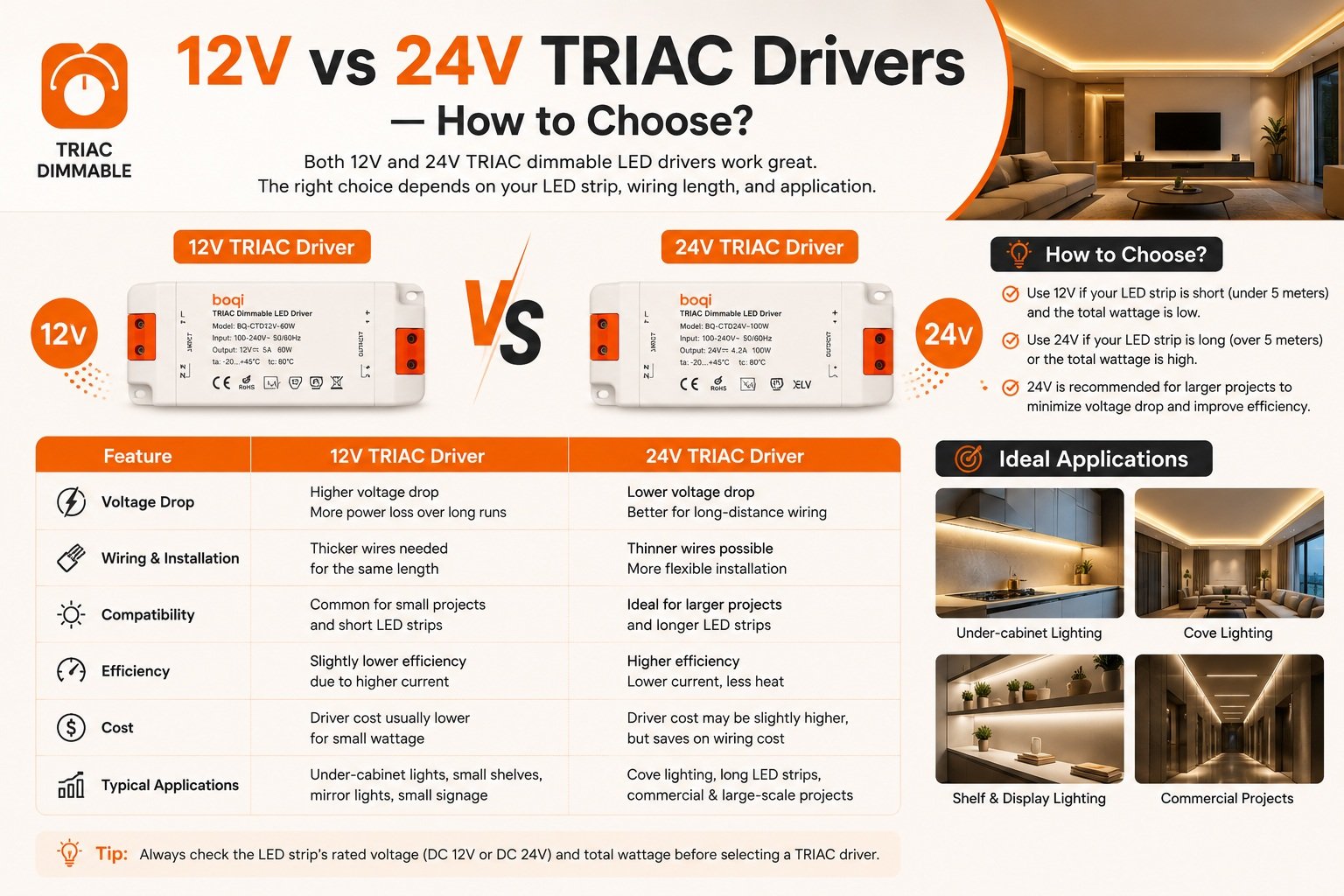
ตัดสินใจจากแรงดันโหลดก่อน จากนั้นจึงพิจารณาความยาวเส้นเดินและกำลังไฟ เลือก 12V สำหรับงานติดตั้งขนาดกะทัดรัด กำลังไฟต่ำ ระยะไม่เกินประมาณ 5 เมตร ที่มีจุดตัดชัดเจน เลือก 24V สำหรับระยะยาว กำลังไฟสูง หรือเส้นที่จ่ายไฟจากปลายด้านเดียว เพราะดึงกระแสครึ่งหนึ่งและมีแรงดันตกน้อยกว่า.

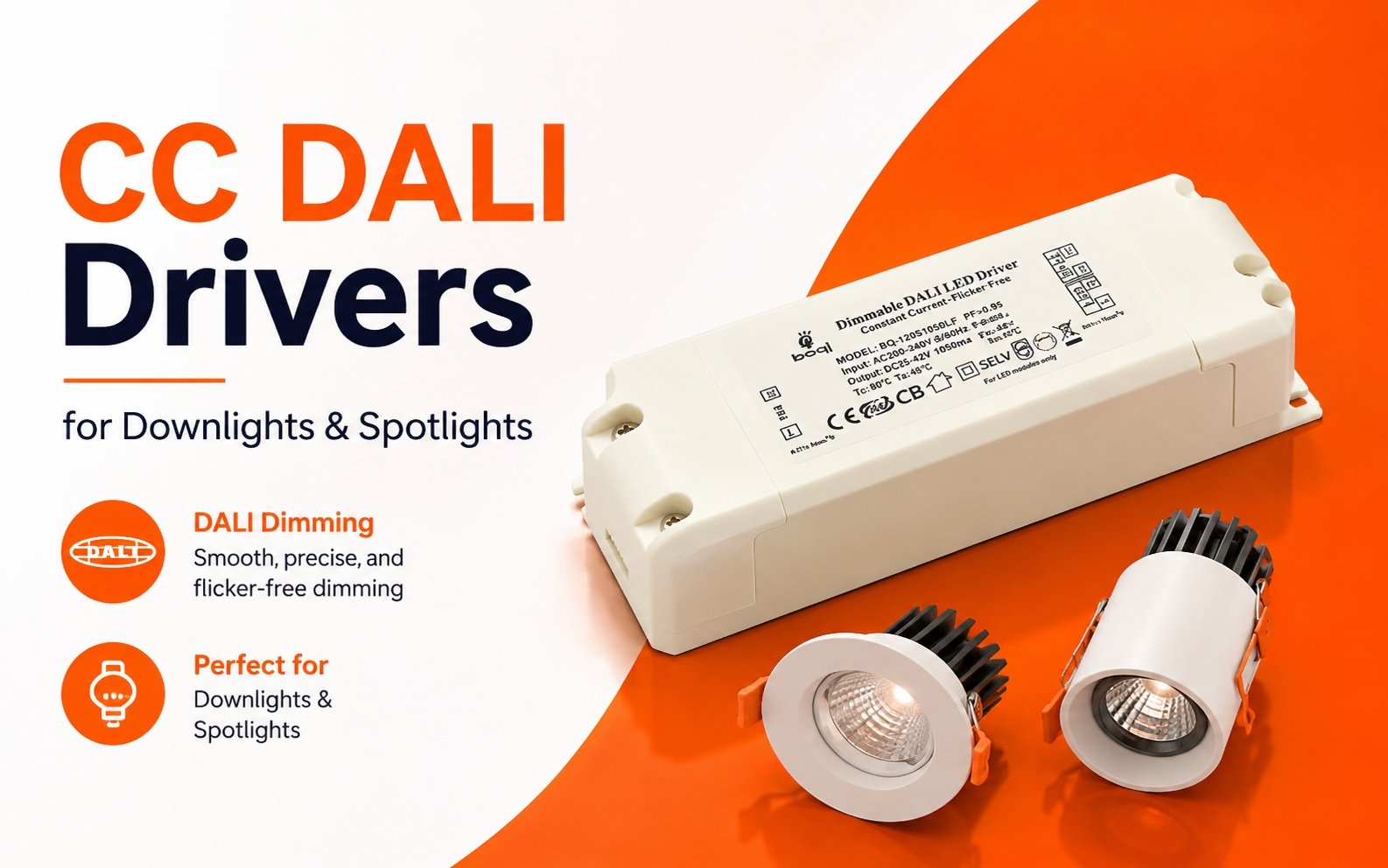
สิ่งแรกที่ผมบอกผู้ซื้อคือ: ไดรเวอร์ TRIAC ก็คือ แหล่งจ่ายไฟแรงดันคงที่ที่เข้ากันได้กับไฟหลักและปรับแสงได้. ดังนั้นการตัดสินใจที่แท้จริงไม่ใช่ “TRIAC เทียบกับ 12V/24V” แต่เป็นการเลือกสองขั้นตอน ขั้นแรก แถบ LED ของคุณต้องการไฟ DC 12V หรือ DC 24V? ขั้นที่สอง ไดรเวอร์เข้ากันได้กับการตัดเฟสจากดิมเมอร์ติดผนังของคุณจริงหรือไม่?
เริ่มต้นด้วยกฎการตัดสินใจง่ายๆ
นี่คือตารางอ้างอิงด่วนที่เราแชร์กับลูกค้าใหม่:
| ปัจจัย | เลือก 12V | เลือก 24V |
|---|---|---|
| ความยาวเส้นเดิน | ไม่เกิน ~5 เมตร | สูงสุด ~10 เมตรต่อเส้น |
| ระยะการตัด | ตัดละเอียด มักทุก 1 นิ้ว | ตัดทุก 2–4 นิ้ว |
| ระดับกำลังไฟ | ไฟเน้นแสงกำลังไฟต่ำ | ไฟเส้นเชิงเส้นกำลังไฟสูง |
| กระแสที่ดึง | สูงกว่า (สองเท่าที่กำลังไฟเท่ากัน) | ครึ่งหนึ่งของกระแสที่กำลังไฟเท่ากัน |
| การใช้งานทั่วไป | เฟอร์นิเจอร์ ตู้ขนาดเล็ก การติดตั้งแบบ RV | ห้องครัว ตู้เสื้อผ้า เส้นเชิงพาณิชย์ |
แรงดันไฟฟ้าไม่เท่ากับความสว่าง
ความเข้าใจผิดที่ผมแก้บ่อยครั้ง: แรงดันไฟฟ้าเพียงอย่างเดียวไม่ได้กำหนดความสว่าง ความสว่างมาจากกำลังไฟของแถบ ความหนาแน่นของ LED และกำลังที่จ่ายจริง ความแตกต่างเชิงปฏิบัติระหว่าง 12V และ 24V อยู่ที่กระแส ความยาวเส้นสูงสุด ระยะการตัด และความเข้ากันได้ของการควบคุม ในทางปฏิบัติ 24V มักเป็นตัวเลือกที่ดีกว่าสำหรับระบบกำลังไฟสูงหรือสายยาว ขณะที่ 12V ยังคงมีประโยชน์สำหรับงานขนาดกะทัดรัด กำลังไฟต่ำ ทั้งสองทำงานกับดิมเมอร์ติดผนังแบบ TRIAC แต่เฉพาะเมื่อไดรเวอร์รองรับอินพุตแบบตัดเฟสโดยเฉพาะเท่านั้น.
ปัจจัยใดบ้างที่ผมควรพิจารณาเมื่อจับคู่แรงดันไดรเวอร์กับโหลด LED ของผม?
ระหว่างโปรเจกต์ OEM ล่าสุดสำหรับแบรนด์ไฟยุโรป วิศวกรของเราปฏิเสธสเปกชีตเพราะไดรเวอร์ 24V ถูกจับคู่กับแถบ 12V แบบผสม การจับได้ตั้งแต่เนิ่นๆ ป้องกันหายนะด้านการรับประกันได้.
จับคู่แรงดันเอาต์พุตของไดรเวอร์ให้ตรงกับโหลด LED ของคุณทุกประการ — ห้ามผสมแถบ 12V กับไดรเวอร์ 24V เด็ดขาด จากนั้นตรวจสอบกำลังไฟรวม โดยให้โหลดอยู่ที่หรือต่ำกว่า 80% ของความจุที่กำหนดของไดรเวอร์ และยืนยันว่าความยาวเส้นอยู่ในขีดจำกัดแรงดันตกสำหรับแรงดันนั้น.
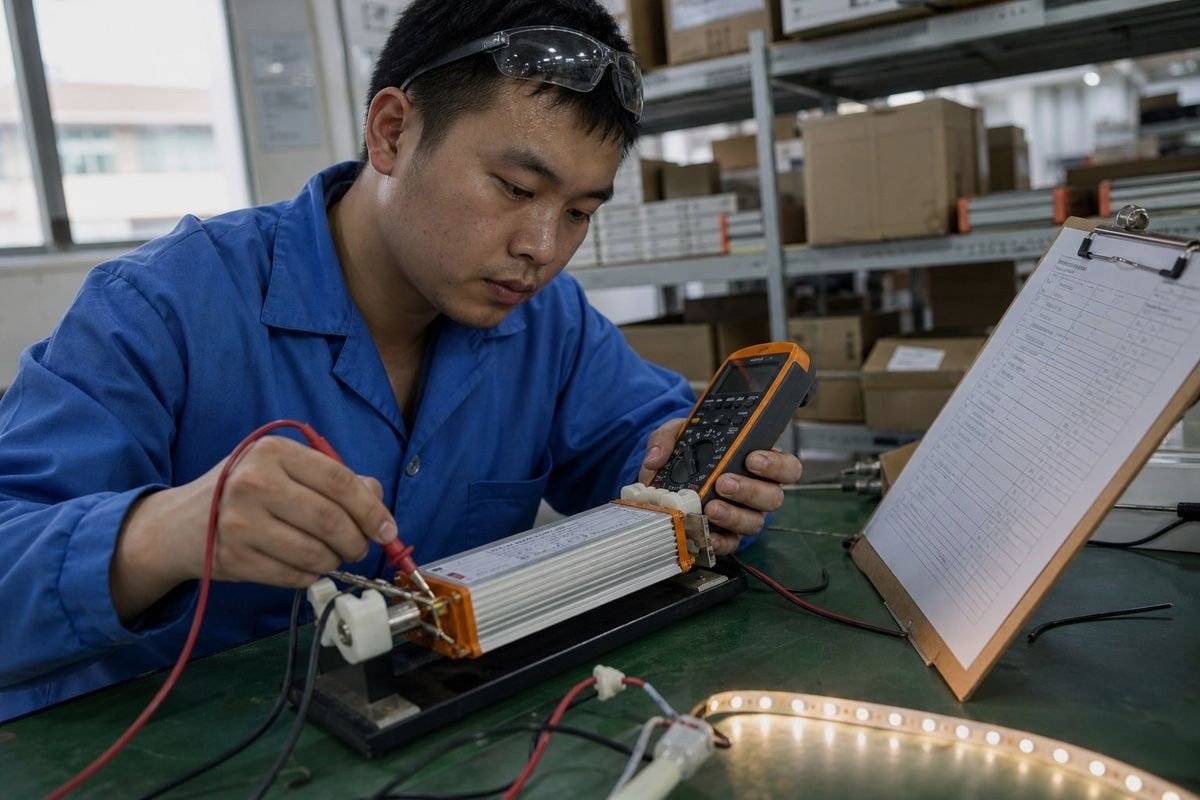
การจับคู่แรงดันเป็นสิ่งที่ห้ามละเลย ไดรเวอร์ 24V กับแถบ 12V จะทำให้ LED ไหม้ ไดรเวอร์ 12V กับแถบ 24V จะทำให้ไฟแทบไม่ติด แต่แรงดันเป็นเพียงการตรวจสอบแรกเท่านั้น ระยะเผื่อกำลังไฟ กระแส และระยะสายไฟก็สำคัญไม่แพ้กัน.
กฎ Headroom 80%
เราขอแนะนำให้ลูกค้าทุกท่านรักษาโหลด LED รวมไม่เกิน 80% ของกำลังไฟสูงสุดที่ไดรเวอร์รองรับ กล่าวคือ ให้เผื่อพื้นที่ไว้อย่างน้อย 20% ไดรเวอร์ที่ทำงานเต็มกำลังจะร้อน อายุการใช้งานสั้นลง และอาจหรี่แสงได้ไม่ดี บนสายการผลิตของเรา, ความเครียดจากความร้อน 3 เป็นฆาตกรอันดับหนึ่งของไดรเวอร์ที่ระบุสเปกไม่เพียงพอ โดยเฉพาะอย่างยิ่ง ชิ้นส่วนภายใน เช่น มอสเฟตสวิตชิ่งและตัวเก็บประจุในไดรเวอร์ 24V จะมีความเครียดจากความร้อนน้อยกว่าในรุ่น 12V ที่กำลังไฟเท่ากัน ซึ่งมักจะช่วยยืดอายุการใช้งานของไดรเวอร์ได้.
ความยาวเส้นเดิน ขนาดสายไฟ และแรงดันตก
แรงดันตกเป็นปัญหาที่มองไม่เห็น การเดินสาย 12V โดยทั่วไปจะคงคุณภาพได้ถึงประมาณ 5 เมตร ส่วนการเดินสาย 24V สามารถขยายได้ถึงประมาณ 10 เมตร ก่อนที่ปลายทางจะเห็นการหรี่ลงอย่างชัดเจน เนื่องจาก 24V ลดกระแสลงครึ่งหนึ่ง จึงทำให้ใช้สายไฟที่เล็กลงได้ หรือวางไดรเวอร์ให้ห่างจากโหลดมากขึ้น.
| ข้อพิจารณา | ระบบ 12V | ระบบ 24V |
|---|---|---|
| ความยาวสายสูงสุดทั่วไป | ~5 ม. | ~10 ม. |
| กระแสที่โหลด 60W | 5A | 5A |
| ขนาดสายไฟที่ต้องใช้ | ใหญ่กว่า | เล็กลงได้ |
| ความร้อนในตัวต้านทาน | พลังงานสูญเสียเป็นความร้อนมากขึ้น | การใช้แรงดันสูงขึ้น สูญเสียน้อยลง |
| EMI บนสาย DC | กระแสสูง ความเสี่ยง EMI มากขึ้น | กระแสต่ำ EMI น้อยลง |
นอกจากนี้ ยังสังเกตแนวโน้มที่เราเห็นชัดเจนในคำสั่งซื้อส่งออก: 24V กำลังกลายเป็นมาตรฐานสำหรับแถบ COB ความหนาแน่นสูง เนื่องจากรุ่น 12V ที่เทียบเท่ากันจะรวมความร้อนมากเกินไปบน PCB แบบยืดหยุ่น.
ผมจะมั่นใจได้อย่างไรว่าการเลือกไดรเวอร์ TRIAC ของผมเข้ากันได้กับสวิตช์ดิมเมอร์ที่มีอยู่?
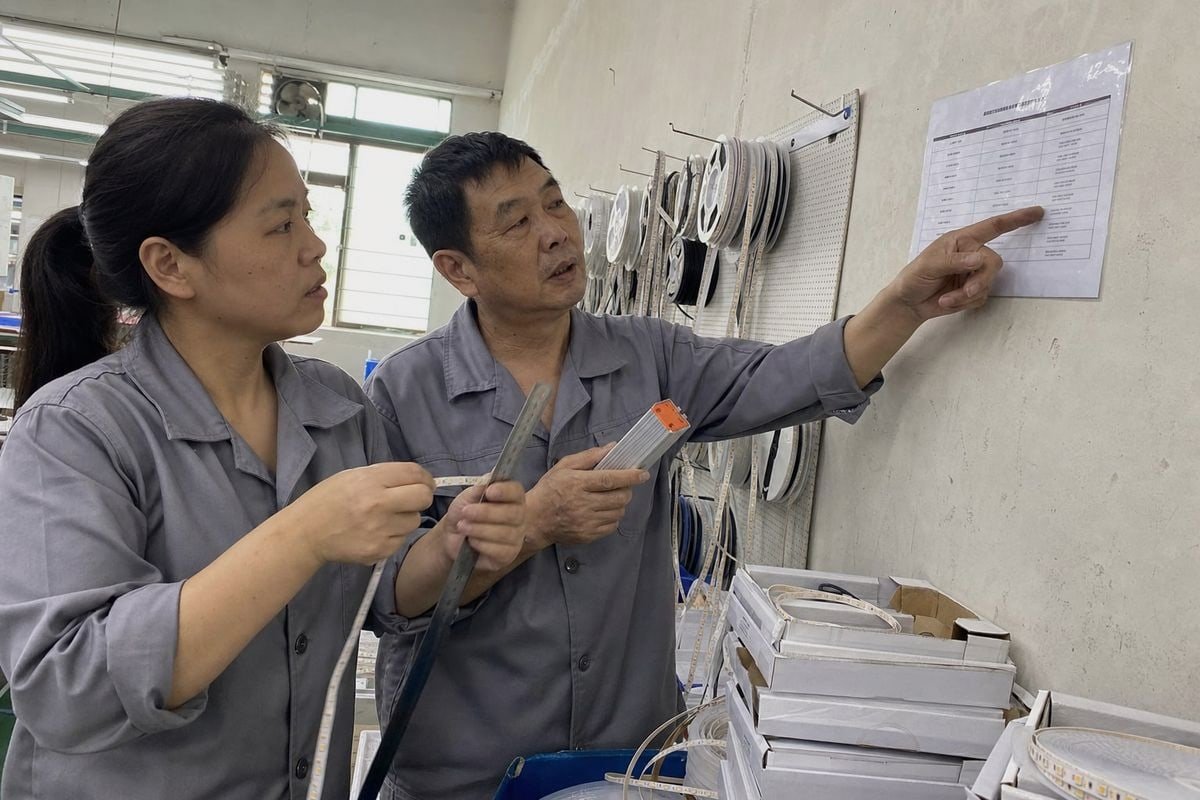
งานสนับสนุนที่ยากที่สุดที่เราจัดการไม่เคยเกี่ยวกับไดรเวอร์เพียงอย่างเดียว แต่เกี่ยวกับตัวหรี่แสงติดผนังที่ปลายทางอีกด้าน นั่นคือเหตุผลที่ทีมงานของเรามีรายการความเข้ากันได้ของตัวหรี่แสงที่ผ่านการทดสอบสำหรับทุกซีรีส์ไดรเวอร์ที่เราส่งไปยุโรปและออสเตรเลีย.
ยืนยันสามสิ่ง: ไดรเวอร์รองรับอินพุต TRIAC แบบตัดเฟสอย่างชัดเจน ประเภทของตัวหรี่แสง — ขอบนำหรือขอบตาม — ตรงกับความเข้ากันได้ที่ระบุของไดรเวอร์ และโหลดที่เชื่อมต่ออยู่ในช่วงต่ำสุดและสูงสุดของตัวหรี่แสง ทดสอบหนึ่งหน่วยก่อนการติดตั้งเต็มรูปแบบ.
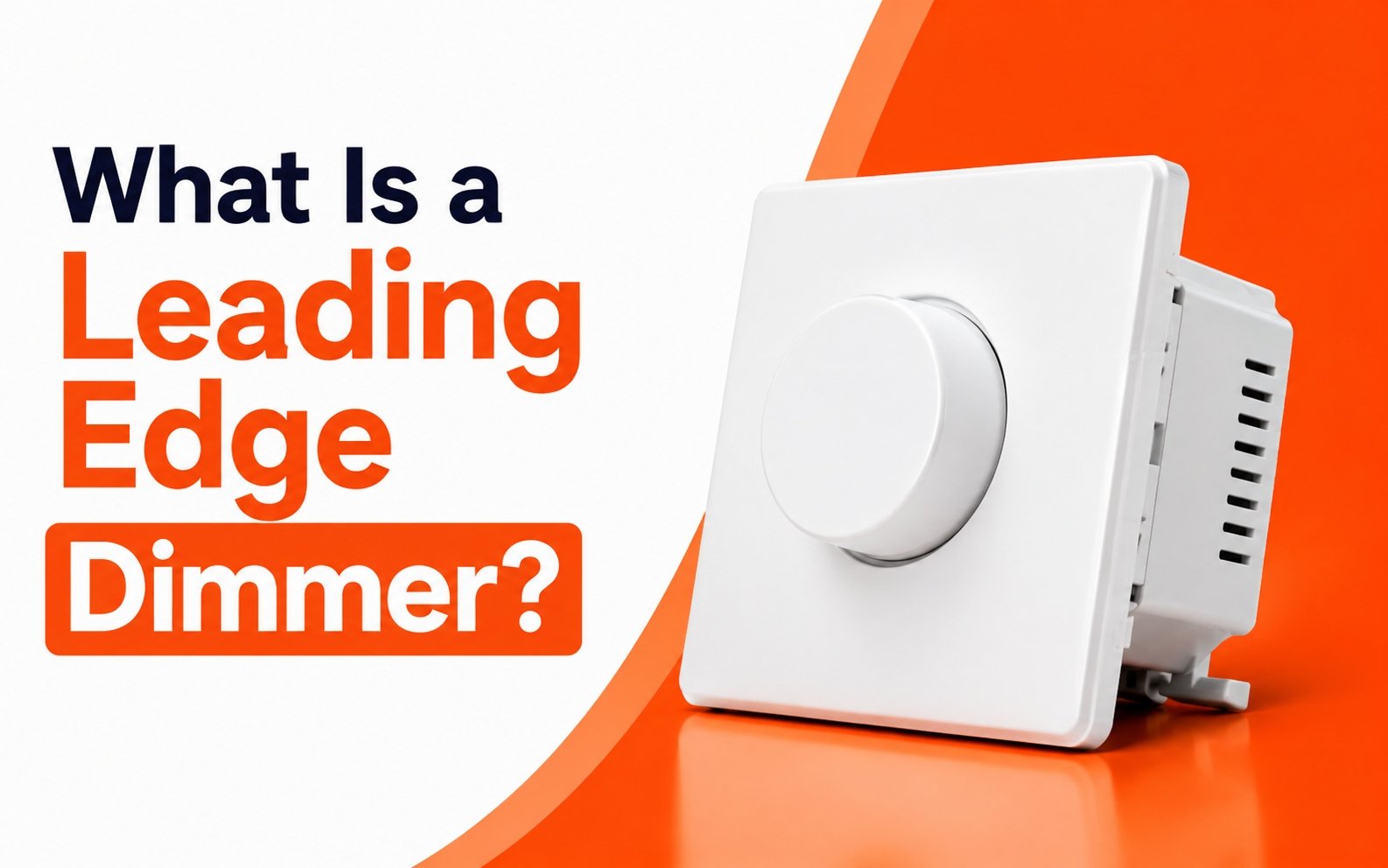
นี่คือกับดัก: คำว่า “หรี่แสงได้” ในเอกสารข้อมูลไม่ได้หมายความว่า “เข้ากันได้กับตัวหรี่แสงของคุณ” การหรี่แสงแบบ TRIAC ทำงานโดยการตัดส่วนหนึ่งของรูปคลื่น AC มีสองรูปแบบ — ขอบนำเทียบกับขอบตาม ตัวหรี่แสงขอบนำ (เฟสไปข้างหน้า) ออกแบบมาสำหรับโหลดหลอดไส้และหม้อแปลงแรงดันต่ำแม่เหล็ก ตัวหรี่แสงขอบตาม (เฟสย้อนกลับ) เหมาะกับไดรเวอร์อิเล็กทรอนิกส์มากกว่า หากไดรเวอร์และตัวหรี่แสงไม่สอดคล้องกัน คุณจะได้ยินเสียงหึ่ง ไฟกระพริบ หรือโซนตายที่ปลายล่างของปุ่มปรับ.
รายการตรวจสอบความเข้ากันได้เชิงปฏิบัติ
- ตรวจสอบเอกสารข้อมูลของไดรเวอร์เพื่อการรองรับ TRIAC/การตัดเฟสอย่างชัดเจน ไม่ใช่แค่คำว่า “หรี่แสงได้”
- ระบุประเภทตัวหรี่แสงติดผนังของคุณ: เฟสไปข้างหน้าหรือเฟสย้อนกลับ.
- ตรวจสอบโหลดขั้นต่ำของตัวหรี่แสง ตัวหรี่แสง TRIAC รุ่นเก่าบางรุ่นทำงานผิดปกติกับโหลด LED ที่เล็กมาก.
- ทดสอบคู่ไดรเวอร์-ตัวหรี่แสงหนึ่งชุดบนโต๊ะทดสอบตลอดช่วงการหรี่แสงทั้งหมดก่อนสั่งซื้อจำนวนมาก.
- สังเกตไฟกระพริบ เสียงหึ่ง ช่วงจำกัด หรือการดับที่ระดับต่ำ — ทั้งหมดเป็นสัญญาณของความไม่เข้ากัน.
ทำไม TRIAC ยังคงมีความสำคัญ
วิศวกรบางคนโต้แย้งว่าการหรี่แสงแบบ TRIAC ล้าสมัยเมื่อเทียบกับ 0-10V, PWM หรือโปรโตคอลดิจิทัล ฉันได้ยินข้อโต้แย้งนี้ในงานแสดงสินค้า คำตอบของฉัน: ความเป็นจริงของการปรับปรุงระบบชนะ บ้านหลายล้านหลังมีตัวหรี่แสง TRIAC ติดผนังอยู่แล้ว และเจ้าของบ้านต้องการเก็บไว้ นั่นคือเหตุผลที่เราสร้างไลน์ไดรเวอร์แบบหรี่แสงได้ของเราเพื่อการหรี่แสงไร้การกระพริบทั้งอินพุตขอบนำและขอบตาม อีกจุดหนึ่งที่ควรรู้: ไดรเวอร์ 24V มักให้ความละเอียดการหรี่แสงที่ดีกว่าที่ระดับต่ำสุด 1–5% เนื่องจากแรงดันไฟฟ้าส่วนเกินช่วยรักษาแรงดันไปข้างหน้าของ LED ในระหว่างรอบ PWM สั้นๆ.
การเลือกแรงดันไฟฟ้าผิดจะส่งผลต่อต้นทุน ประสิทธิภาพ หรือความปลอดภัยของโปรเจกต์ผมหรือไม่?
ผู้จัดการฝ่ายจัดซื้อคนหนึ่งเคยถามฉันว่าทำไมโปรเจกต์ใต้ตู้ 12V ของเธอต้องใช้แหล่งจ่ายไฟมากเป็นสองเท่าของใบเสนอราคา 24V ที่แข่งขันกัน คำตอบได้เปลี่ยนสเปกไลน์ผลิตภัณฑ์ทั้งหมดของเธอ.
ใช่ แรงดันไฟฟ้าที่ผิดจะเพิ่มต้นทุนรวมผ่านไดรเวอร์พิเศษ สายไฟที่หนาขึ้น และการแก้ไขแรงดันตก มันสูญเสียพลังงานเป็นความร้อนที่กระแสสูงขึ้น และระบบที่โอเวอร์โหลดหรือไม่ตรงกันเสี่ยงต่อความร้อนสูงเกินไป แรงดันไฟฟ้าที่ถูกต้องจะลดต้นทุนตลอดอายุการใช้งานและปรับปรุงความน่าเชื่อถือและความปลอดภัย.
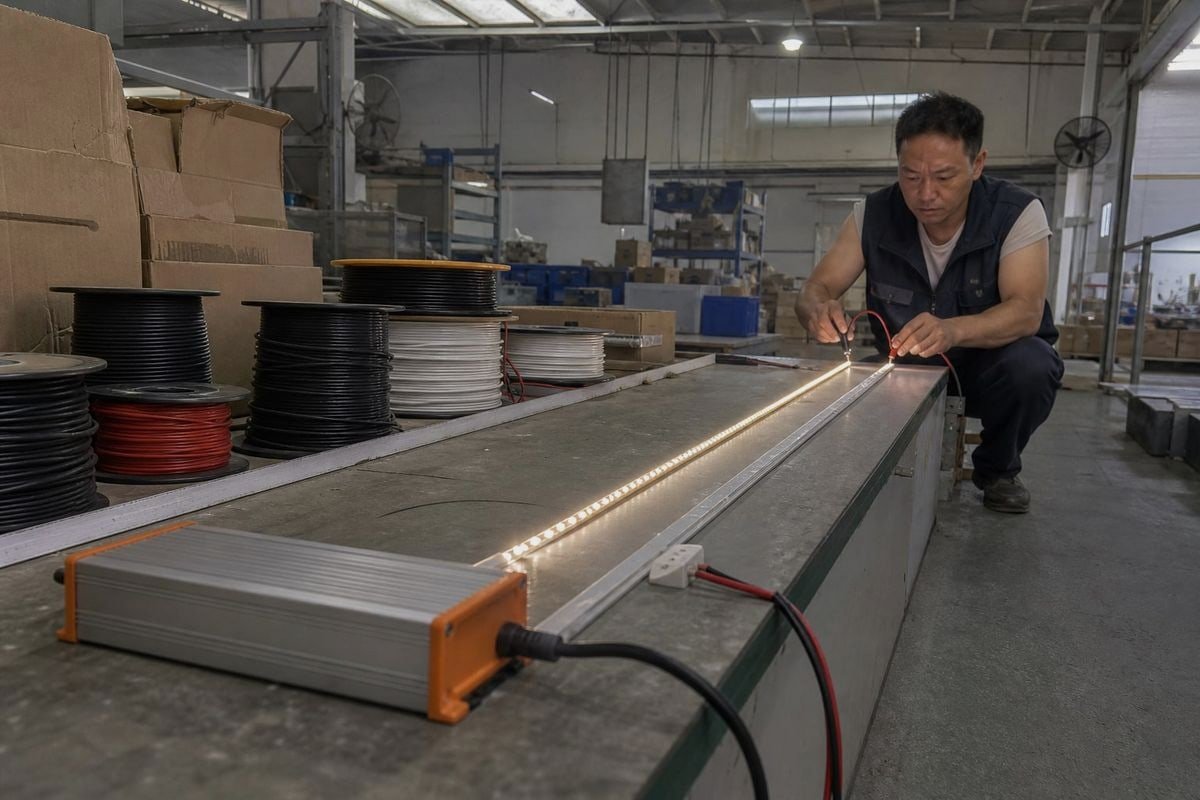
ให้ฉันแยกสามข้อกังวล เพราะผู้ซื้อมักจะปะปนกัน.
ต้นทุน: ราคาต่อหน่วยเทียบกับราคาระบบ
ไดรเวอร์ 24V อาจมีต้นทุนต่อหน่วยสูงกว่าเล็กน้อยในบางตลาด แต่ในโปรเจกต์ขนาดใหญ่ มักจะประหยัดเงินโดยรวมได้ จำนวนแหล่งจ่ายไฟน้อยลง สายไฟที่บางลง และไม่ต้องแก้ไขแรงดันตก รวมกันแล้วประหยัดได้เร็ว สำหรับงานขนาดเล็ก 12V ยังคงถูกกว่าและง่ายกว่าเพราะชิ้นส่วนมีอยู่ทั่วไปและการเดินสายสั้น เมื่อเราเสนอราคาโปรเจกต์ OEM เรามักจะคิดราคาระบบ ไม่ใช่แค่ตัวกล่อง.
ประสิทธิภาพ: ไดรเวอร์เทียบกับระบบ
แยกแยะประสิทธิภาพของไดรเวอร์จากประสิทธิภาพของระบบ ไดรเวอร์ 24V บางรุ่นทดสอบได้ดีกว่ารุ่น 12V ที่เทียบเท่ากันไม่กี่เปอร์เซ็นต์ แต่กำไรที่ใหญ่กว่าอยู่ที่การเดินสาย: กระแสครึ่งหนึ่งหมายถึงพลังงานที่สูญเสียในสายไฟน้อยลงมาก สถาปัตยกรรม 24V ยังใช้เปอร์เซ็นต์แรงดันไฟฟ้าในตัว LED สูงขึ้น ดังนั้นพลังงานน้อยลงที่เผาเป็นความร้อนใน ตัวต้านทานจำกัดกระแส. กระแสที่ต่ำลงยังลด EMI ตามสาย DC — เกี่ยวข้องกับบ้านที่มีระบบอัตโนมัติไร้สายหรือระบบเสียงระดับไฮเอนด์.
ความปลอดภัยและความน่าเชื่อถือ
ทั้ง 12V และ 24V อยู่ในขอบเขต ขีดจำกัด SELV 4, และไดรเวอร์ทุกตัวที่เราส่งออกมีใบรับรอง CE พร้อมการแยก SELV ความเสี่ยงด้านความปลอดภัยที่แท้จริงคือความร้อน: ไดรเวอร์ 12V ที่มีขนาดเล็กเกินไปถูกผลักเกินโหลด 80% หรือแถบ COB ที่หนาแน่นทำให้ PCB แบบยืดหยุ่นร้อนเกินไป.
| พื้นที่ผลกระทบ | ผลของการเลือกผิด | ประโยชน์ของการเลือกถูก |
|---|---|---|
| ต้นทุน | ไดรเวอร์เพิ่มเติม, สายไฟขนาดใหญ่ขึ้น | อุปกรณ์จ่ายไฟน้อยลง, การเดินสายที่ง่ายขึ้น |
| Efficiency | การสูญเสียในสายเคเบิล, ความร้อนจากตัวต้านทาน | กระแสไฟฟ้าต่ำลง, การทำงานที่เย็นกว่า |
| ความปลอดภัย | ไดรเวอร์และแผงวงจรที่ร้อนเกินไป | ระบบที่ผ่านการรับรอง SELV, มีความเสถียรทางความร้อน |
| ลดแสง | การกะพริบ, การดับกลางคัน, เสียงฮัม | การหรี่แสงที่ราบรื่น, ปราศจากการกะพริบ |
บทสรุป
แรงดันไฟฟ้าที่ผิดหมายถึงการกะพริบ, แรงดันตก, และงบประมาณที่สูญเปล่า วิธีแก้ง่ายๆ คือ: 12V สำหรับความแม่นยำและความกะทัดรัด, 24V สำหรับประสิทธิภาพและขนาดโครงการ — พร้อมตรวจสอบความเข้ากันได้กับ TRIAC เสมอ.
เชิงอรรถ
อธิบายส่วนประกอบเซมิคอนดักเตอร์พื้นฐานที่ใช้ในการหรี่แสงแบบตัดเฟสสำหรับไดรเวอร์ LED. ↩︎
คำอธิบายทางเทคนิคเกี่ยวกับความต้านทานไฟฟ้าและการสูญเสียกำลังในวงจร DC แรงดันต่ำ. ↩︎
อธิบายผลกระทบของความร้อนต่อชิ้นส่วนอิเล็กทรอนิกส์และความสำคัญของการจัดการความร้อน. ↩︎
กำหนดมาตรฐานความปลอดภัยสำหรับระบบไฟฟ้าแรงดันต่ำเพื่อป้องกันไฟฟ้าช็อต. ↩︎