













CV DALI drivers ยังคงปรากฏในข้อกำหนดโครงการที่ทีมเซินเจิ้นของเราได้รับ และผู้ซื้อหลายรายยังคงสงสัยว่าเหตุใดแหล่งจ่ายไฟธรรมดาจึงไม่เพียงพอสำหรับแถบ LED.
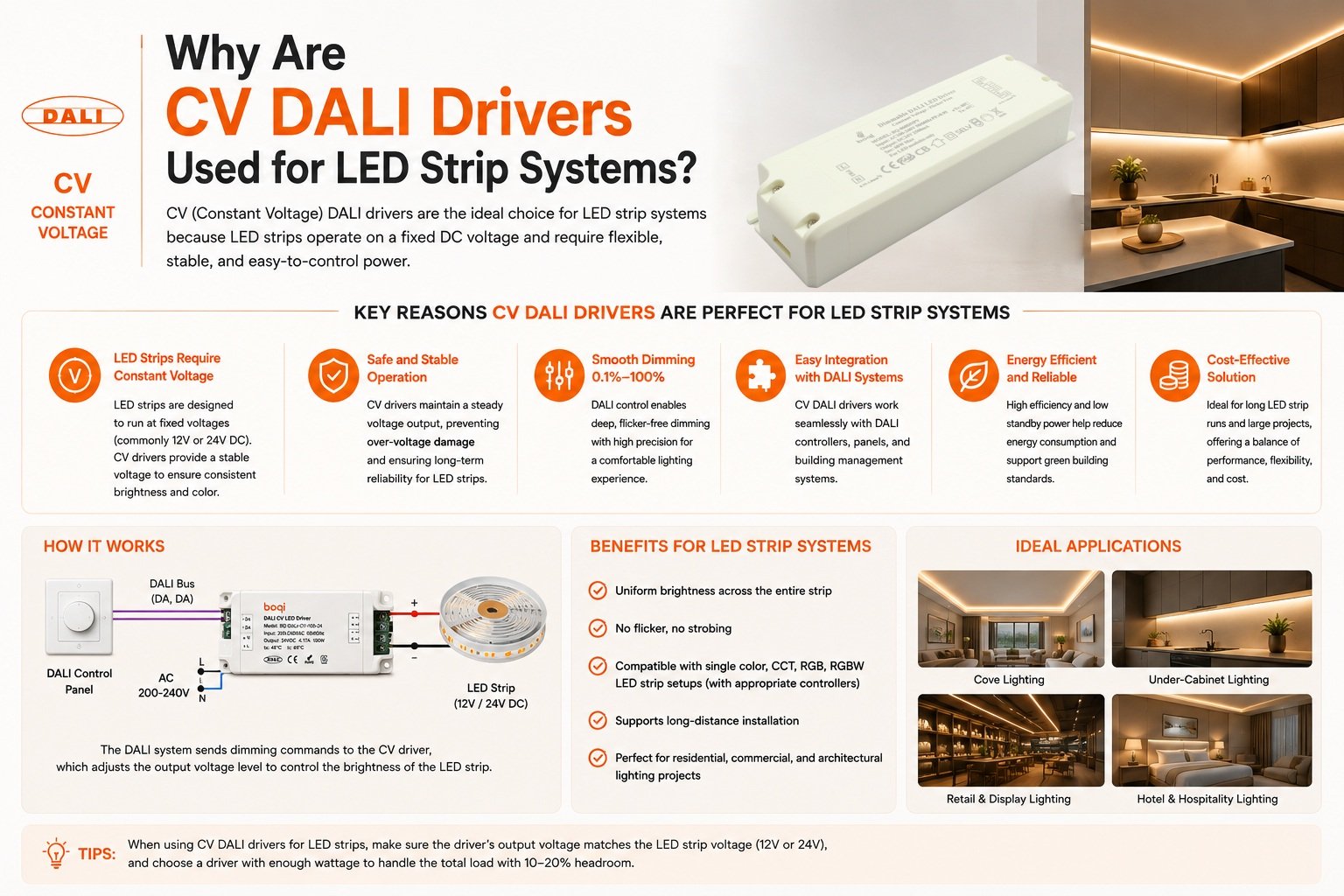
CV DALI drivers ถูกใช้ในระบบแถบ LED เนื่องจากแปลงไฟ AC หลักเป็นเอาต์พุต DC แรงดันคงที่ที่เสถียร ขณะเดียวกันก็รองรับคำสั่งปรับแสงดิจิทัล DALI ซึ่งให้การปรับแสงที่ราบรื่นและทำซ้ำได้ การควบคุมโซนแบบระบุตำแหน่ง และการผสานรวมกับระบบอาคารอัตโนมัติอย่างสะอาดตา ทั้งหมดจากอุปกรณ์เดียว.
คำตอบสั้นๆ นั้นครอบคลุมถึง “อะไร” ส่วนที่เหลือของบทความนี้อธิบาย “ทำไม” ในเชิงปฏิบัติ ผมจะอธิบายการเลือกใช้ ประสิทธิภาพการปรับแสง และการตรวจสอบแหล่งจัดหาทีละขั้นตอน.
อะไรทำให้ CV DALI drivers เหมาะสมสำหรับการใช้งานแถบ LED?
ตัวแทนจำหน่ายในสิงคโปร์เคยส่งตัวอย่างไฟรางโค้งที่เสียหายมาให้เรา แถบไฟยังดีอยู่ ปัญหาคือตัวปรับแสงไฟหลักที่ตัดรูปคลื่นป้อนให้แหล่งจ่ายไฟพื้นฐาน งานนั้นสอนทีมของเราไปมาก.
CV DALI drivers เข้ากับแถบ LED เพราะแถบ LED ต้องการไฟแรงดันต่ำแบบแรงดันคงที่ โดยทั่วไปคือ 12V หรือ 24V และไม่สามารถเชื่อมต่อกับไฟหลักได้โดยตรง ไดรเวอร์จ่ายแรงดันไฟฟ้าที่เสถียรและรับคำสั่งปรับแสงดิจิทัล ดังนั้นอุปกรณ์หนึ่งตัวจึงจ่ายไฟและควบคุมแถบไฟได้อย่างสะอาด.
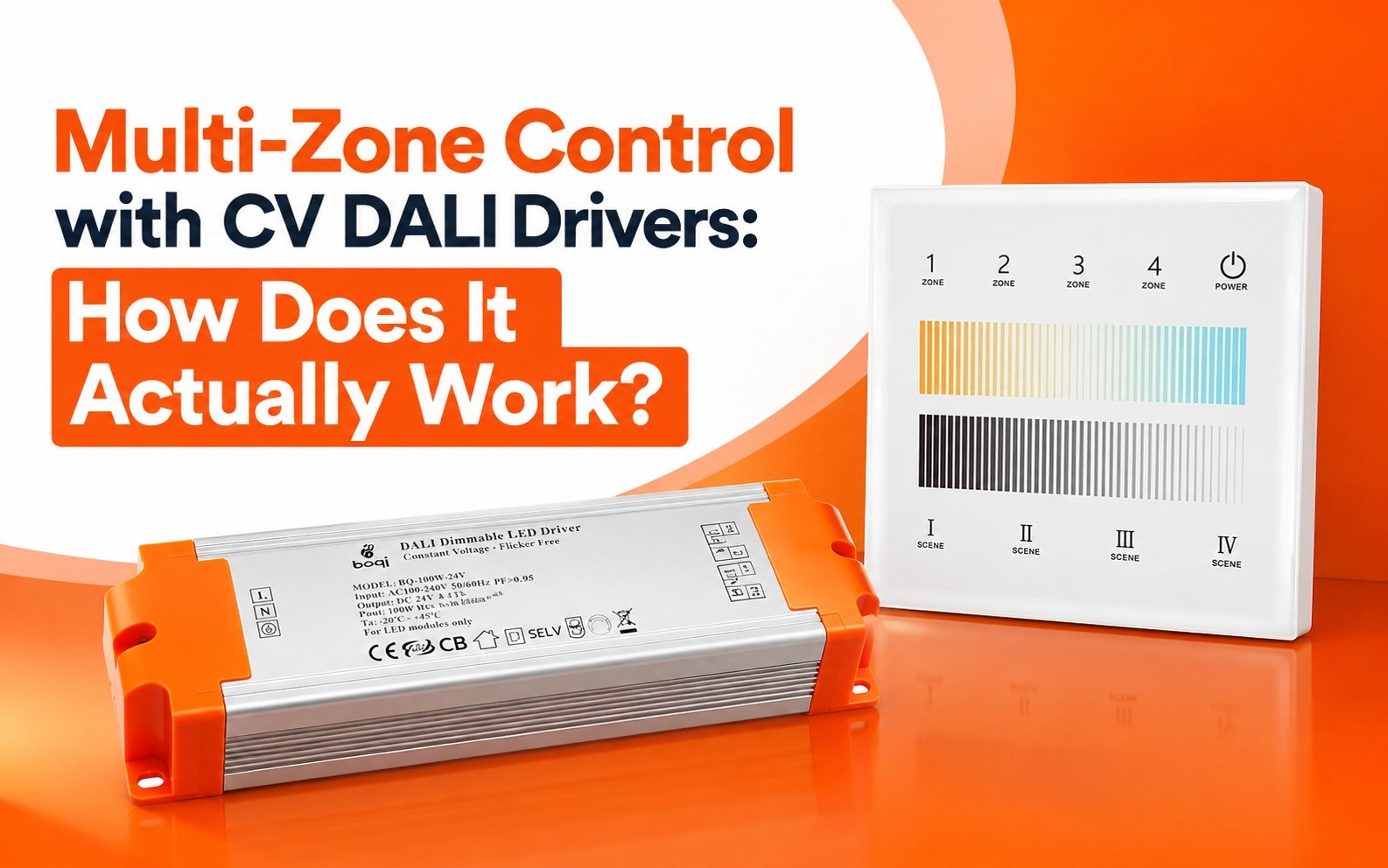
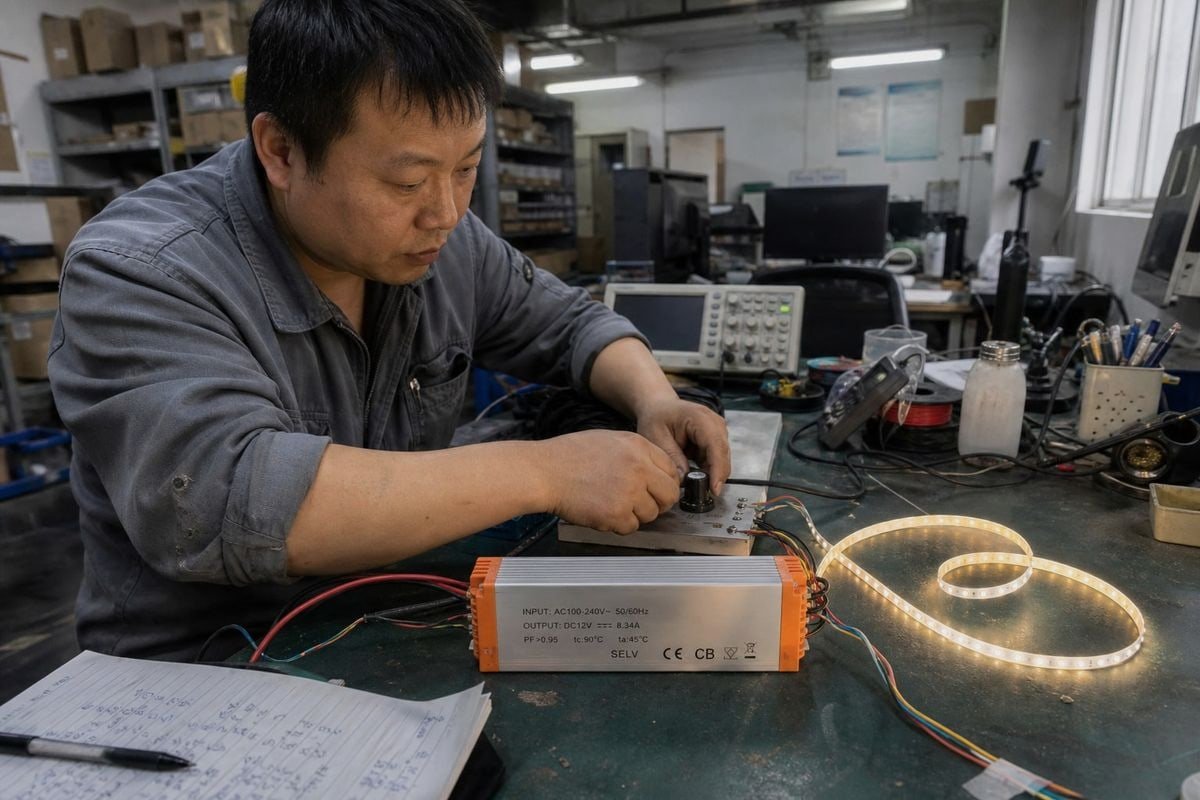
แถบ LED ถูกสร้างขึ้นสำหรับการทำงานที่แรงดันต่ำ แถบแรงดันคงที่ 24V คาดหวังสิ่งนั้นอย่างแม่นยำ: แรงดันไฟ 24V ที่คงที่ หากป้อนสิ่งที่ไม่เสถียร คุณจะได้สีเพี้ยน ความสว่างไม่สม่ำเสมอตลอดแนว หรือเสียหายก่อนเวลาอันควร ดังนั้นงานแรกของ CV DALI driver คือด้านไฟฟ้า: รับไฟ AC100-240V เข้า ส่ง DC ที่สะอาดออกมา หน่วยของเราเอง เช่น รุ่น DC12V 8.34A ที่มีเครื่องหมาย SELV, CE และ CB พิมพ์บนตัวเครื่อง ถูกออกแบบมาเพื่องานนั้นโดยเฉพาะ.
งานที่สองคือการควบคุม นี่คือจุดที่ DALI แยกตัวเองออกจาก ตัวปรับแสงแบบธรรมดา. ตัวปรับแสงแบบธรรมดาตัดรูปคลื่นไฟหลักโดยตรง ในขณะที่ DALI driver รับคำสั่งปรับแสงดิจิทัลผ่าน บัสสองสาย 1 และควบคุมเอาต์พุตไปยังแถบไฟอย่างแม่นยำ การปรับแสงเกิดขึ้นที่ฝั่งแรงดันต่ำ โดยปกติผ่าน PWM ดังนั้นแถบไฟจึงเห็นแรงดันไฟฟ้าที่ถูกต้องเสมอ.
เหตุใดการจับคู่นี้จึงทำงานได้ดีนัก
| ข้อกำหนดของแถบ LED | CV DALI driver ตอบสนองอย่างไร |
|---|---|
| แหล่งจ่าย 12V หรือ 24V ที่เสถียร | เอาต์พุต DC แรงดันคงที่ที่ควบคุมได้ |
| การปรับแสงราบรื่นโดยไม่มีการเปลี่ยนสี | เอาต์พุต PWM ที่ฝั่ง DC ไม่ใช่การตัดไฟหลัก |
| การควบคุมโซนและฉาก | การควบคุมแสงแบบระบุตำแหน่งผ่านบัส DALI |
| การติดตั้งที่ปลอดภัย | เอาต์พุต SELV การป้องกันไฟฟ้าลัดวงจรและการโอเวอร์โหลดในตัว |
| การเดินสายที่ง่าย | อุปกรณ์หนึ่งตัวจ่ายไฟและปรับแสง บัสไม่ขึ้นกับขั้ว |
นี่คือหมวดหมู่ผลิตภัณฑ์ที่กำหนดไว้ ไม่ใช่วิธีแก้ปัญหาเฉพาะหน้า ผลิตภัณฑ์ถูกสร้างและรับรองอย่างชัดเจนว่าเป็น constant-voltage DALI drivers สำหรับการใช้งานเชิงเส้น เช่น ไฟรางโค้ง การล้างผนัง ราวจับ และเพดานเรืองแสง จากประสบการณ์การส่งออกของเราในยุโรปและเอเชียตะวันออกเฉียงใต้ งานสถาปัตยกรรมเชิงเส้นเหล่านี้คือจุดที่ความต้องการกระจุกตัว.
ฉันจะเลือก CV DALI driver ที่เหมาะสมสำหรับโครงการแถบ LED ของฉันได้อย่างไร?
ข้อแลกเปลี่ยนที่เราพิจารณาบ่อยที่สุดกับผู้ซื้อคือความจุเทียบกับจำนวนช่องสัญญาณ หน่วยวัตต์สูงหนึ่งตัวมีต้นทุนต่อวัตต์ถูกกว่า แต่ไดรเวอร์หลายช่องสัญญาณปลดล็อกการควบคุม RGBW และไวท์ปรับได้จากที่อยู่เดียว.
เลือก CV DALI driver โดยจับคู่แรงดันไฟฟ้าของแถบไฟ (12V หรือ 24V) คำนวณวัตต์โดยเผื่อ 20% เหนือโหลดรวมของแถบไฟ ยืนยันการปฏิบัติตามโปรโตคอล DALI-2 และเลือก DT6 สำหรับสีเดียวหรือ DT8 สำหรับไวท์ปรับได้และแถบ RGBW.
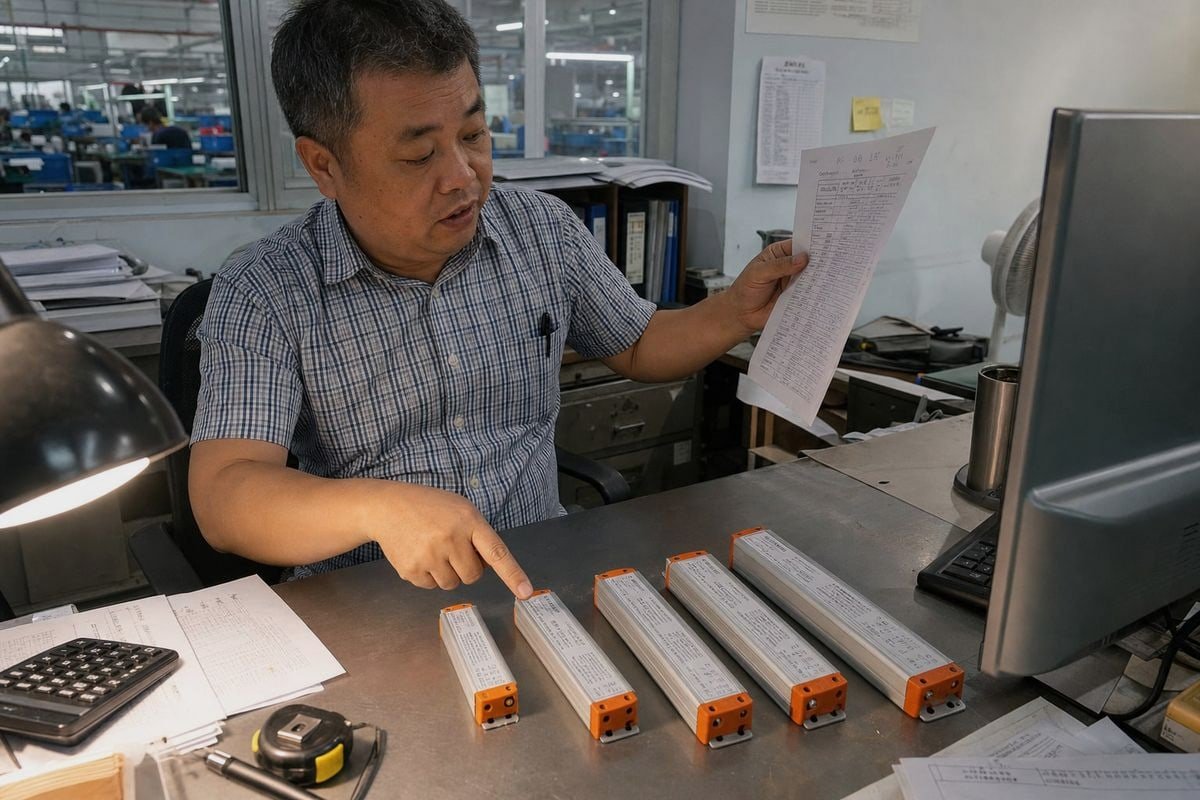
การเลือกเริ่มต้นด้วยตัวเลขสำคัญสามตัว: แรงดันไฟฟ้า กระแส และโหลดรวม หากผิดข้อใดข้อหนึ่ง ระบบจะทำงานต่ำกว่ามาตรฐานหรือล้มเหลว เมื่อวิศวกรของเราตรวจสอบรายการวัสดุของลูกค้า เราจะดำเนินการตามลำดับนี้:
- จับคู่แรงดันไฟฟ้า. ไดรเวอร์ 24V บนแถบ 12V จะทำลายแถบไฟ ไดรเวอร์ 12V บนแถบ 24V จะให้แสงเพียงเล็กน้อย.
- คำนวณวัตต์รวม. คูณวัตต์ต่อเมตรของแถบไฟด้วยความยาวทั้งหมด แล้วเพิ่มส่วนเผื่อประมาณ 20% ไดรเวอร์ในตลาดมีตั้งแต่หน่วยเล็ก 12W ไปจนถึง 90W, 100W, 160W, 200W และหน่วยหลายช่องสัญญาณที่ใหญ่กว่า ดังนั้นจึงมีพิกัดสำหรับเกือบทุกความยาว.
- ตรวจสอบพิกัดกระแส. ตัวอย่างเช่น หน่วย DC12V 8.34A ของเรารองรับแถบไฟ 12V ประมาณ 100W ได้อย่างสบายภายใต้กฎระยะเผื่อนั้น.
- ยืนยันเวอร์ชันโปรโตคอล. การปฏิบัติตามโปรโตคอล DALI-2 ซึ่งสร้างบนมาตรฐาน IEC 62386 ถือเป็นเกณฑ์พื้นฐานของตลาดในปัจจุบัน ช่วยให้มั่นใจได้ถึงความเข้ากันได้ระหว่างไดรเวอร์ เซนเซอร์ และคอนโทรลเลอร์จากผู้ผลิตหลายราย.
- เลือกประเภทอุปกรณ์ให้ถูกต้อง. เรื่องนี้สำคัญกว่าที่ผู้ซื้อส่วนใหญ่คิด.
DT6 กับ DT8: คุณต้องการอุปกรณ์ประเภทใด?
| ปัจจัย | DT6 | DT8 |
|---|---|---|
| เหมาะสำหรับ | แถบไฟสีขาวสีเดียว | การควบคุมไวท์ปรับอุณหภูมิได้ RGBW |
| จำนวนแอดเดรส DALI ที่ใช้ | หนึ่งแอดเดรสต่อช่อง | หนึ่งแอดเดรสต่อโคม |
| การควบคุมสี | ไม่รองรับโดยตรง ต้องใช้หลายแอดเดรส | รองรับโดยตรงผ่านมาตรฐาน DALI DT8 |
| ผลกระทบต่อความจุระบบ | ใช้แอดเดรสหมดเร็วในระบบหลายช่อง | ช่วยรักษาความจุบัส |
การรองรับ DT8 ควรระบุไว้เสมอเมื่อมีแผนใช้การปรับอุณหภูมิสีหรือ RGBW เนื่องจากมาตรฐาน DALI DT8 จัดการทุกช่องภายใต้แอดเดรสเดียว บนบัสที่จำกัด 64 แอดเดรส การประหยัดความจุนี้คือเงินจริงในโปรเจกต์ขนาดใหญ่.
สุดท้าย พิจารณาสถาปัตยกรรม บางโปรเจกต์ใช้คอนโทรลเลอร์ DALI PWM แยกต่างหากร่วมกับแหล่งจ่ายไฟ DC แทนไดรเวอร์ CV DALI แบบรวม วิธีแบบโมดูลาร์นี้เหมาะกับการปรับปรุงระบบที่มี PSU เดิมอยู่แล้ว แต่สำหรับการติดตั้งใหม่ ไดรเวอร์แบบรวมช่วยลดการเดินสาย พื้นที่ตู้ควบคุม และจุดเสี่ยงขัดข้อง ซึ่งเป็นเหตุผลที่ลูกค้า OEM ส่วนใหญ่ของเราระบุให้ใช้.
CV DALI drivers สามารถปรับปรุงประสิทธิภาพการปรับแสงในระบบแถบ LED ของฉันได้หรือไม่?
ระหว่างเซสชันปรับเทียบครั้งหนึ่งในเซินเจิ้น เราถ่ายวิดีโอเอาต์พุตของแถบไฟผ่านกล้องโทรศัพท์ในแต่ละขั้นตอนการลดแสง แถบที่ปรากฏในวิดีโอเป็นวิธีที่เร็วที่สุดในการเปิดเผยความถี่ PWM ที่ต่ำ ความถี่ PWM dimming 2.
ใช่ ไดรเวอร์ CV DALI ปรับปรุงการลดแสงผ่าน PWM ความถี่สูงเพื่อประสิทธิภาพไร้การกะพริบ เส้นโค้งการลดแสงแบบลอการิทึมที่สอดคล้องกับการตอบสนองของดวงตามนุษย์ และช่วงการลดแสงลึก 0.1% ถึง 100% คำสั่งดิจิทัลยังทำให้ระดับการลดแสงสามารถทำซ้ำได้และซิงโครไนซ์ทั่วทุกโซน.
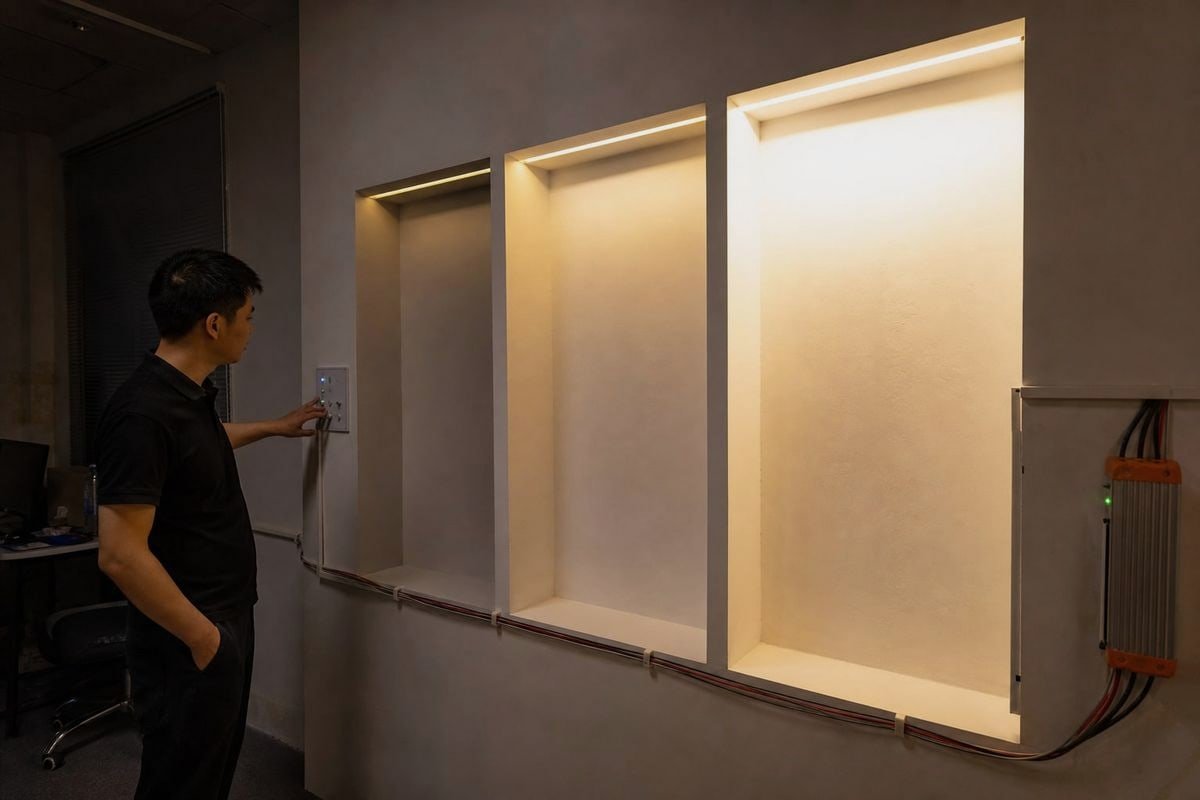
คุณภาพการลดแสงคือจุดที่ไดรเวอร์ CV DALI สร้างความคุ้มค่า และมาจากกลไกสามประการ.
PWM ความถี่สูงและการกะพริบ
คอนโทรลเลอร์ PWM ราคาถูกสวิตช์ที่ความถี่ไม่กี่ร้อยเฮิรตซ์ ซึ่งมองเห็นเป็นเอฟเฟกต์สโตรโบสโคปและปรากฏชัดบนกล้องเป็นแถบ rolling-shutter ไดรเวอร์ DALI คุณภาพสูงผลักความถี่ PWM dimming ขึ้นเหนือ 2kHz และรุ่นพรีเมียมถึง 20kHz หรือสูงกว่า ซึ่งกำจัดแถบในวิดีโอความละเอียดสูง สำหรับลูกค้าที่จัดส่งให้โรงแรม สตูดิโอออกอากาศ และพื้นที่ค้าปลีก ประสิทธิภาพไร้การกะพริบไม่ใช่สิ่งฟุ่มเฟือย แต่เป็นข้อกำหนดที่เขียนไว้ในเอกสารประกวดราคา.
เส้นโค้งการปรับแสงแบบลอการิทึม
ดวงตามนุษย์รับรู้ความสว่างแบบลอการิทึม ไม่ใช่เชิงเส้น DALI dimming ใช้เส้นโค้งการลดแสงแบบ ลอการิทึม 3 โดยการออกแบบ ดังนั้นการเปลี่ยนจาก 1% เป็น 2% ให้ความรู้สึกใกล้เคียงกับการเปลี่ยนจาก 50% เป็น 100% ผลในทางปฏิบัติ: การเฟดที่นุ่มนวลเป็นธรรมชาติที่ช่วงปลายล่าง ซึ่งตัวลดแสงเชิงเส้นให้ความรู้สึกกระตุก เมื่อรวมกับช่วงการลดแสง 0.1% ถึง 100% ทำให้สามารถสร้างระดับแสงกลางคืนที่ละเอียดอ่อนตามที่นักออกแบบสถาปัตยกรรมต้องการ.
ความสามารถในการทำซ้ำและการตอบสนอง
การลดแสงแบบแอนะล็อกมีความคลาดเคลื่อน คำสั่งดิจิทัลไม่คลาดเคลื่อน เมื่อฉากต้องการ 37% ไดรเวอร์ทุกตัวบนบัสจะได้ 37% ทุกครั้ง ทุกโซน DALI-2 ยังนำการสื่อสารสองทางมาใช้ ดังนั้นไดรเวอร์สามารถรายงานการใช้พลังงานและข้อผิดพลาดกลับไปยังระบบบริหารอาคารเพื่อการ ระบบอาคารอัตโนมัติ 4 วินิจฉัยแบบเรียลไทม์ ซึ่งเปลี่ยนการลดแสงจากการคาดเดาเป็นการทำงานที่วัดผลและตรวจสอบได้.
ฉันควรตรวจสอบอะไรเมื่อจัดหา CV DALI drivers สำหรับคำสั่งซื้อแถบ LED จำนวนมาก?
ผู้จัดการฝ่ายจัดซื้อคนหนึ่งเคยบอกฉันผ่าน WhatsApp ว่าไดรเวอร์จากซัพพลายเออร์เดิมของเธอผ่านขั้นตอนตัวอย่าง แล้วล้มเหลวเป็นชุดหลังใช้งานสามเดือนในไซต์งาน บทเรียนของเธอกลายเป็นรายการตรวจสอบ QC ของเรา.
สำหรับคำสั่งซื้อจำนวนมาก ตรวจสอบการรับรอง DALI-2 และ IEC 62386 เครื่องหมายความปลอดภัย SELV และ CE/CB ฟีเจอร์ป้องกันในตัว ข้อมูลจำเพาะความถี่ PWM การทดสอบ QC ระดับชุดการผลิต ความสามารถในการปรับแต่ง OEM/ODM และระยะเวลาการผลิตที่สมจริง ทดสอบตัวอย่างการผลิตเสมอ ไม่ใช่แค่ตัวอย่างต้นแบบ.
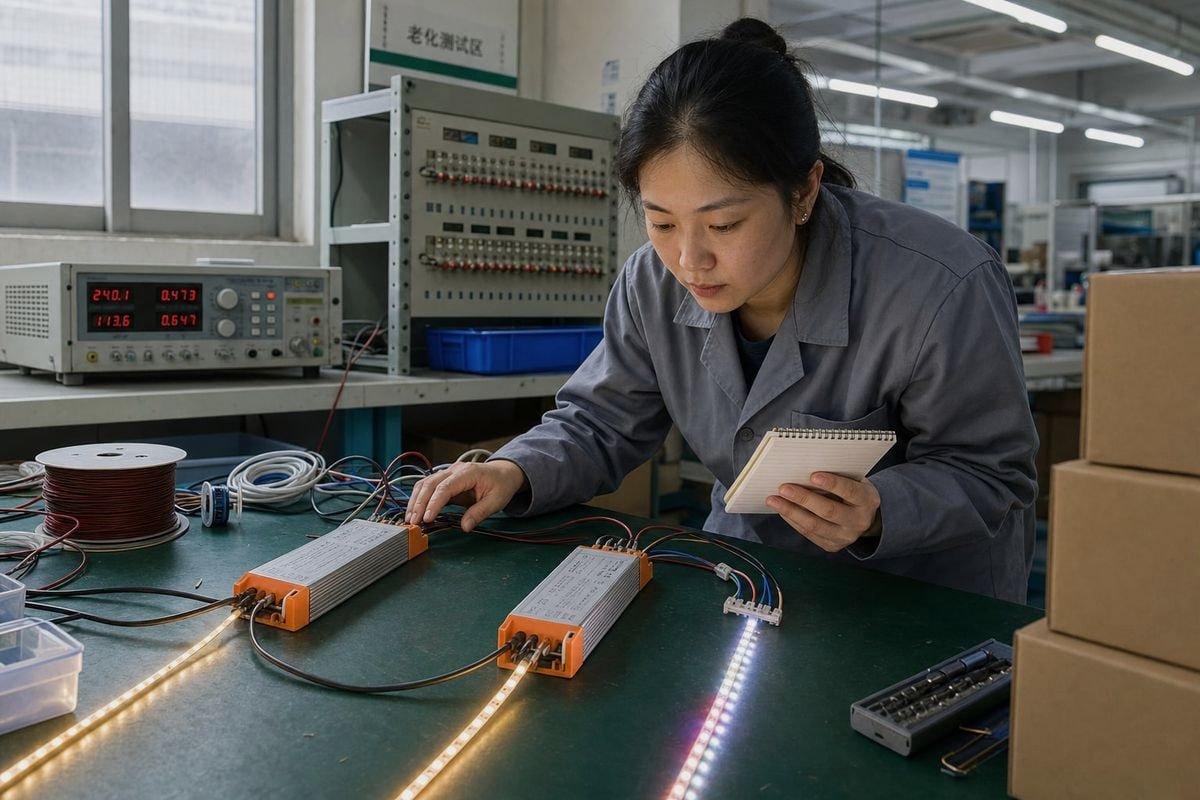
การจัดซื้อในระดับใหญ่เป็นเกมที่ต่างจากการซื้อสิบหน่วย ราคาต่อหน่วยสำคัญ แต่ต้นทุนรวมของโปรเจกต์ รวมถึงความล้มเหลว ความล่าช้า และปัญหาการติดตั้งระบบ มีความสำคัญมากกว่า นี่คือรายการตรวจสอบที่เราแนะนำ จากประสบการณ์สิบปีในการให้บริการผู้จัดจำหน่ายและแบรนด์แสงสว่างทั่วยุโรป ญี่ปุ่น และเอเชียตะวันออกเฉียงใต้.
รายการตรวจสอบการจัดหาจำนวนมาก
| จุดตรวจสอบ | สิ่งที่ต้องตรวจสอบ | เหตุใดจึงสำคัญ |
|---|---|---|
| การปฏิบัติตามข้อกำหนด | โปรโตคอล DALI-2, IEC 62386, CE, CB, SELV | ความเข้ากันได้และการเข้าถึงตลาดอย่างถูกกฎหมาย |
| ฟีเจอร์ป้องกัน | เกินแรงดัน โอเวอร์โหลด อุณหภูมิเกิน ไฟฟ้าลัดวงจร กู้คืนอัตโนมัติ | ความน่าเชื่อถือในภาคสนามและอัตรา RMA ที่ต่ำลง |
| ข้อมูลจำเพาะ PWM | ระบุความถี่เป็นลายลักษณ์อักษร ควรสูงกว่า 2kHz | ประสิทธิภาพไร้การกะพริบไม่ได้รับการรับประกันจากคำว่า “DALI” เพียงอย่างเดียว |
| รูปทรง | ตัวเรือนบางสำหรับโคมรางและโคมเชิงเส้น | การผสานรวมทางกายภาพสำคัญพอๆ กับคุณสมบัติการควบคุม |
| การปรับแต่งตามความต้องการ | การพิมพ์โลโก้ ฉลาก ค่าเริ่มต้นของเฟิร์มแวร์ บรรจุภัณฑ์ | จำเป็นสำหรับโปรแกรมการขายภายใต้แบรนด์ส่วนตัว |
| การควบคุมคุณภาพแบบรายล็อต | การทดสอบอายุการใช้งาน การตรวจสอบความคลาดเคลื่อนของกำลังขับ รายงานที่บันทึกเป็นเอกสาร | ตัวอย่างมาตรฐาน (Golden samples) ไม่ได้พิสูจน์ความสม่ำเสมอของทั้งล็อต |
| รองรับ | คำแนะนำการเดินสาย คำแนะนำเกี่ยวกับโทโพโลยีการเดินสายบัส เวลาตอบสนองหลังการขาย | การ commissioning คือจุดที่โปรเจกต์มักพลาดกำหนดเวลา |
มีสองประเด็นที่ควรเน้นย้ำ ประการแรก ให้สอบถามพฤติกรรมของไดรเวอร์ที่ขอบเขตการทำงาน: เกิดอะไรขึ้นเมื่อไฟฟ้าลัดวงจร และสามารถกู้คืนได้อัตโนมัติหรือไม่ หน่วยที่มีคุณภาพมีระบบป้องกันแรงดันเกิน โหลดเกิน อุณหภูมิเกิน และไฟฟ้าลัดวงจรเป็นมาตรฐาน ประการที่สอง ตรวจสอบความสะดวกในการติดตั้ง บัส DALI เป็นสายไฟสองเส้นที่ไม่ขึ้นกับขั้ว ซึ่งสามารถเดินร่วมในท่อร้อยสายเดียวกันกับสายไฟหลัก และการจัดกลุ่มผ่านซอฟต์แวร์ช่วยให้ผู้ติดตั้งสามารถกำหนดค่าโซนใหม่ได้โดยไม่ต้องเดินสายใหม่ แต่ซัพพลายเออร์ของคุณควรให้คำแนะนำเกี่ยวกับโทโพโลยีการเดินสายบัสและขั้นตอนการกำหนดแอดเดรส เนื่องจากการสนับสนุนการ commissioning คือสิ่งที่รักษากำหนดเวลาโปรเจกต์ที่กระชั้นชิดให้คงอยู่.
ข้อควรระวังที่ตรงไปตรงมาจากฝ่ายเรา: ไม่ใช่ทุกโปรเจกต์ที่ต้องใช้ DALI สำหรับงานขนาดเล็กแบบโซนเดียว การใช้ PSU แรงดันคงที่ธรรมดากับ PWM dimmer แบบง่ายจะถูกกว่าและติดตั้งเร็วกว่า เราบอกผู้ซื้ออย่างเปิดเผย DALI คุ้มค่าเมื่อคุณต้องการระบบควบคุมแสงแบบระบุแอดเดรส หลายโซน การตั้งฉาก การปรับอุณหภูมิสี หรือการผสานกับระบบอาคารอัตโนมัติ — ซึ่งครอบคลุมงานเชิงพาณิชย์และโรงแรมส่วนใหญ่ แต่ไม่ใช่ทุกแถบไฟตกแต่งในที่พักอาศัย.
บทสรุป
CV DALI drivers แก้ปัญหาสองอย่างพร้อมกัน: แหล่งจ่ายไฟแรงดันต่ำที่เสถียรและการควบคุมดิจิทัลที่เป็นมาตรฐาน จับคู่แรงดันไฟฟ้า เลือกกำลังไฟโดยเผื่อความปลอดภัย กำหนดให้รองรับ DALI-2 และตรวจสอบการควบคุมคุณภาพรายล็อตก่อนสั่งซื้อ.
เชิงอรรถ
แหล่งข้อมูลอย่างเป็นทางการของ DALI Alliance อธิบายอินเทอร์เฟซบัสแบบสองสายทางกายภาพ. ↩︎
คำอธิบายทางเทคนิคว่าความถี่ PWM ส่งผลต่อแสงที่ออกมาและการกะพริบอย่างไร. ↩︎
หลักการทางวิทยาศาสตร์อธิบายว่าทำไม DALI ใช้เส้นโค้งลอการิทึมสำหรับการรับรู้ความสว่าง. ↩︎
แหล่งข้อมูล .gov ที่น่าเชื่อถือจาก Department of Energy นิยามระบบควบคุมอาคารและระบบอัตโนมัติ. ↩︎